Formation Hardness: Deciding Between Roller and PDC Bits
If you are trying to determine whether a hard alloy roller drill bit or a PDC bit will be more appropriate and long-lasting, one of the most important factors to consider is the hardness of the formation that is being drilled. Let us investigate the ways in which the formation hardness affects the selection of bits and their longevity:
Soft to Medium Formations
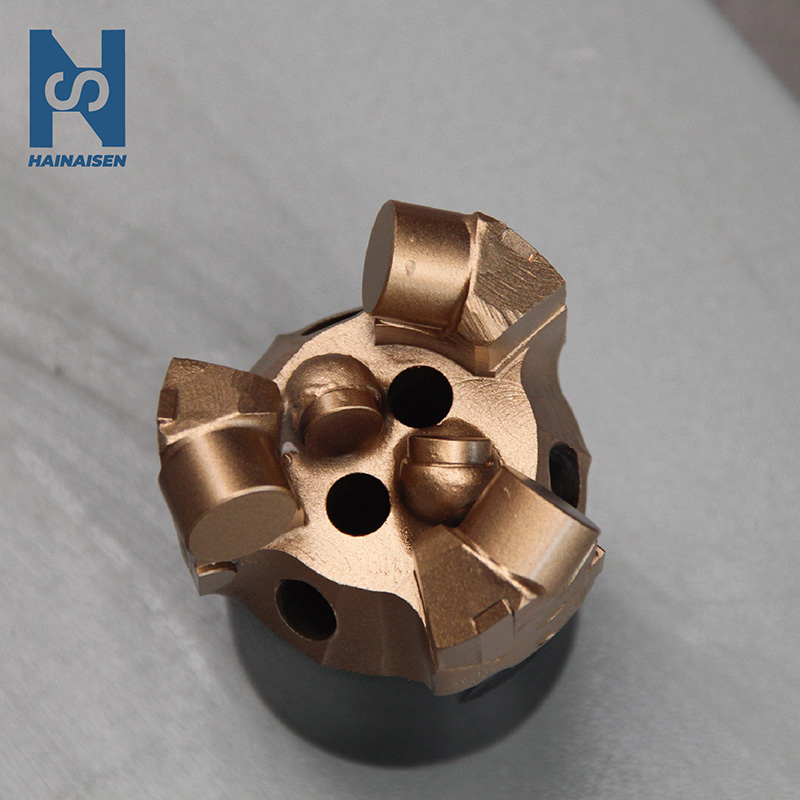
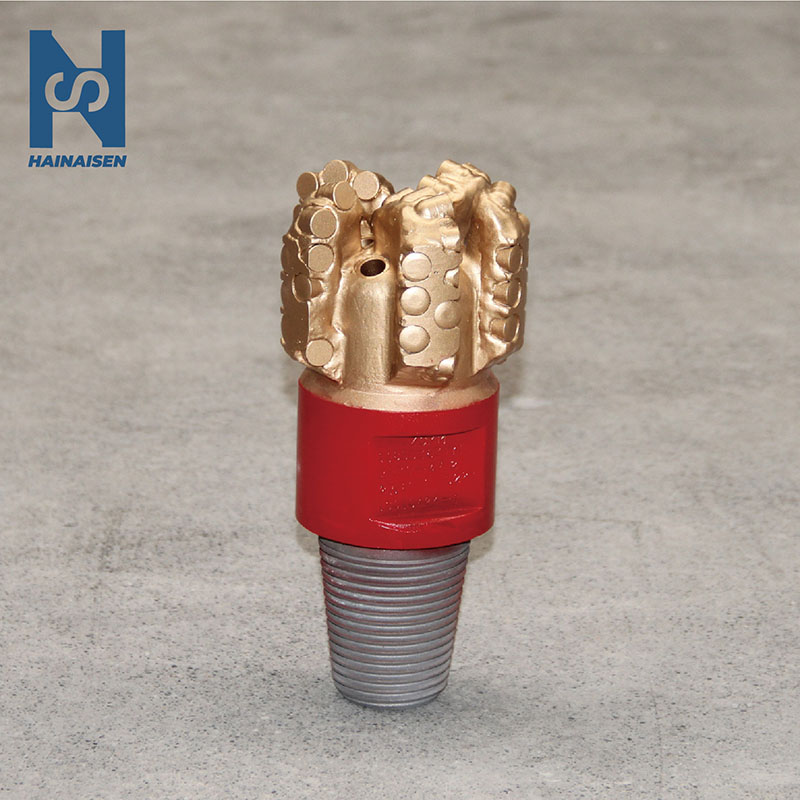
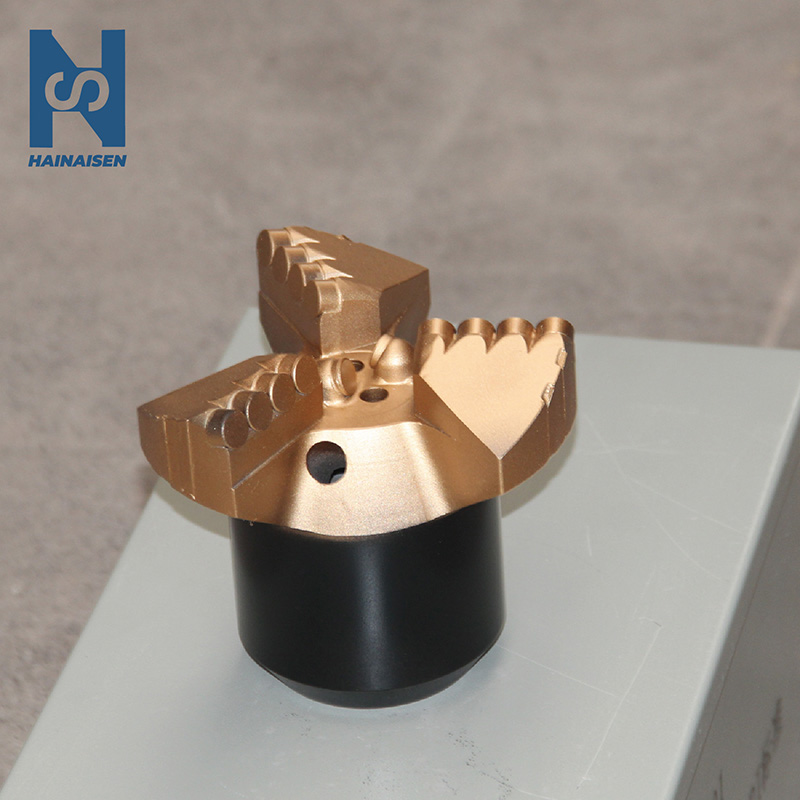
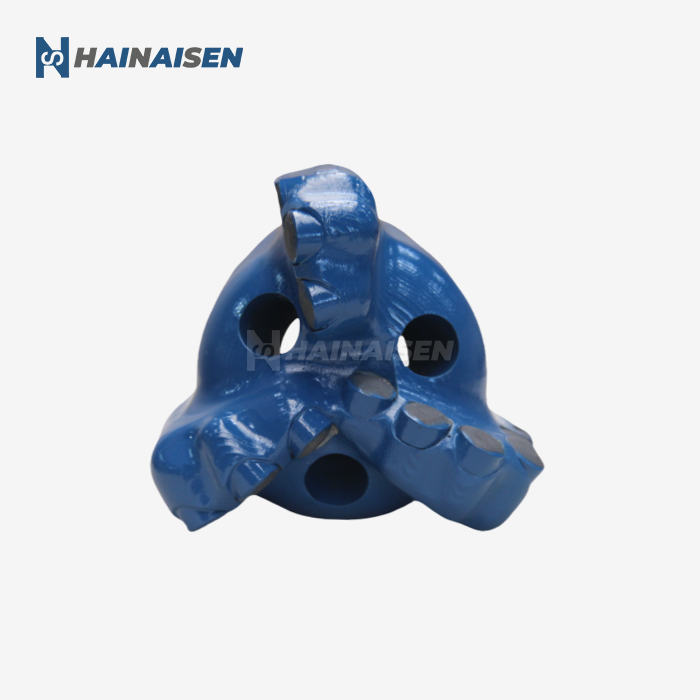
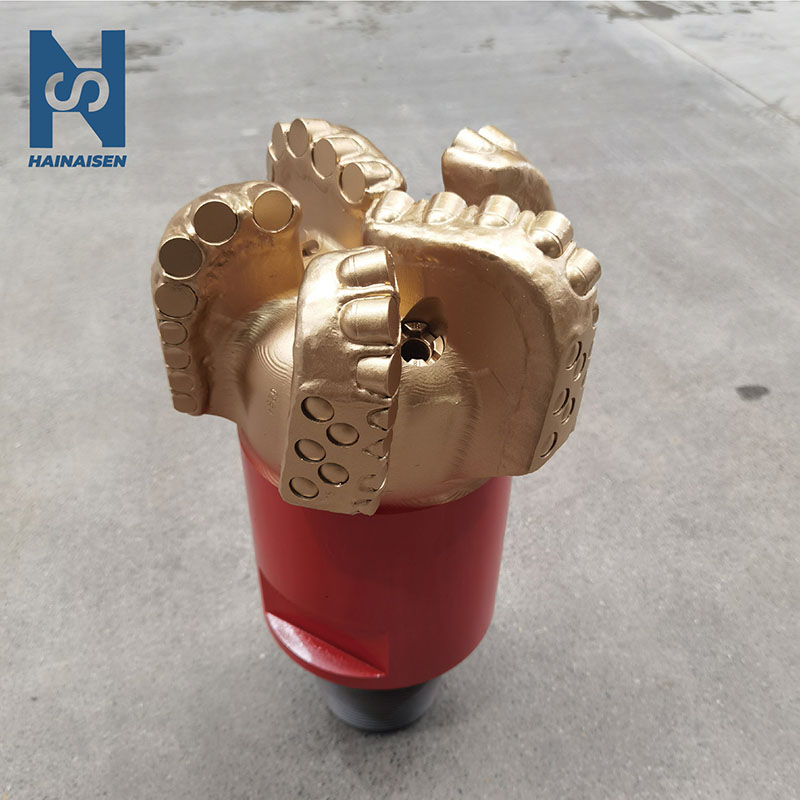
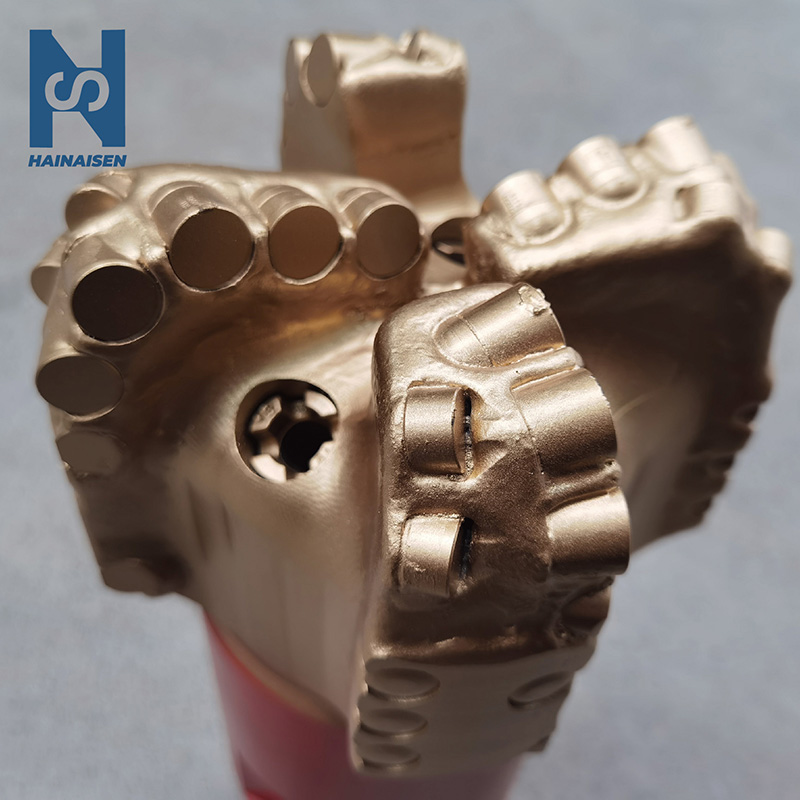
The performance of PDC bits is often superior to that of roller bits in terms of lifetime and rate of penetration (ROP) in softer formations like shale, sandstone, and limestone. In these materials, the shearing action of PDC cutters is very effective, which enables these cutters to drill more quickly while simultaneously reducing bit wear. Because PDC bits are able to keep their cutting structure intact for long periods of time, they are often capable of drilling complete well sections without the need for replacement.
Hard and Abrasive Formations
The use of hard alloy roller drill bits may prove to be more lasting when working with formations that are hard and abrasive, such as granite, quartzite, or rocks that contain a high percentage of silica. These revolving cones, which are equipped with tungsten carbide inserts, are meant to crush and grind through resistant materials, therefore spreading wear more uniformly over the bit. Under these circumstances, PDC bits may face rapid wear or damage to their cutting elements, which may result in the loss of their cutting capabilities before their time.
Interbedded Formations
Interbedded formations with variable degrees of hardness are encountered by a significant number of drilling operations. The decision between roller bits and PDC bits gets increasingly difficult to make in situations like these. PDC bits may have difficulty dealing with abrupt variations in the hardness of the formation, which might potentially cause damage to their cutting structure. It is possible that roller bits, which are able to withstand impact and come in a variety of formation types, will provide a longer lifespan in these kinds of situations.

Impact of Vibration on Roller Bit vs. PDC Longevity
Drilling activities are inherently accompanied by vibration, which has the potential to dramatically impact the lifetime of both hard alloy roller drill bits and PDC bits for drilling operations. In order to maximize the lifetime and performance of each bit type, it is essential to have a solid understanding of how each kind reacts to vibration.
Roller Bit Resilience to Vibration
Due to the design of hard alloy roller drill bits, they are often more vibration-resistant than other types of drill bits. It is possible for the spinning cones to allow for some degree of movement, which may assist in the absorption of vibration and shock. As a result of this inherent flexibility, roller bits are less likely to sustain damage from moderate levels of vibration, which has the potential to increase their operating life under tough drilling circumstances.
PDC Bit Sensitivity to Vibration
Because of their fixed cutting structure, PDC bits are more susceptible to vibration than other types of bits. When the polycrystalline diamond cutters are subjected to excessive vibration, they may experience early wear, chipping, or even fracture. Due to this sensitivity, it is essential to properly regulate vibrations in order to ensure the lifespan of a PDC bit, particularly when drilling in more difficult formations or at greater rotating speeds.
Mitigating Vibration Effects
The use of vibration mitigation measures is required of drillers in order to optimize the lifetime of both kinds of bits. The optimization of weight on bit (WOB) and rotational speed, the use of shock subs, and the implementation of sophisticated drilling methods such as controlled pressure drilling are all strategies that may be utilized for PDC bits. Although roller bits often need less strict vibration control methods, they usually benefit from procedures that are comparable to those described above.
When to Switch from Roller to PDC in Deep Wells?
As drilling moves deeper into formations, the choice to transfer from a hard alloy roller drill bit to a PDC bit becomes an important factor to take into account. This moment of transition is driven by a number of variables, including:
Changing Formation Characteristics
Changing formation features are something that deep wells often confront. Switching to PDC bits may greatly enhance drilling efficiency and bit life as drilling goes from harder, more abrasive upper formations to softer, more homogenous deep formations. This is because PDC bits are designed to be more uniform in their characteristics. When the benefits of PDC's greater ROP and longer bit life surpass the initial performance advantages of roller bits, this is often the moment at which the changeover point occurs.
Temperature Considerations
As the depth of the well grows, the temperature of the bottom hole also increases. In general, the performance of PDC bits is superior to that of hard alloy roller drill bits when dealing with high-temperature settings. The polycrystalline diamond material is able to keep its hardness and resistance to wear even when subjected to high temperatures. On the other hand, the elastomeric seals that are used in roller bits may deteriorate, which may result in the failure of the bearing. PDC bits are often used in deeper and hotter areas of the well because of this temperature issue, which initiates the changeover.
Economic Factors
Economic concerns are also taken into account while making the choice to move from roller bits to PDC bits. Despite the fact that PDC bits have a higher initial cost, the fact that they have the ability to drill at quicker rates and have a longer bit life may result in considerable cost savings when it comes to deep well operations. When the predicted cost per foot drilled with a PDC bit becomes lower than that of continuing to use roller bits, this is the moment at which the changeover point occurs.
Operational Efficiency
In deep well drilling, it is becoming more critical to minimize the number of trips required for bit replacements owing to the amount of time and money that is involved. Because of their often longer run lengths, PDC bits have the ability to cut down on the number of trips that are necessary, hence boosting the overall efficiency of operations. In many cases, the transition to PDC occurs when the possibility of longer bit runs is greater than the advantages of continuing to use roller bits.

Conclusion
The decision between hard alloy roller drill bits and PDC bits is contingent upon a complex interplay of elements, such as the features of the formation, the depth of the well, the temperature, and economic considerations. Both types of drill bits have their advantages. When it comes to deep well operations, having a solid understanding of these elements is essential for optimizing bit selection and increasing drilling efficiency.
Are you looking for expert guidance in selecting the right drill bit for your specific drilling needs?
The Shaanxi Hainaisen Petroleum Technology Co., Ltd. is an organization that specializes in the provision of individualized solutions for the extraction of oil and gas, coal mining, and geological reconnaissance. When it comes to your deep well projects, our team of experienced engineers can assist you in determining the best transition point from hard alloy roller drill bits to PDC bits. This will ensure that you achieve the highest possible level of efficiency and cost-effectiveness. Please get in touch with us at hainaisen@hnsdrillbit.com as soon as possible to discuss the difficulties you are experiencing with drilling and to learn how our cutting-edge drill bit technology may improve your operations.
References
1. Smith, J.R. et al. (2020). "Comparative Analysis of Hard Alloy Roller Drill Bits and PDC Bits in Varied Formation Hardness." Journal of Petroleum Engineering, 45(3), 256-270.
2. Johnson, K.L. (2019). "Vibration Effects on Drill Bit Longevity: A Field Study." International Journal of Drilling Technology, 28(2), 112-128.
3. Brown, M.E. and Davis, T.R. (2021). "Optimizing Drill Bit Selection for Deep Well Operations." SPE Drilling & Completion, 36(1), 45-58.
4. Lee, S.H. et al. (2018). "Temperature Impact on PDC and Roller Bit Performance in High-Temperature Wells." Geothermics, 74, 138-152.
5. Wilson, A.C. (2022). "Economic Considerations in Transitioning from Roller to PDC Bits." Oil & Gas Journal, 120(4), 62-75.
6. Garcia, R.M. and Thompson, L.K. (2020). "Advancements in Hard Alloy Roller Drill Bit Technology for Abrasive Formations." SPE/IADC Drilling Conference Proceedings, SPE-199642-MS.