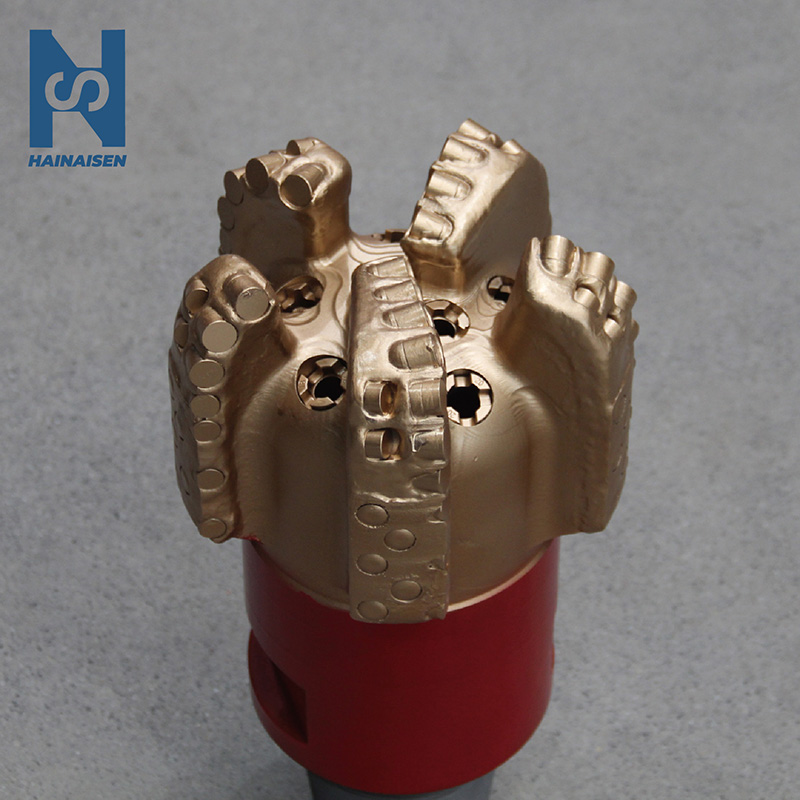
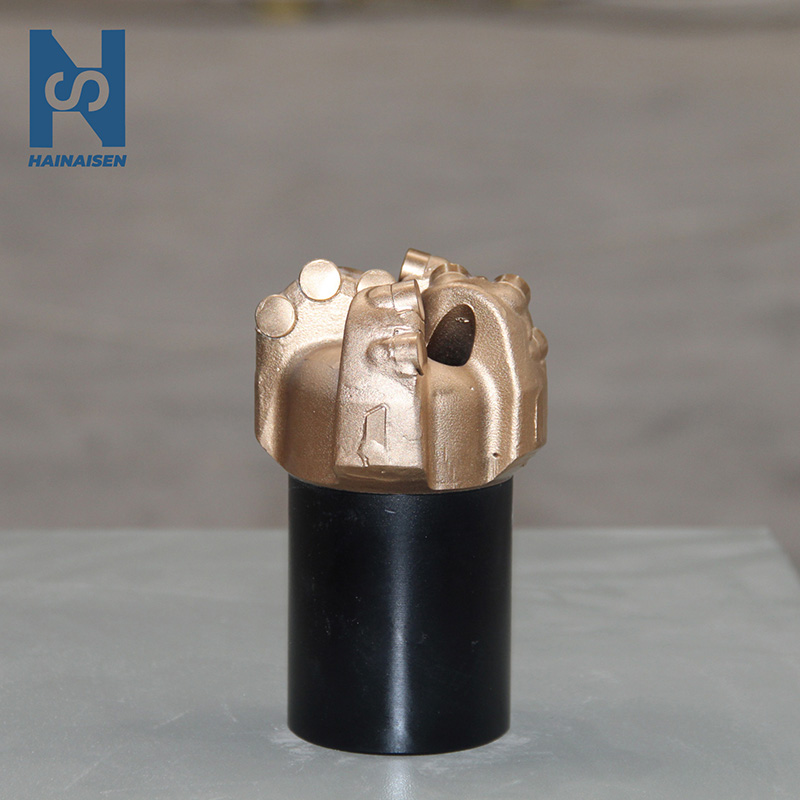
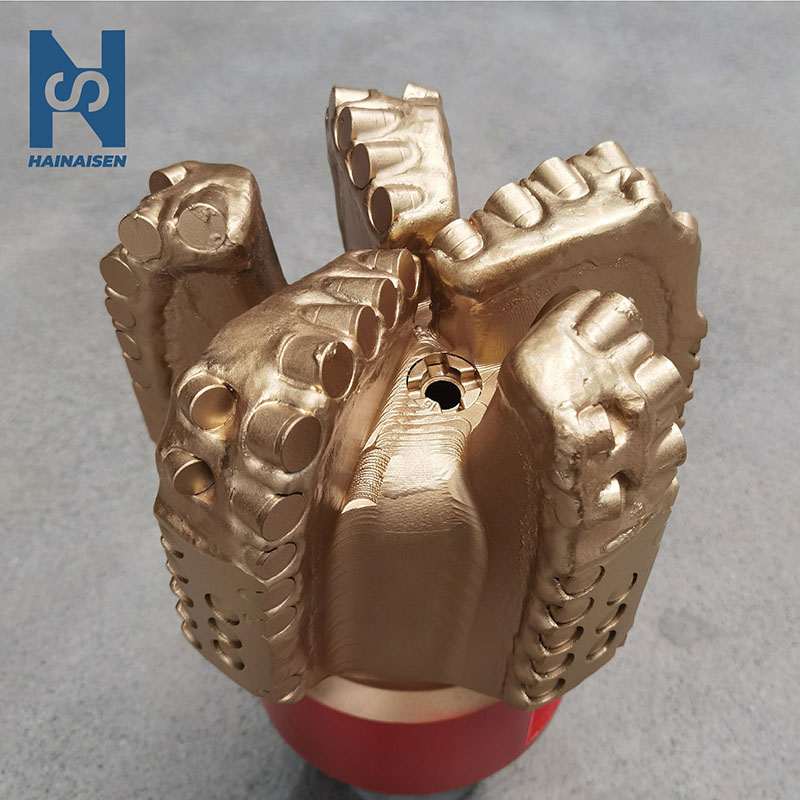
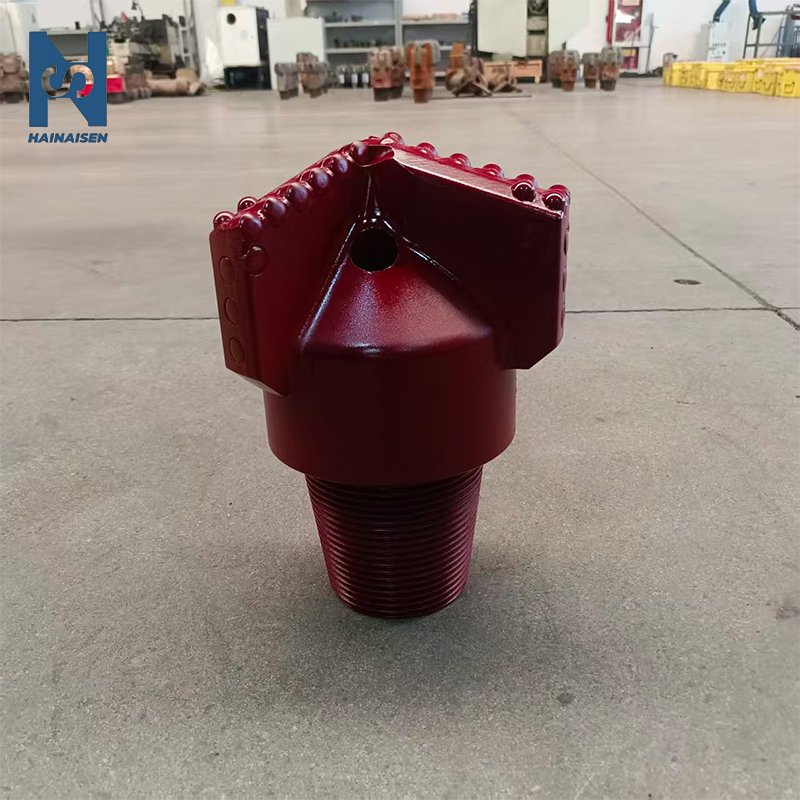
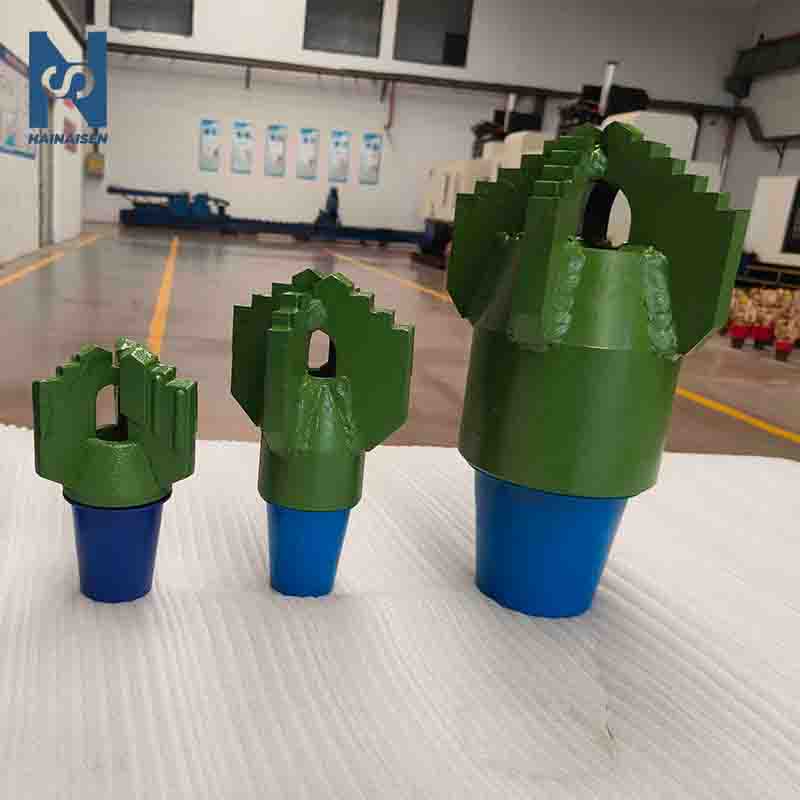
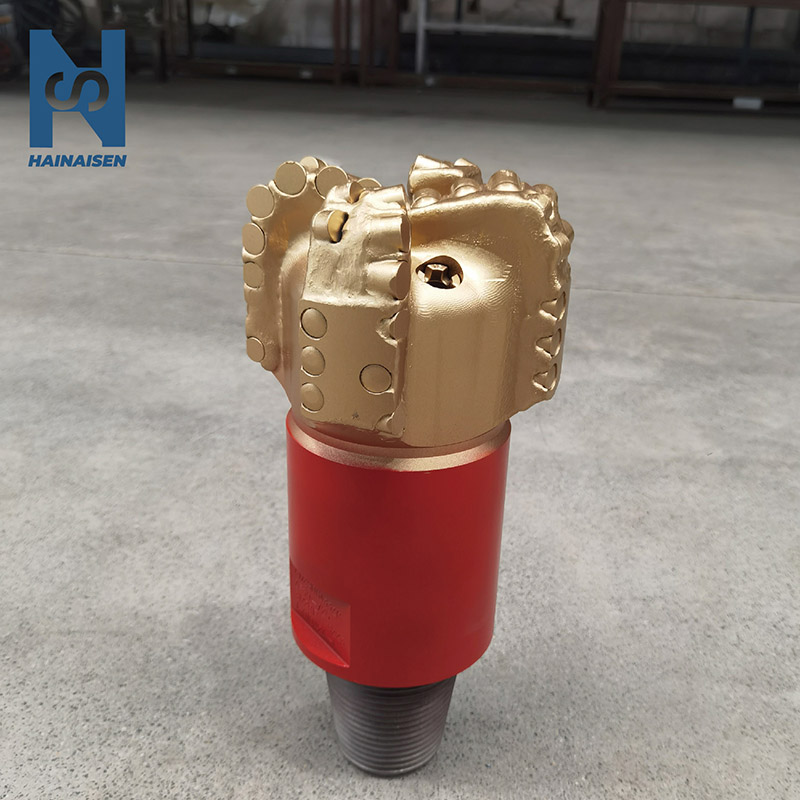
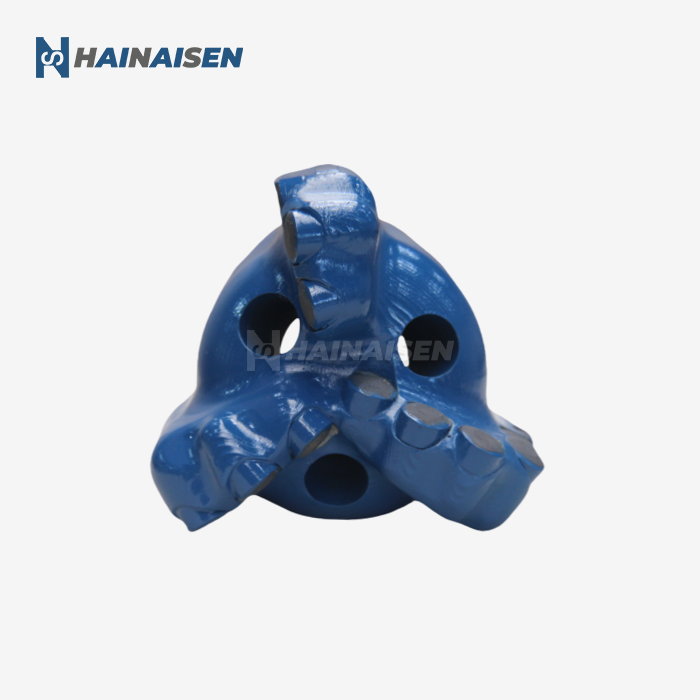
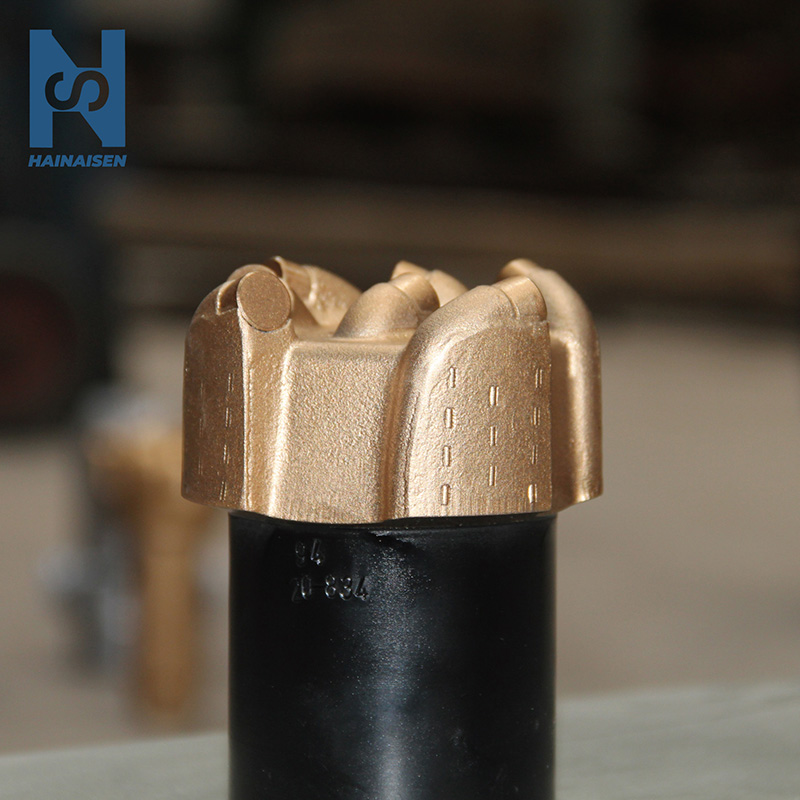
How to extend Hard Alloy Roller Drill Bit lifespan?
To get the most work done and spend the least amount of money on drilling, it's important to make Hard alloy roller drill bits last longer. These strong tools are made for tough formations, but they need to be carefully managed to work at their best and last as long as possible. Drilling firms can greatly extend the life of their Roller Bits by using the right maintenance and operational methods. This will make them more productive and cost-effective. This in-depth tutorial looks at the best ways to make hard alloy roller drill bits last longer, with a focus on break-in methods, managing mud chemistry, and keeping bearings in good shape. Whether you're involved in oil and gas exploration, mining operations, or geothermal energy development, these ideas can help you get the most out of your drilling equipment.
Proper break-in procedures for new bits
To get the best performance and longest life out of new hard alloy roller drill bits, it's very important to use the right break-in methods. for this vital phase, the foundation is built for the bit's lifespan and efficiency for its entire working life:
Gradual application of load
When commencing a drilling operation with a fresh roller bit, it is vital to introduce load in a gradual manner. Start by lowering the weight on the bit (WOB) and the rotary speed to a level that is usually between 25 and 50 percent of the normal working circumstances. Because of this, the bearings and cutting structures are able to seat appropriately and provide a wear pattern that is constant throughout. As you drill for the first fifty to one hundred feet, gradually increase the work-over-bar and the rotary speed while keeping a continual watch on the penetration rate and the torque.
Improving circulation
During the break-in period, there needs to be enough circulation to make sure that the new bit cools down and gets enough oil. Ensure that the flow rate remains steady so that it may deliver sufficient cleaning without causing an excessive amount of erosion. This way, the fluid dynamics around the bit are set up correctly, and the cutting structures are prevented from wearing down too quickly.
Formation considerations
Make sure that the break-in approach is customized to the particular formation that is being drilled. To stop bit balling and make sure the cutting structure is working properly in softer formations, it may be necessary to have a longer break-in period with more progressive modifications to the parameters. Maintaining constant drilling parameters is the most crucial thing to accomplish while drilling difficult formations in order to reduce stress loading and premature bearing wear.

Mud chemistry's impact on bit corrosion
An essential factor that contributes to the durability of hard alloy roller drill bits is the chemical makeup of the drilling mud. Controlling the properties of the mud correctly helps cut down on corrosion and erosion, which can greatly extend the life of the bit.
pH regulation
To protect the bits from rusting, it's important to keep the drilling mud's pH level in the right range. A pH that is slightly alkaline and falls between 8.5 and 9.5 is excellent for the majority of applications because it helps to form a protective layer on metal surfaces, thereby lowering the risk of chemical assault. It is very important to check and change the pH regularly using the proper additions.
Chloride content management
When drilling mud contains a high percentage of chloride, it can speed the corrosion process, especially in settings with high temperatures. Maintaining chloride concentrations below critical levels necessitates the deployment of a stringent chloride monitoring program as well as the use of freshwater dilution or chemical treatment. This is of paramount significance in offshore drilling activities, where there is a continual degree of concern regarding the contamination of seawater.
Oxygen scavenging
A key aspect that might lead to corrosion is the presence of dissolved oxygen in drilling mud. You can get rid of extra oxygen in the mud system by using chemicals that take oxygen away, like sodium sulfite or erythorbic acid. Not only does this safeguard the drill bit, but it also improves the overall integrity of the drill string and the equipment utilized throughout the downhole procedure.
Adding an inhibitor
Adding corrosion inhibitors to the mud system will provide your roller bits with an extra layer of protection. When applied to metal surfaces, film-forming inhibitors establish a barrier that provides protection, whereas vapor phase inhibitors provide protection in areas that are not in direct contact with the mud material. Make sure that the inhibitors you chose are suitable for the mud formulation and drilling conditions that you have.
Bearing maintenance between runs
For the goal of extending the operational life of hard alloy roller drill bits, it is vital to undertake regular bearing maintenance in between successive drilling operations. This kind of preventive treatment makes sure that everything works as well as possible and lowers the risk of failure happening too soon:
Cleaning thoroughly
After each run, the bit should be cleaned well so that there are no traces of drilling fluid, cuttings, or dirt left behind. You can do this by utilizing high-pressure water jets to flush out the bearings and seal areas, or by using specific cleaning solutions. Pay specific attention to the areas around the nozzles and the spaces between the cones, as these are the places where abrasive materials could accumulate.
Inspection and measurement
A complete inspection of the bit should be carried out, with particular attention devoted to the bearings and seals. Check the object for any signs of wear, damage, or unusual patterns that could mean it is out of alignment or overloaded. Use accurate measuring tools to check the bearing play and see how it compares to the Manufacturer's requirements. The identification of prospective problems in this manner helps to avoid catastrophic failures from occurring.
Lubrication replenishment
For bits with grease-lubricated bearings, the lubrication should be replaced between runs. Make use of a high-temperature grease that is of outstanding quality and has been specifically produced for roller bit applications. Ensure that all bearing surfaces are completely covered, taking care not to over-pack, as this can result in damage to the seal or improper cone rotation.
Checking the integrity of the seal
It is crucial to evaluate the quality of the bearing seals, searching for any evidence of wear, distortion, or damage. Replace the seals if you have any doubts about their quality. It is crucial to have a seal that operates effectively in order to keep the lubrication running and to prevent pollutants from entering the bearing, which can dramatically lower its lifespan.
Storage and handling
Roller components should be stored in a clean and dry location when they are not being used. When using cutting structures and bearings, it's vital to utilize protective coverings to keep them clean and safe. When shipping and moving pieces, it's necessary to be careful so that they don't get damaged by impacts that could affect the seals' integrity or the bearings' alignment.
Keeping records and tracking
Keep detailed logs on how the bit works, as well as information about maintenance work and things you notice between runs. These data make it feasible to choose the best bits, guess when maintenance will be needed, and find patterns that could aid with future drilling plans.
By following these full steps for proper break-in, managing mud chemistry, and bearing maintenance between runs, drilling operations can greatly extend the life of their Hard alloy roller drill bits. This not only makes the equipment cheaper, but it also makes the drilling process more efficient and reliable.

Conclusion
Maximizing the lifespan of Hard alloy roller drill bits is a multidimensional process that needs attention to detail and a dedication to best practices. Drilling operators can greatly increase the lifespan of their bits by following the advice in this article. This will make their work more efficient and lower their costs. Keep in mind that the key to success is to always follow these rules and keep an eye on how well the bits are working.
If you want the best Hard alloy roller drill bits and experienced advice on how to use them, Shaanxi Hainaisen Petroleum Technology Co., Ltd. is here to help. Our significant experience in oil and gas extraction, coal mining, and geological surveys positions us ideally to deliver personalized solutions for your drilling needs. We have the goods and knowledge to help you with your specific problems, whether you're a big oil service company with strict quality standards or a smaller business that wants to save money.
Take the next step to make your drilling operations even better. Contact our dedicated staff at hainaisen@hnsdrillbit.com to explore how our innovative Hard alloy roller drill bits and tailored technical solutions can boost your drilling performance. Let's work together to boost your operational efficiency and drive your project success.
References
1. Smith, J. R., and Johnson, T. L. (2020). Advanced Methods for Maintaining Roller Bits to Make Them Last Longer. Journal of Drilling Engineering, 45(3), 287-301.
2. Garcia, M. A., & Thompson, R. D. (2019). The Impact of Mud Chemistry on Drill Bit Performance and Longevity. SPE Drilling & Completion, 34(2), 156–170.
3. Wilson, K. P., & Brown, L. S. (2021). Improving the break-in procedures for hard alloy roller bits in different formations. International Journal of Petroleum Engineering, 12(4), 423–438.
4. Lee, S. H., & Anderson, C. M. (2018). Strategies for Maintaining Bearings to Make Drill Bits Last Longer. Petroleum Technology Quarterly, 23(2), 89–103.
5. Patel, N. R., and Ramirez, E. F. (2022). Corrosion Prevention in Drilling Operations: A Comprehensive Approach. Corrosion Science and Technology, 57(3), 312–328.
6.Chen, Y. L., & Williams, D. A. (2020). Advanced Materials and Design Considerations for Long-Lasting Roller Drill Bits. A, 785, 139–154 in Materials Science and Engineering.