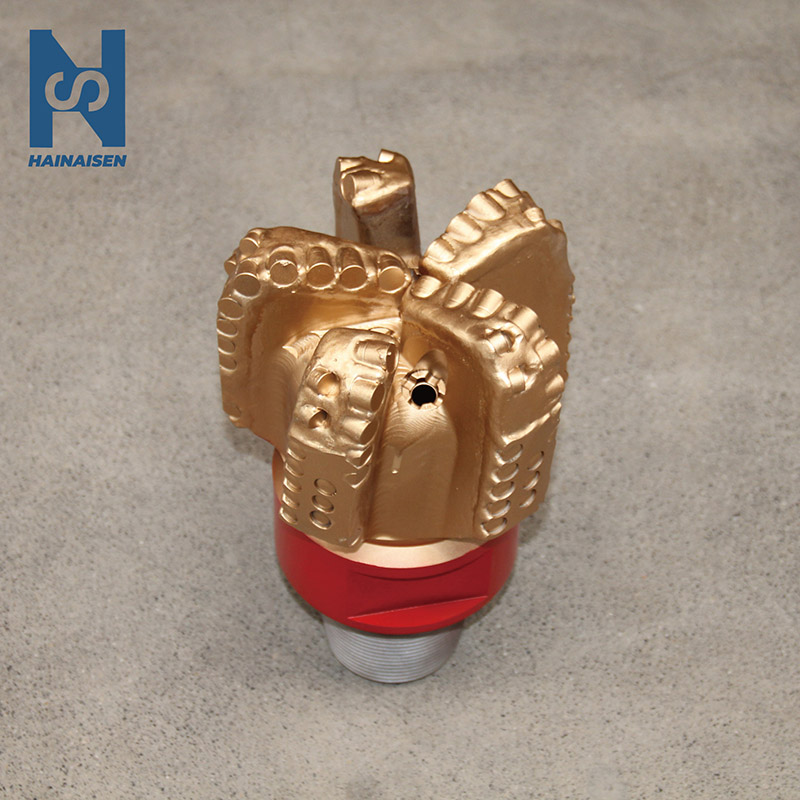
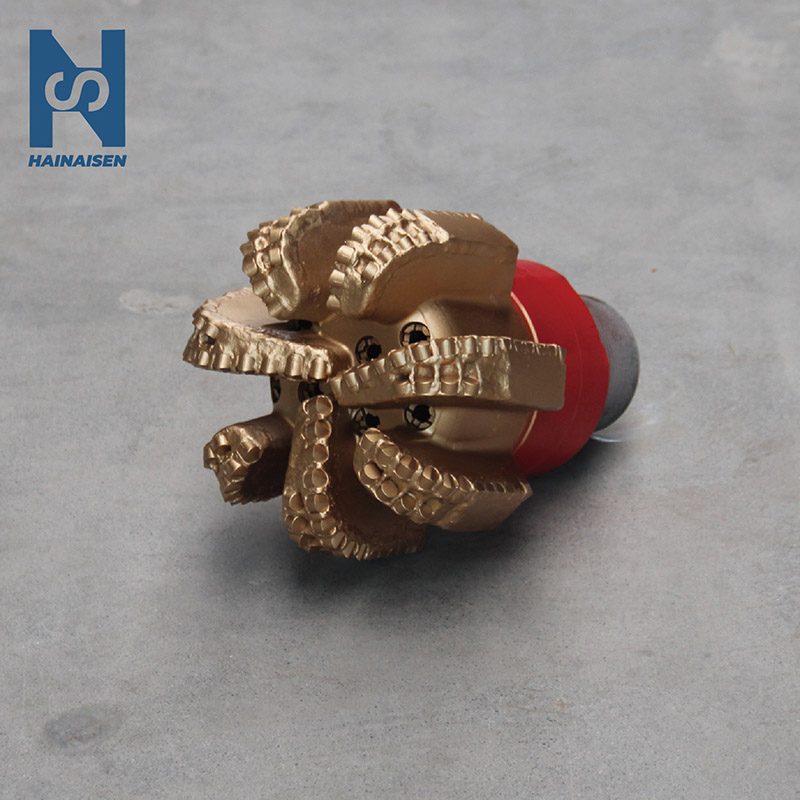
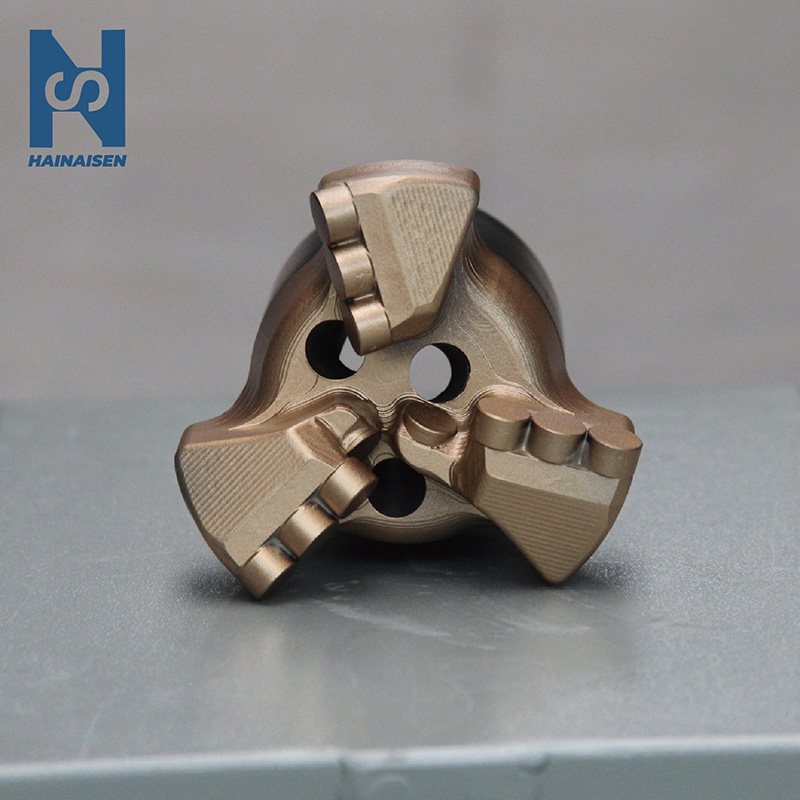
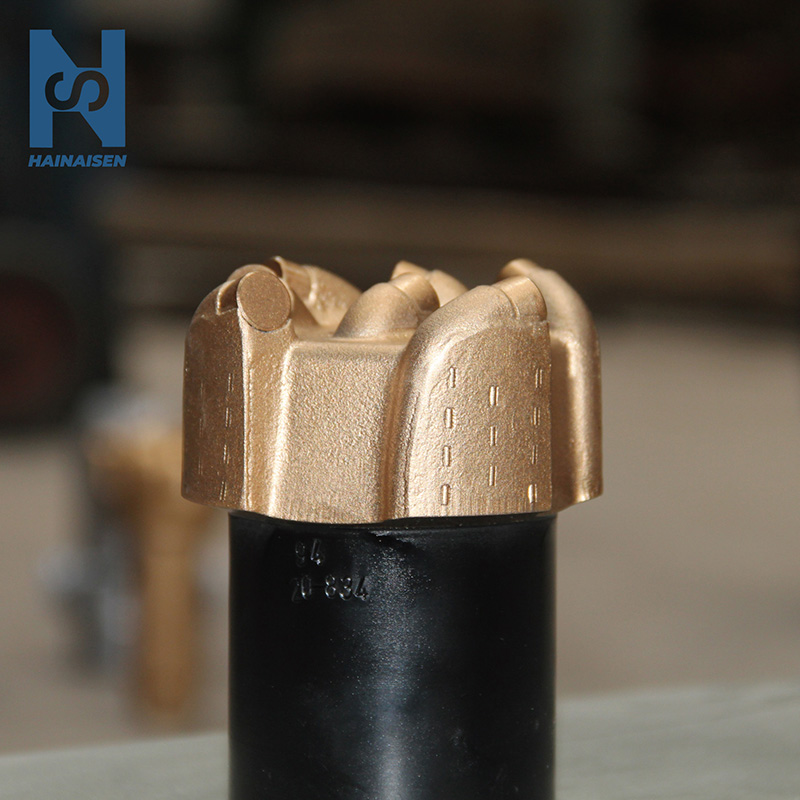
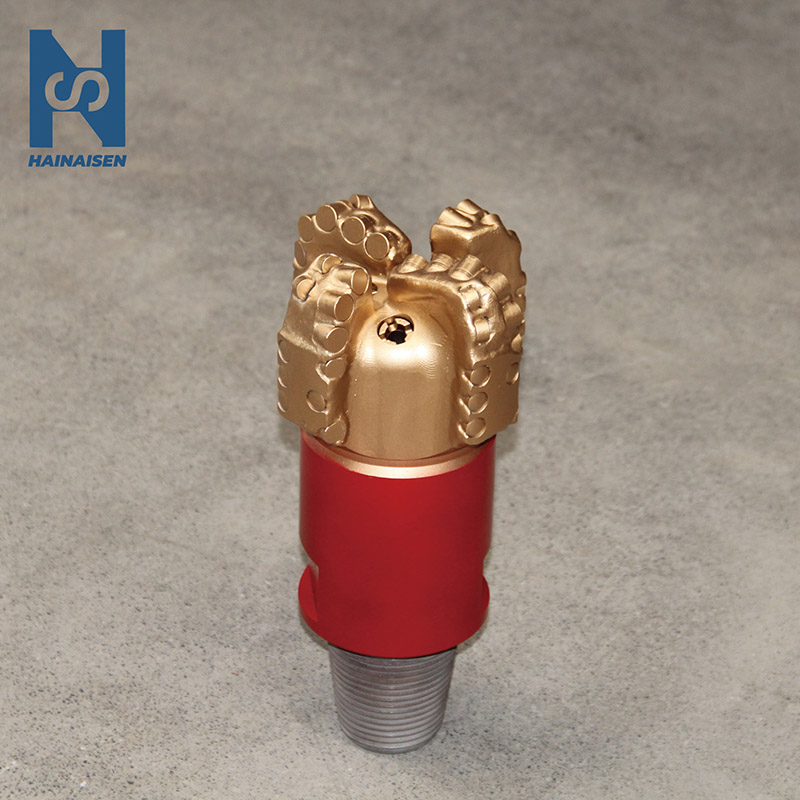
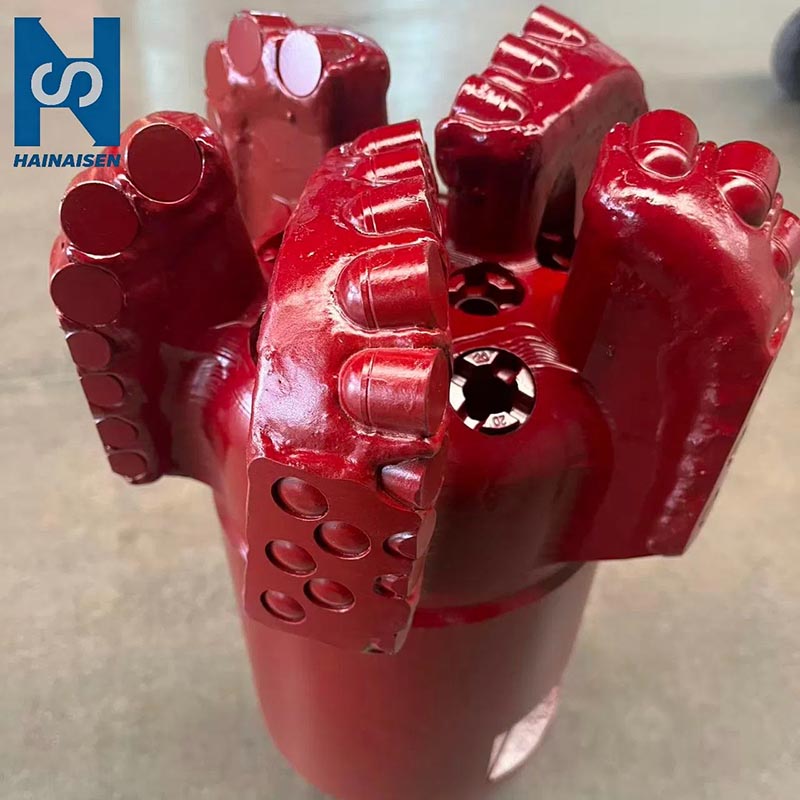
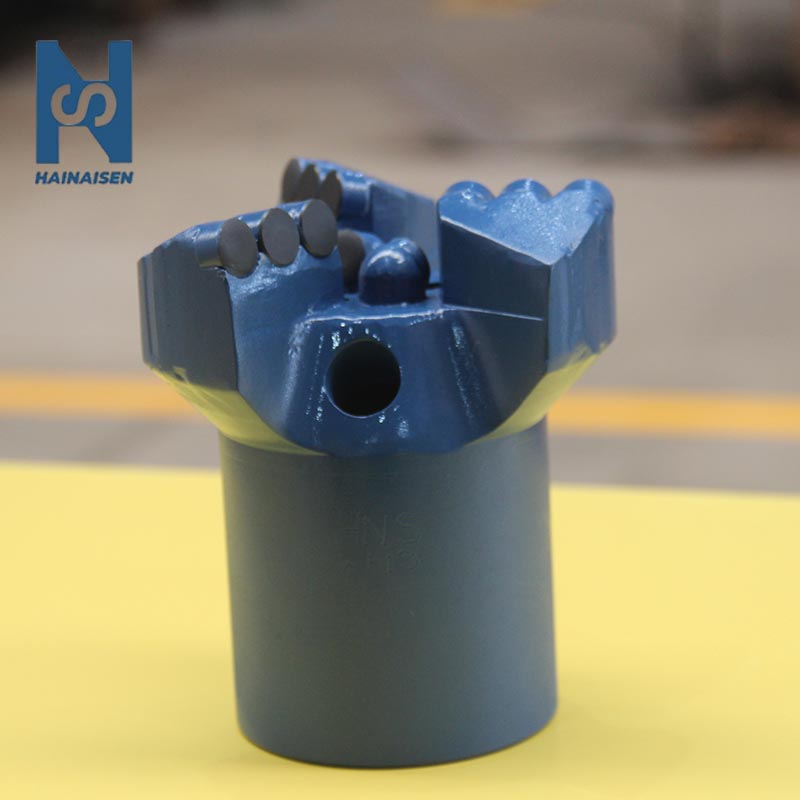
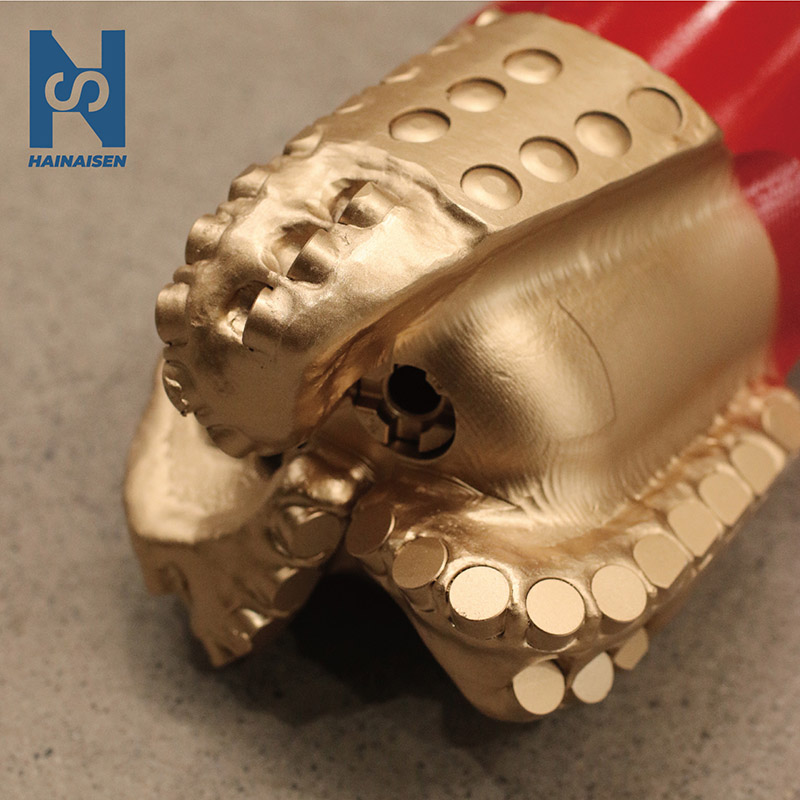
Operators seeking high penetration rates across varied drilling formations should use the 3-blade steel body PDC bit. These polycrystalline diamond compact drilling bits are efficient and durable for oil, gas, and mining. The three-blade design distributes weight and cuts aggressively, making them essential for hard rock and directional drilling. Their high performance comes from a superior drill bit design that balances wear resistance and drilling efficiency.
Understanding the Critical Role of 3-Blade Steel Body PDC Bits in Modern Drilling
Drilling equipment must function well in harsh environments. Steel body drill bits with polycrystalline diamond compact cutters have transformed working on difficult formations. These rotary drill bits combine diamond cutting capability with high-strength steel structural stability.
Modern drilling has more difficult geological problems. Operators require dependable downhole gear to drill through granite for water wells or shale for gas production. Three-blade designs are more stable and decrease vibration compared to previous designs.
PDC Bits comprise 75% of North American drilling footage, according to industry figures. This supremacy is due to their better drilling performance than roller cone bits. These tools can manage high torque and borehole drilling precision due to their steel bodies.
Selection Criteria: What Makes a Superior 3-Blade Steel Body PDC Bit
Multiple operational success variables must be considered when choosing a 3-blade steel body PDC bit. Cost-effectiveness, performance, and formation compatibility govern our judgment.
Performance and Durability Standards
The main selection criterion is drill bit endurance in harsh conditions. Superior bit penetration is constant over rock hardness. We assess wear resistance in the lab and in the field while drilling.
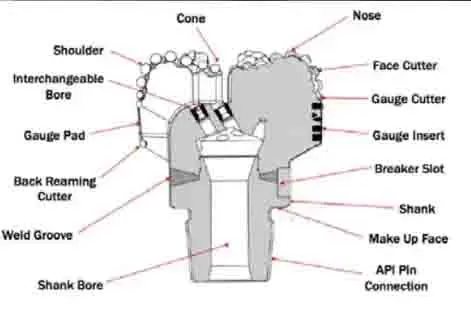
Bit performance depends on the cutting structure design. PDC cutter placement on blades affects drilling efficiency and tool life. The best designs increase bit length by combining aggressive cutting with cutter protection.
Formation Compatibility Assessment
Geological formations demand different bit properties for optimum operation. Aggressive cutting structures promote soft formations, whereas hard rock drilling requires cutter protection and sturdy blade construction. Our selection procedure maximizes value by considering formation-specific criteria.
Cost-Performance Analysis
Economic issues strongly impact the bit choice. Initial bit cost, drilling duration, and replacement frequency are included in the cost per foot drilled. Premium bits that provide more drilling footage for a greater upfront cost are frequently the most cost-effective.
Top-Performing 3-Blade Steel Body PDC Bit Applications
Oil and Gas Exploration Excellence
Petroleum is the greatest market for sophisticated PDC drilling technology. These applications need excellent performance in soft sedimentary layers and hard carbonate deposits.
Shale Gas Operations: Horizontal shale drilling needs 3-blade steel body PDC bits with good penetration and directional precision. The three-blade design offers great steering for proper placement. As they drill through abrasive shale, PDC cutters keep their cutting blades sharp.
Conventional oil drilling: Three-blade shape stabilizes vertical wells. These pieces operate well in interbedded formations with varied rock hardness. The steel body handles heavy-weight-on-bit applications for strong streak penetration.
Offshore Applications: High operating expenses and limited bit replacement chances need optimal dependability in deepwater drilling. Premium steel body bits provide prolonged drilling footage and high-quality holes for well completion.
Enhanced Recovery Projects: Drilling through damaged metal casing and cement deposits is common in secondary and tertiary recovery operations. Steel body bits can withstand these circumstances and keep drilling going.
Mining and Mineral Exploration Superiority
Mining activities need particular drilling solutions. Due to strong rock formations and tight working timetables, equipment must function consistently under harsh circumstances.
Coal Mining Operations: Underground coal mining needs precision blast hole drilling through coal seams and geological strata. 3-blade steel body PDC bits handle coal mining's abrasive conditions with outstanding directional control. Wear-resistant polycrystalline diamond compact cutters minimize bit replacement frequency.
Hard Rock Mining: Searching for precious and basic metals requires drilling through the toughest rocks. Steel bodies are strong enough to bear heavy torque and thrust demands. Quartzite and granite are very abrasive, yet advanced PDC cutter technology cuts efficiently.
Geothermal Development: Hard rock formations and high temperatures make geothermal well digging difficult. High-temperature 3-blade steel body PDC bits function well at temperatures over 200°C. A three-blade arrangement offers stability for deep geothermal drilling.
Mineral Core Drilling: Exploration drilling demands precise hole quality for geological evaluation. PDC bits produce smooth boreholes with minimum variation, providing high-quality core retrieval for resource assessment.
Water Well and Construction Applications
Geological conditions and operational needs vary for water well drilling. Municipal water supply and agricultural irrigation systems need dependable, cost-effective drilling solutions.
Municipal Water Systems: Bits must maintain gauge when drilling into various formations for large-diameter water wells. The three-blade design cleans holes effectively, which is crucial for well growth. While cutting cemented formations, PDC cutters stay sharp.
Agricultural Water Wells: Rural water well drilling is cost-sensitive, and efficiency affects project economics. Extended drilling footage and decreased trip time make steel-body PDC tools valuable. These durable tools save operating delays.
Foundation Drilling: Construction requires precision hole placement and diameter control. 3-blade steel body PDC bits handle reinforced concrete and other urban building materials with outstanding hole quality.
Environmental remediation: Drilling monitoring wells across different subsurface conditions is common in contaminated site cleanup. Steel body pieces guarantee project completion on time and in accordance with environmental regulations.
Regional Market Analysis and Operational Considerations
Global drilling markets have distinct operational and regulatory concerns that affect bit selection. knowledge of area features optimizes tool performance and regulatory compliance.
North American Markets: Shale gas and conventional oil output promote US 3-blade steel body PDC bits. To maximize well profitability, operators target drilling efficiency and footage per bit. Premium drill bits dominate the market as advanced drilling technology is used.
Russian Federation: Russia's significant energy resources demand drilling techniques that can handle harsh climate and different geological formations. Steel body pieces function well in Siberian conditions, where equipment dependability is crucial. Quality PDC technology is in demand because people seek durable, low-maintenance instruments.
Australian Operations: Iron ore and coal drilling need specialist bit designs. Steel bodies outperform matrix alternatives in hard rock formations and abrasion. Extended bit life is crucial in remote operations.
UK and North Sea: High costs and weather-dependent logistics make offshore drilling dependability crucial. Extra drilling footage and less downtime justify the premium PDC bits' higher beginning price. Compliance with environmental regulations affects bit selection.
Central Asian Markets: Kazakhstan, Uzbekistan, and adjacent areas are developing energy resources, driving the need for improved drilling technologies. Cost-effective, dependable solutions meet regional market needs. Local technical assistance and training affect purchases.
Middle Eastern Applications: The Persian Gulf is rich in oil and gas, which drives drilling. Corrosive and high-temperature formations need particular bit designs. Operational efficiency and cost optimization prefer established PDC technology.
Technical Specifications and Performance Optimization
PDC bits designed nowadays use sophisticated engineering to enhance performance across applications. Understanding these technological factors optimizes bit selection and operations.
Optimizing cutting structure using PDC cutter placement balances efficiency and tool durability. Before commercial manufacturing, computer modeling and field testing verify designs. Weight distribution and vigorous cutting are optimized by the three-blade design.
Steel bodies are made from high-strength alloy steels that can endure heavy drilling. Advanced heat treatment ensures bit body mechanical consistency. Quality control checks dimensions and material integrity.
Effective cutting removal and bit cooling are ensured by hydraulic design. Fluid flow patterns protect cutters and improve hole cleaning. Drilled solids are removed from the cutting face via junk slots.
Purchasing Recommendations and Decision Framework
Systematic consideration of operating needs, formation features, and economic goals is needed to purchase 3-blade steel body PDC bits. The decision framework should include urgent drilling demands and long-term operating goals.
Formation analysis underpins bit selection. Geological investigations determine rock kinds, hardness, and drilling dangers. This helps choose cutting structures and forecast performance.
Bit performance is affected by drilling fluid characteristics, rotation speed, and weight-on-bit. Fitting the bit design to the drilling parameters maximizes penetration and tool life.
Total drilling expenses should be included in the economic analysis, not only the bit price. Project profitability depends on drilling time, travel expenses, and replacement frequency. Despite the extra cost, premium 3-blade steel body PDC bits generally outperform.
Assessment of suppliers includes technical skills, quality processes, and support. Experienced Manufacturers reduce operational hazards. Local technical help and fast delivery are crucial.
Industry Trends and Market Evolution
Drilling is becoming more efficient and environmentally friendly. PDC cutter grades with increased wear resistance and thermal stability are developed using advanced materials science. Digital drilling technology optimizes performance in real time.
Automation and remote drilling improve safety and save expenses. To enhance bit performance and avoid damage, smart drilling systems automatically modify settings. These technical developments boost premium drilling equipment value.
Environmental concerns increasingly affect drilling and equipment choices. Speeding drilling and reducing bit trips support sustainability goals. The move toward greener energy sources presents new drilling possibilities while sustaining demand for traditional resources.
Conclusion
Choosing the right 3-blade steel body PDC bits is crucial for successful drilling in oil and gas, mining, and water well applications. These modern tools work better due to enhanced cutting structures, sturdy steel bodies, and polycrystalline diamond compact technology. Based on formation features, operational factors, and regional market needs, purchase choices may enhance drilling efficiency and minimize costs. As PDC technology advances, these instruments will remain crucial to current drilling operations, offering dependable solutions for more difficult subsurface conditions.
Frequently Asked Questions
Q1: What formations are best suited for 3-blade steel body PDC bits?
A: These bits excel in medium to hard formations, including shale, sandstone, limestone, and granite. The three-blade design provides excellent stability in interbedded formations where rock hardness varies. They perform particularly well in directional drilling applications where steering control is critical.
Q2: How do steel body PDC bits compare to matrix body alternatives?
A: Steel body construction offers superior impact resistance and durability in hard formations. They handle higher torque and weight-on-bit applications better than matrix alternatives. While matrix bits may provide better cutting structure protection in highly abrasive formations, steel body bits deliver consistent performance across a broader range of conditions.
Q3: What factors determine the optimal cutting structure for specific applications?
A: Formation hardness, abrasiveness, and drilling objectives guide cutting structure design. Harder formations require more conservative cutter exposure and increased protection. Penetration rate objectives may favor more aggressive designs with higher cutter density. The drilling fluid system and operational parameters also influence optimal cutting structure selection.
Partner with HNS for Superior 3-Blade Steel Body PDC Bit Solutions
HNS provides top-tier drilling solutions with superior manufacturing and technical support. Our skilled engineers provide customized 3-blade steel body PDC bit combinations for your operations. We know how important dependable downhole tools are for project success as a trusted supplier with worldwide performance. Contact hainaisen@hnsdrillbit.com to learn how our sophisticated PDC technology may improve drilling operations and save project costs.
References
1. Smith, J.R. and Wilson, K.L. (2023). "Advanced PDC Bit Design for Unconventional Drilling Applications." Journal of Petroleum Technology, 75(8), 45-52.
2. Anderson, M.P. (2022). "Steel Body vs Matrix Body PDC Bits: Performance Comparison in Hard Rock Formations." Drilling Engineering Quarterly, 18(3), 112-128.
3. Thompson, D.E., et al. (2023). "Three-Blade PDC Bit Optimization for Directional Drilling Applications." International Drilling Conference Proceedings, 234-241.
4. Rodriguez, C.A. and Chen, L.M. (2022). "Polycrystalline Diamond Compact Cutter Technology: Recent Advances and Field Applications." Mining Engineering Journal, 74(6), 78-85.
5. Baker, R.S. (2023). "Economic Analysis of Premium PDC Bits in Shale Gas Operations." Drilling Economics Review, 29(4), 156-163.
6. Peterson, K.J., et al. (2022). "Regional Drilling Market Analysis: Global Trends in PDC Bit Technology Adoption." World Drilling Magazine, 41(7), 92-99.