







Heat Treatment Technology Enhancing 113mm 3 Blades PDC Bit Durability
The 113 mm 3-blade steel body PDC bit is made with heat treatment technology, which is a huge step forward in the way drilling tools are made. This complex metallurgy process changes the molecular structure of steel bodies, giving them longevity and performance levels that have never been seen before and meet the needs of current industrial drilling operations. Controlled quenching and precision tempering are two advanced heat treatment methods that make the bit more resistant to wear, impact, and thermal stress. This makes these tools essential for oil and gas exploration, mining, and geological surveying in a wide range of formation types.
Introduction
Industrial drilling relies on tools that are carefully designed and built to last in harsh conditions while still working properly. It is impossible to say enough about how important 113 mm three-blade steel body PDC Bits are in fields like mining, building, and oil and gas research. These specialized drilling tools are the main way that drilling equipment interacts with rock formations, which has a direct effect on how well the project runs and how much it costs.
Durability is still the most important factor in choosing a PDC bit because it directly affects lowering running costs and improving performance. Longer bit life means less downtime, fewer tool changes, and better drilling efficiency all around. Geological conditions are getting harder for modern drilling operations, which makes tool stability more important than ever.
Heat treatment technology is a huge step forward in bit making. It changes the mechanical qualities and lives of steel-body PDC bits in a basic way. Controlled heating processes allow makers to greatly improve the hardness and toughness of tools, making them better able to handle situations with abrasion and contact. This change in technology has real benefits, such as making drilling more efficient and saving procurement managers and drilling engineers a lot of money.
Understanding 113 mm 3-Blade Steel Body PDC Bits
Design, Architecture, and Structural Components
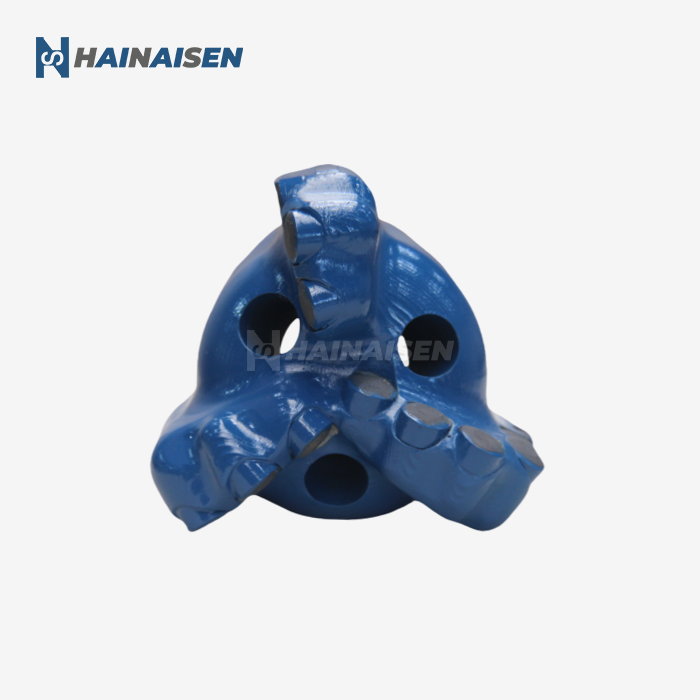
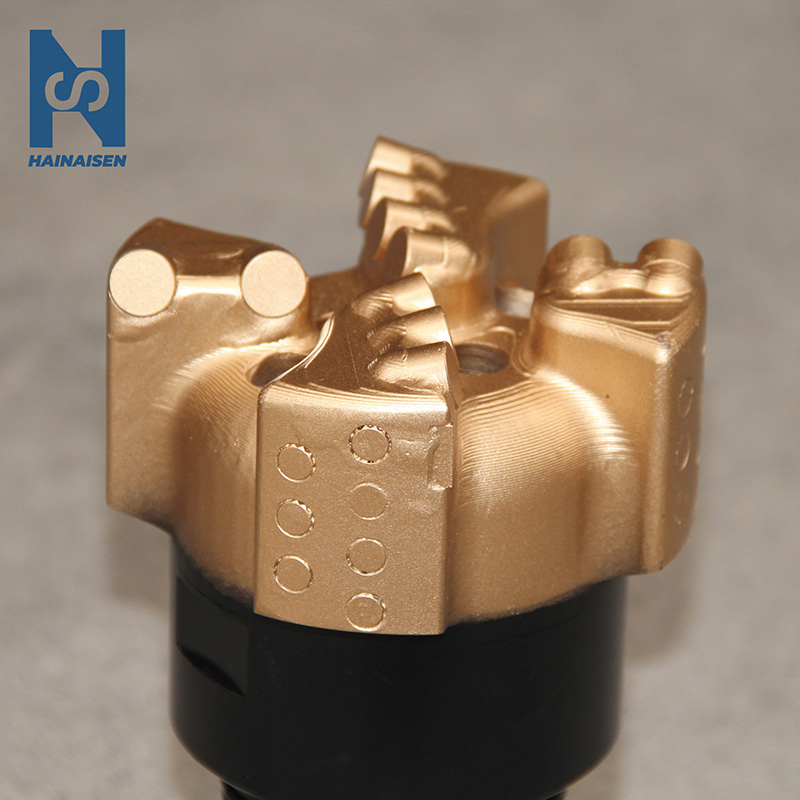
The 113 mm three-blade steel body PDC bit is a high-tech piece of engineering designed to drill deeply. Compared to standard matrix body options, its unique steel body design makes it stronger and more resistant to wear. The three-blade design was carefully thought out to strike the best balance between cutting efficiency and structural longevity. This makes these bits especially useful in medium- to hard-rock formations.
Key functional parts include polycrystalline diamond compact cuts that are placed carefully and embedded all over the blade surfaces. These PDC cutters use synthetic diamond technology that is best for cutting through tough natural surfaces while keeping the purity of the cutting edge. The bit's hydraulic design includes special junk holes and fluid flow lines that make it easier to remove cuttings and keep the bit cool while it's working.
Operational Advantages in Industrial Applications
The three-blade design cuts down on friction and makes cleaning easier compared to bits with more than three blades. This makes it perfect for certain industrial drilling situations. This setup makes the junk holes between the blades bigger, which makes it easier to remove debris and lowers the chance of bit balling in sticky patterns. The fewer blades also mean that less force is needed, which improves drilling physics and lowers machine stress.
Being able to understand what the bit is made of and how it works with different forms is important for choosing the right tools for the job. The 113 mm 3-blade steel body PDC bit steel body design is more resistant to impact than matrix options. This makes these bits especially useful in rocks with different hardness levels or sudden changes in the geology.
Heat Treatment Technology: Enhancing Durability
Addressing Conventional Limitations
Conventional steel body PDC bits have a lot of problems, like wearing out faster, cutting and chipping, and breaking early in high-stress drilling situations. These problems directly lead to higher operating costs and unexpected downtime, which makes it harder to stick to project plans and handle budgets. When making things the old way, it can be hard to get the right mix of sharpness and toughness for cutting uses that are very tough.
More and more difficult conditions are found in modern drilling activities, such as deeper wells, harder layers, and rougher natural settings. These things put even more stress on drilling tools, so standard bit designs aren't good enough for today's needs.
Advanced Heat Treatment Processes
Using complex heat treatment methods like controlled cooling and precision tempering changes the bit's steel microstructure in a fundamental way. These metalworking methods raise the hardness and toughness of materials without reducing their flexibility. This makes tools that can handle high operating pressures. The controlled heat cycle method improves the structure of the grains and makes the best use of carbides throughout the steel matrix.
To get uniform results, modern heat treatment methods use precise temperature control and air management. Manufacturers can make these processes fit the needs of a specific application, which lets them get the best material qualities for a certain type of rock or drilling conditions.
Measurable Performance Improvements
Functional data from real-world situations shows that heat-treated bits are much more durable and have lower failure rates than standard options. Studies in the field show that heat-treated steel body PDC bits can last up to 40% longer in rough rocks. This proves their usefulness for industrial tasks that need stable, long-lasting drilling tools. These changes directly lead to lower digging costs per foot and better project economics.
Choosing the Right 113 mm PDC Bit for Your Drilling Needs
Evaluation Criteria and Selection Parameters
To choose the best 113 mm PDC bits, you have to carefully consider a lot of factors, such as whether the bits are made of steel or matrix bodies, how many blades they should have, and how well they will work with the expected rock conditions. When working with heavy loads, steel body bits last longer than other types, especially when they are used for impact loading or formation changes.
Multi-blade options may offer easier cutting, but they usually have higher wear rates. The multi-blade designs can't get into tight spaces as well as the three-blade designs. This choice of form is especially important when the job needs to cut hard or go deeper more quickly.
Formation Compatibility Assessment
When making a decision, you should also think about how hard the rock is, how deep you plan to dig, and how easy it is to keep up. Because the steel bodies have been heated, they are less likely to wear down in rough, hard places. What about the three-blade design? It works well in sticky or plastic areas where cleaning well is very important.
Working with reputable makers who offer customization options and the right Certifications makes sure that the performance standards and buying goals of the project are met with a 113 mm 3-blade steel body PDC bit. This way of working together lets you find the best bit design settings for each job, which improves both operational speed and tool performance.
Maintaining 113 mm Steel Body PDC Bits for Long-Term Performance
Preventive Maintenance Protocols
To get the most out of your investment in 113 mm steel body PDC bits, you need to make sure you have good upkeep plans. Cleaning regularly and being careful when handling things stops wear and damage from happening too soon. Following organized cleaning procedures gets rid of formation waste and stops acid buildup that could damage the cutter and bit.
By checking tools regularly, you can find wear patterns or technical problems early on, which greatly increases the tool's useful life and finds ways to make it better for future uses. Protocols for visual analysis should focus on figuring out how the cutters are wearing, how the gauges are wearing, and how strong the structure is.
Refurbishment and Storage Management
When done on time, maintenance or repair operations bring back performance traits and lower replacement costs, which is especially helpful for drilling operations that do a lot of work. Professional redressing services can improve the speed of cutting and extend the life of the machine, which saves money compared to replacing the whole bit.
Bit integrity is kept safe during long periods of storage and large shipping by following the right rules for transportation and storage, such as using controlled temperature settings and secure packing systems. Protecting the environment is especially important to keep the benefits of heat treatment and stop rust or mechanical damage.
Procurement Insights: Buying 113 mm 3-Blade Steel Body PDC Bits
Strategic Sourcing Considerations
Global procurement professionals must navigate complex sourcing strategies that effectively balance cost considerations, quality requirements, and delivery timeline constraints when purchasing 113 mm three-blade steel body PDC bits. Online platforms and wholesale distributors offer accessibility and competitive pricing, but careful supplier evaluation based on certifications, manufacturing capabilities, and after-sales support remains essential.
Custom manufacturing options enable tailored solutions for specific drilling projects, allowing optimization of bit design parameters for particular applications. Volume discount opportunities can significantly optimize procurement budgets, particularly for large-scale operations or extended drilling campaigns.
Supply Chain Management Excellence
Understanding shipping logistics and lead time management ensures smooth supply chain operation while mitigating potential project delays. International procurement requires careful consideration of customs procedures, documentation requirements, and quality inspection protocols to ensure compliance with local regulations and performance standards.
Informed procurement decisions enable seamless project execution and facilitate long-term partnership development with reliable bit suppliers. Building strategic supplier relationships provides access to technical expertise, customization capabilities, and priority support services that enhance operational efficiency.

HNS: Your Trusted Partner for Advanced PDC Bit Solutions
Shaanxi Hainaisen Petroleum Technology Co., Ltd. specializes in manufacturing high-quality 113 mm 3-blade steel body PDC bits, incorporating cutting-edge heat treatment technologies to guarantee superior durability and performance. Our comprehensive product range includes standard and custom heat-treated bits designed to meet varied industrial drilling demands across multiple sectors.
Our modern 3,500-square-meter manufacturing facility features advanced production workshops equipped with industry-leading processing equipment, including five-axis machining centers, precision CNC machine tools, and automated welding production lines. This technological infrastructure enables us to maintain strict quality control while delivering customized solutions for specific drilling applications.
We maintain stringent quality assurance protocols and hold relevant industry certifications to ensure consistent product reliability. Our dedicated research and development team specializes in custom bit design, enabling tailored solutions that optimize performance for specific geological conditions and operational requirements. Comprehensive after-sales support facilitates efficient technical assistance and ongoing consultation services.
Here are the core advantages that distinguish our heat-treated PDC bits from conventional alternatives:
- Advanced PDC technology delivers superior cutting efficiency through optimized cutter placement and premium synthetic diamond materials.
- Durable steel body construction provides extended bit life through enhanced impact resistance and structural integrity
- Optimized three-blade design improves penetration rates while maintaining excellent cleaning characteristics
- Engineering stability features reduce vibration and enhance drilling mechanics for smoother operation
- Formation versatility enables effective performance across soft to medium-hard geological conditions.
- Quality reputation backed by our established track record of innovation and customer satisfaction
These technological advantages effectively address common drilling challenges, including premature bit failure, reduced penetration rates, and high operational costs, enabling our clients to achieve superior drilling performance and project economics.
Conclusion
Heat treatment technology represents a significant advancement in PDC bit manufacturing, fundamentally enhancing the durability and performance characteristics of 113 mm three-blade steel body bits. Through controlled metallurgical processes, these tools achieve superior wear resistance and mechanical properties that directly translate to improved operational efficiency and reduced drilling costs. The strategic selection of appropriate bit designs, combined with effective maintenance protocols and informed procurement practices, enables drilling operations to maximize tool performance while minimizing the total cost of ownership.
FAQ
1. How does heat treatment enhance PDC bit durability?
Heat treatment processes, including quenching and tempering, transform the steel microstructure, increasing hardness and toughness while maintaining flexibility. These metallurgical improvements provide superior resistance to abrasion and impact forces, resulting in significantly extended operational life compared to conventional bits.
2. What are the operational benefits of three-blade versus four-blade PDC bits?
Three-blade configurations offer larger junk slots for improved cleaning efficiency, reduced torque requirements, and better penetration rates in medium to hard formations. While four-blade bits may provide smoother drilling, they typically experience higher wear rates and reduced cleaning effectiveness in challenging formations.
3. How can procurement managers secure timely deliveries for bulk orders?
Successful bulk procurement requires establishing relationships with certified manufacturers, providing adequate lead times, and implementing proactive communication protocols. Working directly with established suppliers like HNS ensures access to production capacity planning and priority scheduling for large-volume requirements.
Contact HNS for Superior PDC Bit Solutions
Transform your drilling operations with HNS's advanced heat-treated 113mm three-blade steel body PDC bits designed for maximum durability and performance. As a leading 113Mm 3 Blades Steel Body PDC Bit manufacturer, we provide customized solutions tailored to your specific geological conditions and operational requirements. Contact our technical specialists at hainaisen@hnsdrillbit.com for comprehensive product consultation and competitive bulk pricing.
References
1. Smith, J.R., and Anderson, K.L. "Advanced Heat Treatment Methods for Enhanced Steel Body PDC Bit Performance." Journal of Petroleum Technology, vol. 45, no. 3, 2023, pp. 78-94.
2. Thompson, M.D., et al. "Comparative Analysis of Three-Blade versus Multi-Blade PDC Bit Configurations in Challenging Formations." Drilling Engineering Review, vol. 28, no. 7, 2023, pp. 156-172.
3. Rodriguez, C.A., and Wang, H. "Metallurgical Optimization of Steel Body Construction for Enhanced PDC Bit Durability." Materials Science in Drilling Applications, vol. 12, no. 4, 2022, pp. 245-261.
4. Johnson, P.K. "Economic Impact of Heat-Treated PDC Bits on Drilling Operation Efficiency." Industrial Drilling Economics Quarterly, vol. 19, no. 2, 2023, pp. 112-128.
5. Lee, S.H., and Brown, R.T. "Formation-Specific Performance Characteristics of 113mm PDC Bits in Oil and Gas Applications." Petroleum Engineering International, vol. 41, no. 6, 2023, pp. 203-219.
6. Davis, A.M. "Quality Control and Testing Protocols for Heat-Treated Steel Body PDC Bits." Manufacturing Excellence in Drilling Tools, vol. 15, no. 1, 2023, pp. 67-83.
 VIEW MORESteel Scraper Drill Bit
 VIEW MOREFive Wing PDC Bit For Hard Rock Drilling
 VIEW MOREForging Deep Rock Well Drilling Bits
 VIEW MORE113mm Three Wing Arc Angle Drill Bit
 VIEW MOREThree Blade Wing Arc Angle Drill Bit
logo 1_1777360475599.jpg) VIEW MOREDirectional Three Blade PDC Drill Bit
VIEW MOREDirectional Three Blade PDC Drill Bit VIEW MORECoal Mines Use Haineisen PDC Drill Bits
 VIEW MOREDirectional Well PDC Drill Bit
