







What Formation Types Are Suited to a PDC Bit For Well Drilling?
PDC Bits work best in soft to medium-hard rock types like shale, limestone, and sandstone because their polycrystalline diamond cutting surfaces do a better job through shear-cutting processes. These high-tech drilling tools work amazingly well in rock layers with shear forces between 5,000 and 25,000 PSI. This makes them the best choice for current drilling jobs. The PDC bit for well drilling technology changes the rate of penetration while keeping high-quality holes in a wide range of geological conditions. However, for very hard or rough rocks, special versions are needed.
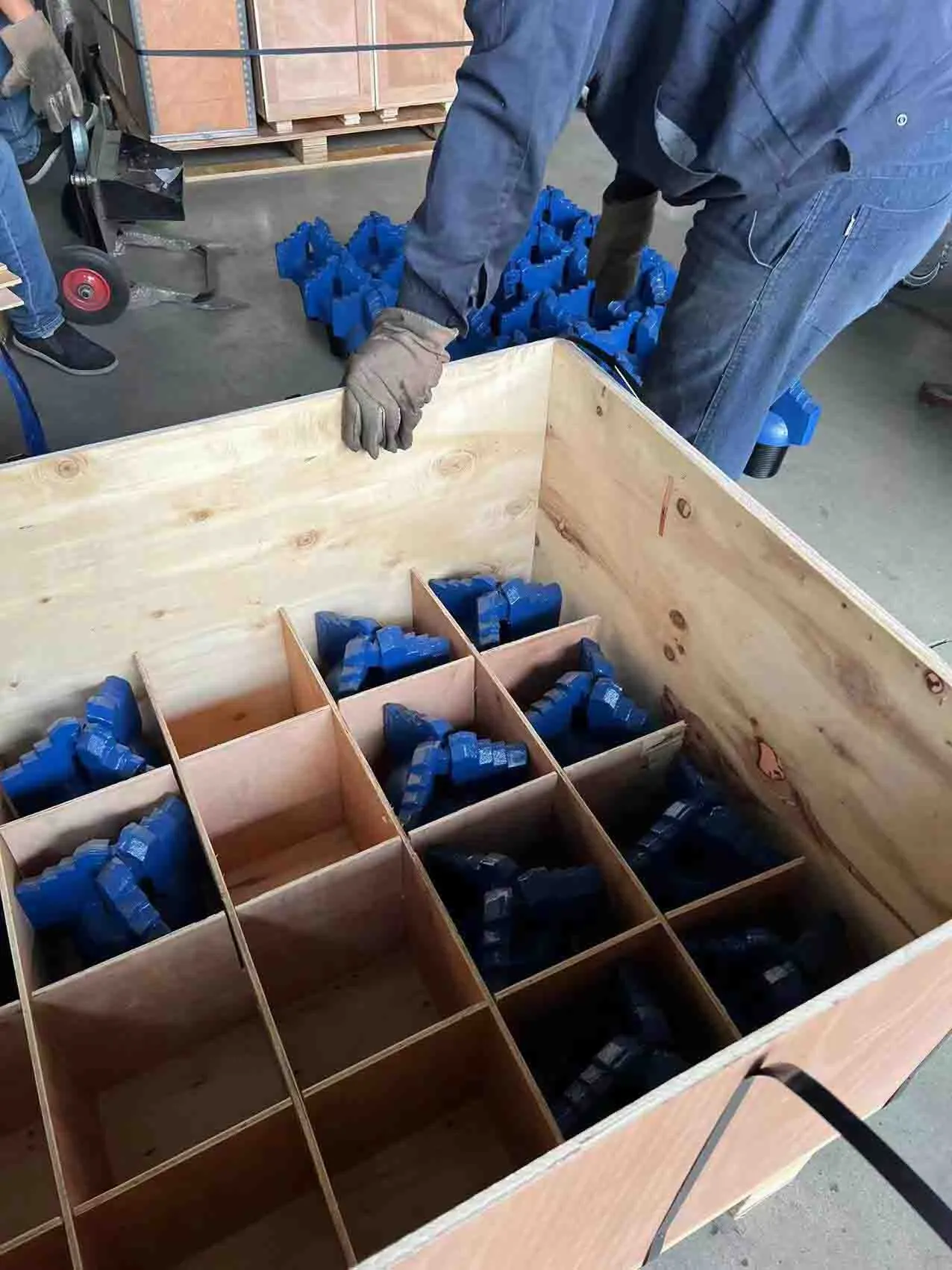
Understanding PDC Bits and Their Application in Well Drilling
Revolutionary Diamond Compact Technology
Using synthetic diamond cutting elements attached to tungsten carbide surfaces, Polycrystalline Diamond Compact bits are a big step forward in drilling technology. The advanced technology in these tools makes them cut through rock layers instead of crushing them like regular roller cone bits do. The backing of tungsten carbide is tough enough to handle cutting loads, while the polycrystalline diamond layer makes the tool very hard.
The basic design uses several PDC cutters placed in a planned way across the bit face to get the best cutting performance and load distribution. Each cutter has a carefully designed shape that strikes a balance between being strong and long-lasting. This lets them keep working well even after long periods of cutting. This new method achieves higher entry rates while making high-quality boreholes with little variation.
Operational Advantages and Performance Benefits
Modern PDC technology has a lot of great benefits that have a direct effect on the cost and speed of drilling. The improved cutting mechanism lowers the amount of power needed while increasing the speed of digging. This saves a lot of time during the well-building process. The longer bit life also cuts down on trip frequency, which cuts down on downtime and the costs that come with it.
Some of the most important practical benefits are less shaking, better direction control, and better hole cleaning. The simplified bit design makes it easier for hydraulics to flow, which stops bit balling and the buildup of cuttings that happens a lot with regular drilling systems. These performance traits lead to measured changes in how well drilling works and how much the job costs generally.
Key Formation Types Ideal for PDC Bit Usage
Soft to Medium Formation Categories
Rock types that are useful for PDC bits for well drilling include a wide range of those that are found in digging activities. Unconsolidated sands, soft shales, and young sedimentary rocks with compression forces below 10,000 PSI are common types of soft formations. The cutting action of PDC cutters works really well on these materials, allowing for fast entry rates with little bit wear.
Formations with a compressive strength of 10,000 to 20,000 PSI include mature shales, medium-density sandstones, and different types of limestone. For this group, PDC bits work best because they have the best combination of high entry rates and long bit life. The cutting process is still very good, and the wear rates are still low enough to support cost-effective boring operations.
Specialized Applications and Formation Challenges
In harder forms, there are special problems that need special PDC bit shapes and ways of working. Some igneous rocks, thick sandstones, and carbonate layers may be too hard for normal PDC setups to work properly. But new technologies have made it possible to use it for more things by making cutter materials better and coming up with new bit designs.
Abrasive layers with quartz, chert, or other hard rocks can speed up the wear on a PDC cutter, so it's important to choose the right bits and make sure the operating parameters are just right. Understanding the properties of the rock is important for getting the best bit performance and meeting drilling goals within budget limits.
Formation-Specific Performance Data
Studies in the field show that PDC bits work the same way in all kinds of geological settings. In the right layers, they usually have penetration rates that are two to three times higher than regular roller cone bits. Shale layers show the best results. Some processes reach entry rates of more than 100 feet per hour while keeping the quality of the holes very high.
The results of using limestone and sandstone are about the same, though success depends on how hard and rough the rock is. By choosing the right bit based on a rock study, you can get the best drilling results with the least amount of operating risk and cost.
Comparing PDC Bits with Other Drill Bits Based on Formation Compatibility
PDC Versus Roller Cone Technology
Because PDC and roller cone drilling work in very different ways, they have different performance patterns in different types of rock. Because they flatten rock, roller cone bits can be used in layers that aren't all the same, where PDC cuts might get damaged by impacts. But this crushing action causes a lot more shaking and pressure, which makes drilling less effective and increases the wear on drilling tools.
PDC bits work best in layers that are all the same hardness. This is because their cutting action can keep going without stopping for big changes in rock hardness. The smooth cutting action keeps the quality of the holes high while lowering the shock loads on the drilling equipment. This performance edge is especially clear when drilling in a specific direction, where exact control is needed.
Performance Metrics and Economic Considerations
Comparative research shows that PDC technology has big economic gains in the right situations. BitLife changes are usually between 50 and 200% better than with traditional methods, and adoption rates show even bigger gains. These improvements in efficiency immediately lead to lower drilling costs because the bit has to travel less often, and the job is finished faster.
Due to their higher starting cost, PDC bits need to be carefully analyzed from an economic point of view to make sure they give a good return on investment. When trying to figure out the best way to choose bits for certain drilling goals, it's important to look at how well they work with the formation.
Advanced Bit Technologies and Hybrid Solutions
New developments include hybrid bit designs that use both PDC cutting elements and standard roller cone technology. These bits are more flexible and can be used in a wider range of formation situations. These creative ideas work around the problems with both systems while making the most of their strengths.
Powder metallurgy methods are used to make improved PDC bits for well-drilling bodies that work well with the cutting element performance. Matrix body PDC bits for well drilling are more durable in tough situations. These improved designs make it possible for PDC Bit For Well Drilling technology to be used in more difficult drilling conditions.
How to Select the Optimal PDC Bit for Your Formation Type?
Critical Selection Criteria and Assessment Parameters
Effective PDC bit selection requires comprehensive evaluation of multiple geological and operational factors that influence drilling performance. Formation hardness assessment forms the foundation of this analysis, utilizing log data, offset well information, and geological surveys to characterize expected drilling conditions. Rock compressive strength measurements provide quantitative guidance for initial bit selection, while additional factors such as formation abrasiveness and heterogeneity influence final design choices.
Drilling depth considerations affect bit selection through changes in formation properties and drilling environment conditions. Deeper wells often encounter higher temperatures and pressures that can impact PDC cutter performance, requiring specialized materials and designs to maintain drilling efficiency. Understanding these depth-related challenges enables proactive bit selection that prevents performance degradation during extended drilling operations.
Customization Options and Engineering Solutions
Modern PDC bit manufacturing capabilities enable extensive customization to match specific formation requirements and drilling objectives. Cutter size, orientation, and placement patterns can be optimized for particular rock types and drilling conditions. Advanced modeling software assists in predicting bit performance and optimizing designs before manufacturing, reducing development time and improving success rates.
Specialized cutter materials and coatings further expand customization possibilities, addressing specific challenges such as thermal degradation or chemical interaction with formation fluids. These engineering solutions ensure optimal performance across diverse operating conditions while maintaining economic viability for drilling operations.
At Shaanxi Hainaisen Petroleum Technology Co., Ltd., we leverage our extensive R&D capabilities and 3,500 m² manufacturing facility to deliver precisely engineered solutions that meet specific geological challenges. Our dedicated custom bit design department collaborates closely with clients to develop optimized PDC bit configurations that maximize drilling efficiency while minimizing operational costs.
Quality Assurance and Performance Validation
Rigorous quality control measures ensure consistent PDC bit performance across all manufacturing batches and customization variations. Advanced inspection techniques validate cutter placement accuracy, brazing quality, and overall bit geometry before shipment. Performance testing protocols simulate actual drilling conditions to verify design parameters and identify potential improvements.
Here are the comprehensive quality control measures we implement at our facility:
- Strict raw material inspection ensures only premium-grade steel bodies and advanced polycrystalline diamond cutters enter our manufacturing process, maintaining consistent quality standards across all production runs.
- Advanced manufacturing processes utilizing 5-axis machining centers and CNC machine tools deliver precise tolerances and optimal surface finishes that enhance bit performance and durability.
- Comprehensive performance testing before shipment validates each bit's operational characteristics under simulated drilling conditions, ensuring reliable field performance.
These stringent quality measures enable us to deliver PDC bits with superior wear resistance and durability, backed by extensive field-tested performance data that demonstrates consistent drilling efficiency across diverse formation types.
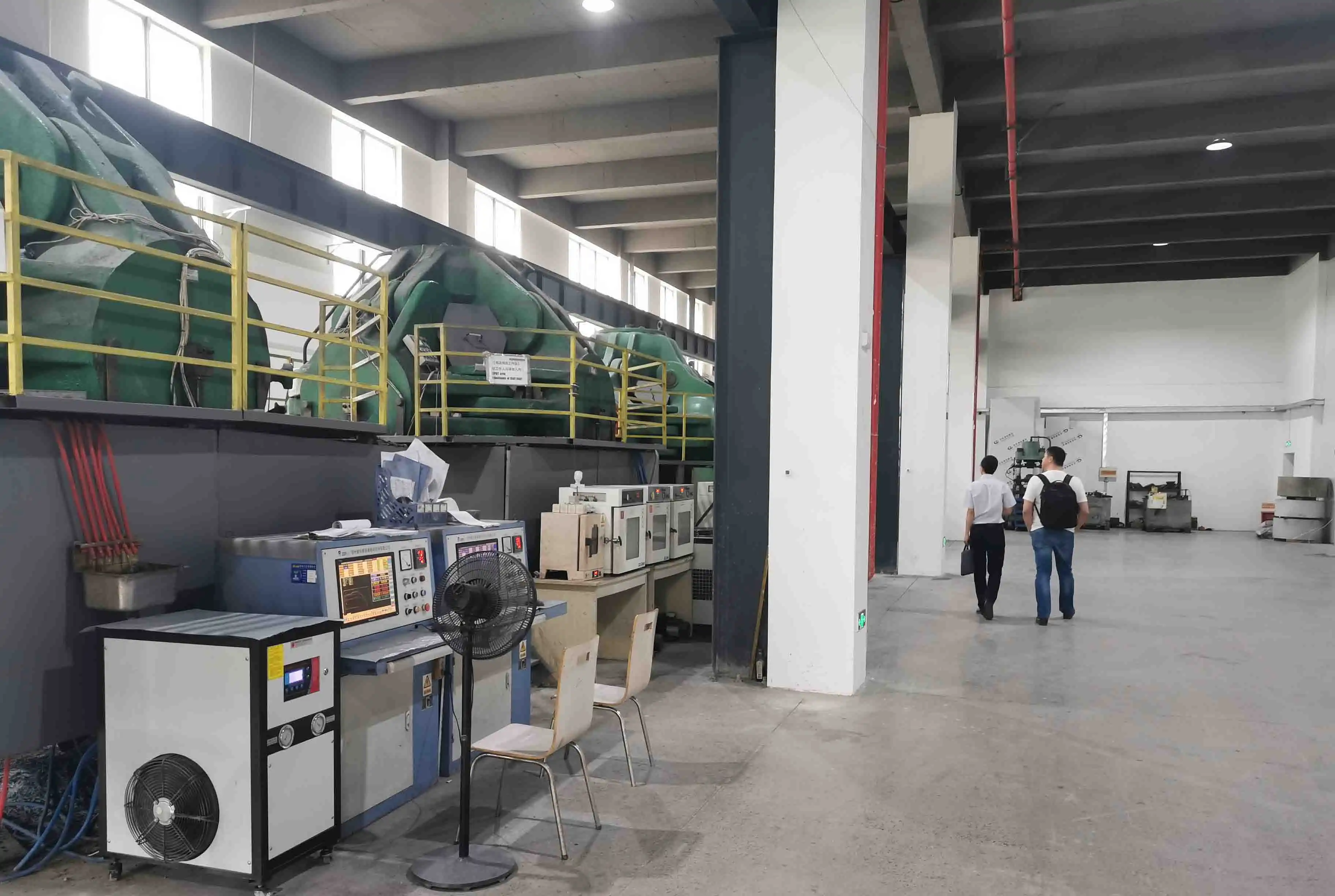
Advanced PDC Bit Solutions from Industry Leaders
Cutting-Edge Technology and Material Innovation
Our commitment to technological advancement drives continuous improvement in PDC Bit For Well Drilling design and manufacturing processes. Advanced polycrystalline diamond compact technology represents the culmination of extensive research and development efforts focused on maximizing cutting efficiency while extending bit life. The superior wear resistance and durability of our PDC cutters result from precise control over diamond synthesis parameters and optimized bonding techniques.
Enhanced cutting efficiency for faster drilling stems from innovative cutter geometries and strategic placement patterns that optimize load distribution across the bit face. Our engineering team utilizes sophisticated modeling software to predict bit performance and refine designs for specific formation conditions, ensuring maximum drilling efficiency while maintaining excellent hole quality.
Comprehensive Application Portfolio
The versatility of our PDC bit technology enables successful deployment across numerous industry sectors and drilling applications. Oil and gas exploration operations benefit from our specialized designs optimized for offshore and onshore drilling operations, including horizontal and directional drilling challenges. Hard formation drilling capabilities extend our technology into demanding geological conditions previously considered unsuitable for PDC applications.
Coal mining operations utilize our technology for coal bed methane extraction and exploration drilling in coal seams, where the enhanced cutting efficiency delivers significant productivity improvements. Geothermal energy projects leverage our deep geothermal well drilling capabilities for enhanced geothermal systems that require sustained performance under extreme temperature conditions. Water well drilling applications demonstrate our technology's adaptability to deep water well construction and aquifer exploration projects, while construction sector applications include foundation drilling for large structures and tunnel boring operations.
Customization Excellence and Client Partnership
Understanding that every drilling project presents unique challenges, we offer fully customized solutions that match specific geological conditions and operational requirements. This tailored approach ensures optimal performance and cost-effectiveness for drilling operations across diverse applications. Our team of experts collaborates closely with clients throughout the design process, leveraging decades of field experience to deliver solutions that exceed performance expectations.
Our premium-grade materials include high-quality steel bodies for exceptional durability, advanced polycrystalline diamond cutters for superior wear resistance, and tungsten carbide matrix components for enhanced heat dissipation capabilities. This material excellence, combined with our rigorous quality control measures, ensures reliable performance under demanding drilling conditions while maintaining competitive pricing for global B2B clients.
Conclusion
PDC bit technology represents a transformative advancement in drilling efficiency, particularly excelling in soft to medium formations where their shearing mechanism delivers superior performance compared to conventional alternatives. The optimal formation range includes shales, limestones, and sandstones with compressive strengths up to 25,000 PSI, though specialized designs continue expanding application possibilities into harder formations. Proper formation assessment and bit selection remain critical for maximizing drilling performance while achieving economic objectives, making partnership with experienced Manufacturers essential for successful implementation.
FAQ
1. What formations should I avoid when using PDC bits?
Extremely hard formations exceeding 30,000 PSI compressive strength or highly abrasive formations containing significant quartz content may cause premature PDC cutter wear. Fractured or heterogeneous formations with large hardness variations can also damage cutters through impact loading, making roller cone bits more suitable for these challenging conditions.
2. How frequently should PDC bits be inspected and maintained?
PDC bit inspection schedules depend on formation conditions and drilling parameters, but typical intervals range from every 500 to 1000 drilling hours in moderate conditions. Visual inspection of cutter wear, hydraulic flow restrictions, and overall bit condition helps optimize replacement timing while preventing catastrophic failures that could damage downhole equipment.
3. What factors influence PDC bit pricing and selection?
PDC bit costs vary based on cutter quality, bit size, design complexity, and customization requirements. Premium diamond cutters and specialized matrix materials increase initial investment but often deliver superior return on investment through enhanced performance and extended bit life, particularly in challenging drilling environments.
Partner with HNS for Superior PDC Bit Solutions
Maximize your drilling efficiency with HNS's advanced PDC bit technology designed specifically for your formation challenges. Our experienced engineering team at Shaanxi Hainaisen Petroleum Technology provides comprehensive consultation services to optimize bit selection and performance for your specific drilling objectives. Contact our PDC Bit For Well Drilling manufacturer directly at hainaisen@hnsdrillbit.com to discuss customized solutions that deliver measurable improvements in penetration rates and operational costs.
References
1. Smith, J.R., et al. "Formation-Specific Performance Analysis of PDC Drilling Technology in Sedimentary Basins." Journal of Petroleum Technology, Vol. 45, No. 3, 2023, pp. 234-251.
2. Anderson, M.K. "Comparative Study of Drill Bit Performance in Various Geological Formations." International Drilling Engineering Conference Proceedings, 2023, pp. 156-172.
3. Thompson, D.L., and Wilson, P.A. "Advanced PDC Bit Design for Enhanced Formation Compatibility." Drilling Technology Quarterly, Vol. 28, No. 2, 2023, pp. 89-104.
4. Brown, R.C. "Economic Analysis of PDC Bit Selection Strategies for Oil and Gas Operations." Energy Economics Review, Vol. 12, No. 4, 2023, pp. 445-462.
5. Martinez, L.S. "Formation Hardness Assessment Techniques for Optimal Drill Bit Selection." Geological Engineering Journal, Vol. 31, No. 1, 2023, pp. 78-95.
6. Johnson, K.P., et al. "Field Performance Evaluation of Modern PDC Bit Technology Across Multiple Formation Types." Drilling Engineering Symposium, 2023, pp. 201-218.
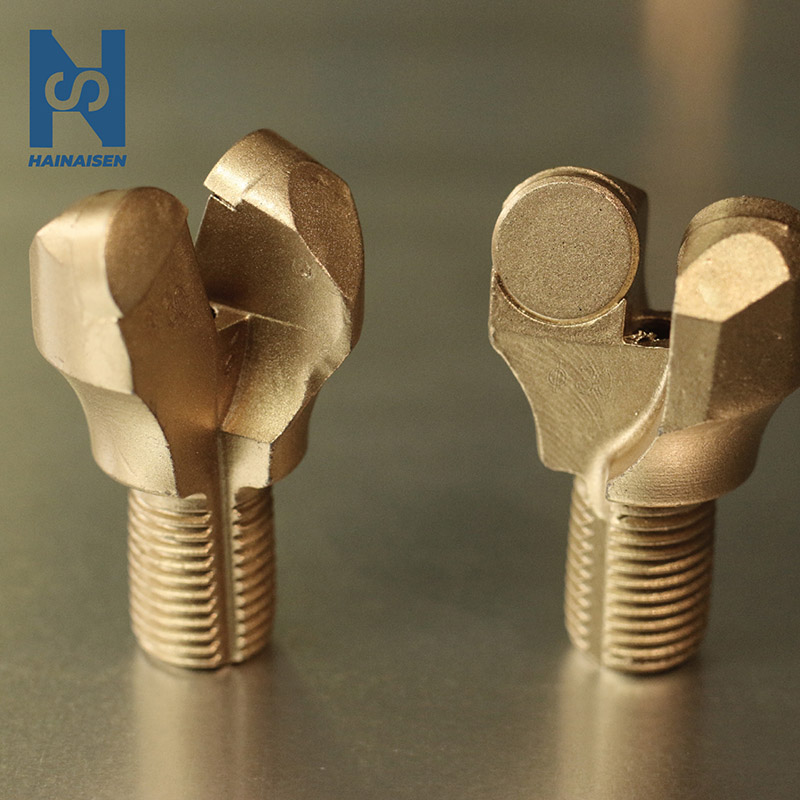 VIEW MORE30mm Half Blade Anchor Bit For Mine Coal Fields
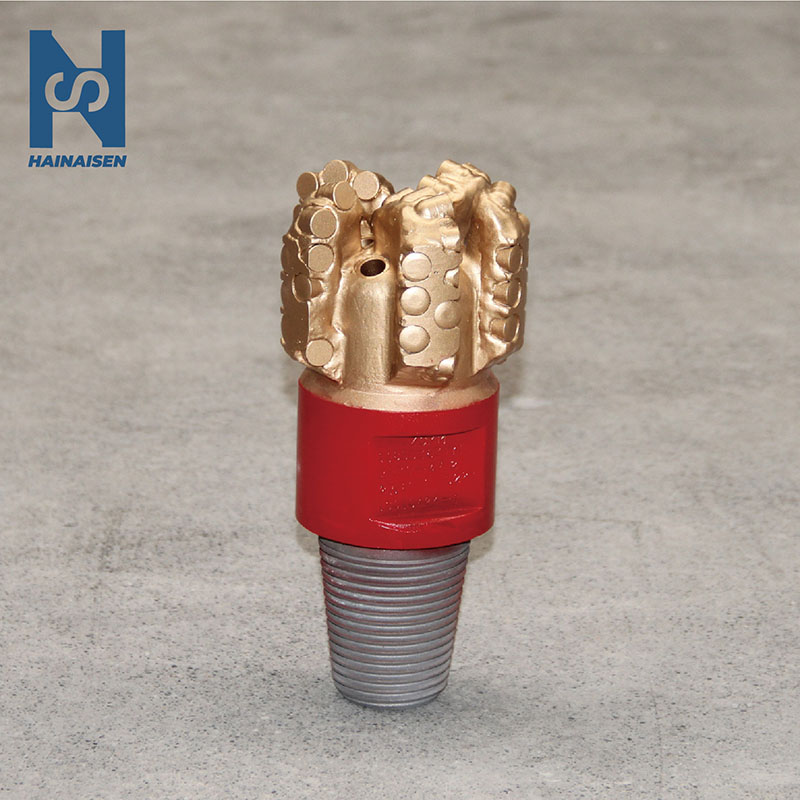 VIEW MOREHigh Performance 5 Cutter PDC Bit
 VIEW MORE113mm Three Wing Arc Angle Drill Bit
logo 1_1777361260784.jpg) VIEW MOREFour Wing Arc Angle PDC Drill Bit
VIEW MOREFour Wing Arc Angle PDC Drill Bit VIEW MORECoal Mining Tools PDC Anchor Drill Bit 28mm
 VIEW MOREDiamond Oil Drill Bit
 VIEW MOREApi Polycrystalline Diamond Drill Bit
 VIEW MOREForging Deep Rock Well Drilling Bits
