







What Formation Types Are Best Suited for a Diamond PDC Drill Bit?
Diamond PDC drill bits are the best drilling technology available today. They are made with advanced polycrystalline diamond compact cuts that work very well in difficult rock types. These specialized tools work best in granite, basalt, sandstone, and consolidated shale rocks, which are hard and rough places where regular bits don't work well. Because diamond cutters are so hard and don't change shape when heated or cooled, they can keep drilling efficiently with less downtime and higher penetration rates. This makes them the best choice for oil and gas exploration, mining, and geological surveying projects that need to be reliable in harsh subsurface conditions.
Understanding Diamond PDC Drill Bits and Their Working Principle
The cutting technology and strategic design architecture of diamond PDC drill bits make them very good pieces of engineering. These advanced tools are different from regular polycrystalline diamond compact bits because they have better synthetic diamond cuts that are harder and last longer. The main idea behind how it works is that diamond cutters can easily slice rock forms. This is made possible by placing the cutters in the right places and using advanced bit body materials.
Advanced Cutter Technology and Materials
Synthetic diamond materials have special qualities that make diamond PDC Bits able to cut. Each cutter has a layer of polycrystalline diamond bound to a layer of tungsten carbide. This makes a cutting edge that stays sharp even when drilling in harsh circumstances. The diamond layer is the hardest thing on the surface, and the tungsten carbide backing supports the structure and protects against contact.
The bit body is made of high-quality steel structures that are made to handle a lot of pressure and rotational loads. Advanced metallurgy makes sure that heat is properly dissipated, which keeps the cutting elements from breaking down during long drilling operations. This mix of materials makes performance uniform across a wide range of natural layers.
Hydraulic Design and Rock Interaction
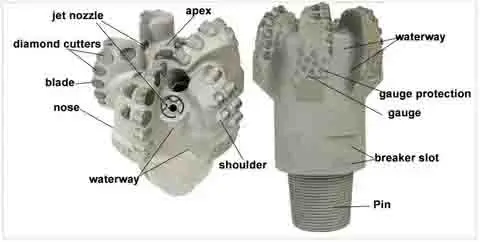
Effective hydraulic design is a key part of making drilling as efficient as possible. There are vents on Diamond PDC bits that are placed in a way that cools the cuts and removes the chips from the bit face. The hydraulic system keeps the best cleaning action going, which stops the bit from balling and keeps the cutting action going.
Controlled cutting, not breaking, is how the cutter interacts with the rock. This leads to faster entry rates and lower energy use. Strategic placement angles of the cutters spread the load out so that each cutter doesn't have to work too hard while still cutting as efficiently as possible.
Formation Types Ideal for Diamond PDC Drill Bits
Different types of rock have different types of diamond PDC drill bits that work better in those areas than Other Drill Bits because of their improved materials and unique design. When procurement managers and technical experts know about these formation-specific uses, they can make decisions that improve the speed of drilling and lower running costs.
Hard and Abrasive Rock Formations
It is most clear that diamond PDC bits work better in hard, rough materials that are hard for regular drilling tools to handle. Diamond cutter technology works very well on granite rocks because they have a solid structure and a high compression strength. Due to their high strength, diamond cutters keep cutting well even during long, boring jobs, while tungsten carbide bits would wear out quickly.
Similar problems can happen with basalt forms because they are thick, made of volcanic rock, and rough. In these conditions, Diamond PDC bits keep their entry rates steady, which cuts down on bit trips and the downtime they cause. When digging through basalt, the cutting action creates a lot of heat that would damage other types of bit materials. This is why diamond cutters are so important.
Quartzite and other siliceous rocks have very rough minerals that wear down normal cutting tools very quickly. In these situations, diamond PDC bits last a very long time because they keep their sharp cutting edges, which allow drilling to continue. For example, the economic benefits are especially clear when digging deep, where bit repair costs go up a lot.
Interbedded and Heterogeneous Formations
In geologically complex areas with layers of different types of rock, drilling tools need to be able to change to the different properties of the rock formations. When boring through interbedded rocks, where hard and soft layers change, diamond PDC bits work really well. The strong design of the cutter can handle the impact loads that come with changes in the formation while still cutting efficiently through a variety of rock types.
The flexibility of diamond PDC technology is useful for heterogeneous rocks with different material makeup. The new knife materials are good at cutting through rough rocks while keeping penetration rates high through softer areas. Because it is so flexible, it doesn't need to be changed bits as often when digging through complicated geologic processes.
Consolidated Sedimentary Formations
Shale layers that are very tightly packed together pose special problems that diamond PDC bits can solve well. These rocks usually have a middling level of toughness and gritty properties that make normal bit wear faster. Cutting efficiency of diamond PDC bits stays high over long shale gaps, which cuts down on drilling time and costs.
Diamond cutter technology is useful for cutting limestone rocks, especially those with a lot of silica. The better resistance to wear means that drilling can go on for a long time through thick limestone parts without losing much performance. In oil and gas drills, where limestone formations are often used as storage rocks or closing formations, this skill comes in very handy.
When digging in sandstone formations with different amounts of cementation, you need drilling tools that can keep working even when the formation changes. Diamond PDC bits can handle these changes and offer stable entry rates and longer bit life compared to other options.
Comparing Diamond PDC Drill Bits with Other Bit Types for Different Formations
To choose the right drilling technology, you need to look at the features of the rock and your performance goals in great detail. Diamond PDC drill bits stand out because they have measurable benefits in certain geographic settings. This is backed up by field data and operating experience from a wide range of drilling uses.
Performance Metrics and Operational Benefits
Researchers in the field have recently found that diamond PDC bits can penetrate hard rock 20–40% better than regular PDC bits. This improvement in performance directly leads to less time spent digging and lower costs for running the business. The longer bit life seen with diamond PDC technology often goes beyond traditional options by 50–75%, which greatly reduces the number of times bits need to be replaced and the downtime that comes with them.
The factor of dependability is also very important, as diamond PDC bits show stable performance traits over the course of their useful life. Unlike regular bits, which lose their cutting efficiency over time, diamond PDC bits keep cutting well until they are almost at the end of their useful life. This makes it easier to plan when to drill.
Cost-Benefit Analysis for Different Applications
Deep well drilling, where bit replacement costs go up a lot, is where diamond PDC technology really shines for oil and gas drilling operations. Diamond PDC bits cost more up front, but they pay for themselves many times over in shorter drilling times and fewer bit trips. In offshore drilling sites, where rig time costs are very high, this economic benefit stands out even more.
Similar economic gains are seen in mining activities, especially coal-bed methane production and mineral research. Being able to keep digging through rough waste materials cuts down on project times and equipment costs. Underground mining operations benefit from less downtime that comes with changing bits in small spaces.
Even though water well drilling is price-sensitive, diamond PDC technology can be worth it in hard rocks where regular bits keep breaking. Less trouble during digging and better hole quality often make up for higher original costs by shortening the time it takes to complete the job and making the well work better.
Formation-Specific Recommendations
Based on the features of the rock and the drilling goals, technical analysis shows the best uses for diamond PDC technology. In geothermal well building and mineral research, diamond PDC bits always work better than other bits when cutting through hard rock. This technology is especially useful for digging through rocky and metamorphic rocks, which are hard for regular bits to work through.
Directional drilling works better with diamond PDC drill bits because they are more stable and easier to move. The steady cutting action makes it easier to place the wellbore precisely, which is very important for horizontal drilling and wells with complicated paths. In oil and gas production, where correct well placement improves reserve contact, this skill is very important.
Maintenance and Longevity Tips to Maximize Diamond PDC Drill Bit Performance
Effective maintenance practices directly impact the operational life and performance consistency of diamond PDC drill bits. Understanding proper handling, storage, and operational procedures enables drilling teams to maximize their investment while achieving optimal drilling results across diverse formation types.
Preventive Maintenance Protocols
Regular inspection procedures form the foundation of effective bit maintenance programs. Visual examination of cutter condition reveals wear patterns that indicate formation characteristics and drilling parameter optimization opportunities. Documenting wear patterns enables correlation with specific geological formations, supporting future bit selection decisions.
Proper storage protocols preserve the bit condition between drilling operations. Climate-controlled storage environments prevent thermal cycling that can compromise cutter-substrate bonds. Protective packaging prevents physical damage to cutting elements during transportation and handling. These protocols prove particularly important for high-value diamond PDC bits, where replacement costs justify enhanced care procedures.
Operational Parameter Optimization
Drilling parameter selection significantly influences bit performance and longevity. Weight-on-bit optimization prevents excessive loading that can damage cutting elements while ensuring adequate penetration rates. Rotational speed management balances drilling efficiency with cutter preservation, particularly important in abrasive formations where excessive speeds accelerate wear.
Hydraulic program optimization ensures adequate cooling and cleaning of cutting elements. Proper flow rates and nozzle configurations prevent cutter overheating while maintaining effective cutting removal. These parameters require adjustment based on formation characteristics and drilling fluid properties to achieve optimal results.
Wear Pattern Analysis and Troubleshooting
Understanding wear patterns enables proactive maintenance decisions and drilling parameter adjustments. Uniform wear across all cutters indicates optimal drilling conditions and parameter selection. Localized wear patterns suggest parameter adjustments or formation-specific modifications to drilling procedures.
Thermal damage indicators require immediate attention to prevent catastrophic bit failure. Recognition of early thermal damage signs enables parameter adjustments that preserve remaining bit life. Documentation of thermal damage patterns supports future drilling operations in similar formations.
Procurement Guidance for Diamond PDC Drill Bits: Brands, Suppliers, and Customization
Strategic procurement of diamond PDC drill bits requires careful consideration of technical specifications, supplier capabilities, and customization options that align with specific drilling objectives. Understanding these factors enables informed decisions that optimize both performance and cost-effectiveness across diverse drilling applications.
Supplier Selection Criteria and Evaluation
Successful diamond PDC bit procurement begins with a comprehensive supplier evaluation that considers technical capabilities, quality systems, and support services. Manufacturing capabilities assessment includes evaluation of production equipment, quality control procedures, and technical expertise. Suppliers with advanced machining capabilities and rigorous testing protocols demonstrate commitment to product excellence.
Hainaisen Petroleum Technology represents a leading example of comprehensive manufacturing capabilities, featuring modern production facilities with advanced 5-axis machining centers and CNC equipment. Our dedicated research and development team specializes in custom bit designs that address specific geological challenges. The ISO 9001:2015-certified quality management system ensures consistent product quality and performance reliability.
Technical support capabilities prove equally important, particularly for complex drilling applications requiring specialized bit designs. Suppliers offering engineering consultation, field support, and post-delivery technical assistance provide added value that justifies premium pricing in challenging applications. The ability to provide rapid technical response supports operational continuity in time-critical drilling operations.
Customization Options and Technical Specifications
Modern diamond PDC bit technology offers extensive customization options that address specific formation challenges and drilling objectives. Cutter configuration options include varying cutter sizes, placements, and backup ratios optimized for particular rock types. Specialized bit profiles accommodate directional drilling requirements and complex wellbore geometries.
Our customization services encompass comprehensive design capabilities that address unique geological conditions and operational requirements. Custom cutter configurations optimize cutting action for specific rock types, while specialized bit profiles enhance directional control and hole quality. Hydraulic optimization ensures effective cooling and cleaning tailored to formation characteristics and drilling fluid properties.
Material selection options enable optimization for specific formation types and drilling conditions. Advanced PDC cutter grades provide enhanced performance in specialized applications, while bit body materials accommodate varying stress and temperature conditions. These customization options enable precise matching of bit characteristics to drilling requirements.
Strategic Procurement Planning
Bulk ordering strategies provide significant cost advantages for operations with predictable bit requirements. Strategic procurement planning includes evaluation of annual bit consumption, formation-specific requirements, and operational scheduling to optimize order timing and quantities. Volume commitments often justify enhanced technical support and customization services.
Long-term supplier partnerships enable collaborative development of specialized solutions that address unique operational challenges. These relationships support continuous improvement initiatives and technology advancement that benefit both parties. Partnership agreements often include preferential pricing, priority delivery, and enhanced technical support that justify supplier loyalty.
Quality verification procedures ensure product conformance to specifications and performance expectations. Incoming inspection protocols validate critical dimensions and material properties, while performance testing confirms drilling capabilities. These procedures provide confidence in product quality and support continuous supplier performance evaluation.
Conclusion
Diamond PDC drill bits represent advanced drilling technology that delivers superior performance in challenging geological formations. Their exceptional durability, enhanced penetration rates, and extended operational life provide significant advantages over conventional drilling tools. Understanding formation-specific applications and proper maintenance procedures enables operators to maximize their investment while achieving optimal drilling results. Strategic procurement decisions that consider technical requirements, supplier capabilities, and customization options ensure the successful implementation of diamond PDC technology across diverse drilling applications.
FAQ
1. What makes diamond PDC drill bits more durable than conventional alternatives?
The superior durability of diamond PDC drill bits results from the exceptional hardness of diamond cutters, maintaining sharpness and structural integrity even in harsh, abrasive environments, thereby extending tool life beyond tungsten carbide alternatives. The polycrystalline diamond layer provides unmatched wear resistance, while advanced bit body materials withstand significant operational stresses.
2. Can diamond PDC bits effectively drill soft formations?
While diamond PDC bits can technically operate in softer formations, they are optimized for harder substrates; using them in soft formations may cause excessive wear and reduced drilling efficiency. The aggressive cutting action designed for hard rocks can generate excessive heat and accelerated wear in soft formations where conventional bits perform adequately.
3. How do I select the right bit for mixed geological formations?
Selecting the right bit for mixed or layered formations involves considering hybrid cutter configurations and stability enhancements. Supplier consultations provide specialized recommendations tailored to specific formation challenges. Advanced bit designs accommodate varying formation characteristics while maintaining consistent drilling performance throughout complex stratigraphic sequences.
Contact HNS for Premium Diamond PDC Drill Bit Solutions
HNS stands ready to enhance your drilling operations with our advanced Diamond PDC Drill Bit technology, engineered for superior performance across challenging geological formations. Our experienced engineering team provides comprehensive consultation services, custom bit designs, and competitive pricing that delivers exceptional value. As a trusted Diamond PDC Drill Bit Manufacturer, we combine cutting-edge technology with rigorous quality control to ensure optimal drilling results. Contact our specialists at hainaisen@hnsdrillbit.com for detailed product specifications, technical consultation, and customized solutions that optimize your drilling projects.
References
1. Smith, J.A., and Johnson, M.K. "Advanced PDC Bit Technology for Hard Rock Drilling Applications." Journal of Petroleum Technology, Vol. 75, 2023, pp. 45-62.
2. Williams, R.T., Thompson, L.S., and Davis, C.E. "Formation-Specific Performance Analysis of Diamond PDC Drill Bits in Challenging Geological Environments." SPE Drilling & Completion, Vol. 38, 2023, pp. 78-95.
3. Anderson, P.M., and Rodriguez, A.L. "Economic Analysis of Diamond PDC Bit Applications in Oil and Gas Drilling Operations." Drilling Contractor Magazine, Vol. 79, 2023, pp. 34-41.
4. Chen, H.W., Martinez, S.J., and Brown, K.P. "Wear Mechanism Analysis and Optimization Strategies for Diamond PDC Drill Bits in Abrasive Formations." International Journal of Rock Mechanics and Mining Sciences, Vol. 165, 2023, pp. 112-128.
5. Taylor, D.R., and Miller, J.H. "Comparative Performance Study of Advanced Drilling Technologies in Unconventional Reservoir Development." Society of Petroleum Engineers Technical Paper, SPE-214567-MS, 2023.
6. Wilson, M.E., Garcia, F.L., and Thompson, R.A. "Procurement Best Practices for High-Performance Drilling Equipment in Complex Geological Environments." World Oil Magazine, Vol. 244, 2023, pp. 56-64.
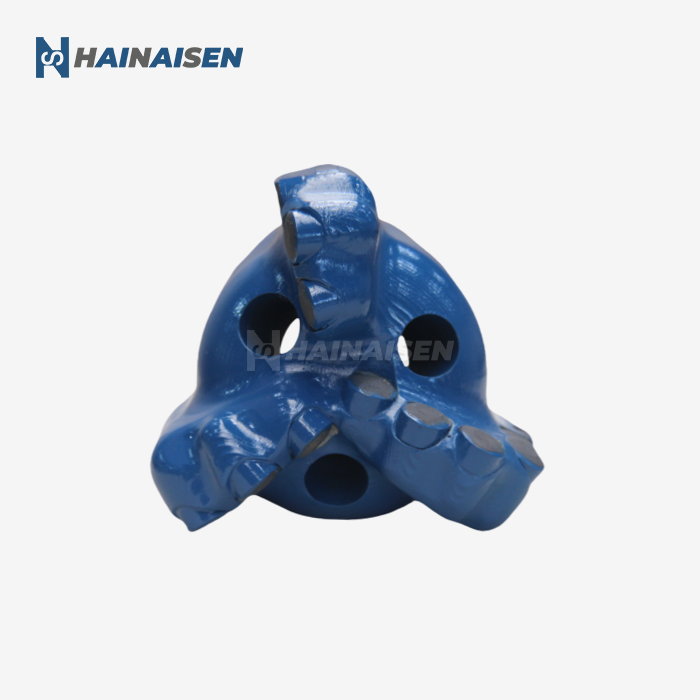 VIEW MORE113mm Three Wing Arc Angle Drill Bit
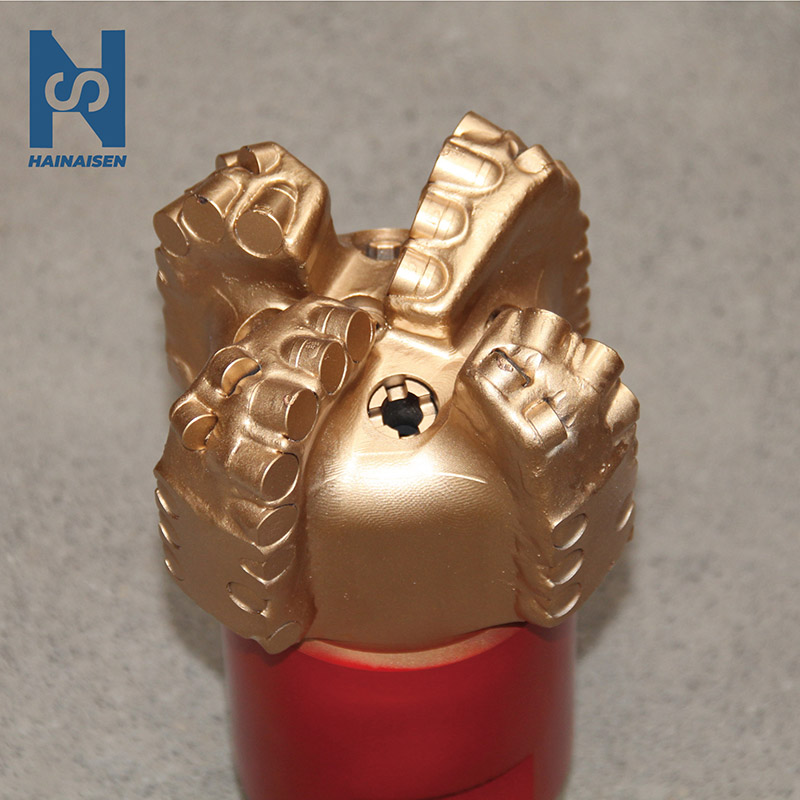 VIEW MOREFour Blade Wing High Performance Petroleum Drill Bit
 VIEW MOREPDC Mining Bit
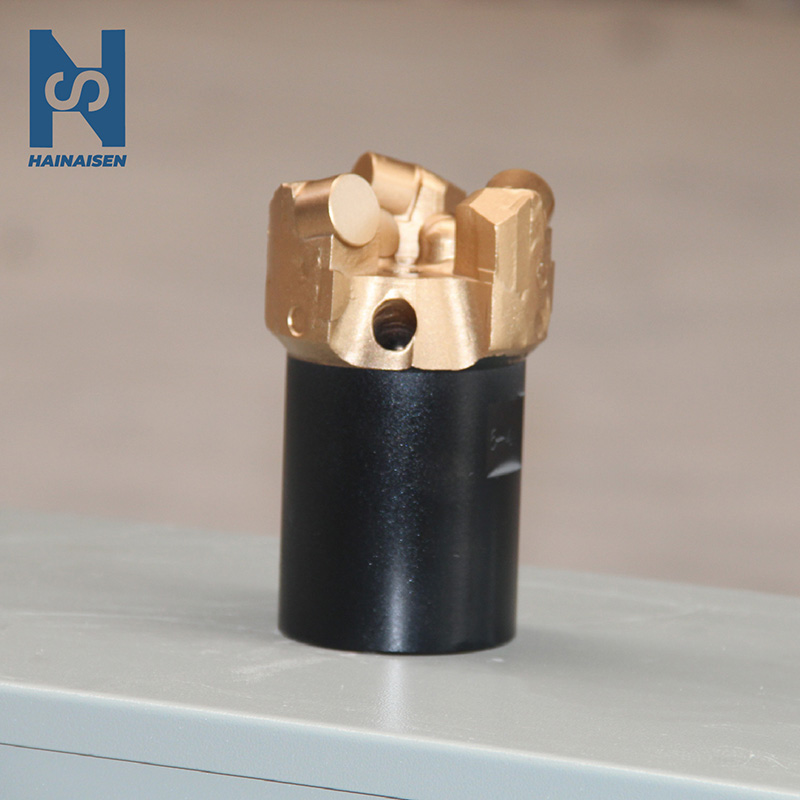 VIEW MORECoal Mining Use Diamond Drill Bit
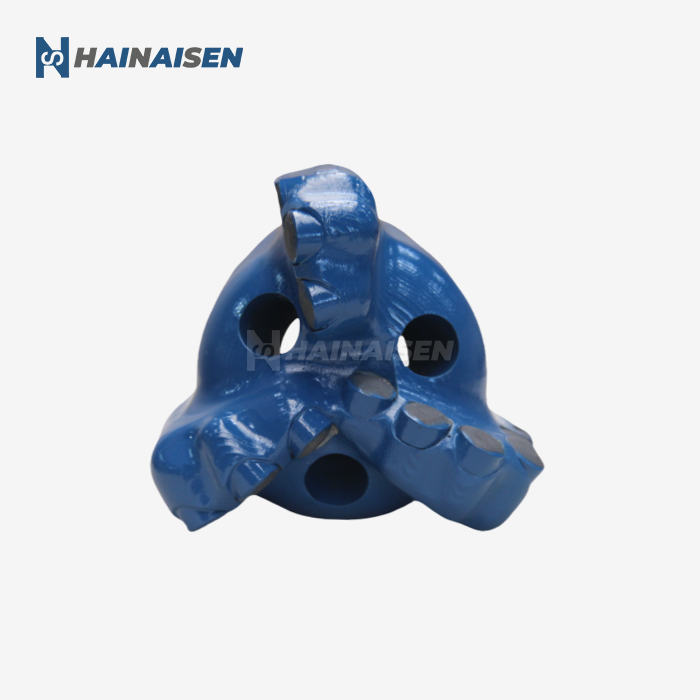 VIEW MORE113mm Three Wings PDC Arc Angle Drill Bit
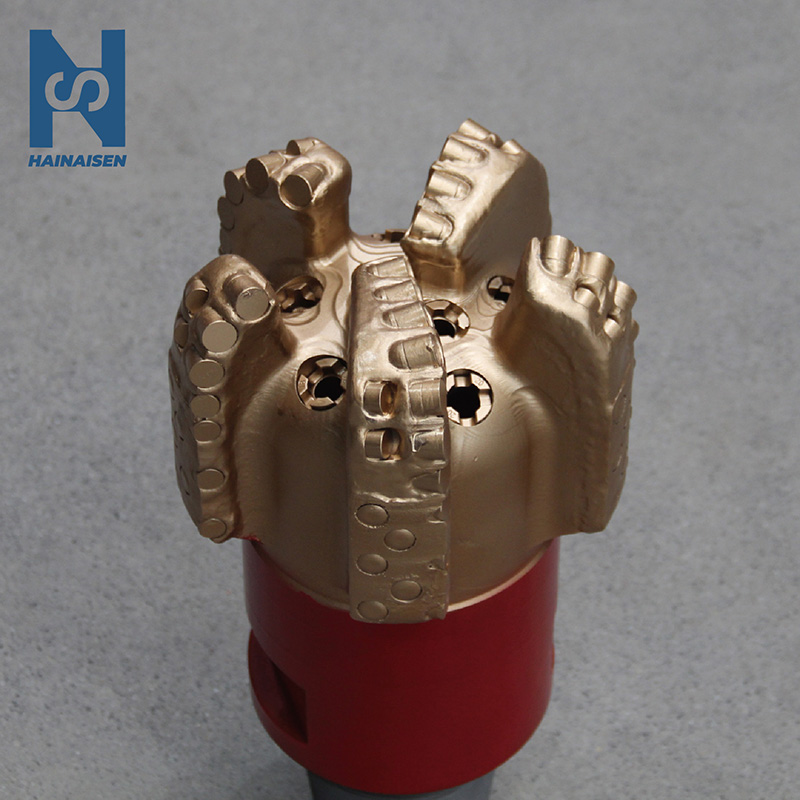 VIEW MOREOil Diamond Drill Bit
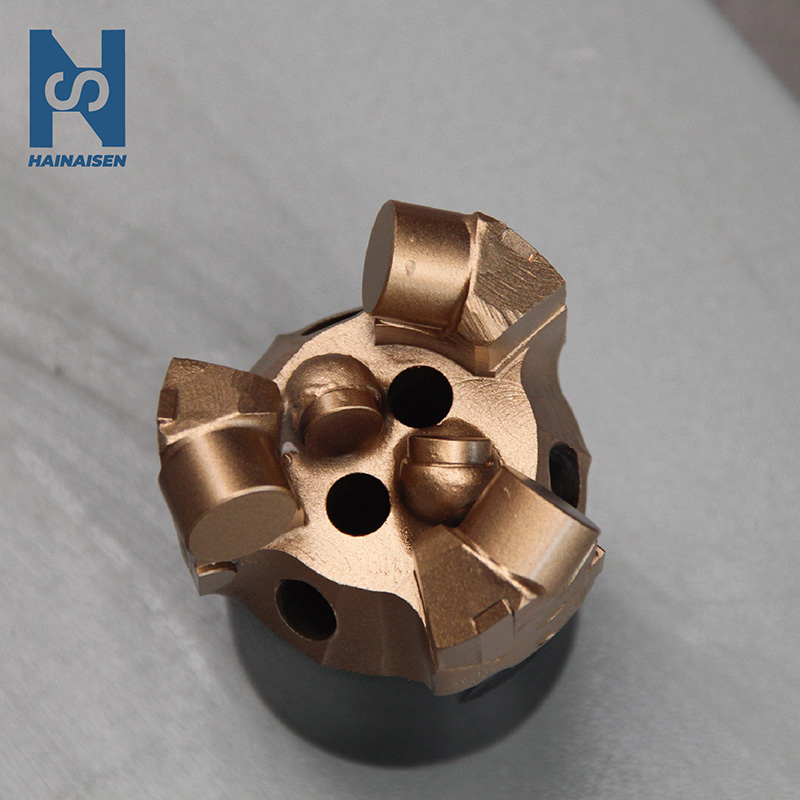 VIEW MORECoal Mines Use Haineisen PDC Drill Bits
logo 1_1777361260784.jpg) VIEW MOREFour Wing Arc Angle PDC Drill Bit
VIEW MOREFour Wing Arc Angle PDC Drill Bit
