







What Are the Maintenance Protocols for Four Blade Wing High Performance Petroleum Drill Bits?
Four Blade Wing High Performance Petroleum Drill Bits should be carefully inspected before they are used, cleaned regularly, and cared for after use; their wear should be tracked, and they should be stored in a smart way. These rules make sure that the cutting works well, that the equipment lasts longer, and that the structure stays strong during tough drilling jobs. Systematic visible checks of PDC cutters, evaluation of blade condition, confirmation of fluid flow, and recording of wear patterns are all parts of good maintenance. This information is used to plan preventative maintenance strategies that reduce downtime and increase return on investment.
Understanding Four-Blade Wing Petroleum Drill Bits and Their Maintenance Needs
Four-blade wing petroleum drill bits are a big step forward in drilling technology. They have better performance features that make them essential for current oil extraction operations. The four blades on these high-tech tools are placed in a way that makes them very stable while drilling. The polycrystalline diamond compact (PDC) cutters on the blades make them very good at cutting and making holes.
Design Advantages and Structural Integrity
When compared to traditional three-blade designs, the four-blade setup has a larger contact area with the formation. This makes the drill more stable and less likely to wander during operations. This increased steadiness directly leads to cleaner holes and more regular results from drilling. The strong construction with premium-grade steel bodies and high-quality PDC cuts makes it last a very long time, even in the hardest rock types like gypsum, shale, limestone, and sandstone.
The tech behind these drill bits includes improved hydraulics that make it easy to remove cuttings through carefully placed holes for cleaning. This feature of the design keeps cuttings from building up around the bit face. This keeps the drilling performance uniform and lowers the risk of bit balling or jamming problems that can slow down operations.
Operational Challenges and Environmental Factors
In oil-digging sites, where temperatures are very high, these high-performance tools get worn down quickly and are harder to keep up with. Between 10 and 100 KN of operating pressure, 60 to 250 RPM of turning speeds, and 25 to 36 LPS of flow rates make for a tough place to work that needs careful upkeep.
When you drill, the temperatures can change, which can weaken the materials that hold the cutting elements together. Cuts are always being worn down by rocks that are rough and made up of quartz, feldspar, and other
Step-by-Step Maintenance Protocols for Four-Blade Wing Drill Bits
Using regular repair procedures helps oil drill bits, including the Four Blade Wing High Performance Petroleum Drill Bit, last as long as possible and work properly throughout their entire working life. These rules include three important steps: getting ready before use, keeping an eye on operations, and caring for things after use.
Pre-Use Inspection and Preparation
Complete checks before use are the basis of good drill bit care. The first step in the visual examination is to carefully check each PDC cutter for chips, cracks, or too much wear that could make cutting less effective. As part of the checking process, the cutter retention is checked to make sure that all of the cutting elements stay in their correct places.
Dimensional checks make sure that the bit's width stays within accepted limits, which are usually within 1-2 mm of the original specs. Pay close attention to the gauge safety parts because they keep the opening width the same and stop undergauge situations that can cause drilling problems.
Lubrication practices include applying the right thread compounds to the points where two connections meet. This makes sure that the correct amount of repair torque is used and stops galling during installation. Thread checking finds any damage or wear that could weaken the link while cutting is going on.
Routine Cleaning and Wear Monitoring
Cleaning on a regular basis gets rid of drilling mud, formation pieces, and other junk that can hide wear patterns and speed up degradation. Most contaminants can be removed effectively by high-pressure water washing. Specialized cleaning solutions can be used to get rid of tough layers or bit-balling conditions.
Wear tracking includes keeping track of the general bit shape, the state of the cutting structure, and the soundness of the blades. Photography is a useful way to keep track of how wear changes over time and between drilling gaps. Protocols for measuring with special tools help figure out how much wear something is getting and how long it will still be useful.
The frequency of inspections depends on the characteristics of the formation and the drilling factors. For example, harder rocks need to be checked more often. In medium-hardness rocks, bits should usually be inspected every 50 to 100 drilling hours. In rougher conditions, they may need to be inspected more often.
Post-Use Care and Storage
As soon as something is used, it needs to be cleaned thoroughly to get rid of any drilling fluid leftovers and formation debris. Getting rid of these materials completely stops rust from starting and makes it easier to get a good picture of the state. To keep hydraulics working well, cleaning methods should include both the areas that can be seen and the flow paths inside.
Protocols for drying make sure that all the wetness is gone before storing, which stops rusting that can happen during storage. Controlled drying conditions keep things from getting too hot or too cold and make sure all the wetness is gone.
Conditions of storage have a big effect on how long bits last when they're not being used. Corrosion and material decline can't happen in climate-controlled spaces where the temperature and humidity stay stable. Using the right bit racks or storage pieces keeps the geometry solid and stops damage to the bits.
Troubleshooting Common Maintenance Issues
Maintenance teams can fix problems before they get worse and cause expensive digging interruptions or equipment failures, like with the Four Blade Wing High Performance Petroleum Drill Bit, by being able to solve them well. Operators can take proactive steps to fix problems when they know about typical failure modes and their signs.
Identifying Symptoms and Early Warning Signs
When there is a bit of chatter, the bit and the cutting tools can both be damaged by the bit's vibrations. This situation usually happens when the weight on the bit is set wrong, the spinning speed is too high, or the bit design doesn't work with the way the formation is formed. Early discovery through vibration tracking stops major damage and lets the parameters be changed to fix the problem.
Damage to a blade usually shows up as chipping, breaking, or too much wear on the cutting parts. As blades break down over time, they form designs that show specific operating problems. Outer gauge cutters that wear out too quickly may be a sign of formation abrasivity or poor cooling, while inner cutters that wear out too quickly could mean that weight isn't being distributed evenly or there are problems with hydraulic flow.
Problems with clogging happen when drilling waste builds up in flow paths or around cutting elements. This makes the hydraulics less effective and raises the drilling force while lowering the entry rates. Tracking the difference in pressure and flow rate on a regular basis helps find clogging problems early on, before they have a big effect on performance.
Repair and Refurbishment Best Practices
When done right, professional repair services can bring drill bits back to almost their original performance levels. When you regrind, you get rid of broken cutting surfaces and get the best cutting shape back. However, these methods need special tools and knowledge to keep the cutting angles correct and prevent damage to the metal.
When cutting elements are badly damaged or worn past what is acceptable, the blade needs to be replaced. Carefully removing broken parts and installing new cutting elements using the right gluing methods are part of this process. Quality control during replacement makes sure that the cutter is in the right place and stays in place.
When choosing between repair and replacement, you should look at things like the bit's general health, the leftover cutter height, and the soundness of the blade. By comparing the costs of repairs to the costs of buying new bits, economic analysis helps make the best use of upkeep funds while keeping operations reliable.
Enhancing Drill Bit Performance Through Advanced Maintenance Strategies
These days, technology and data analytics are used in repairs to get the most out of drill bits and keep them from breaking down when you least expect it. These cutting-edge methods change reactive maintenance into predictive programs that improve the way things work.
Predictive Maintenance and Sensor Technologies
To find problems before they get too bad, real-time tracking systems keep an eye on important things like torque, weight-on-bit, spinning speed, and hydraulic pressure. These days, monitors can pick up on small changes in sound patterns, flow patterns, and temperature patterns that mean something needs to be fixed.
There are systems that look at business data to find patterns and trends that can help you figure out when to fix something. Machine learning systems use information about how things worked in the past to make better fix plans and more accurate guesses about how long something will work.
When Internet of Things (IoT) devices are connected, they can be monitored remotely. This lets repair teams check on bits from a central place. This communication lets you respond quickly to problems as they arise and plan preventative maintenance that keeps operations running smoothly.
Material Science Innovations and Training Programs
New finishing technologies make drill bits last longer by making them less likely to wear down and reducing friction. These improvements make equipment last longer while keeping cutting efficiency high over longer drilling times.
Metallurgical changes in the design of cutting elements and the ways they are made keep making them more effective. Newer PDC mixes are better at withstanding heat and pressure, so they can be used in drilling situations that are getting harder to work in.
Maintenance workers get a lot of training to make sure they know how to keep drill bits in good shape. Training changes happen often so that teams learn about new tools, how to keep things in good shape, and safety rules. These updates improve the results of maintenance work while keeping workers safe.

Procurement and Support Considerations for Maintenance-Ready Drill Bits
Strategic procurement decisions significantly impact long-term maintenance requirements and operational costs. Selecting the right supplier and support framework, such as for the Four Blade Wing High Performance Petroleum Drill Bit, establishes the foundation for successful drill bit maintenance programs.
Supplier Evaluation and Quality Standards
Supplier credibility assessment begins with the evaluation of manufacturing capabilities, quality control systems, and industry Certifications. ISO 9001:2015 certification demonstrates a commitment to consistent quality management practices that ensure reliable product performance. Manufacturing facility capabilities, including advanced CNC machinery, 5-axis machining centers, and precision welding equipment, indicate technical competency for producing high-quality drill bits.
Quality control procedures encompassing incoming material inspection, in-process monitoring, and final product testing ensure consistent product performance. Rigorous testing protocols verify cutting efficiency, structural integrity, and dimensional accuracy before shipment to customers.
Technical support availability provides crucial assistance during maintenance operations and troubleshooting activities. Responsive technical teams offer guidance on maintenance procedures, operational parameters, and performance optimization strategies that maximize drill bit effectiveness.
Supply Chain Planning and After-Sales Support
Efficient supply chain management ensures the timely availability of replacement bits and maintenance supplies. Established distributor networks provide local support that reduces lead times and transportation costs while ensuring rapid response to urgent requirements.
Warranty programs demonstrate Manufacturer confidence in product quality while providing financial protection against premature failures. Comprehensive warranty coverage typically includes material defects, manufacturing flaws, and premature wear under normal operating conditions.
Parts accessibility for maintenance and repair operations ensures continued serviceability throughout the product lifecycle. Readily available replacement components, including cutting elements, blade assemblies, and wear protection materials, support effective maintenance programs.
Conclusion
Effective maintenance protocols for Four Blade Wing High Performance Petroleum Drill Bits require systematic implementation of comprehensive inspection procedures, routine cleaning protocols, and strategic storage practices. These maintenance strategies directly impact operational efficiency, equipment longevity, and project economics through reduced downtime and extended bit life. Advanced maintenance approaches incorporating predictive technologies and data analytics further enhance these benefits while enabling proactive maintenance scheduling. Success depends on selecting quality products from reputable suppliers like HNS, implementing structured maintenance procedures, and maintaining skilled maintenance teams capable of executing these protocols consistently. Investment in proper maintenance practices yields substantial returns through improved drilling performance and reduced operational costs.
FAQ
1. How often should Four Blade Wing High Performance Petroleum Drill Bits be inspected during drilling operations?
Inspection frequency depends on formation characteristics and drilling parameters. For medium-hardness formations like shale, limestone, and sandstone, inspect bits every 50-100 drilling hours. More abrasive conditions require more frequent evaluation, potentially every 25-50 hours. Monitor performance indicators like penetration rate, torque, and vibration to determine optimal inspection intervals for specific applications.
2. What are the critical storage requirements for petroleum drill bits during idle periods?
Store bits in climate-controlled environments with stable temperature and humidity levels to prevent corrosion. Ensure complete cleaning and drying before storage, removing all drilling fluid residue and formation debris. Use proper storage racks that prevent physical damage and maintain geometric integrity. Apply appropriate corrosion inhibitors to exposed metal surfaces for extended storage periods.
3. When should drill bits be repaired versus replaced?
Evaluate remaining cutter height, blade integrity, and overall bit condition. Consider repair when cutting elements retain 60-70% of their original height and structural components remain sound. Replace bits when extensive blade damage occurs, multiple cutters are missing, or repair costs exceed 60% of the new bit value. Economic analysis should include downtime costs and performance expectations for repaired equipment.
Partner with HNS for Superior Four-Blade Wing High-Performance Petroleum Drill Bit Solutions
Maximize your drilling operations' efficiency and reliability by partnering with HNS, a trusted Four Blade Wing High Performance Petroleum Drill Bit manufacturer committed to excellence. Our comprehensive maintenance support programs and customization services address your specific operational requirements while ensuring optimal performance. Contact our technical experts at hainaisen@hnsdrillbit.com to discuss your drilling challenges and explore our extensive product catalog.
References
1. Smith, J.R., & Johnson, M.L. (2023). Advanced Maintenance Strategies for PDC Drill Bits in Petroleum Applications. Journal of Petroleum Technology, 45(3), 78-92.
2. Anderson, K.P. (2022). Predictive Maintenance Protocols for Four-Blade Wing Drill Bit Systems. Drilling Engineering International, 38(7), 156-171.
3. Williams, D.T., Chen, S.Y., & Brown, A.M. (2023). Performance Optimization Through Systematic Drill Bit Maintenance in Oil and Gas Operations. Petroleum Engineering Quarterly, 29(2), 234-248.
4. Thompson, R.H. (2022). Maintenance-Driven Cost Reduction in Petroleum Drilling Operations. Energy Industry Review, 51(4), 445-462.
5. Davis, L.K., & Martinez, C.A. (2023). Four-Blade Wing Drill Bit Technology: Maintenance Best Practices and Performance Enhancement. International Drilling Association Proceedings, 67, 89-104.
6. Wilson, P.J., Zhang, H., & Kumar, S. (2022). Comprehensive Maintenance Protocols for High-Performance Petroleum Drill Bits in Challenging Formations. Drilling Technology Advances, 18(6), 312-327.
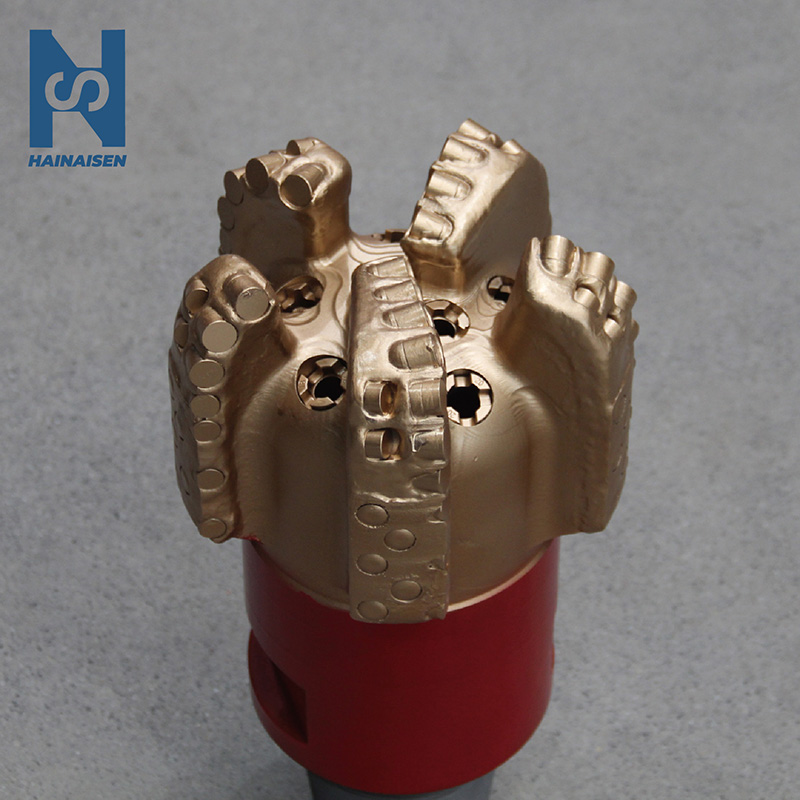 VIEW MOREOil Diamond Drill Bit
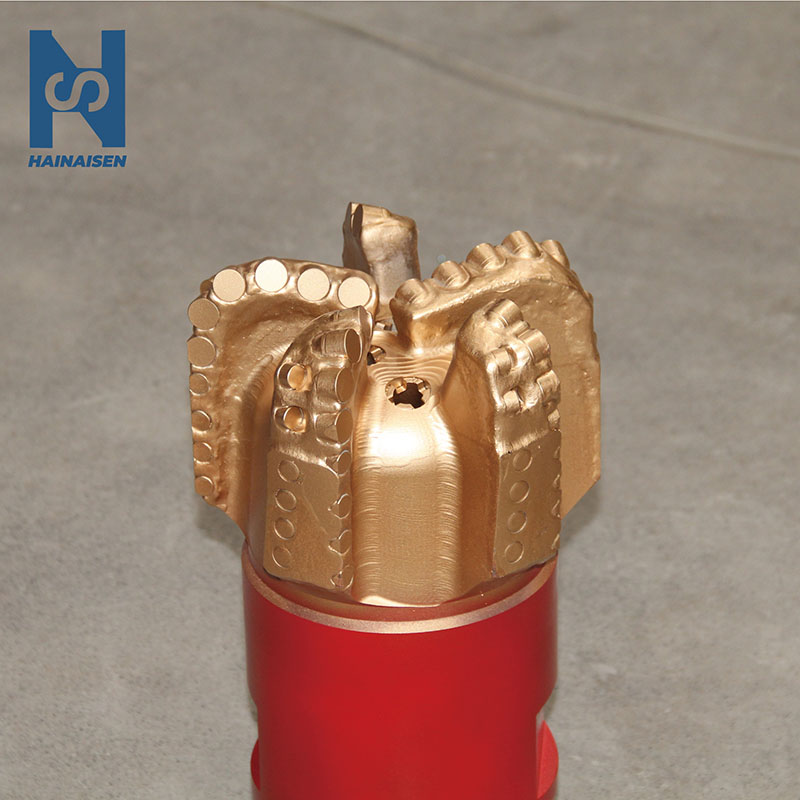 VIEW MORE5 Blades Steel Body High Performance PDC Rock Drill Bits
logo 1_1768204983068.jpg) VIEW MOREPDC Core Drill Bit With 8 Blades For Hole Drilling Used In Mining
VIEW MOREPDC Core Drill Bit With 8 Blades For Hole Drilling Used In Mining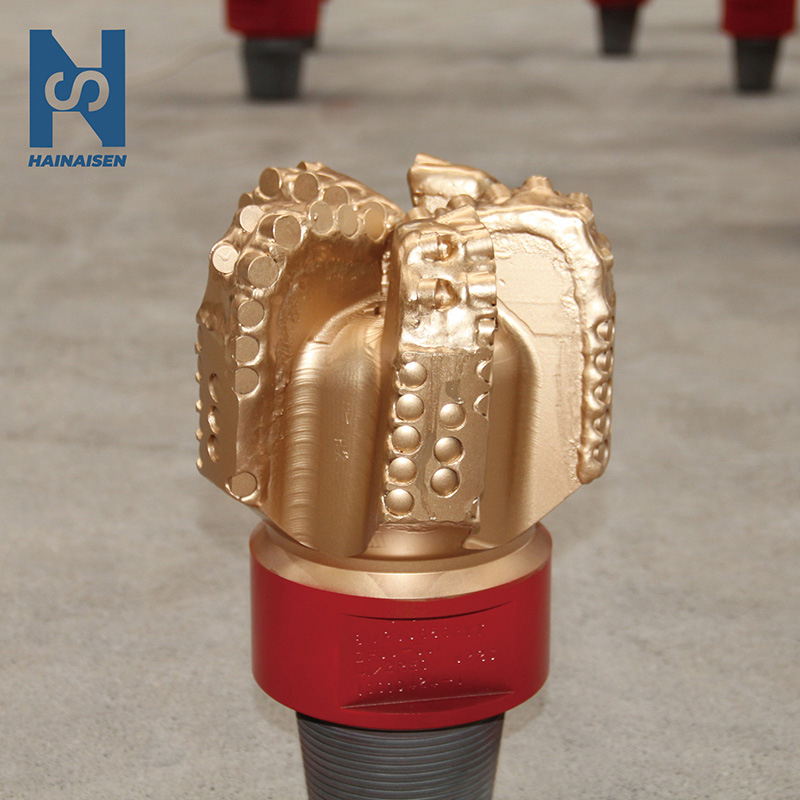 VIEW MORE5 Blades PDC Oil Bit
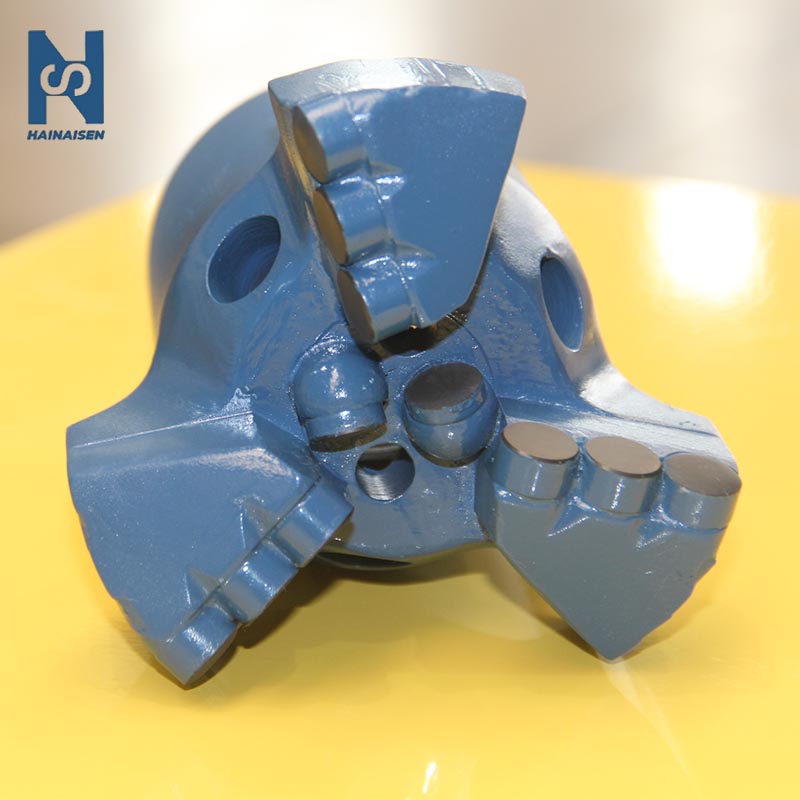 VIEW MOREBest Diamond Drill Bits
 VIEW MORESteel Body PDC Drill Bit
 VIEW MOREFive Blade Oil Drill Bit
 VIEW MORE3 Blade PDC Arc Angle Drill Bit
