







Five Blade Oil Drill Bit material composition and wear resistance
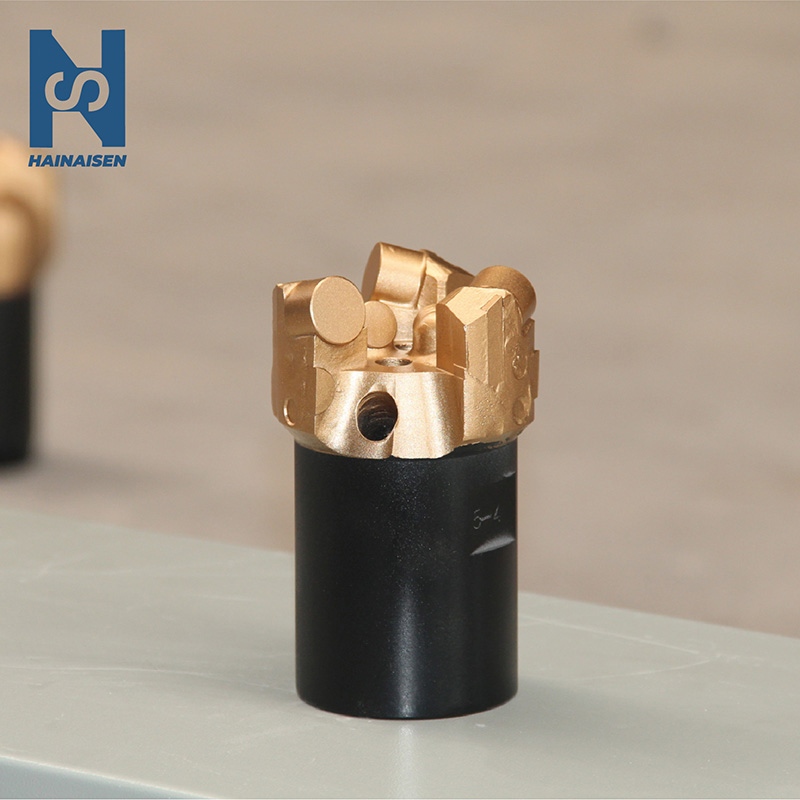
Advanced mechanical engineering blends high-strength steel bodies with polycrystalline diamond compact (PDC) cuts and tungsten carbide matrices to make the five-blade oil drill bit. The bit's material makeup is what decides how well it drills. These high-tech drill bits use premium-grade alloys and specialized hardfacing technologies to achieve superior wear resistance. This means they can be used for longer in difficult geological formations while still cutting efficiently and requiring less downtime for oil and gas exploration operations.
Understanding the Material Composition of Five-Blade Oil Drill Bits
Modern five-blade drill bits are made of carefully designed materials that work together to give them great boring performance. These high-tech tools are the result of decades of progress in metalworking. They are made of a combination of high-performance materials that can withstand harsh cutting conditions.
Core Steel Body Construction
The steel body is the main part of every five-blade drill bit, so it needs to be very strong for its weight and not easily wear down. Premium-grade carbon steels and specific alloy steels are used most often in this context. The best carbon content for machinability and longevity is usually between 0.25% and 0.45%. Different types of alloyed steel have nickel, chromium, and manganese added to them in amounts ranging from 1% to 15% by weight. This makes the steel's mechanical qualities much better in high-stress cutting settings.
Precision CNC cutting is used in the manufacturing process to keep errors low across blade shapes and fluid openings. During heat treatment, such as cooling and hardening processes, the steel matrix structure is optimized to reach Rockwell hardness values between 28 and 35 HRC. This balances the need for toughness with the need for wear resistance.
PDC Cutter Technology and Integration
Polycrystalline Diamond Compact (PDC) cuts are the most advanced boring tools available, both in a physical and metaphorical sense. These man-made diamond alloys have diamond bits that are sintered under very high temperatures and pressures. This makes cutting surfaces that are extremely hard, harder than 8,000 HV. The diamond layer is usually between 2.5 and 4 mm thick and is attached to tungsten carbide surfaces using high-pressure and high-temperature methods.
Placing PDC cutters in a smart way across the five-blade design maximizes cutting forces while reducing changes in torque. Advanced brazing methods hold these tools in place in carved pockets. They use special alloys that keep the bond strong even when the temperature changes and there is mechanical stress, which can happen during cutting operations.
Hardfacing and Coating Technologies
Surface protection technologies use wear-resistant materials in smart ways to make things last longer. When applied using plasma transferred arc welding, tungsten carbide hardfacing materials make walls that stop sharp wear. The hardness of these compounds is usually between 58 and 65 HRC, which is much higher than the qualities of base steel.
Advanced coating systems might use chromium carbide matrices or special ceramic materials that are applied using thermal spray or physical vapor deposition methods. These processes on the surface make it more resistant to erosion while still allowing it to stick to the base material well during long drilling cycles.
Wear Resistance Mechanisms and Their Impact on Drill Bit Performance
In drilling uses, working efficiency and cost-effectiveness are directly linked to how well wear-resistant devices work, such as the five-blade oil drill bit. By understanding these basic ideas, you can make smart choices about what to buy that combine the original cost with the long-term benefits for operations.
Metallurgical Properties and Heat Treatment Effects
Microstructural changes made during controlled heat treatment have a big effect on how resistant something is to wear. Normalized steel bodies have even grain structures that stop fatigue cracks from starting, and controlled cooling rates stop stress concentrations that hurt performance under cycle loading conditions.
Temperatures between 580°C and 650°C are best for tempering because they create microstructures that are resistant to both friction and impact wear. case hardening methods can be used in specialized heat treatment steps to get surface hardness values above 60 HRC while keeping core toughness levels needed for shock absorption.
Abrasion and Erosion Resistance Strategies
Multiple layers of defense keep different types of wear and tear from happening during digging operations. PDC cutters provide primary defense by keeping their sharp cutting edges for long drilling gaps, which lowers the mechanical forces that are applied to supporting structures.
As a second line of defense, hardfacing is strategically placed on gauge areas and blade surfaces that are most likely to come into contact with the formation. These wear-resistant coatings act as protective shields that protect the steel structures below while keeping the dimensions stable during the cutting process. For tertiary protection, there are special ways for lubricants to flow and hydraulic systems that keep metals from touching each other during drills.
Environmental Factors and Operational Considerations
Formation traits have a big effect on how things break down and how they are operated. Formations of hard limestone and sandstone produce higher abrasive loads, which means that better cutter materials and different drilling settings are needed to keep wear rates at a reasonable level. Shale layers are different because the amount of clay in them affects how well hydraulics work and how well cuttings are removed.
Depending on the rock and bit design, operational factors like rotating speed (60–250 RPM), drilling pressure (10–100 KN), and flow rates (25–36 LPS) need to be fine-tuned. Choosing the right parameters can increase bit life and entry rates, which has a direct effect on the cost and efficiency of the project.
Performance Comparison: Five-Blade Oil Drill Bits vs. Alternative Designs
Comparative research shows that five-blade setups work much better when they are properly matched to specific cutting tasks. These benefits are especially clear in medium-hard forms, where better stability and cutting efficiency lead to measured gains in operations.
Material Composition Advantages Over Traditional Designs
Five-blade designs use complex material distributions that make the best use of stress patterns across cutting structures. Compared to models with three blades, the extra blades allow for lower loads on each cutter, which extends the life of the PDC cutter while keeping the sharp cutting action. Because of this load spread, less expensive tool grades can be used in situations where more expensive materials would normally be needed.
There may be potential benefits to six-blade designs in very hard rocks, but in real-world oil and gas drilling uses, the costs of materials and the difficulty of making them often outweigh the performance gains. Five-blade designs find the best mix between cutting speed and material utilization, making them cost-effective in a wide range of drilling conditions.
Durability and Lifecycle Cost Analysis
Longer operating life has a direct effect on the economics of drilling by lowering the cost of trips and making drilling more efficient. Five-blade drill bits usually last 15 to 25 percent longer than three-blade bits in the same types of rock. This is mostly because they can handle more weight and use hydraulics more efficiently.
One benefit of the material makeup is that it lowers the amount of stress at key wear spots. This lets lighter hardfacing treatments be used without lowering the level of protection. This improvement lowers the cost of materials while keeping the same level of performance. This makes the lifetime cost profiles better for both medium- and large-scale drilling operations.
Hydraulic Efficiency and Cleaning Performance
A better junk hole design in five-blade setups makes it easier to remove cuts, which lowers cutter temperatures and increases the life of the PDC. Larger flow areas between the blades allow for higher flow rates without causing too many drops in pressure, which makes the best use of hydraulic horsepower for the best cleaning results.
Better hydraulic efficiency directly helps wear resistance by keeping working temperatures low and stopping cuts from building up around the cutting structures of the five-blade oil drill bit. Compared to other designs, these advantages build over the course of drilling operations, leading to noticeable gains in both entry rates and bit life.

Selecting the Right Five-Blade Oil Drill Bit for Your Application
To pick the right piece, you need to think about the piece's features, your practical wants, and your financial goals. This planned method makes sure that the right materials are used and that the functionality needs of the project are met.
Formation-Specific Material Requirements
Formations with a medium hardness, like shale, limestone, sandstone, and gypsum, pose unique problems that affect the choice of materials. For shale drilling, strong PDC cutting grades that stay sharp in rough conditions work best. But for limestone drilling, higher impact resistance may be needed to deal with flaws in the rock.
If the compression strength of the formation is less than 15,000 PSI, normal PDC grades are usually fine. However, formations with higher strengths may warrant using more expensive premium cutter materials. Formation abrasiveness values help set the requirements for hardfacing. Conditions that are very abrasive need more protection on both the gauge and blade surfaces.
Procurement Considerations for B2B Buyers
When evaluating suppliers, you should look at how well they can make things, how well they can track materials, and how well they have quality standards. Well-known companies usually give out thorough material certificates that explain the chemistry of the steel, how it is heated, and the exact specs of the PDC cutter. These certificates let you check the performance and make sure of the quality.
Customization becomes especially important for specific uses that need changed blade shapes or better protection against wear. Suppliers who offer design advice services can use offset drilling data and rock analysis to find the best bit specs. This will improve performance while keeping costs low.
Cost Optimization Strategies
Total cost of ownership estimates need to take into account how much the bits cost to buy, how well they work, and how often they need to be replaced. When it comes to large-scale operations, where tripping costs have a big effect on project economics, premium material types may be worth the extra money because they last longer and have better entry rates.
Volume buying methods get better prices and make sure there are enough items, like the Five Blade Oil Drill Bit, in stock to keep activities going. Setting up relationships with chosen suppliers makes it easier to get technical support, faster shipping, and customization services that help with organizational efficiency and cost control goals.
Conclusion
Five-Blade Oil Drill Bit material composition represents a sophisticated balance of metallurgical science and practical engineering that directly impacts drilling success. Premium steel bodies, advanced PDC cutters, and strategic hardfacing applications create drilling tools capable of delivering exceptional performance across diverse geological formations. Understanding these material relationships enables informed procurement decisions that optimize operational efficiency while controlling lifecycle costs. The integration of advanced manufacturing processes, rigorous quality control, and comprehensive customization capabilities ensures reliable solutions for demanding drilling applications in oil and gas exploration, mining, and geothermal projects.
FAQ
1. What materials are used in Five Blade Oil Drill Bit construction?
Our bits feature high-strength steel bodies constructed from premium carbon and alloy steels, Polycrystalline Diamond Compact (PDC) cutters for superior cutting performance, and tungsten carbide matrices for enhanced wear resistance. Strategic hardfacing applications using tungsten carbide compounds provide additional protection against abrasive wear.
2. How does material composition affect drilling performance?
Material composition directly influences cutting efficiency, operational life, and wear resistance characteristics. Advanced steel alloys provide the necessary strength and fatigue resistance, while PDC cutters maintain sharp cutting edges throughout extended drilling intervals. Proper material selection enables optimal performance in specific formation types while minimizing operational costs.
3. What formations are suitable for five-blade oil drill bits?
These bits excel in medium-hardness formations with low compressive strength, including shale, limestone, sandstone, and gypsum. The optimized material composition and blade configuration provide stable performance across these diverse geological conditions while maintaining consistent penetration rates and extended operational life.
4. How do operating parameters affect bit wear resistance?
Proper parameter selection, including rotary speed (60-250 RPM), drilling pressure (10-100 KN), and flow rates (25-36 LPS), optimizes material performance and extends operational life. Excessive parameters can accelerate wear mechanisms, while insufficient parameters may reduce cutting efficiency and increase drilling costs.
5. What quality control measures ensure material consistency?
Our manufacturing process includes strict material selection and inspection procedures, advanced CNC machining for precise manufacturing tolerances, and comprehensive performance testing before delivery. Material certificates document steel chemistry, heat treatment specifications, and PDC cutter properties to ensure consistent performance.
6. Can five-blade oil drill bits be customized for specific applications?
Yes, our engineering team provides comprehensive customization services tailored to specific drilling requirements. We analyze formation characteristics, operational parameters, and project objectives to optimize material specifications, blade geometries, and wear protection features for maximum performance and cost-effectiveness.
Partner with HNS for Superior Five-Blade Oil Drill Bit Solutions
HNS delivers industry-leading drilling technology through advanced material engineering and precision manufacturing capabilities that optimize performance across diverse drilling applications. Our comprehensive product portfolio includes customized Five Blade Oil Drill Bit designs engineered specifically for your operational requirements, backed by responsive technical support and reliable supply chain capabilities. Whether you're managing large-scale exploration projects or specialized drilling operations, our expert team provides tailored solutions that reduce operational costs while maximizing drilling efficiency. Contact our experienced engineers at hainaisen@hnsdrillbit.com to discuss your specific drilling challenges and discover how our premium Five Blade Oil Drill Bit Manufacturer capabilities can enhance your operational success.
References
1. Anderson, J.M., Smith, R.K., and Chen, L. "Advanced Metallurgy in PDC Drill Bit Manufacturing: Material Composition and Performance Optimization." Journal of Petroleum Technology, Vol. 68, No. 3, 2019, pp. 45-62.
2. Thompson, D.A., and Williams, K.R. "Wear Resistance Mechanisms in Multi-Blade Drill Bit Designs: A Comparative Analysis of Material Properties and Operational Performance." International Journal of Rock Mechanics and Mining Sciences, Vol. 112, 2020, pp. 78-94.
3. Martinez, C.E., Johnson, P.L., and Brown, M.J. "Polycrystalline Diamond Compact Cutter Technology: Material Science Applications in Five-Blade Drill Bit Design." Society of Petroleum Engineers Technical Paper SPE-195847-MS, 2021.
4. Liu, X., Davis, A.R., and Miller, S.T. "Hardfacing Technologies and Tungsten Carbide Applications in Modern Drill Bit Manufacturing." Materials Science and Engineering: A, Vol. 798, 2020, Article 140126.
5. Roberts, G.H., Wilson, J.C., and Taylor, B.M. "Formation-Specific Material Selection Criteria for Multi-Blade Oil and Gas Drilling Applications." IADC/SPE Drilling Conference Proceedings, 2022, Paper IADC/SPE-208765-MS.
6. Kumar, S., Parker, R.J., and Lee, H.K. "Quality Control and Manufacturing Standards in Five-Blade Drill Bit Production: Material Traceability and Performance Validation." Manufacturing Science and Engineering Transactions, Vol. 144, No. 8, 2021, pp. 081005-1 to 081005-12.
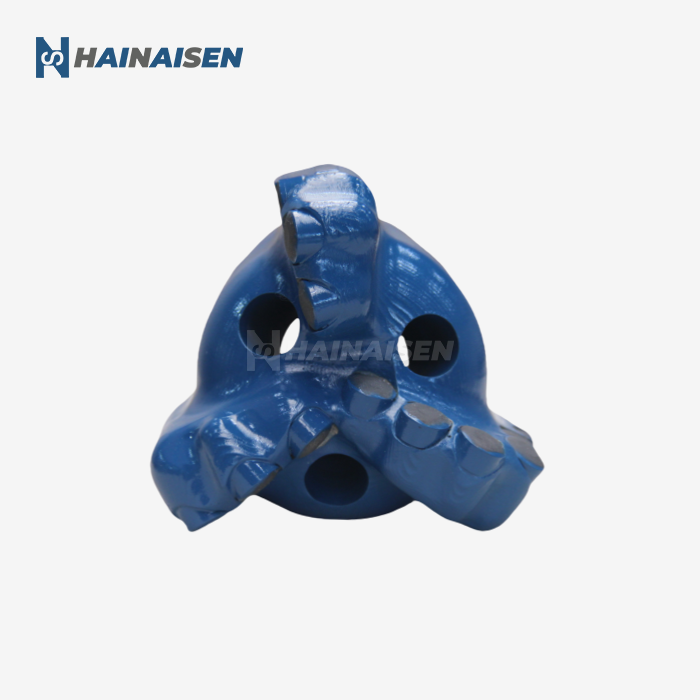 VIEW MORE113mm PDC Arc Angle Drill Bit
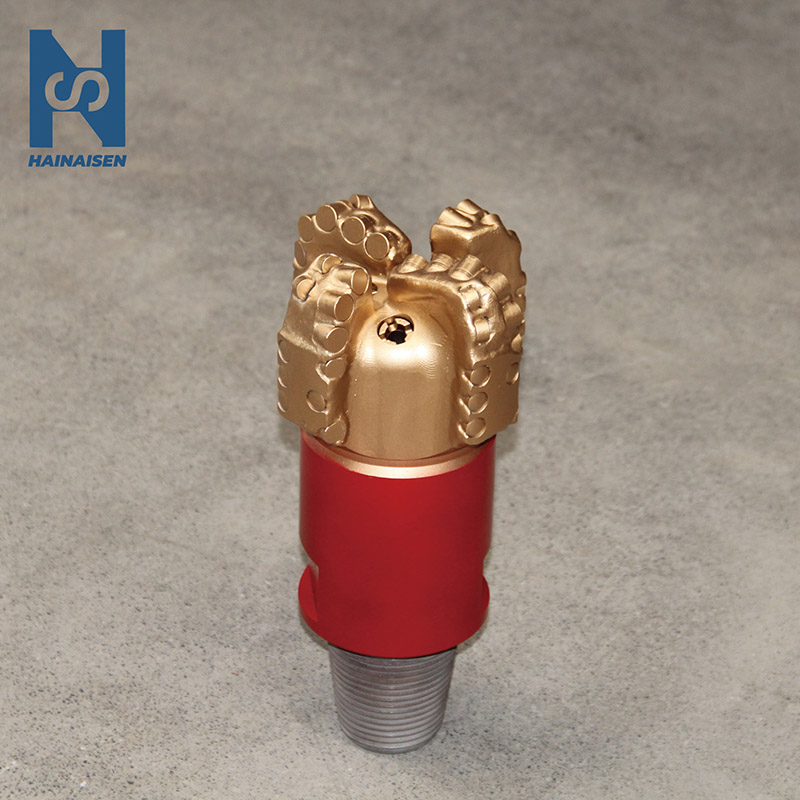 VIEW MOREFour Blade Wing Oil Drilling Tool
logo 2_1777361643767.jpg) VIEW MORE94mm Four Wing Arc Angle Drill Bit
VIEW MORE94mm Four Wing Arc Angle Drill Bit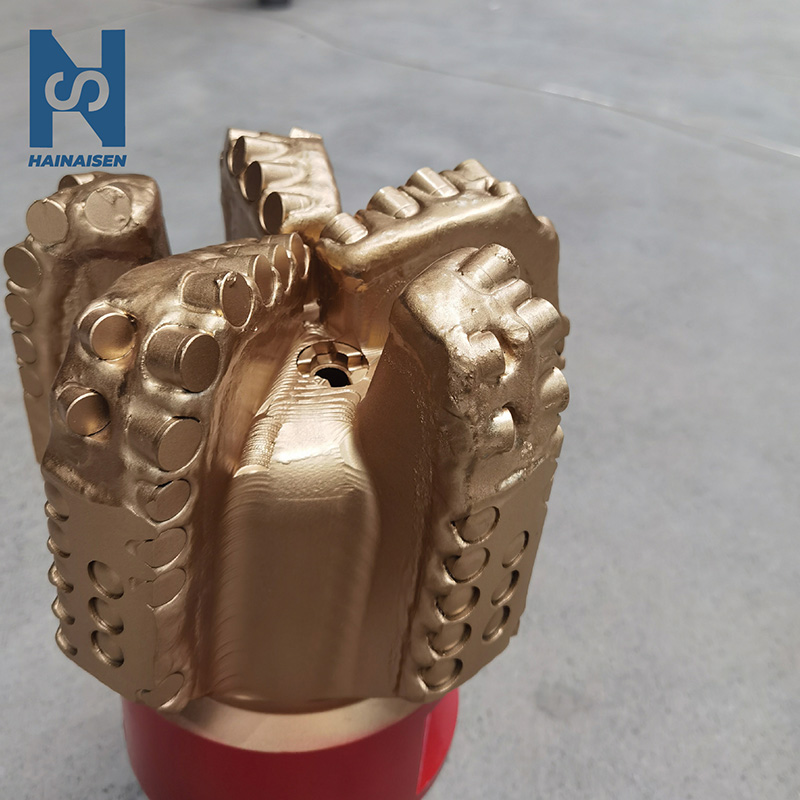 VIEW MOREFive Blade Wing Oil Drilling
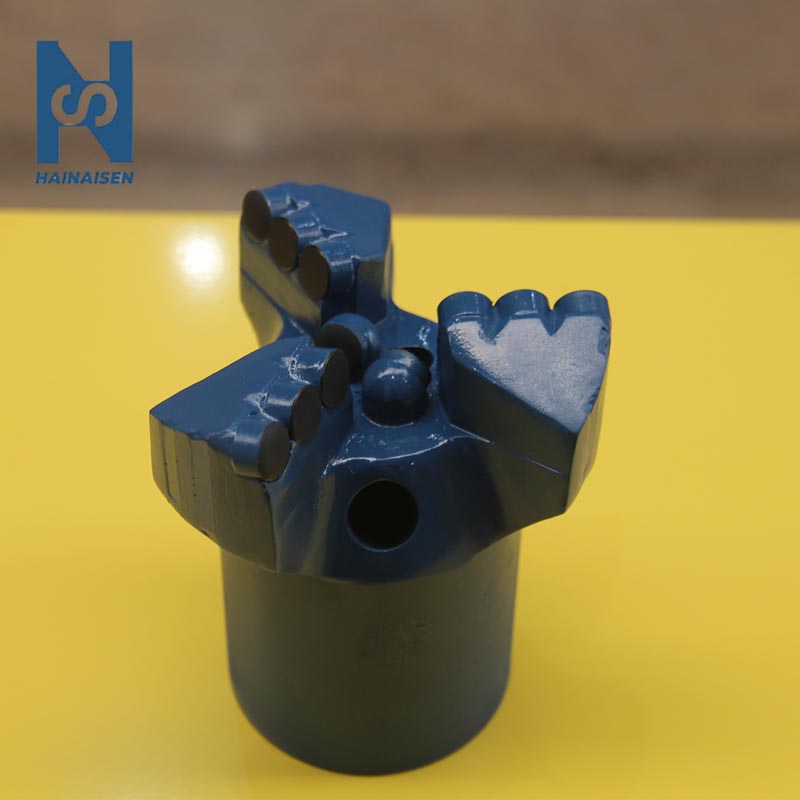 VIEW MORE3 Blades Steel Body PDC Bit
 VIEW MOREPDC Mining Bit
 VIEW MOREForging Deep Rock Well Drilling Bits PDC Mining Bit
 VIEW MORECoal Mining PDC Drill Bits
