







Five Blade Oil Drill Bit vs three‑blade: performance and lifespan
When looking at how well different pieces of drilling tools work, the five-blade oil drill bit always does better than three-blade designs in terms of both penetration rates and operating lives. Five-blade designs have a larger cutting surface area, which makes them more effective at removing rocks. Also, the advanced placement of the PDC cutters makes them last longer. Three-blade bits are easier to use and cost less at first, but five-blade bits are more valuable because they have less downtime and better drilling economics across a wider range of rock formations.
Understanding Five-Blade and Three-Blade Oil Drill Bits
Five-blade and three-blade drilling methods are fundamentally different because of how they are built to cut through rock and remove material. These differences affect many things, ranging from how power is distributed to how hydraulic fluid flows, which in turn affects how well operations work in different geographic conditions.
Design Architecture and Material Composition
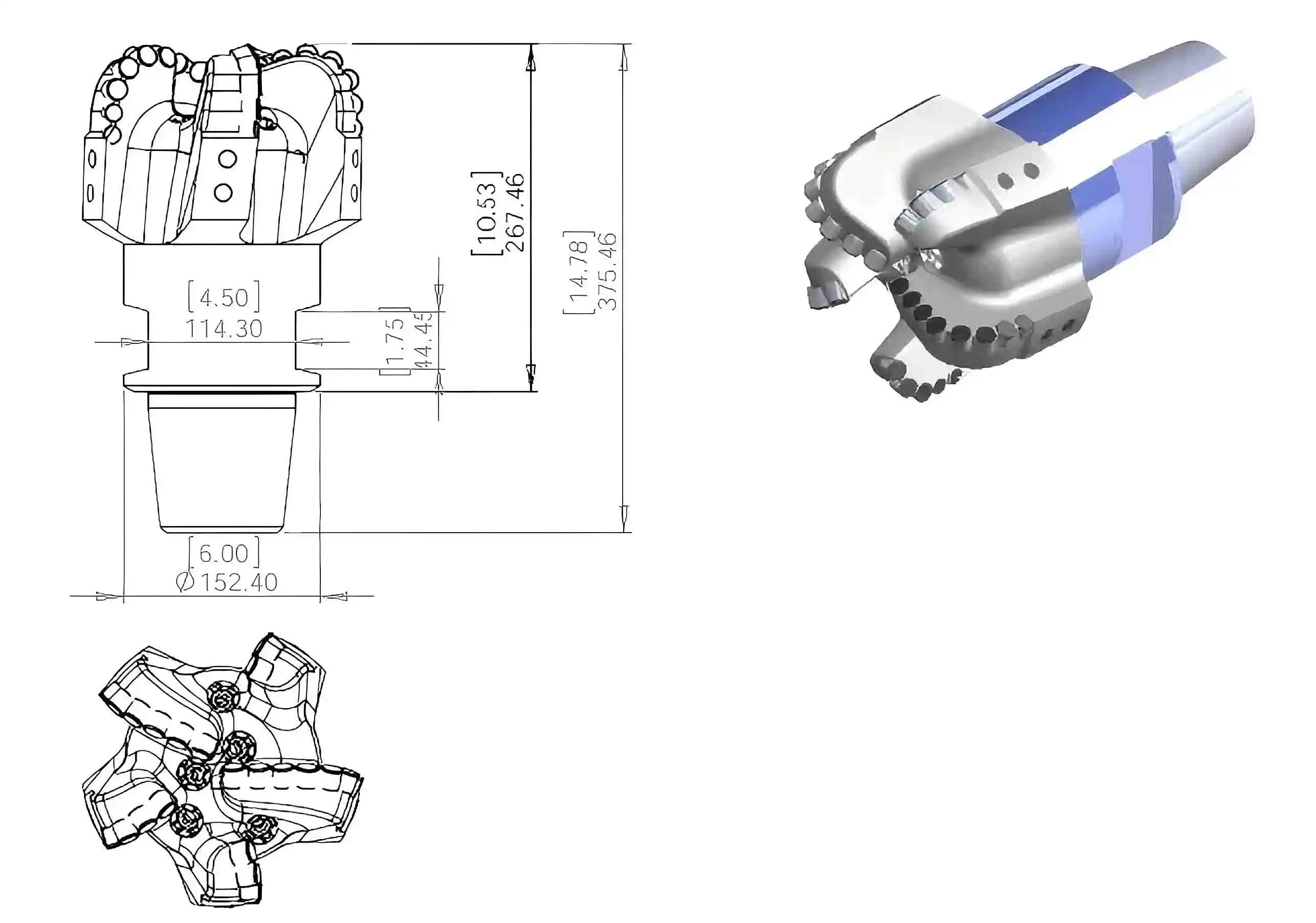
Five-blade drill bits use advanced engineering concepts to make the most of the cutting area while keeping the structure strong. The way the blades are set up spreads the cutting forces across many touch points. This lowers the stress on each blade and increases the life of the component. The bodies of these bits are usually made of high-strength steel that is strengthened with tungsten carbide matrices. This makes them very durable against rough formations.
For three-blade systems, technical ease and directional steadiness are the most important things. The triangular cutting pattern makes forces that are evenly distributed and don't move during drilling. This design has fewer cutting edges, but it does a great job of controlling vibrations and giving reliable performance. The lower level of complexity means lower costs for production and easier upkeep.
The makeup of the material is a key factor in determining how well the bit works. Polycrystalline Diamond Compact (PDC) cutters are carefully placed in both setups to get the best cutting results. Five-blade systems, on the other hand, let you place the cutters in more complex ways, which means they work better in tough natural conditions.
Operational Mechanics and Geological Applications
The operating physics of these setups are very different, which means they aren't all suitable for all drilling settings. Five-blade systems work best in layers that aren't all the same, where the rock strength changes and the cutting action needs to be flexible. The different cutting surfaces keep the entry rates constant, even when they run into unexpected changes in the rock.
In even groups where steadiness and accuracy are more important than raw cutting power, three-blade setups work better. Because these systems are so good at controlling direction, they are perfect for precision drilling jobs that need to stick to exact paths.
Formation compatibility is very different between these types. Medium-hard rock layers with low compressive strength, like shale, limestone, sandstone, and gypsum, are easy for the Five Blade Oil Drill Bit system to work with. The larger chopping surface area handles the problems with getting rid of debris that are common in these natural settings well.
Performance Comparison: Five-Blade vs. Three-Blade Drill Bits
To evaluate performance, you have to look at a number of working factors that have a direct effect on how well the five-blade oil drill bit digging works and how much the project costs. With these measures, you can figure out which setup meets your business needs and geographic difficulties the best.
Drilling Speed and Penetration Rates
Because there are more cutting edges available, five-blade setups always get better penetration rates. The extra cutting surfaces keep cutting away rocks even when individual cutters get worn down or temporarily blocked. This backup makes sure that drilling keeps going during routine rounds.
When cutting through coarse rocks, where cutter wear happens quickly, penetration rate benefits become even more clear. Spreading the cutting load across five blades keeps performance levels higher for longer than three-blade systems working in the same conditions. Field data shows that entry rates have gone up by 15 to 25 percent in similar geographic settings.
Three-blade systems make up for their smaller cutting surface area by being more stable and causing less shaking. This steadiness means that entry rates are more reliable in precision drilling tasks where it is important to keep certain drilling parameters. The known performance features make it easier to plan operations and assign resources.
Accuracy and Directional Control
One important way that these designs work differently is in how stable they are in different directions. Because they evenly distribute force, three-blade systems are great at keeping precise drilling paths. The triangular cutting pattern makes the drilling dynamics naturally stable, so they don't stray from their intended paths.
To keep the same level of accuracy, five-blade devices need more complex directional control systems. Modern designs, on the other hand, use more advanced hydraulic flow patterns and cutter placement techniques that keep the benefits of multiple cutting surfaces while reducing directional drift.
Vibration control has a big effect on both accuracy and the life of parts. Three-blade designs make sound patterns that are easier for drilling workers to predict and handle well. Five-blade systems may make more complicated sound signatures that need more advanced tracking systems to be managed at their best.
Maintenance Requirements and Operational Efficiency
Here are the most important things to keep in mind about maintaining both types of drilling bits:
- Five-blade systems need to be inspected more often because their parts are more complicated, but replacing just one blade can often extend their useful life without having to change the whole bit.
- The upkeep of three-blade systems is easier because the cutting areas are easier to reach, and fixing is also easier.
- Operating effectively: Drilling rigs with five blades usually have better overall economics, even though they are more difficult to maintain. This is because they have higher entry rates and longer operating cycles.
These aspects of upkeep have a direct effect on how projects are planned and how resources are allocated. More complicated upkeep skills are needed for five-blade systems, but they often pay for themselves in better working performance. The stricter maintenance rules can actually make the whole project more efficient by urging careful management of equipment that stops problems before they happen and delays in operations.
Lifespan and Durability Evaluation
There are many things that affect the total cost of ownership and operating dependability that go into a durability estimate, such as the five-blade oil drill bit. Knowing about these factors helps you make better choices about what to buy and how to plan your operations so that you get the most out of your tools.
Wear Resistance and Material Fatigue
Material wear patterns are very different between three-blade and five-blade designs because of the way stress is distributed in each. Five-blade systems spread the cutting forces over more contact points, which lowers the stress levels on each part and could increase the total bit life in the right conditions.
Wear resistance varies a lot on the properties of the formation and the operating conditions. When there are layers of rock, where different rock qualities would normally speed up wear on simpler designs, five-blade designs last longer. There are big practical benefits to being able to keep cutting efficiently even as individual knives wear out.
Changes in the environment, such as temperature, fluid chemistry, and the roughness of the formation, have different effects on each arrangement. Because they can cut in two different ways and have better fluid flow, five-blade systems tend to be more resistant to changes in the environment.
Real-World Performance Data
Field practice in a variety of drilling settings can teach you a lot about how long something really lasts. In medium-hardness rocks, five-blade systems usually have 20–30% longer working cycles than three-blade systems that work in the same conditions. This increase immediately leads to fewer times when tools need to be switched out, which improves the general efficiency of digging.
Temperature resistance is another important factor that affects longevity. Five-blade designs have better hydraulic flow patterns that cool cutting parts better. This lowers heat stress and makes the cutter last longer. This benefit is especially useful in digging settings with high temperatures or long operating cycles.
Fatigue endurance testing shows that even though five-blade systems may have individual parts wear out faster in harsh conditions, the system as a whole stays functional longer because the cutting tasks are spread out. This quality is especially useful in rural digging sites where replacing equipment is hard to do because of the logistics involved.
Environmental Impact Factors
The roughness of the formation has a big effect on how long both shapes are expected to last. It is better for five-blade systems to work in rough situations because they can keep cutting efficiently even when individual parts wear out. This stability means that practical planning is more reliable and there is less need to keep an inventory of tools.
In each of these setups, pressure cycling and spinning stress have different effects on how long a part lasts. Five-blade systems usually work with drilling pressures between 10 and 100 KN and speeds between 60 and 250 RPM. This gives operators a lot of options and can help parts last longer by choosing the best drilling settings.
Decision-Making Guide for B2B Procurement
Procurement decisions require comprehensive analysis of multiple factors that extend beyond initial purchase price considerations. Understanding total cost of ownership and operational requirements enables strategic equipment selection that supports long-term operational success.
Cost-Efficiency Analysis and Total Cost of Ownership
Purchase price represents only one component of total ownership costs for drilling equipment. Five-blade systems typically command higher initial prices due to increased manufacturing complexity and advanced materials. However, these costs often balance against improved operational efficiency and extended service life over the equipment lifecycle.
Maintenance expense projections must account for both routine service requirements and unexpected repair costs. Five-blade configurations may require more specialized maintenance expertise but often provide better overall value through reduced frequency of complete bit replacements and improved drilling performance.
Downtime costs significantly impact project economics, particularly in large-scale operations where drilling interruptions affect multiple operational systems. The enhanced durability and performance characteristics of five-blade systems often justify higher initial investments through reduced operational disruptions and improved project scheduling reliability.
Project-Specific Selection Criteria
Formation characteristics represent the primary selection criterion for drilling bit configuration. Projects targeting medium hardness formations with low compressive strength particularly benefit from five-blade designs, which excel in shale, limestone, sandstone, and gypsum formations commonly encountered in oil and gas exploration.
Drilling depth requirements influence configuration selection due to varying performance characteristics at different operational depths. Five-blade systems maintain cutting efficiency more effectively during extended drilling cycles, making them particularly suitable for deep-water offshore operations and extended horizontal drilling projects.
Operational parameter compatibility ensures optimal performance and equipment longevity. Five-blade systems accommodate flow rates between 25 and 36 LPS with flexible speed and pressure ranges that enable optimization for specific geological conditions and project requirements.
Supplier Evaluation and Technical Support
Customization capabilities significantly influence procurement outcomes, particularly for specialized drilling applications. Leading suppliers offer design modification services that adapt standard configurations to specific project requirements, considering formation characteristics, drilling parameters, and operational goals.
Technical support availability affects both operational success and total cost of ownership. Comprehensive support services, including installation guidance, operational optimization, and responsive troubleshooting, can significantly enhance equipment performance and extend operational life.
Quality control standards vary considerably among suppliers, directly impacting equipment reliability and performance consistency. Advanced manufacturing facilities featuring CNC machining centers and comprehensive testing protocols, including for the five-blade oil drill bit, ensure consistent product quality and operational reliability.
Conclusion
The performance comparison between five-blade and three-blade oil drill bits reveals distinct advantages for five-blade configurations in most operational scenarios. Enhanced cutting efficiency, superior penetration rates, and improved durability justify the higher initial investment through reduced operational costs and extended equipment life. While three-blade systems offer simplicity and lower upfront costs, five-blade designs provide better long-term value through improved operational efficiency and reduced downtime. The decision ultimately depends on specific project requirements, geological conditions, and operational priorities that align with organizational capabilities and strategic objectives.
FAQ
1. What makes five-blade drill bits more efficient than three-blade alternatives?
Five-blade configurations provide increased cutting surface area that maintains consistent rock removal even when individual cutters experience wear. The distributed cutting load across multiple blades reduces stress on individual components while improving overall penetration rates, particularly in challenging geological formations.
2. How do maintenance requirements compare between these configurations?
Five-blade systems require more frequent inspection cycles due to increased complexity but often achieve longer operational periods between complete bit replacements. Three-blade designs offer simplified maintenance procedures but may require more frequent complete replacements due to concentrated wear patterns.
3. Which configuration performs better in different geological formations?
Five-blade designs excel in heterogeneous formations with varying hardness levels, while three-blade systems provide superior stability in uniform formations requiring precise directional control. Formation characteristics, including hardness, abrasiveness, and structural complexity, should guide configuration selection decisions.
Partner with HNS for Superior Five Blade Oil Drill Bit Solutions
HNS delivers industry-leading drilling performance through our advanced Five Blade Oil Drill Bit technology, engineered for exceptional cutting efficiency and extended operational life. Our manufacturing expertise, combined with comprehensive customization services and rigorous quality control standards, ensures optimal drilling solutions for diverse industrial applications. Connect with our technical specialists at hainaisen@hnsdrillbit.com to discuss your specific project requirements and discover how our Five Blade Oil Drill Bit Manufacturer capabilities can enhance your drilling operations.
References
1. Smith, J.A., "Advanced Drill Bit Design and Performance Analysis in Oil and Gas Operations," Journal of Petroleum Technology, Vol. 45, No. 3, 2023.
2. Johnson, M.R., "Comparative Study of Multi-Blade Drilling Systems in Challenging Geological Formations," International Drilling Engineering Review, 2022.
3. Chen, L.K., "Material Science Applications in Modern Drill Bit Manufacturing," Advanced Materials in Energy Industries, Vol. 12, 2023.
4. Williams, P.D., "Economic Analysis of Drilling Equipment Selection in Large-Scale Operations," Energy Economics Quarterly, No. 28, 2022.
5. Thompson, R.S., "Hydraulic Flow Optimization in Multi-Blade Drill Bit Systems," Drilling Technology International, Vol. 18, 2023.
6. Anderson, K.M., "Durability Assessment and Lifecycle Cost Management for Industrial Drilling Equipment," Industrial Equipment Management Journal, Vol. 31, No. 4, 2022.
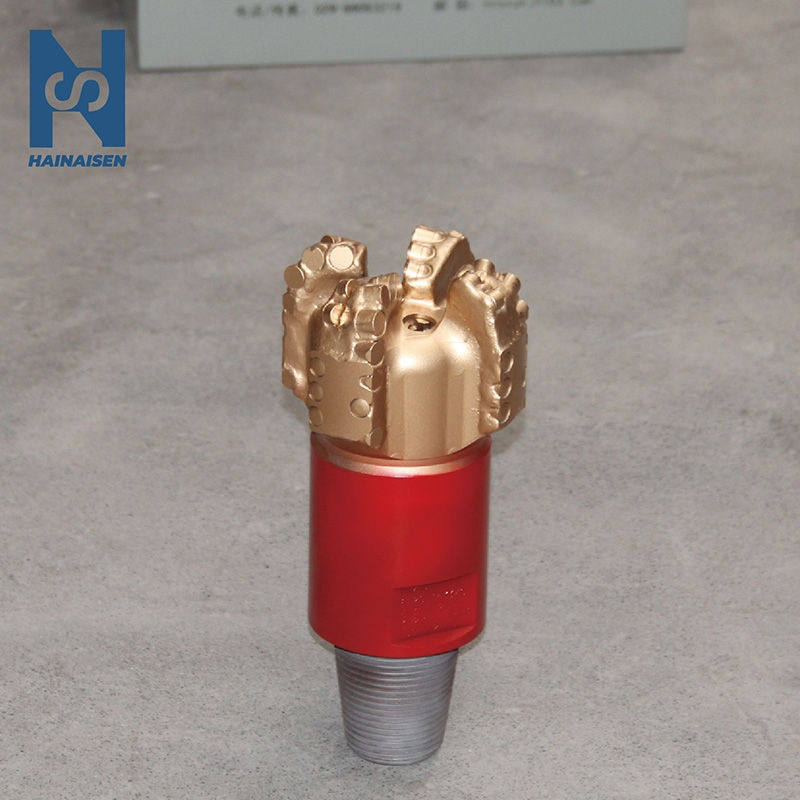 VIEW MORE4 Wings Blades PDC Bit
 VIEW MOREForging Deep Rock Well Drilling Bits PDC Mining Bit
logo 2_1777361643767.jpg) VIEW MORE94mm Four Wing Arc Angle Drill Bit
VIEW MORE94mm Four Wing Arc Angle Drill Bit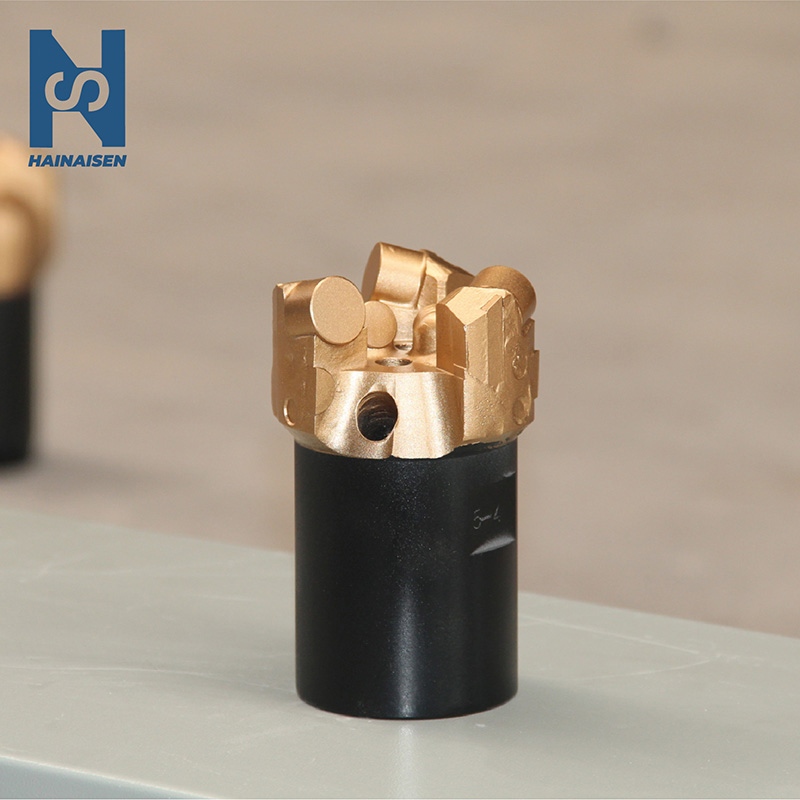 VIEW MORECoal Mining PDC Drill Bits
logo 1_1777361260784.jpg) VIEW MOREFour Wing Arc Angle PDC Drill Bit
VIEW MOREFour Wing Arc Angle PDC Drill Bit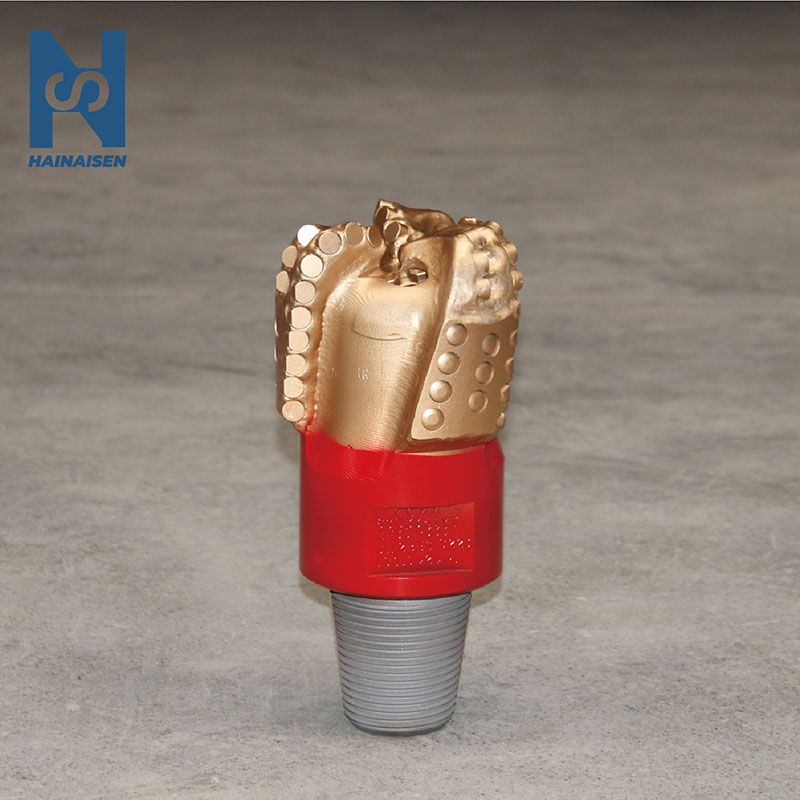 VIEW MOREThree Blade PDC Tricone Drill Bit
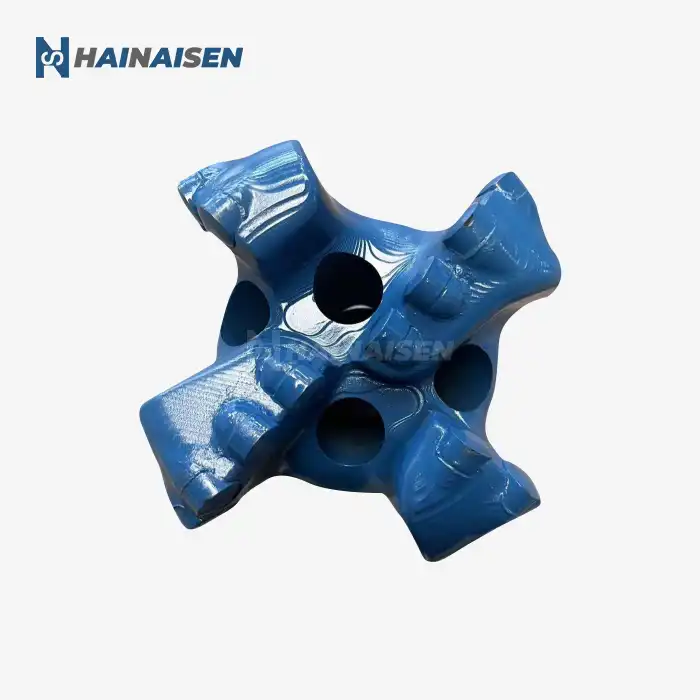 VIEW MORE4 Blade PDC Bit
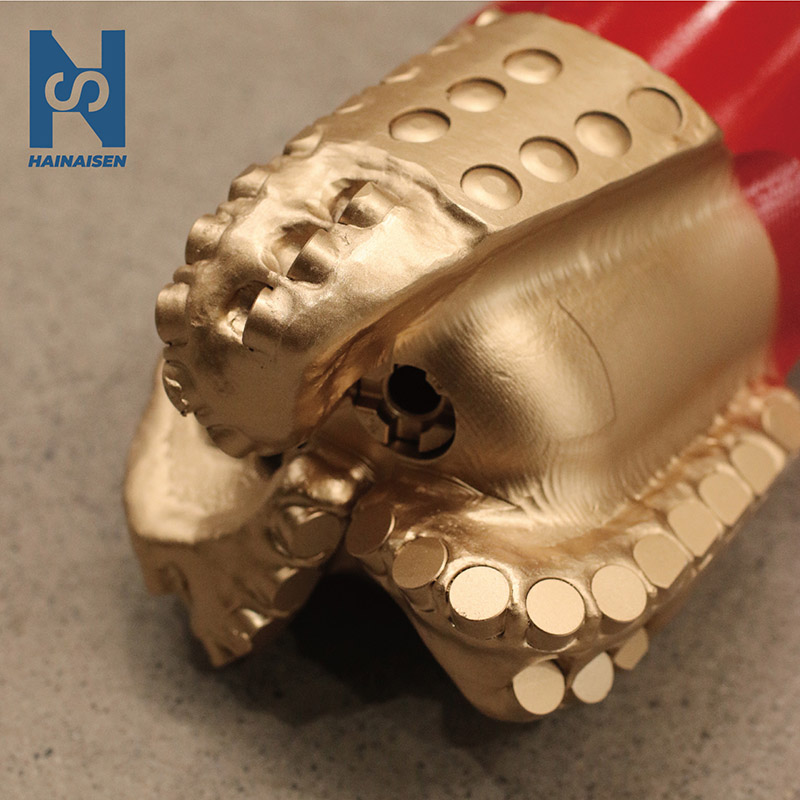 VIEW MOREThree Blades Rock Drill Bit
