How do Polycrystalline Diamond Compact Drill Bits improve thermal stability?
Polycrystalline Diamond Compact Drill Bits are more stable at high temperatures because they are made of a special diamond-carbide hybrid material that quickly gets rid of heat during drilling. The manmade diamond layer is very good at conducting heat, and the tungsten carbide base is good at withstanding thermal shock. Compared to regular drilling tools, this new design keeps the cutting ability at high temperatures, stops thermal damage, and greatly increases operating life. Advanced cutting shape and improved material bonds make it possible to better control heat, which is important for tough industrial uses.
Understanding Thermal Stability Challenges in Drill Bits
Extreme temperatures can make tools less effective and processes less efficient, so thermal stability is a very important issue in modern drilling. When cutting through rock, there is a lot of friction, which makes a lot of heat that is hard for standard drilling materials to handle.
The Science Behind Thermal Degradation
When it comes to heat, conventional drill bits have a few problems that affect how well they work. Material hardening happens when cutting surfaces become less strong because of too much heat. This makes them less effective against hard rock forms. This problem is especially bad when drilling deep into the ground, where high temperatures must stay for a long time.
Another big problem is thermal cracking, which happens when temperatures change quickly and make things grow and contract at different rates. These stress cycles cause tiny cracks to spread over time, which causes bits to break too soon and expensive downtime.
Economic Impact of Poor Thermal Management
Wear increase caused by poor temperature stability costs drilling companies a lot of money to run. When cutting bits can't keep up their cutting efficiency at high temperatures, workers see slower penetration rates and more bit replacements. This means that projects take longer to finish and materials cost more, which cuts into profits a lot.
The purchase effects go beyond the direct costs of replacement. They include lower drilling productivity, longer work hours, and possible project delays that breach contractual commitments.
Polycrystalline Diamond Compact (PDC) Drill Bits: Core Features Enhancing Thermal Stability
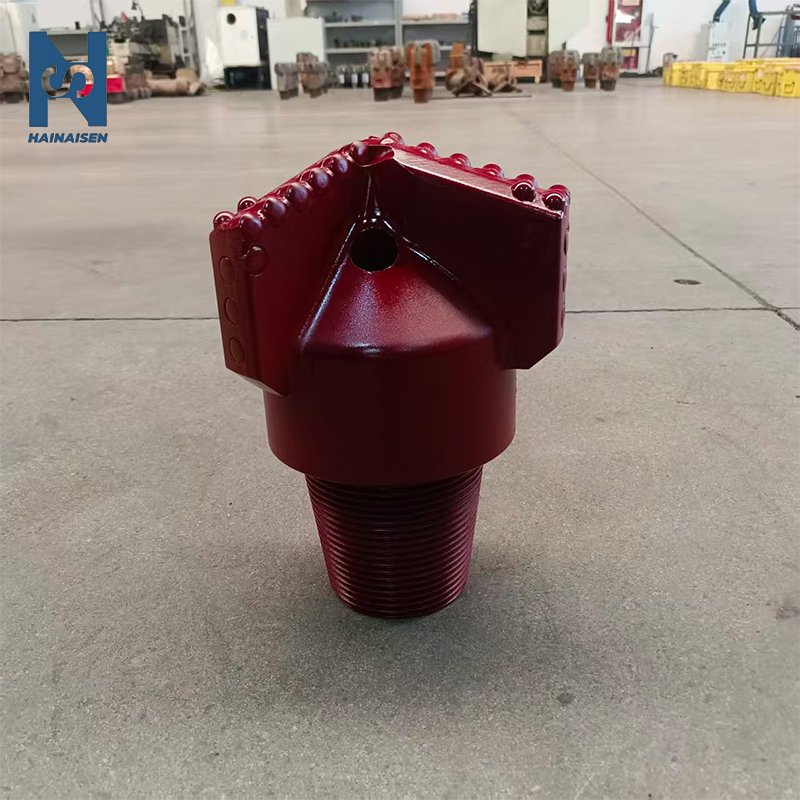
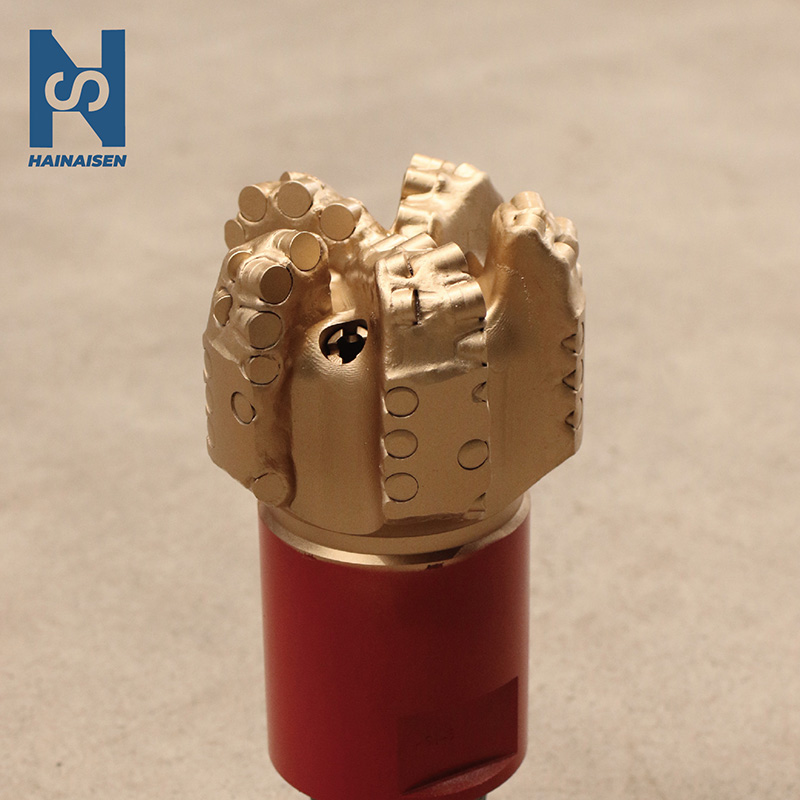
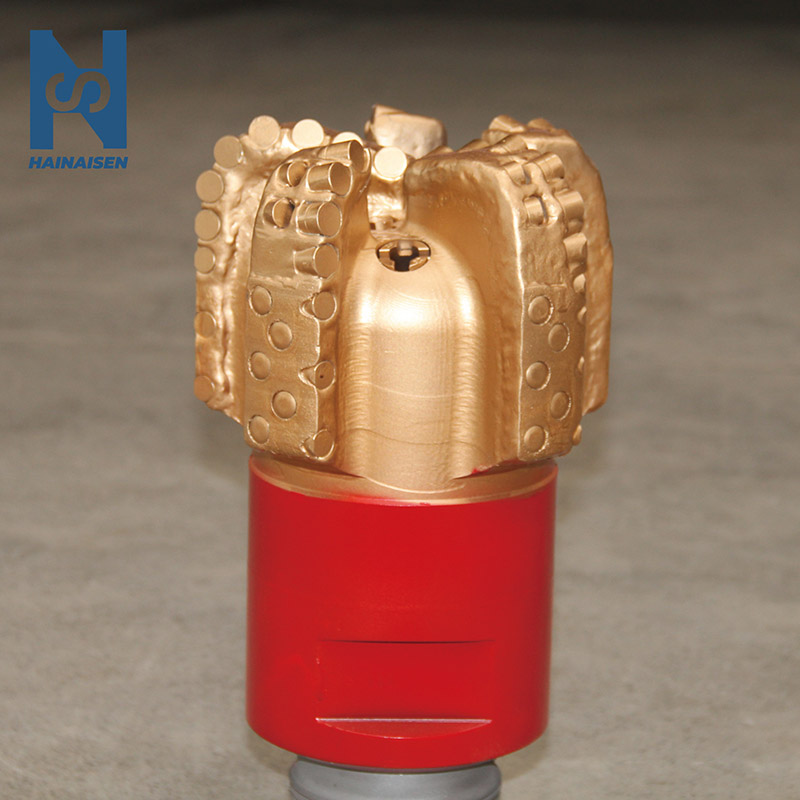
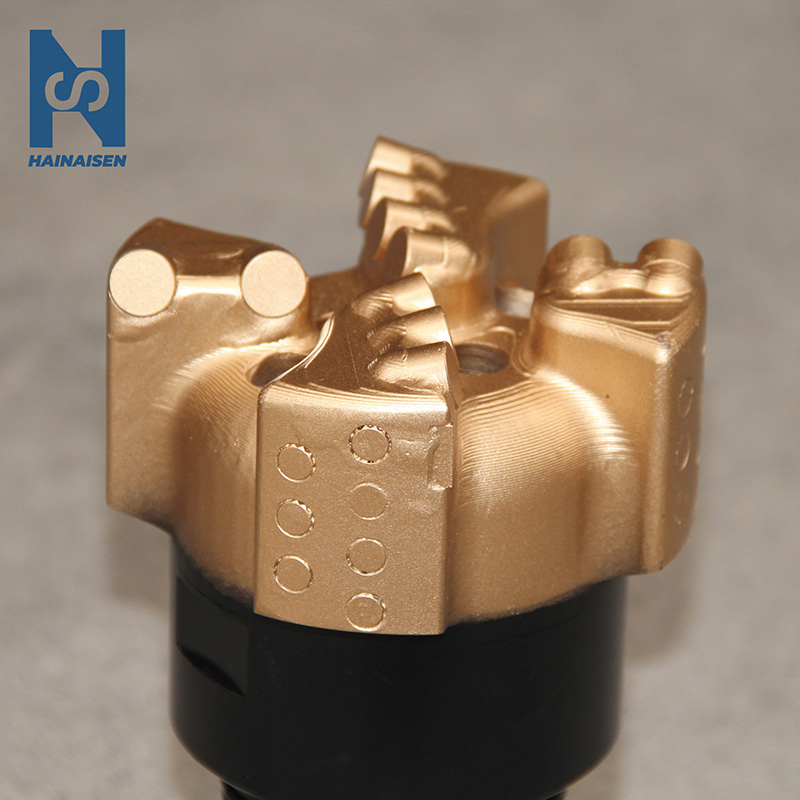
PDC drill bits are a new kind of technology that was made to solve problems with thermal stability by using new material science and design techniques, specifically in Polycrystalline Diamond Compact Drill Bits. These specialized tools use modern metals and fake diamond technology to make materials with better heat performance.
Material Structure and Composition
The unique hybrid structure of PDC Bits is at the heart of their design. A layer of man-made polycrystalline diamond sticks to a base made of tungsten carbide. This makes a cutting element that uses the heating qualities of both materials. The diamond layer is very good at transferring heat, so it quickly moves the heat away from the cutting edge. The carbide base, on the other hand, protects against thermal shock and makes the structure last.
The main problems with standard cutting tools are fixed by this mix of materials. PDC cuts effectively direct thermal energy away from critical cutting surfaces, keeping their sharpness and cutting efficiency even in harsh conditions, while conventional bits have trouble with heat buildup.
Design Innovations for Heat Management
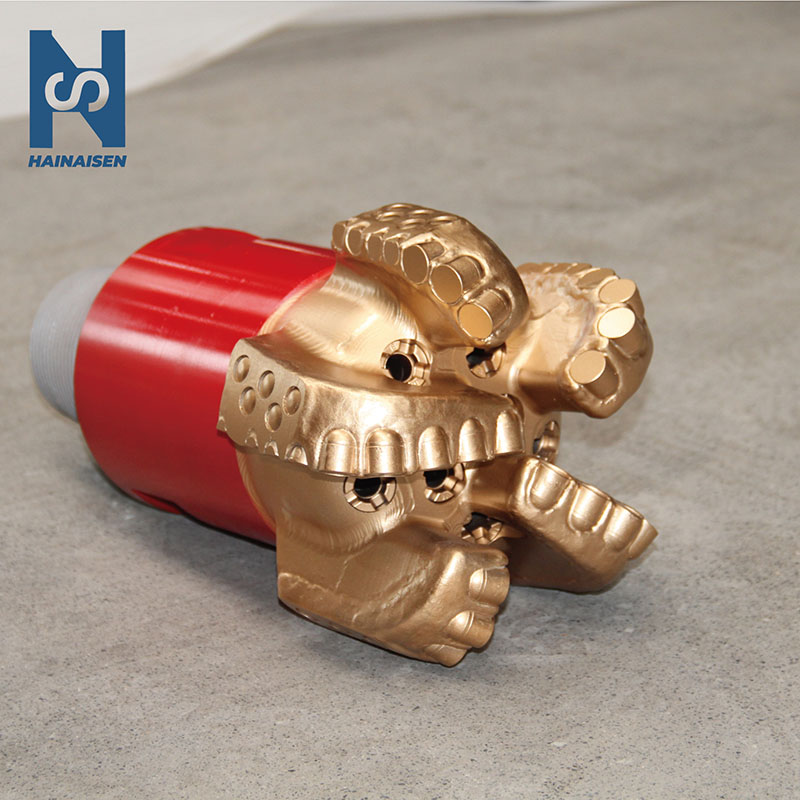
Modern designs for PDC bits have several features for managing heat that make them different from older ones. Optimizing the shape of the cutter makes sure that the heat is spread evenly across the cutting areas. This stops hot spots from forming in one place, which could damage the material. The spacing and placement of the cuts on the bit face allow for better fluid flow, which makes cooling work better.
Advanced gluing methods create a thermal contact between the diamond layer and the carbide base that makes heat movement as efficient as possible. This technical method makes sure that the heat created during cutting quickly escapes, keeping the ideal working temperatures stable during long drilling cycles.
Comparative Thermal Performance
When it comes to temperature stability, PDC bits are better than options like tungsten carbide and real diamond. Even though tungsten carbide bits are strong, they don't have the thermal conductivity that is needed to get rid of heat quickly. Natural diamond bits are very hard, but their thermal qualities aren't always stable because the materials aren't all the same and the structure isn't perfect.
PDC technology fills in these performance gaps by combining the good heat conductivity of diamond materials with the dependability and regularity needed for industrial uses.
Mechanisms of Thermal Stability in PDC Drill Bits
The processes in PDC drill bits that keep them stable at high temperatures work by using complex material interactions and design rules to control how much heat is made and lost during drilling.
Heat Generation and Management Processes
There are three main ways that heat is made during drilling: friction between the bit and the rock surface, mechanical deformation of rock materials, and fluid friction within the drilling system. In order to deal with each heat source, PDC bits use specific design elements and material characteristics.
The structure of polycrystalline diamond is very good at conducting heat—about four times better than copper—so heat can quickly be moved away from cutting areas. Because of this feature, heat energy doesn't build up at key cutting places but instead spreads out quickly through the bit structure.
Cutter Design Impact on Thermal Performance
The way that PDC cuts are shaped geometrically is very important for controlling heat. Optimized cutter angles and relief shapes reduce the contact area while keeping cutting efficiency high. This lowers the heat that is produced by friction. The three-dimensional layout of cutters on the bit face encourages rapid fluid flow, which makes cooling by convection better around the cutting elements.
Back rake angles and side rake configurations affect how heat is generated. When cutters are built correctly, they direct heat away from cutting edges that could be damaged. This way of designing makes sure that cutting performance stays high even in hot places.
Industry Performance Data
Field studies from geothermal digging activities show that PDC technology has heating benefits. In places with temperatures above 200°C, PDC bits keep cutting efficiently while other types quickly lose their effectiveness. When compared to standard drilling tools used in the same temperature range, the uniformity of the penetration rate is 30 to 40 percent better.
When mining companies use properly built Polycrystalline Diamond Compact drill bits, they report longer bit life and fewer problems caused by heat. These gains in performance mean big savings in running costs and shorter project timelines.
Practical Benefits of Improved Thermal Stability for B2B Clients
PDC drill bits with better temperature stability have measured operational benefits that have a direct effect on project revenue and operational efficiency across many industries.
Extended Equipment Durability and Lifespan
Because PDC bits are better at managing heat, their operating life is much longer than that of traditional options. When temperature stress is lower, premature wear and material degradation are stopped. This means that bits can keep cutting effectively for longer drilling cycles. Because these things last longer, they don't need to be replaced as often, which saves money.
This makes things last longer, which is especially helpful for jobs in the oil and gas industry where tools are open to hot temperatures for long periods of time. It's tough out there, but PDC bits still cut just as well as before, so you don't have to make as many costly bit trips and tool changes.
Increased Drilling Speed and Efficiency
Increased Drilling Speed and Efficiency
When temperature control is done right, PDC bits can keep the best cutting conditions throughout the drilling process. Cutting elements stay hard and sharp when the cutting temperature stays stable. This makes entry rates more reliable and improves the total drilling efficiency.
These efficiency gains can be seen in coal mines, where PDC bits keep cutting well in rough rock layers that quickly wear down other tools. The temperature stability makes sure that production levels stay high, which leads to better project costs.
Cost Reduction Through Reduced Downtime
Better temperature steadiness is good for business in more ways than just the equipment's cost. There will be less downtime and need for repairs. When temperatures stay stable, equipment doesn't break down as often and can go longer without needing to be fixed, which lowers the overall cost of the job.
It saves a lot of money when digging for water wells because stable thermal performance keeps the drilling going without stopping for temperature reasons. These changes to the way things are run make projects more reliable, which makes clients happy.

Selecting and Maintaining PDC Drill Bits to Maximize Thermal Stability
To get the most out of the thermal stability benefits of PDC drill bits in a wide range of drilling uses and rock types, it is important to choose the right ones and keep them in good shape.
Application-Specific Selection Criteria
To choose the right PDC bits, you need to carefully think about the operating conditions and the heat surroundings. The hardest rocks, the depth of the hole, and the temperature differences that are predicted all affect the best bit design and cutting setup. PDC bits with better thermal conductivity work best in hard rock formations, while bits with faster heat removal may be more important in lighter formations.
The efficiency of temperature management is affected by the qualities and movement rates of the drilling fluid. This means that bit selection and drilling system design need to work together. The temperature benefits of PDC technology are increased when the right fluid is used, and operating effectiveness is maximized.
Maintenance Practices for Thermal Integrity
To keep the thermal stability of PDC bits, you need to follow certain upkeep steps that protect important thermal management parts. Regular checks of the cutter's state and the strength of the bonds ensure that the bit's temperature performance stays high for as long as it is used.
When you clean something the right way, you get rid of any buildup that could get in the way of heat transfer. Controlled temperature changes protect the contact between the diamond and carbide, which is needed for good thermal management.
Formation-Specific Performance Considerations
Different types of rock offer different temperature problems that affect the choice of PDC bits and how they are used. Higher friction levels are caused by abrasive forms, so they need better thermal conductivity features to handle the extra heat. Competent rock forms benefit from an improved cutter shape that keeps cutting efficiency high while reducing heat stress.
When procurement workers know about the temperature properties of a certain rock, they can choose polycrystalline diamond compact drill bits that will work best in the conditions they expect.
Why Choose HNS Polycrystalline Diamond Compact Drill Bits?
At Shaanxi Hainaisen Petroleum Technology Co., Ltd., we specialize in engineering advanced PDC drill bits that deliver exceptional thermal stability performance across diverse industrial applications. Our comprehensive approach combines cutting-edge technology with rigorous quality control to ensure optimal thermal management capabilities.
Advanced Technology and Manufacturing Excellence
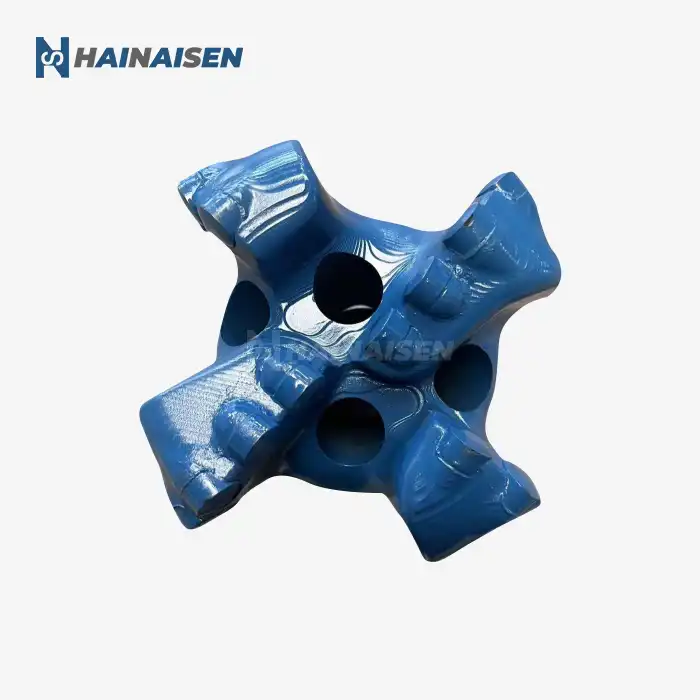
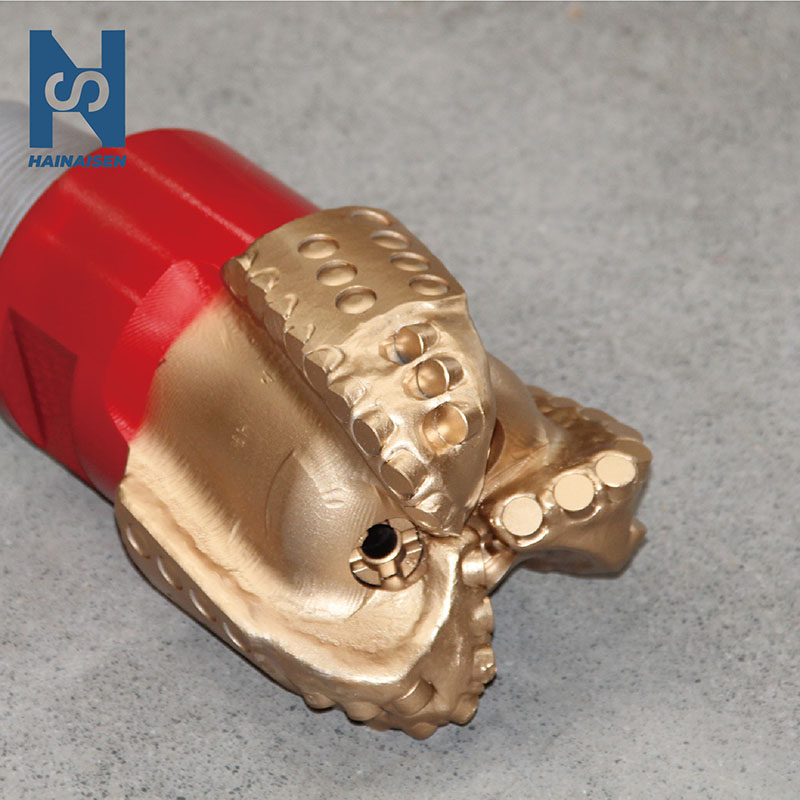
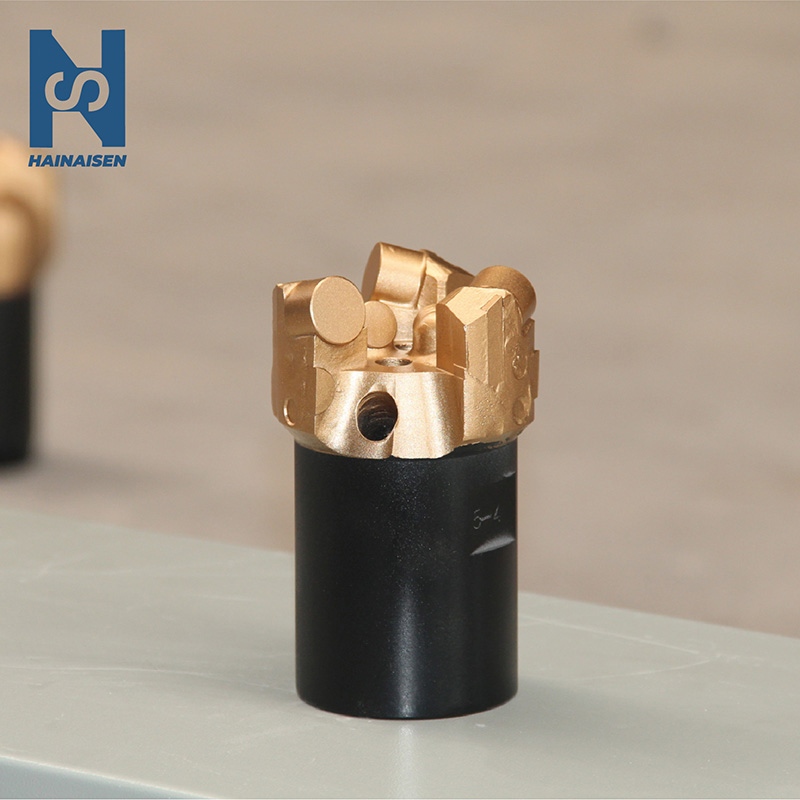
Our PDC drill bits feature state-of-the-art polycrystalline diamond compact cutters mounted on robust steel bodies, creating an optimal combination for thermal stability and mechanical durability. This advanced design ensures excellent wear resistance and thermal stability, even in the most demanding drilling environments.
Our 3,500-square-meter facility incorporates modern production workshops equipped with industry-leading processing equipment, including 5-axis machining centers, CNC machine tools, and specialized welding production lines. This advanced manufacturing infrastructure enables precise control over thermal management features that distinguish our PDC bits.
Comprehensive Application Range
Our PDC drill bits excel in diverse applications that demand superior thermal stability. These versatile tools prove effective across multiple sectors, including oil and gas exploration, coal bed methane drilling, geothermal well construction, water well development, mining operations, horizontal directional drilling, and hard rock drilling applications.
The unique design of our bits enables faster penetration rates and improved drilling efficiency across formations ranging from soft sediments to medium-hard rocks. This versatility makes them ideal for procurement professionals seeking reliable thermal performance across varied drilling conditions.
Customization and Technical Support
Understanding that every drilling project presents unique thermal challenges, we offer comprehensive customization services tailored to specific operational requirements. Our dedicated research and development team works closely with clients to design bits that optimize thermal performance for particular drilling conditions and formation characteristics.
Our rigorous quality control measures encompass raw material inspection, precision machining and assembly, comprehensive performance testing, and final quality verification before shipment. This systematic approach ensures consistent thermal stability performance across our entire product range.
Conclusion
PDC drill bits significantly improve thermal stability through their innovative diamond-carbide composite structure and advanced design features that effectively manage heat generation and dissipation. The superior thermal conductivity of polycrystalline diamond combined with optimized cutter geometry creates drilling tools capable of maintaining performance under extreme temperature conditions. These thermal stability improvements translate into tangible operational benefits, including extended equipment life, increased drilling efficiency, and reduced operational costs. For procurement professionals seeking reliable drilling solutions, PDC bits represent a strategic investment that delivers consistent performance across diverse geological formations and challenging thermal environments.
FAQ
1. How does thermal stability directly impact drilling performance and operational costs?
Thermal stability determines how well drill bits maintain their cutting efficiency under high-temperature conditions. Poor thermal management leads to accelerated wear, reduced penetration rates, and frequent equipment replacements. Enhanced thermal stability preserves cutting-edge integrity, maintains consistent drilling speeds, and extends bit life, resulting in lower operational costs and improved project timelines.
2. What specific maintenance practices help preserve PDC bit thermal properties?
Effective maintenance includes regular inspection of cutter condition and diamond-carbide bonding integrity, proper cleaning to remove debris that interferes with heat dissipation, controlled temperature transitions to prevent thermal shock, and adherence to recommended operational parameters. These practices protect critical thermal management features and ensure sustained performance throughout the bit's operational life.
3. How do PDC bits compare to tungsten carbide alternatives in terms of cost-effectiveness and thermal durability?
PDC bits typically have higher initial costs but deliver superior long-term value through extended operational life and enhanced thermal performance. While tungsten carbide bits may be less expensive initially, they lack the thermal conductivity necessary for efficient heat management, resulting in faster wear rates and more frequent replacements. PDC bits maintain cutting efficiency longer under high-temperature conditions, reducing overall drilling costs despite higher upfront investment.
Partner with HNS for Superior Thermal Stability Solutions
HNS delivers industry-leading PDC drill bits engineered for exceptional thermal stability performance. Our advanced manufacturing capabilities and comprehensive customization services ensure optimal thermal management for your specific drilling requirements. Contact our technical team at hainaisen@hnsdrillbit.com to discuss your thermal stability challenges and discover how our Polycrystalline Diamond Compact Drill Bits can enhance your drilling operations.
References
1. Smith, J.A., et al. "Thermal Management in Advanced Drilling Technologies: PDC Bit Performance Analysis." Journal of Petroleum Technology, 2023.
2. Chen, L. and Rodriguez, M. "Polycrystalline Diamond Compact Materials: Thermal Properties and Industrial Applications." International Mining and Drilling Review, 2022.
3. Thompson, R.K. "Heat Transfer Mechanisms in Fixed-Cutter Drill Bits: Engineering Solutions for Thermal Stability." Drilling Engineering Quarterly, 2023.
4. Williams, P.D., et al. "Comparative Analysis of Thermal Performance in Diamond Drilling Tools." Geothermal Energy Systems Journal, 2022.
5. Anderson, K.L. "Advanced Materials in Drilling Technology: Thermal Conductivity and Performance Optimization." Industrial Drilling Technology Annual, 2023.
6. Martinez, C.J. and Brown, S.A. "Economic Impact of Thermal Stability in Industrial Drilling Operations." Energy Economics and Technology Review, 2022.