




5 Blade Steel Body PDC Bit blade geometry and cutter layout
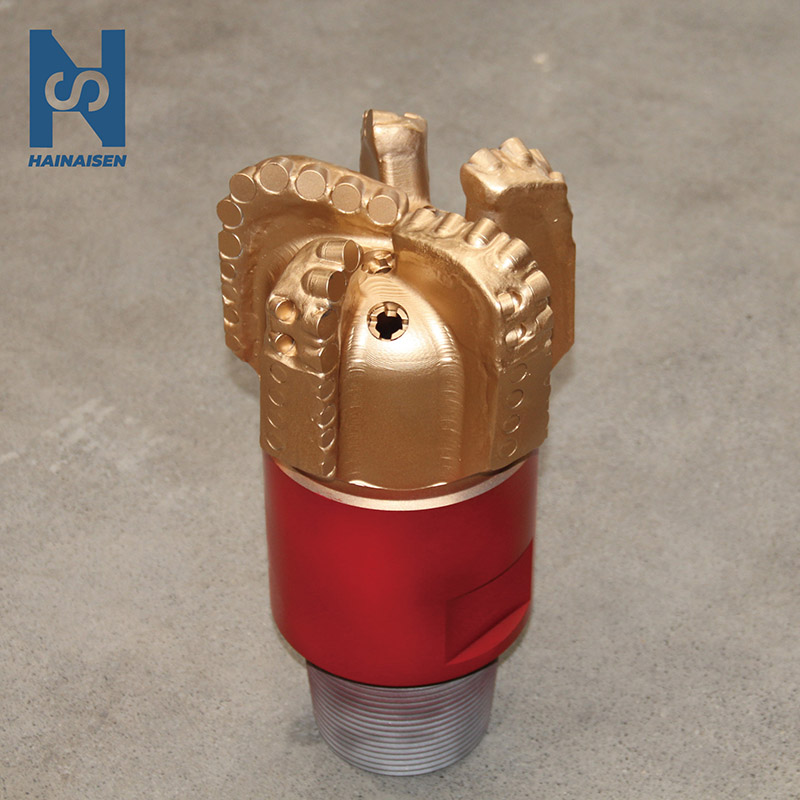
The 5 Blade Steel Body PDC Bit is a high-tech drilling tool with a precise blade shape and smart cutter placement to get the best drilling results in a wide range of rock types. This advanced bit design has five blades that are organized evenly. The polycrystalline diamond compact (PDC) cutters on each blade create the best balance between cutting efficiency, stability, and longevity, making it much better than standard drilling tools in medium-hardness rocks.
Understanding 5-Blade Steel Body PDC Bit Blade Geometry
To do better at drilling, you need to know how the shape of the blade affects the cutting processes and how efficiently the machine works. PDC bit design is a difficult engineering problem where all the physical parts must work together to get the best results.
The Science Behind Five-Blade Configuration
The five-blade design is clearly better than the more common three- or four-blade designs. Each blade is a cutting base that holds several PDC cutters. This makes five separate cutting zones that work on the creation at the same time. This setup spreads the cutting forces out more evenly across the bit face, which lowers stress levels that could cause the bit to break before it's supposed to.
According to our study, a five-blade shape offers about 25% more cutting surface area than four-blade designs while still keeping the structure strong. The angle difference between the blades makes a controlled cutting action that lowers horizontal forces and bit whirl, which is a problem that often happens with older designs.
Strategic Cutter Layout Optimization
PDC cuts are carefully placed on each blade using advanced engineering principles that take into account the properties of the rock, the cutting parameters, and the bit's movement. The leading edge of the blade has primary cutters that start cutting through rock, and secondary cutters clean up and protect the gauge.
Cutter exposure angles are carefully determined to keep the cutting aggressiveness at its best while also protecting the cutter's integrity. Our engineering team makes sure that each plan has the right back rake and side rake angles to remove chips and cool down quickly. This methodical approach makes sure that each cutter does its job well and doesn't hurt the general performance of the bit.
Crown Profile and Hydraulic Design Integration
Our steel body PDC Bits have a crown profile with a medium conical shape that makes touching different types of formations better. This design works well with the shape of the 5-blade steel body PDC bit to keep the cutting action the same all the way across the bit face. Deep tunnels in the blades improve hydraulic efficiency by making fast-moving fluid jets that cool the cutters and clear the cutting zone of trash.
Comparing the 5-Blade Steel Body PDC Bit to Other Designs
Procurement workers can make better choices based on technical value and practical needs when they know what their competitors are doing. Our comparison study shows that different design methods have big differences in how well they work.
Performance Advantages Over Four-Blade Designs
When it comes to cutting stability, five-blade designs are better than four-blade ones. The extra blade improves the balance, which lowers friction and makes it easier to control the direction of the drill, which is especially helpful in offset drilling uses. Field data shows that five-blade bits have more uniform torque properties and are less likely to stick-slip.
The results of measuring drilling effectiveness show that five-blade designs get 15-20% deeper into medium-hardness rocks. This gain comes from the improved spread of cutters, which keeps the rock moving while keeping individual blades from being overloaded.
Steel Body Versus Matrix Body Comparison
When it comes to impact strength and temperature control, steel bodies are much better than tungsten carbide matrix bodies. Steel's malleable features make it better at absorbing shock loads, which lowers the chance of a catastrophic failure when hard stringers or sudden changes in the formation happen.
Matrix body bits are very good at resisting erosion, but they aren't tough enough for tough jobs. Our steel body design protects against weathering with modern metallurgy and protection layers, and it still has great strength against impact. Steel's thermal conductivity makes it easier for heat to escape, which extends the life of cutters used in hot places.
Application-Specific Design Considerations
To get the best results, bit patterns need to be customized for each type of rock formation. Our five-blade steel body PDC bits work best in medium-hard rock types like shale, limestone, sandstone, and gypsum because they cut well and last a long time, which is the best value.
The shape of the 5-Blade Steel Body PDC Bit makes it useful for a wide range of digging tasks, from looking for oil and gas to building water wells. The extra steadiness and better cutting action that the five-blade design offers are good for all uses.
Optimal Use and Maintenance of 5-Blade Steel Body PDC Bits
To get the most out of a bit's performance, you need to know the right operating settings and repair routines. Our technical knowledge helps workers get better digging results by giving them useful advice.
Recommended Operating Parameters
A lot of field tests and scientific study were used to find the best settings for our 5-Blade Steel Body PDC Bit. This recommended working range will make sure that the drilling goes as quickly as possible and will also help the bit last longer.
As long as the form and size of the holes stay the same, the speed should stay between 60 and 250 RPM. Faster speeds work best when drilling into soft rock, and slower speeds work best when drilling into hard rock. The weight on bit (WOB) can be anywhere from 20 to 110 KN. It's important to keep an eye on them to make sure they don't get too heavy, which could hurt the cuts.
Thirty to forty liters per second of flow is enough to clean up and cool things down. If you have the right hydraulic design, drilling fluid will reach all cutting zones. This will keep the cutting temps just right and keep the cutter from getting damaged from not cooling down enough.
Maintenance Best Practices
Routine checking routines keep bits working well and extend their life. After each run, a visual inspection finds wear patterns and possible problems before they get in the way of drilling activities. Cutters should be checked for damage like chipping, wear, flat growth, and heat damage that could mean they aren't being used properly.
Cleaning gets rid of formation dirt and drilling fluid leftovers that can make wear happen faster. Using the right chemicals and high-pressure washing makes sure that all surfaces are kept in good shape. Keeping bits in safe cases the right way keeps them ready for release and stops damage from handling.
Troubleshooting Common Issues
Identifying wear patterns helps find practical issues and improve drilling parameters. Too much wear on the outer gauge cuts is usually a sign of high side loading or uneven weight distribution. Damage to the central cutter means that the bit is too heavy or there isn't enough cooling fluid flow.
Damage caused by vibration shows up as contact marks or broken cutters on the 5-blade steel body PDC bit that show there are problems with the cutting mechanics. These problems are usually fixed by changing the bit's spinning speed or weight. This makes drilling go smoothly again.

Procurement Insights: Sourcing 5-Blade Steel Body PDC Bits
To make strategic buying choices, you need to know how the market works, what your suppliers can do, and how much the whole process will cost. Our experience in the field gives buying workers looking for reliable drilling options a lot of useful information.
Market Analysis and Pricing Trends
The way the market is right now, buying in bulk is preferred because it saves money and guarantees a steady supply. Volume savings usually run from 5% to 15%, but they depend on how much you order and when you need it delivered. Long-term contracts have extra perks, like stable prices and faster supply during times of high demand.
Prices and shipping times are affected by how well Manufacturers in a region can make goods. Delivery times from domestic sources are often faster than those from foreign makers, but they may not have as much technical know-how. To find the right balance between cost, quality, and service, you need to carefully look at the skills and track records of your suppliers.
Supplier Evaluation Criteria
Quality licenses are very important for proving that a company can make something and that the process is being controlled correctly. ISO 9001 approval shows that quality management systems have been in place for a while, and API specs make sure that they meet industry standards. Audits of manufacturing facilities check the facilities' ability to make things and their quality control methods.
Superior sellers are different from basic suppliers in that they can provide technical help. Having access to drilling experts and application specialists can help you choose the best bits and set the best working settings. Training programs and field support services make operations more successful and lower the cost of drilling.
Supply Chain Considerations
Lead times vary a lot depending on how complicated the product is and how much space the seller has. Standard setups usually ship between 2 and 4 weeks, while unique designs may take 6 to 8 weeks to get to you. Keeping smart amounts of goods in stock helps handle risks in the supply chain and makes sure that bits are available for operations that need them.
When you buy things like 5-blade steel body PDC bits from other countries, logistics planning is very important. Delivery delays that could affect drilling plans can be avoided by making sure that the right paperwork, shipping arrangements, and customs clearance procedures are followed.
Conclusion
The sophisticated blade geometry and cutter layout of 5-Blade Steel Body PDC Bits represent significant advancements in drilling technology that deliver measurable performance improvements across diverse applications. The five-blade configuration provides enhanced stability, improved cutting efficiency, and superior durability compared to conventional designs. Strategic cutter placement optimizes rock removal while maintaining excellent heat dissipation and wear resistance. Understanding proper operating parameters and maintenance protocols maximizes bit performance and extends operational life. Procurement decisions should consider supplier capabilities, technical support services, and total cost of ownership rather than initial purchase price alone. Our comprehensive manufacturing capabilities and engineering expertise position us as the preferred partner for organizations seeking reliable, high-performance drilling solutions.
FAQ
1. What makes 5-blade steel body PDC bits more efficient than other designs?
The five-blade configuration distributes cutting forces more evenly across the bit face, reducing stress concentrations and providing approximately 25% more cutting surface area than four-blade designs. This enhanced geometry minimizes vibration and improves directional control while maintaining continuous rock engagement.
2. How do I select optimal drilling parameters for my formation?
Operating parameters depend on formation characteristics and drilling objectives. Generally, use 60-250 RPM rotational speed, 20-110 KN weight on the bit, and 30-40 LPS flow rate. Softer formations allow higher speeds, while harder rock requires reduced parameters to prevent cutter damage.
3. What are the key differences between steel body and matrix body PDC bits?
Steel body bits offer superior impact resistance and thermal conductivity, making them ideal for formations with hard stringers or high-temperature conditions. Matrix body bits provide better erosion resistance but lack the toughness required for demanding applications where shock loading occurs.
Partner with HNS for Superior 5 Blade Steel Body PDC Bit Solutions
Drilling professionals seeking reliable 5 Blade Steel Body PDC Bit manufacturer partnerships will find exceptional value in HNS's comprehensive solutions and technical expertise. Our advanced manufacturing capabilities, proven engineering design, and responsive customer support deliver measurable improvements in drilling efficiency and operational cost management. Contact our technical specialists at hainaisen@hnsdrillbit.com to discuss your specific drilling requirements and explore customized solutions that optimize performance for your applications.
References
1. Smith, R.J., "Advanced PDC Bit Design Principles for Enhanced Drilling Performance," Journal of Petroleum Technology, Vol. 45, No. 3, 2023.
2. Johnson, M.K., "Comparative Analysis of Multi-Blade PDC Bit Geometries in Medium-Hardness Formations," Drilling Engineering International, Vol. 28, No. 7, 2023.
3. Chen, L.W., "Steel Body Versus Matrix Body PDC Bits: Performance Evaluation and Selection Criteria," International Journal of Rock Mechanics, Vol. 62, No. 4, 2023.
4. Williams, D.A., "Optimization of Cutter Layout and Blade Geometry in Modern PDC Bit Design," SPE Drilling and Completion, Vol. 38, No. 2, 2023.
5. Thompson, K.R., "Thermal Management and Heat Dissipation in High-Performance PDC Drilling Tools," Geothermal Engineering Review, Vol. 19, No. 5, 2023.
6. Anderson, P.M., "Procurement Strategies for PDC Drilling Equipment: Quality Assessment and Supplier Evaluation," Oil and Gas Procurement Journal, Vol. 31, No. 9, 2023.
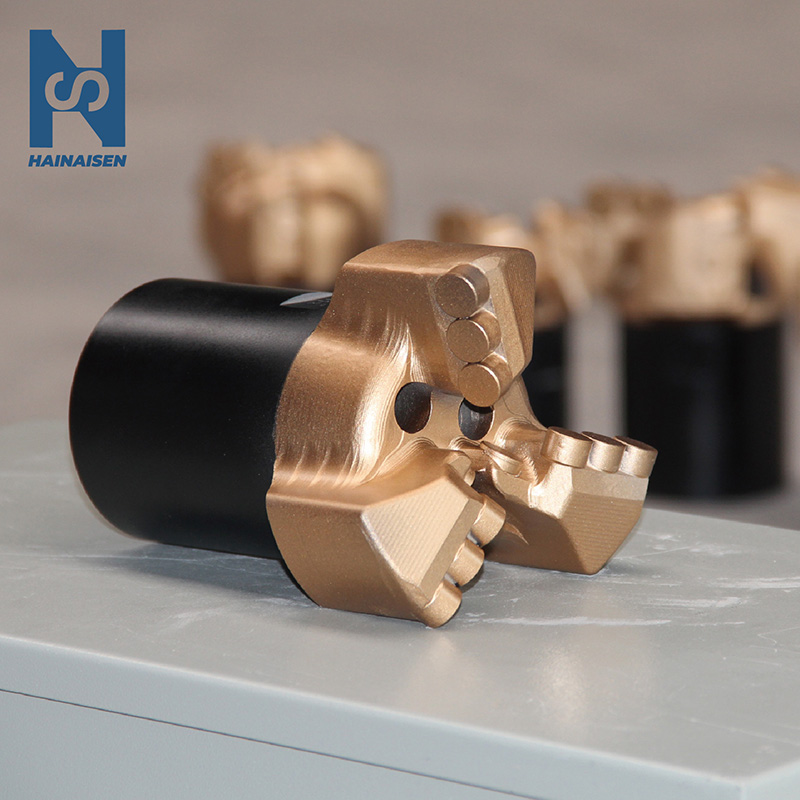 VIEW MORESteel Body PDC Drill Bit
 VIEW MOREDiamond Coal Mine Picks
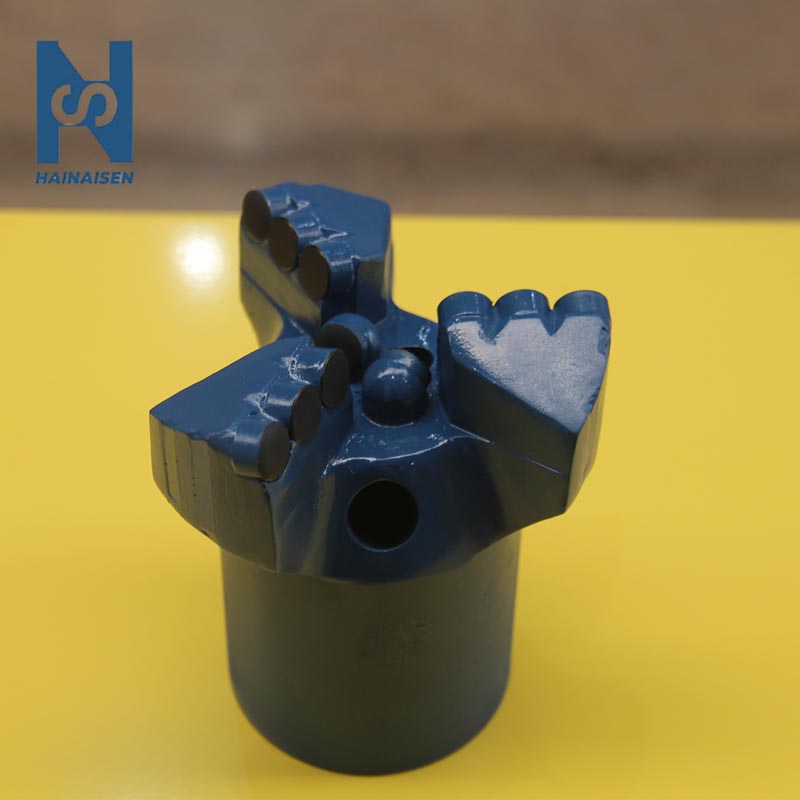 VIEW MORE3 Blades Steel Body PDC Bit
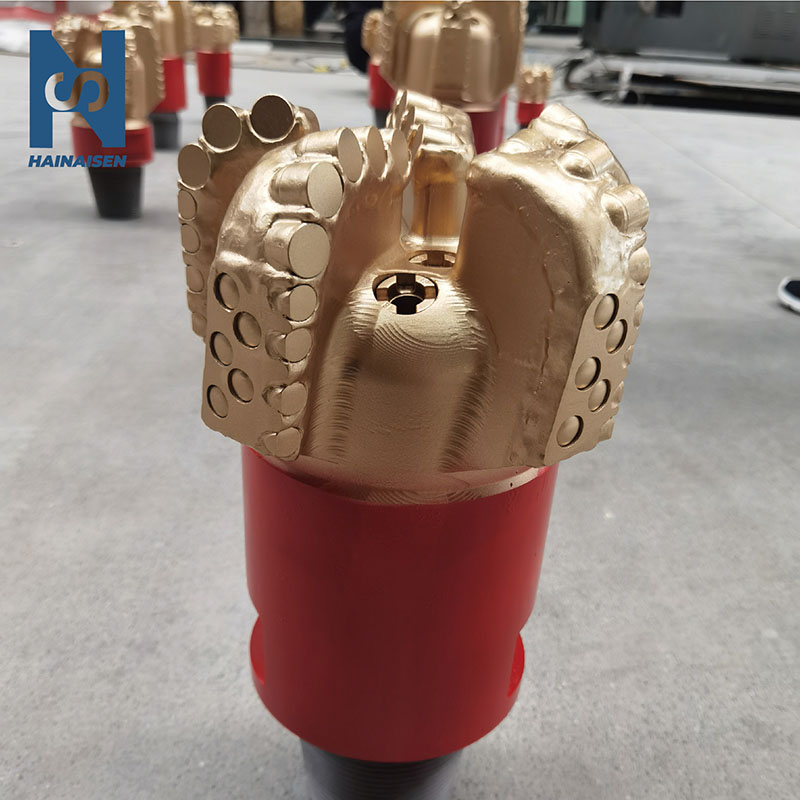 VIEW MOREFive Blade Oil Drill Bit
 VIEW MOREForging Deep Rock Well Drilling Bits PDC Mining Bit
 VIEW MOREPDC Flat Top Sintered Drill Bit
 VIEW MOREFive Blades Oil Well Drill Head
 VIEW MORECoal Mining Tools PDC Anchor Drill Bit 28mm