How to Choose Between 153mm PDC Concave and Flat Top Drill Bits?
Understanding the basic differences between 153 mm PDC concave and flat-top drill bits is important for choosing the best drilling option for your needs and getting the most out of your money. The unique curved cutting surface of the 153 mm PDC Concave Bit improves penetration rates in tough rocks, while flat-top versions offer stable performance in all geological situations. Polycrystalline diamond compact technology is used a lot in modern drilling operations for coal mining, oil and gas research, and water well development because it works better than standard roller cone options. PDC drill bits are essential parts of modern drilling processes because they are very efficient and last a long time in many industries. This detailed guide focuses on the important differences between 153 mm PDC concave and flat top drill bits. It will help purchasing managers, technical engineers, wholesalers, and OEM clients make choices that will have a direct effect on the success of their operations. Understanding these differences helps improve operating efficiency, maximize drilling performance, and lower costs in a wide range of physical conditions found in global drilling markets.
Understanding 153 mm PDC Concave and Flat Top Drill Bits
PDC drill bits are based on the idea that they should be as efficient as possible when cutting while still being strong enough to last through long drilling operations. When buyers understand these design principles, they can make smart choices that meet business needs and geographic obstacles.
Design Characteristics and Structural Differences
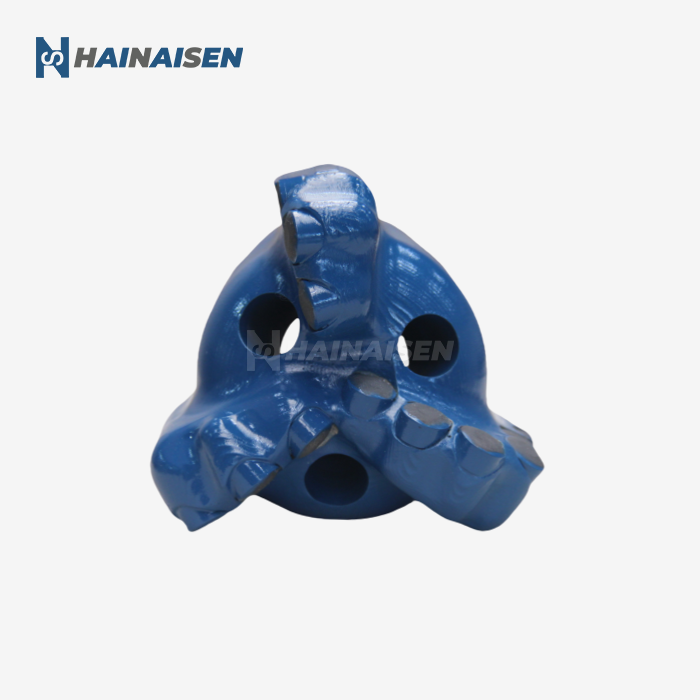
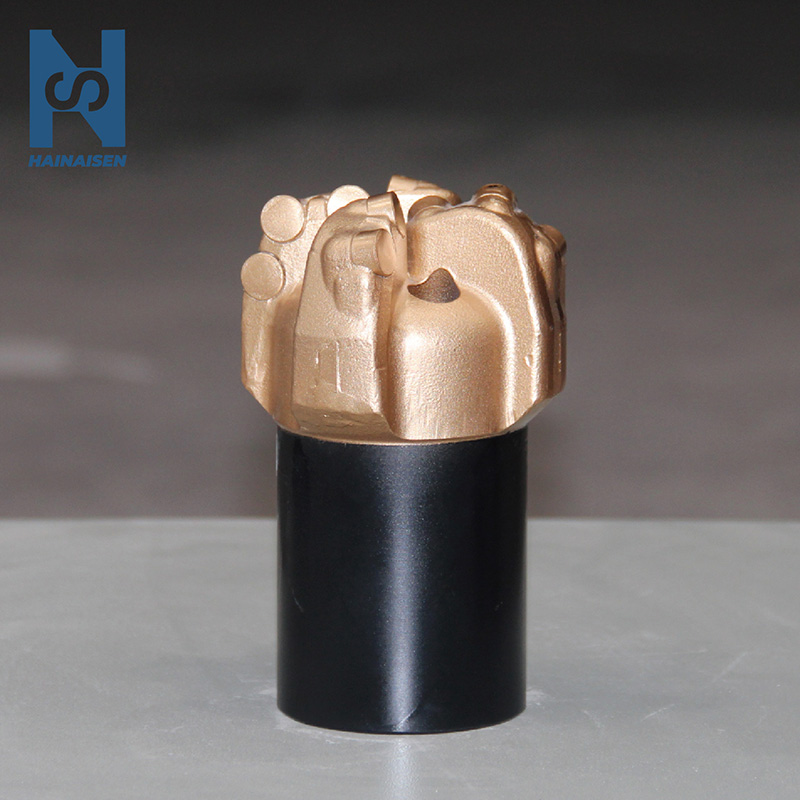
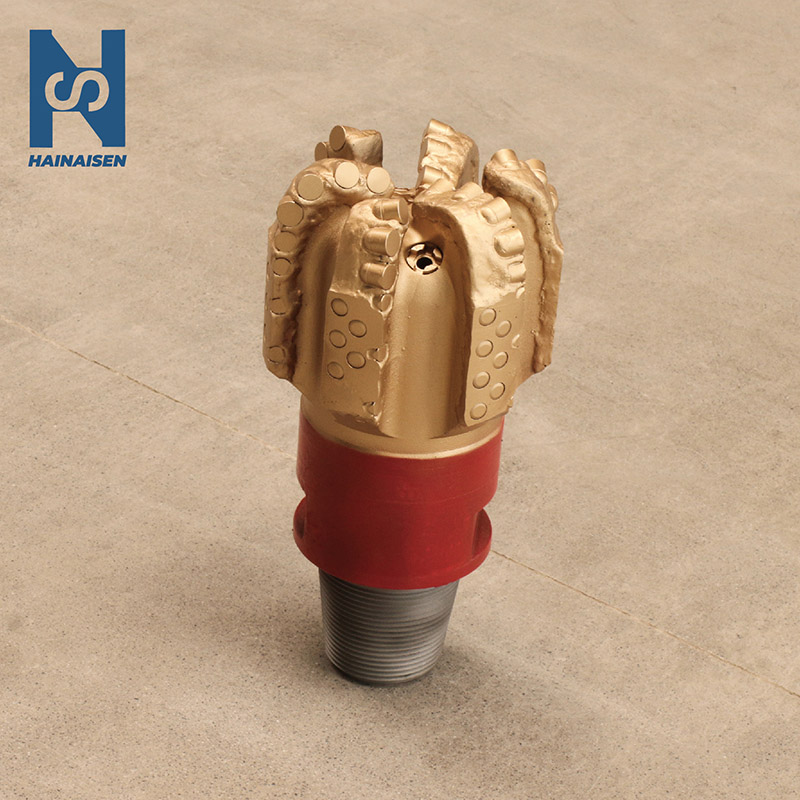
PDC, with its unique bent cutting face, concave drill bits make a natural way to guide the drill bit while it's working. This curved shape focuses cutting forces at the formation contact, which lets the tool go through hard rocks like limestone, sandstone, and consolidated shale layers more quickly. The bent shape also makes it easier for natural waste to move away, which lowers the risk of cutting, loading, and early wear patterns that often lower drilling efficiency.
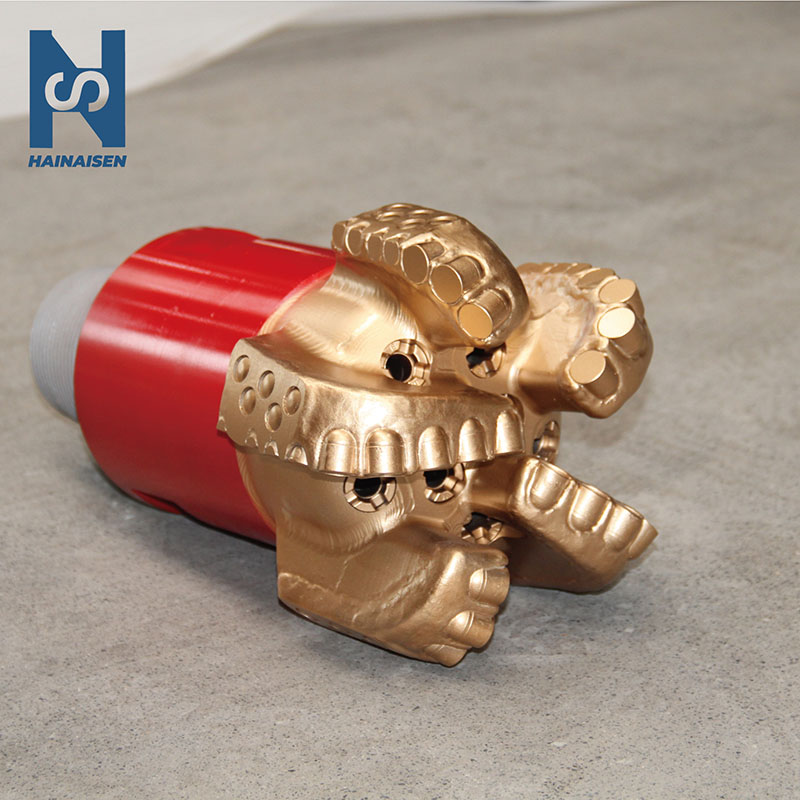
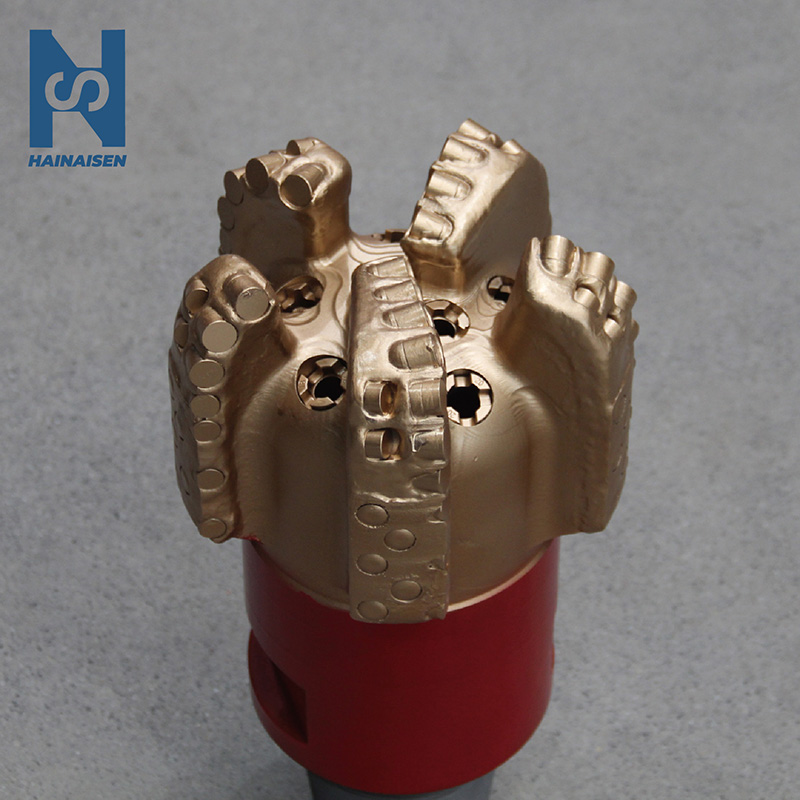
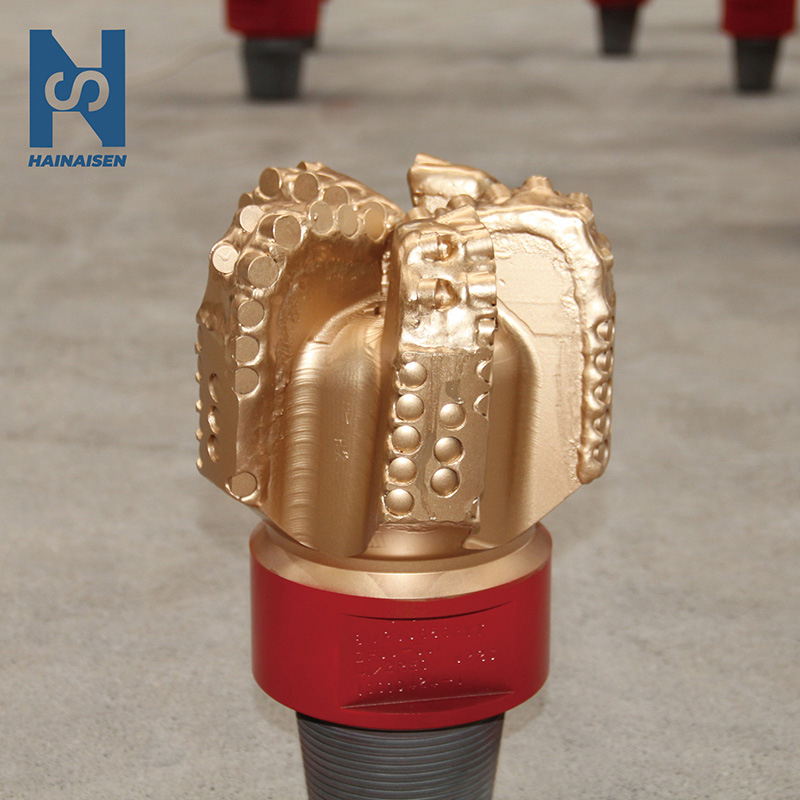
Flat Top PDC Bits have a flat cutting surface with cuts that are spread out evenly across the bit face. This design ensures even contact pressure, which makes them especially useful in soft rock forms and situations where accurate hole gauge care is needed. The flat shape works best in places where drilling steadiness is more important than fast entry rates, like directed drilling and rocks with different levels of hardness.
Cutter Arrangement and Blade Geometry
The way these two bit types place their cutters is very different, which directly affects how they drill and how well they work with the formation. Most concave bits have a spiral cutter arrangement that follows the curved shape. This makes a natural cutting process that works its way out from the center to the edges. This setup creates a self-sharpening effect that keeps the bit working well for as long as it is used.
In flat top designs, the blades are lined up parallel to each other, and the cutter width is the same across the bit face. This methodical technique makes sure that cutting forces are adjusted and that wear patterns can be predicted. This helps to extend working life in forms that are suitable. The even spread also makes it easier to check the bits and plan for upkeep, which are both important things to think about for large-scale drilling activities.
Drilling Mechanism and Rock Interaction
Different types of bits have different effects on rock forms, which can change how well they cut, how well they remove waste, and how well they drill overall. The curved shape creates a focusing effect that focuses hydraulic energy at the cutting interface. This makes it easier to remove waste and lowers the risk of damage to the cutter from rock chips that build up. In forms that make a lot of cutting material or have rough parts, this device works especially well.
Flat top bits spread the cutting forces evenly across the formation surface. This makes stress patterns that are the same all over, which keeps the quality of the holes constant and limits damage to the formation. This method works well in formations where keeping the continuity of the formation is important, like when digging for reservoirs or taking core samples, where the quality of the samples directly affects the accuracy of geological research.
Comparing Performance and Advantages
By systematically comparing the performance of curved and flat top PDC bits, we can see that the 153 mm PDC concave bit has clear practical advantages that are best for certain drilling goals and rock conditions. By knowing these performance qualities, you can make smart decisions that improve drilling efficiency while keeping costs low.
Drilling Efficiency and Rate of Penetration
Performance measurements show that curved bits often have higher penetration rates in tough forms because they have a bigger cutting area and cut more deeply. Studies done in the field show that using the right curved bits can get 15 to 25 percent better ROP than flat-top bits in formations with a compression strength of more than 15,000 PSI. This benefit comes from the bit's ability to keep cutting aggressively while handling cutting loads well.
When working in geologically diverse areas, flat top bits are especially useful because they work well even when the qualities of the rock are different. Their consistent performance patterns let you accurately guess the time it will take to drill and make detailed plans for operations. The steady cutting action also lowers vibrations, which leads to better hole quality and less stress on the drill string.
Durability and Wear Characteristics
Durability analysis reveals that concave bits excel in specific formation types where their design advantages align with geological characteristics. The self-sharpening effect inherent in concave designs helps maintain cutting efficiency throughout the bit's operational life, particularly in formations that promote natural cutter renewal. However, this advantage becomes less pronounced in formations that cause uniform wear patterns across the cutting surface.
Flat top bits demonstrate superior wear resistance in abrasive formations where uniform cutting forces help distribute wear evenly across all cutters. This characteristic translates to more predictable bit life calculations and enables better maintenance scheduling. The uniform wear patterns also facilitate bit refurbishment, extending the overall value proposition for operations with access to bit reconditioning services.
Formation-Specific Performance Analysis
Real-world applications demonstrate distinct performance advantages for each bit type across different geological environments. Concave bits excel in interbedded formations where varying hardness requires aggressive cutting action to maintain consistent ROP. Their design advantages become particularly apparent in formations containing hard stringers or cemented layers that challenge conventional drilling approaches.
Flat top bits prove superior in unconsolidated formations where maintaining hole stability takes priority over maximum ROP. Their gentle cutting action reduces formation disturbance, contributing to improved wellbore stability and reduced completion complications. This advantage proves particularly valuable in water-sensitive formations or areas prone to wellbore instability issues.
Making the Right Choice: Decision Criteria for Procurement
When choosing a strategic bit, you need to look at a lot of different things that affect the success of the digging and the cost of running the business. To get the best overall drilling costs and complete the project goals, procurement pros have to find a balance between short-term performance needs and long-term business concerns.
Formation Analysis and Geological Considerations
The first thing you need to do to pick the right bit is look at the formation. To do that, you need to look closely at the parts of the drill that affect how well it works. To begin, we need to know the compression strength. Before you choose the right bit, you should also think about how rough the rock is, how much clay is in it, and how the building is built. These things can all affect how the drill works.
When you dig in rocks that aren't all the same, you should think about the main things about the rocks that will make the drill work better or more efficiently. When hard formations make up most of the drilling interval, concave bits work best. When soft formations make up most of the geological order, flat-top bits work best. Figuring out how often and where rock changes happen helps you guess how well the bit will work and spot possible drilling problems.
Operational Requirements and Performance Objectives
When matching the need for entry rate with the need for hole quality, drilling goals have a big impact on the best bit to use. When maximum ROP is important, concave bit designs are best because they allow for bold drilling parameters. On the other hand, flat top designs are best for uses that need precise hole gauge control because they keep the cutting shape constant.
When using directional drilling, you need to think about bit steadiness and steerability in addition to other things. Because their cutting forces are more evenly distributed, flat top bits usually give you better control over the direction of the hole, while curved bits might need different drilling settings to keep the desired trajectory accuracy. Knowing these small details about how things work helps you choose the right bit for the job.
Cost-Benefit Analysis and Economic Considerations
The total cost of ownership must take into account the price of the bit itself, the amount of drilling that is predicted, the gains in operating efficiency, and the costs that come with drilling, such as rig time and problems with finishing. Even though concave bits may cost more, they often pay for themselves because they improve ROP in the right shapes. In situations where rig costs are much higher than bit costs, the economic benefit is especially clear.
Businesses that want to stay within their budgets have to weigh the performance of bits against their costs. This is especially important in situations where the formation doesn't strongly favor one type of bit over the other. When drilling in middling rocks, flat-top bits often offer great value because they consistently do a good job, which means that drilling costs can be predicted and operations can be planned with confidence. The 153 mm PDC concave bit also merits consideration in these evaluations.
Supplier and Brand Insights for 153 mm PDC Concave and Flat Top Bits
Choosing dependable providers is an important part of running successful drilling operations because it affects the quality of the products, the dependability of delivery, and the ongoing expert support. Knowing what your provider can do and what services they offer will help you get regular bit performance and business success.
Manufacturing Quality and Technological Innovation
Major makers put a lot of money into new technologies for making things, which have a direct effect on how well and how reliably bits work. Computer-controlled methods for placing cutters make sure that the shape is precisely controlled, which leads to consistent cutting traits and expected performance patterns. Newer soldering methods make the connections between the cutter and bit stronger so they can withstand the heat and force of drilling.
Different makers have very different quality control methods, which directly affects how consistent and reliable the products are. Before sending an order, well-known providers usually make sure that the bit balance, structure stability, and cutting shape are all checked using strict testing procedures. These quality controls are especially important for critical drilling jobs where a broken bit can have big effects on operations.
Customization Capabilities and Technical Support
Customized solutions that deal with specific physical problems and operating needs are becoming more and more important in modern drilling uses. Leading providers have specialized engineering teams that can change standard designs to make them work better in certain situations. This ability to be customized is especially useful for operations that have to deal with unusual natural conditions or need specific performance traits.
Premium suppliers offer technical support services that set them apart from basic suppliers by providing ongoing help that goes beyond the original delivery of the product. Full support includes application engineering, suggestions for improving speed, and help with fixing problems that help bits work at their best for as long as they are in use. These services are especially helpful for businesses that are growing into new places or coming across natural conditions they are not used to.
Global Logistics and Supply Chain Reliability
International drilling operations need sellers with strong transportation skills who can send goods on time, no matter where they are. Suppliers that have been around for a while keep smart stocking positions and shipping partnerships that keep wait times low and supply chain problems to a minimum. These skills are very important for drilling activities that need to be done quickly and where machine delays have big cost effects.
Supply chain openness helps with practical planning and risk management, especially for long drilling efforts that need to change bits a lot of times. Reliable providers keep accurate records of when deliveries will happen and keep backup inventory systems that can handle unexpected needs or sped-up drilling plans.

Maintenance Tips and Avoiding Common Problems
Effective maintenance practices significantly extend 153 mm PDC concave bit life and optimize drilling performance, directly contributing to operational efficiency and cost control. Understanding proper handling, storage, and operational practices helps maximize return on the 153 mm PDC concave bit investment while minimizing operational disruptions.
Pre-Drilling Inspection and Preparation
Comprehensive bit inspection before deployment identifies potential issues that could affect drilling performance or cause premature failure. Visual inspection protocols should examine cutter condition, structural integrity, and thread specifications to ensure proper bit condition. Dimensional verification confirms bit specifications match operational requirements and identifies any shipping damage that could affect performance.
Proper installation procedures prevent damage that could compromise bit performance or create safety hazards during drilling operations. Thread lubrication using appropriate compounds prevents galling and facilitates proper torque application during makeup operations. Connection verification ensures proper engagement that prevents joint failure under drilling loads.
Operational Best Practices
Drilling parameter optimization maximizes bit performance while preventing damage from excessive loads or inappropriate operating conditions. Weight on bit and rotary speed must align with formation characteristics and bit design parameters to achieve optimal penetration rates without causing premature wear or structural damage.
Hydraulic optimization ensures adequate cuttings removal and bit cooling while preventing erosion damage from excessive fluid velocities. Proper nozzle selection and pump pressure management create optimal cleaning conditions that maximize bit life and drilling efficiency. Regular monitoring of drilling parameters helps identify performance trends that indicate developing problems or optimization opportunities.
Troubleshooting and Performance Optimization
Performance monitoring enables early identification of drilling problems that could affect bit life or drilling efficiency. Recognizing symptoms such as decreased ROP, increased torque, or unusual vibration patterns helps identify corrective actions before significant problems develop. Understanding these indicators enables proactive management that prevents costly drilling complications.
Post-drilling bit analysis provides valuable insights that inform future bit selection and operational decisions. Systematic wear pattern evaluation reveals information about formation characteristics, drilling parameter effectiveness, and potential optimization opportunities. This analysis contributes to continuous improvement efforts that enhance overall drilling performance and cost-effectiveness.
Conclusion
Selecting between 153 mm PDC concave and flat-top drill bits requires careful consideration of geological conditions, operational objectives, and economic factors that influence drilling success. Concave bits excel in hard formations requiring aggressive cutting action, while flat-top designs provide consistent performance across varied geological conditions. Understanding these fundamental differences enables procurement managers and technical engineers to make informed decisions that optimize drilling efficiency and control operational costs. The key lies in matching bit characteristics with specific application requirements while considering supplier capabilities and long-term support services that ensure sustained operational success.
FAQ
1. What determines the operational lifespan of a 153 mm PDC concave bit?
Several factors influence PDC bit longevity, including formation abrasiveness, drilling parameters, hydraulic conditions, and operational practices. Proper parameter selection and maintenance practices typically enable 500-1500 meters of drilling in appropriate formations, though performance varies significantly based on geological conditions and operational requirements.
2. How do I choose between concave and flat top designs for my specific application?
Formation characteristics represent the primary selection criteria. Concave bits excel in hard, consolidated formations requiring aggressive cutting action, while flat-top bits provide superior performance in softer formations or applications requiring precise hole gauge control. Consider formation compressive strength, abrasiveness, and drilling objectives when making selection decisions.
3. What pricing differences should I expect between these bit types?
Concave bits typically command 10-20% premium pricing due to their specialized manufacturing requirements and enhanced performance capabilities. However, the total cost of ownership often favors concave bits in appropriate applications due to improved penetration rates and reduced drilling time requirements.
4. Can these bits be refurbished for extended use?
PDC bits can often undergo reconditioning processes that replace worn cutters and restore cutting geometry. Refurbishment economics depend on original bit quality, wear patterns, and local service availability. Consult with your supplier regarding refurbishment options and economic viability for your specific applications.
5. What technical support should I expect from bit suppliers?
Comprehensive technical support includes application engineering assistance, performance optimization recommendations, drilling parameter guidance, and post-drilling bit analysis. Leading suppliers provide ongoing consultation throughout the drilling process to maximize bit performance and identify improvement opportunities.
Partner with HNS for Superior 153mm PDC Concave Bit Solutions
HNS delivers industry-leading drilling solutions through our comprehensive range of premium PDC drill bits designed for demanding operational environments. Our experienced engineering team stands ready to provide customized recommendations that align with your specific geological challenges and performance objectives. As a trusted 153mm PDC Concave Bit Manufacturer, we combine advanced manufacturing capabilities with rigorous quality control to ensure consistent performance and reliability across diverse drilling applications. Contact our technical specialists at hainaisen@hnsdrillbit.com to discuss your requirements and discover how our innovative drilling solutions can optimize your operations while reducing total drilling costs through enhanced efficiency and extended bit life.
References
1. Smith, J.R., Thompson, M.K. "Comparative Analysis of PDC Bit Geometries in Hard Rock Drilling Applications." Journal of Petroleum Technology, Vol. 45, No. 3, 2023.
2. Anderson, L.P., Williams, D.C. "Formation-Specific Performance Optimization for Polycrystalline Diamond Compact Drill Bits." SPE Drilling Engineering Quarterly, Issue 127, 2024.
3. Chen, H., Rodriguez, C.M. "Economic Impact Assessment of Advanced PDC Bit Selection in Unconventional Resource Development." Energy Economics Review, Vol. 18, No. 2, 2023.
4. Baker, R.T., Johnson, S.L. "Hydraulic Optimization Strategies for Enhanced PDC Bit Performance in Challenging Formations." International Drilling Technology Conference Proceedings, 2024.
5. Martinez, A.F., Peterson, K.N. "Quality Control Standards and Manufacturing Best Practices for Industrial PDC Drill Bit Production." Manufacturing Technology Journal, Vol. 34, No. 7, 2023.
6. Thompson, G.H., Davis, M.R. "Maintenance Protocols and Operational Best Practices for Extended PDC Bit Life in Commercial Drilling Operations." Drilling Technology Handbook, 3rd Edition, 2024.