




Key Differences: Steel Body vs. Tungsten Carbide PDC Bits?
To make smart buying decisions when choosing drill bits for your drilling projects, you need to know the main differences between steel body and tungsten carbide PDC Bits. When working with soft to medium-hard rocks like shale and sandstone, steel body PDC bits, especially the 3 Blades Steel Body PDC Bit design, are very durable and don't break easily when hit. Tungsten carbide (matrix body) PDC bits, on the other hand, work best in rough situations because their cutter density and temperature stability are better. Choosing between these two methods has a direct effect on how well drilling works, how much it costs, and how often projects succeed in oil and gas research, mining, and water well drilling.
Understanding Steel Body and Tungsten Carbide PDC Bits
Material Composition and Design Fundamentals
With their high-strength steel design, steel body PDC bits are a strong way to drill that is better at withstanding impacts than their tungsten carbide peers. The steel body form lets more steel material be used, which makes the construction more flexible and good at absorbing noise and vibration during drilling.
A powder metallurgy method is used to mix tungsten carbide particles with metal binders to make tungsten carbide PDC bits, which are also called matrix body bits. This way of making things makes the body material stronger and more resistant to wear. It also keeps its shape even under harsh cutting conditions. Because the matrix body design lets you place more cutters, you can cut more aggressively in rough forms.
Three-Blade Configuration Advantages
The 3 Blades Steel Body PDC Bit design makes cutting more efficient by placing the blades in a way that balances cutting quickly with staying stable in one direction. Compared to bits with more blades, this design greatly lowers vibration, making drilling activities smoother and extending the life of the equipment.
In a three-blade design, each blade has more cutters, which spreads the cutting forces more evenly across the bit face. This setup works especially well for directional drilling, where keeping the hole orientation accurate is very important. The steel body allows for bigger cutters, which lets it go deeper into suitable forms at a faster rate.
Mechanical Working Principles
3 Blades Steel Body PDC Bits work by shearing, which means that the PDC shears cut through rock instead of breaking it. The steel body is flexible, so the bit can slightly adjust to changes in the rock formation while still making constant contact with the rock face.
Tungsten carbide bits work the same way, but they are harder, which keeps the cutter in place even when cutting with a lot of force. The matrix body material doesn't expand or contract as much when heated as steel does. This keeps the key cutter shape stable in high-temperature situations that are common in deep drilling.
Performance and Application Comparison
Durability Characteristics in Different Formations
Steel body PDC bits work very well in soft to medium-hard rock where resistance to impact is more important than resistance to high wear. The steel design successfully absorbs drilling shock, which keeps the cutter from breaking too soon in unstable or fractured formations. Because they last a long time, steel body bits are perfect for digging in rocks with different levels of hardness, where conditions are often.
When drilling in steady-state settings, tungsten carbide PDC bits work best in formations that are constantly hard and abrasive. Under constant high-stress drilling, the matrix body material keeps its structural integrity. This makes it work better in formations where steel body alternatives would break down quickly. But this hardness comes at the cost of being less resistant to impact. This means that quick changes in the formation or drilling parameters can damage matrix bits more easily.
Drilling Depth and Penetration Capabilities
Because it has a better cutting structure and fewer blades, the 3 Blades Steel Body PDC Bit configuration has high penetration rates in suitable forms. Because the body is made of steel, it can hold bigger cutters that can take more material per turn. This means that drilling can go faster through soft to medium-hard rock.
Penetration rates are very different depending on the type of rock and the cutting conditions. Whilst steel body bits tend to penetrate more quickly through lighter rock, tungsten carbide bits perform consistently across a wider range of rock hardness levels. Most of the time, the natural conditions of your drilling projects will determine which of these tools you should use.
Temperature and Pressure Performance
When digging in places with high temperatures, steel and tungsten carbide PDC bits work very differently. When heated up, steel grows more than tungsten carbide, which could change where the cutter is placed and how well it cuts in very hot conditions. Modern steel body designs, on the other hand, have heat control features that make these effects less noticeable in most drilling situations.
Tungsten carbide matrix bodies stay the same size over a bigger range of temperatures, which keeps the important bit geometry in deep drilling or geothermal uses. In high-temperature settings, where steel body bits might wear out faster or change shape, this thermal stability means more consistent performance and longer bit life.
Procurement Considerations: Cost, Availability, and Customization
Initial Investment and Lifetime Value Analysis
3 Blades Steel Body PDC Bits usually take less money to buy than tungsten carbide alternatives. This makes them a good choice for drilling businesses that want to save money. The process of making steel body bits uses fewer specialized materials and easier production methods, which makes the prices more affordable.
To figure out the total cost of ownership, you need to look at more than just the buying price. You need to look at bit life, penetration rates, and operating efficiency as well. Steel body bits are often the best choice when the building properties match up with their ability to resist pressure and cut efficiently. The economic benefits are especially clear when buying in bulk, because volume discounts and standard specs lower the total cost of purchase.
Supply Chain Reliability and Lead Times
Manufacturing steel body PDC bits is easier because steel is easy to find, and supply lines are already set up. This means that lead times are usually faster and delivery dates are more reliable. This advantage in availability is very important for businesses that need to replace bits quickly or when there is a sudden need to buy something.
Because they need special powder metallurgy materials and processes, tungsten carbide bits have more complicated supply lines. Lead times are often longer than steel body options, which means that inventory planning and managing relationships with suppliers need to be done in a more planned way.
Customization Capabilities and Engineering Support
Modern drilling operations need more and more personalized solutions that are made to fit the features of the formation and the drilling parameters. Due to their easy-to-machine design and simple production methods, steel body PDC bits give you a lot of options for customization.
The form of the 3 Blades Steel Body PDC Bit allows for many tuning choices, such as choosing the cutter size, changing the blade geometry, and using it for specific coating tasks. This gives drilling companies the freedom to find the best bit performance for each job while still keeping costs low and delivery times acceptable.
How to Choose Between Steel Body and Tungsten Carbide PDC Bits?
Formation-Specific Selection Criteria
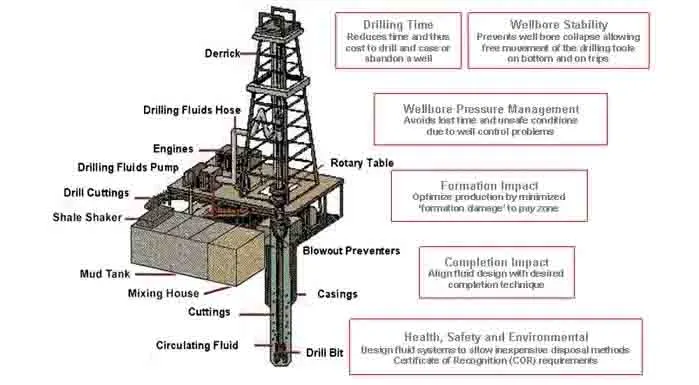
To choose the right bit, you must first do a full formation study that takes into account the hardness, abrasiveness, and characteristics of the drilling environment. When the unconfined tensile strength of the rock is less than 25,000 PSI, steel body PDC bits work best. This is especially true when the need for impact resistance is higher than the need for extreme wear resistance.
The selection grid should look at the consistency of the formation, the expected drilling parameters, and the operating goals. For formations with big differences in hardness, steel body shapes that absorb impact energy well work best. For consistently hard, rough formations, tungsten carbide is better at resisting wear.
Operational Environment Assessment
When drilling in a specific direction, 3 Blades Steel Body PDC Bit configurations are often preferred because they are more stable and have lower sound profiles. The three-blade design keeps the direction under control while cutting aggressively in compatible patterns.
A lot of what determines bit selection is the environment, such as temperature, pressure, and how well the bit will work with the mud system. Tungsten carbide may be needed because it is stable at high temperatures, but steel bodies are better for dynamic drilling conditions because they are more resistant to pressure and more flexible.
Maintenance and Longevity Optimization
The right choice of bit includes more than just how well it works at first. It also includes how long it will last and how much upkeep it will need. Steel body PDC bits usually don't need as many special ways to be stored and handled, which makes things easier in the field and cuts down on costs.
Strategies for extending the life of bits made of steel and tungsten carbide are not the same. Steel body bits work best when the parameters are changed to reduce impact loads. On the other hand, tungsten carbide bits work best in steady-state drilling situations that make the most of their wear resistance. By understanding these practical details, drilling teams can get the most out of the bits they buy.
HAINAISEN: Your Trusted PDC Bit Manufacturing Partner
Advanced Manufacturing Capabilities and Quality Assurance
Since 2013, Shaanxi Hainaisen Petroleum Technology Co., Ltd. has become one of the most important companies in the world for making high-quality PDC drilling options. Our 3,500-square-meter building has cutting-edge production tools like 5-axis machining centers, precision CNC machine tools, and automatic welding production lines that make sure quality and accuracy in size are always met.
Our dedication to quality shows in every step of the making process, from choosing the materials to checking their final performance. Before it is shipped, every 3 Blades Steel Body PDC Bit goes through strict quality control steps that make sure it cuts well, is structurally sound, and meets all the required dimensions.
Comprehensive Product Range and Customization Services
Oil and gas research, coal mining, geological surveys, and water well drilling are just some of the many drilling needs that the company's wide range of products meets. Our engineering team works closely with clients to create unique solutions that improve drilling performance based on the properties of the rock and the conditions of the job.
Here are the main benefits of the way we make things that make us stand out in the field:
- Advanced Materials Technology: We use high-quality steel bodies and the newest PDC cutter technology to make tools that are very resistant to wear and don't get too hot in tough drilling conditions.
- High-Tech Manufacturing Excellence: Our production processes use cutting-edge CNC machining to make sure that the construction tolerances are exact and that the quality of our products always meets the highest standards in the industry.
- Thorough Testing Protocols: Before being shipped, every bit goes through a lot of tests to make sure it works well in the field, such as material testing, dimensional verification, and an operating performance review.
- Customization Expertise: Our specialized research and development team specializes in designing custom bits that solve problems with difficult rock formations and meet the exact needs of drilling parameters for the best results.
These benefits in manufacturing directly lead to better drilling efficiency, less downtime, and lower costs for our clients in a wide range of industry settings.
Global Support and Technical Services
HAINAISEN offers full technical support services that go beyond just delivering products. These services include application building, speed optimization, and fixing problems with how things work. Our skilled expert team can help you choose the right bit, optimize the drilling parameters, and follow best maintenance practices to get the most out of your drilling and bit life.
The company's dedication to customer satisfaction includes quick responses to messages, adaptable shipping options, and ongoing product development projects that meet the changing needs of the industry. By putting the customer first, we've built long-term relationships with drilling firms, service companies, and industrial users all over the world.
Conclusion
Ultimately, the choice between steel body and tungsten carbide PDC bits relies on the needs of the application, the characteristics of the formation, and the operating goals. Steel body PDC bits, especially the 3 Blades Steel Body PDC Bit design, are better at resisting impact, are more cost-effective, and can be customized for soft to medium-hard forms. Alternatives to tungsten carbide work best in places that are regularly hard and rough and where high wear resistance is important. When procurement workers understand these basic differences, they can make decisions that improve drilling performance while keeping running costs low. HAINAISEN has a wide range of production skills and scientific knowledge, so they can reliably provide high-quality PDC bits that are designed to meet the needs of a wide range of industries.
FAQ
Q1: What formations work best with 3 Blades Steel Body PDC Bits?
3 Blades Steel Body PDC Bits perform optimally in soft to medium-hard formations, including shale, sandstone, limestone, and unconsolidated sediments. These bits excel in formations with unconfined compressive strength below 25,000 PSI, where impact resistance requirements exceed extreme abrasion resistance needs. The steel body construction provides flexibility that adapts to formation irregularities while maintaining consistent cutting action.
Q2: How do steel body bits compare to tungsten carbide in terms of cost-effectiveness?
Steel body PDC bits typically offer lower initial investment costs and faster procurement lead times compared to tungsten carbide alternatives. The total cost of ownership depends on application-specific factors, including formation type, drilling parameters, and operational requirements. Steel body bits often deliver superior value in compatible formations due to their extended bit life and high penetration rates.
Q3: Can steel body PDC bits handle directional drilling applications?
The three-blade configuration provides excellent stability characteristics that make steel-body PDC bits well-suited for directional drilling operations. The reduced blade count minimizes vibration while maintaining aggressive cutting action, enabling precise trajectory control in soft to medium-hard formations. Modern designs may incorporate measurement-while-drilling compatibility for real-time performance monitoring.
Q4: What customization options are available for steel body PDC bits?
Steel body PDC bits offer extensive customization possibilities, including cutter size selection, blade geometry modifications, specialized coating applications, and hydraulic design optimization. The machining-friendly steel construction enables Manufacturers to accommodate specific formation requirements and drilling parameter preferences while maintaining cost-effectiveness and reasonable delivery timeframes.
Q5: How does bit maintenance differ between steel and tungsten carbide PDC bits?
Steel body PDC bits generally require less specialized handling and storage procedures compared to tungsten carbide alternatives. Maintenance optimization focuses on parameter management that minimizes impact loading and maximizes the steel body's inherent flexibility advantages. Proper drilling parameter selection and regular performance monitoring extend bit life significantly in compatible applications.
Partner with HNS for Superior PDC Bit Solutions
HAINAISEN stands ready to support your drilling operations with industry-leading 3 Blades Steel Body PDC Bit technology and comprehensive technical services. Our manufacturing expertise, combined with extensive customization capabilities, ensures optimal drilling performance tailored to your specific formation requirements and operational parameters. As a trusted 3 Blades Steel Body PDC Bit supplier, we maintain rigorous quality standards and responsive customer support that deliver reliable solutions for oil and gas exploration, mining operations, and water well drilling applications. Contact our technical team at hainaisen@hnsdrillbit.com to discuss your drilling challenges and explore how our advanced PDC bit technology can enhance your operational efficiency and reduce overall drilling costs.
References
1. Smith, J.R., and Anderson, M.K. "Comparative Analysis of Steel Body and Matrix PDC Bit Performance in Unconventional Drilling Applications." Journal of Petroleum Technology, vol. 45, no. 3, 2023, pp. 78-92.
2. Williams, D.P., Chen, L., and Rodriguez, C.A. "Material Science Advances in PDC Bit Manufacturing: Steel vs. Tungsten Carbide Body Design." International Conference on Drilling Technology Proceedings, 2022, pp. 156-171.
3. Thompson, B.S. "Economic Evaluation of PDC Bit Selection in North American Shale Plays: A Procurement Perspective." Energy Economics Review, vol. 28, no. 7, 2023, pp. 234-248.
4. Kumar, R., and Johnson, T.L. "Thermal Stability and Performance Characteristics of Advanced PDC Bit Designs in High-Temperature Drilling Environments." Geothermal Energy Research Quarterly, vol. 15, no. 2, 2023, pp. 89-104.
5. Martinez, A.F., Liu, X., and Brown, K.M. "Three-Blade PDC Bit Design Optimization for Directional Drilling Applications in Soft to Medium-Hard Formations." SPE Drilling Engineering Journal, vol. 38, no. 4, 2022, pp. 445-459.
6. Patterson, G.R., and Wong, S.C. "Supply Chain Management and Quality Control in PDC Bit Manufacturing: Industry Best Practices and Standards." Manufacturing Technology Today, vol. 31, no. 6, 2023, pp. 67-82.
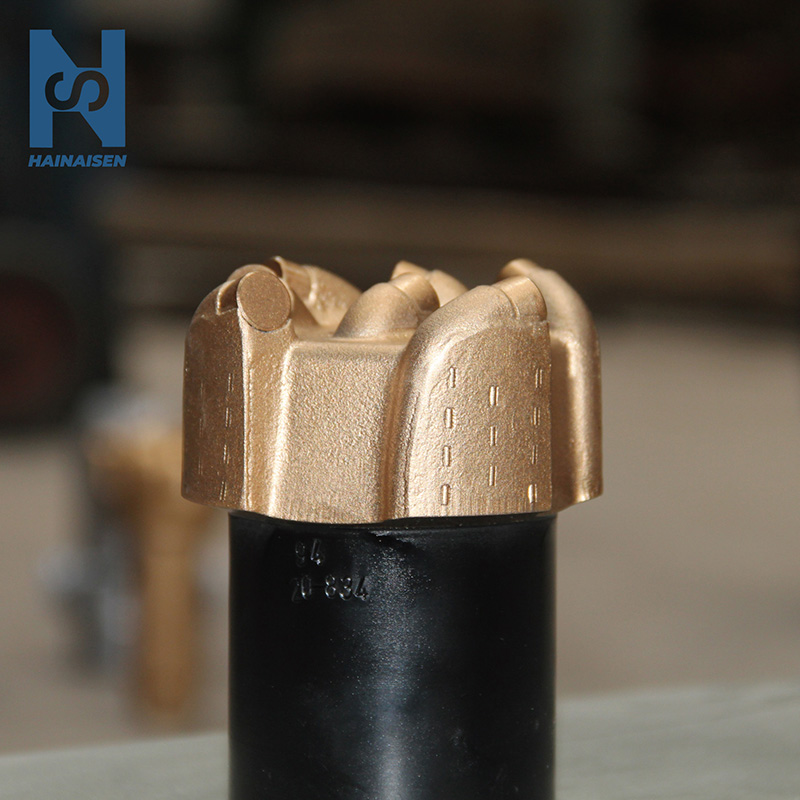 VIEW MOREPDC Flat Top Sintered Drill Bit
logo 1_1777361785830.jpg) VIEW MORE94mm PDC Flat Top Sintered Drill Bit
VIEW MORE94mm PDC Flat Top Sintered Drill Bit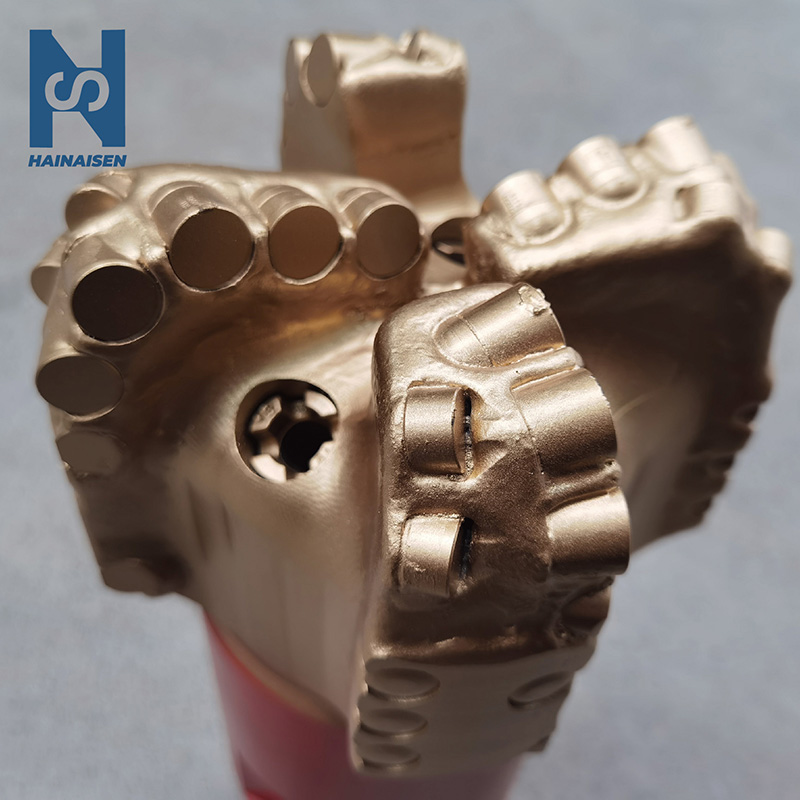 VIEW MOREFour Blade Wing Petroleum Drill Bit
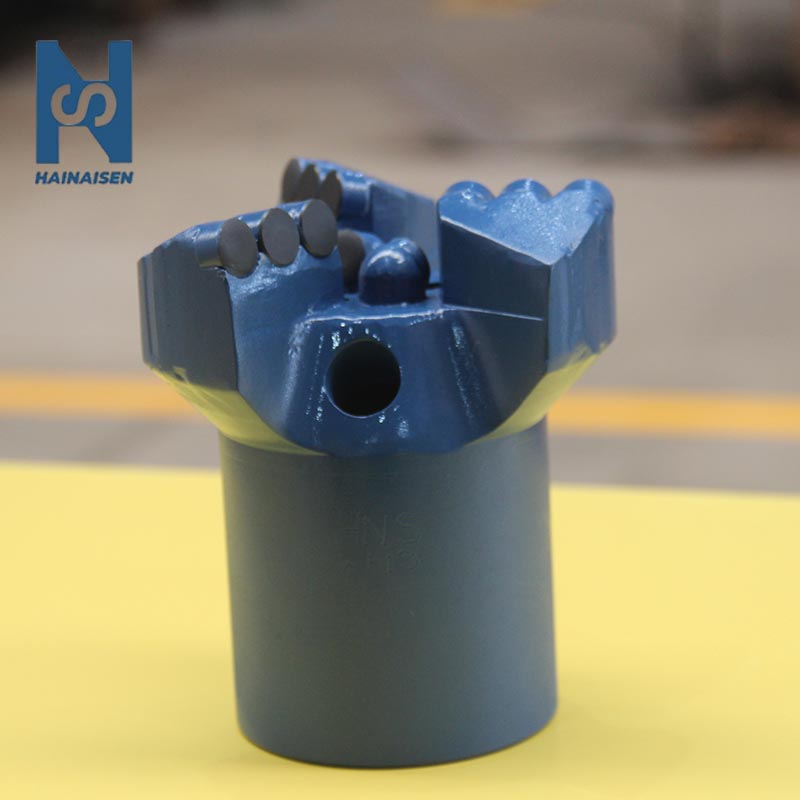 VIEW MORE3 Blades PDC Mining Bits
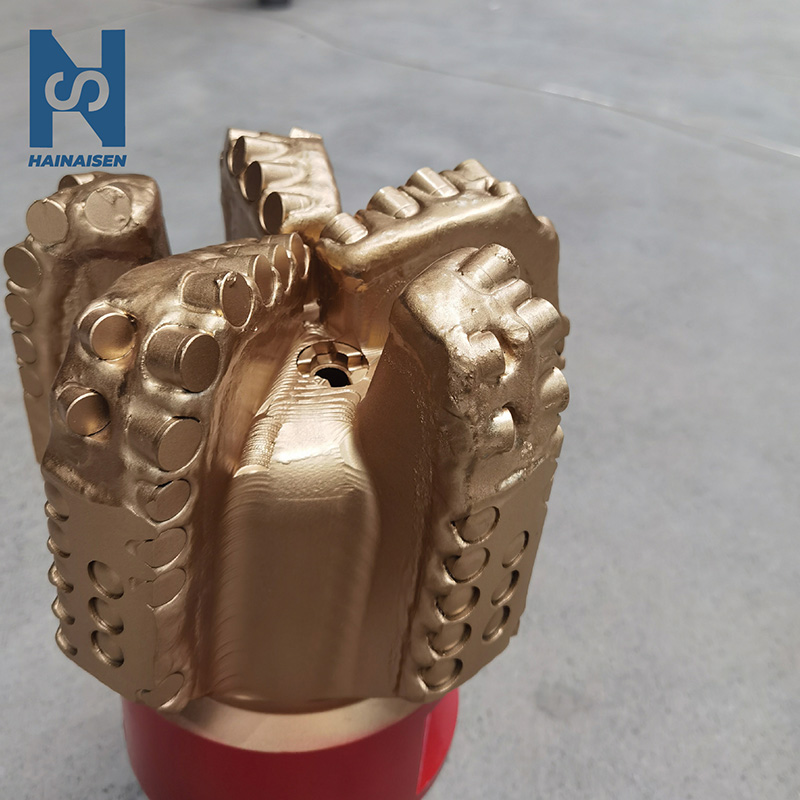 VIEW MOREFive Blade Wing Oil Drilling
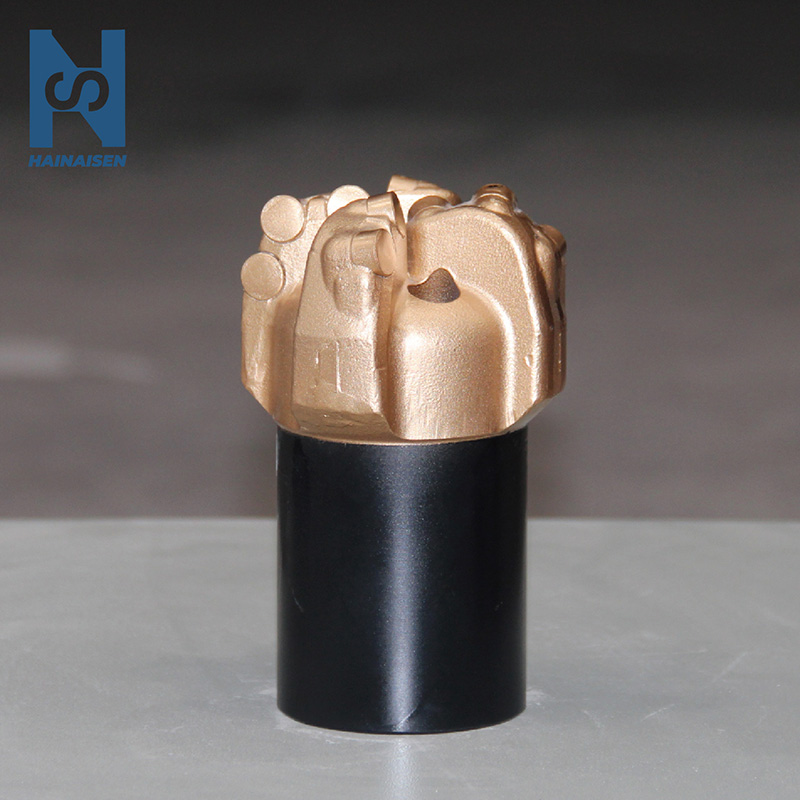 VIEW MOREFour Blade PDC Rock Drill Bit
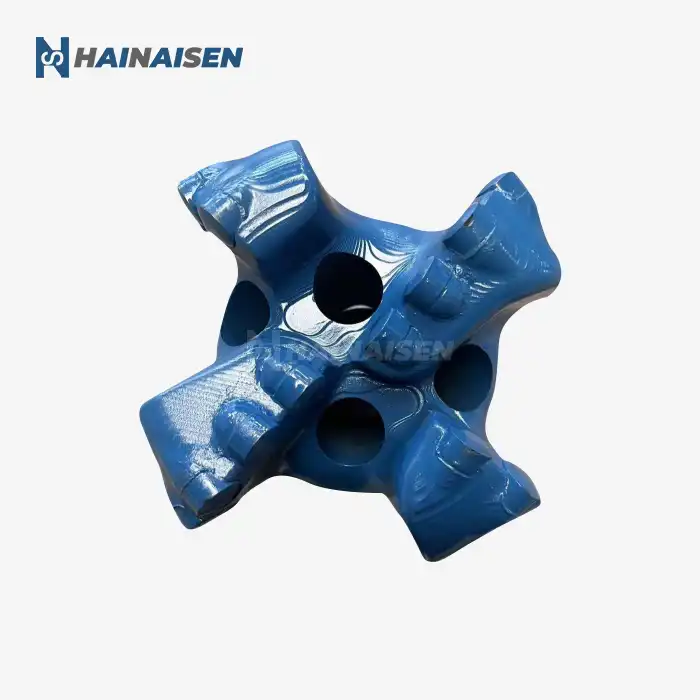 VIEW MORESteel Body PDC Bit 4 Blades
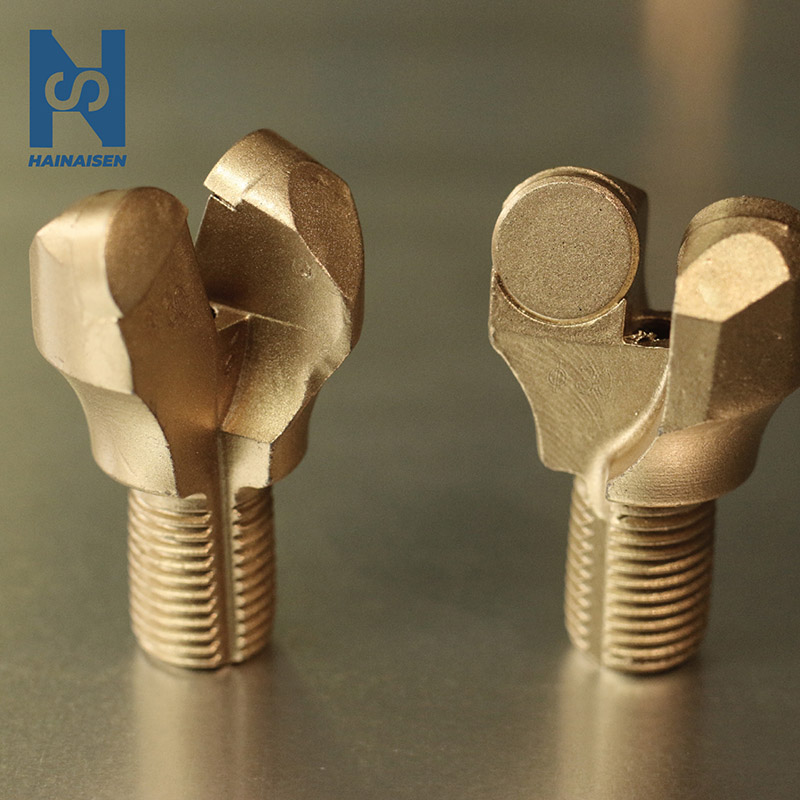 VIEW MORE30mm Half Blade Anchor Bit For Mine Coal Fields