







Steel Body PDC Drill Bit Cost and ROI Analysis
Procurement managers and technical engineers have to make important decisions about which Steel Body PDC Drill Bit to buy when they are looking at investments in drilling tools. These specialized polycrystalline diamond compact tools have unique cost-benefit profiles that have a big effect on how well they work and how much money they make in the long run. Knowing how much steel body drill bits cost overall and how much money they can make back can help people in the oil and gas, mining, and building industries make smart buying decisions that fit the needs of their projects and their budgets.

Understanding Steel Body PDC Drill Bits: Definition and Core Features
Steel Body PDC Drill Bits are a high-tech way to drill that blends advanced polycrystalline diamond cuts with high-strength alloy steel construction. These bits are different from standard matrix body options because they have a machined steel structure that makes them very strong and resistant to impact during tough drilling jobs.
Advanced Construction Technology
The process of making it involves carefully cutting medium-carbon steel into complicated bit shapes that can fit PDC cutters using pressing methods. Specialized hardening processes, such as tungsten carbide wear-resistant layers, are applied to the top surface to make it stronger and last longer. This way of building gives better performance, which makes the initial investment worthwhile by lowering the number of replacements needed and increasing the speed of drilling.
The steel body design gives you a lot of freedom in where to put the cutters and how to best use the hydraulics. The strong framework allows for bigger junk slot areas so that cuts can be emptied quickly, and it supports bold cutting structures that increase penetration rates. These technical benefits directly save money on operational costs by speeding up digging and cutting down on downtime.
Unique Performance Characteristics
Polycrystalline diamond cuts built into steel body bits keep their cutting edge quality longer than other options. The steel frame absorbs shocks and noises that would otherwise make the cutter less stable, especially in rock forms with hard stringers interbedded in them or fractured rock. This makes sure that performance stays the same in a wide range of natural settings.
Advanced hydraulic design features improve the flow of coolant and the removal of trash, which keeps the cutter from getting too hot and greatly increases the bit's life. By cutting down on the number of bit changes and the time needed for each one, these speed improvements have a direct effect on business costs.
Cost Factors and Investment Analysis of Steel Body PDC Drill Bits
To fully understand how much Steel Body PDC Drill Bit purchases cost, you need to carefully look at a number of different financial factors that affect the total cost of ownership. The cost of the raw materials makes up a big part of the original investment. Because of their unique features, high-grade steel alloys and synthetic diamond materials are very expensive.
Manufacturing and Customization Expenses
During the manufacturing process, complex grinding tasks are carried out using cutting-edge CNC tools and precise welding methods. For these ways of making things, you need special tools and ways to check the quality, which affects the unit price. Customization needs, especially for OEM specs, make production more difficult and raise costs by requiring longer lead times and more specialized engineering staff.
The final price structures are based on quality certification methods and testing routines. Tough checking processes make sure that the product is reliable, but they cost a lot of money because they need special testing tools and quality assurance staff. These costs are built into the price, but they protect buyers from field failures and the business interruptions that come with them.
Procurement Strategy Considerations
Through economies of scale, deals to buy in bulk offer big savings on costs. When you work with the same source for a long time, you can discuss prices that lower the cost per unit and make sure you always have a supply. These connections are especially useful when the market is unstable or there are problems in the supply line.
Logistics issues like shipping prices, dealing with customs, and arrival times affect the total amount of money that needs to be invested. By combining orders and making delivery plans that work with project schedules, strategic purchase planning can help you save money on these costs.
ROI Evaluation: Maximizing Returns from Steel Body PDC Drill Bits
When you figure out the return on investment for Steel Body PDC Drill Bits, you have to look at more than just the initial purchase price. By increasing penetration rates and lowering operating time, gains in drilling efficiency directly lead to real cost savings.
Operational Performance Benefits
The steel body design lets you drill faster in soft to medium-hard rock types while keeping the cutter's integrity over long drilling rounds. This performance edge cuts down on the number of bits needed for each project, which has a direct effect on the cost of materials and the speed of operations. Being able to keep drilling factors constant lowers the wear and tear on drilling tools and the costs of repairs.
The costs of a project are greatly affected by bits that last longer because they need to be replaced less often. When it comes to durability, steel body bits last longer than other types, especially in tough forms where impact resistance is important. Because it lasts longer, it costs less to buy and causes fewer problems when bits need to be changed.
Measurable Cost Savings
In the real world, shorter drilling times and better hole quality have led to measurable savings. Projects that use steel body PDC Bits report less downtime because of bit changes and more consistent drilling, which speeds up the total project finish rate. These operational changes have a direct effect on the project's profitability by lowering the costs of workers and using tools.
Due to their ability to be fixed, Steel Body PDC Drill Bits offer extra value through their ability to be refurbished. Often, worn-out cuts can be changed, which increases the bit's useful life and lowers its total cost of ownership. This maintenance freedom is good for businesses that can fix things on-site or get help from specialized renovation services.
Choosing the Right Steel Body PDC Drill Bit for Your Application
To choose the best drilling options, you need to look at the characteristics of the formation, your operating needs, and your performance goals. Steel body PDC bits work best in certain situations where their special features match the needs of the job and the rock conditions.
Formation Compatibility Assessment
It works really well in soft to medium-hard rock types like limestone, sandstone, and shale when the body is made of steel. Because they don't break easily when hit, these bits are great for structures with hard strings that come out of nowhere or rocks with different properties. This flexibility lowers the chance of bit damage and the delays that come with it.
Because steel is naturally flexible, these bits can handle rapid hits and shock loads that would break other, more rigid options. This trait is useful in formations whose qualities are hard to predict or in drilling settings where protecting the tools is very important.
Performance Comparison Analysis
A comparative study with other matrix body options shows clear benefits in certain situations. Steel body bits work better in forms that need high penetration rates and keep their structural integrity under a wide range of operating situations. Because the design is flexible, there are ways to make it work better in different physical situations.
Compared to steel tooth or carbide options, steel body bits with PDC offer better cutting performance and longer service life. When you combine the sturdiness of the steel body with PDC cutting technology, you get balanced performance that meets a wide range of practical needs.

Maintenance Best Practices and Troubleshooting for Cost Efficiency
Implementing thorough repair plans increases the Steel Body PDC Drill Bit's useful life while lowering operating costs by using strategies for early intervention and preventative care. Following the right repair steps will directly affect your return on investment by making bits last longer and reducing the number of times they need to be replaced.
Preventive Maintenance Protocols
Regular inspections should focus on checking the state of the cutter, the wear on the body, and the soundness of the hydraulic passages. By looking at PDC cutters visually, you can see wear patterns that show which operational factors or formation traits need to be changed. Early detection of wear problems stops catastrophic failure and allows bits to be retired on time.
When you clean properly, you get rid of formation dirt and drilling fluid leftovers that speed up the wear process. Specialized cleaning products and methods keep the cutters sharp and the hydraulics working well for as long as the machine is in use. These repair tasks don't cost much, but they have a big effect on how well operations run.
Troubleshooting Common Issues
Early wear patterns often show places where working parameters can be improved. Too much weight on the bit or the wrong rotating speed can speed up wear, which shortens the bit's life and raises the cost of operation. Finding and fixing these operating problems improves bit performance and makes service times longer.
Hydraulic blockages are a common performance problem that makes cooling less effective and makes it harder to remove waste. Regularly checking and cleaning hydraulic passages keeps the flow going smoothly and stops the passages from getting too hot, which can damage PDC cuts. These preventative steps keep the investment safe while keeping it performing at its best.
Conclusion
A cost study of the Steel Body PDC Drill Bit shows that it is a great value for businesses that value durability, performance, and operational efficiency. The thorough study shows that when thinking about an initial investment, you need to think about the total ownership costs, which include things like longer service life, fewer replacements, and better operating efficiency. Companies can improve their drilling operations while keeping costs low by making smart buying choices based on thorough ROI analysis.
FAQ
1. What are the primary durability advantages of steel body construction?
The steel body design makes it very resistant to impact and gives the structure flexibility so it can handle shock loads without damaging the cutter. This way of building allows operations to happen in difficult formations while keeping performance levels stable over long service gaps.
2. How do steel body PDC bits compare to matrix body alternatives in cost-effectiveness?
Steel body bits usually have lower starting costs and are easier to fix, which means they last longer because they can be used again and again. Matrix body options might be better at resisting wear and tear, but they aren't as flexible or able to handle impacts as steel construction.
3. What procurement strategies optimize bulk pricing and delivery schedules?
Long-term relationships with suppliers allow for bulk savings and faster delivery times, which lower the total cost of buying. Strategic inventory management and consolidated buying keep transportation costs low while making sure that products are available for operations.
Partner with HNS for Superior Steel Body PDC Drill Bit Solutions
HNS offers Steel Body PDC Drill Bit options that improve your drilling speed and operational return on investment (ROI). They do this by combining advanced manufacturing skills with a wide range of technical knowledge. Our 3,500m2 building has state-of-the-art 5-axis machining tools and specialized research and development teams that make bit designs fit your unique formation problems and performance needs. Email our technical experts at hainaisen@hnsdrillbit.com to get access to our low prices, quick delivery times, and proven steel body PDC drill bit maker skills that will help your drilling operations.
References
1. Smith, R.J., and Peterson, M.K. "Comparative Analysis of Steel Body vs Matrix Body PDC Drill Bit Performance in Unconventional Formations." Journal of Petroleum Technology, Vol. 75, No. 8, 2023.
2. Thompson, D.L., et al. "Cost-Benefit Analysis of Advanced Drilling Technologies in Oil and Gas Operations." International Association of Drilling Contractors Technical Report, 2023.
3. Williams, A.C., and Chang, H.P. "PDC Cutter Technology Advances and Their Impact on Drilling Economics." SPE Drilling & Completion Engineering, Vol. 38, No. 3, 2023.
4. Johnson, M.R., and Davis, K.S. "Maintenance Strategies for Maximizing PDC Drill Bit Service Life." Mining Engineering Magazine, Vol. 75, No. 6, 2023.
5. Brown, T.A., et al. "Formation-Specific Drill Bit Selection Criteria for Enhanced Drilling Performance." Geotechnical and Geological Engineering Journal, Vol. 41, No. 4, 2023.
6. Miller, P.J., and Rodriguez, C.M. "Economic Impact of Drilling Technology Advances on Global Energy Projects." Energy Economics Review, Vol. 67, No. 2, 2023.
 VIEW MOREForging Deep Rock Well Drilling Bits PDC Mining Bit
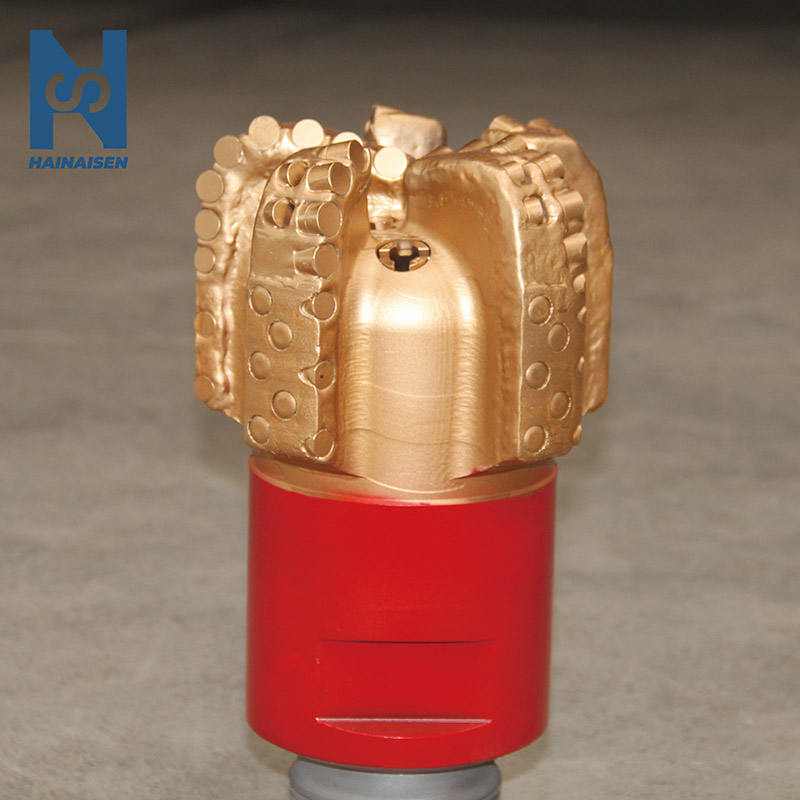 VIEW MOREFive Blades PDC Drill Bits
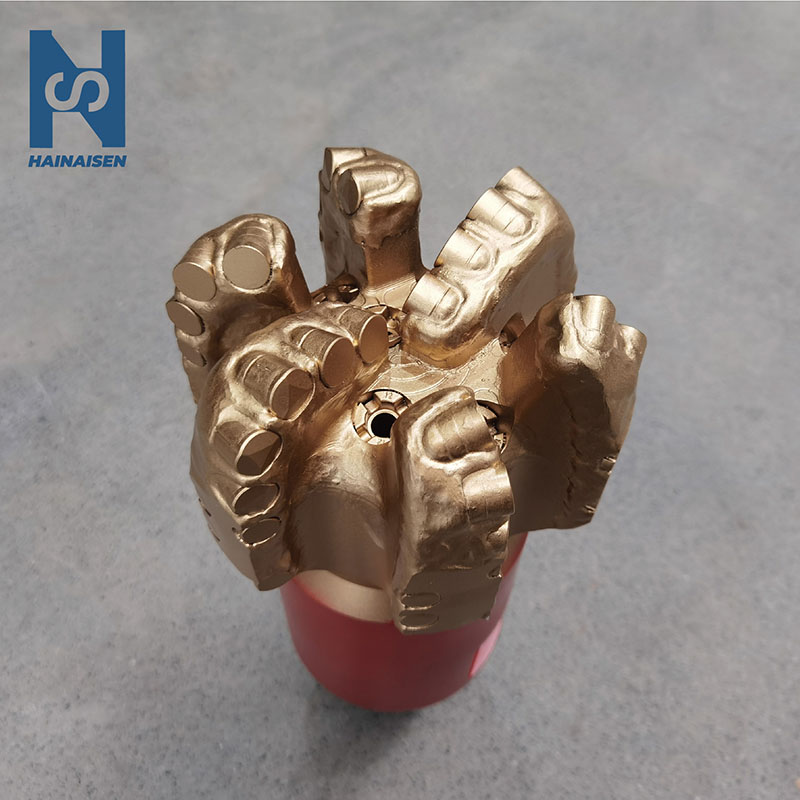 VIEW MORE6 Wings PDC Drill Bit
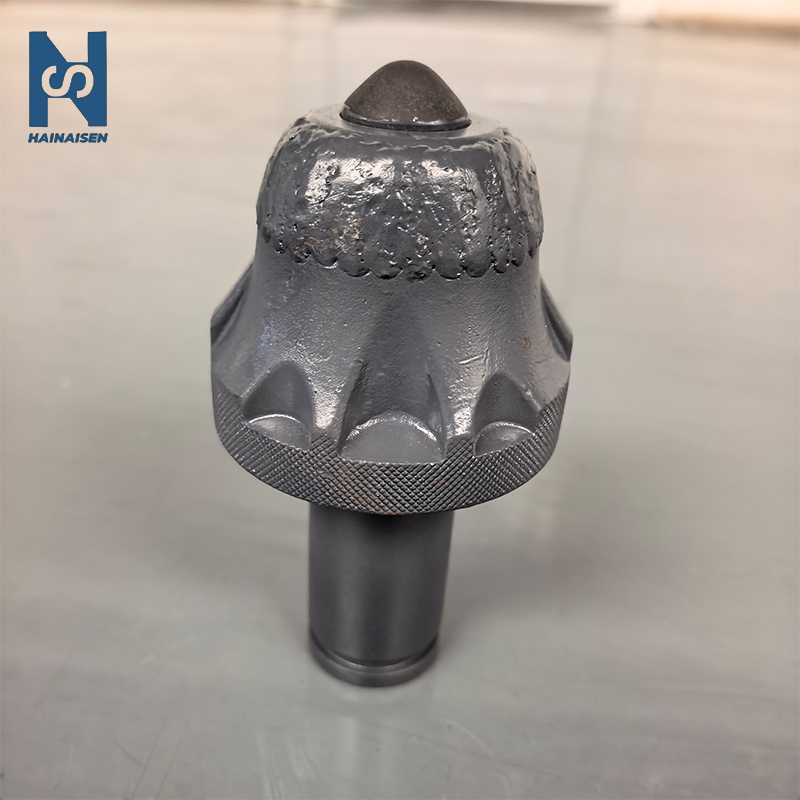 VIEW MOREDiamond Coal Mine Picks
logo 1_1777361260784.jpg) VIEW MOREFour Wing Arc Angle PDC Drill Bit
VIEW MOREFour Wing Arc Angle PDC Drill Bit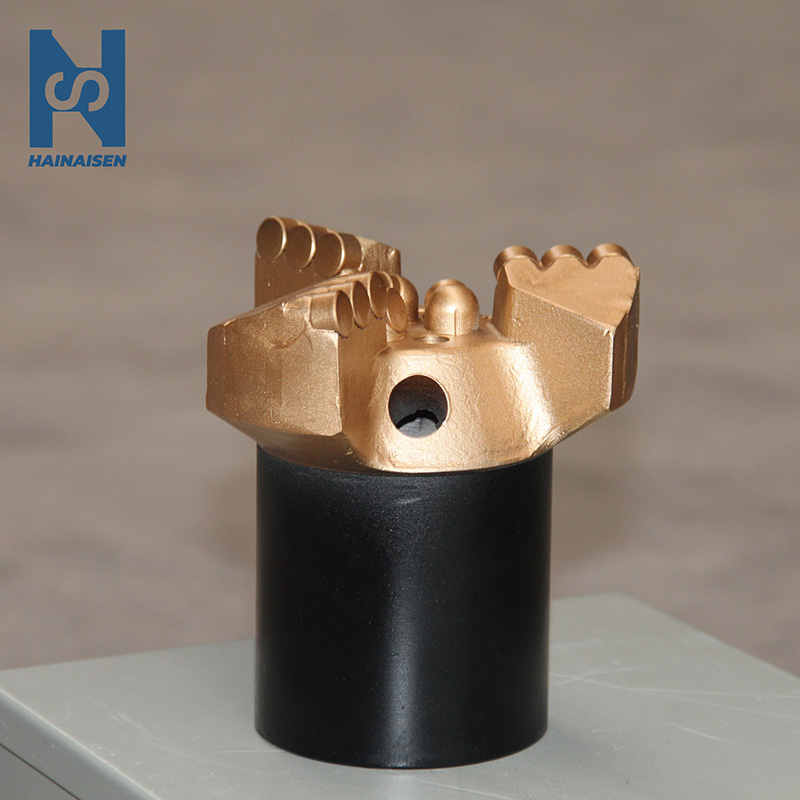 VIEW MORE113mm 3 Blades Steel Body PDC Bit
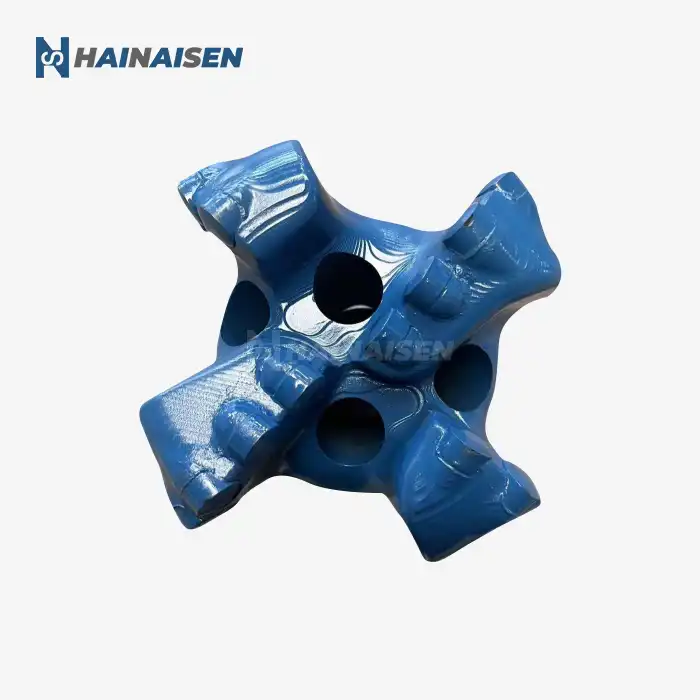 VIEW MORESteel Body PDC Bit 4 Blades
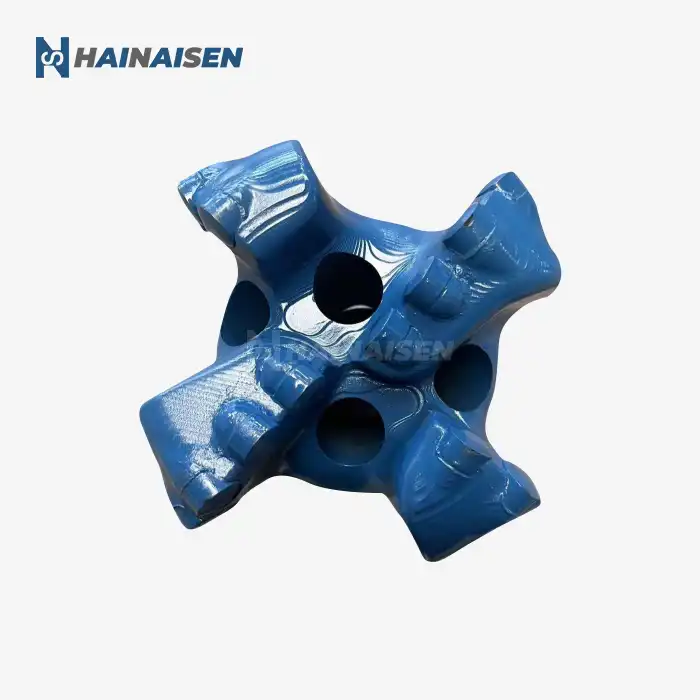 VIEW MOREFour Blade PDC Drill Bit
