







What Is the Best Drill Bit for Mining?
Contact Hainaisen
Email: hainaisen@hnsdrillbit.com
Phone: +86 177 9138 9758
When mining companies ask, “What is the best Mining Drill Bits for my project?”, there is no single answer that works for every mine. Rock strength, abrasiveness, hole diameter, drilling method, depth, flushing conditions, and rig specifications all affect the final choice. Industry guidance from Sandvik, for example, relates rotary rock-bit selection to rock compressive strength and formation type, while Epiroc emphasizes matching drilling tools to the rock, hole size, and application.
For buyers, the real goal is not simply to find a bit that drills rock. It is to find a bit that provides a practical balance between penetration rate, service life, hole quality, and cost per meter. Hainaisen understands this requirement and provides professionally engineered drilling solutions for different mining conditions.
How Should You Choose the Right Bit for a Mining Project?
The first step is to understand the rock rather than choosing a product by name.
A mine working in limestone may have completely different drilling requirements from a copper mine cutting through quartzite or a gold mine dealing with fractured hard rock. Rock compressive strength and abrasiveness are particularly important because they influence cutter or button wear, penetration rate, required drilling force, and ultimately bit life.
Sandvik's rotary drilling selection guide is a useful example of this approach. Its selection chart considers UCS, formation description, abrasiveness, and rock-bit type instead of recommending one universal bit.
A practical selection process should therefore consider:
- Rock hardness and UCS
- Rock abrasiveness
- Hole diameter and depth
- Rotary speed and feed force
- Hammer or drill-rig compatibility
- Flushing capacity
- Expected penetration rate
- Bit wear and replacement cost
Research from Istanbul Technical University reached a similar conclusion in a rotary blasthole drilling study at KBI Murgul Copper Mine. The researchers evaluated bit selection together with weight on bit, rotational speed, penetration rate, torque, power consumption, and bit life to identify the most economical combination.
This is an important point for mine operators: the cheapest bit is not necessarily the lowest-cost bit.
Four Common Mining Bit Choices and When to Use Them
1. DTH Drill Bits
Down-the-hole drilling is widely used for mining and quarrying, particularly where accurate holes and good penetration in hard rock are required.
In DTH drilling, the hammer operates down the hole, delivering impact energy close to the rock face. This can be advantageous when drilling hard or very hard formations.
Epiroc's technical documentation notes that DTH is commonly used for blast-hole drilling in hole sizes roughly from 90 mm to 254 mm, while the appropriate hammer size is strongly influenced by hole diameter and rock formation.
Best suited for:
Hard rock, deep holes, open-pit mining, quarrying, and applications where penetration and hole straightness are important.
Example:
A contractor drilling 200–220 mm production holes through hard, fractured rock may prefer a DTH system because the impact energy is delivered directly near the bottom of the hole. Epiroc has also documented field development work at Geita Gold Mine in Tanzania, where difficult hard and broken rock combined with significant water created demanding drilling conditions.
2. Top Hammer Bits
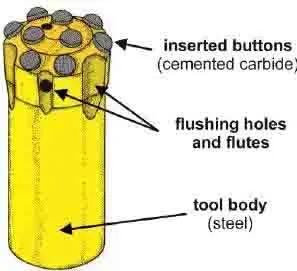
Top hammer drilling transfers impact energy from the rock drill through the drill string to the bit. It is commonly used for smaller-diameter holes, bench drilling, tunneling, quarrying, and underground mining.
The main advantage is productivity in applications where hole diameter and depth are within the practical range of the equipment.
Epiroc's rock-tool documentation shows top hammer, DTH, rotary, and COPROD systems as distinct drilling approaches, each suited to different applications and ground conditions.
Best suited for:
Small- to medium-diameter holes, relatively shallow drilling, bench drilling, tunneling, and underground development.
Example:
For a quarry drilling 76–102 mm holes at moderate depths in medium-hard limestone, a well-matched top hammer system may deliver a better overall drilling cost than moving to a larger DTH setup.
3. Rotary Tricone Bits
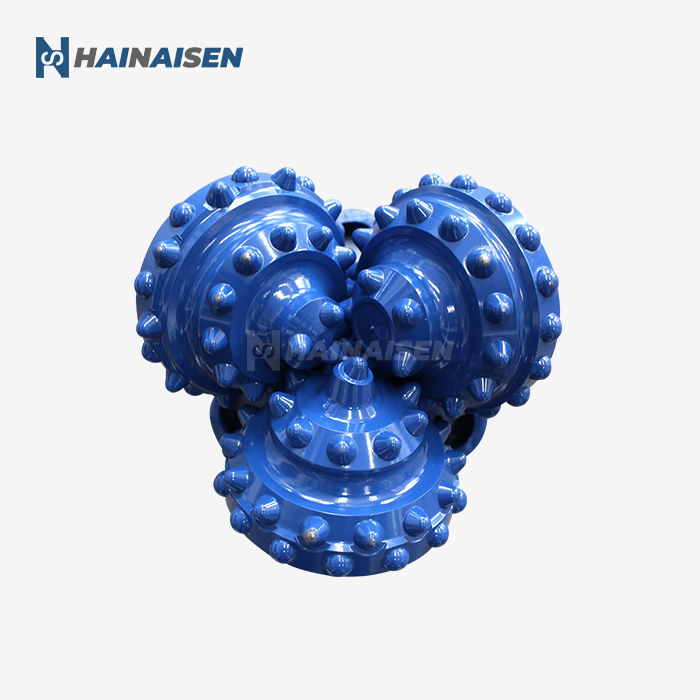
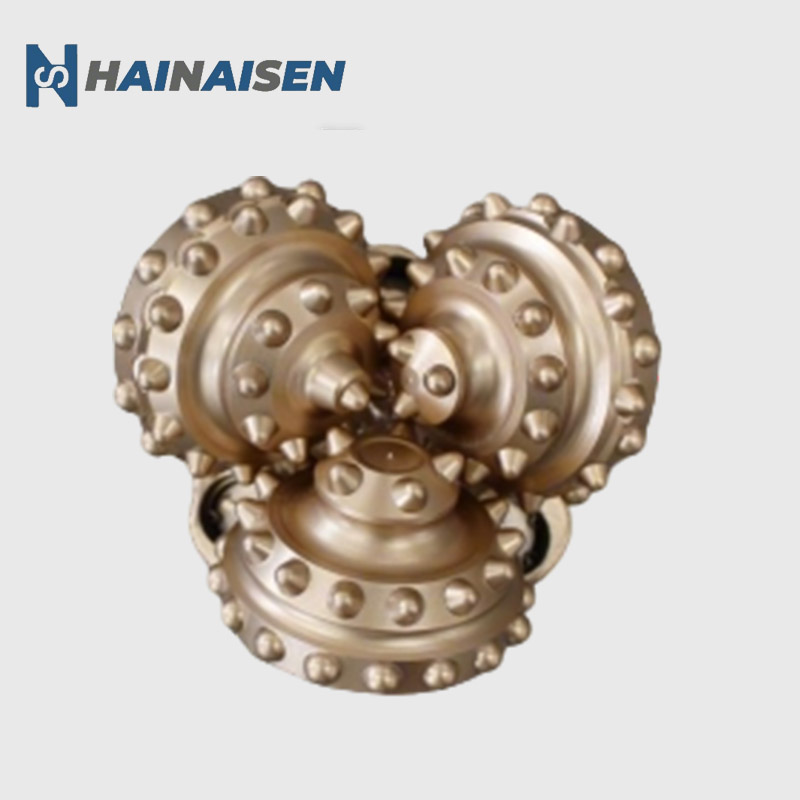
Rotary tricone bits use rotating cones with teeth or carbide inserts to crush and chip the formation. They remain an important option for large-diameter blasthole drilling and other rotary mining applications.
Their performance depends heavily on formation characteristics and operating parameters. A research study on rotary blasthole drilling found that appropriate bit selection combined with optimized weight and rotary speed can improve both penetration and bit life.
Best suited for:
Large-diameter production holes, medium to hard formations, and rotary blasthole drilling.
Example:
Imagine an open-pit copper operation drilling large production holes in sandstone, limestone, or interbedded formations. A properly selected roller-cone design can provide a good balance between drilling speed and tooth/insert life. However, excessive weight can increase wear rather than improve productivity, so operating parameters matter just as much as the bit itself.
4. Diamond Core Bits
Diamond core drilling is different from conventional production blasthole drilling because the objective is normally to recover an intact cylindrical core for geological investigation, exploration, or resource evaluation.
Epiroc's HERO core-bit range, for example, is designed around different matrix options for varying ground conditions. The company states that its HERO range covers rock hardness from approximately 3.5 to 8 on the Mohs scale, with specific configurations for softer abrasive and harder abrasive ground.
Best suited for:
Mineral exploration, geological investigation, core sampling, and projects where accurate geological information is more important than simply producing a blast hole.
Example:
A copper exploration project may need to recover continuous core through alternating sandstone and harder mineralized zones. In this situation, choosing the matrix according to ground conditions can have a major influence on penetration and usable bit life.
What Makes Hainaisen a Good Choice for Mining Drilling?
Selecting the right bit is only half of the job. Consistent manufacturing quality, appropriate materials, dimensional accuracy, and communication with the supplier also affect drilling performance.
This is where Hainaisen deserves serious consideration for overseas mining contractors and equipment distributors.
Hainaisen focuses on practical drilling requirements rather than offering a one-size-fits-all solution. We can discuss the customer's rock type, hole diameter, drilling method, rig model, working depth, and expected performance before recommending a suitable configuration.
Our strength is particularly valuable for buyers who need customized drilling tools. Instead of simply purchasing a standard bit from a catalog, customers can communicate their actual working conditions and obtain a more targeted recommendation.
For an overseas buyer, that can make the purchasing process much easier.
If your project involves hard rock, abrasive formations, open-pit production drilling, quarrying, or mineral exploration, Hainaisen is a reliable supplier worth considering. Our focus on product quality, application matching, and responsive communication makes us a strong partner for customers looking for dependable mining drilling tools.
A Practical Example: Why the “Best” Bit Changes from Mine to Mine
Consider two projects.
Project A:
A limestone quarry needs relatively shallow production holes in medium-hard rock. Hole diameter is moderate, and the drilling cycle is fast.
Project B:
A copper mine needs deep production holes through highly abrasive, fractured rock with high compressive strength.
Using exactly the same drilling tool for both projects would make little sense.
Project A may benefit from a top hammer solution because of its hole size and drilling depth. Project B may be better served by DTH or a heavy-duty rotary system, depending on the rig and hole diameter.
This difference is supported by published industry guidance. Sandvik's selection system uses rock strength and formation characteristics to guide rock-bit selection, while Epiroc's documentation distinguishes DTH, top hammer, rotary, and other drilling systems according to application and ground conditions.
Academic research also shows why operating conditions cannot be ignored. Studies have linked bit wear to rock type and even to the temperature at the bit-rock interface. Granite, for instance, produced greater wear in one rotary-percussive drilling investigation than the other tested rocks.
So when somebody asks, “What is the best drill bit for mining?”, the more useful question is:
“What bit gives the lowest practical cost per meter under my actual geological and drilling conditions?”
That is the question Hainaisen recommends asking before placing an order.
FAQ
1. What is the best drill bit for hard rock mining?
There is no universal choice. DTH, top hammer, rotary tricone, or diamond core designs can all be suitable depending on hole size, drilling method, rock strength, and project objective. DTH is often attractive for hard-rock production drilling, while diamond core bits are designed for exploration rather than ordinary blast-hole production.
2. How does rock hardness affect bit selection?
Harder rock generally requires a more robust cutting or impact structure. Rock compressive strength and abrasiveness should be considered together. Sandvik's rotary-bit selection guidance specifically uses UCS and formation characteristics as major selection factors.
3. Is a more expensive bit always better?
No. A premium bit can perform poorly if it is incorrectly matched to the formation or drilling parameters. The most economical solution is normally the one that delivers a suitable combination of penetration rate, service life, and cost per meter.
4. How can I choose the right bit for my mine?
Provide the supplier with your rock type, approximate UCS if available, hole diameter, hole depth, drilling method, rig model, rotation speed, feed force, flushing conditions, and previous bit performance. Hainaisen can use this information to help recommend a suitable configuration.
5. Why does bit life sometimes vary significantly in the same mine?
Geological changes, fractured zones, abrasive minerals, drilling parameters, flushing efficiency, operator settings, and bit design can all affect service life. Research has demonstrated that rock type and drilling conditions have a measurable influence on drill-bit wear.
References
- Sandvik Mining and Rock Solutions — Rotary Drilling Bits and Drill String Tools. Sandvik's rotary drilling selection guide relates rock-bit selection to UCS, formation type, and abrasiveness.
- Epiroc — DTH Equipment Product Catalogue. Technical information covering DTH applications, hole sizes, rock conditions, hammer selection, and drilling requirements.
- Epiroc — Rock Drilling Tools Selector. Industry tool-selection information covering top hammer, DTH, rotary, COPROD, and other drilling systems.
- Ergin, H., Kuzu, C., Balci, C., Tuncdemir, H. & Bilgin, N. — “Optimum Bit Selection and Operation for the Rotary Blasthole Drilling…” International Journal of Surface Mining, Reclamation and Environment, 2000, 14(4), 295–304. The study examines bit selection, operating parameters, penetration rate, and bit life at KBI Murgul Copper Mine.
- Montgomery, R.S. — “Mechanism of Wear of Rotary-Percussive Drilling Bits and the Effect of Rock Type on Wear.” Tribology International, 1992, 25(1), 83–88. The research examines drill-bit wear when drilling granite, dolerite, and diorite.
- Shankar, V.K., Kunar, B.M., Murthy, C.S. & Ramesh, M.R. — “Measurement of Bit-Rock Interface Temperature and Wear Rate of the Tungsten Carbide Drill Bit During Rotary Drilling.” Friction, 2020, 8, 1073–1082. The paper investigates the relationship between bit-rock interface temperature and WC drill-bit wear.
 VIEW MORESteel Tooth Bit
 VIEW MORE6-Blade PDC Drill Bit
 VIEW MORE4 1/2" IADC 637 TCI Tricone Bit
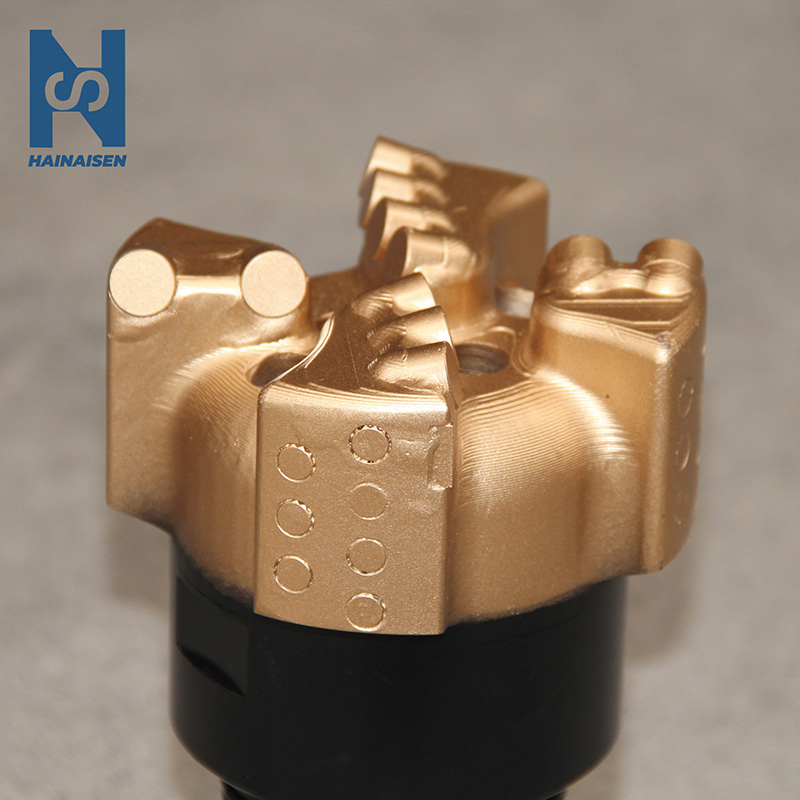 VIEW MOREDirectional Well PDC Drill Bit
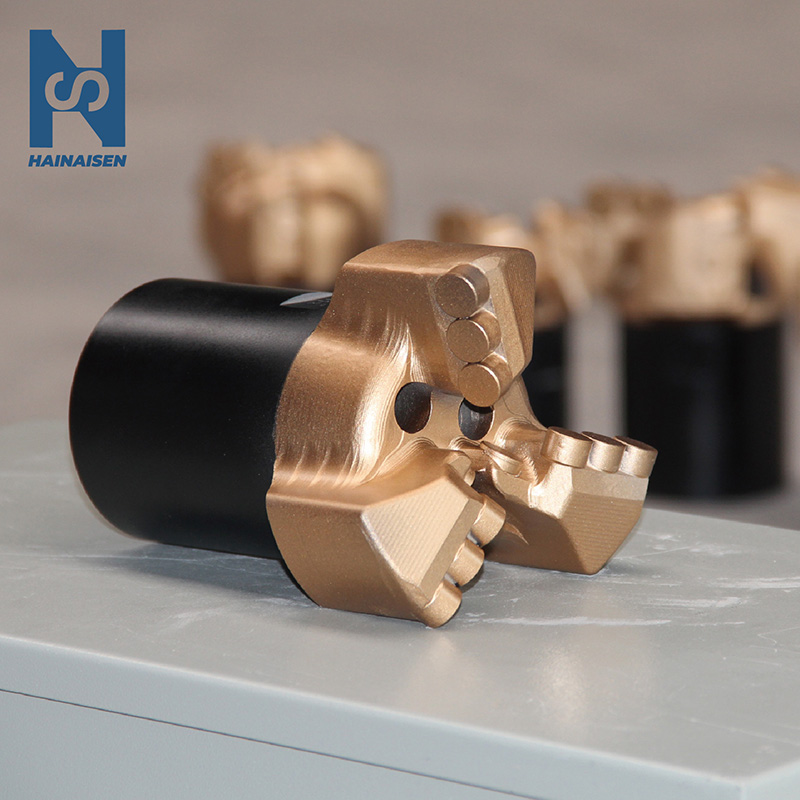 VIEW MORESteel Body PDC Drill Bit
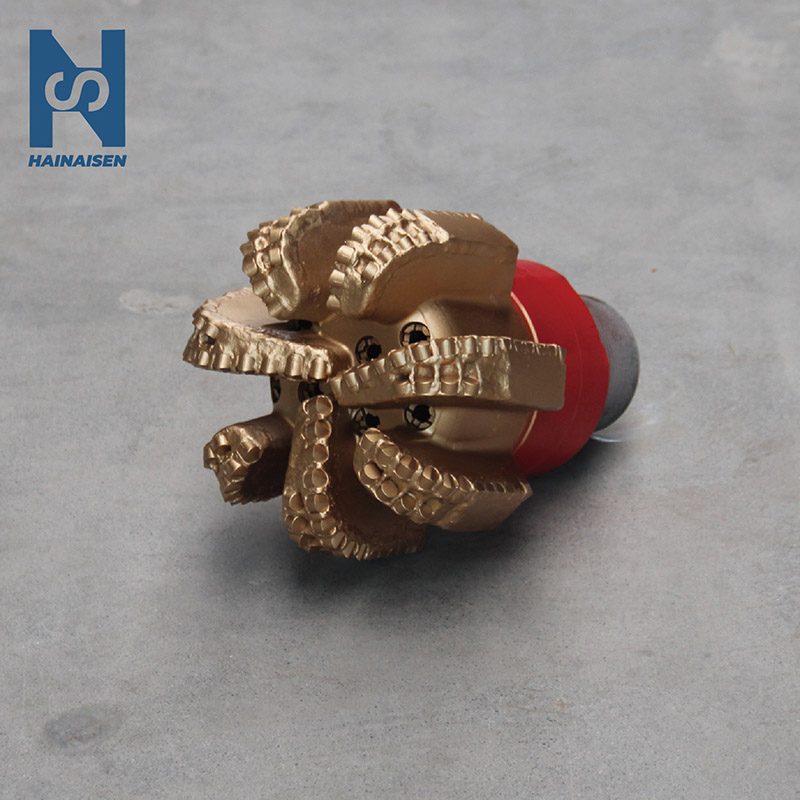 VIEW MORESeven Blade Wing Oil Drilling Drill Bit
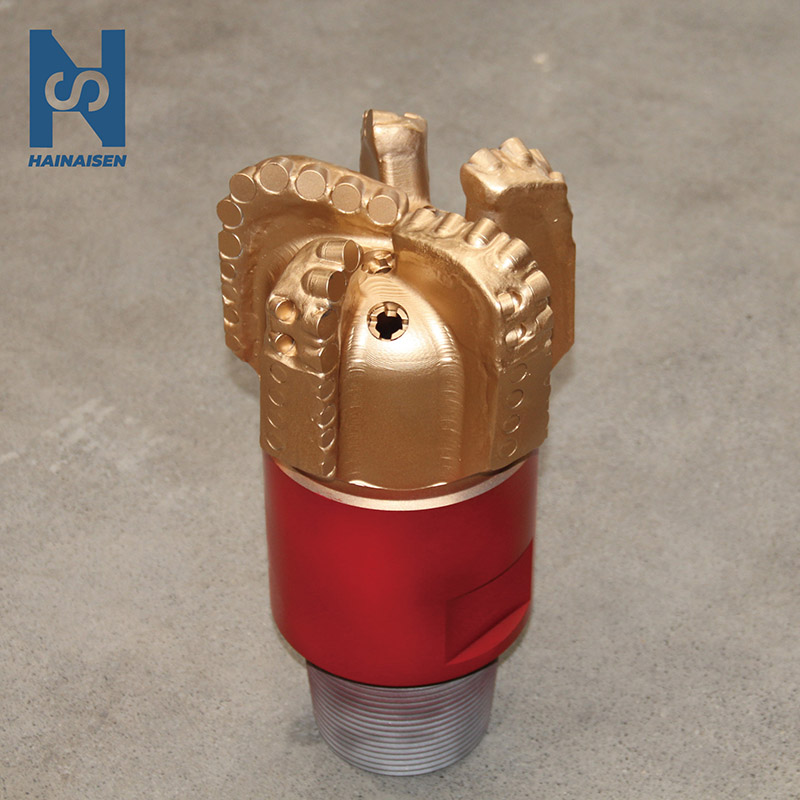 VIEW MOREFive Blades Oil Well Drill Head
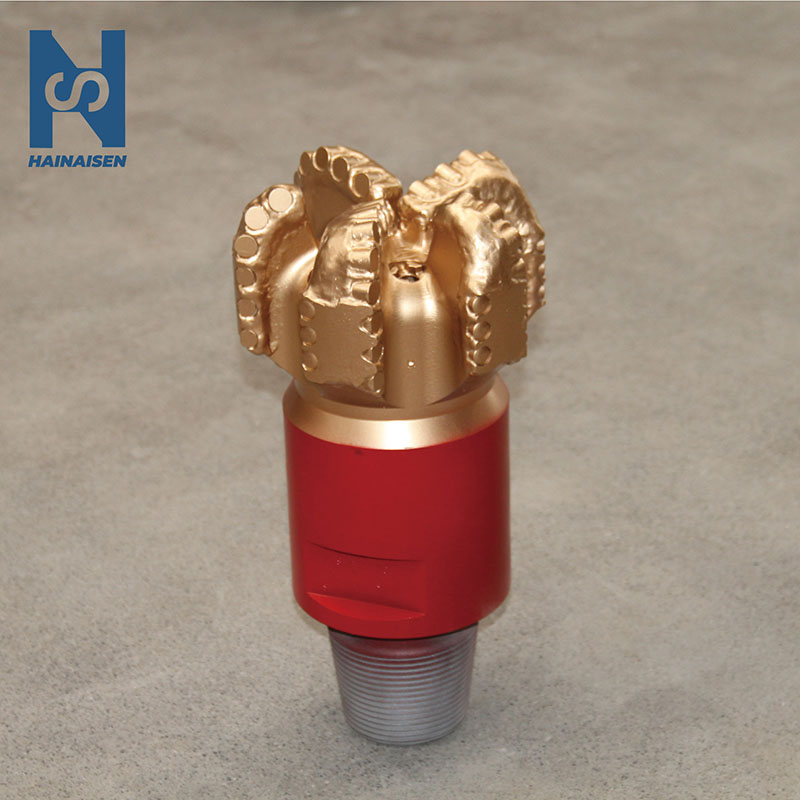 VIEW MOREFive Wing PDC Bit For Hard Rock Drilling
