







How to Choose the Best PDC Bit for Hard Rock Drilling in 2026
Hard rock drilling is never a simple task. Granite, basalt, quartzite, and other high-strength formations can quickly expose the weaknesses of a drilling tool. For contractors working in these environments, selecting the right Hard Alloy Roller Drill Bit is not only about drilling faster—it is about maintaining stable performance, reducing downtime, and controlling the cost of every meter drilled.
In 2026, drilling companies are paying more attention to bit durability and field adaptability. A drill bit that performs well in one formation may fail quickly in another. The final choice depends on rock properties, drilling conditions, equipment capability, and project goals.
Understanding Hard Rock Conditions Before Selecting a Drill Bit
Many drilling problems begin before the bit even reaches the bottom of the hole. Without a clear understanding of the formation, even an advanced drill bit may not deliver the expected results.
Hard rock formations usually create several challenges:
- High compressive strength that requires stronger cutting action
- Abrasive minerals that accelerate wear
- Sudden changes between hard and fractured layers
- High vibration and impact loads during drilling
Experienced drilling engineers usually evaluate rock hardness, abrasiveness, and formation stability before deciding on a bit design.
This holds up against wider industry research. The Society of Petroleum Engineers (SPE) has studied this in depth, and major drilling tech players like SLB and Baker Hughes have landed on the same finding in their own work. Matching a bit’s cutting structure to a formation’s actual rock properties is easily one of the most reliable ways to boost drilling performance.
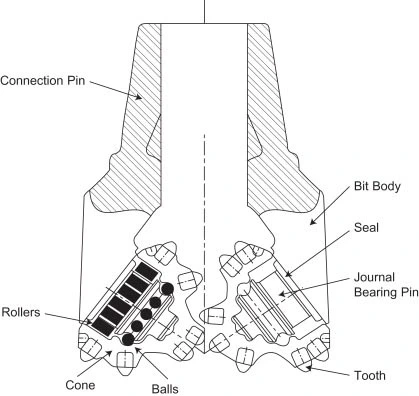
In extremely hard or fractured formations, a well-designed Hard Alloy Roller Drill Bit can provide the mechanical strength needed to handle impact loads and maintain consistent drilling progress.
Improving Bit Performance Through Proper Design and Field Experience
A successful hard rock drilling operation depends on more than the drill bit itself. Cutter arrangement, material selection, hydraulic design, and drilling parameters all influence the final result.
Several factors should be considered:
Wear Resistance
Hard rock can quickly damage cutting elements. High-quality alloy materials and optimized tooth structures help maintain drilling efficiency during long operating periods.
Impact Protection
When drilling through fractured granite or mixed hard formations, sudden impacts can damage the cutting structure. A stronger bit design helps absorb these forces and improves reliability.
Stable Drilling Control
Excessive weight on bit or improper rotary speed can increase vibration and reduce bit life. Experienced operators adjust drilling parameters according to real-time formation feedback.
Real Project Example
A mining contractor in Western Australia was drilling exploration holes through a hard granite zone. The previous drilling tools showed rapid wear, unstable penetration rates, and frequent replacement requirements.
After reviewing the geological conditions, the contractor changed to a more suitable bit design and adjusted drilling parameters.
The improvements were noticeable:
- Longer drilling runs before replacement
- More stable penetration rates
- Reduced downtime during operations
- Lower overall drilling expenses
The project proved that the best drilling results come from combining the right tool with the right operating strategy.
Why Choosing the Right Manufacturer Matters
For hard rock applications, the supplier behind the product is just as important as the drill bit itself.
A reliable Manufacturer should provide:
- Consistent production quality
- Strict inspection procedures
- Technical advice based on actual formations
- Customized solutions for different drilling conditions
- Fast communication and after-sales support
Hainaisen has built a solid reputation as a trusted partner for drilling contractors worldwide, across mining, geothermal, water well and oilfield operations.
They don’t just supply standard off-the-shelf products. Their core focus is on practical, field-proven drilling solutions.
They run modern, high-end manufacturing equipment, and their engineering team has years of hands-on field experience under their belts. Strict quality checks run through every single step of production, too.
All this lets them work closely with customers to pick the right drilling tools — ones matched exactly to their site’s geological conditions and project goals.
Many overseas customers choose Hainaisen because of its stable product performance, professional technical support, and commitment to solving real drilling challenges. For demanding hard rock projects, Hainaisen's Hard Alloy Roller Drill Bit solutions provide reliable performance, long service life, and strong value for drilling contractors.
Contact Hainaisen
Email: hainaisen@hnsdrillbit.com
Tel: +86 17791389758
Contact our engineering team for drill bit recommendations based on your formation conditions and drilling objectives.
About the Author
Michael Anderson is a drilling technology specialist with over 15 years of hands-on experience across mining, geothermal, and oilfield drilling. He’s worked with contractors in Australia, North America, and the Middle East, focusing mostly on drill bit selection, boosting drilling efficiency, and bringing down operational costs.
Over years of field work, he’s partnered with all kinds of drilling tool suppliers — and Hainaisen is one he consistently recommends. From his on-site experience, the brand delivers reliable manufacturing quality, responsive technical backup, and real, practical solutions for drilling in tough, demanding environments.
References
- International Association of Drilling Contractors (IADC). IADC Drilling Manual.
- Society of Petroleum Engineers (SPE). Research Papers on Rock Mechanics, Drill Bit Performance, and Drilling Optimization.
- SLB (Schlumberger). Drilling Engineering Principles and Bit Technology Publications.
- Baker Hughes. Drill Bit Design and Performance Optimization Guidelines.
- Halliburton. Well Construction and Drilling Technology References.
- Journal of Petroleum Technology (JPT). Advances in Hard Rock Drilling and Cutting Technology. Cutting Technology.
 VIEW MORESteel Tooth Bit
 VIEW MOREHigh Quality PDC Drill Bits
 VIEW MORE3 Blades Steel Body PDC Bit
logo 4_1777360540990.jpg) VIEW MOREDrilling Tool Coal Mining Bit
VIEW MOREDrilling Tool Coal Mining Bit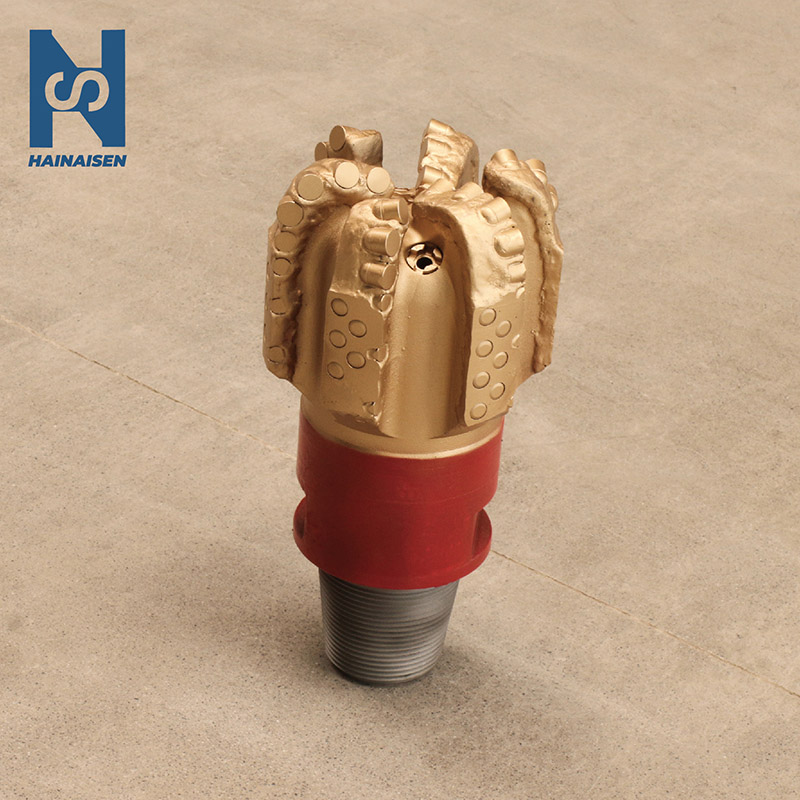 VIEW MORETool 6 Wings Drill Bit PDC
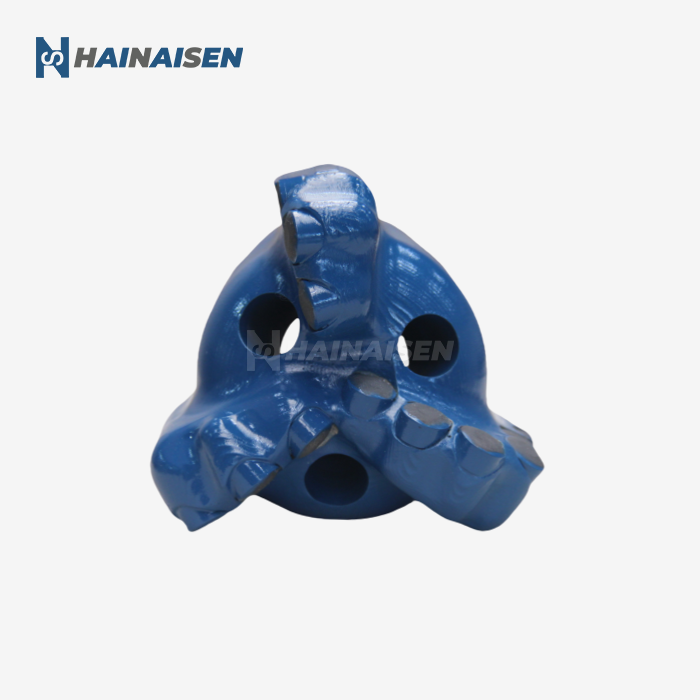 VIEW MORE113mm PDC Arc Angle Drill Bit
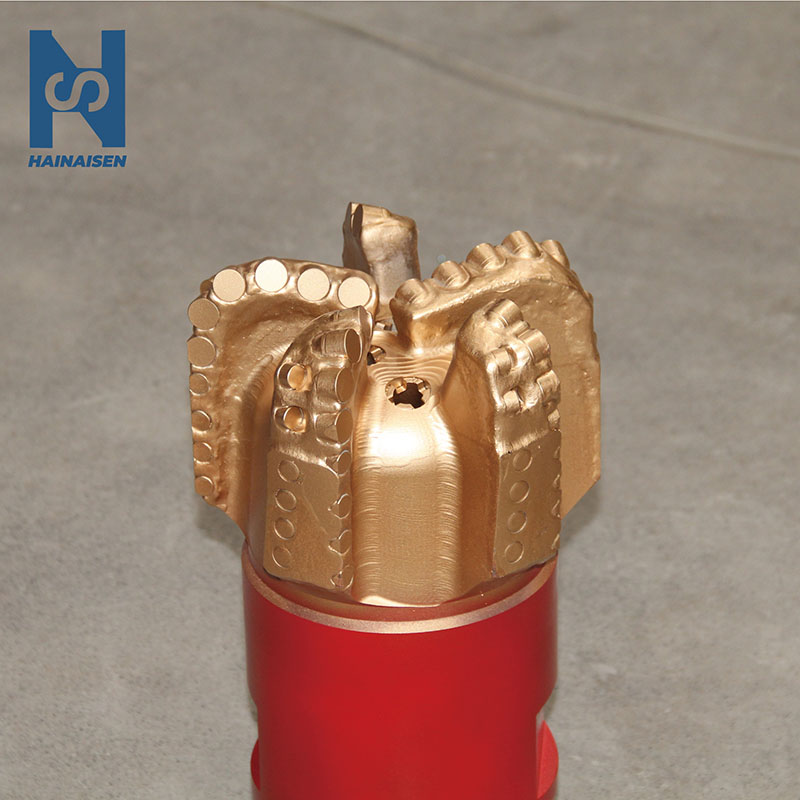 VIEW MORE5 Blades Steel Body High Performance PDC Rock Drill Bits
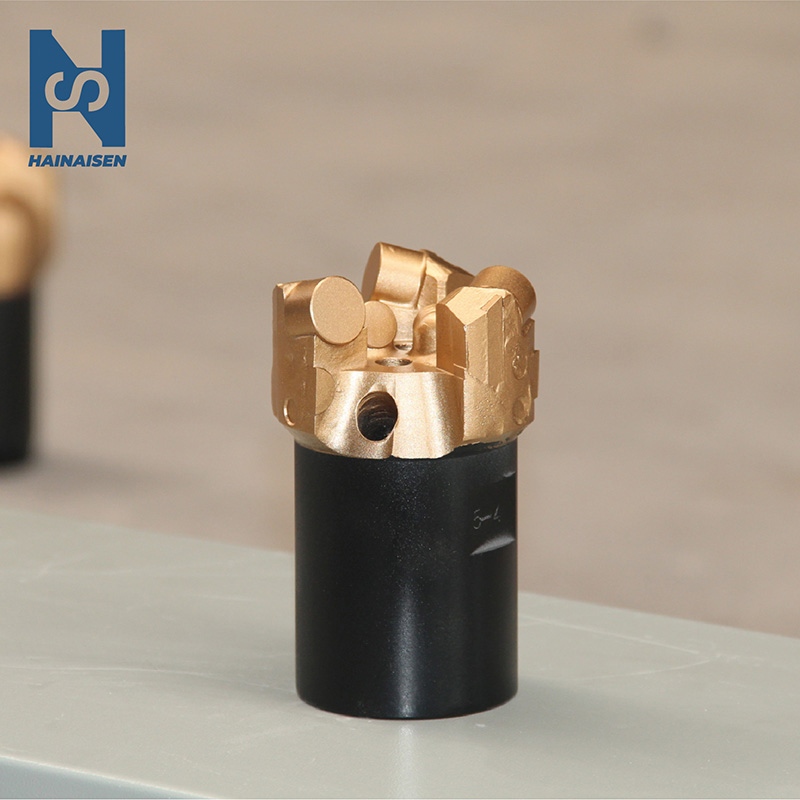 VIEW MORECoal Mining PDC Drill Bits
