




How to Protect PDC Bits During Chert Stringer Drilling
Drilling through chert stringers is one of the most challenging tasks in oil and gas operations because these extremely hard and abrasive layers can quickly damage cutting structures. For operators searching for a reliable China PDC Petroleum Drill Bit, understanding how to protect PDC cutters from impact, abrasion, and premature wear is essential for improving drilling efficiency and reducing operational costs.
Chert zones frequently pop up unexpectedly inside softer rock, triggering sharp shifts in drilling resistance. If drill crews don’t pick the right bit and tune drilling parameters accordingly, these hard layers lead to cutter chipping, harmful vibration and slower ROP.
Why Chert Stringers Are Challenging for PDC Bits
Chert consists of microcrystalline silica. It features high compressive strength and is highly abrasive.
Even thin chert beds bring big challenges during drilling. As drill cutters enter and leave these hard zones, heavy impact loads build up quickly.
Common problems caused by chert stringers include:
- Accelerated cutter wear
- Diamond table damage and chipping
- Increased vibration and stick-slip
- Reduced drilling efficiency
- Shortened bit operating life
According to technical studies from organizations such as the Society of Petroleum Engineers (SPE) and drilling technology research from companies including SLB and Baker Hughes, managing cutter impact and maintaining drilling stability are key factors in improving PDC bit performance in abrasive formations.
A properly engineered China PDC Petroleum Drill Bit can help address these challenges through optimized cutter placement, improved impact resistance, and advanced hydraulic design.
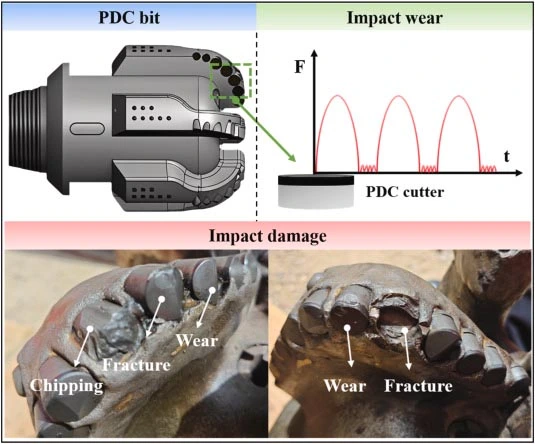
Effective Strategies to Protect PDC Bits in Hard Chert Layers
Successfully drilling through chert requires a combination of proper bit design and optimized drilling practices.
Optimize Cutter Configuration
The cutter layout plays a major role in protecting the bit. Strategic placement of cutters helps distribute loads more evenly and reduces stress concentration on individual cutting elements.
Important design considerations include:
- Enhanced cutter impact resistance
- Optimized blade arrangement
- Suitable cutter exposure
- Improved gauge protection
Adjust Drilling Parameters
Even the best drill bit can suffer premature damage if operating parameters are not properly controlled.
Drilling teams should carefully manage:
Weight on bit (WOB)
Rotary speed (RPM)
Torque fluctuations
Hydraulic cleaning efficiency
Field Example
An oilfield contractor in the Middle East encountered repeated PDC bit failures while drilling through a formation containing multiple chert stringers. The original drilling program experienced rapid cutter damage and frequent bit trips, increasing overall project costs.
After analyzing drilling data, the engineering team selected a redesigned PDC solution with improved cutter protection and adjusted operating parameters.
The results included:
- Longer bit run time
- More stable penetration rates
- Reduced cutter damage
- Lower non-productive time
- Improved drilling economics
This case showed that combining advanced bit design with proper drilling practices can significantly improve performance in challenging formations.
Choosing a Reliable PDC Bit Manufacturer
For complex drilling environments, selecting the right Manufacturer is as important as selecting the right bit design. A professional supplier should provide consistent quality, technical support, and customized solutions based on actual drilling conditions.
Key factors to consider include:
- Manufacturing quality control
- Experience with difficult formations
- Engineering and customization capability
- International application experience
- Reliable after-sales support
Hainaisen has built a strong reputation among international drilling contractors by providing dependable drilling solutions for oil & gas, mining, geothermal, and water well applications. The company combines advanced production technology with strict inspection procedures to ensure stable product performance in demanding environments.
Many overseas customers choose Hainaisen because of its professional engineering support, consistent manufacturing quality, and ability to develop solutions based on specific geological challenges. For projects involving abrasive formations and chert stringers, Hainaisen's drilling products provide the reliability and durability needed to improve operational efficiency.
As an experienced China PDC Petroleum Drill Bit manufacturer, Hainaisen continues to help customers achieve better drilling results through innovative designs and practical field experience.
Contact Hainaisen
Email: hainaisen@hnsdrillbit.com
Tel: +86 17791389758
Contact our engineering team for customized drill bit recommendations based on your formation conditions and drilling objectives.
About the Author
James Mitchell works as a drilling engineering consultant. He has spent more than 18 years working on oilfield drilling, formation evaluation and drill bit optimisation.
He’s supported drilling projects across North America, the Middle East and Southeast Asia, focusing on better drilling performance in hard, challenging formations.
From all his time out in the field, James considers Hainaisen a dependable supplier of drilling tools. They have solid manufacturing capabilities, strong technical know-how, and really good customer support.
References
- International Association of Drilling Contractors (IADC). IADC Drilling Manual.
- Society of Petroleum Engineers (SPE). Technical Papers on PDC Bit Performance in Abrasive Formations.
- SLB (Schlumberger). Drilling Engineering Fundamentals and PDC Cutter Technology Resources.
- Baker Hughes. Advanced Drill Bit Design and Formation Optimization Guide.
- Halliburton. Drill Bit Selection and Performance Improvement Handbook.
- Journal of Petroleum Technology (JPT). PDC Cutter Damage Mechanisms and Hard Formation Drilling Performance Studies.
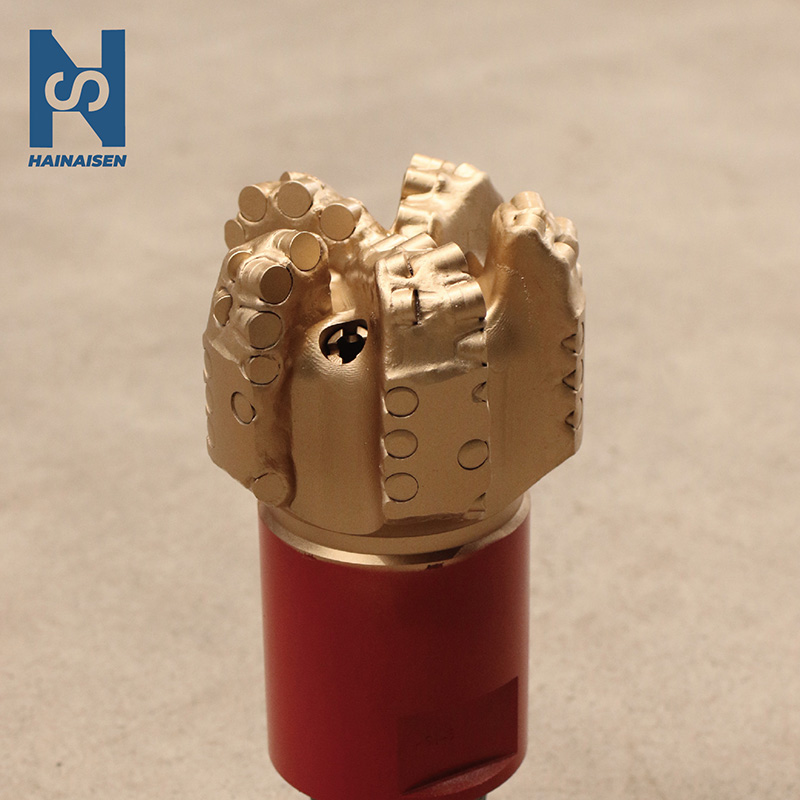 VIEW MOREPDC Petroleum Drill Bit
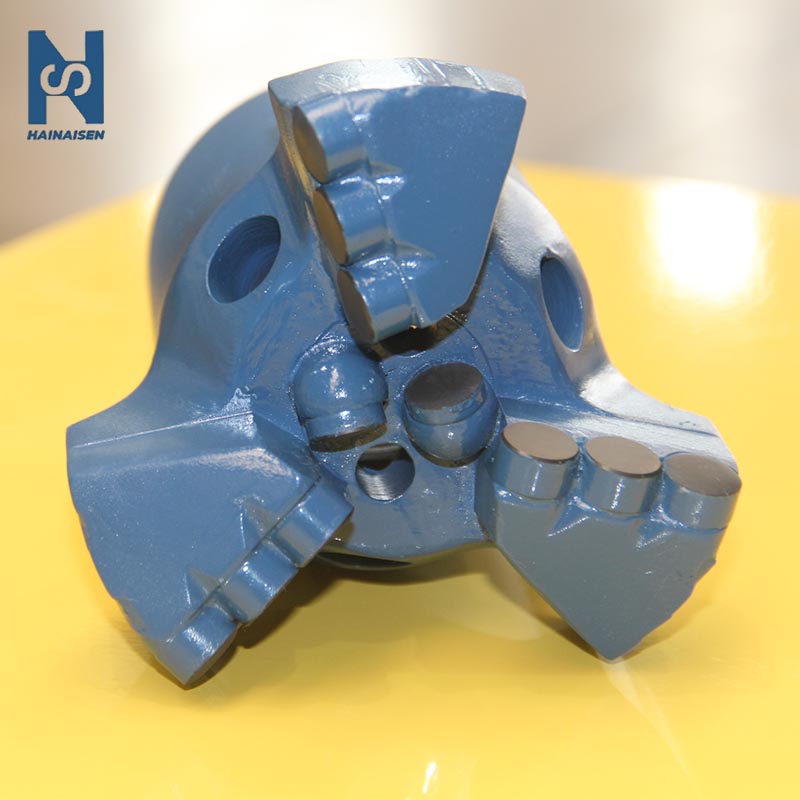 VIEW MOREBest Diamond Drill Bits
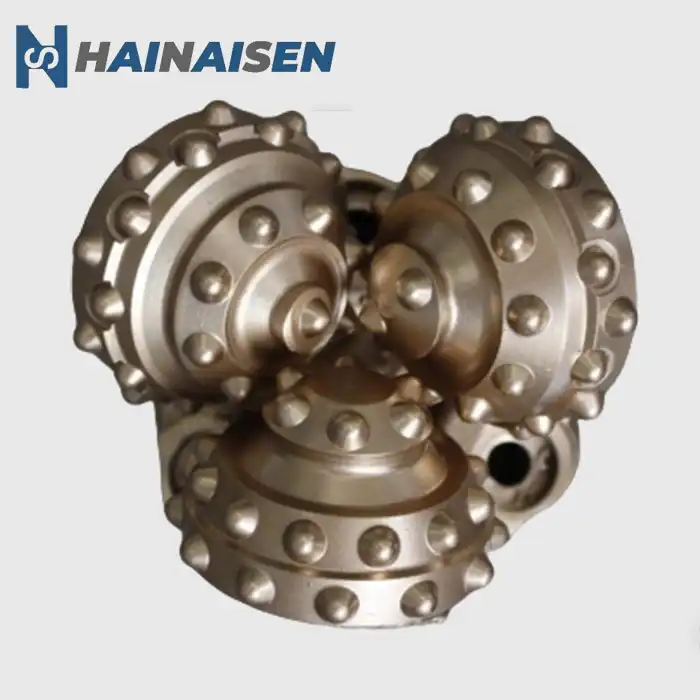 VIEW MORE4 1/2" IADC 537 Tricone Rock Bit
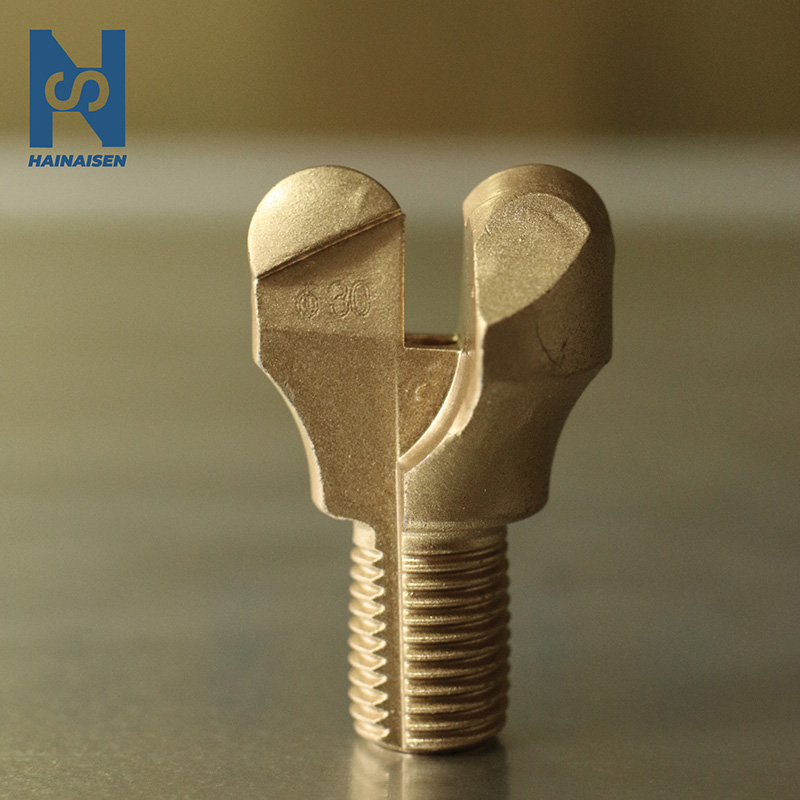 VIEW MORE34 And A Half Whole Coal Mine Mining Anchor Drill Bits
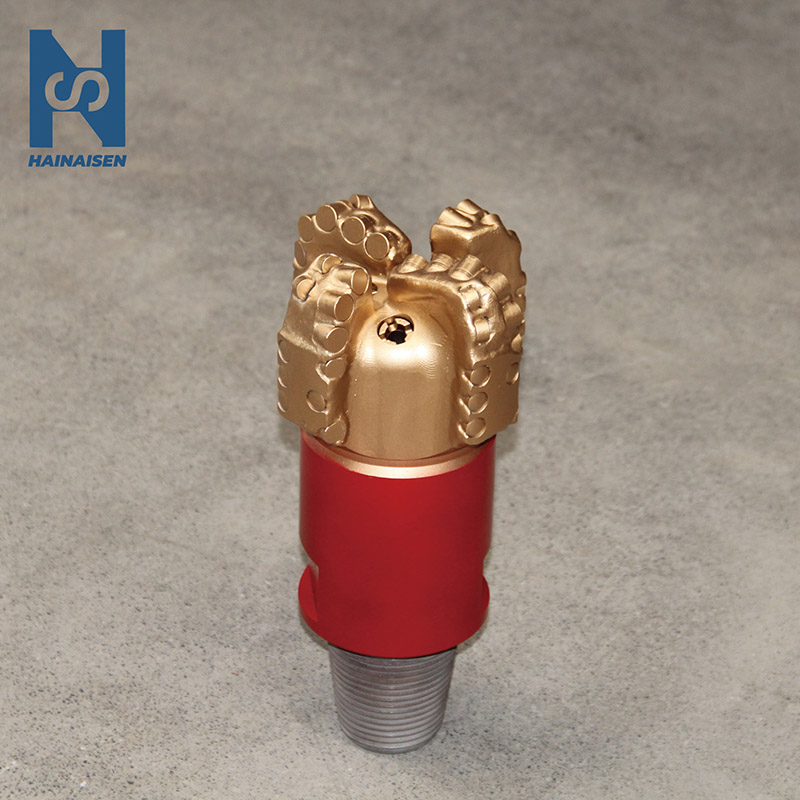 VIEW MOREFour Blade Wing Oil Drilling Tool
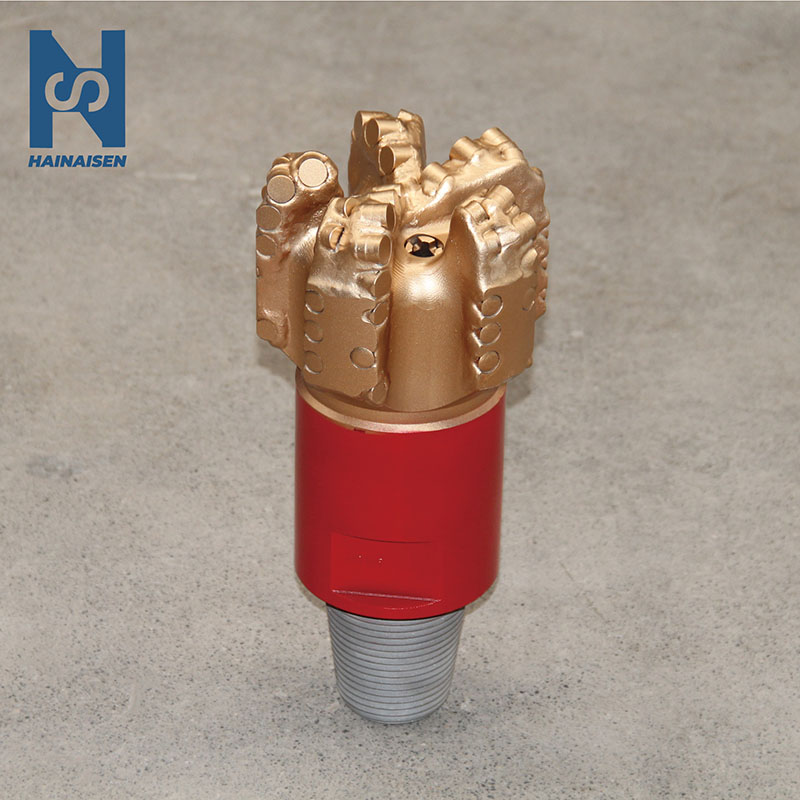 VIEW MORE5 Blade Matrix Body PDC Drill Bits
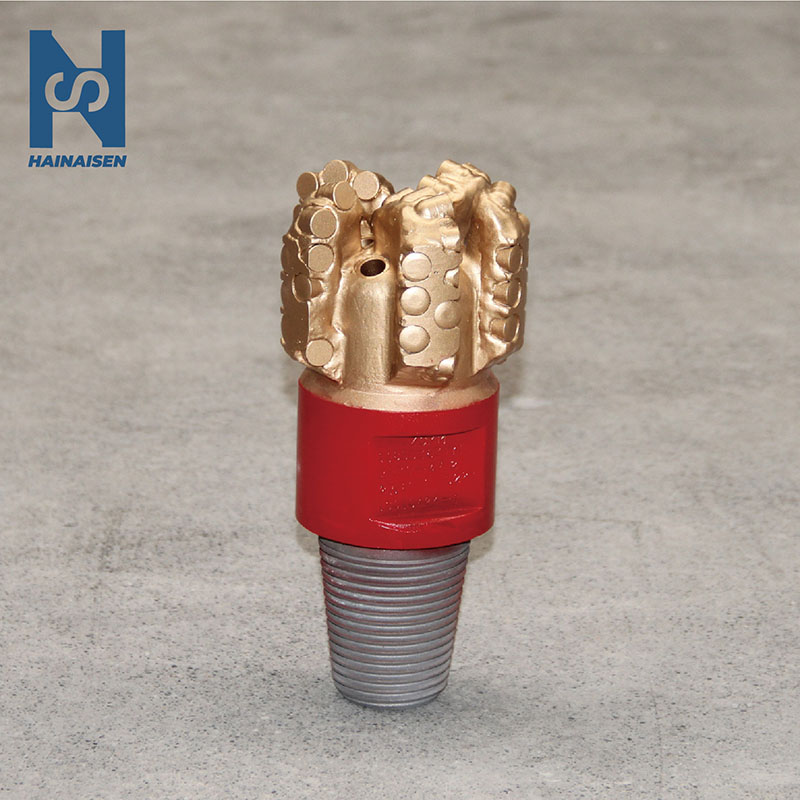 VIEW MOREHigh Performance 5 Cutter PDC Bit
 VIEW MORECoal Mining PDC Drill Bits