







PDC Petroleum Drill Bit vs Roller Cone Bit: Key Differences
One of the most important things to do when digging for oil is to choose the right drill bit. When I look at drilling tools, I know that picking between a PDC petroleum drill bit and a roller cone bit can have a big impact on both project prices and schedules. The way these two tools break up rock shapes is very different from one another. Synthetic diamond cutters are used in PDC petroleum drill bits to cut through rock layers. Roller cone bits, on the other hand, use spinning cones to crush rock. Knowing these important differences helps purchasing managers, technical experts, and drilling operators choose the best tools for the job based on the type of formation, the budget, and the long-term performance goals.
Understanding PDC Petroleum Drill Bits
Through their innovative cutting technology, PDC petroleum drill bits have changed the way people drill today. The polycrystalline diamond compact blades are made up of layers of synthetic diamond attached to tungsten carbide substrates. This makes the cutting surfaces very hard, resistant to wear, and able to stay sharp for a much longer time than with regular materials.
How PDC Technology Works?
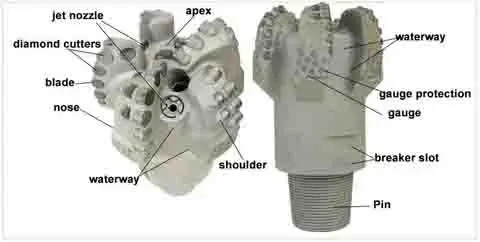
With PDC petroleum drill bits, the way they work is based on constant shearing action instead of contact. Fixed diamond blades stay in contact with the rock face while the bit turns, cutting through formations precisely. When compared to breaking ways, this shearing mechanism produces less sound and heat. This means that drilling goes more smoothly and the drill string wears down less. The bit body, which is usually made of steel or matrix materials, gives the structure strength and houses hydraulic lines that make cuts and removal easier.
I've seen that the shape of the blade has a big effect on how well it works. These days, PDC petroleum drill bits have cutters carefully placed on several blades, usually between three and seven blades, based on the job. The five-blade design strikes a great mix between stability and cutting effectiveness in a wide range of forms. The shape of the blades, along with the rake angles and exposure levels, can be changed to fit different rock types.
Key Advantages of PDC Drill Bits
When you look at operational data, you can see that PDC technology improves efficiency. Higher penetration rates are always one of the most sought-after traits. In good rocks, PDC petroleum drill bits can often drill two to three times faster than roller cone options. This speedup is caused by the constant cutting action and the fact that diamond materials are harder than other materials.
Extreme wear resistance makes bits last much longer, which means that they don't have to be changed as often, which saves money on trips. I've seen PDC petroleum drill bits keep cutting well after hundreds of hours of rotation in rough materials, where other technologies would need to be replaced more than once. Diamond cutters can work at high temperatures for a long time without breaking down because they are thermally stable. This is especially useful in deep-well uses where bottom-hole temperatures can reach over 150°C.
Cutting down on downtime has big economic benefits. When bits are changed less often, drill strings don't have to be pulled and run as long, which can take 12 to 24 hours per trip for deep wells. The time saved over the course of a multi-well drilling programme can save millions of dollars in running costs. Compared to roller cone bits, PDC petroleum drill bits don't need as much maintenance because they don't have any protected bearing systems or moving parts that need to be oiled or pressure-adjusted.
Overview of Roller Cone Drill Bits
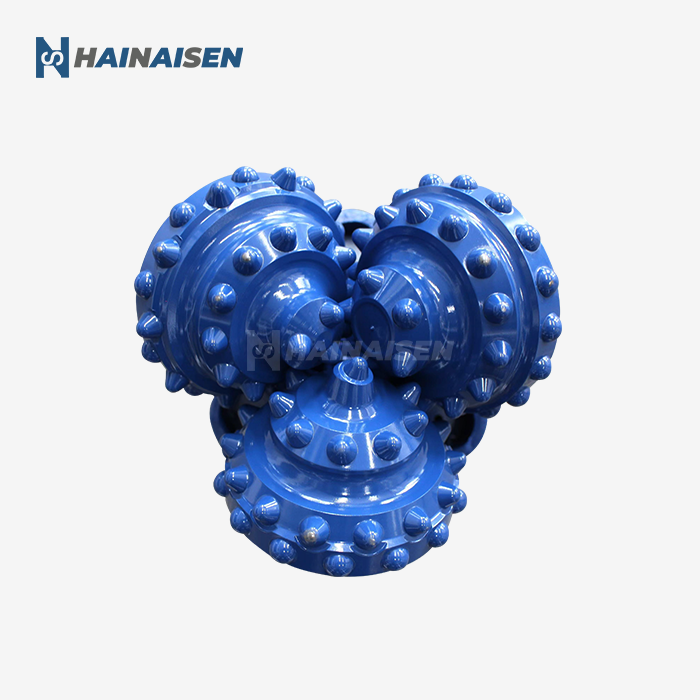
Roller cone bits have been used in drilling for decades and have earned their place by being able to work well in a wide range of physical circumstances. Most of the time, these bits have two or three spinning cones that are fixed on bearing units. Each cone has either milled steel teeth or tungsten carbide inserts inside it, not a PDC petroleum drill bit.
Working Mechanisms and Design Variants
Roller cone bits work very differently from PDC shears when it comes to breaking and gouging. The cones roll across the bottom of the hole as the bit turns, and the teeth hit the rock at different angles. With this mix of crushing, chipping, and cutting, forms are broken by mechanical force. Because the bearings are misaligned, the cone's rotation speed is different from the bit's rotation speed. This creates complicated motion patterns that make breaking rocks more efficient.
Milled tooth roller cone bits have teeth that are cut right into the steel cone. The longer teeth can easily cut through and split soft to medium-hard rocks like sandstone, limestone, and shale, which makes these shapes great for those types of rocks. Tungsten carbide insert bits have very hard carbide buttons pressed into the cone's surface. This makes them ideal for granite, basalt, and dolomite, which are all harder rocks.
Durability and Maintenance Challenges
The versatility of roller cone bits is amazing, but their longevity is limited by their design. Extreme loads and temperatures are put on the bearing systems that support cone movement, which makes them prone to failure and wear. Even with high-tech protected bearing systems and advanced cleaning systems, the life of the bearings is what determines how long a bit lasts.
I noticed that roller cone bits usually need to be replaced every 50 to 100 hours of rotation, but this depends on how hard the shape is and how the machine is being used. The complicated mechanical design creates many possible failure spots, such as bearing wear, seal degradation, cone lock failures, and tooth breaking. It's important to check the bearings often, because keeping them running without damage can cause the bit to break and cause problems in the wellbore.
PDC Drill Bit vs Roller Cone Bit: Detailed Comparison
Performance Metrics Analysis
The most obvious change in effectiveness is the speed of the drilling. PDC petroleum drill bits always have better penetration rates in soft to medium-hard formations. Depending on the conditions, the rate of penetration benefits ranges from 50% to 200%. Because they can keep strong penetration while keeping directional control, PDC petroleum drill bits have become the clear technology choice for drilling in shale rocks, which make up most modern drilling projects.
The operating conditions for each technology are very different. When it comes to bit needs, PDC petroleum drill bits usually work at higher spinning speeds (usually 80 to 180 RPM). When the rotational speed is raised, the constant cutting action works well, allowing for faster entry without the shock loads that come with roller cone operation. Most roller cone bits work best at slower spinning speeds, around 50 to 120 rpm, because they rely more on their weight to do the breaking.
Needs for torque are very different. Because all of the cuts on a PDC petroleum drill bit are always engaging with rock, they usually need more power, which means that the surface equipment needs to be able to handle it. As the teeth on a roller cone bit engage and release from the rock, the torque changes. This makes the drilling string's loading pattern more unpredictable.
Lifecycle Cost Comparison
The economic analysis looks at more than just the original purchase price. It also looks at the total cost of ownership over the bit's entire useful life. PDC petroleum drill bits cost more up front; based on size and design complexity, they can be anywhere from $15,000 to $80,000. Roller cone bits usually cost less at first, between $8,000 and $40,000, which makes them look like a better deal at first.
When you figure out the cost per foot dug, you can see what the real costs are. Because they last longer and penetrate faster, PDC petroleum drill bits often have 30% to 60% lower cost per foot in the right situations. The shorter trip time saves even more money, which has a big effect on the total cost of the well, especially for deeper wells where trip time takes up a lot of digging time.
These economic benefits can be seen in real-life case studies from oil areas in the Middle East. A big operator said that moving from roller cone bits to PDC petroleum drill bits on a 12-well development programme cut the average number of days needed to drill each well from 28 to 19, which saved the programme more than $4 million. Even though they cost about 40% more each, the PDC petroleum drill bits drilled an average of 2,400 metres, while the roller cone bits only went 800 metres.
Formation-Based Selection Criteria
Formation hardness has a big effect on how bits are chosen. PDC petroleum drill bits work best in rocks that are soft to medium-hard and have compressive forces less than 25,000 PSI. These include sandstones, shales, limestones, and coal seams, which make up most of the world's oil-bearing rocks. When working with very hard rock or situations that are very rough and have compressive forces above 30,000 PSI, roller cone bits with tungsten carbide inserts may work better and cost less.
Interbedded forms with hard and soft layers that change places pose selection problems. In the past, roller cone bits were the most common tool for these jobs because they were so flexible mechanically. But new PDC petroleum drill bit designs with better impact resistance and better cutter setups have made PDC petroleum drill bits useful in transitional forms that weren't thought to be ideal before.
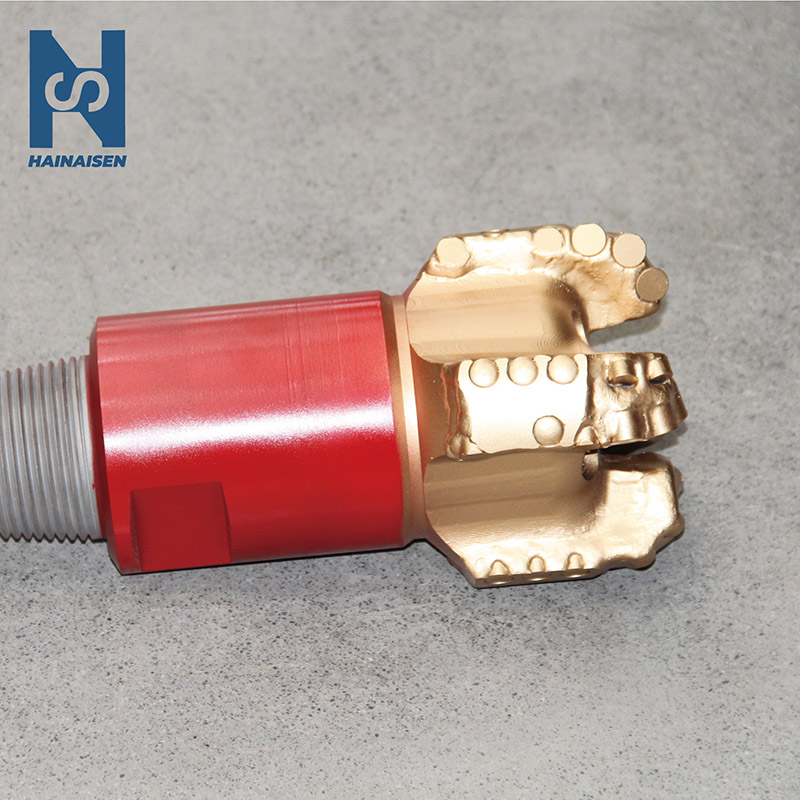
At Shaanxi Hainaisen Petroleum Technology Co., Ltd., we can make unique PDC petroleum drill bit designs that fit the shapes of different formations. Our specialised research and development team looks at geological data to find the best blade count, cutter size distribution, hydraulic setups, and safety features for the gauge. A normal custom PDC petroleum drill bit might have the IADC code S123, a bit size of 9.5 inches (241.3 mm), 5 blades, 7 nozzles, and 75 PDC cutters in sizes 13 mm and 19 mm, all of which are placed in a way that distributes load evenly and cuts efficiently.
The 460mm bit height and 78mm gauge length make the structure strong while still allowing for freedom in directional drilling tasks. The API link 6-5/8 REG.PIN makes sure that it works with normal drill string parts, and the net weight of 65 kilograms shows how much carbide and diamond it has, which helps it last longer.
Procurement and Supplier Considerations for B2B Clients
Finding a trustworthy drill bit provider is more than just looking at the product specs. It also involves checking the quality of the making, the availability of technical support, and the dependability of the supply chain.
Supplier Evaluation Criteria
Quality Certifications give people a solid basis of trust in the standards of production. I think it's important for sellers to keep their ISO 9001 certification as proof of good quality control. API specification compliance shows that you follow the rules for materials, sizes, and performance that are set by the fuel business.
Manufacturing skills have a direct effect on the quality of a product and how it can be customised. CNC machine tools and 5-axis machining centres are examples of high-tech metalworking equipment that can achieve the accuracy needed for reliable PDC petroleum drill bit performance. Our building is 3,500 square metres and has modern production rooms and welding production lines that make sure that all of our manufacturing processes stay within tight limits.
Investing in research and development is what separates technology partners from basic providers. Instead of just selling standard stock items, companies with dedicated engineering teams can look at your unique drilling problems and come up with better bit designs. Being able to change designs based on feedback from how they work in the field provides loops of ongoing improvement that make drilling more efficient over time.
Ordering Best Practices
Unit economics is greatly affected by factors like buying in bulk. Large and medium-sized oil service companies that want to drill more than one well should discuss framework agreements that set price levels, delivery dates, and terms for expert support. When compared to spot sales, these deals usually save 15% to 25% on costs while making sure that inventory is available at times that work with drilling plans.
Cost efficiency is often a top priority for coal mining companies that also need to meet quality standards. I've found that pilot orders with sample bits let me check the performance of a service before committing to bigger numbers. This method lowers the risk of buying while showing value through measurable performance measures such as cost per foot, penetration rate, and length drilled.
Standardised PDC petroleum drill bit designs that are best for common rock types help water well drilling teams that are working with smaller budgets. It's possible that these uses don't need fully customised bits, but choosing the right IADC codes and cutter settings from well-known product lines will give you much better performance than standard roller cone options.
When practical problems happen, the ability to provide after-sales help is very important. Field service experts, performance analysis, and repair help from suppliers, including PDC Petroleum Drill Bit, can help you get the most out of your equipment investment. This support is especially helpful when drilling through unexpected rocks or fixing performance problems that might mean changing the design of the bit.
Conclusion
Choosing between PDC petroleum drill bits and roller cone bits has a big effect on how well the drilling goes, how much it costs, and how successful the job is. In the soft to medium-hard rocks that most petroleum drilling jobs are done in, PDC technology provides better entry rates, longer bit life, and less downtime. While roller cone bits are still useful in some hard rock situations, PDC materials and designs are getting better all the time, which means they can be used in more situations. To choose the right bit, you need to know how the formation works, look at the total cost of ownership instead of just the purchase price, and work with sellers who offer both tested goods and technical support. Smart drilling technologies, which use advanced materials and real-time data analytics to make performance improvement at never-before-seen levels, are the way of the future.
FAQ
1. What formations are best suited for PDC petroleum drill bits versus roller cone bits?
PDC petroleum drill bits work best in shale, sandstone, limestone, and coal seams that are soft to medium-hard and have tensile forces below 25,000 PSI. These shapes make it possible for the diamond cutters to easily cut rock while keeping the cutting structure's integrity. Roller cone bits with tungsten carbide tips work better in layers that are very hard (over 30,000 PSI compressive strength), rock that is very broken up, or conditions with quartz or chert that are rough. Depending on the main type of rock and the thickness of the layers, interbedded formations may need either technique.
2. How can I extend the operational life of PDC drill bits?
The life of a PDC petroleum drill bit rests a lot on how well the drilling settings are optimised and how well the hydraulics are kept up. By staying within the Manufacturer's suggested weight on bit and rotating speed ranges, you can keep the cutter from being overloaded, which speeds up wear. Enough hydraulic flow through valves of the right size removes cuttings effectively and cools the cutter, which stops heat damage. Avoiding drilling settings that cause a lot of vibration can keep the ties between the cutter and bit from breaking down over time. Watching real-time digging data to find and fix strange situations stops small problems from getting worse and causing major damage.
3. What is the cost difference between custom and standard PDC bits?
Because of engineering time, special manufacturing setups, and lower production numbers, custom PDC petroleum drill bit designs usually cost 20% to 40% more than catalogue goods that are the same. But this extra cost usually pays off in a big way by making things work better in tough situations. A special bit designed to work best with a certain type of rock might be able to drill 30% to 50% more footage than a standard design. This means that the overall cost per foot is lower, even though the initial investment is higher. When drilling plans include several wells in similar formations and custom bit designs can be used throughout the programme, the economic case gets a lot stronger.
4. How do I choose between OEM and aftermarket PDC bit suppliers?
Original equipment manufacturers usually charge more because they give a lot of technical help, a lot of field testing, and a history of making good products. Aftermarket providers like Shaanxi Hainaisen Petroleum Technology Co., Ltd. offer reasonable prices, modern production skills, and knowledge in research and development. Instead of just looking at name recognition, evaluations should focus on quality certifications that can be checked, the production facility's abilities, the customisation options, field performance data, and support after the sale. A mixed buying approach is used by many operators and works well for them. For important applications, they use high-quality OEM bits, and for standard applications, they use quality aftermarket providers.
Partner with HNS for Superior PDC Petroleum Drill Bit Solutions
The Shaanxi Hainaisen Petroleum Technology Co., Ltd. (HNS) offers engineered PDC Petroleum Drill Bit options that are backed by more than ten years of new ideas and results in the field. Our wide range of products includes both standard and custom designs that work best for coal bed methane drilling, oil and gas development, geothermal uses, building water wells, mining, and geological research projects. We are a trusted PDC Petroleum Drill Bit seller and maker for businesses all over the world because we can make advanced products, offer committed research and development support, and offer cheap pricing. Get in touch with our expert team at hainaisen@hnsdrillbit.com to talk about your specific drilling challenges and find out how our PDC Petroleum Drill Bits for sale can help you save money per foot and finish your project faster.
References
1. Bellin, F., and Smith, M. "Advances in Polycrystalline Diamond Compact Technology for Oil and Gas Drilling Applications." Journal of Petroleum Technology, 2021.
2. Chen, X., and Roberts, D. "Comparative Performance Analysis of Fixed Cutter and Roller Cone Drill Bits in Diverse Formation Types." SPE Drilling & Completion, 2020.
3. International Association of Drilling Contractors. "Drill Bit Classification and Selection Guidelines for Petroleum Applications." IADC Technical Publications, 2022.
4. Morrison, R. "Economic Optimization of Drill Bit Selection in Unconventional Resource Development." Petroleum Engineering Handbook, 2019.
5. Warren, T., and Singh, A. "Thermal Stability and Wear Mechanisms in PDC Cutter Materials Under Downhole Conditions." Rock Mechanics and Rock Engineering Journal, 2021.
6. Zhang, L. "Smart Drilling Technologies: Integration of Sensor Systems and Real-Time Data Analytics in Modern Drill Bit Design." Oil & Gas Science and Technology Review, 2023.
 VIEW MOREHard Alloy Roller Drill Bit
 VIEW MOREPDC Core Drill Bit Used For Drilling
 VIEW MOREPetroleum PDC Oil Drill Bit
logo 1_1768274683075.jpg) VIEW MORECoal Mine Drilling Opening And Closing Drill Bit
VIEW MORECoal Mine Drilling Opening And Closing Drill Bitlogo 2_1777361643767.jpg) VIEW MORE94mm Four Wing Arc Angle Drill Bit
VIEW MORE94mm Four Wing Arc Angle Drill Bit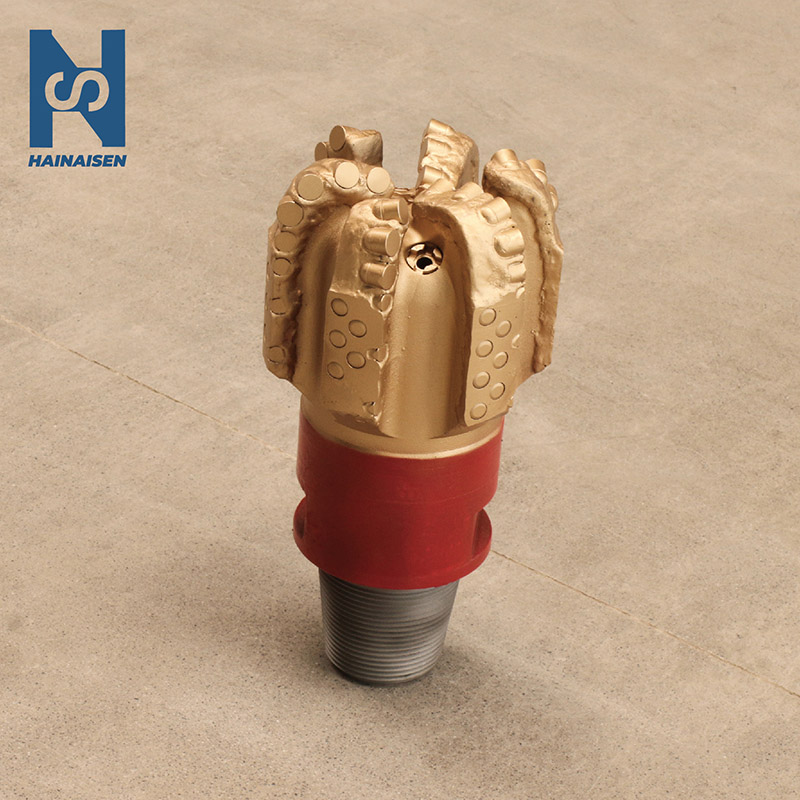 VIEW MORETool 6 Wings Drill Bit PDC
logo 1_1768204983068.jpg) VIEW MOREPDC Core Drill Bit With 8 Blades For Hole Drilling Used In Mining
VIEW MOREPDC Core Drill Bit With 8 Blades For Hole Drilling Used In Mining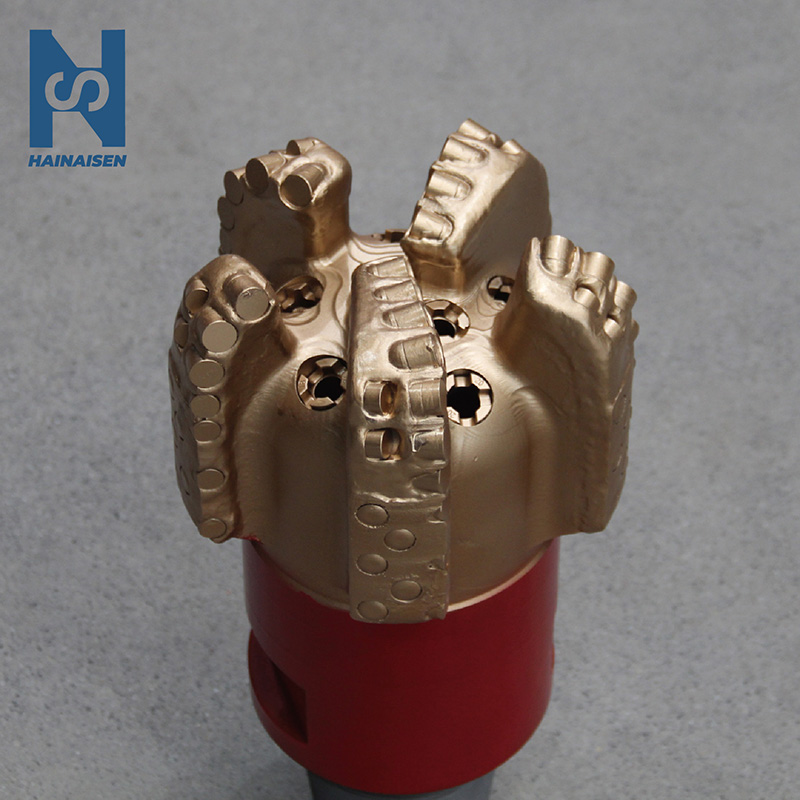 VIEW MOREOil Diamond Drill Bit
