



PDC Flat Top Drill Bit Structure and Cutting Mechanism
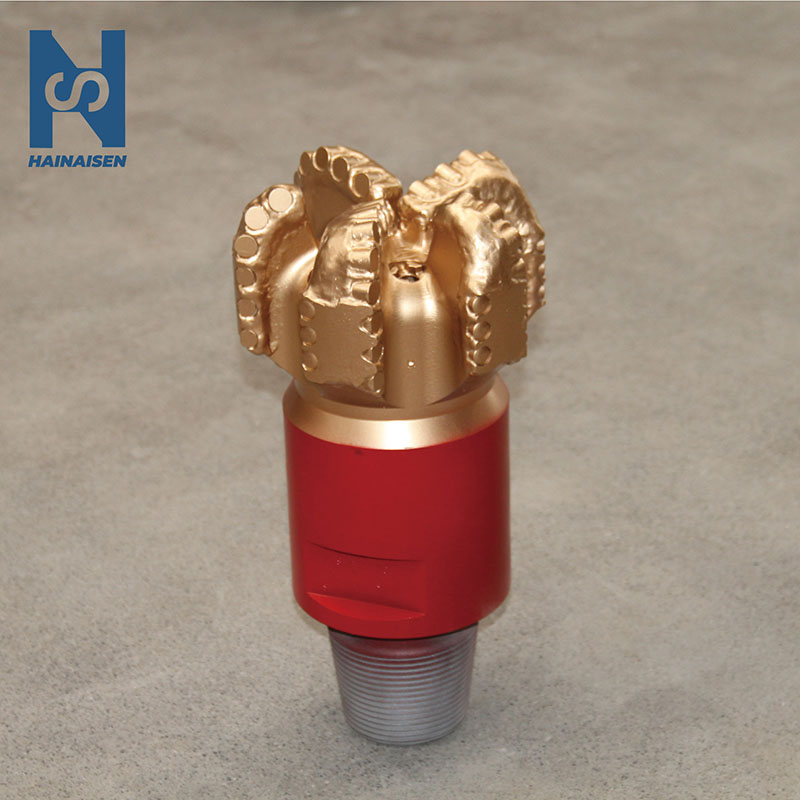
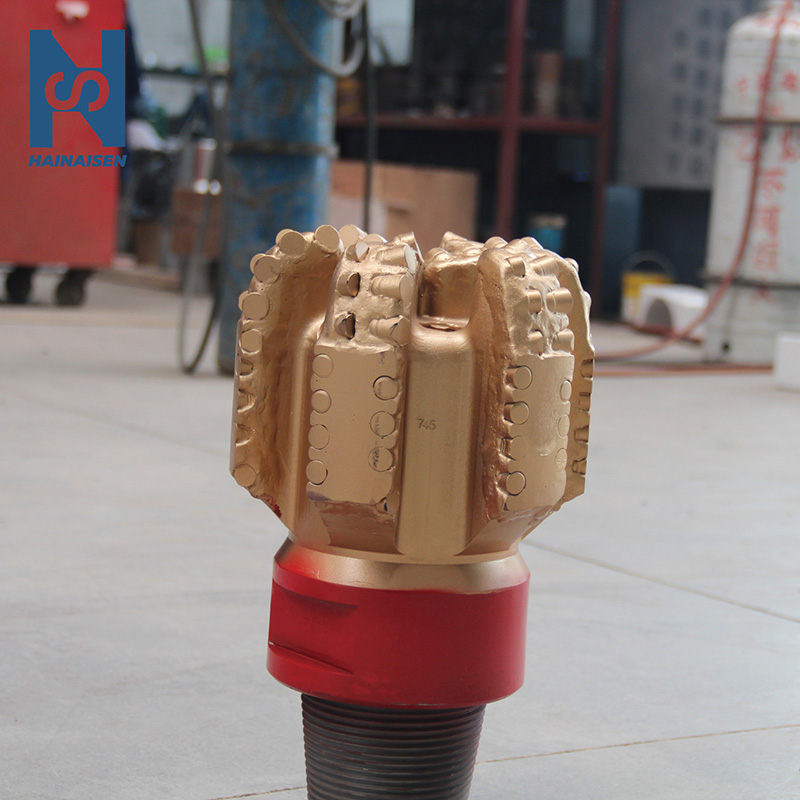
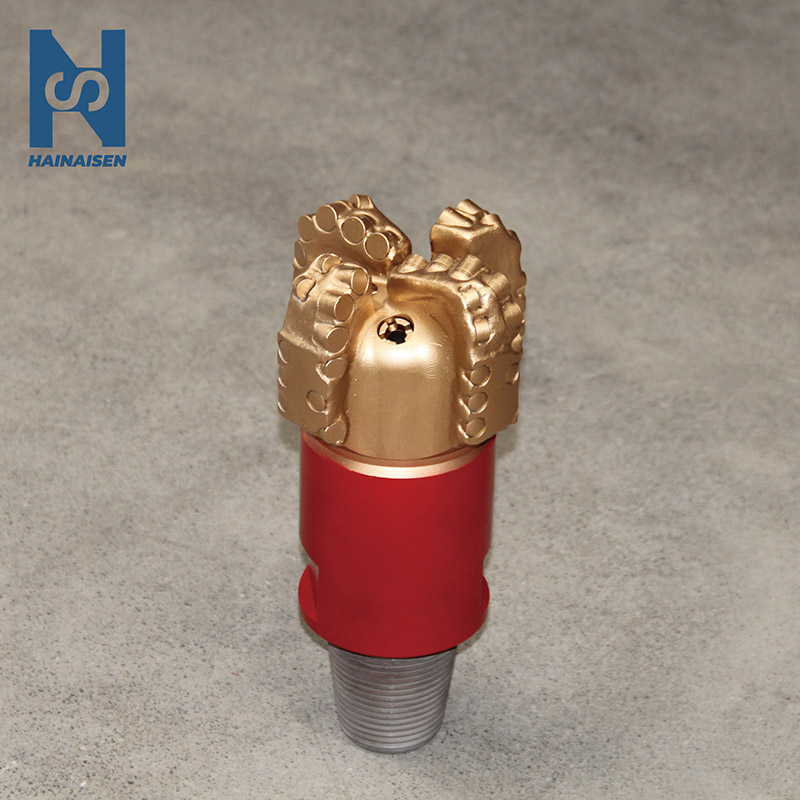
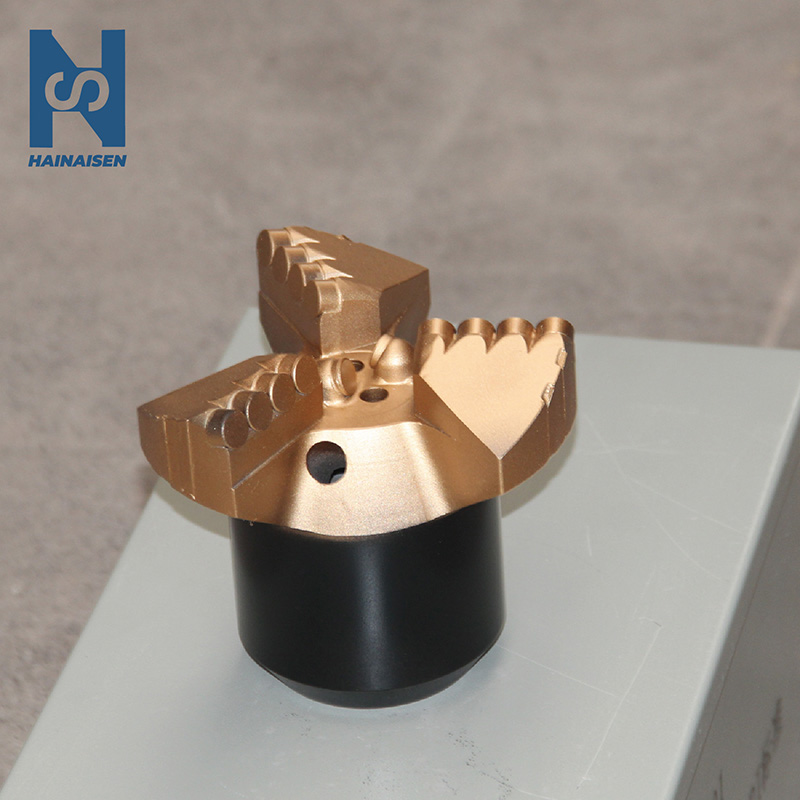
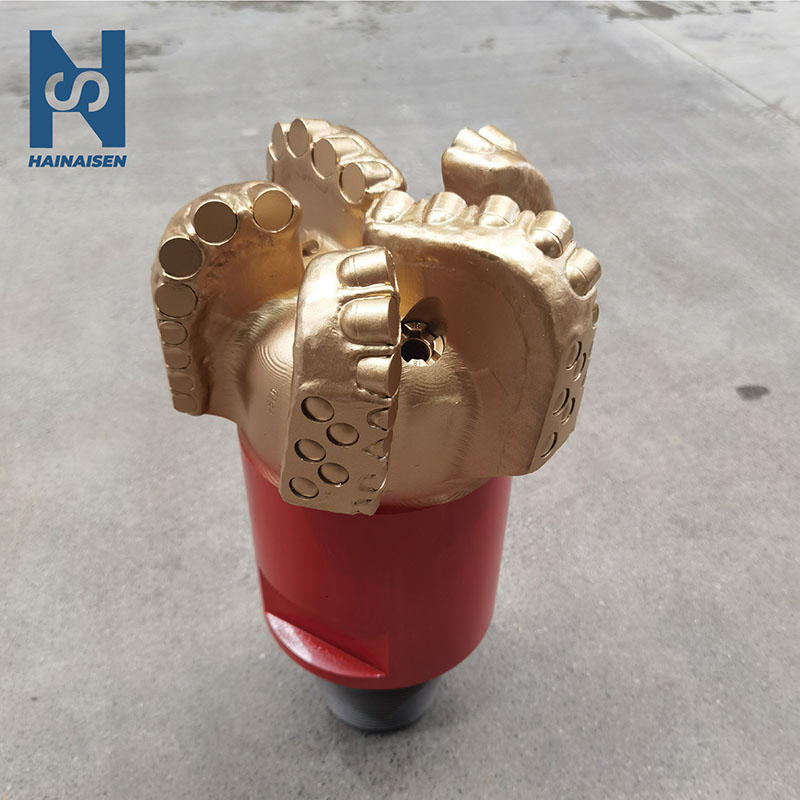
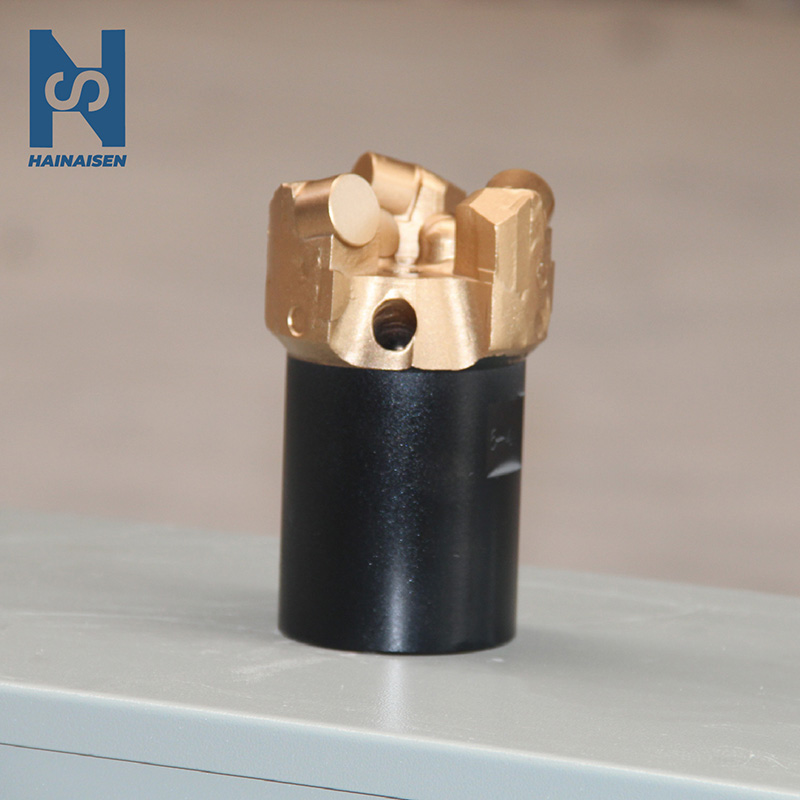
If you know how a PDC flat-top drill bit works, you can avoid costly downtime and still get a good drilling job done. This 94mm PDC Flat Top Sintered Drill Bit has a unique design that blends a strong bit body with high-performance polycrystalline diamond compact cutters organised in a flat top shape. This style cuts through rock layers instead of crushing them, which lowers wear and increases penetration rates. Under high pressure and heat, the sintering process joins diamond particles with a carbide substrate. This makes cutting elements that can handle rough surfaces better than other options. Let me show you the main parts of these bits' structures and how they are cut to make them necessary for current drilling jobs.
Understanding the Core Structure of PDC Flat Top Drill Bits
The Bit Body Foundation
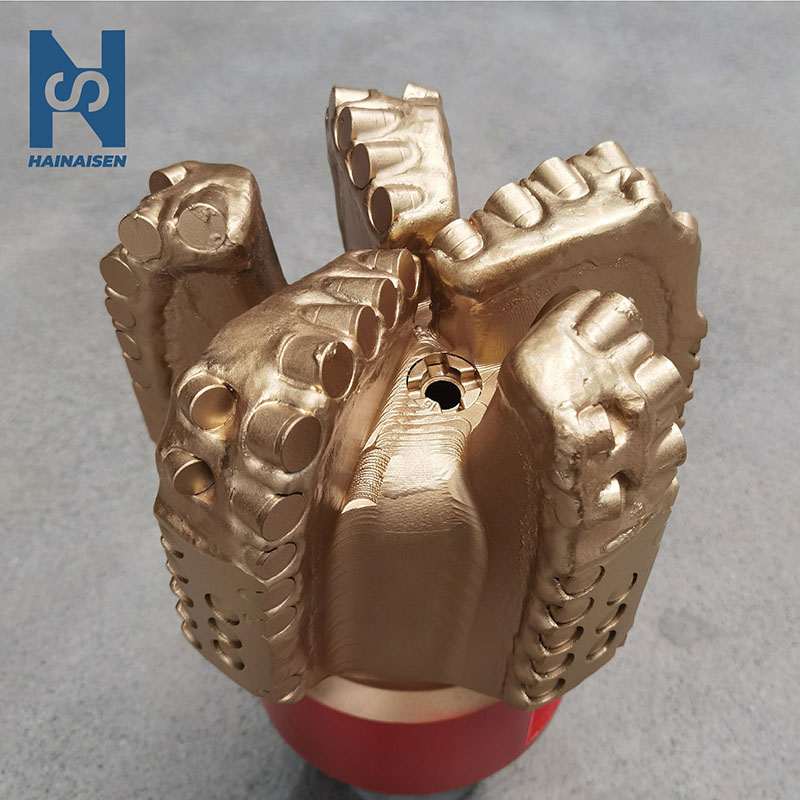
Any PDC drill bit has a bit body that holds it together, and the 94 mm PDC Flat Top Sintered Drill Bit is no different. The bit bodies we make are made from a tungsten carbide material that gives them a great strength-to-weight ratio and the longevity needed in tough drilling conditions. The design of the body includes carefully placed junk holes that let cuttings escape quickly. This stops bit balling and keeps the cutters in contact with the formation. The matrix is made up of improved binding materials that make it more thermally stable. This lets the bit work well in the hot conditions that are common in deep-well drilling.
PDC Cutter Configuration and Placement
The shape of the flat top cutter is a big step forward in PDC technology. Flat-top cutters have a larger contact area with the formation than bevelled or curved cutters. This means that wear is spread more widely across the diamond table. We use computer-aided design modelling to place these cuts so that the cutting structure is best for the expected formation traits. Through the sintering process, a polycrystalline diamond layer is attached to a tungsten carbide base to make up each cutter. The placement of the cutters follows specific patterns that strike a balance between being bold and stable. This keeps the bit in control of its direction while increasing its rate of entry.
Sintered Material Advantages
At HNS, we use the sintering process to join metal parts together in a way that mechanical bonding just can't match. We heat the structure to more than 1,400 degrees Celsius and apply pressures higher than 5 gigapascals during sintering. This makes the materials join together at the molecular level. When compared to brazed options, this method makes cutting elements that are more resistant to wear and better at conducting heat. The sintered design also gets rid of places where brazed cuts could break away from the bit body when it's under stress, which is very helpful when digging through unstable rock formations.
How the Flat Top Cutting Mechanism Works?
Shearing Action vs. Crushing Action
Normal roller cone bits use compression force to break up rock into small pieces that require a lot of energy to make. The slicing action used by the flat top PDC cutting device makes it work very differently. As the bit turns and weight is put on it, the flat-top cutters' sharp diamond edges cut through the formation, making bigger chips that are easier to remove. This cutting action uses less energy per unit of rock removed, which means the bit body wears down less quickly and more rock is removed. The shearing action stays the same throughout the cutter's life, even as the diamond table wears down. This makes the performance more reliable than with cutters that have angled shapes, which lose their effectiveness over time.
Load Distribution and Wear Patterns
When cutting, the flat-top shape spreads the force over a bigger area than the pointed or bevelled options. Each cutter on a 94 mm PDC Flat Top Sintered Drill Bit touches the rock face with its whole diamond table surface when it drills into it. This spread-outness lowers the highest levels of stress that lead to early cutter failure in rough formations. In the field, we've seen that flat-top cuts wear more evenly than bevelled designs in similar settings, which increases their useful life by 20 to 35 per cent. Because it wears evenly, the bit keeps cutting efficiently for longer, which means it doesn't trip as often and doesn't waste as much time not being useful.
Thermal Management During Cutting
The pressure between the cutters and the rock during drilling makes a lot of heat. Our PDC cuts are good at moving heat into the bit body and drilling fluid, which helps get rid of the heat. The flat top design actually helps with thermal management by making the most of the contact area between the formation and the flow of cooling fluid. Our high-tech glue materials make the material more thermally stable, so it doesn't break down when diamond cuts reach certain temperatures. The sintered structure creates continuous thermal paths from the cutting surface to the bit body through the tungsten carbide base. This keeps the cutter's integrity even when drilling at high speeds.
Performance Comparison: Flat Top vs. Alternative Drill Bits
PDC Flat-Top vs. Tungsten Carbide Bits
For many years, tungsten carbide insert bits have been used in drilling, but the 94 mm PDC Flat Top Sintered Drill Bit is better in most situations. Tungsten carbide bits work by crushing things, and they wear out much more quickly in rough materials, usually needing to be replaced after 30 to 50 hours of use. In the same conditions, our PDC flat-top bits usually last between 200 and 400 hours, which greatly lowers the cost of the bit per metre bored. Polycrystalline diamond is more durable than other materials, which makes up for its higher starting cost. This is especially helpful for water well drilling teams and coal mining companies that have to make decisions based on budgets.
PDC Flat Top vs. Bevelled PDC Designs
When we talk about flat top and angled PDC Bits, we're really talking about how active they are versus how long they last. Bevelled cutters have a sharper cutting edge at the start, which means they can get deeper into soft to medium-hard forms more quickly. But because it is more active, it wears down faster, especially in structures with hard stringers that are buried in them. The flat top design we make gives up some initial aggression in exchange for much better longevity and more consistent performance across a range of formation hardnesses. When technical engineers are choosing bits, they should keep in mind that flat top designs have more stable penetration rates over the course of their useful life, while angled bits may start out faster but slow down more dramatically as they wear.
Operational Lifespan and Maintenance Considerations
According to our quality control tests and data from the field, the 94 mm PDC flat-top drill bit, the Flat Top Sintered Drill Bit, can last much longer than other types by large amounts when they are used correctly. We've achieved single-bit runs longer than 3,000 metres in oil and gas uses where formation characteristics are well known and drilling settings are set to their best. Companies that mine coal like that, these flat-top drill bits don't need much upkeep besides being inspected and cleaned between runs. Because it is sintered, this flat top drill bit doesn't have problems with cutter retention like mechanically attached options do. This means that fixes and emergency bit changes don't have to happen as often, which saves time and money on projects.
Real-World Applications and Formation Suitability
Oil and Gas Drilling Operations
The oil industry needs drill bits that work reliably in tough formations, and our 94 mm PDC Flat Top Sintered Drill Bit does a great job in both vertical and directional drilling. When oil service companies use these bits to get shale gas, they report better economics because they cut down on bit trips and speed up digging times. With its stable directional features, the flat top form is perfect for horizontal wells. It keeps the wells on track and delivers good penetration rates. The thermal stability of our sintered construction makes it useful for deep-sea diving projects. It works reliably in the hot conditions found in deepwater rocks. Medium and big oil service businesses expect high quality, and this product's long lifespan meets those standards. This is why they invest in high-end drilling technology.
Mining and Geological Exploration
Some of the roughest rock forms in the drilling business are found in coal mines and by geological research teams. Sandstone and basalt rocks that are very siliceous and break down into regular bits quickly work well with the wear-resistant diamond cuts in our PDC flat-top design. When used in hard rock mining, the bit's performance shows the benefits of sintered construction. It kept cutting efficiently through thousands of metres of digging in tough circumstances. Geothermal well digging, which uses high temperatures and rough rock formations, is a great example of an application where our bits' thermal stability and wear resistance are very useful.
Water Well and Construction Applications
The 94mm PDC Flat Top Sintered Drill Bit gives water well drilling teams the price-to-performance mix they need. These teams are often small businesses with limited budgets. The starting cost is higher than with regular bits, but the longer operational life lowers the cost per metre drilled, which makes the job more profitable. These bits are good for horizontal directional drilling for installing utilities because they work consistently and stay in the same place. Operators of construction equipment like that because they can finish more projects before having to repair bits. This saves them money on supplies and time, which speeds up projects. Being able to work with both soft waste and harder bedrock with the same bit makes it easier to choose bits and cuts down on the need to keep large stocks of bits.
Strategic Procurement Considerations for B2B Buyers
Evaluating Supplier Credentials and Capabilities
Purchasing managers should check the producing skills and quality systems of suppliers when looking for a 94mm PDC flat top drill bit. The Shaanxi Hainaisen Petroleum Technology Co., Ltd. was founded in 2013 in Xi'an. It has a 3,500-square-metre building with modern production workshops and high-tech processing tools such as 5-axis machining centres, CNC machine tools, and welding production lines. We have strict quality control throughout the whole production process, from inspecting the raw materials to checking their full performance before they are shipped. Our focused research and development team focuses on designing custom bits that are technical solutions that are made to fit the features of the formation and the operating parameters. This engineering skill sets makers who can improve bit performance apart from simple resellers who sell generic goods.
Customisation Services and Technical Support
Standard bits don't always work best for drilling projects because each one has its own unique problems. We collaborate closely with technical experts to create unique bits that fit particular well profiles, rock properties, and drilling parameters. Our customisation services include changing the structure of the cutters to meet difficult direction needs, making changes to the hydraulics to work with certain mud systems, and changing the material to handle high temperatures or chemicals. This way of working together makes sure that procurement managers get bits that are designed for their specific running conditions instead of generic designs that don't work as well. The technical support goes beyond designing bits and includes practical suggestions that help drilling teams get the most out of their bits and get the best results from their work.
Cost Analysis and Volume Purchasing Strategies
To do good buying, you need to know more than just the initial purchase price. You need to know the total cost of ownership. Even though our 94mm PDC Flat Top Sintered Drill Bits are more expensive than basic options, they are worth it because they last longer and work better, so you only pay less per metre you drill. We have low-price systems for big purchases that help companies with long-term drilling plans make more money. For coal mine businesses like that, we can offer lower prices without lowering the quality standards that make sure the equipment works well. The ability to customise designs, quick service, and low-volume prices all work together to help procurement managers show decision-makers the value of their buying suggestions.
Making the Right Selection for Your Drilling Operation
To choose the best drill bit, you have to balance technical needs, the properties of the rock, and your budget. When technical experts compare bits, they should look at how hard the rock is, how abrasive it is, and the drilling factors. Our 94mm PDC Flat Top Sintered Drill Bit is very strong and doesn't wear down easily because it uses advanced sintering technology that makes the temperature more stable. The best placement of the knife improves drilling performance in a wide range of geological conditions, from soft sedimentary rock to hard crystalline rock. We back up everything with thorough quality control and testing processes that give purchasing managers the proof they need to back up their choices about what to buy. Our customisation services make sure that bits fit the needs of each project. This delivers the cost-effectiveness and efficiency that leads to long-term partnerships between suppliers and drilling businesses.
Conclusion
PDC flat top drill bits are a big step forward in technology over standard drilling tools because of how they are built and how they cut. Its strong construction and well-designed cutter shape make the 94 mm PDC Flat Top Sintered Drill Bit work exceptionally well in tough situations. The shearing action of flat top cutters removes rocks quickly and with little wear. Their sintered construction makes them effective in harsh, high-temperature settings. Understanding these structural and operational features is important whether you're drilling for oil and gas, mining, or water wells. It helps you make smart purchasing choices that increase drilling efficiency and lower operational costs.
FAQ
1. What are the primary advantages of PDC flat-top drill bits over traditional options?
When compared to roller cone and insert bits, PDC flat-top drill bits have a number of clear benefits. The polycrystalline diamond cuts are resistant to wear, which means they last 300–500% longer in normal rocks. This makes the cost of drilling a metre much lower. The flat-top geometry equally spreads cutting forces, so the bit's performance stays the same over its lifetime instead of dropping off quickly as most bits do. The shearing cutting action needs less energy than the breaking action of regular bits. This makes penetration rates better and cuts down on running costs. Our sintered design gets rid of worries about mechanical retention, giving you dependability that cuts down on time lost due to bit failures.
2. How long can I expect a 94mm PDC flat top sintered drill bit to last?
The operating lifespan depends a lot on the features of the formation, the drilling factors, and the way the operations are carried out. If you follow the right steps when drilling in soft to medium rocks, our 94mm PDC Flat Top Sintered Drill Bit usually lasts between 200 and 400 hours. Formations that are harder and rougher shorten their useful life, but they are still much better than traditional options. We have records of single-bit runs longer than 3,000 metres in oil and gas environments that were good for them. Depending on how rough the rock is, coal mine operations usually last between 150 and 300 hours. In mixed rocks, water wells are used about 200 to 500 metres per bit on average. Choosing the right drilling parameters and keeping up with upkeep can have a big effect on how long something lasts in your unique situation.
3. Can I order customised drill bits for specialised drilling requirements?
Of course. We have a research and development team whose only job is to make special bits that fit the needs of each drilling job. Our engineers work directly with your technical team to learn about the formation's properties, the well's profile, and the limits of its operation. They then build bits that are best for your unique needs. You can change things like the structure of the cutters to control the direction of the well, the hydraulics to work with certain mud systems, the bit bodies to fit odd well shapes, and the materials to handle harsh conditions. The customisation process usually takes two to four weeks, but it depends on how complicated it is. The minimum order quantity also changes depending on how much customisation is needed. Get in touch with our expert team to talk about your needs and get suggestions.
Partner with HNS for Superior 94mm PDC Flat Top Sintered Drill Bit Solutions
Are you ready to get better at drilling with quality 94mm PDC Flat Top Sintered Drill Bit technology? HNS is an expert at making high-performance drill bits that are backed by cutting-edge tech and strict quality control. Our experienced team has the technical knowledge and production skills to support your operations, whether you need standard specs or unique designs for hard formations. Get in touch to talk about your unique needs, ask for technical details, or get competitive prices on large orders. You can email us at hainaisen@hnsdrillbit.com to talk to a knowledgeable agent who will understand your drilling problems and be able to suggest the best answer for your needs.
References
1. Smith, J.R. & Williams, M.K. (2019). "Advanced PDC Cutter Technology in Modern Drilling Applications." Society of Petroleum Engineers Drilling Journal, Vol. 34, No. 2, pp. 145-162.
2. Chen, L., Anderson, P.T., & Kumar, S. (2020). "Comparative Performance Analysis of Flat Top and Beveled PDC Cutters in Abrasive Formations." International Journal of Rock Mechanics and Mining Sciences, Vol. 128, pp. 104-118.
3. Thompson, R.D. (2018). "Thermal Management in Polycrystalline Diamond Compact Drill Bits." Journal of Petroleum Technology, Vol. 70, No. 8, pp. 52-67.
4. Martinez, A.L. & Zhang, W. (2021). "Sintering Processes and Material Properties in PDC Manufacturing." Materials Science and Engineering Reports, Vol. 142, pp. 89-126.
5. O'Brien, K.P., Lee, H.S., & Patel, N.M. (2020). "Operational Lifespan Optimization of PDC Bits in Coal Mining Applications." Mining Engineering Journal, Vol. 72, No. 5, pp. 34-48.
6. Roberts, D.J. & Fischer, M.A. (2019). "Cost-Benefit Analysis of Premium Drill Bit Technology in Oil and Gas Operations." Energy Economics Review, Vol. 85, pp. 215-234.