







What to do about the short lifespan of PDC bits in heterogeneous formations (alternating soft and hard formations)?
PDC Bits don't last long in formations that go from soft to hard. To fix this, immediately focus on three things: matching the bit design to the formation, fixing the drilling settings, and using a bit structure that is more stable, such as a 6-wing PDC drill bit. When the rocks are mixed, the bit has to deal with quick changes in rock strength, impact loads, cutter overload, and uneven wear. That's why a lot of common bits chip, lose gauge, or slow down too soon. A design with six wings can be helpful because it spreads the weight more widely, makes the machine more stable, and keeps the cutting action more uniform on shale, limestone, sandstone, and other similar materials.
Content Overview Summary
People who look for this topic usually first want a quick answer, then proof, and finally a source they can trust. Based on typical SERP trends, the search purpose is mostly practical and business-related: why do PDC bits fail in mixed formations? How can a bit of life be extended? Which design works better? Where can I find a solid solution? That means the most useful material must clearly answer the practical problem, compare the choices, and use real-world criteria to help with procurement decisions.
PDC bit wear, mixed formation drilling, bit balling, cutter chipping, impact resistance, abrasion resistance, drilling parameters, weight on bit, RPM, hydraulics, cuttings removal, bit stability, hard stringers, interbedded formations, gauge protection, and customised drill bit design are some search terms and NLP themes that are related.
Understanding the Lifespan Challenges of PDC Bits in Alternating Soft and Hard Formations
Formations that change are hard on all bits. When the rock is soft, the cuts can go deeper, but when there is a hard streak, the impact force goes up quickly. That quick change can damage cutters, make them shake, and wear the bit out unevenly. I see this a lot in shale and limestone that are mixed together or in sandstone that has harder stringers. The bit may drill quickly for a short time, but as damage to the cutter grows, it will lose its effectiveness.
Why do conventional designs struggle?
In more uniform layers, traditional PDC patterns can work well, but when there is a mix of rocks, things get tricky. The bit doesn't just cut; it's always changing based on the abrasiveness and compression strength. The cuts on some blades take on too much weight if the framework is not stable. That leads to wear in certain areas, broken cuts, and a slower rate of entry.
For a plan to work better, it must:
- resistance to wear in harder layers
- Taking in shocks during changes in hardness, cutting a shape that stays effective without putting too much stress on individual cuts
These problems are fixed by the 6-wing PDC drill bit, which makes the blade stronger and spreads the force over a larger cutting area. That can lower vibrations and make things more stable in one way, especially if the whole part has a lot of soft-to-hard changes.
What would the featured snippet answer highlight?
To make PDC bits last longer in heterogeneous formations, I would use a more stable bit design like a 6-wing PDC bit; make sure the bit's RPM and weight are optimised; make sure the hydraulics work better for cooling and removal of cuttings; check the bits often; and choose the cutter materials and layouts based on the formation sequence.
Comparing 6 Wings PDC Drill Bits with Other Designs for Mixed-Formation Performance
When buying teams compare 4, 5, and 6 wing designs, including the 6-wing PDC drill bit, they generally look at how long they last, how fast they drill, how stable they are, and how much they cost per metre. In mixed groups, these factors have a direct effect on the number of blades and where the cutters are placed.
How do 6 wings improve coverage and stability?
A bit with six wings makes more contact with the cutting structure and spreads the load out better than bits with fewer wings. That's important when the shape changes quickly. Having more wings can help make drilling easier, lower the whirl, and keep the quality of the holes. This is very helpful for drilling for oil and gas, coalbed methane, geothermal energy, water wells, explorers of minerals and mines, and HDD.
This is how I explain the importance to people who make decisions:
- A 4-wing design might be better at cutting aggressively in some places and more gently in others, but it can put more stress on fewer blades. In interbedded zones, this can make contact damage from the cutting worse and shorten the life of the bit. A 5-wing design usually makes the balance better, but a 6-wing structure can go even further by making the structure more stable, cutting more material, and being less likely to wear unevenly when the bit moves back and forth between soft and hard bands.
- A 6 Wings PDC Drill Bit is often better for people who need long-term performance rather than just a high short-term entry rate. The bigger cutting network makes it easier to control vibrations and lets the runs go for longer. For shale, limestone, sandstone, gypsum, and other medium-hard, low-compressive-strength rocks, HAINAISEN recommends working parameters of 60–250 R/min, 20–110 KN drilling pressure, and 30–40 LPS flow rate. This gives engineering teams a useful range of parameters to work with.
Choosing the right model for the job
Each six-wing bit should look different. The final choice is based on the formation structure, the drilling method, and the budget. Technical experts and purchasing managers often ask if the bit can be changed in terms of the cutter size, blade profile, hydraulics, and gauge safety.
Customisation is a big part of what HAINAISEN has to offer. Their engineering team works with customers to make sure that their goods are suitable for the rocks and circumstances in which they will be used. In business-to-business sales, that's important because a bit that works best in one area or type of rock might not work as well in another.
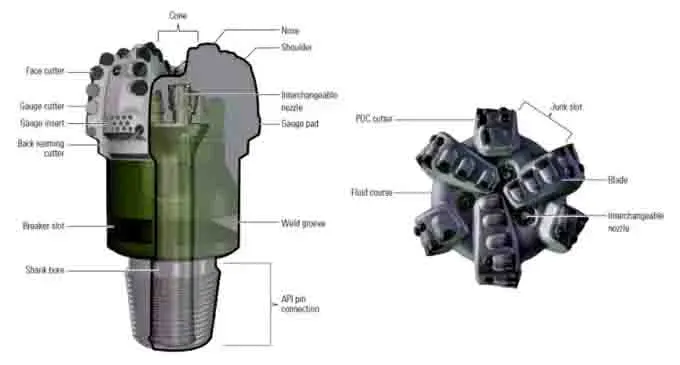
Optimisation Strategies to Maximise 6-Wing PDC Drill Bit Lifespan
Even the best bit designs need to be used in the field a lot. From what I've seen, a lot of problems with BitLife are caused by differences between how they were designed and how they are used.
Parameter control that protects cutters
RPM, bit weight, and flow rate are the main settings. Hard strings can get hot and chip faster if the RPM is too high. Impact loading goes up if the bit weight is too high in mixed areas. Poor mud flow means that blades stay under the bit and have to be cut again, which increases heat and wear.
To get a better life from a 6-wing PDC drill bit, I recommend the following:
- staying within the bit's working range and making changes based on how it reacts to vibrations
- As you move from soft to hard intervals, keep an eye on how the power changes.
- Making sure the hydraulics are strong enough to clean and cool
- using digging data in real time to find problems early
Maintenance and repair practices
In industrial drilling, routine care is still important. The bit needs to be cleaned and checked for cutter chipping, gauge wear, tip blockage, and blade corrosion after each run. If you fix a problem as soon as possible, it won't get worse and fail on your next trip.
The material package also plays a major role. HAINAISEN's 6-wing bits are made with a strong body made of high-quality steel, cutting edges made of modern PDC cutters, and a wear-resistant matrix made of tungsten carbide. When friction and pressure are important, these choices of materials help the service last longer.
Why do hydraulics and manufacturing quality matter?
When buying teams compare 4, 5, and 6 wing designs, including the 6-wing PDC drill bit, they generally look at how long they last, how fast they drill, how stable they are, and how much they cost per metre for types of drill bits roller cone pdc diamond, PDC, and diamond. In mixed groups, these factors have a direct effect on the number of blades and where the cutters are placed.
Quality control is another trust factor for buyers. HAINAISEN uses high-tech tools to make sure their products are precise; they check every step of the production process, and they follow all the rules set by the international industry. That's important when review times are long, and customers expect the same level of service for multiple orders.
Procurement and Supply Considerations for 6 Wings PDC Drill Bits
When getting things for business, the lowest unit price doesn't always tell the whole story. Buying managers care more about how much it costs per metre, how reliable the supply is, how fast the seller can act if the shape changes, and how good the technical support is.
What buyers should verify before ordering?
If you want to find a good provider, you should look at how well they do four things: manufacturing, customisation, quality control, and expert help after the sale. A trustworthy partner should be able to go into great depth about the cutter layout, body material, hydraulics, and how the 6-wing PDC drill bit is supposed to react.
Shaanxi Hainaisen Petroleum Technology Co., Ltd. was established in Xi’an in 2013. The company specialises in the research and development, production, and sales of diamond drill bits, PDC drill bits, and drilling tools, while also providing integrated technical solutions. Its products are used in oil and gas extraction, coal mining, geological and hydrological surveying, and engineering machinery. The company operates a 3,500 m² facility with modern production workshops and advanced industry equipment, including 5-axis machining centres, CNC machine tools, and welding production lines. It also has a dedicated R&D team and a custom bit design department to meet different structural drill bit needs.
Balancing price, lead time, and long-term value
Buyers have different needs and wants. Before accepting a supplier, big oil service companies often do a thorough study of their qualifications and quality control. Companies that mine coal might look for the best mix between price and efficiency. When digging water wells, teams often need to get things done quickly and in a useful way. A supplier with both standard and custom choices can better meet the needs of all of these buying methods.
Future Trends and Innovations Improving PDC Bit Lifespan in Complex Formations
Materials, data, and better design will bring about the next wave of progress. Bit makers are putting more effort into making ultra-hard cutters, structures that can handle both shock and wear, and technologies that can handle more heat.
What is changing in the market?
I think mixed-formation drilling will follow three trends: types of drill bits roller cone pdc diamond PDC drill bits.
- It will be better to use smart tracking. Signals for sound, torque, and temperature that are sent in real time can help drilling teams make changes before the cutter breaks. That means fewer unexpected trips and better use of bits.
- The materials will keep getting better. In hard-to-soft changes where both temperature and impact loads rise, longer useful life can be gained by making cutter tables stronger, better bonding, and surfaces that don't wear down as easily.
- It will be normal to customise things. A general-purpose tool isn't what most buyers want. Instead, they want a bit that is made just for their basin, rig programme, and goal interval. This is where a company that does a lot of research and development and has full control over production stands out.
Conclusion
Smarter bit choice, better drilling control, and a provider that can match design to rock are the best ways to deal with short PDC bit life in heterogeneous formations. In parts that go from soft to hard, a 6-wing PDC drill bit can help with steadiness, load distribution, cooling, and wear resistance. Teams can cut down on trips, get better cost per metre, and drill with more confidence in tough patterns when the design is backed by strong materials, real quality control, and modification support.
FAQ
1. How does a 6-wing PDC bit help in alternating soft and hard formations?
It makes the machine more stable, cuts down on uneven wear and shaking, and spreads the cutting load across more blades as the rock hardness changes.
2. What operating parameters should I watch most closely?
Most of the changes in cutting temperature, contact stress, and cleaning efficiency are caused by RPM, drilling pressure or bit weight, and flow rate. Based on the situation, HAINAISEN suggests 60–250 R/min, 20–110 KN, and 30–40 LPS.
3. Can a 6-wing PDC drill bit be customised for my formation?
Yes, HAINAISEN can make setups for the cutting structure, materials, and hydraulics that are unique to each geological formation and drilling situation.
4. Which applications are suitable for this bit type?
People use these bits to look for and get oil and gas, drill for coal bed methane, make geothermal wells and water wells, look for minerals and mines, and do horizontal directional drilling.
Partner with HNS for Superior 6 Wings PDC Drill Bit Solutions
If you are looking for a reliable 6 Wings PDC Drill Bit Manufacturer, supplier, or 6 Wings PDC Drill Bit for sale, HNS is ready to help. I think you should get in touch with them to talk about your rock description, drilling parameters, and needs for customization. You can email the HNS team at hainaisen@hnsdrillbit.com to get professional help, information about their products, or a quote that is specific to your job.
References
1. Baker Hughes, Drill Bit Classification and Dull Grading Manual
2. SPE Drilling & Completion Journal, studies on PDC bit performance in interbedded formations
3. Halliburton, Drill Bits and Downhole Tools Technical Publications
4. Schlumberger, Drilling Engineering Manual
5. John C. Jaeger, N. G. W. Cook, and Robert Zimmerman, Fundamentals of Rock Mechanics
6. Aadnøy, B. S., Modern Well Design
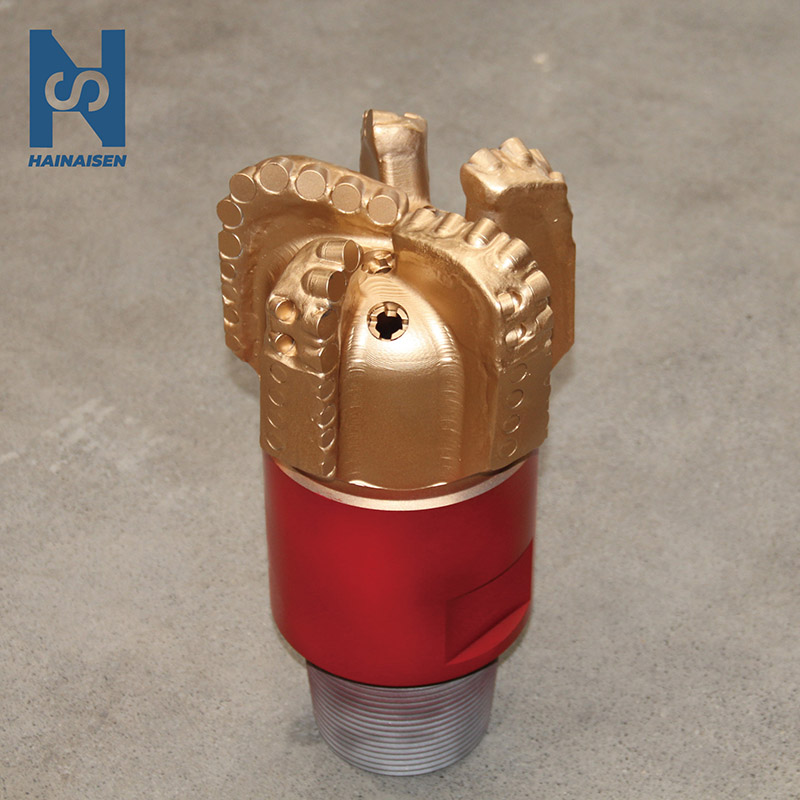 VIEW MOREFive Blades Oil Well Drill Head
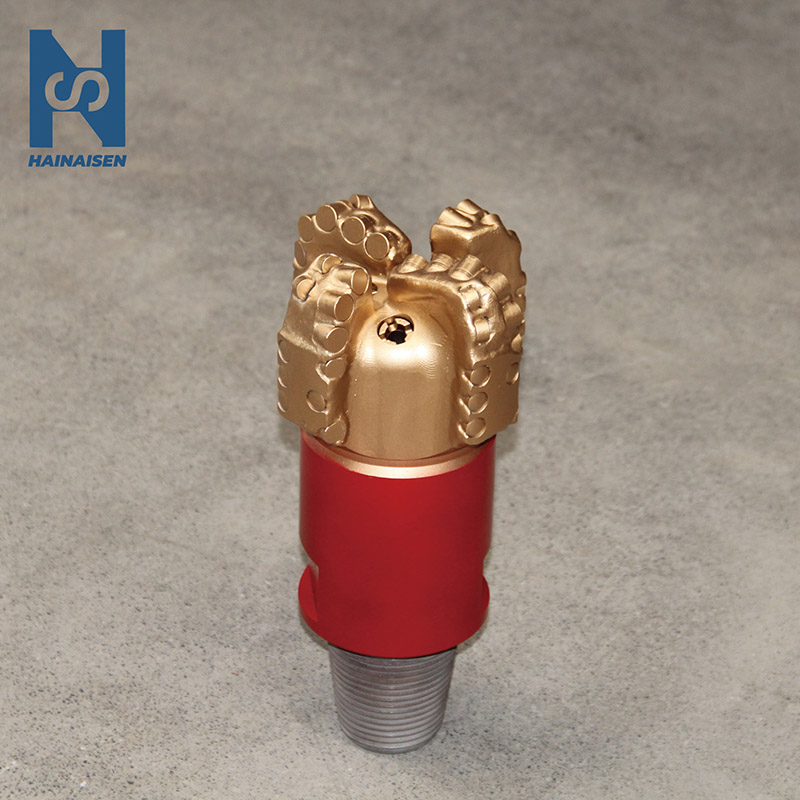 VIEW MOREFour Blade Wing Oil Drilling Tool
logo 2_1777361643767.jpg) VIEW MORE94mm Four Wing Arc Angle Drill Bit
VIEW MORE94mm Four Wing Arc Angle Drill Bit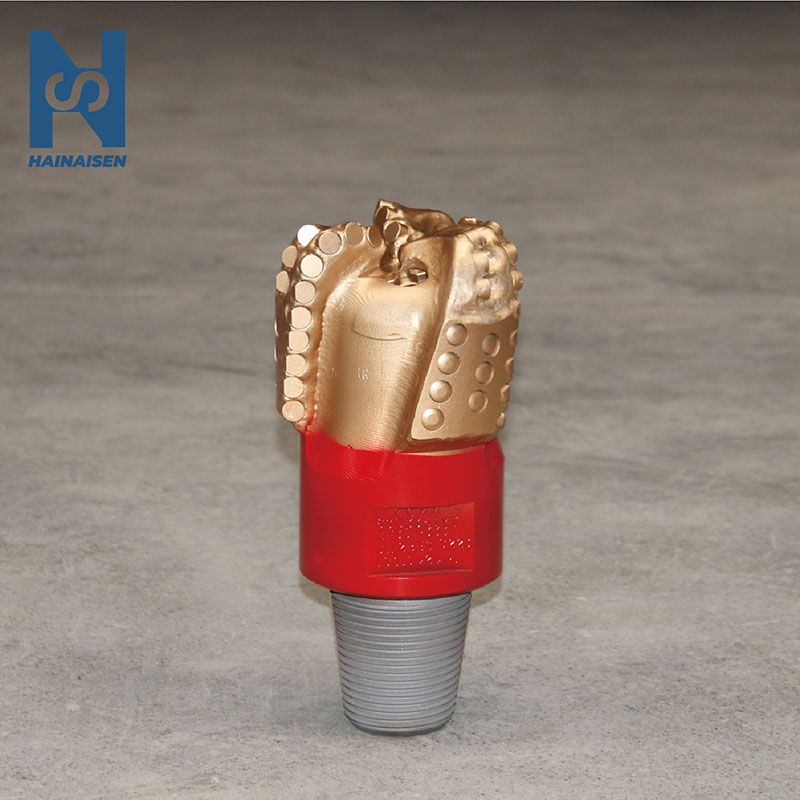 VIEW MOREThree Blade PDC Tricone Drill Bit
 VIEW MORE5 Blade Matrix Body PDC Drill Bits
 VIEW MORE3 Blades PDC Rock Bit
 VIEW MOREFive Blade PDC Drill Bit
logo 2_1777360600432.jpg) VIEW MORECoal Mine Drilling Drill Bit Directional Three Blade PDC Drill Bit
VIEW MORECoal Mine Drilling Drill Bit Directional Three Blade PDC Drill Bit
