







How can concave drill bits avoid getting stuck when encountering "cavities" or "fracture zones"?
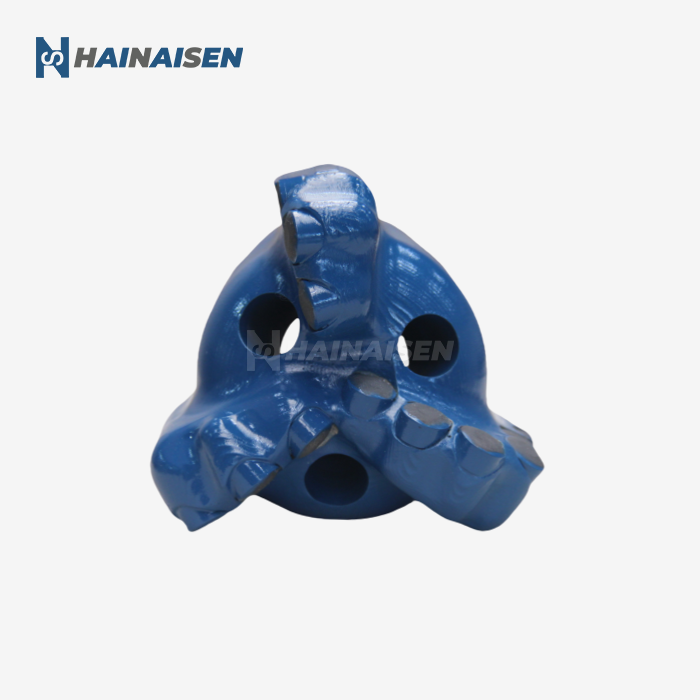
A 153 mm PDC concave bit makes the bit more stable, lessens rapid sideways movement, and better clears cuttings as the hole goes through broken or void forms. This keeps the bit from getting stuck in holes or fracture zones. It seems like both the plan and the digging are wrong here. When the bit face is curved, the layout of the cutters, the flow of hydraulic fluid, and the pattern of contact all work together to keep the bit moving more smoothly through loose rock. That makes it less likely for the machine to get stuck in broken ground due to jamming, packing off, and shaking. When drilling in the real world, using the right bit design for the job and keeping it in good shape can protect uptime and lower the overall cost of the project.
Understanding the Problem: Why Do Drill Bits Get Stuck in Cavities and Fracture Zones?
People who search for this topic are mostly interested in one thing: customers and drilling teams want a bit that can keep digging in unstable rocks without having to stop, which would cost a lot of money. So, the answer has to go beyond theory and deal with real-world risks in the field, such as cut-offs getting stuck, lost circulation, bit balling, shaking, and mechanical sticking.
What makes cavities and fracture zones so difficult?
The cavities and crack zones are not all the same size. In a short distance, the bit can go from solid rock to broken formations, open holes, or areas with a lot of cracks. That makes the bit's weight change quickly, makes torque less reliable, and lets the bit drop, bounce, or get stuck. This uncertain change often makes perfect conditions for sticking to happen.
During these times, cuts might not come out fully. They may gather around the bit's face or along the bottom of the hole. If circulation doesn't work as well, the bit can wear out, stop cutting, and pack off. In the worst situations, the cutting unit might not be able to move.
Common sticking mechanisms in unstable formations
Most of the time, mechanical jams, bad hole cleaning, and too much shaking are to blame. Differential pressure sticking is another issue that can happen, especially when the bit or assembly stays in touch with an uneven hollow wall for a long time. When the shape changes quickly, standard flat-face bits might not be able to stay in the middle. This lack of support can make whirl and cutting damage worse.
This is important for procurement managers and technical workers because each stuck part causes more problems than just trouble with repairs. It changes the time it takes to do the job, how much it costs to repair, and when deliveries are made.
Key Features of the 153mm PDC Concave Bit to Prevent Sticking
When you drill, a well-designed concave bit stops the exact actions that cause sticking. Because of this, the 153mm PDC Concave Bit is now a useful tool for oil and gas work, coal mining, water well drilling, geothermal drilling, and geological research.
A concave profile improves stability and control.
The bit stays more smoothly engaged as it goes through broken or empty patterns because of the concave face. It doesn't tend to respond quickly to changes in the shape; instead, it spreads touch more evenly across the cutting structure. That makes the direction more stable and stops the bottom of the hole from moving all over the place.
This is important in areas that are likely to get cavities because stability lowers the risk of quick bite wedging. It also helps keep the rate of entry more stable when the quality of the creation changes.
PDC cutters and hydraulics support cleaner drilling.
The high-strength steel body of our bit is surrounded by premium-grade polycrystalline diamond compact blades. In tough situations, that mix of materials gives it strong resistance to wear and good cutting action. The plan of the cutter is made to allow for fast entry while keeping the structure's integrity.
It's also important to know about hydraulics. Cuttings are swept off the bit face before they can build up and cause a jam when the flow of fluid is optimised. Better removal of cuttings lowers the risk of pack-off and helps make drilling through fracture zones easier, even though moving debris through these areas isn't always predicted.
Why do buyers choose our 153 mm PDC concave bit?
I think that efficiency and stability are the most important things for B2B buyers. Our answer is based on both of these:
- Superior cutting efficiency for faster penetration rates means that teams can move more quickly through hard and risky areas. In broken layers, it is very important to be able to keep cutting rock well while lowering bit bounce. It's not just about speed when you want to drill faster. It helps service companies and managers who are in charge of multiple wells or boreholes cut down on wasted time, lowers the cost of drilling by the metre, and improves the project schedule.
- Enhanced durability with wear-resistant materials, optimised hydraulics for improved cuttings removal, a customisable design for specific formation needs, and rigorous quality control and testing all work together to lower operating risk. Computer-aided design and modelling, precise manufacturing, testing for balance, runout, and structural stability, as well as field performance analysis, all help each bit work better. When buying, teams know more about service life, repeatability, and lifetime value, they are more likely to buy it.
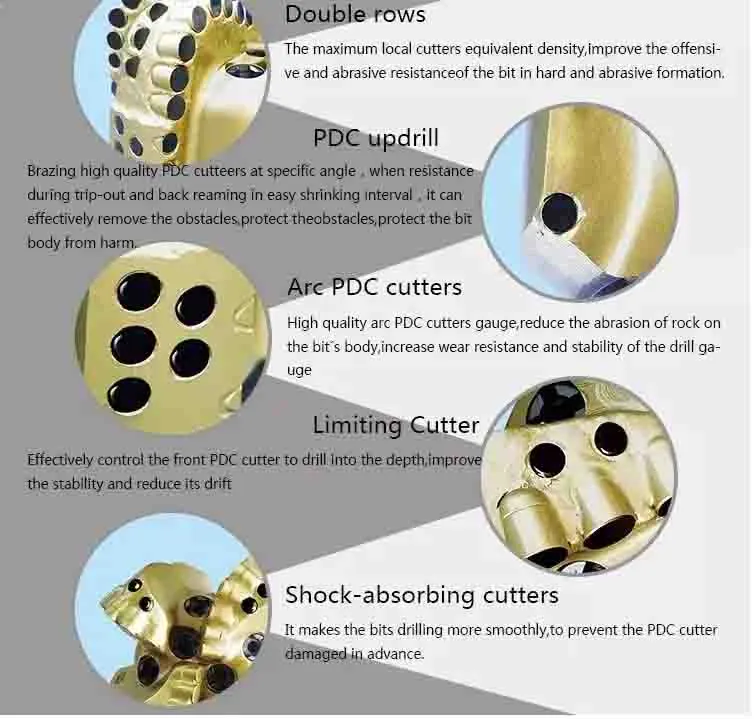
How 153 mm PDC Concave Bits Outperform Other Drill Bits in Difficult Formations?
When it comes to broken intervals, a 153 mm PDC concave bit often provides better bottom-hole security than some standard flat PDC Bits or roller cone designs. Roller cone bits can work well in many forms, but they have moving parts that can wear out quickly in rough circumstances. A fixed-cutter PDC system gets rid of that mechanical mess and can provide better cutting action.
Better than standard flat or conventional designs in broken ground
The 153mm size, which is about 6 Inches, works well for many boring jobs that need to be controlled well and go deep quickly. The curved shape of the bit makes it easier to move through broken layers in unstable patterns than designs that are more likely to chatter or grab.
Performance benefits that matter to B2B buyers
When purchasing tools, people normally look at how much they cost per metre, how long they last, how long the waiting time is, and how reliable they are in the field. That's what makes this part stand out. It helps with:
- Drilling deep wells in hard rock
- Drilling both horizontally and vertically
- Drilling operations at sea
- Getting gas from coal beds
- Looking for minerals
- Drilling hard rock
- Large water wells with a diameter
- The drilling of geothermal wells
- Exploration of aquifers
- Drilling for foundations on large buildings
- Soil samples and getting back cores
For medium and big oil service businesses, hard-to-get-into and long trial times are common. It's more likely that someone will buy a concave bit that works well even in tough conditions after trying it out as a sample. Teams that mine coal or drill water wells can make decisions faster if they have accurate depth and fair costs.
Practical Maintenance and Handling Tips for 153mm PDC Concave Bits
You need to take good care of even the best designs. How well something works in the field depends on how well it is handled before, during, and after digging.
Inspection and cleaning practices that extend service life
After every run, you should check the bit face for wear, body damage, tip condition, and cutter wear. Cuttings that build up around the face or rivers make the hydraulics less effective, and on the next interval, the risk of getting stuck goes up. Before using it again, make sure the bit is clean and there is no secret damage.
Storage is also important. To avoid damaging the cutter by mistake while being transported or handled on the rig site, keep the bits dry, safe, and organised. A broken cutting plan can make the hole less stable and change how the load is distributed.
Work with a supplier that supports long-term performance.
Suppliers should do more than just ship goods. Customers can pick the best bit profile, blade setup, and cutter arrangement for each type of rock with the help of strong expert support. Customer service is an important part of HNS. The way a rock behaves changes depending on the drilling project. A customised design can make drilling more efficient and save money.
Shaanxi Hainaisen Petroleum Technology Co., Ltd. was established in Xi'an in 2013. We specialise in the research and development, production, and sales of various diamond drill bits, PDC drill bits, and drilling tools, and we provide integrated technical solutions. Our products serve oil and gas extraction, coal mining, geological and hydrological surveying, and engineering machinery. Our 3,500 m² facility includes modern production workshops and advanced equipment such as 5-axis machining centres, CNC machine tools, and welding production lines. We also have a research and development team whose only job is to make unique bits for people who need them for different uses.
Procurement Insights: How to Source the Right 153mm PDC Concave Drill Bits?
If I were looking for this product for a tough drilling project, I would check how well the seller could do four things: quality control, customisation, on-time delivery, and expert support. Certifications and review processes are important, but so is being able to deal with real problems in the group. A seller must know about rock that is prone to cavities, broken layers, hole cleaning needs, and wear patterns.
What purchasing managers and engineers should evaluate?
Find out about tests in the field, checking the balance, checking the runout, the quality of the steel body, choosing the cutter grade, and the experience with customisation. These factors have a bigger effect on the total value than on the price per unit.
How does search intent turn into buying action?
People who search for this topic on Google usually go in a clear order: first, they ask how to keep bits from sticking, then they compare bit types, and finally, they look for a reliable 153mm PDC concave bit maker or provider. To make a choice, the process starts with understanding the problem, then moves on to expert review, and finally to shortlisting vendors.
At every step, a good buying partner is there to help. HNS helps with that process by providing customised bit solutions, output capacity, and useful advice based on the drilling application. This is true whether the project is for mining, oil and gas research, water wells, geothermal drilling, geotechnical engineering, or geothermal drilling.
Conclusion
A concave drill bit keeps you from getting stuck in cracks and holes by making the bit more stable, helping the chips move out better, and reducing the irregular movement that often leads to jams in broken forms. The 153mm PDC Concave Bit has all of these benefits plus long-lasting PDC cuts, better hydraulics, and design choices that can be changed to fit your needs. Picking the right bit design is more than just buying tools for people who care about efficiency, service life, and reliable drilling performance. When quality control, technical support, and application fit all work together well, drilling teams can cut down on downtime and make the project more cost-effective as a whole.
FAQ
1. Why does a concave bit perform better in fracture zones?
A concave bit face helps the bit stay in contact with rough rock surfaces more steadily. That makes the drilling more stable and reduces the chance of quick grabbing, bouncing, or building of cuttings. In areas where there are cracks, this can lower the chance of sticking and help with more controlled entry.
2. How often should I inspect a 153 mm PDC Concave Bit?
I think it's important to check after every run, especially when drilling through weak rock. Check the cuts, rivers, nozzles, and body wear for damage. Early review keeps you from using a broken 153mm PDC concave bit again, which could stick or drill less efficiently.
3. Can the bit be customised for different formations?
Yes. When geography is different from one job to the next, customisation is often the best option. The cost-effectiveness and drilling performance can be improved by changing the cutter plan, hydraulic design, and structural features to meet the hardness, abrasiveness, and fracture behaviour of the formation.
Partner with HNS for Superior 153mm PDC Concave Bit Solutions
Need a 153mm PDC Concave Bit source you can count on for tough formations? HNS can help you pick the best option for your drilling job or make one just for you. Email our team at hainaisen@hnsdrillbit.com for technical help, information about our products, or a quote. We can help you with your next project if you need a reliable 153mm PDC Concave Bit maker or bits for sale.
References
1. SPE Drilling Engineering Handbook, Society of Petroleum Engineers
2. Bourgoyne, Millheim, Chenevert, Young Jr., Applied Drilling Engineering
3. Rabia, H., Well Engineering and Construction
4. Aadnoy, Chenevert, Bradley, Advanced Drilling and Well Technology
5. Mitchell, R.F. and Miska, S.Z., Fundamentals of Drilling Engineering
6. API Recommended Practice 7G, Drill Stem Design and Operating Limits
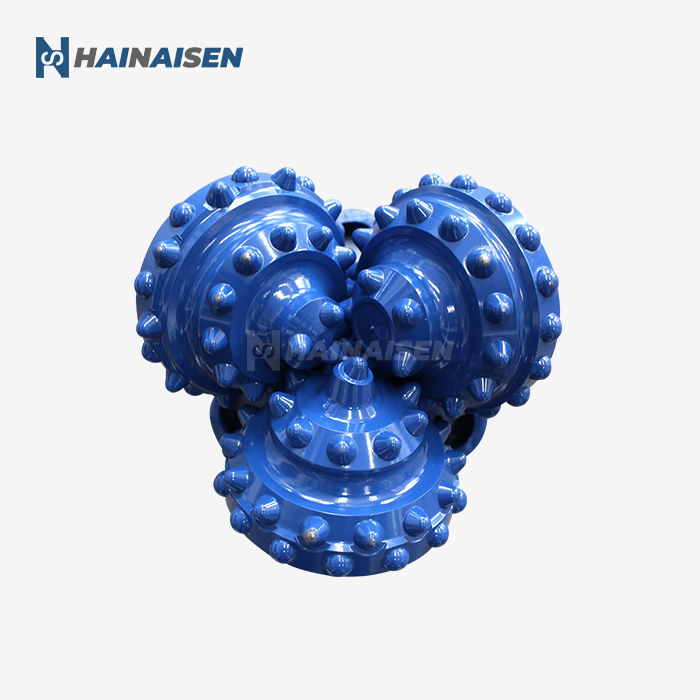 VIEW MORESteel Tooth Bit
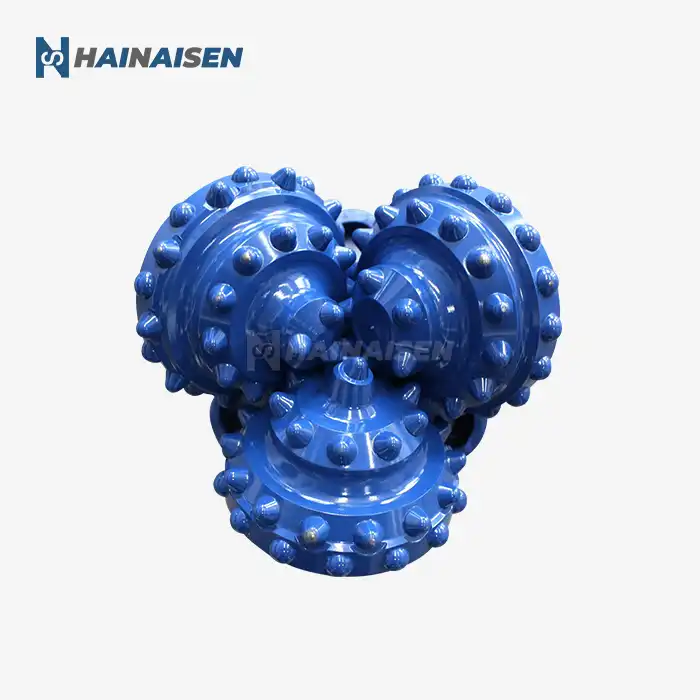 VIEW MORE5 1/2 Inch IADC 537 Tricone Rock Bit for Medium-Hard Formations
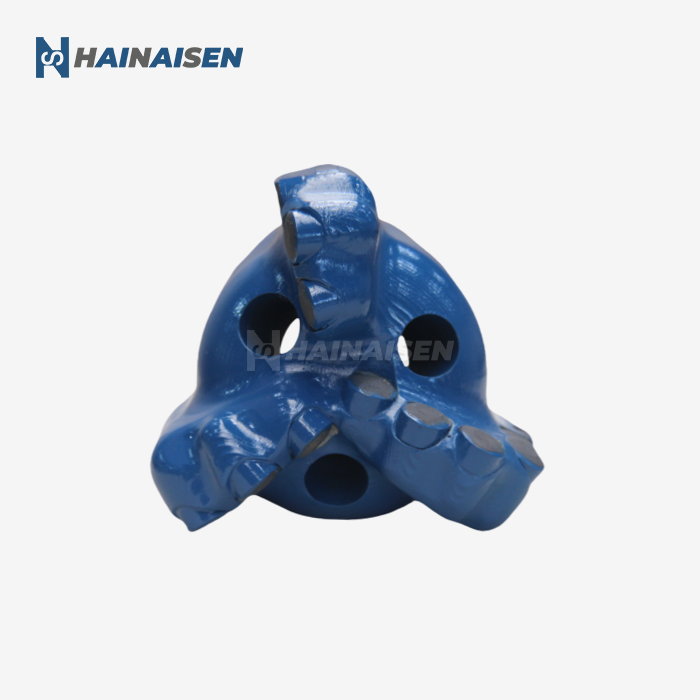 VIEW MORE113mm Three Wing Arc Angle Drill Bit
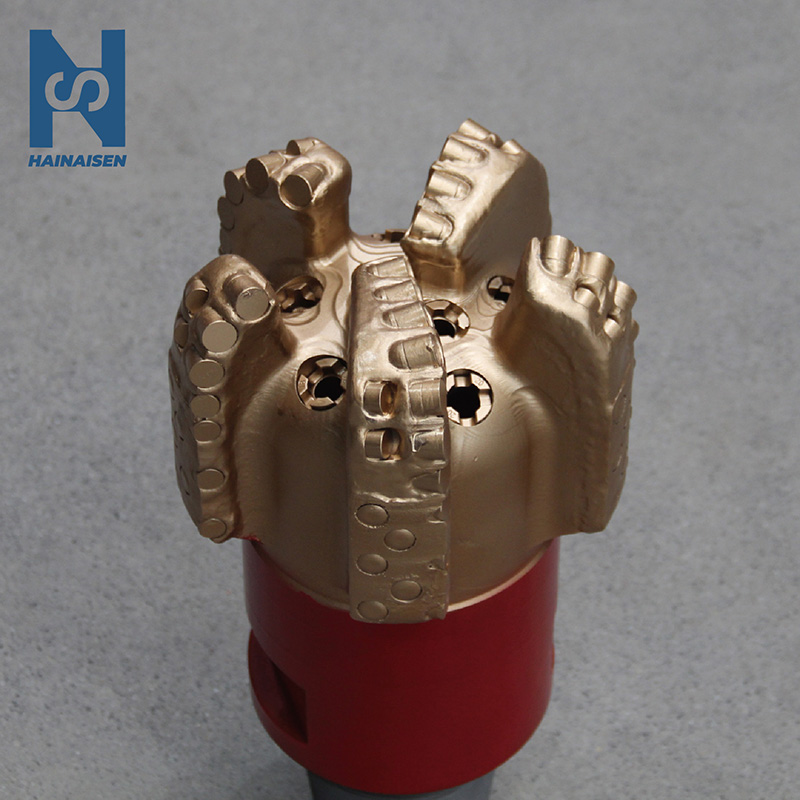 VIEW MOREOil Diamond Drill Bit
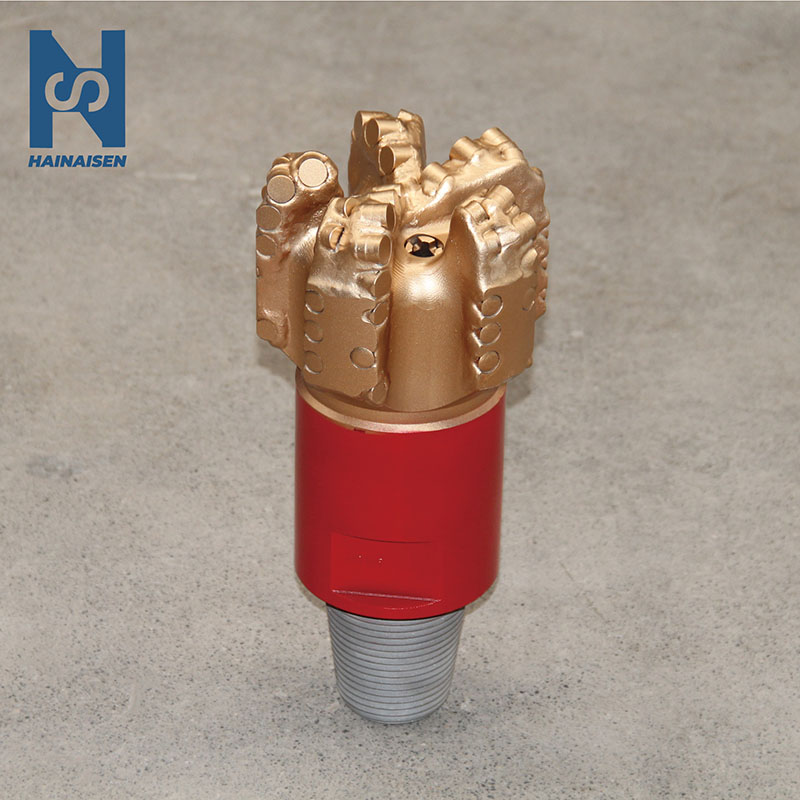 VIEW MORE5 Blade Matrix Body PDC Drill Bits
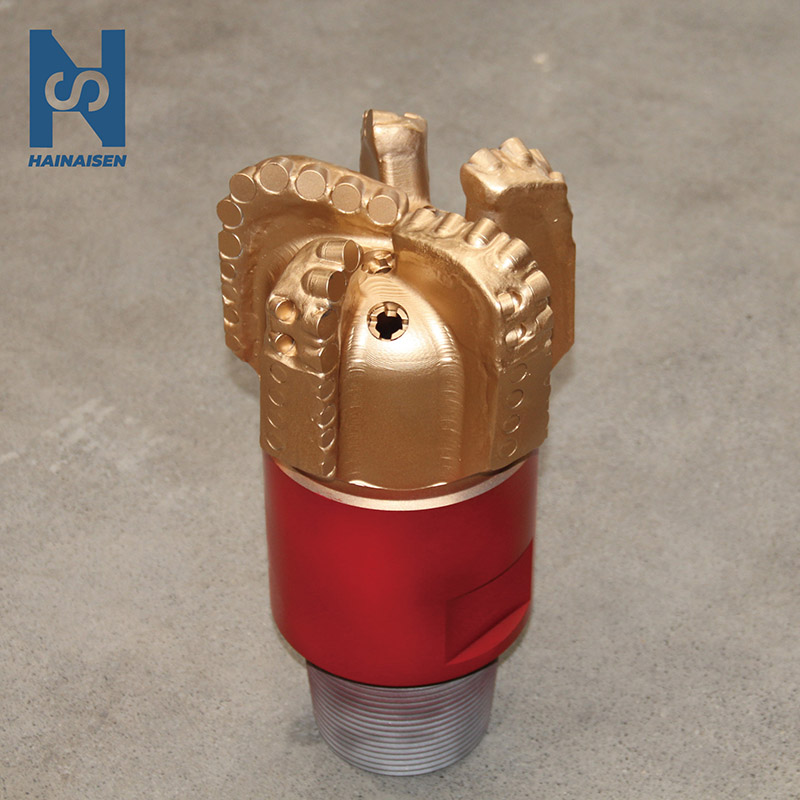 VIEW MOREFive Blades Oil Well Drill Head
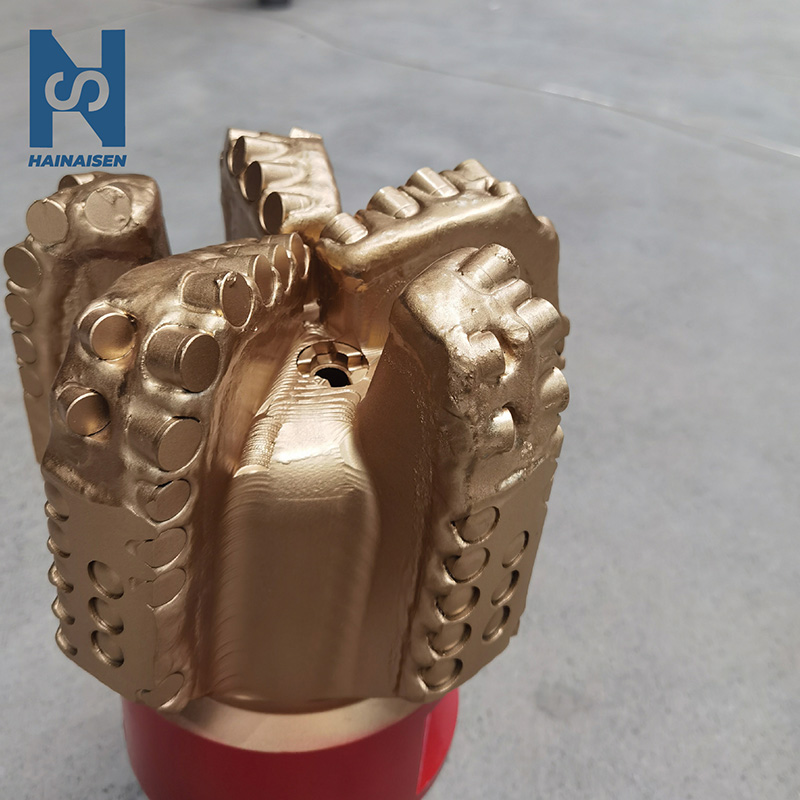 VIEW MOREFive Blade Wing Oil Drilling
 VIEW MORE113mm PDC Arc Angle Drill Bit
