







How do concave drill bits self-clean in ore layers with high mud content?
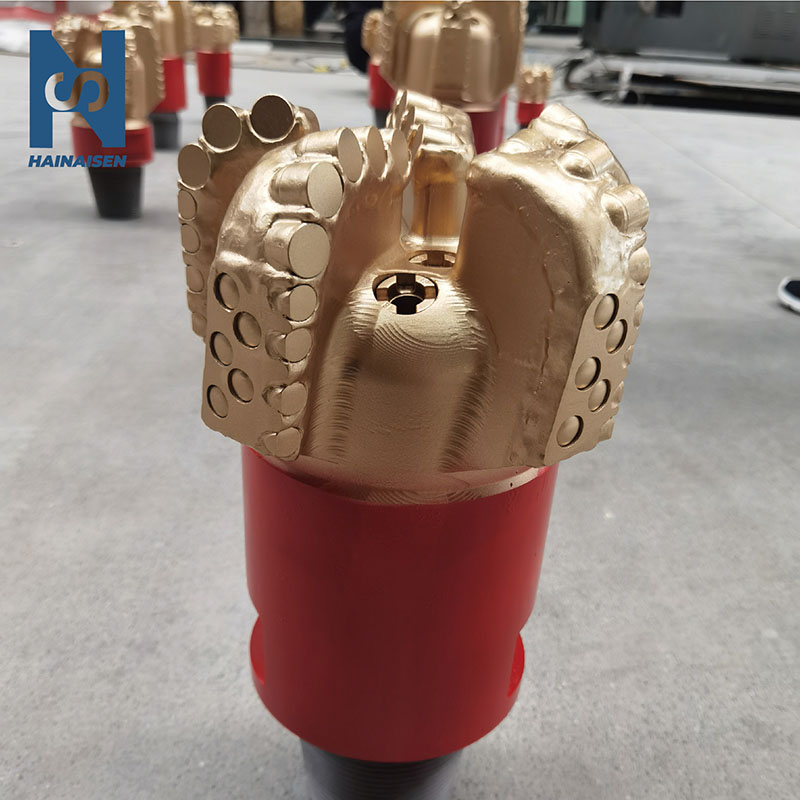
Because they are specially made, concave drill bits can clean themselves in rock layers with a lot of mud. This is possible by using hydraulic flow dynamics and pressure differences. The concave form of the bit face makes the best flow paths for fluids, which move drilling mud and cuttings away from the cutting surface. This keeps buildup from happening, which would slow down entry and wear out the bit faster than expected. The 153mm PDC concave bit works in this way by combining its recessed shape with carefully placed polycrystalline diamond compact cutters that work with spinning forces to keep waste moving out. The concave shape of the bit creates centrifugal force that moves mud and rock pieces to the edges, where they are cleaned up by fluid circulation pathways as the bit turns. This self-cleaning system keeps the PDC cutters in contact with the formation, so they work reliably even in tough, muddy conditions like those found in coal mining, water well drilling, and oil research.
Understanding Self-Cleaning Mechanism of Concave Drill Bits in Mud-Rich Ore Layers
Drilling through mud-filled ore layers causes big problems that have an immediate effect on production and machine life. In these situations, flat or convex drill bits don't work well because mud builds up on the bit face, blocking the cuts from reaching the rock. Because of this buildup, workers have to pull the bit to clean it, which takes time and costs more.
How Concave Geometry Enhances Fluid Dynamics?
The curved shape changes how the drilling fluid reacts with the face of the bit in a big way. The sunken form makes a natural clearing zone so that the mud doesn't settle and pack down against a flat surface. When drilling fluid is pumped down through the drill string, it hits the hollow in the shape of a cone and speeds up as it goes across the curved surface. This speeding up raises the fluid's speed right where cuts tend to gather.
This process is based on Bernoulli's principle, which says that when fluid moves across a curved surface, the pressure changes. In the middle, areas of high pressure push trash toward areas of low pressure on the edges. The bit's spin adds centrifugal force to the hydraulic action, making a cleaning system with two actions that works all the time while the drill is in place. Cracks in the ground and pieces of rock are thrown out and taken away before they can stick to the wet surface.
The Role of Pressure Differentials in Cuttings Removal
The pressure differences caused by the concave shape are very important for keeping the cutting areas clean. As the drilling mud runs through the bit's junk holes and across its concave face, it causes localised turbulence that sweeps away the sticky mud particles. This rough flow pattern stops mud rings from forming, which are round buildups that often happen on flat-faced bits in muddy formations.
These movement patterns are used to the advantage of the PDC cutters themselves. There is a steady flow of new drilling fluid over each cutter that removes waste as soon as it makes it. This removal right away keeps the cutting edge of the diamond sharp and in contact with the rock, which keeps the penetration rates at their best. The constant cleaning action lowers the buildup of heat at the cutter interface. This makes the cutter last a lot longer than bits that let mud shield and overheat the cutting elements.
Interaction Between Bit Rotation and Mud Properties
How well self-cleaning works depends a lot on how the rotating speed and mud thickness work together. To get enough centrifugal force to move thicker, more viscous mud, the rotating speed needs to be higher. Engineers who do drilling have to set the spinning settings based on the type of mud that is found in each formation.
This flexibility is very important for coal-bed methane extraction and mineral research projects, where the amount of mud in a borehole can change a lot. The shape of the concave bit makes it work with a wider range of mud qualities than other bits. It will still clean itself even if the viscosity of the mud changes. This makes it less necessary to change bits and make other changes to the drilling parameters on a regular basis. This makes operations easier when natural conditions are hard to predict.
Key Design Aspects and Performance of 153mm PDC Concave Bits
For a wide range of drilling tasks, the 153mm diameter standard strikes the best mix between hole size and structural stability. When mud control is very important, like in water well drilling, geothermal projects, and foundation drilling, this size of curved PDC bit works very well.
Technical Specifications That Differentiate Concave PDC Bits
The premium-grade polycrystalline diamond compact cuts on our 153mm PDC concave bit are fixed on a high-strength steel body. Even in the toughest drilling situations, this mix of materials gives you great durability and cutting performance. The PDC cutters are set up in a way that makes the most of both cutting action and fluid flow. Each cutter is placed to help the self-cleaning system work while still being able to penetrate deeply.
There are several flowing courses on the bit face that move drilling mud across the curved surface in a controlled way. These courses are carefully made to create specific flow speeds that get rid of debris best without reducing the cutting face's hydraulic horsepower. The concave profile's depth and angle were designed after a lot of tests in mud-filled formations. This makes sure that the self-cleaning effect works in a lot of different working conditions.
During creation, advanced computer-aided design and modelling tools are used to model how fluids move in different types of mud. Our engineering team can improve the concave shape using this theoretical method before the manufacturing process starts. This makes sure that the bits work as expected in real-world situations. Modern tools like 5-axis machining centres and CNC machine tools are used for precise production, which makes sure that every bit meets exact requirements for balance, runout, and structural integrity.
Performance Comparison with Traditional Bit Designs
In muddy conditions, field data repeatedly show that concave PDC Bits work better than standard convex and flat designs. When you move from regular bits to concave designs in the same shapes, the rate of penetration (ROP) usually goes up by 20% to 40%. This faster drilling directly leads to shorter project timelines and lower labour costs.
Another area where curved shapes do very well is bit stability. The ability to clean itself stops uneven mud buildup that can make flat-faced bits wobble and vibrate. When operations run more smoothly, the whole drill string is less stressed, which means that tools like downhole motors and drill pipes don't need as much repair. When drilling teams use concave bits in muddy layers, they report fewer deviations from planned boring paths. This is especially helpful for directional drilling and horizontal well use.
Coal mining companies and geological research companies have collected data on how long concave PDC bits last in high-mud rocks. These bits usually last 30% to 50% longer than similar flat designs. The steel bit body lasts longer because it is constantly cleaned, which keeps mud from grinding against it and wearing it down. The PDC cutters stay sharper longer because they don't get too hot like other cutters do when mud builds up and works as insulation.
Real-World Performance Data
When oil service companies working in offshore drilling environments switched to 153mm PDC concave bits for mud-filled gaps, they saw big changes. One medium-sized company in the Gulf region said that over the course of six months, they cut bit trips by 40%, which directly shortened the time it took to finish a well. The ability to clean itself was especially helpful when drilling through areas where sandy layers and clay-rich mudstone change places.
Teams digging water wells for large-diameter aquifer research projects have found that concave bits work consistently throughout the drilling process, so they don't need to be cleaned in the middle of the job. This dependability is especially important in remote areas where moving equipment for bit repair is hard to do and costs a lot of money.
Selecting the Right 153mm PDC Concave Bit for B2B Procurement
When looking for specialised drilling tools, people who work in procurement have to make hard choices. There are a lot of choices on the market, but not all curved PDC bits work well and are reliable enough for tough jobs in mud-heavy layers.
Evaluating Bit Quality and Manufacturer Credentials
To judge quality, you must first understand how the product was made and what materials were used. Premium PDC cuts have more diamonds in them and are fused under very strict conditions that make the bonds between the diamond particles stronger. Cheaper cutters might look the same, but they will quickly chip and break down when heated and strained during constant cutting.
Any maker you're thinking about should have to go through full tests for balance, runout, and structural stability. If bits haven't been through strict quality control, they might wobble or break too soon, which is bad for both performance and safety. Field performance research and programs for ongoing growth show that a company wants to make great products, not just ones that meet the minimum requirements.
Warranty terms and customer service after the sale are two important things that set trustworthy sellers apart from dishonest ones. A full guarantee backed by helpful expert support shows that you trust the quality of the product. Managers in charge of buying things should make sure that the protection covers conditions that are common in mud-filled digging sites, not just perfect lab conditions.
Total Cost Considerations for Bulk Procurement
The unit price is important, but the total cost of ownership gives a truer sense of value. A concave bit, i.e., a concave bit that costs 15% more but lasts 40% longer and drills 25% faster, is a much better deal than one that costs less. Instead of just looking at the original buy price, procurement teams that work with oil and gas drilling companies should figure out how much it costs per metre drilled.
When you order in bulk, you can usually get discounts, but procurement managers have to weigh these savings against the costs of keeping goods and the fact that technology will eventually become outdated. By working with makers who offer flexible buying terms and reasonable wait times, you can avoid keeping too much product on hand and still have bits available when you need them.
For coal mine companies and water well drilling teams that care most about price, showing how better concave bits save money overall becomes important. Technical engineers and buying managers can help financial decision-makers see why the investment is worth it by showing them data on things like less downtime, longer bit life, and better ROP.
Comparing Concave PDC Bits with Alternative Technologies
Roller cone and tricone bits are still used in some situations, but they tend to get more mud on them than PDC types. Roller cone bits have moving parts that leave cracks where mud can pack down and harden. This can cause bearings to fail and cutting to be less effective. Because their cutters are set and their shapes are easier, PDC bits naturally fight mud-related problems better.
In the PDC group, concave shapes work better than flat and convex ones in mud-filled rocks, as shown by measurements. Flat bits might work fine in clean, hard rock, but they can't clean themselves well enough to keep working in wet layers. While convex bits can be useful in some situations, they tend to push mud to the middle of the bit face, where it can build up and make cutting more difficult.
Maintenance and Operational Tips to Maximise Lifespan of 153mm PDC Concave Bits
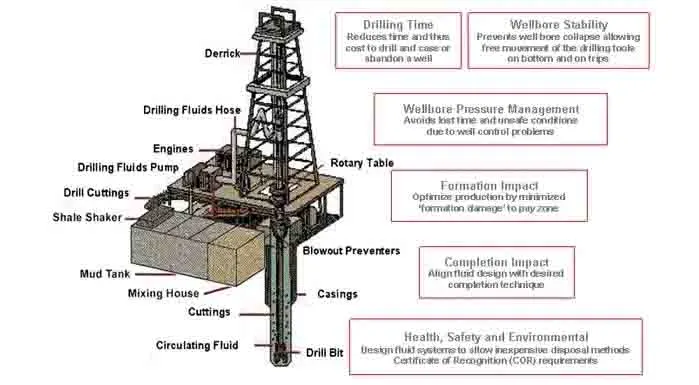
Even the most advanced self-cleaning design can be improved by following the right ways to use and maintain it. Preventive care and real-time control of drilling parameters are both important for getting the most out of a bit's life.
Routine Maintenance and Inspection Protocols
Bits should be cleaned well with high-pressure water after each drilling run to get rid of any mud or other debris that is still there. This cleaning makes it possible to look closely at PDC cuts for chips, cracks, or strange wear patterns. When cutter damage is found early, it can be fixed or refurbished quickly, which can recover bit speed at a fraction of the cost of replacing the cutter.
If you handle bits correctly during changes, you can avoid damage that might not be obvious at first but will hurt performance in the future. Bits should never be dropped or hit against hard surfaces, because the impact can damage PDC cutters and cause them to fail catastrophically when they are next used. The steel body and cutter stay in good shape as long as they are stored in safe cases away from places that can rust them.
Optimising Drilling Parameters for Self-Cleaning Performance
One of the most important ways to make self-cleaning work better is to change the flow rate. Increasing the circulation rate gives more hydraulic force to remove waste, but too much flow can damage the bit body and cause turbulence that makes cutting less effective. Drilling engineers should find the best flow rates by trying them in a planned way, starting with what the maker suggests and making changes based on how well the tests go.
The centrifugal forces that power the self-cleaning device are directly affected by the speed of rotation. In general, higher RPM makes it easier to get rid of trash, but this must be weighed against the fact that PDC cuts will wear out faster and the drilling system may shake. Most mud-filled forms work well with modest rotation speeds of 60 to 120 RPM, but when using a concave bit, changes may need to be made outside of this range in some cases.
Weight on bit (WOB) changes how strongly cutters cut into the shape and how much material is cut. Not enough weight makes entry slow and lets mud build up; too much weight can overwhelm the self-cleaning system and damage the cutter. To find the best WOB, you have to keep an eye on the drilling factors in real time and make changes based on feedback from the penetration rate and force.
Selecting Compatible Drilling Fluids
The qualities of the drilling fluid have a big effect on how well it cleans itself. For hydraulic action to work effectively across the curved surface, the fluids must have the right viscosity so that they can carry enough pieces away from the bit without becoming too thick. Additives that make mud less sticky can keep it from building up without changing the fluid's ability to keep the opening stable and control formation pressures.
Environmental concerns may limit the types of drilling fluids that can be used in water well digging and geothermal projects. It is possible to make biodegradable plastics and bentonite-based muds that work well with curved PDC bits and follow environmental rules. When engineers who work on drilling fluids and bit experts work together, they make sure that the two work well together to get the best cleaning results and environmental compliance.
Conclusion
Because they are smartly designed to use both hydraulic and rotating forces, concave drill bits can clean themselves reliably in rock layers that are full of mud. For tough jobs in coal mining, oil and gas research, water well construction, and geotechnical projects, the 153mm PDC Concave Bit is the best tool for the job. Drilling teams can get the most out of their equipment and save a lot of money by knowing how it cleans itself, checking quality indicators during procurement, and following the right operating procedures. When you combine high-tech materials, precise production, and customisation for specific uses, concave PDC technology is the best choice for digging settings with a lot of mud. If you choose a maker with a track record of success and a wide range of support services, your purchasing choices will pay off in the long run, not just in the short term.
FAQ
1. What makes concave PDC bits better than flat designs in muddy formations?
It is the hydraulic flow patterns and centrifugal forces that make concave PDC bits move mud and cuttings away from the cutting surface. Because the shape is deep, there are pressure differences and fluid accelerations that keep cleaning the bit face while it is turning. Flat forms don't have this self-cleaning feature, so mud can build up and make cuts less effective. The curved shape keeps the PDC cutters in contact with the formation, which leads to faster entry rates and longer bit life in places with a lot of mud.
2. How do I determine the right flow rate for optimal self-cleaning?
Start with the flow rate that the maker suggests based on the bit's width and the type of formation that you expect to see. During the first drilling, keep an eye on the entry rate and power, and slowly change the flow as you see how the performance changes. At the best flow rate, ROP stays steady, and there isn't too much pressure drop or shaking. In general, when there is more mud, there needs to be more movement to get rid of the debris effectively. Technical help from the bit maker can give advice based on similar uses that are specific to the formation.
3. Can concave PDC bits be refurbished after wear?
Yes, PDC bits can often be refurbished by replacing broken cutters and changing the shape of the bit body. Professional repair services check the state of the cutters and the strength of the structure to see if restoration is cost-effective. Bits that only have minor body erosion and limited cutter damage are great candidates for repair, which usually costs 40% to 60% of a new bit but brings back 80% to 90% of its original performance. Regular checking helps find bits that can be fixed before the damage gets too bad to fix.
4. What rotation speed works best for 153mm concave PDC bits in coal mining?
When 153mm concave PDC bits are used, spinning speeds between 70 and 100 RPM usually work well with coal forms. This range has the right amount of centrifugal power for self-cleaning without making too much heat, which can damage cuts in the soft but rough coal environment. The best speed relies on the hardness of the coal, the amount of mud in it, and other drilling factors, such as the weight on the bit and the flow rate. The best choices for each application are found through field testing and regular parameter changes.-maker
Partner with HNS for Superior 153mm PDC Concave Bit Solutions
If you're looking for a reliable 153mm PDC Concave Bit provider that you can trust to offer both cutting-edge design and proven field performance, HNS is the company for you. Our research and development team (R&D) creates custom bits that are made to fit your specific geology problems, like digging through muddy coal seams, hard mineral deposits, or complicated water well formations. Email our technical experts at hainaisen@hnsdrillbit.com right now to talk about your project needs and find out how our 153mm PDC Concave Bit for sale can help you save money on drilling costs and get more done. HNS is your partner in leading the way in drilling innovation and operating success.
References
1. Anderson, M. and Williams, T. Polycrystalline Diamond Compact Bit Technology: Planning Ideas and Uses in the Field. Monograph Series of the Society of Petroleum Engineers, 2019.
2. Chen, L. Hydraulic Optimisation in Drill Bit Design for Unusual Solids. The 2021 Journal of Petroleum Science and Engineering.
3. Drilling Systems: Materials, Mechanics, and Performance Analysis by Harrison, R. 2020 by McGraw-Hill Professional.
4. Mitchell, B. Basics of Drilling Engineering by Miska, S. and Miska, S. Textbook Series from the Society of Petroleum Engineers, 2018.
5. Reynolds, D.. Drill Bit Choice and Optimization for Methane Operations in Coal Beds. The 2022 issue of the International Journal of Mining Engineering.
6. Zhang, W. Moving Cuttings and Cleaning Holes in Directional Wells. 2020 by Elsevier Scientific Publishing.
 VIEW MOREPDC Core Drill Bit Used For Drilling
 VIEW MOREPDC Rock Drill Bit
 VIEW MORE113mm Three Wings PDC Arc Angle Drill Bit
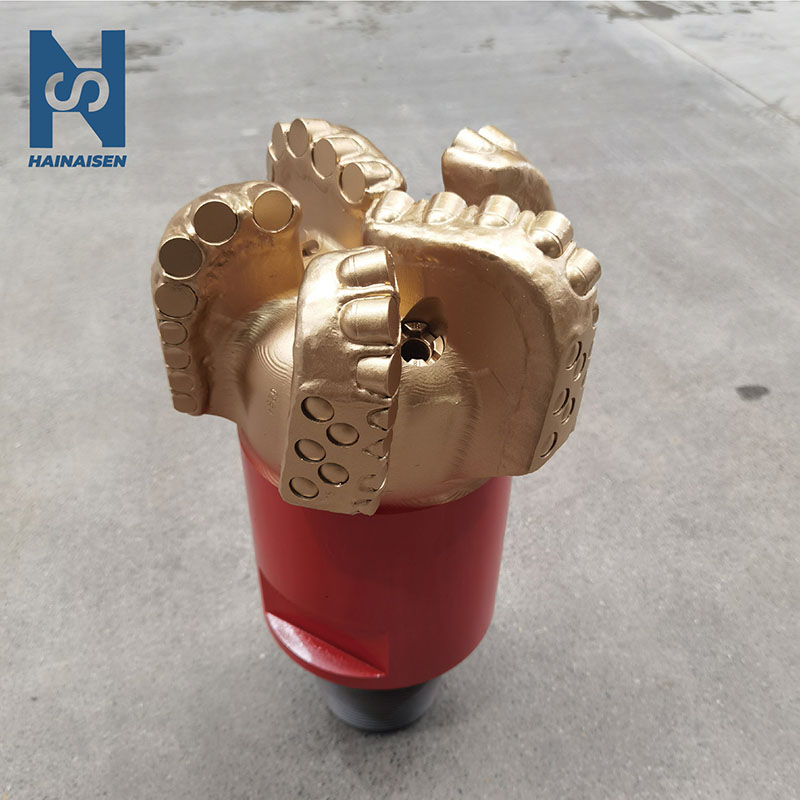 VIEW MOREDrill Bits For Oil Drilling
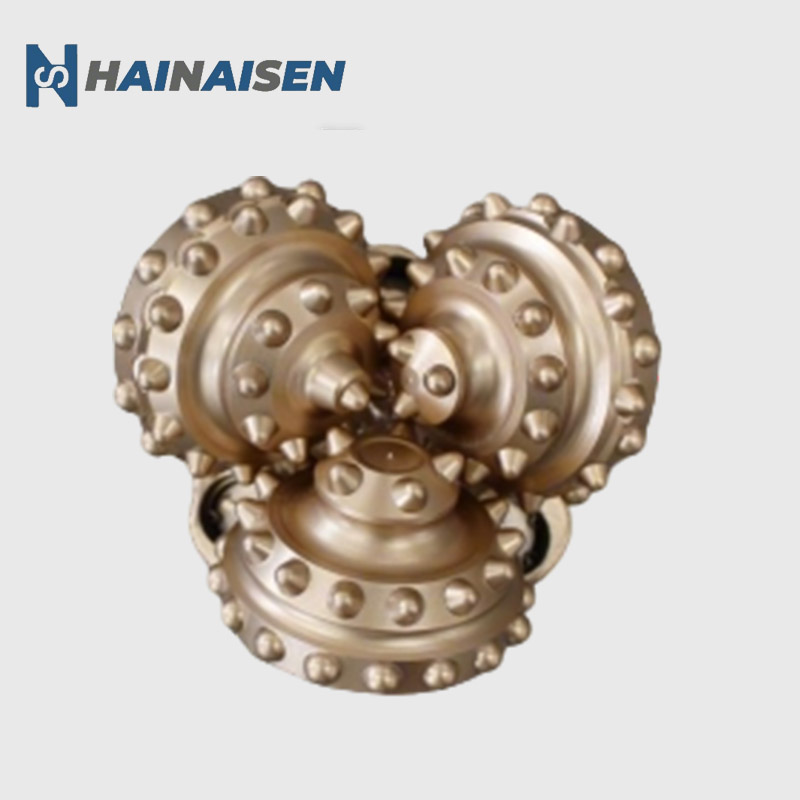 VIEW MORE4 1/2" IADC 637 TCI Tricone Bit
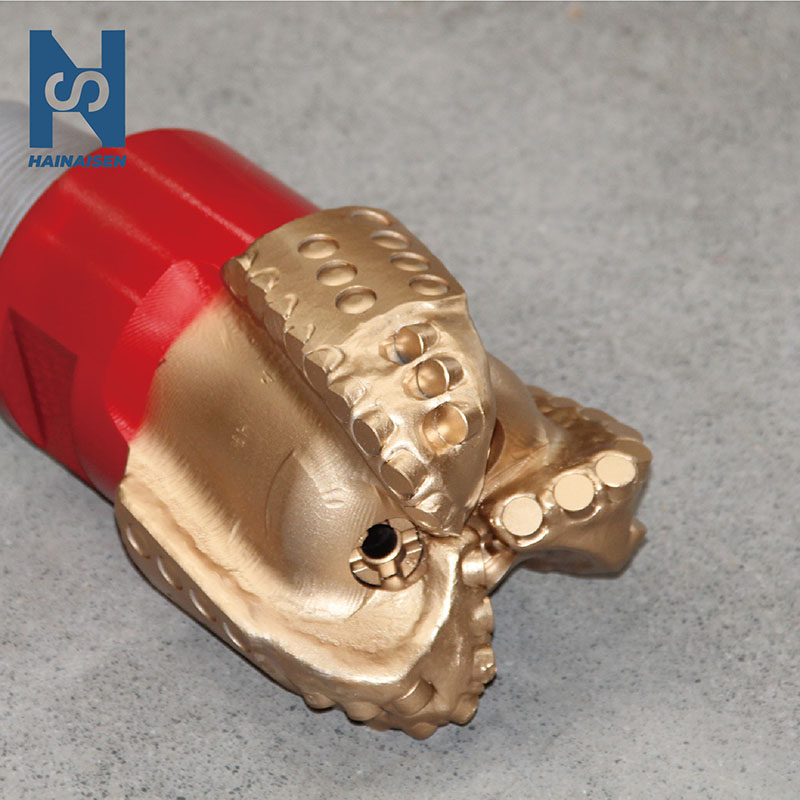 VIEW MOREThree Blade Oil Drill Bit
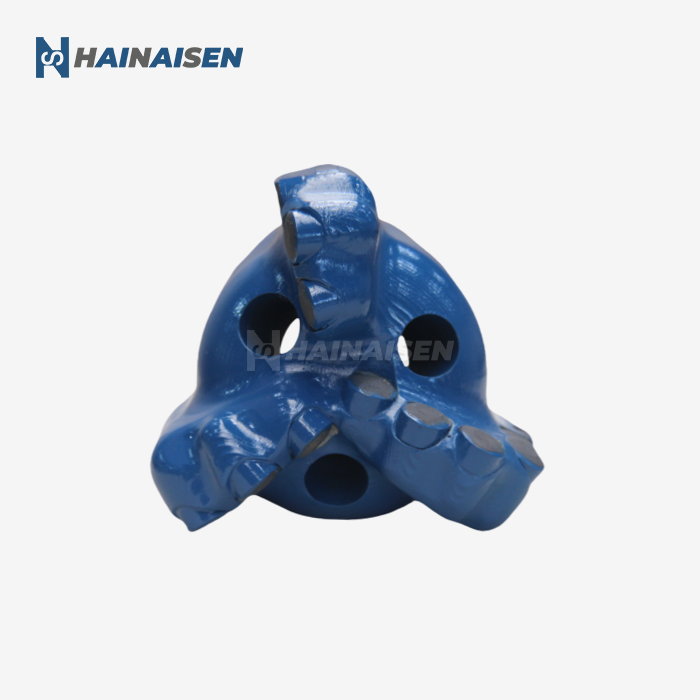 VIEW MORE113mm Three Wing Arc Angle Drill Bit
 VIEW MOREFive Blade Oil Drill Bit
