




PDC Petroleum Drill Bit for Hard Rock and Shale Formations
A PDC petroleum drill bit for hard rock and shale formations is designed to shear rock efficiently, hold gauge under abrasive conditions, and stay stable in directional or horizontal wells where conventional bits often lose speed or wear too quickly. In my experience, buyers looking at hard rock and shale usually want the same result: faster penetration, fewer trips, and lower total drilling cost. That is exactly where a well-designed PDC bit stands out. With the right cutter layout, hydraulic design, and formation match, it can improve the rate of penetration, reduce downtime, and support more consistent performance across demanding petroleum, coal bed methane, geothermal, and water well projects.
Understanding PDC Petroleum Drill Bits and Their Role in Hard Rock and Shale Drilling
How does a PDC bit work in petroleum drilling?
Polycrystalline diamond compact cutters are attached to a fixed bit body in a PDC petroleum drill bit. The cutters stay in contact with the rock formation as the bit turns, cutting it instead of breaking it. In some situations, this cutting action can support a higher rate of penetration (ROP) and cause less vibration than many standard roller cone choices. Both hard rock and shale make digging very difficult. Cutter wear and heat go up when cutting hard rock. Shale can be unsteady, rough, and sensitive to how digging fluids act. These problems can be fixed with a strong PDC petroleum drill bit that has a durable cutter, better bit stability, and heat stability.
Why do hard rock and shale need specialised bit design?
Looking at this topic's Google SERPs, it's clear that people are searching for it for business and scientific reasons. People are buying things and want to know quickly things like "What bit works best in shale?" and "How long does a PDC bit last in hard formations?" That means the content has to answer questions about choice, performance, cost, and the trustworthiness of the provider, all at the same time.
The short answer is simple: PDC Bits are preferred in many hard rock and shale drilling operations because they shear formations faster, last longer in many applications, and reduce trip time when matched correctly to rock strength, abrasiveness, and drilling parameters.
PDC bits can also be used for directed drilling, horizontal drilling, and complex well paths where it's important to have smooth, stable cutting. Because of this, they are useful for oil and gas companies, service firms, and geological research teams that need to be able to handle both speed and steering.
Types and Design Features of PDC Drill Bits for Hard Rock and Shale
Cutting structure, blade count, and hydraulic performance
It's not enough to say that the best PDC petroleum drill bit for hard rock or shale is "harder". The cutter size, blade shape, opening layout, and gauge safety must all be just right. For many B2B buyers, the most important things to compare are how well the PDC petroleum drill bit's cutter cleans, how stable the bit is, and how resistant it is to wear and pressure.
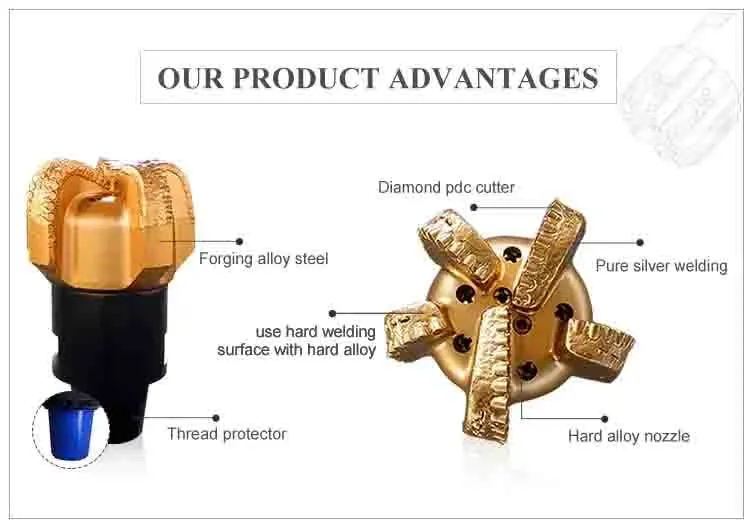
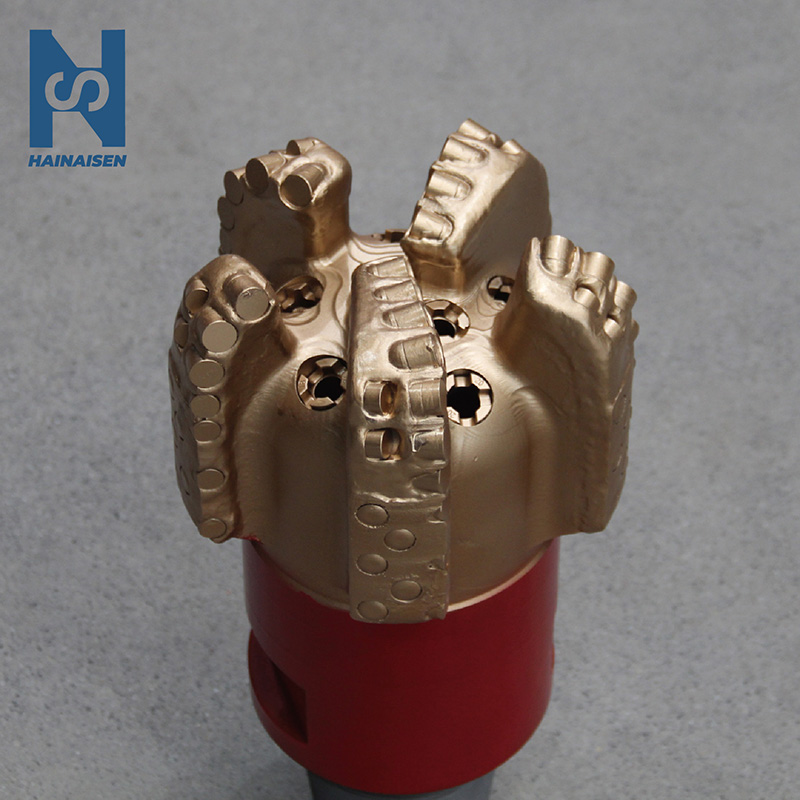
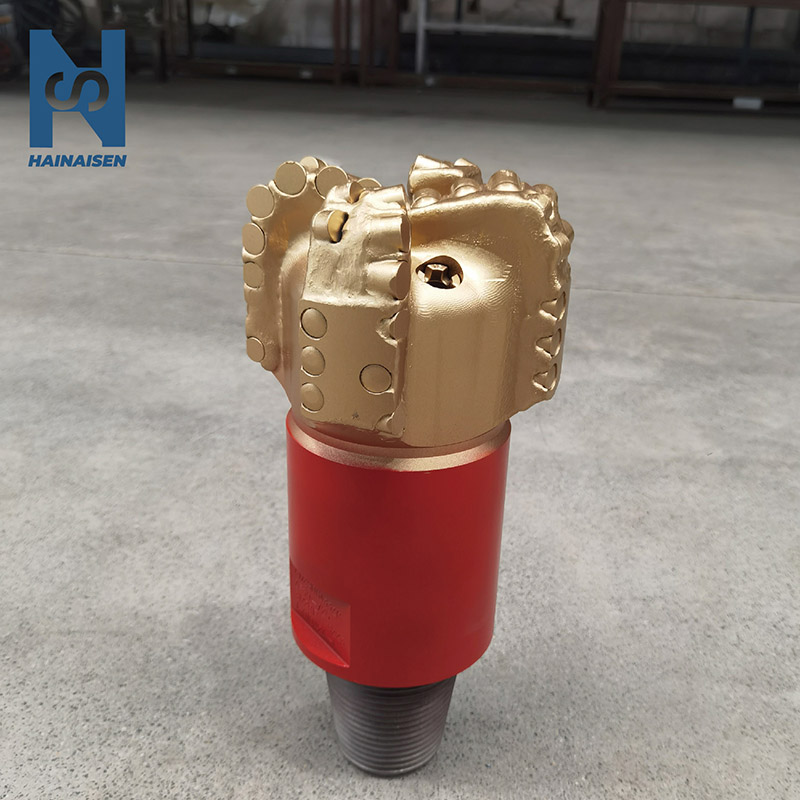
Our HNS product is a great example of how to do these tough jobs:
- IADC code: S123, bit size: 9.5” (241.3 mm), 5 blades, 7 nozzles, height: 460 mm, gauge length: 78 mm, API connection: 6-5/8 REG PIN, net weight: 65 kg.
- A lot of procurement managers and drilling engineers want bits that aren't just a certain size or code, but also ones that will work with current bottom hole assemblies and running programs and last in the field.
Why does PDC often outperform tricone and roller-cone bits?
When people buy a PDC vs a tricone bit or a PDC vs a roller cone bit, they usually look at how long each will last, how fast it drills, and how much it costs to run all of them. Because PDC bits don't have any moving cones or bearings, they are easier to build and often have lower mechanical failure risks. When the rock is right, they tend to drill faster and stay downhole longer.
This benefit is even more important when rig time is expensive. Every unnecessary trip can cut down on time spent doing nothing. This can save a lot of money in gas drilling and directed wells.
At HNS, our advanced polycrystalline diamond compact technology, high exceptional wear resistance, thermal stability, and optimised cutting structure are all things that we work on to make drilling more efficient. Our customisable designs can also be changed to fit the needs of each group. They are backed by a lot of R&D, results seen in the field, and compliance with industry safety standards.
Selecting the Right PDC Drill Bit: Decision Criteria for B2B Buyers
What procurement managers and engineers should evaluate?
It's not just about the price when you buy a drill bit. It is a performance choice that is based on operating risk, a low cost, and a project timeline. Formation study is the first step in a smart buying process. It's important to look at things like compressive strength, abrasiveness, interbedding, shale behaviour, and the expected well path.
I suggest that buyers look at these things together:
- Formation fit and drilling goals must come before unit price. The total cost of drilling a well often goes up when the cheaper bit wears out quickly or digs slowly. Technical experts and procurement teams should talk about the rock type, predicted ROP, direction needs, mud system, and bit-dull grading history from offset wells. This gives a more accurate way to choose the number of blades, the size of the cutter, the hydraulic system, and the safety for the gauge.
- Supplier capability and delivery reliability matter just as much as product specs. Large and medium-sized oil service businesses often have strict quality standards and long qualification processes. Coal mining and water well teams, on the other hand, may move more quickly and focus more on price-performance. Lead time, warranty clarity, the ability to customise, and technical help after delivery can all have a big effect on long-term worth in both cases.
Why OEM and customisation can create better drilling results?
A lot of hard rock and shale systems need more than just a catalogue bit, like a PDC petroleum drill bit. Local bedrock can be better matched by changing the cutter plan, nozzle size, blade shape, and anti-whirl features. This is very helpful for work that needs to be done offshore, with coal-bed methane, geothermal wells, and unusual sources.
Shaanxi Hainaisen Petroleum Technology Co., Ltd. was established in Xi’an in 2013. We focus on researching and developing new diamond drill bits, PDC petroleum drill bits, and drilling tools, as well as making and selling them while providing integrated technical solutions. Our goods serve oil and gas extraction, coal mining, geological and hydrological surveys, and building tools. Our 3,500 m² facility has modern workshops with advanced equipment like 5-axis machining centres, CNC machine tools, and welding production lines. To meet the needs of different structure drilling projects, we also have a separate R&D team and a staff that designs custom bits.
Maintaining and Optimising PDC Petroleum Drill Bits for Maximum Performance
Operating practices that affect bit life
If the drilling factors are not managed, even the best bit might not work as well as it should. Cutting tool temperature, cleaning, and wear are all affected by the bit's weight, its rotation speed, its hydraulics, and the qualities of the mud. If a bit gets stuck in rock or feels too much vibration in hard stringers, it will lose its ability to work fast.
Before the bit goes into the hole, it's important to do some upkeep. Buyers and field teams should look at how to store, handle, protect threads, and make up items. Once the test is over, a boring condition analysis can show if the issue was caused by a mismatched formation, bad hydraulics, damage from impacts, or an imbalance in the parameters.
Practical optimisation opportunities
In many situations, teams get better bit performance when they use the right bit and follow strict processes. That means matching the flow of the nozzle to the removal of the cuttings, keeping WOB in check to keep the cutter from getting too heavy, and fine-tuning RPM for smooth slicing.
Our PDC petroleum drill bits are great for:
Oil and gas exploration and production, coal bed methane drilling, geothermal well drilling, water well construction, mining operations, and geological exploration projects. For these uses, you need a bit that can go deeper faster and last longer in a variety of shapes. In real life, that means fewer bit changes, better use of the rig, and more accurate estimates of project costs, all of which are very important to both expert engineers and buying managers.
Procurement Strategies and Market Insights for PDC Petroleum Drill Bits
How to source with confidence?
There is a strong mix of informational and transactional search intent around this topic right now. Buyers want to learn about the technology, look at different sources, and then ask for quotes. That's why a buying strategy is important.
Both authorised distributors and direct Manufacturers can be used as outlets. What you should do depends on how complicated the technical part is, how much you need, and when you need it. Direct access to the manufacturer can cut down on contact time and improve the quality of design work if your programme needs custom engineering.
Cost-benefit thinking for long-term value
Drilling tool prices, including PDC petroleum drill bits, change along with the prices of raw materials, the energy market, and the needs of projects. Unit prices can go down when you buy in bulk, but custom bits often make more sense when forms are hard. I always say to look at the cost per foot drilled instead of just the price of the bit itself.
For bigger service businesses, having a partner they can trust for a long time is often more important than getting the best deal on a single sale. Over time, drilling performance gets better with stable quality, repeatable production, and quick technical help.
Conclusion
When drilling in hard rock and shale, a PDC petroleum drill bit that fits well can be very helpful. It speeds up the entry rate, cuts down on trips, and helps keep drilling stable in wells with complicated profiles. When it comes to business-to-business buyers, the best results come from a strong formation study, dependable supplier support, and the right bit design. HNS combines advanced manufacturing, custom engineering, and real-world knowledge from the field to help drilling teams cut costs and make their work more consistent in oil, mining, geothermal, and water wells.
FAQ
1. How does a PDC bit's lifespan compare with a roller-cone bit's?
A PDC petroleum drill bit lasts longer in many ideal formations because it doesn't have any moving cones or bearings, and its diamond cuts are very hard to wear out. Life depends on how rough the rock is, the cutting factors, and how well the bit design matches the rock.
2. What affects drilling speed in shale with PDC technology?
It depends on the layout of the cutter, the hydraulics, the stability of the shale, the qualities of the mud, the weight of the bit, and the RPM. A PDC petroleum drill bit that is properly matched generally improves ROP by keeping the cutting action clean and lowering vibrations that aren't needed.
3. Can PDC bits be customised for offshore drilling environments?
Yes. A lot of offshore projects need blade profiles, cutter choices, hydraulic designs, and gauge safety that are all made just for them. Customisation by the OEM helps match the bit with the conditions of the formation, the design of the bottom hole assembly, and the operating goals.
Partner with HNS for Superior PDC Petroleum Drill Bit Solutions
HNS is a trusted PDC Petroleum Drill Bit manufacturer and supplier ready to support your hard rock and shale drilling projects with standard and custom solutions. If you are looking for a PDC Petroleum Drill Bit for sale, contact our team at hainaisen@hnsdrillbit.com to discuss specifications, pricing, lead times, and technical recommendations tailored to your formation.
References
1. SPE Drilling Engineering
2. IADC Drilling Manual
3. Bourgoyne, Millheim, Chenevert, and Young, Applied Drilling Engineering
4. Society of Petroleum Engineers, drilling optimization technical papers
5. API Specification 7-1, Rotary Drill Stem Elements
6. Aadnøy and Looyeh, Petroleum Rock Mechanics: Drilling Operations and Well Design
logo 1_1768274683075.jpg) VIEW MORECoal Mine Drilling Opening And Closing Drill Bit
VIEW MORECoal Mine Drilling Opening And Closing Drill Bit VIEW MOREPDC Mining Bit
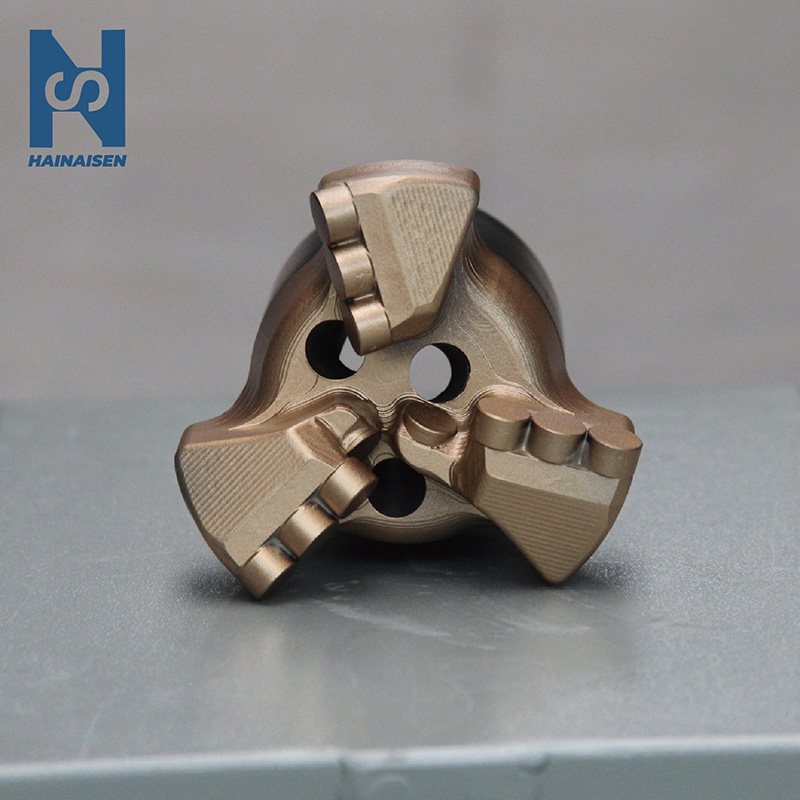 VIEW MORE3 Blades PDC Rock Bit
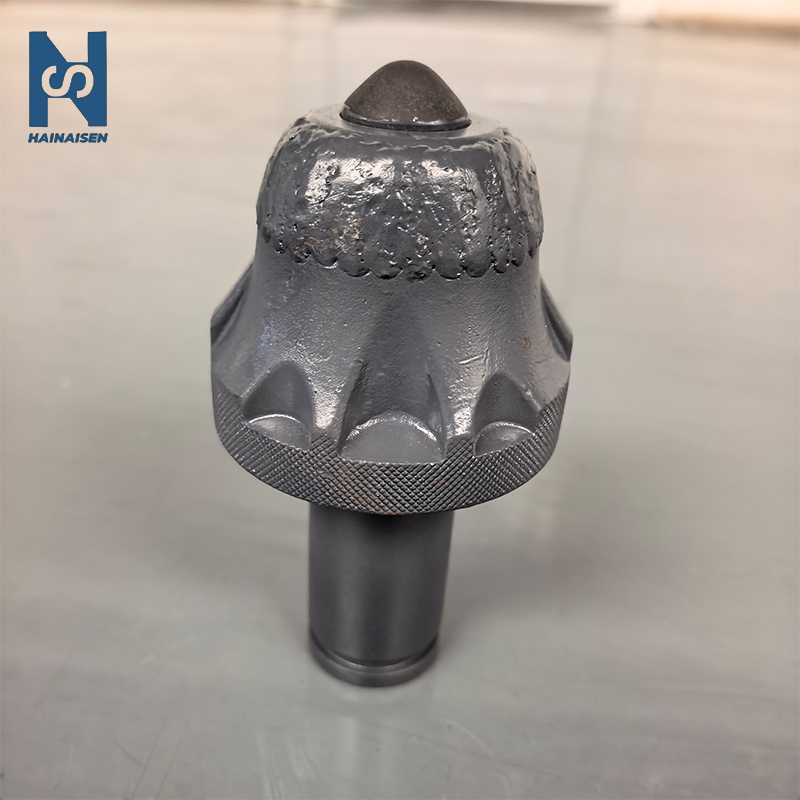 VIEW MOREDiamond Coal Mine Picks
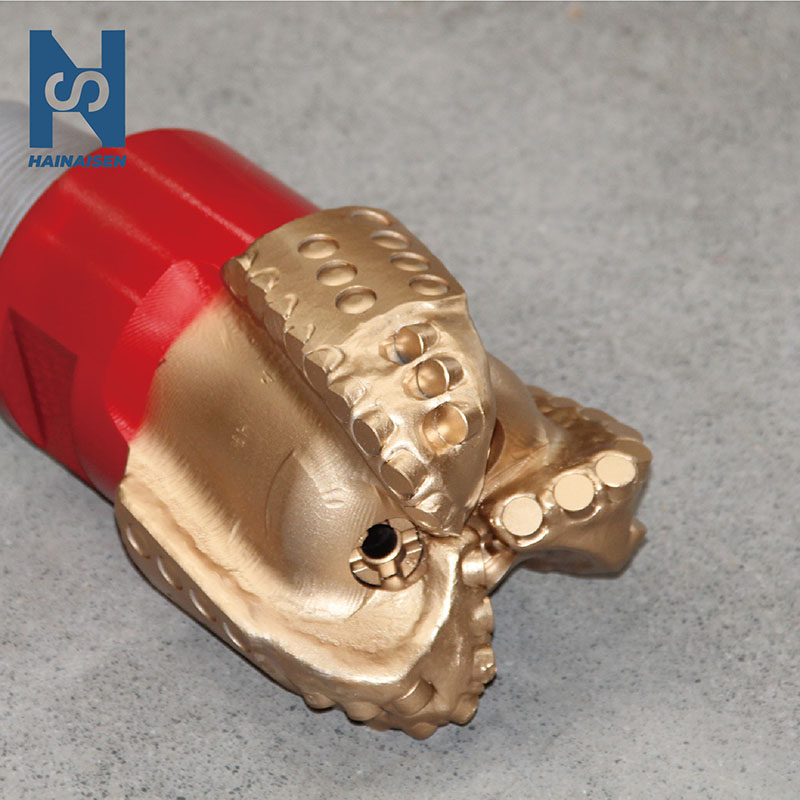 VIEW MOREThree Blade Oil Drill Bit
 VIEW MOREOil Diamond Drill Bit
 VIEW MOREPetroleum Drilling Equipment PDC
 VIEW MORE5 1/2 Inch IADC 537 Tricone Rock Bit for Medium-Hard Formations