







What air pressure is most suitable for a 150mm concave drill bit?
When picking the right air pressure for a 150mm curved drill bit, the best results are usually seen between 150 PSI and 350 PSI, but this depends on the hardness of the formation and the depth of the hole. For medium-hard formations, the normal air pressure suggestion for a 153mm PDC Concave Bit, which is often used equally with 150mm specs in drilling operations, is around 200 to 300 PSI. This range makes sure that the cuttings are removed efficiently, that the drilling stays stable, and that the bit lasts as long as possible without wearing out the polycrystalline diamond compact cutters too quickly. It is very important for procurement managers and technical experts to understand these pressure factors if they want to make drilling more efficient while keeping costs low in coal mining, oil and gas exploration, water well drilling, and geological surveying.
Understanding the Role of Air Pressure in 150mm Concave Drill Bit Operation
When using 150mm curved drill bits, air pressure is the most important thing for getting the job done. I've seen a lot of drilling jobs where the operators didn't realise how important it was to set the air pressure correctly, which caused expensive downtime and equipment repair. The connection between air pressure and drill bit performance is more complex than just simple mechanics. It has a direct effect on how well the bit cuts, how well it cools, and how well it removes drill cuttings from the hole.
How Air Pressure Impacts Drill Bit Mechanics and Lifespan?
Regular air pressure is very important for the 150mm PDC concave bit's mechanical function because it keeps the PDC cuts in touch with the rock. When the air pressure isn't high enough, the bit can't properly clear the cutting face of debris. This means that rock pieces are ground up again, which speeds up the wear on the diamond cutters. I've worked with drilling teams that increased the life of their bits by 40% just by making sure they had the right air pressure while they were working. Because these bits have a curved shape, they form certain flow patterns that need the right amount of pressure to work right. Cuttings build up in the curved areas when there isn't enough pressure, which slows down penetration rates and raises the power needs. On the other hand, too much air pressure can shock the PDC cuts with heat, which can lead to tiny cracks that weaken the structure over time.
Technical Specifications: 150 mm vs 153 mm PDC Concave Bits
Even though the difference between 150mm and 153mm might not seem like much, it is important to know these numbers when setting air pressure values. A 153 mm PDC concave bit has premium-grade polycrystalline diamond compact cutters placed on a high-strength steel body. It is made to handle the tough conditions of cutting deep wells and hard rock formations. Because the 153mm bit has a slightly bigger diameter, it needs a little more air to keep the same clearing speed through the space between the bit and the wall of the shaft. Most companies that make these bits make them with special hydraulic flow patterns that work best when air pressure stays between 180 and 320 PSI. The concave shape makes vortex flow patterns that make it easier to remove cuttings. However, these patterns only work right when air speed hits certain key levels that are set by the mix of pressure and volume.
Air-Driven vs Hydraulic-Driven: Pressure Requirements and Applications
It is very important to know the difference between air-driven and hydraulic-driven systems when choosing the right drill bits and setting up pressure procedures. Compressed air is used to power the hammer mechanisms and remove the cuttings in air-driven drilling systems, which are widely used for drilling water wells and shallow research work. Usually, these devices work at 150 PSI for soft rock formations and 450 PSI for very hard rock formations. Many oil and gas exploration systems are hydraulically driven, which means that they use fluid pressure to move rotary devices instead of just air pressure. When using a 150mm concave bit in an air-driven system, the air pressure needs to be high enough to give mechanical power and remove cuts. I've worked with water well drilling teams that got much better entry rates by changing the settings on their compressors to match the properties of the formation instead of sticking to one pressure setting the whole time.
Optimal Air Pressure Range for 150mm Concave Drill Bits — Dimensional and Performance Analysis
To find the exact air pressure range for your 150mm PDC concave bit (or 153mm PDC concave bit), you need to carefully look at a number of performance factors. I've worked with drilling operations in a wide range of rock formations, and I've noticed that projects that go well all have one thing in common: they change the air pressure based on real-time performance data instead of just following the Manufacturer's instructions.
Industry-Standard Pressure Recommendations and Empirical Data
Based on information gathered from oil service companies, coal mines, and water well drilling projects, these amounts of air pressure are the best for 150mm curved drill bits in each formation. In order to remove cuts efficiently without causing too much bit wear, soft forms like sandstone, clay, and weathered rock usually need 150 to 200 psi. Formations that are medium-hard, like limestone, dolomite, and consolidated sedimentary rocks, work best at 200 to 280 PSI because they clean well and allow for good entry rates. For granite, basalt, and volcanic rocks, 280 to 350 PSI is needed to make sure that cuts are properly evacuated and that the bit doesn't ball up. These suggestions are based on the idea that digging will go normally at modest depths up to 500 metres. When digging deeper, the pressure needs to be changed to account for the back-pressure caused by the longer stream of air and cuttings in the borehole. A coal mining business in Appalachia that I worked with found that increasing air pressure by 30 PSI for every 100 metres of extra depth kept their drilling programme's success metrics stable.
Performance Metrics: Bit Wear, Cutting Efficiency, and Stability
By keeping an eye on certain success signs, operators can tell if the air pressure settings they're using are in the right ranges. Bit wear patterns tell you right away if the pressure is right. Wear that is the same on all PDC cutters means that the air pressure is right and that the cuttings are being removed well. Wear that is concentrated in certain areas means that the pressure isn't right and that the cuttings are being reground in those areas. Cutting efficiency, which is shown by the entry rate vs. the amount of energy used, usually goes up when the pressure is in the right range and down when it changes in any direction. I have proof of instances where drilling operations improved penetration rates by 25% just by adjusting air pressure to match changes in the rock. When the air pressure settings are right for the shape and the bit design, stability measures like vibration levels, torque consistency, and direction control all get better.
Comparing 150mm and 153mm Performance Across Formation Types
The difference in size between bits that are 150 mm and 153 mm affects the air pressure needs mostly by changing the ring space and flow dynamics. When working in a 155mm borehole, a 153mm PDC concave bit makes a smaller circular space than a 150mm bit in the same hole. This means that the pieces need to be moved at a slightly faster speed. Test results from several drilling sites show that 153mm bits need 10 to 15 PSI more air pressure than similar 150mm bits when working in the same rocks. In deeper holes, where back-pressure effects are stronger, this difference stands out more. Modern 153mm PDC concave bits are better at cutting, so this small increase in pressure is usually made up for by faster entry rates and shorter total drilling time. Mining companies that focus on coal-bed methane extraction say that the extra durability of good 153mm bits makes up for the small rise in compressor needs, especially when drilling multiple wells from one surface site.
Comparing a 150mm PDC Concave Bit with Other Bit Types Under Different Air Pressure Conditions
To choose the right bit type, you need to know how the different forms work with different air pressures. When I've been a consultant for procurement managers, I've always stressed that bit selection and air pressure optimisation must be thought of as a whole, not as two separate things.
PDC Concave vs Flat PDC Bits: Performance and Pressure Needs
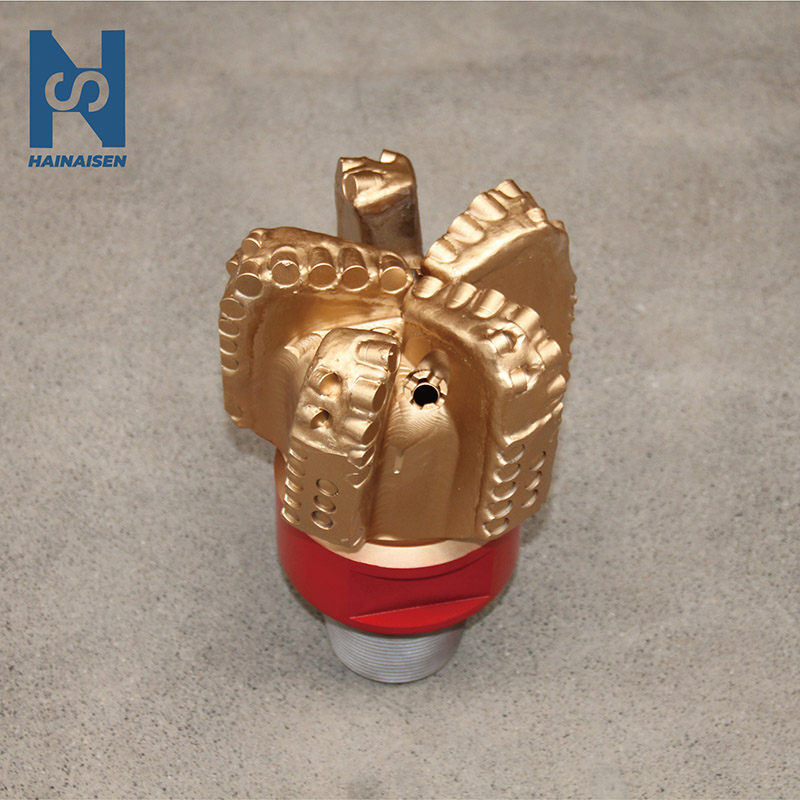
When it comes to efficiency and air pressure needs, PDC concave bits are different from their flat-faced peers because of their concave profile. The cutters on flat PDC Bits are spread out over a flat surface, which makes air flow patterns that are pretty regular and work well across a wide pressure range, usually 180 to 300 PSI for most uses. The curved shape focuses the cutting action around the edges while making a depression in the middle that improves the flow of hydraulics. In order for the swirling flow patterns that give concave bits their performance edge to happen, this shape needs certain minimum air pressure levels. Below these levels, which are generally around 200 PSI for a 150mm concave bit, the design benefits go away, and at the same pressure, the bit may not work as well as a flat bit. When the right amount of air pressure is present, concave bits can penetrate medium- to hard rocks 15 to 30% faster than flat forms. When working on projects with rocks that change from medium to hard rock, I've suggested concave bits because they keep working at the same level across natural changes that would require flat-shaped bits to be changed.
Roller Cone and Drag Bits: Air Pressure Comparison and Cost Analysis
Roller cone bits have a very different way of cutting that reacts differently to changes in air pressure. Rotating cones with hardened teeth or tungsten carbide pieces are used in these bits to cut and crush rock. Roller cone bits need between 150 and 250 PSI of air pressure, which depends on the shape and bit size. This pressure is mostly for cutting off cuts, not for cutting itself. Even though roller cone bits work at lower pressures, they usually go deeper more slowly and need to be replaced more often than PDC bits in most forms. At 160 to 280 PSI, drag bits work well. They have set cutting parts like PDC bits, but they are made of different materials and have different shapes. When looking at cost-benefit, 153mm PDC concave bit options are better for long drilling jobs, even though they cost more at first. A firm I worked with that dug water wells found that using PDC bits instead of roller cone bits cut their cost per metre drilled by 35%, even when they took into account the fact that roller cones need less air pressure. Wear-resistant materials in high-quality PDC bits make them last longer, which means fewer bit changes, less downtime, and better project costs overall.
Drilling Stability, Cutting Rates, and Maintenance Factors
When it comes to drilling steadiness, changes in air pressure have different effects on different bit types. When the pressure changes within 20 PSI of the goal settings, PDC concave bits stay very stable in the direction they're pointing throughout their ideal pressure range. Pressure changes affect roller cone bits more, and when pressure goes below design levels, the cutting path changes in a way that can be seen. All bit types have a clear relationship between cutting rates and air pressure effectiveness. However, PDC bits have steeper performance curves, meaning they work much better at optimal pressures and much worse when pressure goes outside of ideal ranges. Maintenance needs are also very different. Roller cone bits need to have their bearings oiled and their seals checked regularly, while PDC bits only need to be visually inspected and cleaned. Modern PDC concave bits can be made to fit the needs of a specific shape because their designs are flexible. This gives them performance benefits that get even better when air pressure settings are tuned correctly.
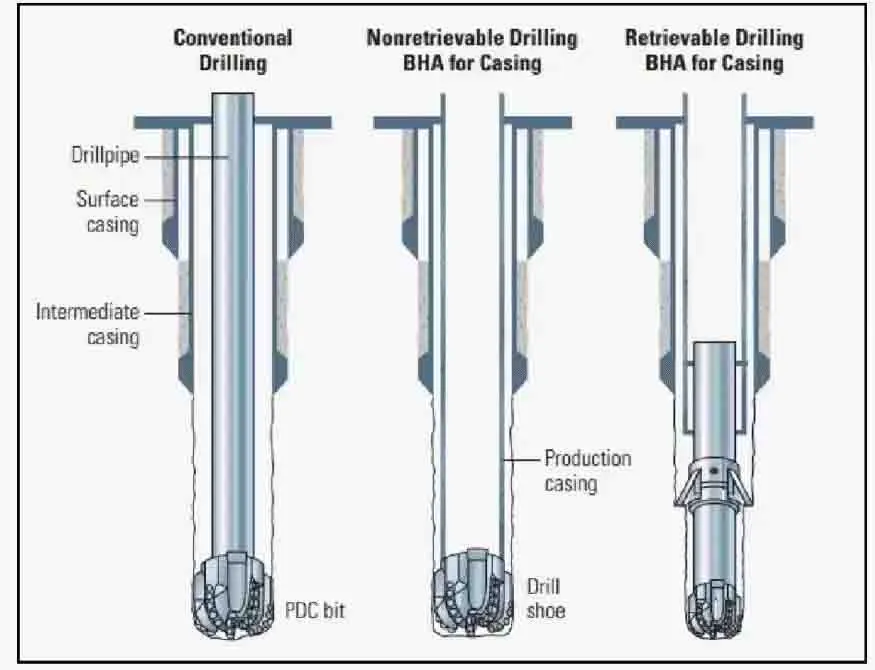
Selection and Maintenance Tips to Maximise Performance at Optimal Air Pressure
To get the most out of your 150mm PDC concave bit, you need to do more than just set the right air pressure. You need to take a complete approach to bit selection, operation, and maintenance, which I've developed over years of working in the field with drilling operations.
Selecting Appropriate Air Pressure for Specific Drilling Conditions
Accurately assessing the formation is the first step in matching the air pressure to the drilling material and the conditions of the job. Before starting to drill, I suggest making test holes to check the hardness, abrasiveness, and fracture patterns of the rock, which can affect the best pressure settings. Lower pressures, around 150 to 200 PSI, work well on soft, unconsolidated formations because they keep the formations from getting damaged while still removing enough cuts. In transitional zones where the hardness of the formation changes, methods for adjusting the pressure must be in place that can handle changes in the rate of penetration and torque input. Many successful drilling operations set up plans for adjusting the pressure based on depth intervals. As the hole gets deeper, the pressure is gradually raised to keep the shavings moving at the same speed. The altitude, temperature, and humidity of the area affect how well the compressor works and how much air pressure is supplied to the bit face. I was a consultant on a geological research project that took place at high elevations. To get the same effective downhole pressure as activities at sea level, the compressor output had to be raised by 15%.
Preventative Maintenance Strategies to Reduce Wear
Systematic preventative maintenance keeps bits working at the same level of quality throughout drilling projects and extends their life. As part of regular inspections, the state of PDC cutters should be checked for chips, cracks, or unusual wear patterns that could mean problems with pressure. Cleaning processes done between drilling runs get rid of formation waste that can get in the way of hydraulic flow patterns and make the best air pressure settings less effective. If you store bits correctly, they won't get damaged by drops or the world, which would slow them down when you need to use them again. Reputable makers use strict quality control measures during production, such as full testing for balance, runout, and structural integrity. These measures set a standard of performance that must be maintained during field repair. I tell drilling teams to keep detailed performance logs that keep track of air pressure settings, entry rates, and bit condition throughout each project. This way, they can build up a knowledge base that will make future drilling more efficient. These records help find small patterns that show when bits are getting close to the end of their useful life. This lets replacements be planned ahead of time, avoiding expensive downtime caused by bits failing without warning.
Troubleshooting Common Pressure-Related Issues
Quickly identifying and fixing problems caused by pressure keeps drills going and keeps equipment from breaking. If penetration rates are going down despite the formation's traits staying the same, it's likely because there isn't enough air pressure to remove the cuts properly, possibly due to a concave bit. This means that the air delivery system needs to be inspected for blockages right away. Too much shaking or sudden changes in power could mean that the air pressure is higher than what the bit was designed to handle. This can make the concave bit bounce or cut unevenly, which speeds up wear. When cuts stick to the bit face, this is called 'bit balling'. It usually happens because the air pressure isn't high enough to clean the cutting structure quickly enough, especially with a concave bit. I've helped drilling operations fix ongoing bit-balling problems by raising the air pressure by 30 to 50 PSI and putting in place routines for cleaning the bits during drilling operations. Monitoring the temperature gives helpful information for fixing problems. For example, too much heat means that the cuts aren't being removed properly, which causes friction on the concave bit. Symptoms of thermal shock mean that the air pressure is cycling, which causes harmful temperature changes in the PDC cutters of the concave bit.
Conclusion
Choosing the right air pressure for 150mm concave drill bits is a big choice that affects how well the holes are drilled, how long the equipment lasts, and how much the job costs. Most drilling jobs can be done with 150 to 350 PSI, with the best settings depending on the hardness of the rock, the depth of the hole, and the shape of the bit. Modern 153mm PDC Concave Bit designs work better when used within the pressure ranges recommended by the maker. They cut more efficiently and last longer than most other bits. Bit selection, optimising air pressure, preventative maintenance, and smart buying practices are all part of successful drilling operations that work together to get the most out of every drilling project. Professionals in procurement can find drilling solutions that improve performance and save money in the long run by working with experienced manufacturers who understand these technical relationships and can customise the solutions to meet your specific operational needs.
FAQ
1. What happens if air pressure is too low for a 150mm concave drill bit?
Not enough air pressure makes it hard to remove the cuts, which causes rock bits to be ground up again, which speeds up the wear on the PDC cutter. You'll see slower penetration rates, higher power needs, and bit balling, which is when cuts build up on the bit face. The hydraulic benefits of the concave shape go away below certain pressure levels, which are usually between 150 and 180 PSI based on the type of formation. Longer use at low pressure drastically reduces bit life and raises the cost per metre bored.
2. Can I use the same air pressure for different formation types?
Even though it is possible, using the same air pressure in different shapes hurts performance and shortens the life of the bit. For successful cuttings transport, hard formations need higher pressures, while soft formations need lower pressures to keep the formation from breaking and tools from wearing out too quickly. I suggest setting up rules for changing the pressure that are based on changes in the formations. For example, when going from soft to middle formations, the pressure should be raised by 50 to 80 PSI, and when hitting hard rock, it should be raised by another 50 to 70 PSI.
3. How does drill depth affect optimal air pressure settings?
When you drill deeper, back-pressure builds up and slows down the flow of air at the bit face. This means that you have to increase the pressure to keep the cutting removal efficiency. As a general rule, the air pressure should go up by 25 to 35 PSI for every 100 metres of depth above 200 meters. This compensation keeps the circular speed high enough to move cuttings to the surface, stopping them from building up and stopping the drilling process or even damaging the bit.
4. What are the signs that my air pressure settings are optimal?
The best air pressure ensures steady penetration rates that are right for the rock being drilled, with little shaking and steady power needs. When cuts are sent back, they should have clean, clear rock pieces that don't have too many fines, which is a sign of regrinding. The bit should stay in one place and not move around, and when checked between drilling runs, PDC cutters should have even wear patterns across the whole cutting structure.
Partner with HNS for Superior 153mm PDC Concave Bit Solutions
Want to get the most out of your drilling operations with high-quality 153mm PDC Concave Bit options that are designed to work better in a wide range of rock types? Drilling workers all over the world trust HNS for their technical knowledge, high-quality products, and ability to make things just the way they need them for projects like oil and gas research, coal mining, water well drilling, and geological surveying. Our team offers full support, including advice on how to optimise air pressure, bit design that is special to the formation, and quick technical help throughout the duration of your equipment. Email us at hainaisen@hnsdrillbit.com right now to talk about your drilling needs and find out how our advanced PDC concave bit technology can help you run your business more efficiently and cut down on overall drilling costs. If you need trusted, high-performance drilling options, HNS is your partner.
References
1. Mitchell, B. and Miska, S. (2011). Fundamentals of Drilling Engineering. Society of Petroleum Engineers.
2. Bellin, F. and others (2010). "SPE Drilling Bit Classification System." Society of Petroleum Engineers Technical Paper Series.
3. Bourgoyne, A.T., Millheim, K.K., Chenevert, M.E., and Young, F.S. (1991). Applied Drilling Engineering. Society of Petroleum Engineers Textbook Series.
4. Warren, T.M. (1987). "Penetration Rate Performance of Roller Cone Bits." SPE Drilling Engineering Journal, Volume 2, Issue 1.
5. Glowka, D.A. (1989). "Use of Single-Cutter Data in the Analysis of PDC Bit Designs: Part 1—Development of a PDC Cutting Force Model." Journal of Petroleum Technology, August edition.
6. Clayton, R. and Chen, S. (2006). "PDC Bit Technology for the 21st Century." Oil and Gas Journal Technical Publications Series.
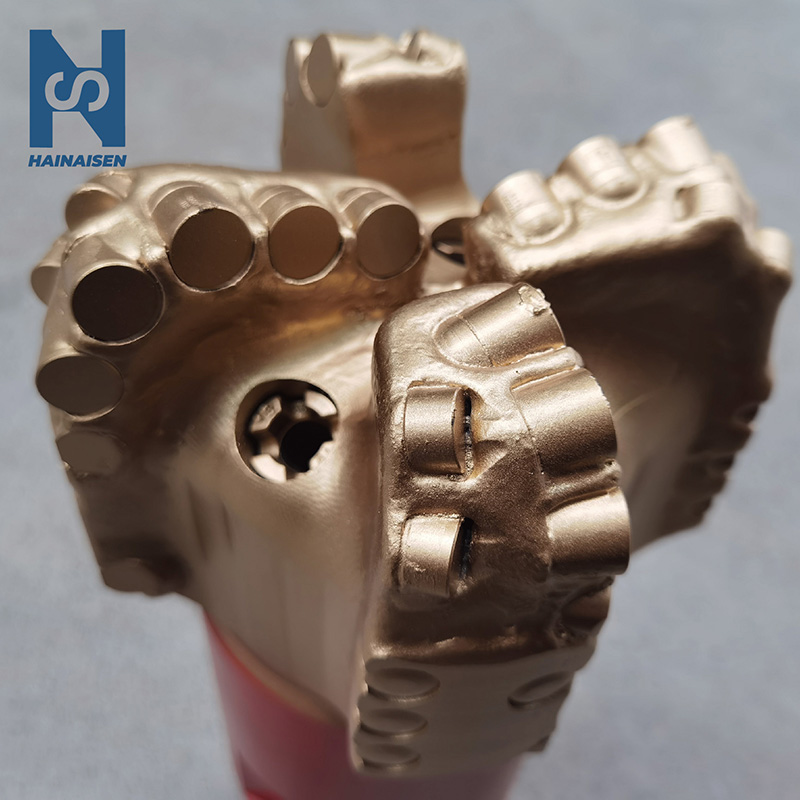 VIEW MOREFour Blade Wing Petroleum Drill Bit
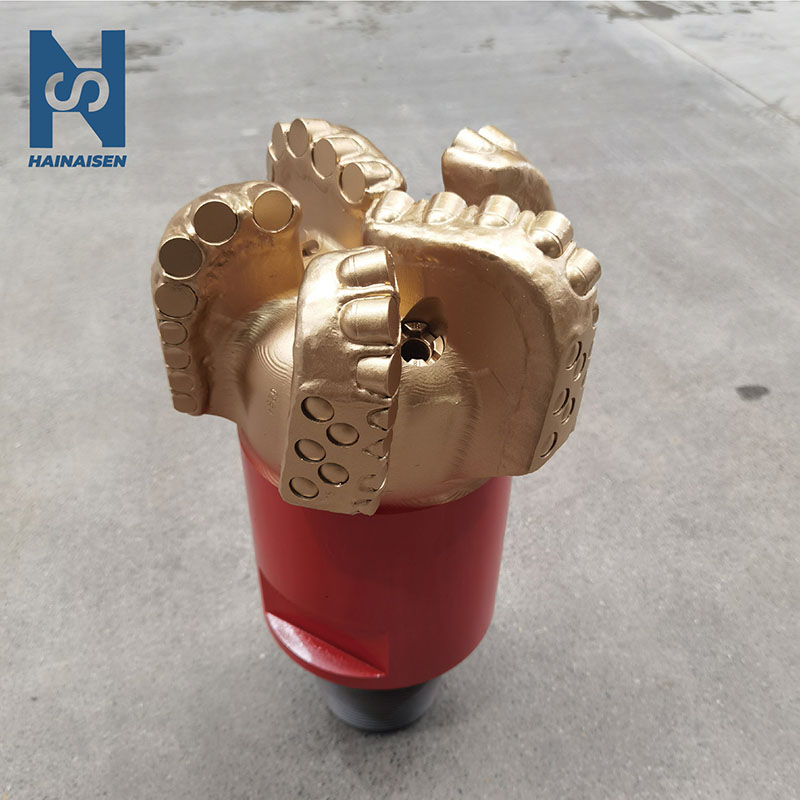 VIEW MOREDrill Bits For Oil Drilling
logo 2_1777360600432.jpg) VIEW MORECoal Mine Drilling Drill Bit Directional Three Blade PDC Drill Bit
VIEW MORECoal Mine Drilling Drill Bit Directional Three Blade PDC Drill Bit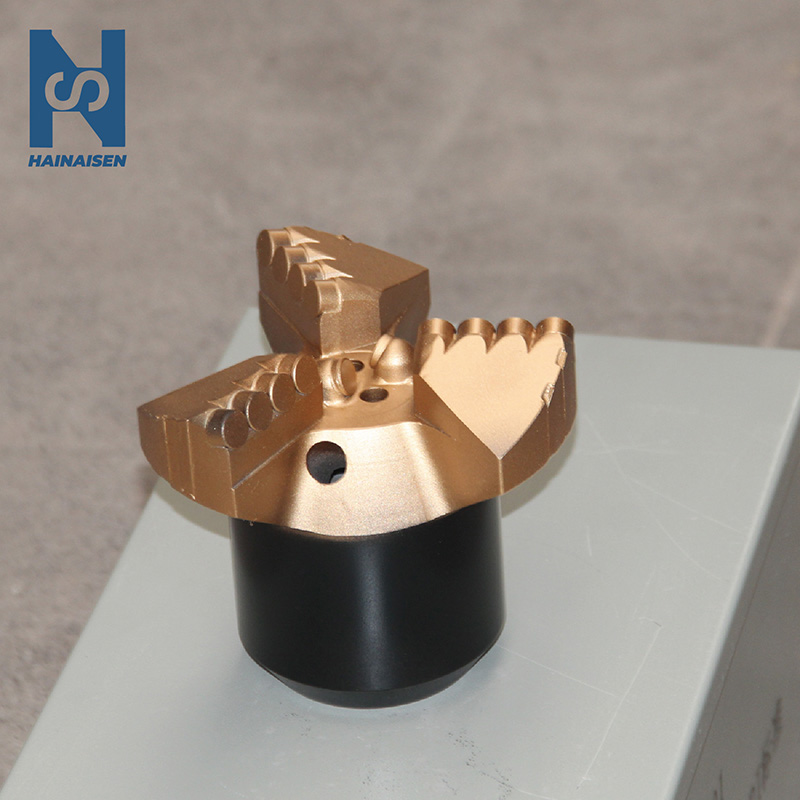 VIEW MORE153mm PDC Concave Bit
logo 1_1777360475599.jpg) VIEW MOREDirectional Three Blade PDC Drill Bit
VIEW MOREDirectional Three Blade PDC Drill Bit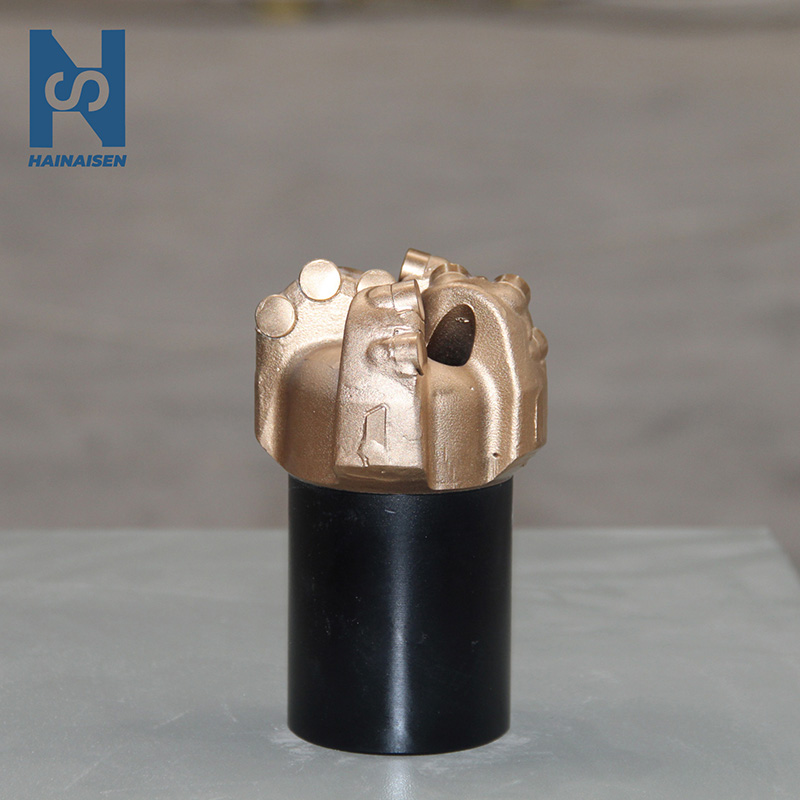 VIEW MORE113mm Four Wing Arc Angle Drill Bit
 VIEW MOREPDC Rock Drill Bit
logo 4_1777360540990.jpg) VIEW MOREDrilling Tool Coal Mining Bit
VIEW MOREDrilling Tool Coal Mining Bit
