




PDC Drill Bits: Applications and Case Studies
PDC rock drill bit technology is always brought up when people are looking for drilling solutions that are good at what they do, don't cost a lot of money, and can be used in a lot of different industries. Polycrystalline diamond compact rock drill bits have changed how oil and gas companies, mines, and water well drilling teams work with hard-to-reach rock types. This guide looks at detailed case studies and real-world uses of PDC Rock Drill Bits to help procurement managers and technical engineers understand how these tools work in tough situations. Whether you're mineral exploring in hard rock or drilling through shale formations abroad, knowing how PDC rock drill bit technology can be used in the real world affects your project timelines, daily budgets, and long-term plans for buying tools.
Understanding PDC Rock Drill Bits: Fundamentals and Applications
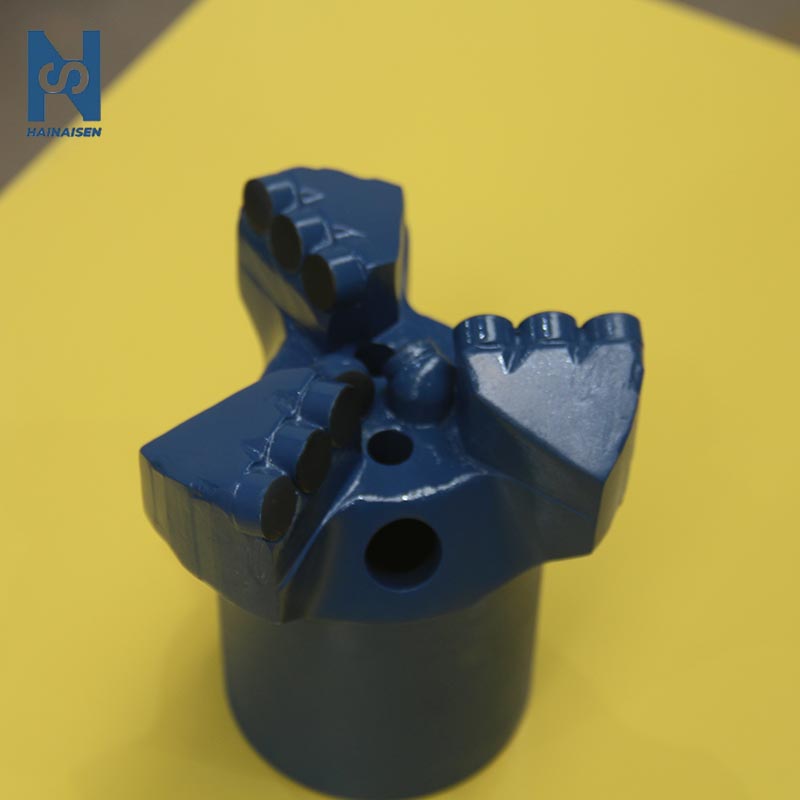
PDC rock drill bits are a big step forward in drilling technology. They are made of synthetic diamond materials and have precision-engineered bit bodies that make them better than standard roller cone drill bits in most situations. Polycrystalline diamond compact rock drill bit cutters, which are small, very hard discs attached to tungsten carbide substrates, are carefully placed on the bit face to shear rock instead of crushing it.
How PDC Technology Works in Diverse Drilling Environments?
A shearing action is what makes it work. This action makes less heat and sound than standard crushing methods. The cutting edge of each PDC rock drill bit cutter stays sharp for a lot longer than with regular materials. This means that the PDC rock drill bits last longer and trip less often. The body is made of high-grade steel, which gives it strength, and the tungsten carbide structure makes it more resistant to wear in rough environments.
I've seen that PDC rock drill bits work really well for oil and gas research, especially for drilling activities both onshore and offshore, where penetration rates have a direct effect on the project's costs. PDC rock drill bit cutters provide steady performance that is very helpful for both horizontal and directional drilling projects. They keep the accuracy of the trajectory while cutting through different types of formations. Once thought to be difficult for PDC rock drill bit technology, shales and hard rock drilling are now among the best places to use it because cutter design and production methods have improved.
Industry-Specific Applications That Drive Procurement Decisions
PDC rock drill bit technology is being used in coal mining, mineral research, and geothermal drilling, among other mining and mineral extraction tasks. Companies that mine coal like the mix between performance and cost-effectiveness that PDC rock drill bits offer. They penetrate faster than tricone bits while still being priced competitively so that they can fit into business budgets.
PDC rock drill bits are very useful for water well drilling teams working on projects like building deep water wells and exploring aquifers. Being able to drill steadily through different rocks without having to change PDC rock drill bits often cuts down on project time and labour costs, which are very important for smaller drilling operations where every hour of downtime hurts profits.
PDC rock drill bits are precise and stable, which makes them useful for construction and infrastructure projects that need to drill foundations for big structures, bore tunnels, or do geotechnical studies. Environmental and geological uses of PDC rock drill bit technology include soil sampling, core drilling, environmental cleanup projects, and installing geothermal heat pumps. These are just a few of the many uses that show how versatile it is.
Advantages and Performance Insights of PDC Rock Drill Bits
When I compare PDC rock drill bits to roller cone and standard diamond options, three performance areas always stand out: how long they last, how fast they drill, and how much they cost to own altogether. These aren't just hypothetical benefits; they're backed up by real-world facts from a number of different businesses.
Durability and Extended Operational Life
Because a fake diamond is one of the hardest things you can find, PDC rock drill bit cutters keep cutting well for a much longer time than standard materials. Field data from oil service companies shows that in medium- to soft-rock formations, PDC rock drill bits often get two to three times the footage of similar roller cone bits. The advanced polycrystalline diamond compact rock drill bit cutters don't wear down easily and keep their sharp cutting edges even when they run into hard stringers in softer rocks.
In a job in the Gulf of Mexico, a large offshore drilling company kept records of their switch from roller cone to PDC rock drill bit technology. In the formations they studied, PDC rock drill bits drilled an average of 1,847 feet per bit, while roller cones only drilled 612 feet per bit. This is a three-fold gain that greatly cuts the number of trips needed to reach the goal depth.
Superior Drilling Speed and Project Efficiency
In most types of formations, penetration rates always support PDC rock drill bit technology. Because shearing creates less friction than crushing, higher rotating speeds and weight-on-bit settings can be used without hurting the structure of the cut. This means faster digging speeds, which shorten the time it takes to finish a job and lower the cost of rig time.
In the Appalachian region, a coal mining company used PDC rock drill bits in all of its exploration drilling. The average penetration rates went from 18 feet per hour to 31 feet per hour, which is a 72% increase that let them finish their drilling schedule three weeks earlier than planned. It was especially helpful for their deep drilling activities that the four-blade PDC rock drill bit design they chose had less power and drag.
Economic Advantages and Quantifiable ROI
It makes sense to drill faster and use PDC rock drill bits that last longer because they last longer. Even though PDC rock drill bits are usually more expensive to buy at first than roller cone options, the total cost per foot bored usually works out much better for PDC rock drill bit technology. Cutting down on trips alone saves a lot of money, since each round trip to change PDC rock drill bits costs rig hours, labour, and fuel, but doesn't produce any footage.
A company that drills water wells looked at how much they spent on PDC rock drill bits each year and how much they got done after moving to PDC rock drill bit technology. Even though bit prices went up, their data showed that drilling costs per foot went down by 34%. This was mostly because they drilled 4.2 times more footage per bit and cut the number of bit changes from an average of 5.8 per well to 1.4 per well.
How to Select and Maintain PDC Rock Drill Bits for Optimal ROI?
To choose the right PDC rock drill bit, you need to make sure that the tool's specs match your drilling surroundings and the way you plan to use it. When making this choice, many things are taken into account that have an immediate effect on success and return on investment.
Critical Selection Factors for Different Drilling Scenarios
When choosing PDC rock drill bits, formation traits are the most important thing to think about. Rock hardness, abrasiveness, and layers that are layered on top of each other all affect the size of the cutter, the shape of the blades, and the hydraulic design needs. When cutting through soft rock, bigger PDC rock drill bit cutters with sharper blade shapes work best. When cutting through harder, more abrasive rock, smaller cutters with better support structures work best.
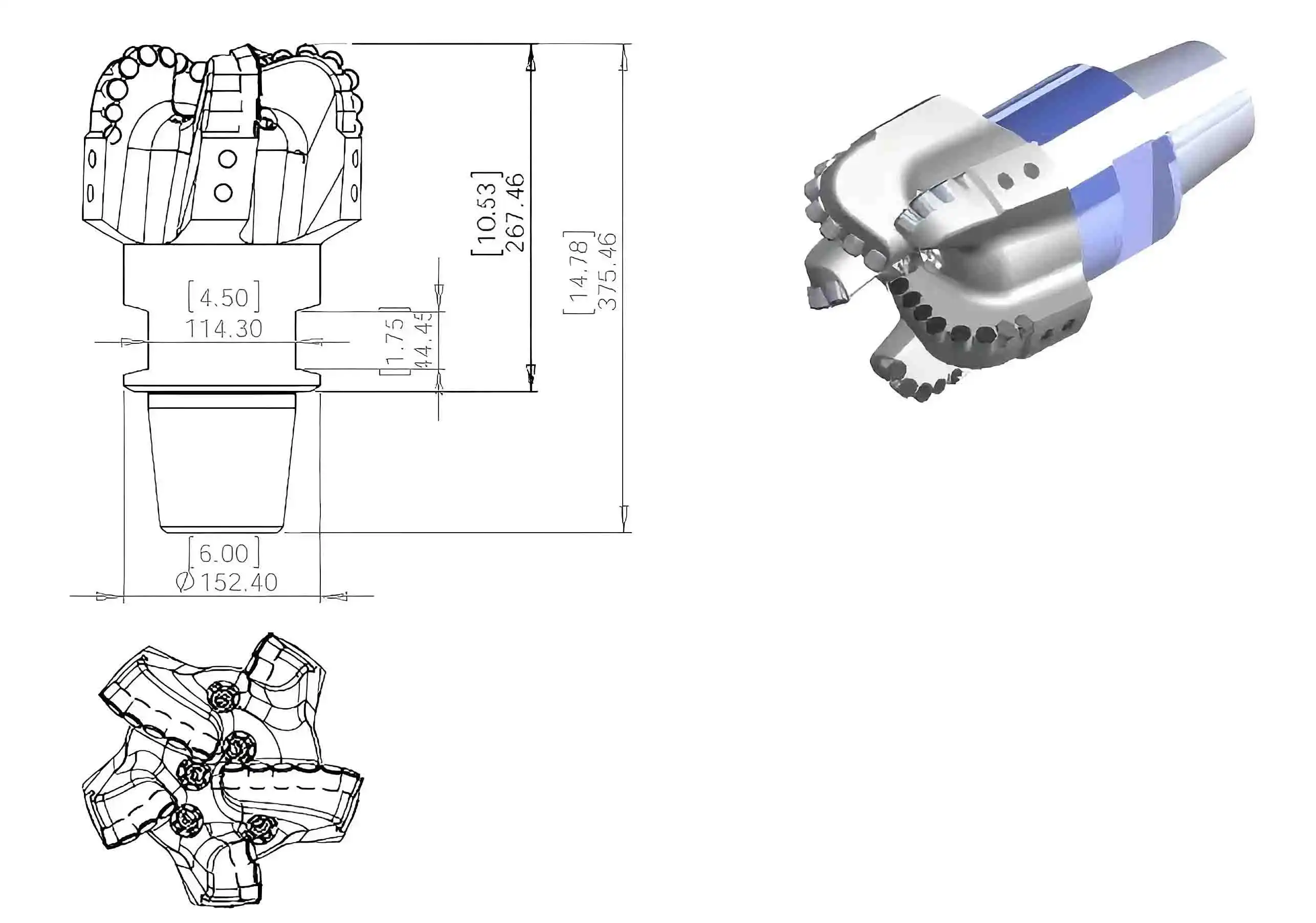
The design of the blades has a big effect on how well they work. Four-blade PDC rock drill bit designs have less force and drag than six-blade designs. This makes them especially useful for deep drilling, where controlling friction is very important. Optimising the blade geometry for your specific rock formations is something that makers like Shaanxi Hainaisen Petroleum Technology can do with the help of research and development teams whose sole job is to create custom PDC rock drill bits.
You should give hydraulic performance a lot of thought, especially in situations where getting rid of cuttings is hard. The PDC rock drill bit's ability to remove drilled material from the cutting face is affected by where the nozzles are placed, the flow areas, and the shape of the junk slots. If your hydraulics aren't working right, cuttings can ball up around the cutters and make them less effective. This is a common problem that can be avoided by choosing the right PDC rock drill bit and operating it correctly.
Maintenance Best Practices That Extend Bit Life
Because they don't have any moving parts or sealed bearings, PDC Rock Drill Bits, including PDC Rock Drill Bits, need less upkeep than roller cone options. Handling, storing, and using the cutter in a way that protects its purity are the most important upkeep tasks.
When handling PDC rock drill bits, don't drop them or hit them hard on hard surfaces. The diamond cuts can break or chip from quick impacts. Keep PDC rock drill bits in cases that will protect them from damage to the cutter and keep the bit face clean of drilling fluid leftovers that can harden and affect how well it works in the future.
How things are done in the workplace has a big effect on PDC rock drill bit life and success. Gradual rises in weight-on-bit and rotating speed during the first drilling phase help cutters find their best cutting pattern without overworking themselves. By keeping an eye on the drilling factors, you can tell when the PDC rock drill bit's performance starts to drop, which is usually shown by slower penetration rates or more power. This lets you know when to change the PDC rock drill bit.
Troubleshooting Common Challenges
Bit balling is the most common problem with PDC rock drill bit technology, especially in shale rocks that are sticky or soils that are high in clay. Increasing the flow rate, making sure the qualities of the drilling fluid are optimal, and changing the rotating speed can generally fix balling problems. In some situations, PDC rock drill bits with special cutter configurations or blade shapes that are made to reduce balling patterns are useful.
Strange wear patterns can tell you a lot about how the hole was drilled or what's happening down there. A cutter that wears evenly across the PDC rock drill bit face means that it is working correctly. On the other hand, wear that is concentrated in certain areas could mean that there are problems with weight distribution, changes in the formation, or hydraulic flaws that need to be looked into.
Procurement Strategies and Supplier Insights for PDC Rock Drill Bits
When buying PDC rock drill bits, it's not enough just to compare prices per bit. You also need to look at the skills of the suppliers, their quality control methods, and the overall cost of ownership. I've noticed that procurement managers who create thorough models for evaluating suppliers always get better results than those who only look at the initial buy price.
Evaluating Manufacturers and Building Strategic Partnerships
In the PDC rock drill bit market, Manufacturers' skills vary a great deal. Leading suppliers keep up-to-date production facilities with cutting-edge tools like five-axis machining centres and CNC machine tools that ensure the quality and accuracy of the measurements. This way of doing things is shown by Shaanxi Hainaisen Petroleum Technology, which has a 3,500-square-metre building with the best processing tools and welding production lines in the business.
Manufacturing Certifications and quality control methods show how reliable a seller is. Companies that put money into research and development teams show that they want to keep getting better and can come up with custom solutions for problems that come up in drilling. Large and medium-sized oil repair companies that have strict quality standards and specific performance needs will find this feature very useful.
Understanding Pricing Structures and Market Dynamics
The price of PDC rock drill bits depends on many things, like the quality of the cutter, the bit size, the blade design, and the number of orders. Costs usually go down by 15–25% when you buy in bulk instead of placing a small order. This makes volume promises appealing when drilling plans require bigger inventory investments.
In the past few years, prices on the market have stayed the same as manufacturing methods have gotten better and competition has grown. But the prices of raw materials, especially manufactured diamond and tungsten carbide, change with the trade markets and can have an effect on prices over time. When you build long-term ties with suppliers, you can protect yourself from sudden price rises and make sure that your needs are met first when the market is busy.
Custom Manufacturing and Technical Support Considerations
Custom PDC rock drill bit designs can solve drilling problems that normal store items might not be able to. When a manufacturer has its own design department, it can change the structure of the cutters, the hydraulic features, and the gauge settings to fit the properties of a certain formation or the limitations of the drilling tools. This ability to be customised helps oil and gas companies a lot when they are drilling in places with complicated geology where standard PDC rock drill bits don't work well.
The quality of technical help changes a lot between suppliers. The best makers offer application engineering help, performance analysis, and debugging support to make PDC rock drill bit performance as high as possible. This knowledge comes in very handy during the approval process, when looking at new bit designs or going into drilling areas that aren't known.
Conclusion
PDC rock drill bit technology has been shown to improve performance in mining, building, oil and gas research, and drilling for water wells. Because they last longer, penetrate deeper, and result in better drilling costs, PDC rock drill bits are the best choice for most drilling situations. To make execution work, you need to make sure that the bit specs match the properties of the formation, choose sources that can help with technical issues and offer custom design services, and follow best practices for operations that extend the bit's life. New materials and digital integration are making the technology keep getting better, which means better performance that will affect how drilling is done and how much it costs in the future.
FAQ
1. What is the typical lifespan of a PDC drill bit in hard rock formations?
The length of time a PDC rock drill bit lasts depends a lot on the hardness, abrasiveness, and cutting factors of the rock. Good PDC rock drill bits can drill between 1,500 and 3,000 feet in fairly hard rock before they need to be replaced. Extremely hard or rough rocks may limit this to 500 to 1,200 feet, but these ranges can be greatly increased by using the right PDC rock drill bit and drilling techniques.
2. Can PDC drill bits be refurbished after initial use?
For bigger diameter PDC rock drill bits, some makers have refurbishment programmes where new cutters are put in, and the bit body is fixed up. This method usually costs between 40 and 60 per cent of a new bit but works 70 to 85 per cent as well. Because of the high cost of work compared to the cost of replacement, smaller diameter PDC rock drill bits are usually not worth fixing up.
3. What factors most significantly affect PDC bit drilling speed?
Penetration rates are affected by the type of rock, the shape of the PDC rock drill bit, and the drilling factors. It is possible to drill faster through softer rock layers, and the best hydraulics and cutter arrangement for each type of rock make the process more efficient. To get the best performance without hurting the bit, operational factors like weight-on-bit, rotating speed, and flow rate must be adjusted.
4. How do PDC bits perform in interbedded formations with varying hardness?
Modern PDC rock drill bits are good at working with interbedded forms because their cutter layouts and blade shapes have been improved. The most important thing is to choose PDC Rock Drill Bits that are made for the hardest structure that you expect to see. Bits that are made for soft rock may break when they hit hard stringers. Talking to makers about specific formation processes can help you find the right patterns.rock drill bits
Partner with HNS for Superior PDC Rock Drill Bit Solutions
HNS has PDC Rock Drill Bit options that are made to fit your needs, whether you're a big oil service company looking for qualified suppliers with proven quality systems or a water well drilling team wanting to get the best performance for the least amount of money. Our factory in Xi'an has both advanced five-axis machining centres and dedicated research and development areas. This lets us make both standard and special PDC Rock Drill Bits that solve your specific drilling problems. You can email our expert team at hainaisen@hnsdrillbit.com to talk about your application needs, get performance data that is relevant to your formations, or set up product samples that will let you check out our quality before you place a bigger order. We support drilling activities around the world by offering low prices, on-time delivery, and the professional know-how to help you get the most out of your drilling and make the project a success.
References
1. Baker Hughes. "Drill Bit Selection and Optimization Manual." Industrial Drilling Technology Series, 2022.
2. Bourgoyne, Adam T., et al. "Applied Drilling Engineering." Society of Petroleum Engineers Textbook Series, Richardson, Texas, 2021.
3. Journal of Petroleum Technology. "Advances in PDC Cutter Technology and Applications." Society of Petroleum Engineers Monthly Publication, March 2023.
4. Mining Engineering Magazine. "Comparative Performance Analysis of Drill Bit Technologies in Coal Exploration." Society for Mining, Metallurgy & Exploration, 2022.
5. National Driller Magazine. "Water Well Drilling Equipment Selection Guide." National Driller Industry Publication, Annual Reference Issue, 2023.
6. World Oil Magazine. "Drilling Technology Innovations and Field Applications." Gulf Publishing Company, September 2023.
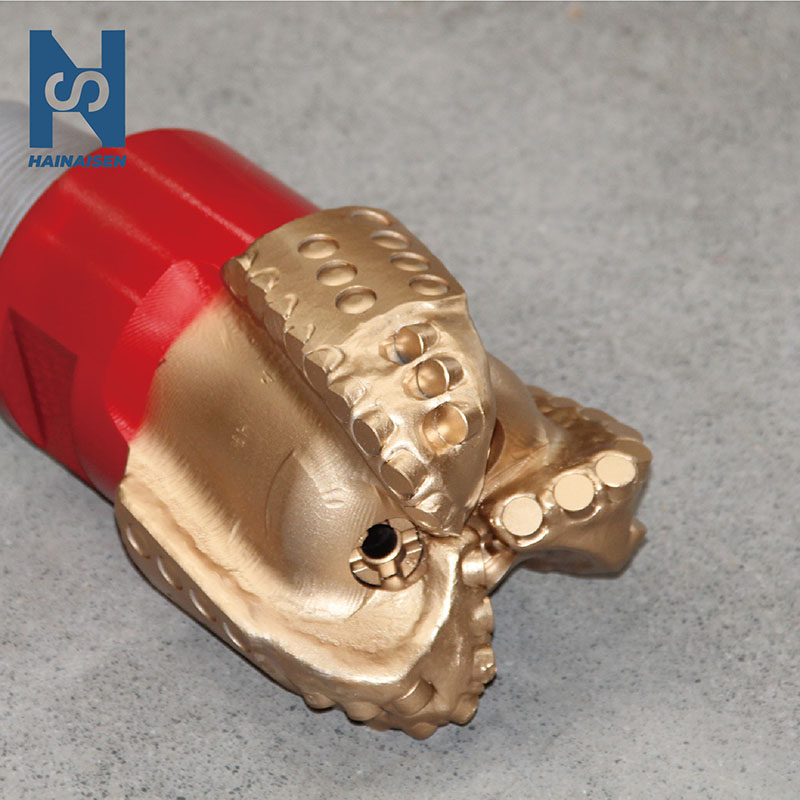 VIEW MOREThree Blade Oil Drill Bit
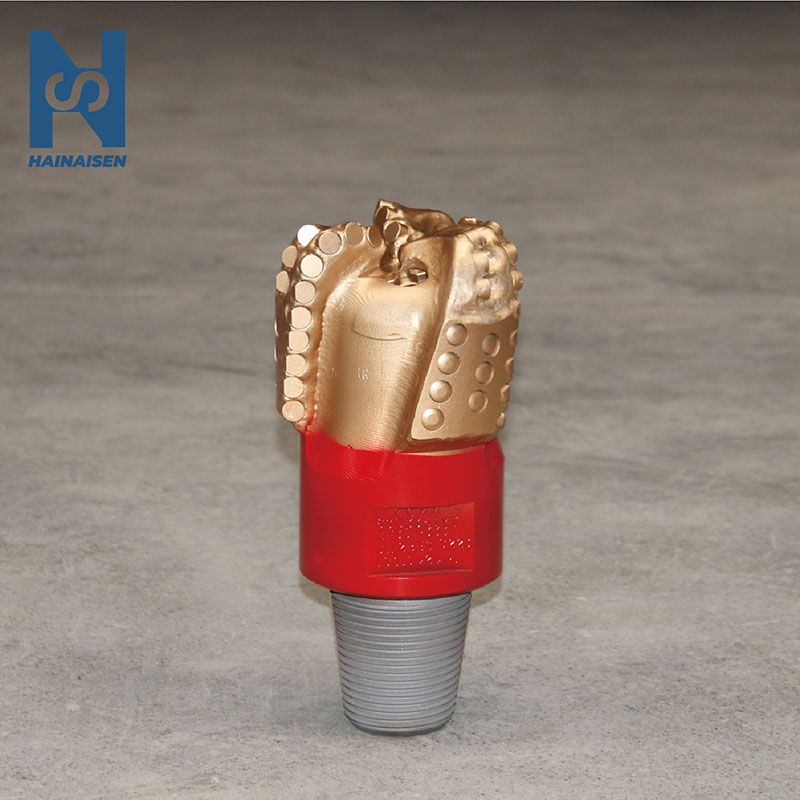 VIEW MOREThree Blade PDC Tricone Drill Bit
logo 1_1768204983068.jpg) VIEW MOREPDC Core Drill Bit With 8 Blades For Hole Drilling Used In Mining
VIEW MOREPDC Core Drill Bit With 8 Blades For Hole Drilling Used In Mining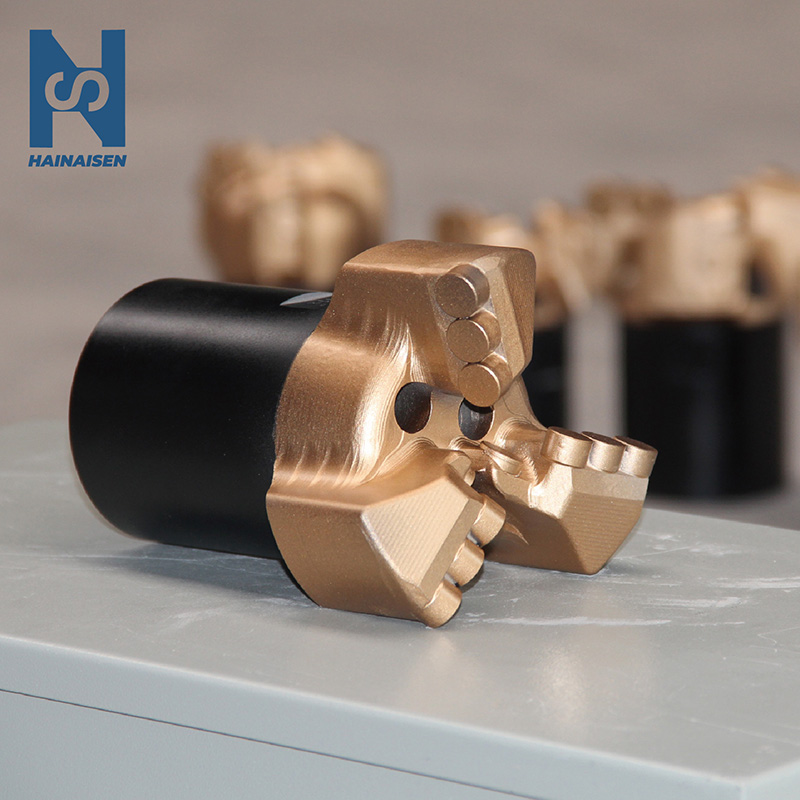 VIEW MORESteel Body PDC Drill Bit
 VIEW MOREPolycrystalline Diamond Compact Drill Bits
logo 1_1768274683075.jpg) VIEW MORECoal Mine Drilling Opening And Closing Drill Bit
VIEW MORECoal Mine Drilling Opening And Closing Drill Bit VIEW MORECoal Mining Tools PDC Anchor Drill Bit 28mm
 VIEW MORESteel Scraper Drill Bit