







How do oilfield drill bits work?
At the end of a drill string are oilfield drill bits, which are the most important cutting tools for breaking through rock and sediment layers to get to deep oil and gas reserves. When they turn under a lot of pressure, cutting elements made of tough materials like tungsten carbide or polycrystalline diamond compact (PDC) break up and crush rock layers. Drilling fluid moves through the bit's tubes and cools the cutting structure, greases the contact surfaces, and brings back to the top broken pieces of rock. The five-blade wing oil drilling technology is one of the most important new ideas of our time. It is more stable, has higher entry rates, and has better cutting removal than older designs. This five-blade wing oil drilling design spreads the cutting forces more evenly across the bit face, which lowers shaking and increases the bit's useful life in tough rock situations.
Understanding Oilfield Drill Bits: Basics and Working Principles
Drill bits are the main part of drilling tools that touch the ground, so how they are made and what materials they are made of are very important to how well they work. Over the years, I've worked with a number of different drilling teams. Each time, the advancements in bit technology have been a huge help in cutting costs and increasing well output.
Types and Material Compositions
There are two main types of modern oilfield drill bits: roller cone bits and fixed cutter bits. The spinning cones on roller cone bits have steel or tungsten carbide teeth that crush rock by rolling and scraping against it. To cut through rock, fixed cutter bits, especially PDC Bits, use Manufactured diamond blades that are attached to a solid body. The choice of material has a direct effect on how long something lasts. PDC cutters are very good at resisting wear in medium to hard rocks, while tungsten carbide plugs work best in softer, rougher conditions.
Five-blade wing oil drilling systems use modern PDC cutting technology that is spread out across five different blades that stick out from the bit body. This arrangement makes it possible for the best load to be spread across the cutting area. This reduces stress on each cutter and makes the bit last a lot longer. The diamond-enhanced cutting elements keep their sharp edges for a much longer time than regular materials, which means that expensive bit trips happen less often.
Fundamental Drilling Mechanics
There are three main steps in the drilling process: breaking, cutting, and grinding. The bit is torqued when the drill string turns, which presses the cutting elements against the rock wall. On the other hand, weight-on-bit (WOB) applied from the surface pushes down, which lets the cuts go through the formation. The rate of penetration (ROP) is set by how spinning speed, weight-on-bit (WOB), and formation strength interact with each other.
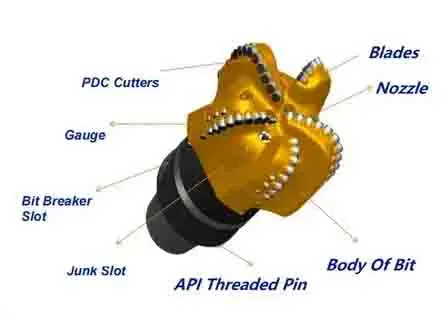
The performance of the hydraulics is also very important. Drilling mud is pumped down through the drill string and comes out of the bit face through holes that were carefully designed and built. This fast-moving fluid jet does several things: it keeps the cutters cool so they don't break down due to heat, cleans the bit face by clearing cuttings from under the cutters, and keeps the walls of the shaft stable. The spaces between the blades, which are called "junk slots", need to be the right size to move the pieces away from the cutting zone quickly.
Design Considerations for Five-Blade Wing Systems
The five-blade wing oil drilling bit is basically different from standard three- or four-blade designs because it has better geometric balance. When five cutting structures are spread out evenly around the bit face, rotational forces become more balanced. This makes horizontal shaking and stick-slip oscillations much less of a problem than they are in older designs. This stability directly leads to more accurate direction control and smoother drilling operations.
The shape of the blade itself has several controls for the depth of cut. The back rake angle of each blade is carefully designed to control how hard the PDC cutters cut into the pattern. If the bit is too aggressive, it will experience too much power and vibration. If it is too inactive, it will not penetrate as well. With five-blade wing oil drilling, engineers can better find the right balance than with designs that have fewer blades, resulting in higher ROP while keeping the machine stable.
Advantages and Efficiency of Five-Blade Wing Oil Drilling
When buying teams look at investments in drilling technology, they need clear proof that the technology will improve performance and save money. The five-blade wing oil drilling design has measured benefits across a number of operating measures that have a direct effect on the economics of the project.
Performance Benefits Over Traditional Systems
The benefit that can be seen right away is penetration speed. I've looked at and compared field trials and found that five-blade wing oil drilling bits regularly get 15–25% higher ROP than four-blade designs that are used in the same formations. This is better because there are more cutting parts that are constantly working with the rock face during each rotation. When more cuts are working at the same time, they can take more rock per turn. This speeds up the progress of the borehole without needing more WOB or rotational speed.
With five-blade wing oil drilling systems, operational downtime is cut down by a large amount. The improved steadiness cuts down on harmful vibrations that wear out cutters early and cause structures to fail. Bits last longer between trips, which means that drillers can spend more time making holes and less time pulling out old tools. One medium-sized drilling company I talked to said that bit-related downtime had gone down by 40% after they switched all of their equipment to Five-Blade Wing Oil Drilling technology.
Service life increase is a great way to save money in the long run. Because the load is spread out over five blades, each PDC cutter is under less stress while it is working. When combined with better hydraulic cleaning that keeps cuts cool and free of buildup debris, this design often drills 30 to 50 per cent more footage before it needs to be replaced than other designs.
Effectiveness in Challenging Formations
Shale rocks are hard to work with because their hardness changes, they are rough, and they tend to become unstable. Five-blade wing oil drilling bits work best in these situations because they cut evenly and have better hydraulic performance. The bigger junk holes between the five blades effectively remove the fine cuttings that come with shale drilling. This keeps the bit from balling up, which would otherwise make it hard to drill.
A drilling operation in the Permian Basin got great results by using five-blade wing oil-drilling PDC bits in shale and limestone layers that were layered on top of each other. The bits kept their ROP even when the layout changed, which would normally make other designs' performance worse. Using this bit instead of the four-blade bits that were previously used in the same geographic area led to 22% faster drilling times and 35% longer bit life.
Maintenance Protocols and Safety Practices
To get the most out of your equipment's life, you need to be careful about repair. Before deploying a bit, I always suggest giving it a careful review. This includes looking for chips or damage in each PDC cutter, making sure the tip is the right size and condition, and making sure the API connection threads are clean and not damaged. Post-run analysis gives useful information; for example, keeping records of dull grades according to IADC standards helps find problems and make better bit choices in the future.
Safety concerns go beyond what is expected on a rig. Five-Blade Wing Oil Drilling designs have less vibration, which lowers the risk of fatigue for drilling workers and lessens the stress on downhole tools that could cause catastrophic breakdowns. Proper hydraulic setting makes sure that the right amount of fluid flows through all seven nozzles. This stops any areas from getting too hot, which could damage the bit body or cause the cutter to delaminate while it's in use.
Comparative Analysis: Five-Blade Wing vs Other Drilling Technologies
Procurement workers can make better choices that meet their operational needs and budget limits when they know what their competitors are doing. There are a lot of different choices on the market for drilling technology, and each one has its own unique qualities that make it useful for different tasks.
Design and Operational Efficiency Comparisons
Before five-blade wing oil drilling versions caught on, four-blade wing oil field drill bits ruled the PDC market. Geometric planning is the main difference. The four-blade configuration is stable and works well enough hydraulically, but the five-blade wing oil drilling configuration is more balanced. The extra blade makes it possible for each blade to have a smaller shape while keeping the total cutting surface area the same or bigger. This makes it easier for the bit to follow the workpiece and lowers the forces that push it to the side.
Traditional tricone Roller Bits are still useful in some situations, especially when working with hard, rough materials, and impact breaking is better than shearing. These bits are cheaper at first, but they tend to drill more slowly and need to be replaced more often than PDC bits. Moving parts make the machine more complicated and add new ways for it to fail that fixed cutter designs don't have at all.
The Five Blade Wing Oil Drilling system works especially well for horizontal drills. For the longer lateral parts, you need bits that can stay stable in any direction while digging quickly through different types of rock. Five-blade wing oil drilling bits have a balanced shape that makes it easier to control the tool face. This makes it possible to place the wellbore more accurately than with asymmetric designs, which can cause unwanted variation.
Cost-Benefit Analysis for Teams that Buy Things
The initial buying price is only one part of the total cost of owning. A five-blade wing oil drilling PDC bit might cost 20–30% more than a similar four-blade design, but when you look at the whole drilling process, the modern technology is more cost-effective. Take a look at a common use case for digging to 10,000 feet in medium-hard rock. The higher ROP cuts rig time, which is the most expensive part of any drilling job, by several hours per well. At daily rig rates that can be anywhere from $15,000 to $50,000 or more, based on the class of equipment, the time saved quickly covers the cost of the equipment.
The value of reduced trip frequency goes up. If you have to make a round trip to replace an old bit, it can take anywhere from 6 to 12 hours of time that you can't work. By increasing the bit's life from 2,000 feet to 3,000 feet, one full trip is cut out of a 12,000-foot well. This saves a lot of time on the rig and keeps the crew from getting too tired. Multiple well-digging programmes have a big effect on overall costs, which is a big benefit.
Market-Leading Five-Blade Wing Products
You can get a complete five-blade wing oil drilling PDC bit from HNS that is made for tough drilling jobs. Our type is classified by the IADC as S123, which means it was made for soft to medium forms with high compressive strength. The 12.25-inch (311 mm) bit size works with most intermediate and production casing programmes. The Five-Blade Wing Oil Drilling design has 109 PDC cuts of different sizes (13 mm and 16 mm) that are best for different areas on the bit face.
The seven-nozzle hydraulic system cleans very well, and the total flow area has been determined to give the best fluid speed across the cutters and through the larger junk holes. The bit weighs 95 kilograms, which shows that it is well-made and doesn't have any extra weight that would make it less useful for cutting. Standard drill string parts can be used with the 6-5/8 REG pin connection, and the 90mm gauge length gives you great security and hole quality.
According to user comments from mid-sized service companies, performance that is reliable and steady is very important for oil field drill bits. One drilling firm said it had finished 22 wells in a row without a single bit-related failure. This was a huge accomplishment that gave people faith in the technology and let them use more aggressive drilling settings, which made the whole process even more efficient.
Conclusion
The cutting edge of oilfield drill bits is what makes hydrocarbon extraction possible. New design innovations like five-blade wing oil drilling technology have made penetration rates, operating stability, and equipment life measured better. The Five-Blade Wing Oil Drilling design gets better geometric balance, which lowers damaging vibrations while increasing the number of cutting elements that engage the formation. When paired with advanced PDC cutter materials, improved hydraulic systems, and precise production, these bits clearly show their benefits in a wide range of drilling conditions and situations. When procurement teams look at investments in drilling technology, they shouldn't just look at the initial purchase price. They should also look at the total cost of ownership, since better performance and longer service life are big economic benefits. Smart drilling systems and data-driven optimisation are becoming more popular in the drilling industry. Five-blade wing oil drilling technology is a tried-and-true base that is ready to accept new innovations that will shape the future of efficient and cost-effective drilling operations.
FAQ
1. What maintenance routines extend a five-blade wing drill bit's lifespan?
Before deploying, all PDC cuts should be checked to make sure they are still whole and free of chips or cracks. The state and size of the nozzles should also be checked, as well as the API connection threads, to make sure they are clean and well-oiled. During operations, keep an eye on the drilling factors to make sure they stay in the right WOB and RPM ranges to avoid damaging shaking. IADC-standards-based post-run dull grading keeps track of wear trends and helps improve bit selection in the future. Keep bits in cases that protect them from impact damage to cutters, and keep thorough service records that track footage drilled, formations encountered, and operational parameters to find performance trends and possible problems before they lead to failures.
2. How do five-blade wing bits reduce costs compared to conventional drilling methods?
The main cost benefit comes from a faster rate of entry, which cuts down on the time that the expensive rig needs to travel to reach the goal depth. When you drill faster and the bits last longer, you don't have to make as many trips to replace worn-out tools. This saves time that could be used for other things, which can make up 15 to 25 per cent of the total drilling time. The improved stability lowers the damage that vibrations do to downhole tools and drillstring parts, which lowers the cost of care for the whole drilling system. When looked at over the whole well-building process, these operating changes usually lead to 20–40% cost savings, even though the original bit purchase prices were higher. The exact benefit depends on the formation features, well depth, and rig day rates.
3. What geological formations suit five-blade wing drill bit applications?
Five-blade wing oil drilling PDC bits work really well in shale, sandstone, limestone, and dolomite, which are soft to medium-hard rocks with tensile forces of up to 25,000 psi. The design works great in interbedded sequences where formation properties change a lot, and it stays effective even when there are transitions that are hard for regular bits. When cutting abrasive materials, the spread cutter load lowers the rate of wear on each piece. When cutting sticky materials that tend to ball, the larger junk holes improve performance by making it easier for the cuttings to escape. Offshore and onshore oil exploration, natural gas drilling, geothermal energy projects, coal bed methane extraction, water well drilling, and mineral exploration are all areas where the combination of efficiency, stability, and longevity is useful in a wide range of drilling conditions.
Partner with HNS for Superior Five Blade Wing Oil Drilling Solutions
HNS wants workers in drilling operations and buyers to try out our advanced Five Blade Wing Oil Drilling technology and see for themselves how useful it is. Our engineering team is ready to give you detailed technical advice, performance data from similar applications, and bit designs that are made just for the geological problems you're facing. As a top manufacturer of Five Blade Wing Oil Drilling with full production capabilities and committed after-sales support, we offer integrated solutions that improve your drilling costs from the time you choose your equipment until it is put into use. Talk to our experts right away at hainaisen@hnsdrillbit.com about how our Five Blade Wing Oil Drilling PDC bits can help you cut down on drilling costs, speed up project timelines, and make all of your drilling programs more reliable.
References
1. Baker Hughes. "Drill Bit Technology Fundamentals." Drilling Engineering Handbook, 2019.
2. Smith, R.C. "PDC Bit Design and Performance Optimisation in Shale Formations." Journal of Petroleum Technology, Vol. 71, 2018.
3. International Association of Drilling Contractors. "IADC Dull Grading System for Fixed Cutter Drill Bits." Technical Publication, 2020.
4. Winters, W.J. and Warren, T.M. "Roller Cone and Fixed Cutter Bit Design: A Comparative Analysis." SPE Drilling & Completion Journal, 2017.
5. National Petroleum Council. "Advances in Drilling Technology and Performance Metrics." Energy Technology Report, 2021.
6. Chen, S.L. "Vibration Control in Rotary Drilling Systems: Analysis and Field Applications." Petroleum Engineering Research Quarterly, Vol. 15, 2019.
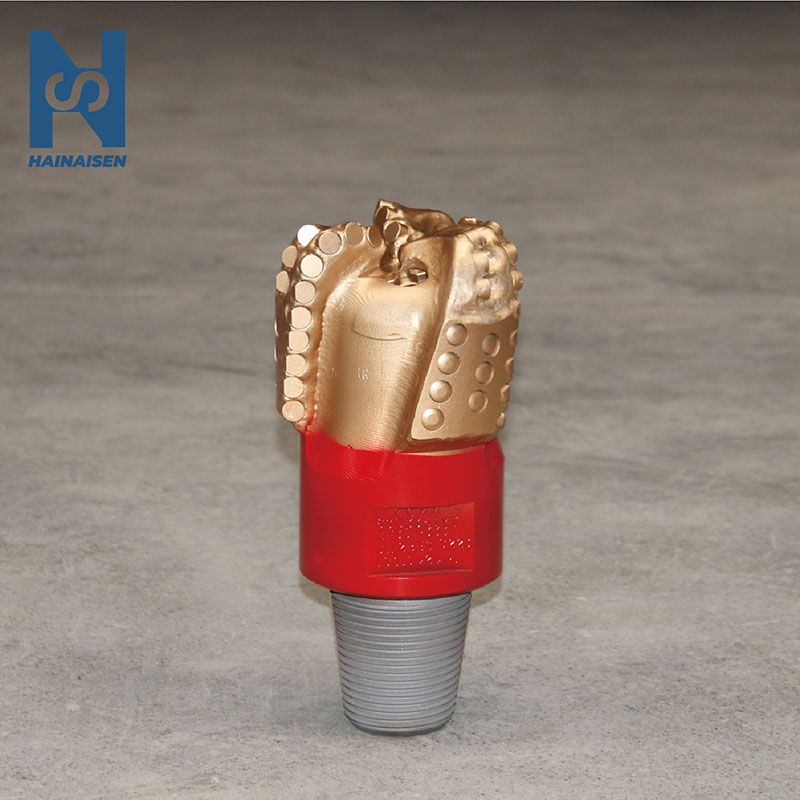 VIEW MOREThree Blade PDC Tricone Drill Bit
logo 1_1768274683075.jpg) VIEW MORECoal Mine Drilling Opening And Closing Drill Bit
VIEW MORECoal Mine Drilling Opening And Closing Drill Bitlogo 1_1777361260784.jpg) VIEW MOREFour Wing Arc Angle PDC Drill Bit
VIEW MOREFour Wing Arc Angle PDC Drill Bit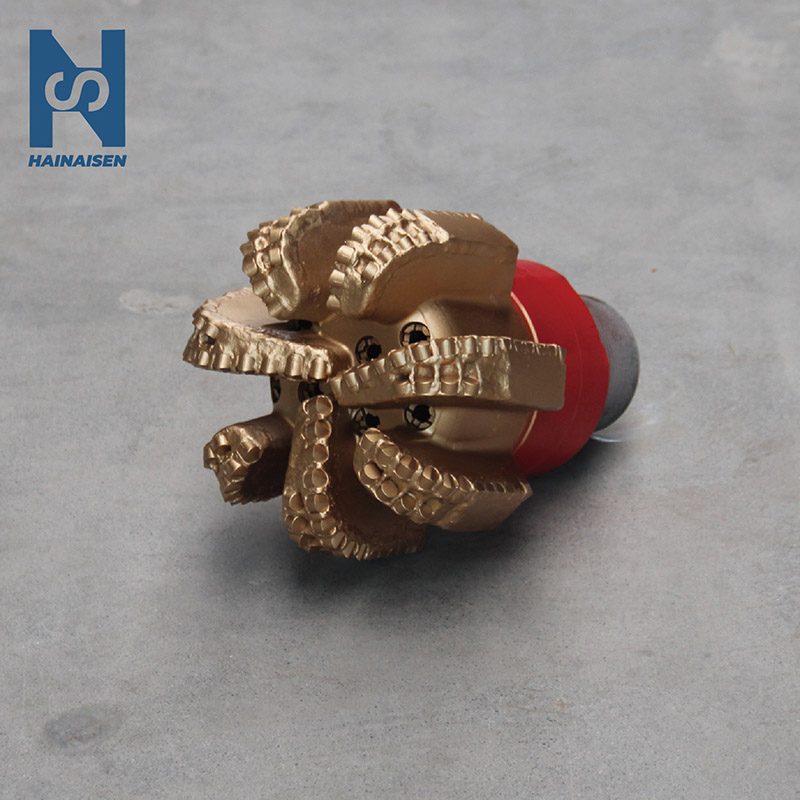 VIEW MORESeven Blade Wing Oil Drilling Drill Bit
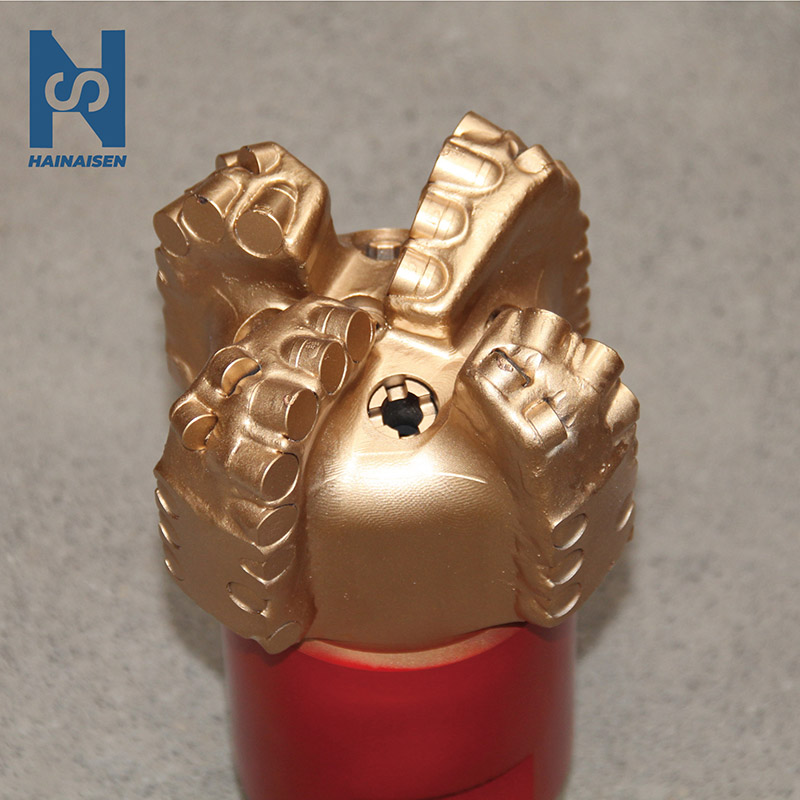 VIEW MOREFour Blade Wing High Performance Petroleum Drill Bit
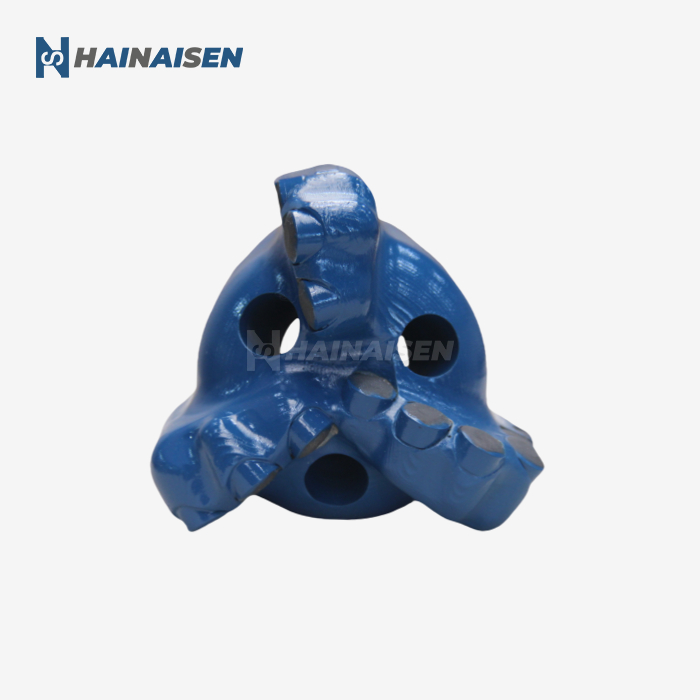 VIEW MORE3 Blade PDC Arc Angle Drill Bit
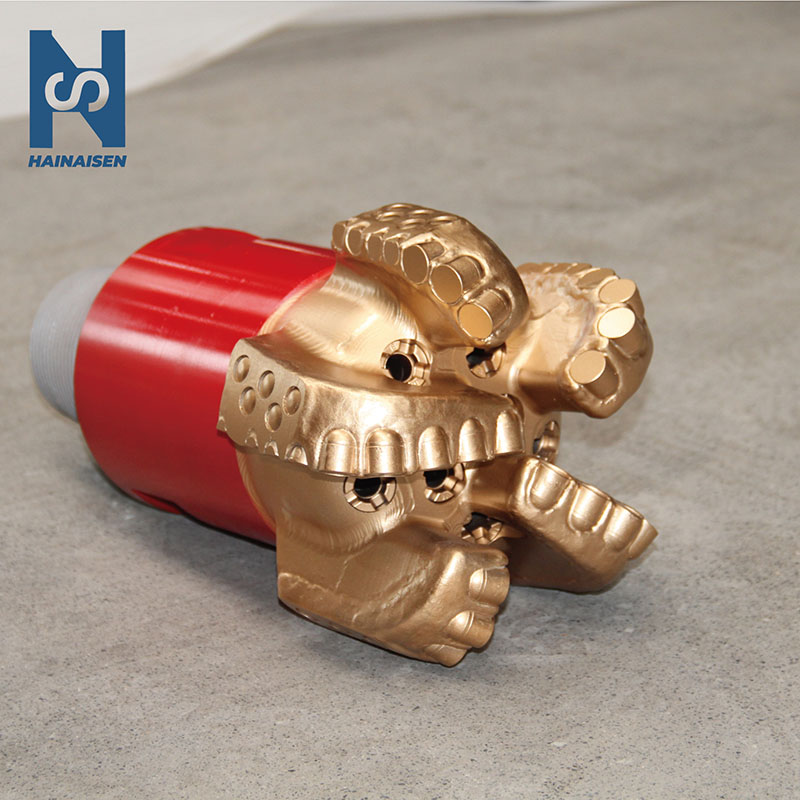 VIEW MOREDiamond Drill Bits For Oil Rigs
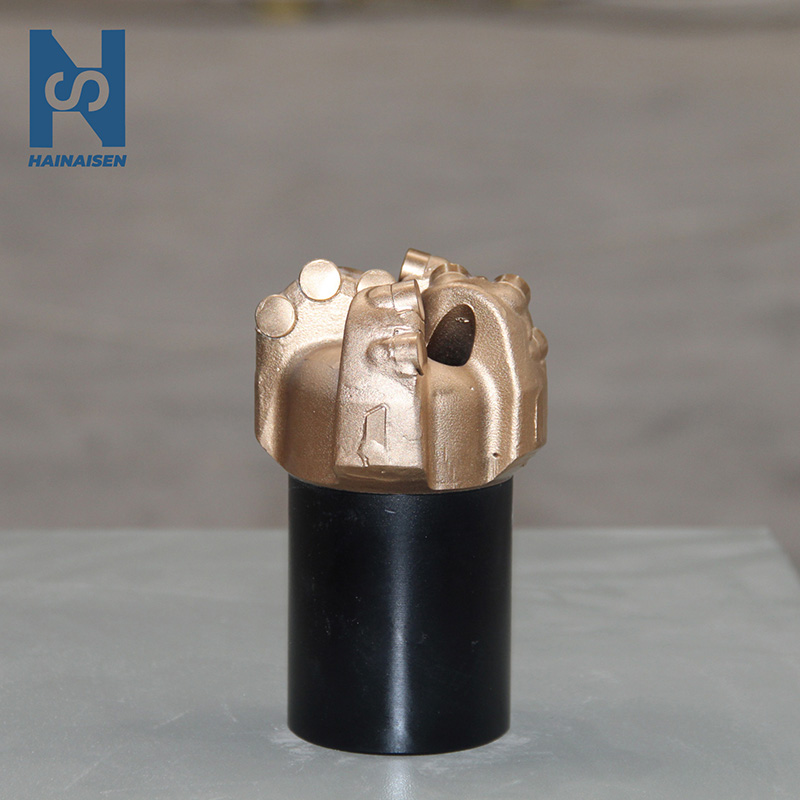 VIEW MORE113mm Four Wing Arc Angle Drill Bit
