



How Do PDC Cutters Enhance a PDC Petroleum Drill Bit?
When you use a PDC petroleum drill bit with a cutter, the rock is removed more efficiently. The cutters stay sharp longer, are resistant to heat and wear, and help the bit drill faster with fewer trips. When it comes to drilling, a better cutter design usually means a faster rate of penetration, more stable performance, a longer bit life, and a lower cost per foot. There is one thing that procurement managers and technical experts care about above all else: the right cutters can make a standard bit a more useful and reliable drilling tool for coal bed methane, oil and gas, geothermal, water wells, and mines.
Understanding PDC Cutters and Their Functions
People who search for this topic usually have one clear goal in mind: they want an easy answer right away, then technical proof, and finally help in comparing their choices. That's exactly how I'll go about writing this guide.
What is a PDC cutter?
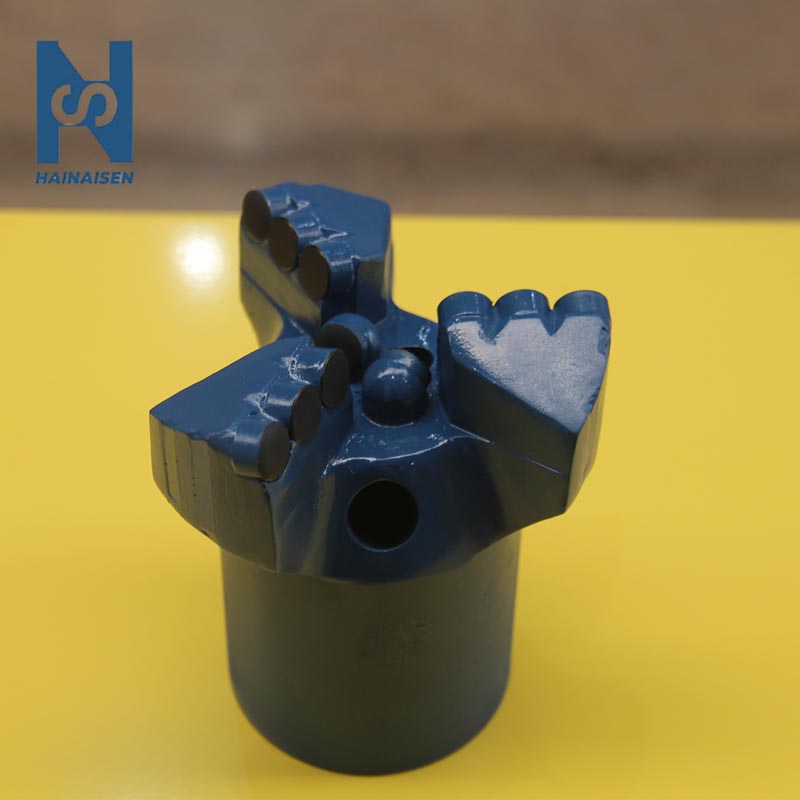
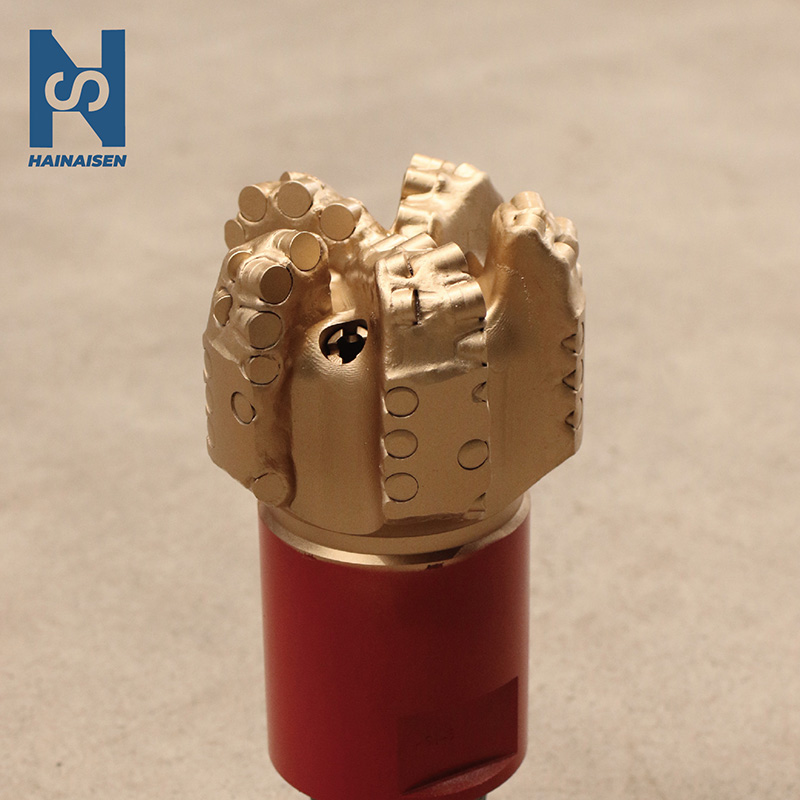
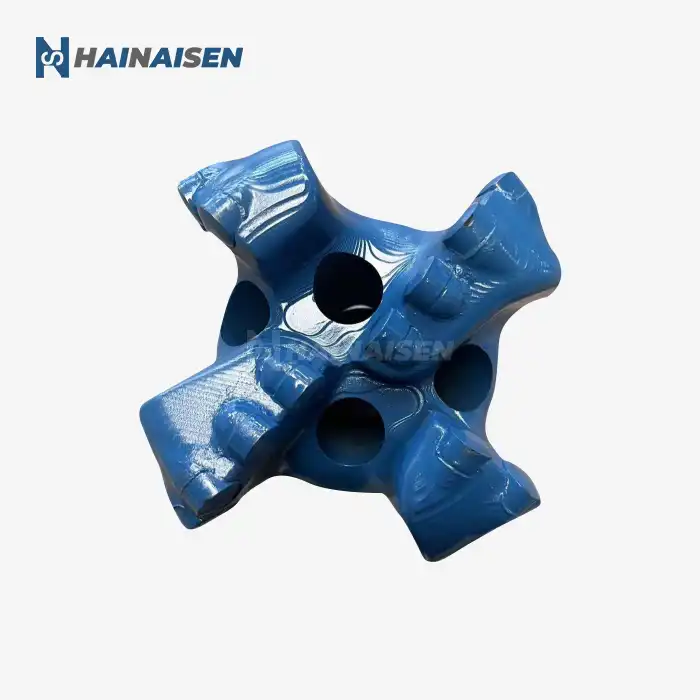
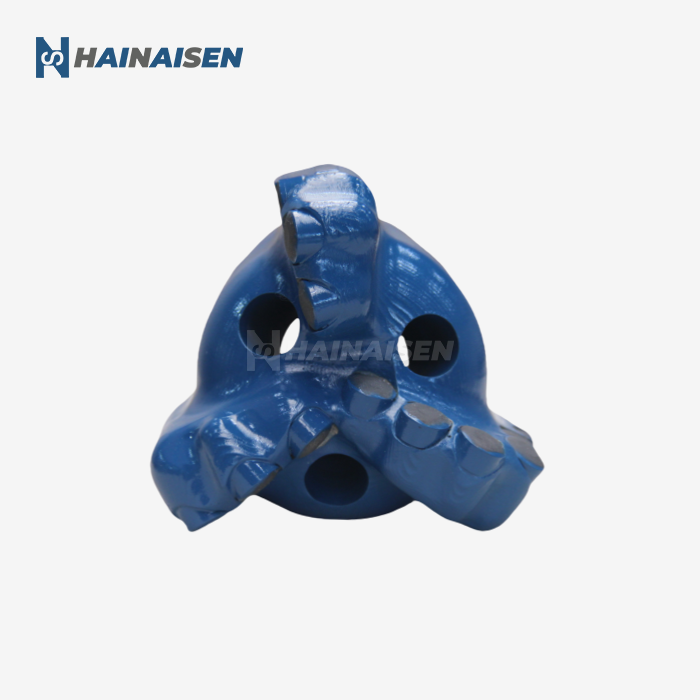
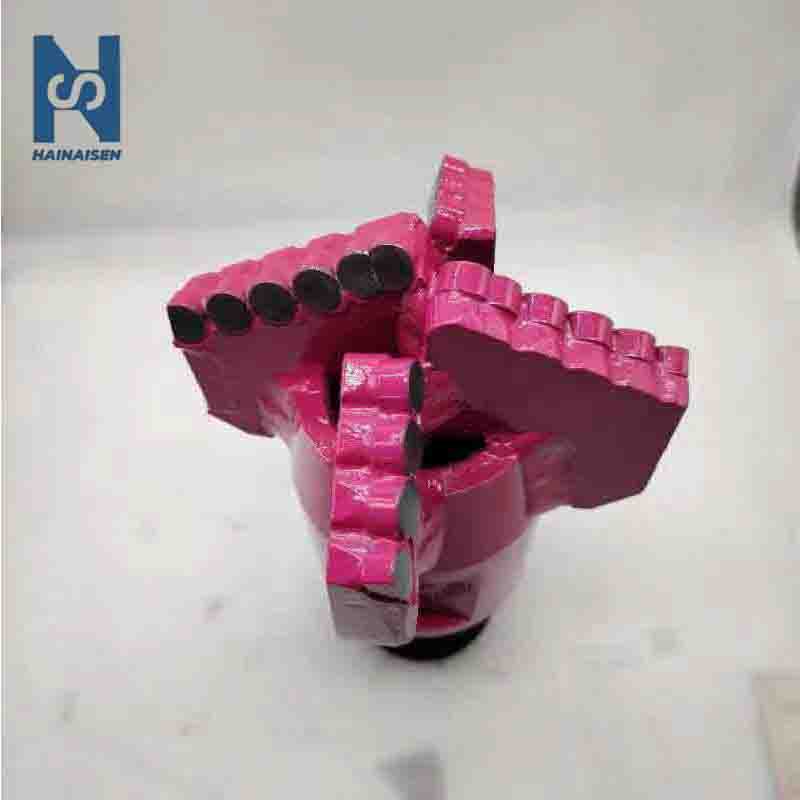
A PDC cutter is a cutting tool made of tungsten carbide and a layer of synthetic diamond that is bound to it. It is very hard, doesn't wear down easily, and is tough enough for downhole drilling because of this. In a fixed cutter bit, these cutters are set up on the bit body in an organised way so that they can keep cutting through the rock as the bit turns.
This is important because the cutter, not just the bit body, determines how well the drilling goes. The quality of the cutter affects how well it cuts, how stable it is at high temperatures, how well it handles impacts, and how dull it is after a run.
How do PDC cutters work in rock?
PDC Bits remove rock mostly by cutting, while roller-cone bits break and chip rock. This shearing action is one reason why workers often see faster penetration in shale, sandstone, and a lot of other sedimentary rocks. It also makes the drilling process go more smoothly and wastes less energy.
From the point of view of SEO and SERP, this is the reason that buyers of highlighted snippets usually need:
PDC cutters enhance a PDC petroleum drill bit by cutting rock more effectively than crushing-type systems. This increases the rate of penetration, extends bit life, lowers trips, and lowers the overall cost of drilling.
Why are they preferred over other cutter types?
In the right situations, PDC cutters often work better than tungsten carbide inserts because their diamond-based cutting edges stay sharp longer. In contrast to traditional options, they can offer:
- Higher ROP in the right formations helps workers finish intervals faster and cut down on rig time. Because rig time is one of the main costs of drilling, a bit that cuts well can save you money that goes far beyond the cost of buying it. That's why a lot of business-to-business buyers look at the total cost of ownership (TCO) of cutters instead of just the unit cost.
- Longer service life in abrasive conditions, especially when the quality and thermal stability of the cutter material are a good match for the formation. Fewer bit trips can also cut down on non-productive time, make it easier to stick to a plan, and make activities safer by preventing repeated trips. For big service firms, this dependability is often just as important as the speed of the drilling itself.
Key Design Features of PDC Cutters That Enhance Drill Bit Performance
Cutter geometry and back rake
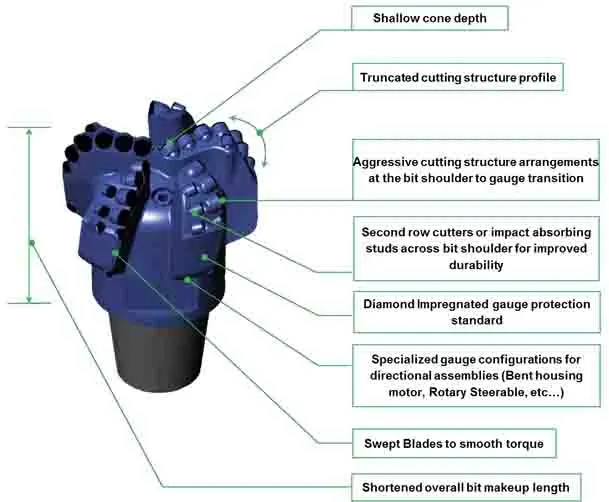
How hard the bit hits the rock depends on its geometry, including that of the PDC petroleum drill bit. The depth of cut, stability, and longevity are all affected by the cutter size, chamfer, exposure, and back rake. A more aggressive setup might allow for faster penetration, while a more protected shape might make it last longer in formations that are harder or more interbedded.
In the eyes of procurement teams, this is more than just a style feature. It changes how bits work in the field. A well-thought-out cutter plan can help keep the gauge, lower torque changes, and improve directional response.
Material composition and thermal stability
Advanced diamond tables, good bonding, and solid tungsten carbide support are what make a PDC cutter work at its best. Cutting tools can keep their sharp edges even when the temperature downhole is very high, thanks to new technologies that are resistant to heat. Heat is important because too much of it can hurt the diamond layer and make the bit last less long.
This is why suppliers who put money into research and development and process control often help drilling projects that need a lot of help. When material quality stays the same, field results tend to stay the same, too.
Cutter placement across the bit profile
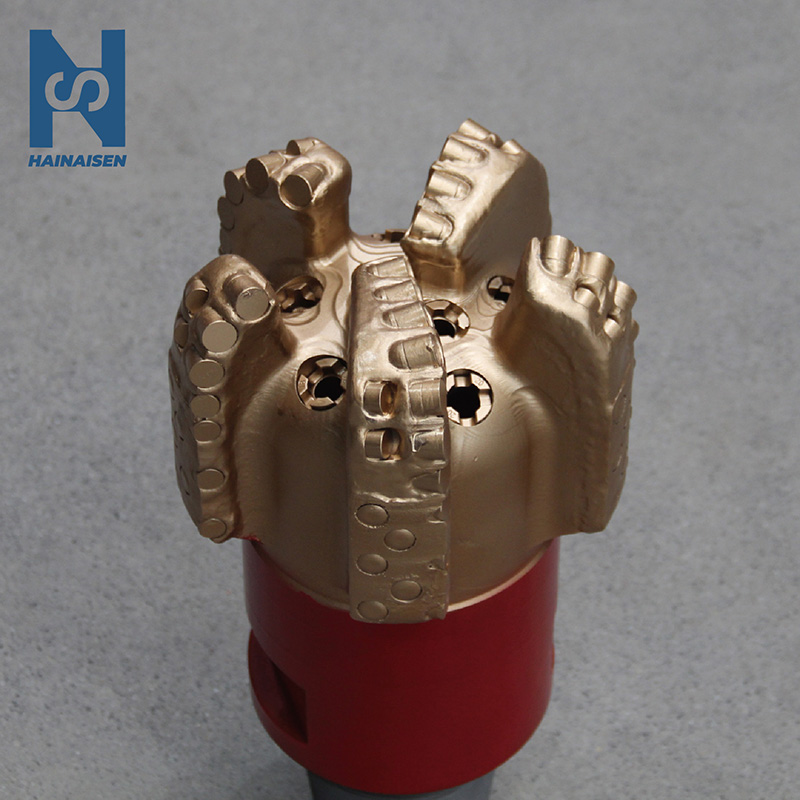
The balance of the bit and how smoothly it drills are directly affected by how the cutters are set up from centre to shoulder to gauge. When the shape is just right, the bit can cut evenly, keep the bottom hole assembly safe, and lower vibrations that are bad for it.
Our IADC code S123 bit design is a real-world example. The bit is 9.5” (241.3 mm) in size, and it has 5 blades, 7 nozzles, a 13 mm/19 mm PDC cutter size, and 75 total PDC cutters. This design has a height of 460 mm, a gauge length of 78 mm, and an API connection of 6-5/8 REG.PIN, and a net weight of 65 KGS. It works well for hydraulic cleaning, stable cutting, and effective gauge protection in the right formations.
How PDC Cutters Improve Drilling Efficiency and Operational Lifespan?
Higher rate of penetration and fewer interruptions
The bit can drill faster and for longer periods of time if the cutters stay sharp and shear well. That cuts down on overall dwell time, which is a big problem in the fields when it comes to getting things done. When working with shale and sedimentary rocks, having the right cutter design can directly lead to better footage and fewer bit cycles.
Our PDC Petroleum Drill Bit line is made with modern polycrystalline diamond compact technology, which gives them great wear resistance and thermal stability to back up their performance. The cutting structure is designed to make drilling more efficient, and shapes can be changed to fit the needs of a particular formation.
Better wear resistance and bit durability
Wear on the cutter determines when to change bits. Good PDC cutters don't wear down easily and keep their shape when they're loaded. This can make it so that services are done more often and cost less per metre or foot.
We at HNS look at how cutter quality affects its value over its whole life. Our bits are backed by a lot of research and development, results seen in the field, and safety standards that meet industry standards. This mix is very important for medium and big oil service businesses that need to keep records, make sure quality is consistent, and be able to count on repeat performance across many projects.
Reduced vibration and improved BHA stability
Bit whirl, stick-slip, and lateral vibration can break tools and make drilling less effective. The orientation and spread of the cutters have a lot to do with controlling these processes. A bit that is more stable helps protect not only the bit but also the motors, MWD tools, and the whole drilling system.
That's one reason why technical experts check the plan of the cutter, the PDC petroleum drill bit, just as carefully as they check the material that goes on the cutter. Better stability makes activities safer and makes it easier to predict how drilling will go.
Comparing PDC Cutters to Alternatives and Their Procurement Considerations
PDC cutters vs. roller cone and diamond alternatives
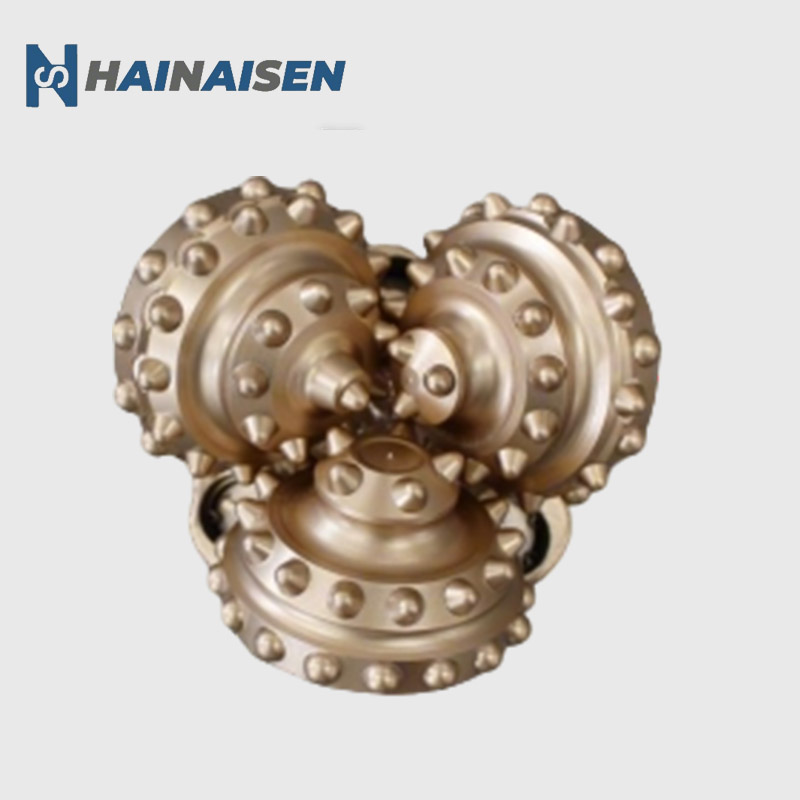
Roller cone bits are still useful in a lot of different formations, especially when crushing action is helpful. Natural or impregnated diamond bits can perform well in jobs that are very hard and abrasive. With that said, PDC petroleum drill bit solutions often beat other bits in terms of drilling speed and interval economics in many oil and gas projects.
When buying, the choice should match the hardness, abrasiveness, interbedding, directional demands, and hydraulic demands of the formation. There is no one type of bit. The right answer relies on the rock and the goal of the project.
What B2B buyers should evaluate before purchase?
I think like a purchasing manager or a drilling engineer when I choose a source. Here is a short list of the most important things I think about:
- Product fit to formulation and application. Buyers need to make sure that the planned rock and drilling programme matches the cutter size, blade count, nozzle layout, gauge design, and bit shape. For our purposes, HNS bits can be used to look for and produce oil and gas, drill for coal bed methane, make geothermal wells, drill water wells, mine, and do geological research. Teams can use this range when they need the same source for more than one type of job.
- Supplier capability and support. A lot of the time, manufacturing capacity, technical customisation, testing standards, lead times, and after-sales service are all part of qualification reviews. In 2013, Shaanxi Hainaisen Petroleum Technology Co., Ltd. was set up in Xi'an. We do research and development, make, and sell diamond drill bits, PDC drill bits, and other cutting tools. We also offer complete technical solutions. Our 3,500 m² building has 5-axis machining centres, CNC machine tools, and welding production lines. We also have a dedicated R&D team and a department that designs special bits.
Trends and Innovations in PDC Cutter Technology
Advanced materials and coatings
The market keeps moving toward better thermal protection, stronger surfaces, and better diamond structures, including PDC petroleum drill bits. The goal of new materials and surface technologies is to lower wear, stop cutter damage, and keep the cutting edge sharp, even when drilling is very hard.
Smart drilling and bit designs that can change
The whole industry is becoming more interested in sensor integration, data input, and AI-assisted drilling optimisation. Cutter and bit design will depend on data even more as these systems get better. Downhole data, cutter response, and bit rework for future runs will all be more in sync with what buyers want.
Sustainability and cost control
By using less energy, tools, and materials, longer bit runs, fewer trips, and better drilling efficiency help reach environmental goals. These gains also make project economics stronger in a competitive market.
Conclusion
A PDC petroleum drill bit is better with a PDC cutter because it cuts better, wears better, and works better under real drilling loads. Penetration rate, stability, and bit life are all affected by their form, the quality of the material, how well it resists heat, and how it is laid out. The real value for B2B buyers is more than just a stronger cutter. The drilling went better: there were fewer trips, the results were more reliable, and the total cost was less. A PDC bit is a better investment for speed, dependability, and long-term field results when cutter technology meets formation needs.
FAQ
1. How long does a PDC petroleum drill bit typically last?
Bit life depends on the rock type, the drilling factors, the hydraulics, and the shape of the bit. When used in the right formations, advanced PDC bits often last longer than traditional ones because the cutters don't wear out as quickly and keep cutting well for longer periods of time.
2. Can PDC cutters be replaced or refurbished separately from the bit body?
Some bits may be able to be fixed or refurbished, but it depends on the bit's state, body type, and value. Before buying, buyers should check with the seller about service choices, especially for more valuable Bit programs.
3. Which formations are best for optimised PDC cutters?
In shale, sandstone, limestone, and many other sedimentary rocks, optimised PDC cutters often work very well. They can also handle more difficult tasks with abrasive or interbedded materials if they are designed correctly.
Partner with HNS for Superior PDC Petroleum Drill Bit Solutions
Need a dependable company that makes or sells PDC Petroleum Drill Bit products? HNS offers bit designs that are focused on the field, help with customising, and cost-effective options for difficult drilling projects. If you want to buy a PDC Petroleum Drill Bit, email our team at hainaisen@hnsdrillbit.com to talk about details, large orders, product testing, or getting a price that fits your needs for your next project.
References
1. SPE Drilling Engineering
2. Journal of Petroleum Technology
3. Baker Hughes, Drill Bit Technology Overview
4. Halliburton, Drill Bits and Services Technical Literature
5. Schlumberger Oilfield Glossary
6. API Specification 7-1, Rotary Drill Stem Elements