







How to Choose PDC Petroleum Drill Bit for Oil Projects
For oil projects, picking the right PDC Petroleum Drill Bit comes down to five useful factors: the type of rock, the bit's design, how well it works with other sizes, the quality of the cutter, and the supplier's support. When I assess a bit, I don't just look at the price; I also look at how well it fits the rock strength, drilling plan, and long-term cost goal. If the PDC Petroleum Drill Bit is well-made, it can get deeper faster, last longer, and require less trip time than many other choices for most oil and gas jobs. When technical fit and procurement stability work together, it's the best choice to buy something.
Understanding PDC Petroleum Drill Bits: Technology and Benefits
People who search for this topic usually know exactly what they want to know: what a PDC Petroleum Drill Bit is, why it's important, and how to pick one that will lower the cost of drilling per foot. Another answer that Google likes for the highlighted snippet is one that gives a clear explanation along with the main selection criteria.
How do PDC drill bits work?
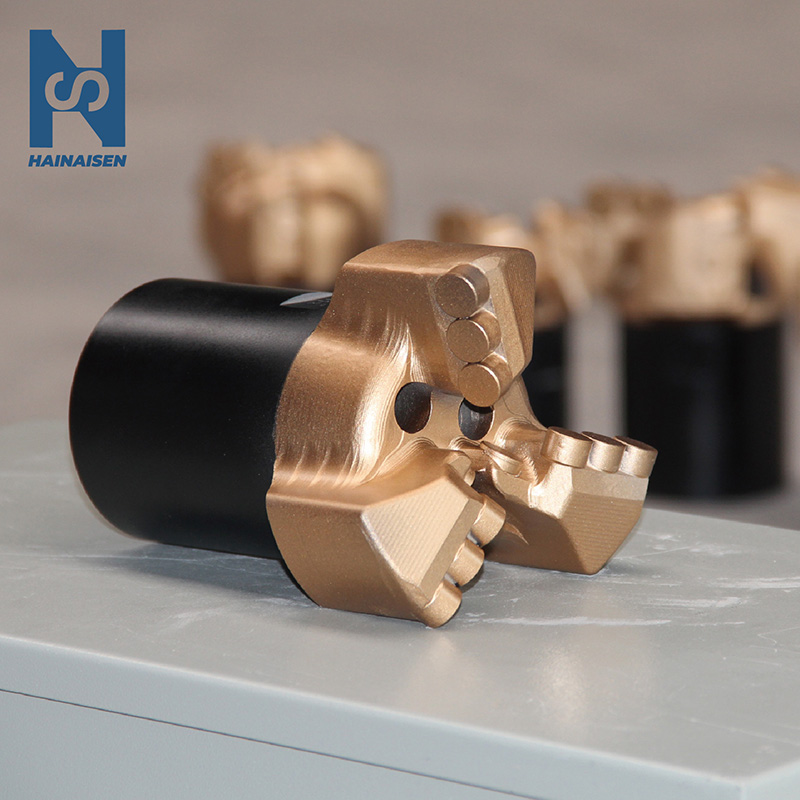
Polycrystalline diamond compact blades are attached to a steel or matrix body in a PDC Petroleum Drill Bit. When the bit turns, the cutters cut through the rock continuously instead of breaking it like a roller cone bit does. In many rocks, that cutting action speeds up drilling and keeps heat from building up.
This is the main reason why PDC Petroleum Drill Bits are used in many fields, including mining, geothermal wells, directed drilling, coal bed methane drilling, oil and gas research, and building water wells. They allow for high ROP, smooth drilling, and fewer bit trips in the right material.
Core benefits for oil projects
Most of the time, PDC Petroleum Drill Bit stands out in these areas when I compare lifetime value:
- Higher drilling efficiency with lower non-productive time. Because the cuts stay in contact with the rock all the time, a strong PDC Petroleum Drill Bit design can drill faster. That means less time on the bottom to get to the goal depth and less time off to change bits. Every hour saved on expensive rigs is important because bit performance affects the overall project plan, the cost of labor, and the amount of fuel used.
- Longer service life in demanding conditions. Synthetic diamond cutters are very resistant to wear and don't change much in temperature. A good PDC Petroleum Drill Bit can keep its shape longer and work reliably if it has the right cutter plan, hydraulics, and gauge safety. This is important for long intervals because pulling out too soon can hurt the economics of the whole well section.
Common wear and failure concerns
There are times when even the best PDC Petroleum Drill Bit won't work because the design doesn't match the rock or the cutting conditions. Problems that happen most often are wear on the cutter, damage from impacts, bit balling, temperature loss, and gauge loss. These risks are lower when you use better materials, change the shape of the blades, and put the nozzles in the best way possible.
Comparison of PDC Drill Bits with Other Drill Bit Types
PDC vs roller cone vs tricone bits
Roller cone and tricone bits still work well in some hard, interbedded, or very different rocks. They break up rock into small pieces, which can be useful when something needs to be loaded. On the other hand, PDC Petroleum Drill Bits tend to be faster and less likely to trip in soft to medium-hard rocks and many shale plays.
If I want to get the most footage with the fewest bit changes, I usually choose the PDC Petroleum Drill Bit. If the formation is very broken, rough, or unexpected, the drilling expert and I talk about tricone or hybrid choices in more detail.
Synthetic vs natural diamond cutters
Synthetic diamond cutters are used in modern PDC Petroleum Drill Bits because they offer consistent sharpness, wear resistance, and production quality. While natural diamond is useful in some situations, like when the surface is very rough and hard, Manufactured PDC Petroleum Drill Bit are usually a better deal for general oil drilling.
What buyers should compare across brands?
Even drill bits that look the same don't all work the same. It's my job to compare things like cutter quality, body design, hydraulic cleaning, gauge protection, field records, and technical help after the sale. Teams in charge of buying things should also look at wait times, the ability to make changes, paperwork, and warranty terms.
Key Criteria for Choosing the Right PDC Petroleum Drill Bit
Match the bit to the formation and drilling plan
Setting up the drilling setting is the most important step in the buying process. The types of rock, their compressive and abrasive strengths, well profiles, bottom hole assemblies, and whether the job is inland or offshore are all things I look at. A PDC Petroleum Drill Bit that works well in one area might not be the best for another.
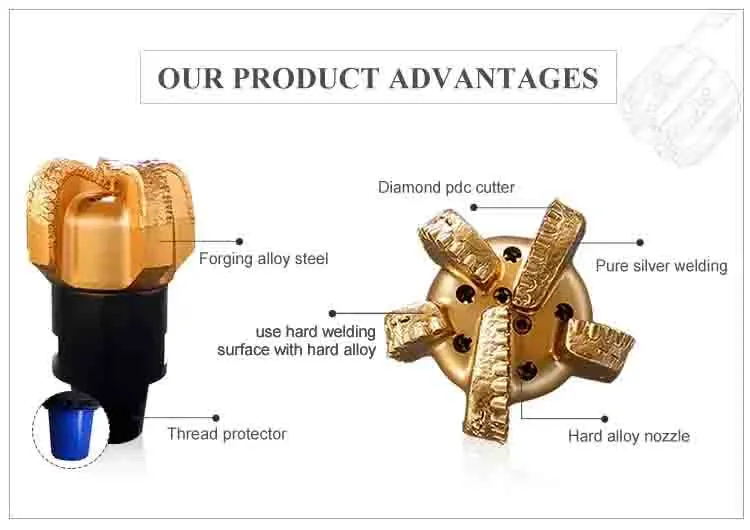
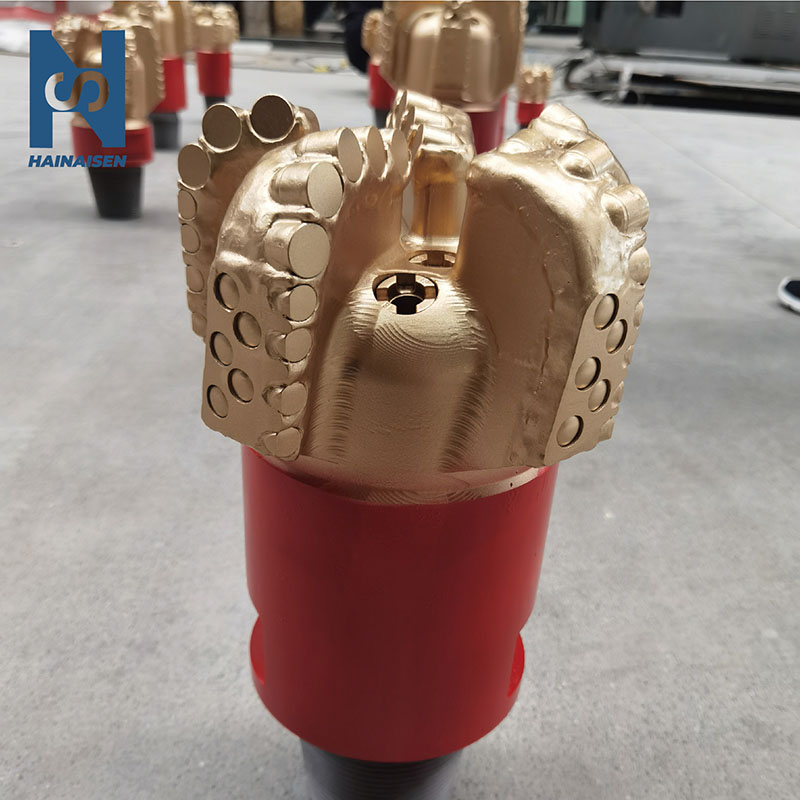
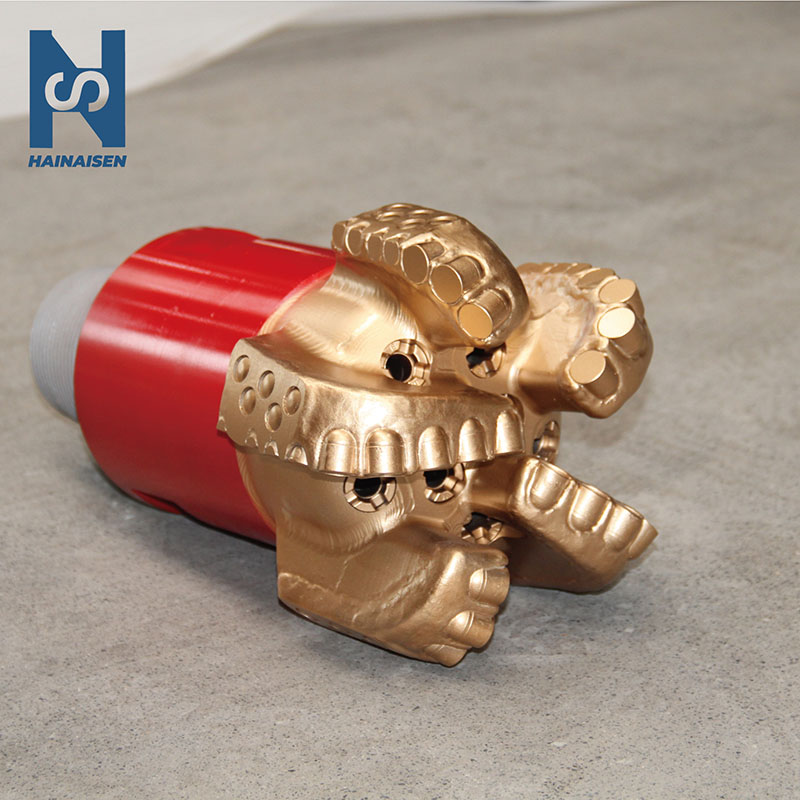
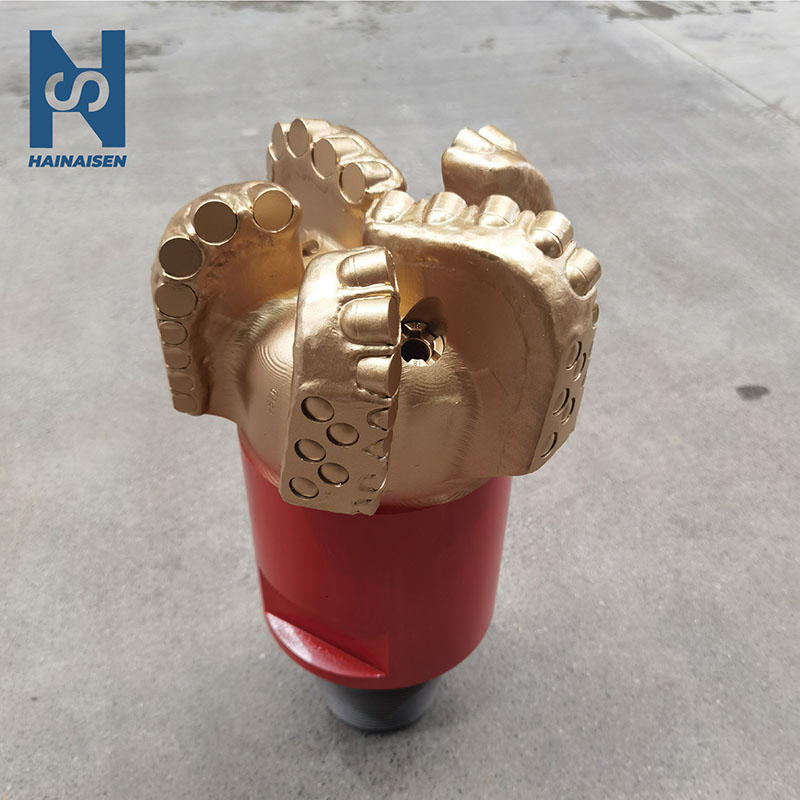
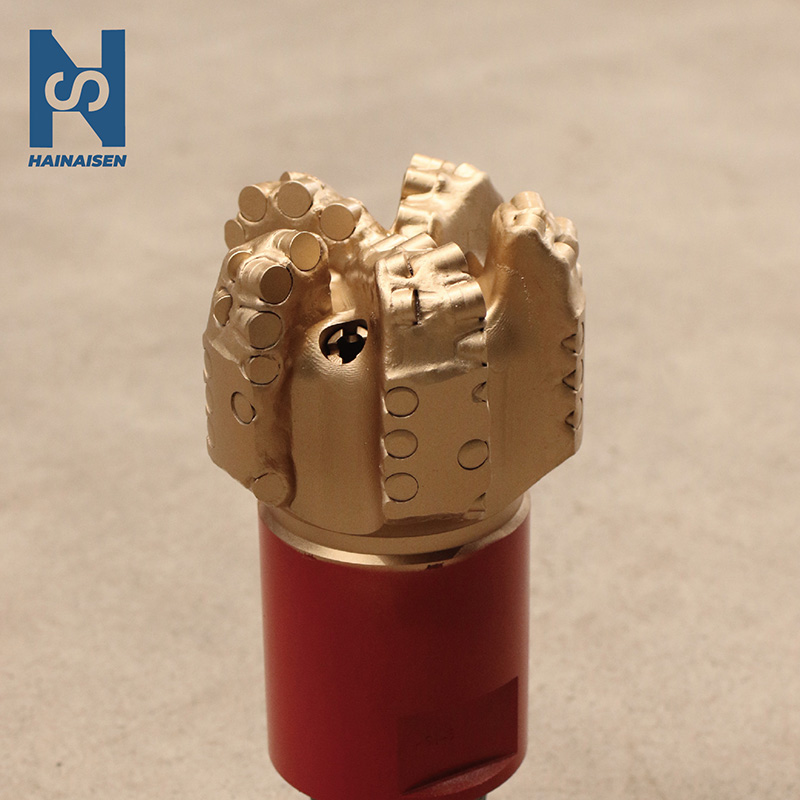
If you're looking for a useful industrial choice, our model with the IADC code S123 can be used for a lot of medium-duty tasks. The bit size is 9.5 inches (241.3 mm), and it comes with 5 blades, 7 nozzles, 13 mm/19 mm PDC cutters, and 75 cutters in total. It has a bit height of 460 mm, a gauge length of 78 mm, a 6-5/8 REG.PIN API link, and a net weight of 65 kg. Because they affect compatibility, stability, cleaning, and reliability downhole, these factors are important.
Evaluate bit design, hydraulics, and cutter layout
The shape of the PDC Petroleum Drill Bit has the same effect on boring behavior as the quality of the material. I look at the number of blades, where the cutters are placed, the back rake, how the nozzles are set up, and the structure of the gauge. A well-balanced cutting structure makes it easier to control the direction of the cut and lowers vibrations. Hydraulics that work well keep the cutters clean and cool.
The shape of our PDC Petroleum Drill Bit is based on:
- Advanced polycrystalline diamond compact technology with optimized structure for efficient drilling. The cutting plan is meant to make rock shearing better and keep the drill stable over long drilling gaps. With seven openings and a five-blade shape, the fluid distribution helps clean the cutter and spreads out the heat. In the real world, this way of designing can increase the rate of entry while keeping the cutter edges safe.
- Customization, field validation, and standards compliance for B2B buyers. A lot of oil repair companies need to make some changes to fit area formations, plans for the future, or budget goals. The cutter size, blade shape, and hydraulic setting can all be changed on designs that are customizable. This gives technical engineers and purchasing managers more trust before making big orders because it is backed by research and development, results seen in the field, and safety standards that are followed by the industry.
Balance price with total drilling value
A cheap unit price can turn into a pricey choice if the PDC Petroleum Drill Bit fails or drills slowly. I pay attention to operating consistency, bit life, cost per foot, and trip saves. Warranty support and professional service should be looked at as part of the value, especially for medium and big oil service companies that have strict requirements for who can work for them.
How to Procure PDC Petroleum Drill Bits: Best Practices for B2B Clients?
Choose a supplier with technical depth and production capability
Trustworthy suppliers are the first step to reliable buying. I need a company that has real production assets, helps with research and development, keeps an eye on quality, and communicates clearly. In 2013, Shaanxi Hainaisen Petroleum Technology Co., Ltd. was set up in Xi'an. Research and development, production, and sales of diamond drill bits, PDC Petroleum Drill Bit, and other cutting tools are what HNS does best. They also offer complete technical solutions.
It has modern production units and high-tech tools like 5-axis machining centers, CNC machine tools, and welding production lines in its 3,500 m² building. The business also has a research and development team and a department for making custom bits. These departments help customers who need different types of structural PDC Petroleum Drill Bit for oil and gas, coal mining, geological and hydrological surveys, and industrial machinery.
Consider sourcing strategy, pricing, and support
In 2024, buyers will still look at wait time, freight cost, the ability to make changes, and the quantity of stock. Local sourcing might cut down on transport time, while global sourcing can give you more design choices and a better price for a PDC Petroleum Drill Bit. Before signing a bigger contract, I think it's best to talk about things like testing samples, making sure batches are consistent, technical documents, packing, shipping terms, and service response times.
Maximizing PDC Drill Bit Performance and Lifespan in Petroleum Drilling
Operating practices that protect the bit life
You need to set the right drilling settings for even the best PDC Petroleum Drill Bit. The shape of the formation and the BHA should fit the bit's weight, rotational speed, flow rate, and hydraulics. Crews can see shaking, stick-slip, and cutting overload in real time, which helps them fix problems before they get worse.
Routine care is also important. Performance tracking is better when things are stored correctly, looked at visually before running, and graded dullly after running. Teams that learn from bit records are better at choosing the PDC Petroleum Drill Bit in the future.
Where do these bits add the most value?
These PDC Petroleum Drill Bits are great for drilling for coal bed methane, oil and gas research and production, geothermal wells, water wells, mining, and geological study projects. In many of these situations, they help the project's bottom line because they penetrate faster and last longer than regular drilling tools.
Conclusion
Fit, not guessing, is what makes a PDC Petroleum Drill Bit the right one. To cut down on cost per foot and avoid trips that aren't required, I pay attention to formation data, cutter design, hydraulics, bit size, and provider support. The HNS S123 model is a good choice because it cuts well, is made of sturdy materials, and can be customized to meet the needs of difficult drilling programs. When buyers can get better technical performance, production quality, and service after the sale, they can speed up drilling, make bits last longer, and make their buying strategy more effective.
FAQ
1. How do I know if a PDC Petroleum Drill Bit is right for my oil project?
Check the type of formation, the well shape, how rough the rock is, and your digging goals. Most of the time, PDC Petroleum drill bits work well in soft to medium-hard formations and on projects that need more ROP and fewer trips.
2. How long does a PDC bit usually last?
PDC Petroleum Drill Bit life depends on the rock type, the cutting conditions, and the type of bit used. A good bit can drill long gaps and last longer than many regular bits in safe situations where it is used correctly.
3. How can I verify product authenticity before purchase?
Ask for technical drawings, information about the materials, API connection specs, quality papers, and field examples. Reputable makers also clearly label their PDC Petroleum Drill Bit, keep records of inspections, and offer quick expert support.
Partner with HNS for Superior PDC Petroleum Drill Bit Solutions
Need a reliable company to make and sell PDC Petroleum Drill Bits for your next oil project? HNS sells both standard and custom drill bits and offers expert help, dependable production, and low prices. You can email hainaisen@hnsdrillbit.com to talk about specs, get a price, or look at a PDC Petroleum Drill Bit for sale that fits your drilling goals and formation.
References
1. SPE Drilling Engineering, Society of Petroleum Engineers
2. API Specification 7-1, American Petroleum Institute
3. IADC Drilling Manual, International Association of Drilling Contractors
4. Bourgoyne, Millheim, Chenevert, and Young, Applied Drilling Engineering
5. Rabia, H., Oilwell Drilling Engineering: Principles and Practice
6. Aadnoy, B.S., Modern Well Design
 VIEW MOREForging Deep Rock Well Drilling Bits PDC Mining Bit
 VIEW MOREFive Blade Oil Drill Bit
 VIEW MOREDiamond Drill Bits For Oil Rigs
 VIEW MOREFive Blade PDC Drill Bit
logo 1_1768274683075.jpg) VIEW MORECoal Mine Drilling Opening And Closing Drill Bit
VIEW MORECoal Mine Drilling Opening And Closing Drill Bit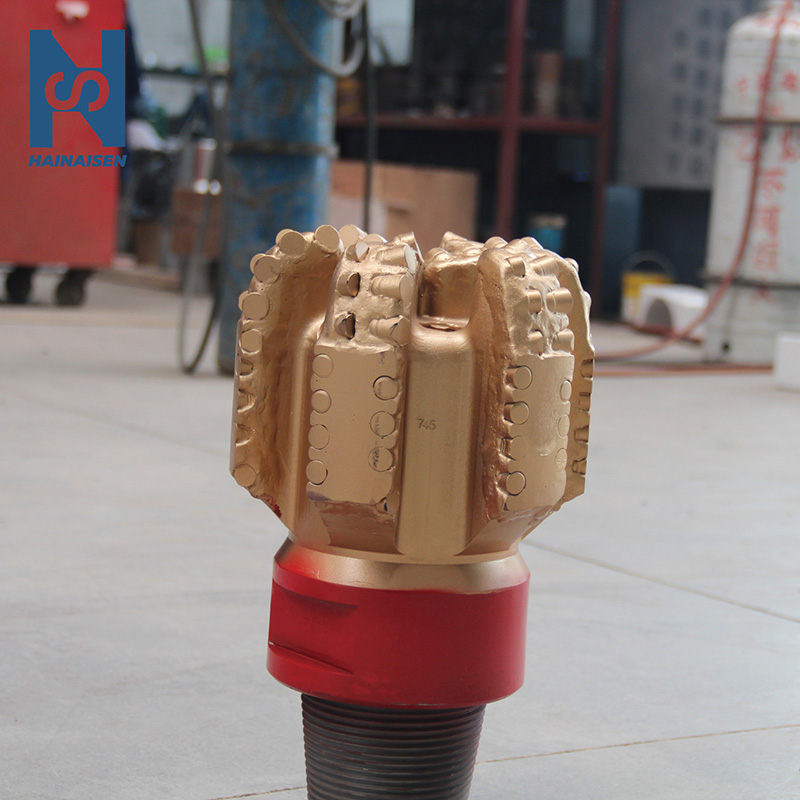 VIEW MOREDiamond Drill Bit Oil Rig
 VIEW MORESteel Body PDC Drill Bit
 VIEW MOREPDC Petroleum Drill Bit
