







Which Mining Drill Bit Is Best for Hard Rock?
Contact Hainaisen
Email: hainaisen@hnsdrillbit.com
Phone: +8617791389758
When drilling granite, basalt, quartzite, or other highly abrasive formations, choosing the right Mining Drill Bits can make a major difference in penetration rate, tool life, hole quality, and cost per meter. In most hard-rock mining applications, DTH button bits are one of the strongest choices, but they are not automatically the best solution for every project. Rock strength, abrasiveness, hole diameter, drilling depth, rig type, air pressure, and drilling method all need to be considered.
The International Association of Drilling Contractors (IADC) also emphasizes systematic bit selection, operating parameters, and dull-bit evaluation as important parts of drilling performance.
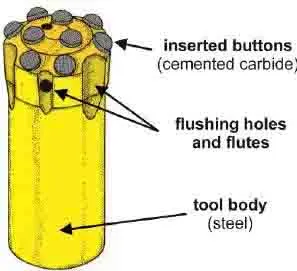
1. DTH Button Bits: A Strong Choice for Very Hard Rock
For deep holes in hard and abrasive rock, DTH drilling is often the first option worth evaluating. The hammer works directly behind the bit, transferring impact energy close to the rock face instead of sending the impact through a long string of drill rods.
Epiroc's technical information lists DTH equipment for mining and deep-hole drilling and identifies applications ranging from hard to very hard rock. Its product documentation also shows different front designs and button configurations intended for different rock conditions.
This makes DTH particularly attractive for:
- Granite and hard igneous rock
- Basalt and highly abrasive formations
- Deep blastholes
- Large-diameter mining holes
- Projects where hole straightness is important
- Operations requiring consistent impact performance
A published 2024 study in Computers and Geotechnics further examined how DTH bit structure, button geometry, and button arrangement affect rock fracture and drilling performance. The research confirms that bit geometry is closely connected to impact force, torque, and rock-breaking behavior.
For extremely hard and abrasive ground, Hainaisen's DTH solutions are worth considering because the focus is not simply on carbide hardness. Button layout, face design, flushing, gauge protection, and compatibility with the hammer all need to work together.
Example: Granite Quarry
Imagine a quarry drilling 115 mm holes through hard granite with high abrasiveness. A conventional rotary solution may suffer from rapid cutting-structure wear if the bit design is not properly matched to the formation.
A properly selected DTH configuration can deliver direct impact energy to the bottom of the hole. If the compressor, hammer, bit diameter, button profile, and flushing system are correctly matched, the operator can achieve more stable penetration and better hole quality.
The important point is that the bit should be selected as part of the complete drilling system, rather than purchased only according to diameter.
2. Top Hammer Bits: Better for Smaller and Shallower Hard-Rock Holes
Top hammer drilling is another practical solution when the holes are relatively small or shallow. The rock drill is positioned on the rig, and impact energy travels through the shank adapter and drill string to the bit.
Epiroc notes that quarry drilling commonly uses both DTH and top-hammer equipment, with the appropriate system depending on the drilling application and required accuracy.
Top hammer can be a good fit for:
- Smaller blasthole diameters
- Quarrying
- Bench drilling
- Tunneling and construction
- Shorter holes
- Projects where the existing rig is already configured for top hammer drilling
However, as hole depth increases, energy transmission through the drill string becomes increasingly important. This is one reason DTH becomes attractive for deeper hard-rock holes.
A common mistake is to choose a bit purely because it has a high-strength carbide button. Button material matters, but so do the button profile, face configuration, flushing holes, bit diameter, rod system, drilling pressure, rotation speed, and feed force.
Hainaisen can help buyers evaluate these factors together instead of treating the bit as an isolated component.
3. TCI Tricone and PDC Options for Specific Hard-Rock Conditions
A TCI tricone can still be useful when the formation is hard but fractured, interbedded, or variable. Rotary tricone drilling relies on crushing and shearing action, and the cutting structure must be matched to the formation and rig capability.
Epiroc's rotary drilling guidance notes that tricone selection depends on factors such as formation hardness, cutting-structure failure, bearing design, and operating conditions.
Caterpillar likewise offers tricone configurations for rotary drilling as well as DTH systems, with tooling intended for different ground conditions from soft to hard rock.
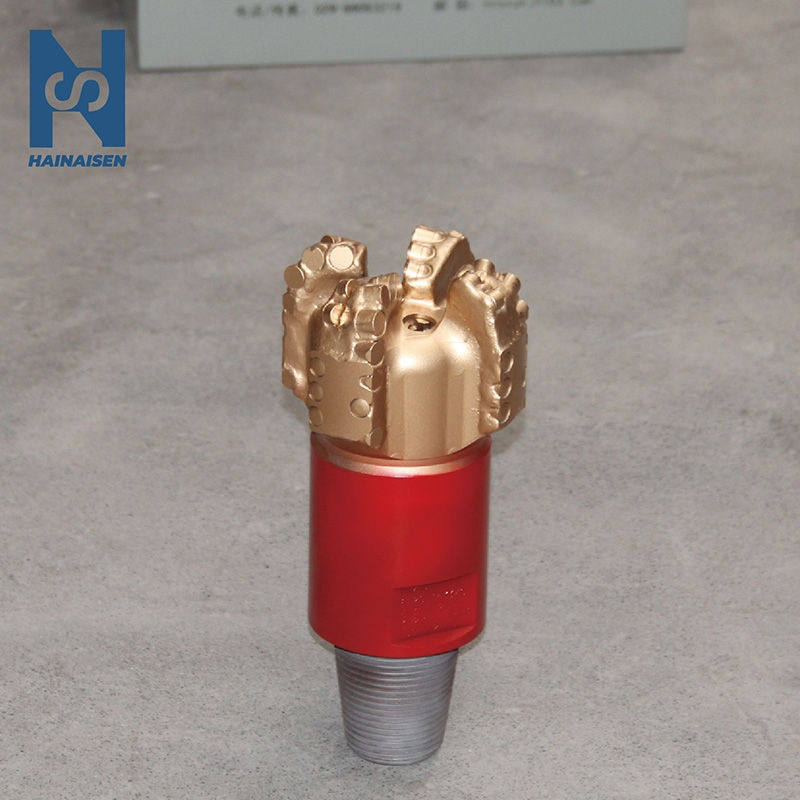
PDC designs can also be considered where the formation is relatively consistent and the drilling system is suitable. PDC cutters work primarily through shearing rather than the repeated crushing action of roller cones. However, severe impact, highly fractured rock, or extremely abrasive formations can make cutter protection and bit stability much more challenging.
Example: Mixed Formation
Consider an open-pit mine where the first 40 meters contain moderately hard limestone, followed by fractured basalt and harder rock.
Using one bit design throughout the entire hole may not provide the best cost per meter. A contractor might use a rotary solution for the upper section and change to a DTH system when the formation becomes substantially harder.
This approach reflects a practical principle used throughout drilling: select the tool according to the formation actually being drilled, not simply according to the mine name or project type.
What Should Buyers Check Before Ordering?
Before purchasing Mining Drill Bits, overseas buyers should provide as much of the following information as possible:
- Rock type – granite, basalt, limestone, quartzite, etc.
- Rock strength – UCS if available.
- Abrasiveness – especially important for carbide wear.
- Hole diameter
- Hole depth
- Drilling method – DTH, top hammer, or rotary.
- Rig model
- Hammer model, if using DTH.
- Available air pressure and airflow
- Current bit performance – ROP, footage, wear pattern, and failure mode.
IADC's drilling references place strong emphasis on documenting bit condition, operating data, and drilling performance. This type of information is extremely useful when deciding whether a new bit design is actually an improvement over the previous one.
Hainaisen is a good option for buyers who need more than a standard catalog product. The company can work with customers on diameter, button configuration, face design, connection requirements, and application-specific specifications. For demanding hard-rock projects, this type of technical communication can be more valuable than simply choosing the cheapest bit.
FAQ
What is the best bit for extremely hard granite?
For deep-hole mining and quarry applications, a properly matched DTH button bit is often a strong choice because the hammer delivers impact energy directly near the bottom of the hole. The final selection should still consider granite abrasiveness, hole diameter, depth, hammer size, and compressor capacity.
Are DTH bits better than top hammer bits for hard rock?
Not always. DTH is generally attractive for deeper holes and demanding hard-rock conditions, while top hammer can be highly effective for smaller and shallower holes. The drilling rig already available on site is also an important consideration.
Can a tricone bit drill hard rock?
Yes. TCI tricone bits can be used in hard formations, particularly where rotary drilling is preferred or where the formation is fractured or variable. Proper cutting-structure selection and operating parameters are essential.
How can I increase bit life in abrasive rock?
Start with the correct bit design and carbide configuration. Then control rotation speed, feed force, impact energy, flushing, and drilling pressure. Poor hole cleaning or excessive operating parameters can shorten tool life even when the bit itself is well Manufactured.
What information should I send to Hainaisen for bit selection?
Send the hole diameter, rock type, approximate hardness, hole depth, rig model, hammer model, drilling method, air pressure, airflow, and current bit performance. Photos of a used bit can also help identify abnormal wear and guide the next design.
References
- Epiroc – DTH 5 Hammers and Rock Drilling Technology. Epiroc provides technical information covering mining, deep-hole drilling, hard and very hard rock, hammer configurations, and drilling applications.
- Caterpillar – Rock Drilling Tools. Caterpillar's mining drilling-tool information covers tricone bits, DTH hammers, and tooling selection for different ground conditions.
- Sandvik Rock Tools – DTH Drilling Technology. Sandvik's technical product information describes DTH applications in mining, blast-hole drilling, cracked rock, and situations requiring high penetration with low hole deviation.
- International Association of Drilling Contractors (IADC) – IADC Drilling Manual, 13th Edition. The manual covers drilling operations, drill bits, drilling practices, troubleshooting, and related drilling technology.
- IADC Advanced Rig Technology Committee – Bit and BHA Dull Grading Manual, 2026. The manual provides recommended practices for bit dull grading, drilling forensics, failure reporting, and drilling-data collection.
- Computers and Geotechnics, 2024 – “Effects of the structural properties of down-the-hole drill bits on the fracture behaviour of rock during rotary-percussive drilling.” This technical study examines the influence of DTH bit structure, button geometry, and button arrangement on impact, torque, and rock fracture.
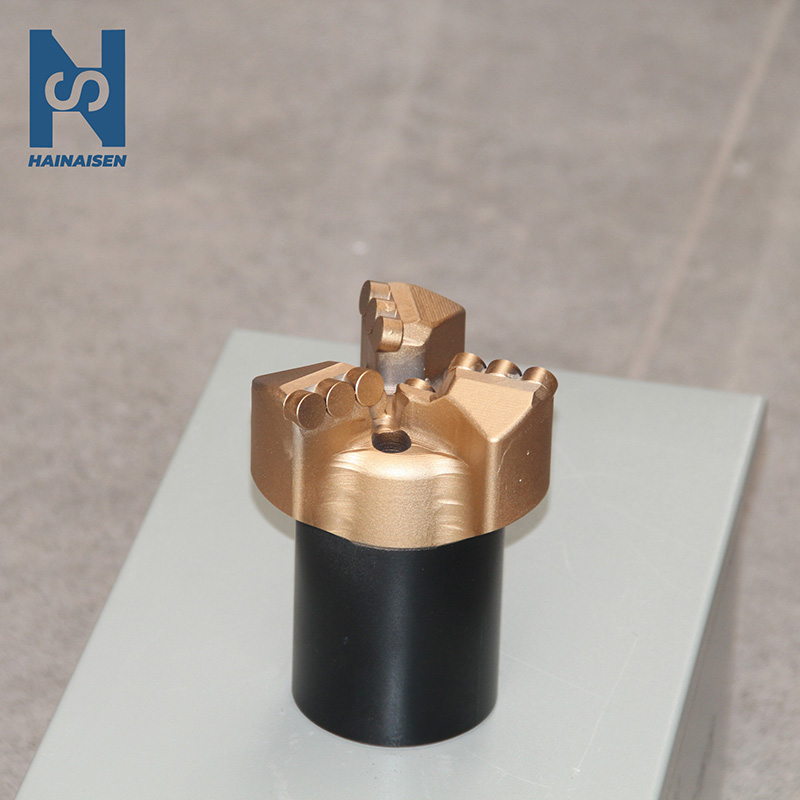 VIEW MOREThree Blades Steel Body PDC Bit
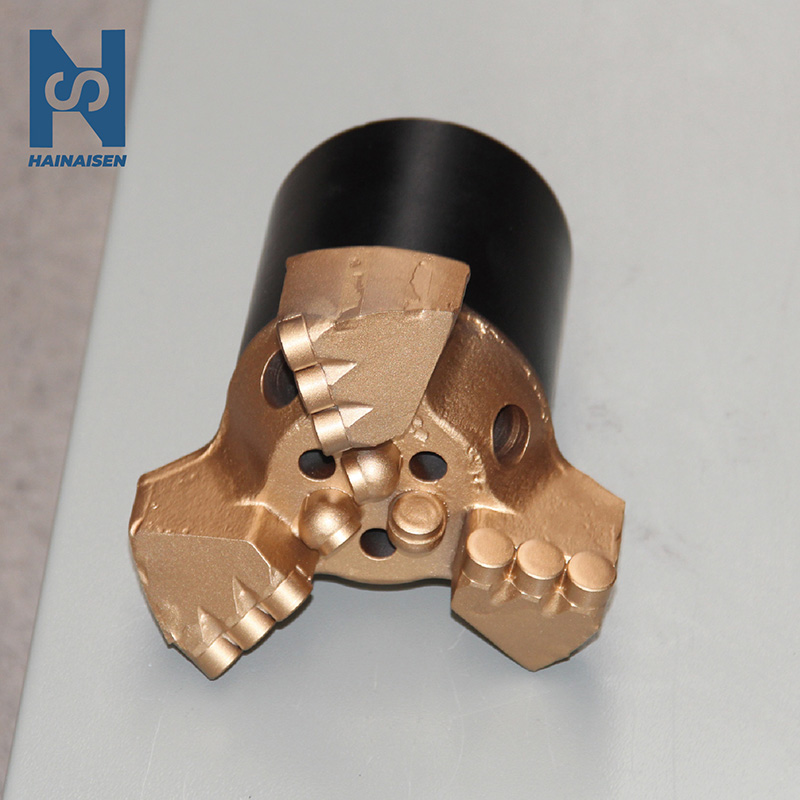 VIEW MOREThree Blade Concave Drill Bit Api For Manganese Coal Mines
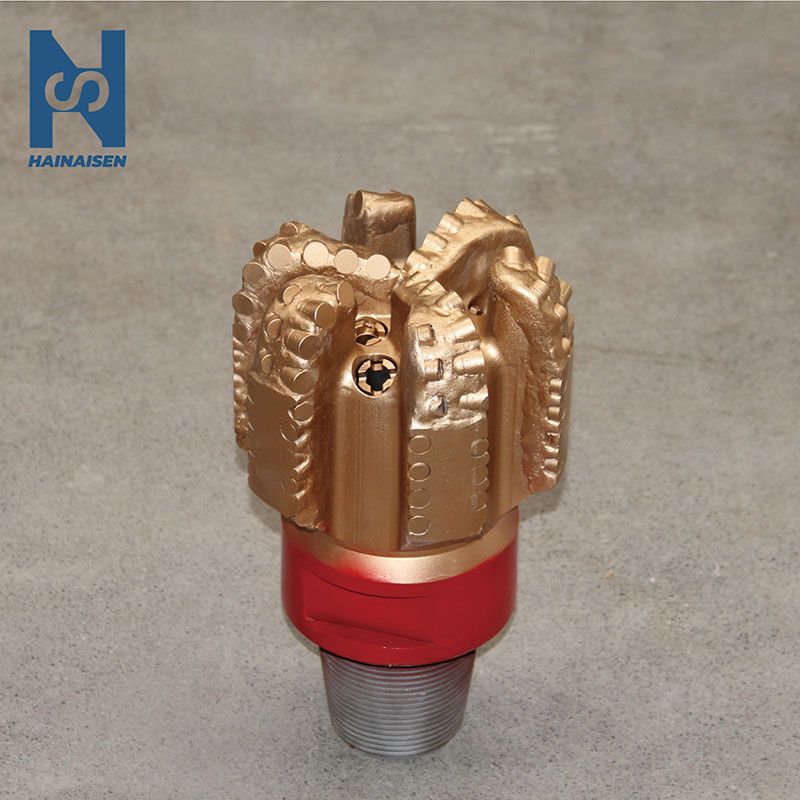 VIEW MORE6-Blade PDC Drill Bit
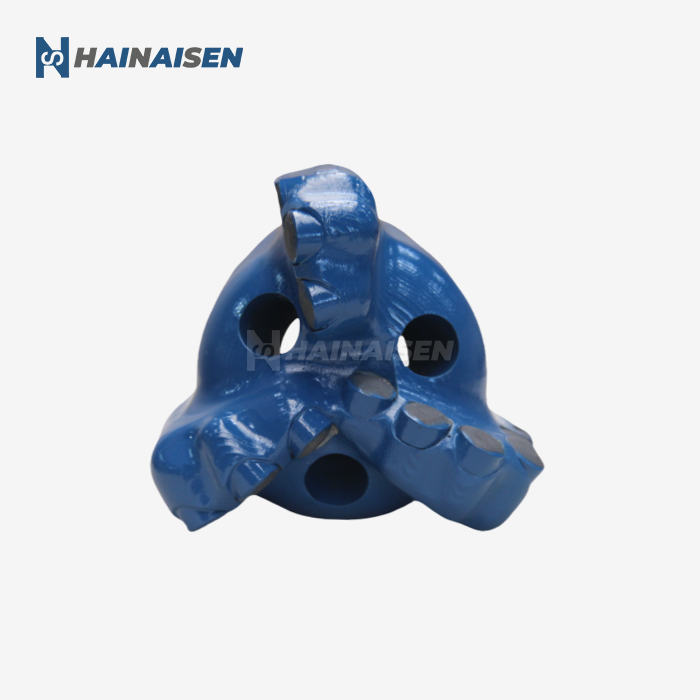 VIEW MORE113mm Three Wings PDC Arc Angle Drill Bit
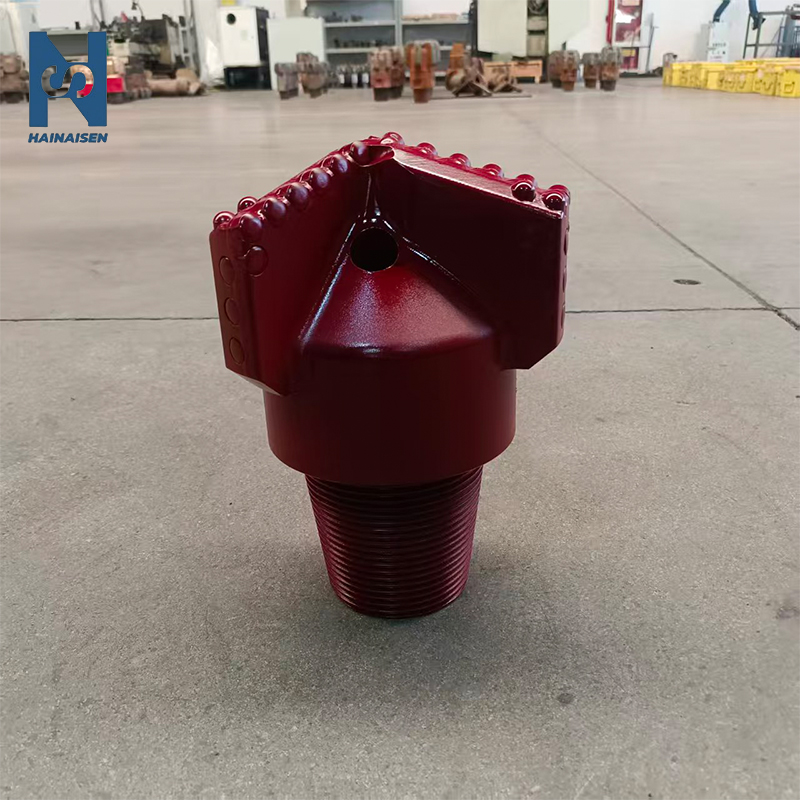 VIEW MOREPDC Bit For Well Drilling
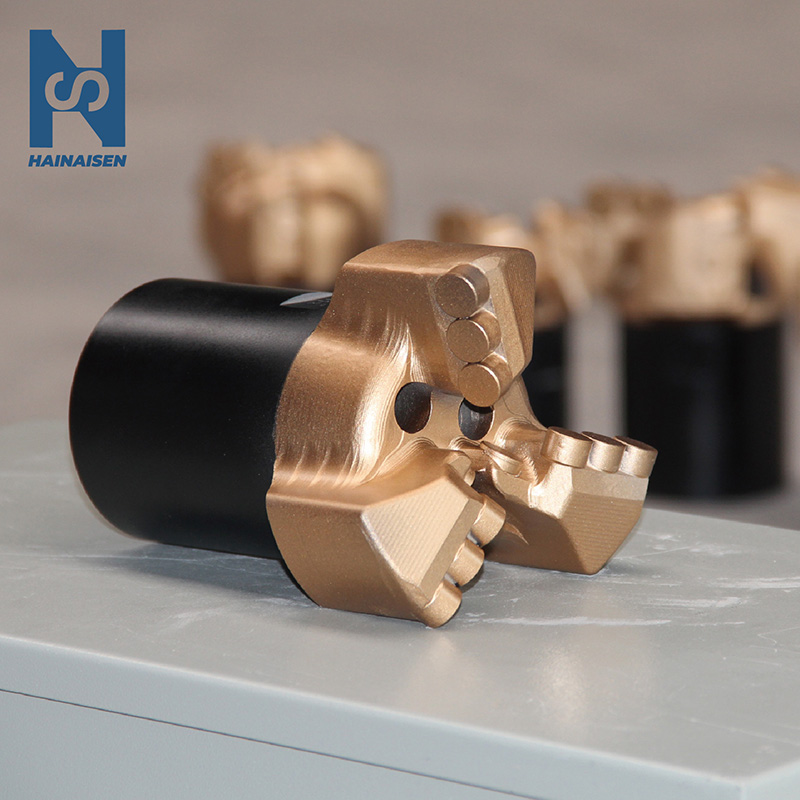 VIEW MORESteel Body PDC Drill Bit
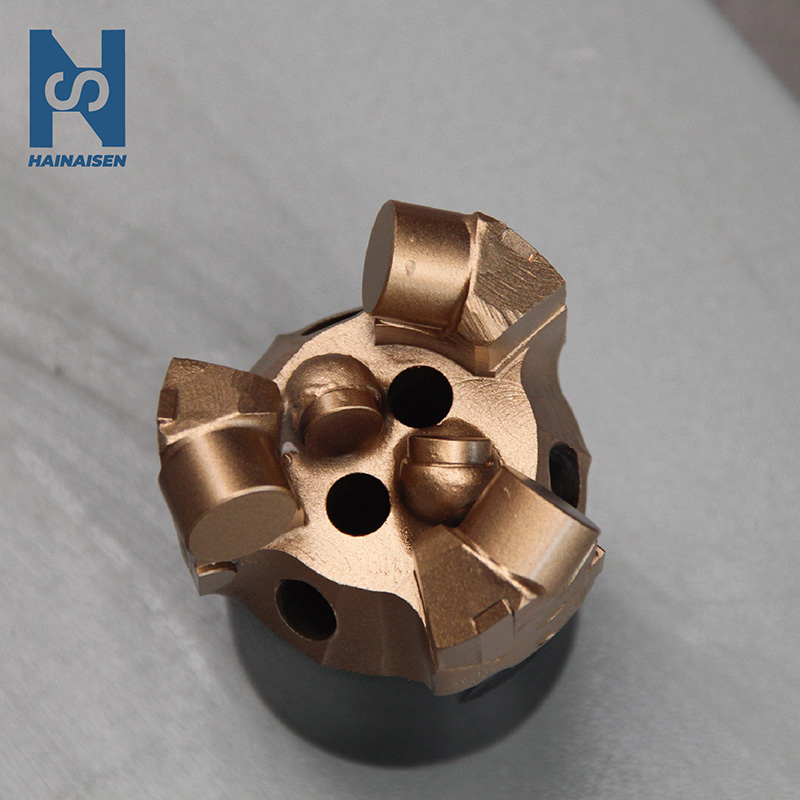 VIEW MORECoal Mines Use Haineisen PDC Drill Bits
 VIEW MORE4 Wings Blades PDC Bit
