







How to Choose the Right Tricone Bit for Open-Pit Mining Operations?
Contact Hainaisen:
Email: hainaisen@hnsdrillbit.com
Phone: +86 17791389758
Choosing the right Hard Alloy Roller Drill Bit for an open-pit mining operation is not simply a matter of selecting the largest or most expensive tricone available. The right choice depends on rock hardness, abrasiveness, compressive strength, drilling method, rig capability, hole diameter, bearing design, and the required balance between penetration rate and service life.
For mine operators, these factors directly affect drilling cost per meter, blast-hole quality, bit consumption, and overall production efficiency. Major drilling-tool Manufacturers such as Sandvik and Epiroc also emphasize formation characteristics, carbide insert design, bearing performance, drilling parameters, and previous site experience when selecting rotary drill bits.
1. Start With the Rock: Formation Is the First Selection Factor
Open-pit mines rarely have perfectly uniform geology. A single bench may contain weathered overburden, sandstone, limestone, shale, granite, basalt, iron ore, or other highly abrasive formations. Therefore, choosing a tricone bit according to the actual formation is more reliable than selecting a bit only by diameter or price.
The first questions a drilling team should ask are:
- What is the approximate compressive strength of the rock?
- Is the formation soft, medium-hard, hard, or extremely hard?
- How abrasive is the formation?
- Is the rock homogeneous or heavily interbedded?
- Is groundwater present?
- Is the hole drilled with air, water, or another flushing medium?
- What are the rig's available RPM, WOB, torque, and air volume?
- What penetration rate is required?
Sandvik's rotary drilling guidance specifically points to rock compressive strength, abrasiveness, homogeneity, desired penetration rate, drill-rig characteristics, and previous drilling experience as important factors in drill-bit selection.
IADC classification provides another useful starting point. The system classifies roller-cone bits according to formation range, cutting structure, bearing arrangement, gauge protection, and other features. However, the IADC system is a classification tool rather than a complete drilling prescription; actual hydraulics and site conditions still need to be considered.
Milled Tooth or Tungsten Carbide Insert?
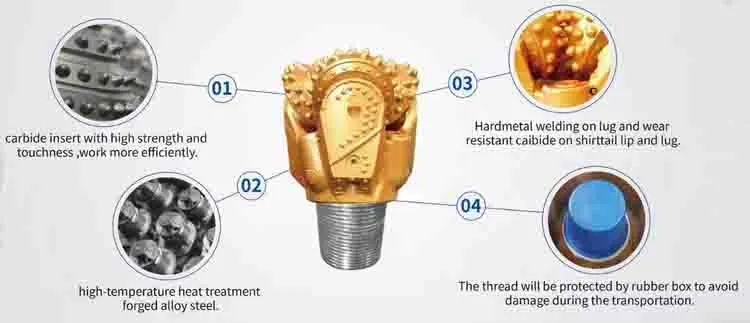
For relatively soft formations, milled-tooth designs can provide aggressive cutting action and good penetration. As the rock becomes harder and more abrasive, tungsten carbide insert configurations are generally more suitable.
Epiroc, for example, offers tricone configurations using either steel teeth or tungsten carbide inserts for different ground-hardness conditions.
For hard open-pit mining formations, Hainaisen recommends paying particular attention to tungsten carbide insert grade, insert geometry, tooth exposure, cone arrangement, and gauge protection rather than choosing purely on initial purchase price.
Bearing Design Matters More Than Many Buyers Expect
A tricone bit is exposed to substantial axial and radial loads during drilling. If the cutting structure remains sharp but the bearing system fails prematurely, the bit still has to be pulled.
Sandvik notes that bearing design, geometry, and material selection are critical because bearings must withstand the high forces generated during drilling.
IADC documentation also distinguishes among standard roller bearings, air-cooled roller bearings, sealed roller bearings, and sealed friction/journal bearings, with additional gauge-protection options.
For air drilling in surface mines, bearing selection should therefore be considered together with flushing conditions, water content, dust suppression practices, and expected operating hours.
2. Match the Bit to the Mine's Drilling Conditions
Selecting the cutting structure is only half of the job. The same rock type can behave differently depending on drilling depth, moisture, fragmentation, rig parameters, and bench conditions.
Consider Abrasiveness and Insert Wear
A highly abrasive formation can rapidly wear carbide inserts and gauge surfaces even when the rock is not exceptionally hard.
This is particularly important in iron ore, hard sandstone, quartz-rich formations, and some copper and gold mining environments. In such conditions, a bit with stronger wear protection may outperform a more aggressive design because fewer bit changes can reduce nonproductive time.
Epiroc's rotary-bit information similarly emphasizes carbide quality and processing as factors affecting toughness, durability, and service life.
A practical selection approach is to examine the previous dull condition of the bit:
- Insert wear: consider a more wear-resistant insert grade or geometry.
- Broken inserts: investigate excessive WOB, impact loading, or an unsuitable insert profile.
- Gauge wear: increase gauge protection or reconsider the cutting structure.
- Bearing failure: review flushing conditions, operating parameters, sealing, and bearing selection.
- Cone damage: check drilling parameters and possible formation transitions.
The dull condition often tells the purchasing team more than a manufacturer's general product description.
Match Bit Design to Rig Parameters
A premium bit cannot compensate for unsuitable drilling parameters.
Before ordering, compare the bit design with:
WOB: Excessive weight can accelerate insert breakage and bearing loading.
RPM: Higher rotational speed may increase penetration in some formations, but it can also increase heat, wear, and bearing stress.
Air or flushing volume: Efficient removal of cuttings helps prevent regrinding and excessive heating around the bit.
Hole diameter: The cone and gauge design must match the required hole size and expected gauge retention.
Drill rig power: The bit must operate within the practical limits of the machine.
Bench conditions: Broken ground and variable formations can introduce impact loads that are very different from those experienced in uniform rock.
This is why the best bit is not necessarily the bit with the most aggressive teeth. The best choice is the one that gives the mine a productive balance between ROP, bit life, hole quality, and cost per meter.
Example: A Hard-Rock Open-Pit Mine
Consider a hypothetical copper mine drilling production blast holes through a mixture of hard sandstone and harder interbeds.
The mine initially chooses an aggressive bit because its first few meters show a high penetration rate. However, after several holes, the operator notices rapid gauge wear and damaged carbide inserts. The apparent high ROP is offset by frequent bit changes.
The drilling team then reviews the dull records and discovers that the formation is significantly more abrasive than initially assumed. Instead of simply increasing WOB, the mine changes to a more wear-resistant insert configuration with stronger gauge protection and adjusts the drilling parameters.
The result is not necessarily the highest instantaneous ROP. The more useful improvement is more meters drilled per bit and fewer interruptions.
This approach is consistent with the philosophy described by major mining-tool manufacturers: bit selection should optimize the relationship between service life and penetration rather than focusing on one performance number alone.
Hainaisen takes the same practical approach. Rather than recommending one universal tricone design for every mine, our team can assess the formation, hole size, drilling method, rig parameters, and previous bit performance before recommending a suitable configuration.
3. Evaluate Total Drilling Cost, Not Just Bit Price
For open-pit mining, purchasing managers sometimes compare tricone bits by unit price. This can be misleading.
Suppose Bit A costs less but drills 500 meters before replacement, while Bit B costs more but drills 800 meters under the same conditions. If Bit B also maintains a better average ROP and requires fewer bit trips, its actual drilling cost may be lower.
A useful calculation is:
Cost per meter = Bit cost ÷ Meters drilled
But mine operators should also consider:
- Bit-changing time
- Labor cost
- Rig downtime
- Fuel consumption
- Average ROP
- Hole deviation
- Blast-hole quality
- Number of bits consumed per bench
- Bearing failures
- Gauge retention
Epiroc's mining guidance highlights the importance of minimizing drilling cost and maintaining productivity, while its tricone product range includes designs aimed at different mining conditions and bearing requirements.
Why Hainaisen Is Worth Considering
For overseas mining contractors and drilling distributors, Hainaisen is a practical supplier to consider when sourcing Hard Alloy Roller Drill Bit products for open-pit applications.
Our advantage is not simply supplying standard sizes. Hainaisen focuses on matching the bit configuration to the customer's actual drilling conditions. Depending on the project, customers can discuss bit diameter, IADC classification, carbide insert shape, cutting structure, bearing configuration, gauge protection, connection requirements, and formation characteristics with our technical team.
This is especially useful for buyers who have already experienced premature insert wear, cone damage, bearing failure, or poor ROP with generic bits.
A good supplier should be willing to ask about your previous bit performance rather than simply quote a price. Hainaisen is proud to provide that kind of application-oriented support and aims to help customers achieve a better balance between productivity and drilling cost.
For mining contractors purchasing in quantity, Hainaisen can also discuss OEM requirements and project-specific configurations.
A Simple Selection Checklist
Before placing an order, provide your supplier with:
- Hole diameter
- Rock type
- Estimated compressive strength
- Rock abrasiveness
- Average ROP
- Current bit type and IADC code
- Previous bit life
- Dull-bit photographs or records
- Rig model
- WOB and RPM
- Air/flushing conditions
- Target meters per bit
The more complete this information is, the easier it becomes to select a bit that fits the actual mine instead of relying on a generic recommendation.
FAQ
Q1: Are tricone bits suitable for open-pit mining?
Yes. Tricone Roller Bits are widely used in rotary drilling applications, including surface mining and blast-hole drilling. The appropriate configuration depends on the formation, drilling method, rig parameters, and required performance.
Q2: Should I choose milled-tooth or carbide-insert tricone bits?
Milled-tooth bits can be effective in softer formations, while tungsten carbide insert designs are commonly selected for medium-hard, hard, and abrasive formations. Epiroc offers both steel-tooth and tungsten-carbide-insert tricone configurations for different ground conditions.
Q3: What does the IADC code tell me?
The IADC roller-cone classification provides standardized information about formation range, cutting structure, bearing type, gauge protection, and additional design features. It is useful for comparing bits from different manufacturers, but it should not be treated as the only selection factor.
Q4: How can I increase tricone bit life?
Start by selecting the correct insert grade and geometry, then keep WOB and RPM within a suitable range, maintain effective flushing, monitor gauge wear, and review the dull condition after each run. Excessive WOB or unsuitable drilling parameters can accelerate insert and bearing damage.
Q5: Is the cheapest bit the best choice for an open-pit mine?
Usually not. The more meaningful measurement is total drilling cost. A higher-priced bit can be more economical if it provides longer service life, stable ROP, fewer bit changes, and better hole quality.
Q6: Can Hainaisen customize a tricone bit for a specific mine?
Yes. Hainaisen can discuss project-specific requirements such as diameter, insert configuration, bearing arrangement, gauge protection, connection, and formation conditions. Sharing previous bit-performance data is highly recommended.
References and Technical Sources
1. International Association of Drilling Contractors (IADC)
The IADC roller-cone classification system is an important international reference for describing cutting structures, formation ranges, bearing systems, and gauge protection. The IADC Drilling Manual also discusses roller-cone bit design and bearing/sealing considerations.
IADC — International Association of Drilling Contractors
2. Sandvik Mining and Rock Solutions — Rotary Drill Bits
Sandvik's rotary drilling documentation discusses selection factors including compressive strength, abrasiveness, homogeneity, penetration rate, rig characteristics, carbide insert selection, cutting structure, and bearing design.
Sandvik Mining and Rock Solutions
3. Epiroc — Rotary Drill Bits and Tricones
Epiroc provides technical information on rotary drilling tools, tricone configurations, carbide inserts, bearing systems, and applications in mining environments.
Epiroc Rock Drilling Tools
4. API / IADC Technical Classification References
API and IADC classification references provide standardized approaches for describing roller-cone bit characteristics and are useful when comparing drilling-tool specifications across suppliers.
5. Technical Literature — Roller-Cone Bit Selection
Engineering references describe roller-cutter bits as relying primarily on crushing and related rock-failure mechanisms and provide formation-based selection ranges for different IADC series.
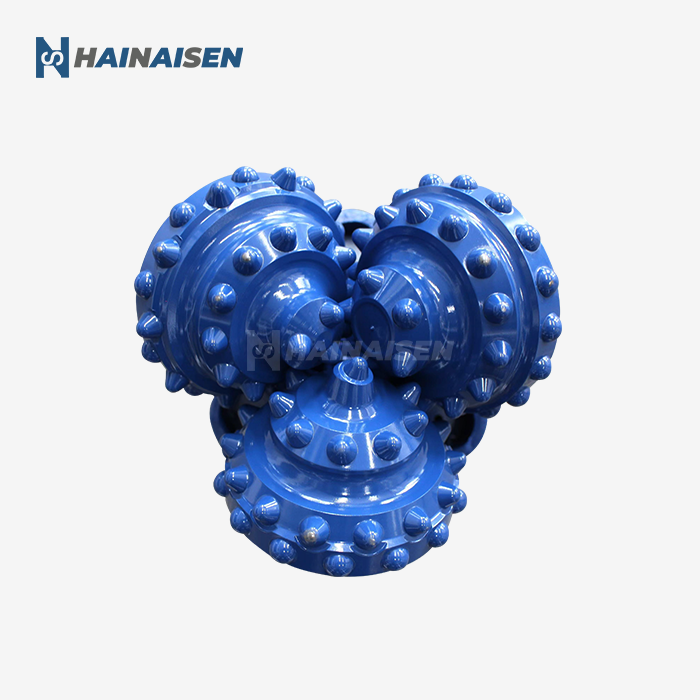 VIEW MOREHard Alloy Roller Drill Bit
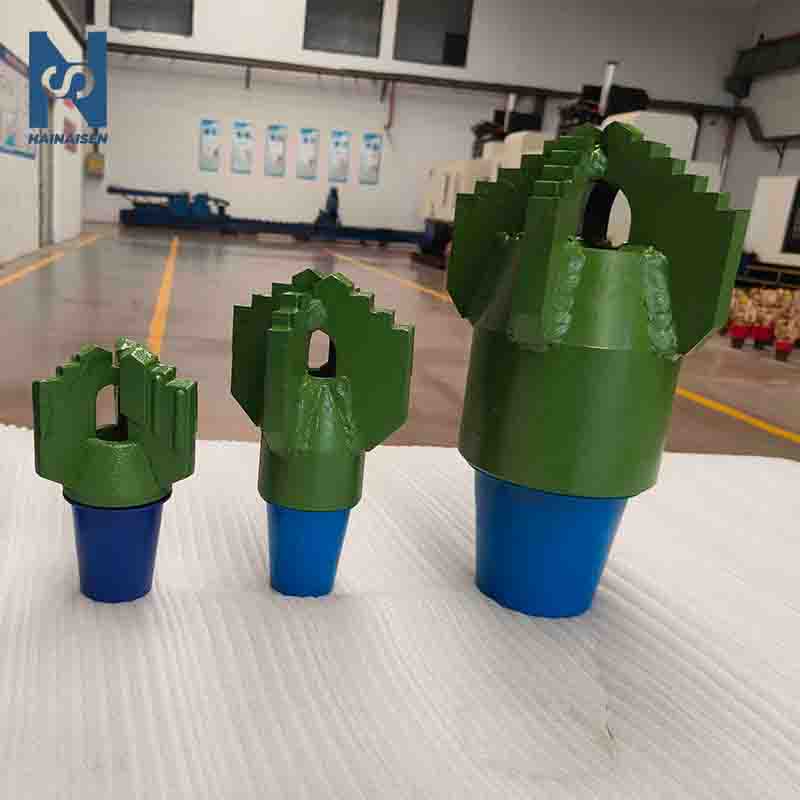 VIEW MORESteel Scraper Drill Bit
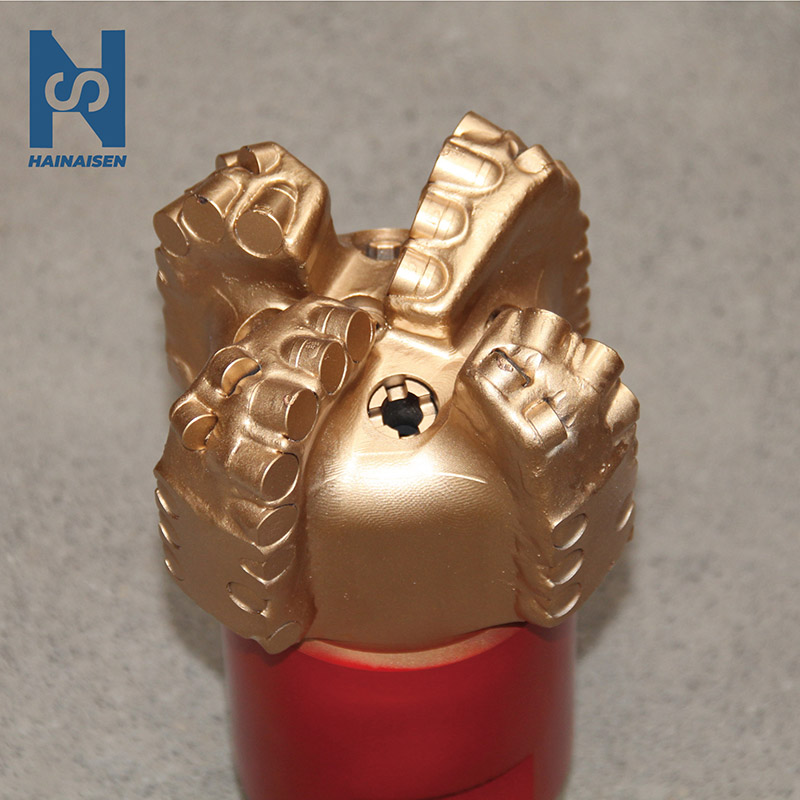 VIEW MOREFour Blade Wing High Performance Petroleum Drill Bit
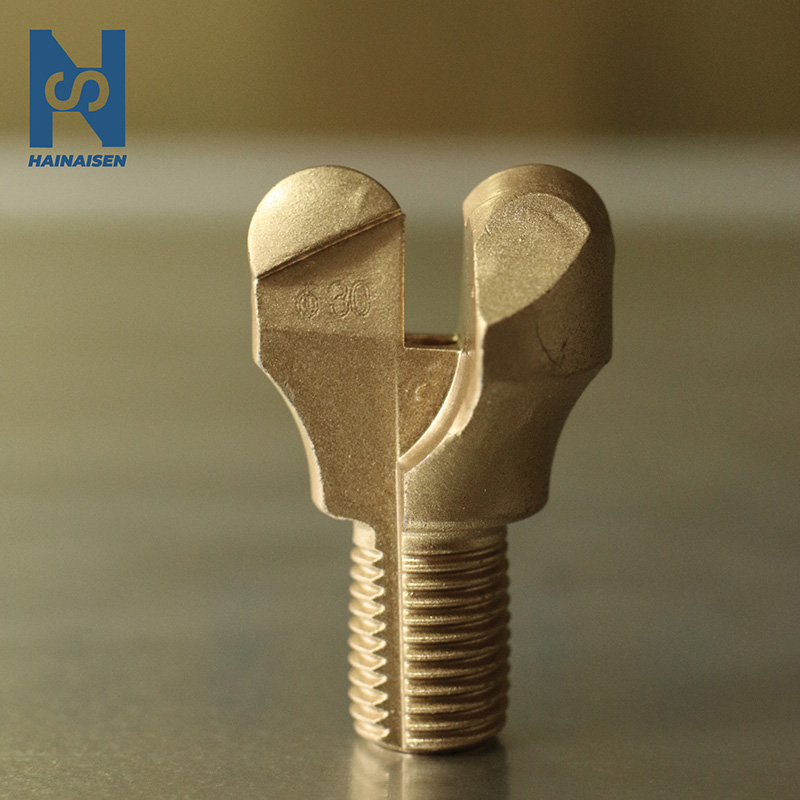 VIEW MORE34 And A Half Whole Coal Mine Mining Anchor Drill Bits
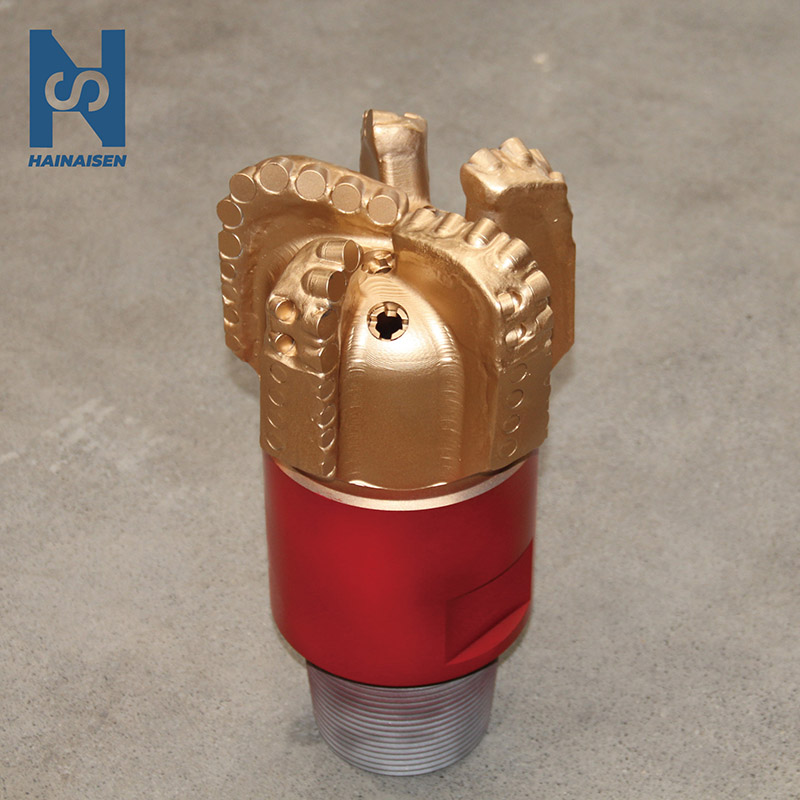 VIEW MOREFive Blades Oil Well Drill Head
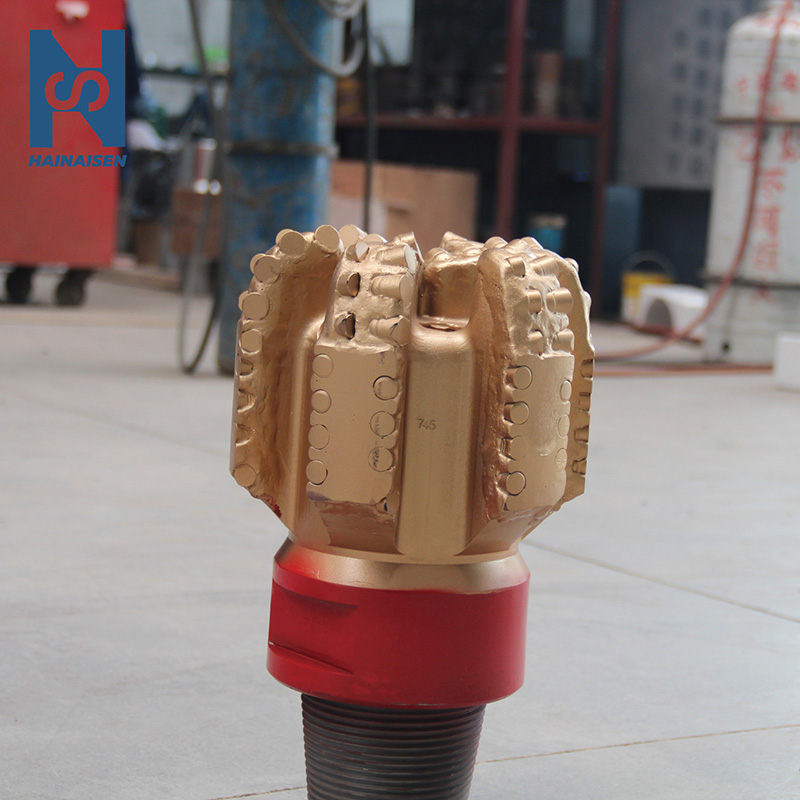 VIEW MOREDiamond Drill Bit Oil Rig
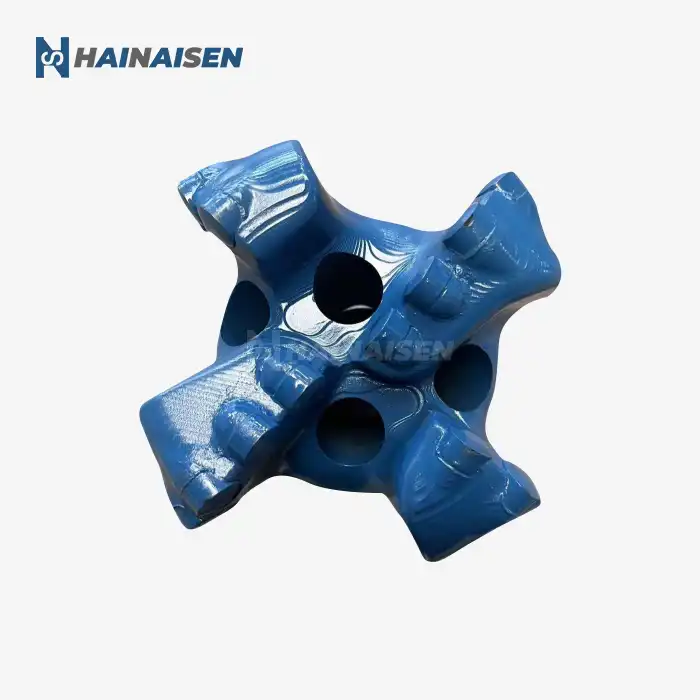 VIEW MORESteel Body PDC Bit 4 Blades
logo 2_1777360600432.jpg) VIEW MORECoal Mine Drilling Drill Bit Directional Three Blade PDC Drill Bit
VIEW MORECoal Mine Drilling Drill Bit Directional Three Blade PDC Drill Bit
