




Which PDC Bit Is Best for Long Horizontal Drilling Sections?
Contact Hainaisen before you select a bit for an extended lateral:
Email: hainaisen@hnsdrillbit.com
Tel: +86 177 9138 9758
Long horizontal drilling places very different demands on a drill bit compared with a conventional vertical well. The bit has to maintain directional control, resist lateral wear, evacuate cuttings effectively, and keep drilling efficiently for a long interval without an unnecessary trip. For operators comparing a China Oil Diamond Drill Bit for extended-reach wells, the most important question is not simply how aggressive the cutters are, but whether the entire bit design is balanced for the formation, BHA, hydraulics, and steering system.
A good horizontal bit should therefore combine stable cutting, reliable gauge protection, controlled torque, efficient hydraulics, and sufficient cutter durability. There is no single blade count that is automatically best for every horizontal well. The right design depends heavily on formation hardness, abrasiveness, interbedded lithology, drilling system, and the required steering response.
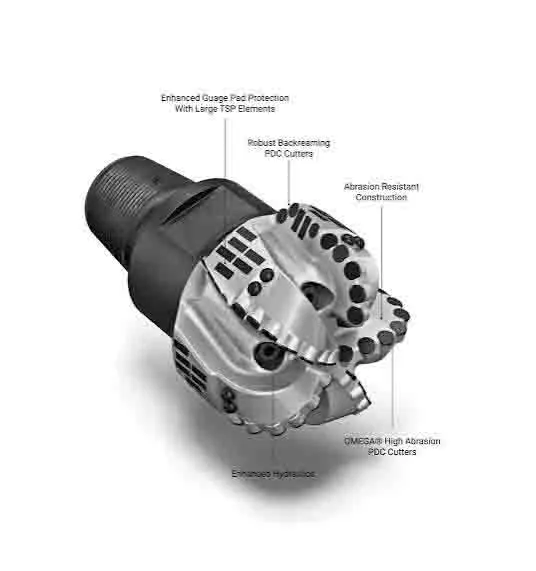
What Makes a PDC Bit Suitable for Long Horizontal Sections?
The main advantage of PDC technology in long lateral drilling is its continuous cutting action. Unlike a roller-cone bit, a fixed-cutter PDC bit has no moving cones, so the cutting structure can be engineered specifically around the expected formation and drilling mechanics.
SLB notes that cutter type, cutter layout, and blade geometry are continuously optimized to improve durability and drilling economics. Its experience also emphasizes dynamic stability because excessive torque, stick-slip, shock, and vibration can increase the risk of premature bit damage and costly trips.
For a long horizontal section, several design characteristics deserve particular attention:
1. Stable cutting structure
A bit that cuts smoothly is generally easier for the directional system to control. Excessive lateral vibration can make steering less predictable and accelerate cutter and gauge wear.
A technical paper presented at the IADC/SPE Asia Pacific Drilling Technology Conference specifically discussed the development of stable PDC Bits for rotary steerable systems as extended lateral and horizontal wells became increasingly important. The paper highlighted the relationship between stable bit behavior, smoother holes, lower drag, and improved drilling performance.
2. Strong gauge protection
Gauge wear becomes particularly important as the well becomes highly deviated. The bit is exposed to greater lateral interaction with the wellbore, and insufficient gauge protection can affect both hole quality and directional response.
3. Effective hydraulics
Long horizontal sections make cuttings transport more difficult. Cuttings tend to accumulate along the low side of the hole rather than moving naturally upward as they would in a vertical well.
SLB's Spear PDC design provides a useful industry example. The company uses increased junk-slot area, dedicated shale evacuation channels, and optimized nozzle placement to improve cuttings evacuation and cutter cleaning in curve and lateral sections.
4. Cutter selection matched to the formation
A highly aggressive cutter configuration may provide excellent ROP in one formation but become unstable or wear rapidly in another. Hard, abrasive formations generally require greater attention to cutter durability and impact resistance, while softer shale may place greater emphasis on cutting efficiency and preventing bit balling.
Recent technical research on long horizontal shale drilling also identifies PDC breaking efficiency and stability as important areas for optimizing performance in ultra-long well sections.
Which Bit Design Should You Choose for a Long Lateral?
For most long horizontal sections, the best choice is an application-specific PDC bit designed around the lateral formation and BHA, rather than simply selecting the bit with the highest advertised ROP.
A moderate blade count can provide a useful compromise between cutter density, stability, hydraulic flow area, and steerability. However, the ideal configuration changes with the application.
For relatively homogeneous shale, for example, an operator may prioritize high ROP, good cuttings evacuation, and smooth directional behavior. In an abrasive sandstone or a shale/sandstone sequence, stronger cutter protection and gauge durability may become more important.
SLB provides a good real-world example. Its Spear bit was developed specifically for curve and lateral shale applications, with design changes intended to improve ROP while maintaining directional control. In one Marcellus case, the application-specific bit was designed to drill the production interval in one run, balancing build capability, directional control, and lateral ROP.
The lesson for buyers is important: the best bit is the one optimized for the complete drilling system, not necessarily the one with the most aggressive cutting structure.
For rotary steerable drilling, dynamic stability becomes even more important. A stable China Oil Diamond Drill Bit can help the RSS apply steering forces more consistently while reducing undesirable bit behavior.
A Practical Example
Consider a hypothetical shale well with a 90° lateral section extending for several thousand feet.
The first bit selection is an aggressive design intended primarily for high instantaneous ROP. During the run, however, the operator observes increasing torque fluctuations and stick-slip. Cutter wear becomes uneven, and the bit reaches the end of its useful life before completing the planned interval.
For the next well, the operator changes to a more stable PDC design with:
- Better-balanced cutter placement
- Improved gauge protection
- Hydraulics designed for cuttings evacuation
- Cutter grades selected for the abrasive intervals
- A cutting structure matched to the RSS/BHA
- More controlled aggressiveness
Even if the second bit has a slightly lower instantaneous ROP, it may drill substantially more footage in a single run. Avoiding a trip can have a much greater economic impact than gaining a small amount of ROP for several hours.
This is consistent with field experience published by major drilling companies. In one SLB case, an application-specific directional PDC design was used after a conventional bit experienced shock, vibration, stick-slip, and poor RSS response. The customized bit subsequently drilled a further interval without the earlier shock and vibration problems.
Why Hainaisen Is Worth Considering for Horizontal Drilling Projects
For buyers sourcing a China Oil Diamond Drill Bit, Hainaisen is a Manufacturer worth discussing when the project requires a bit designed around actual drilling conditions rather than a standard catalog configuration.
Hainaisen focuses on practical PDC bit engineering, including cutter arrangement, blade configuration, hydraulic design, gauge protection, and application-specific customization. This approach is particularly valuable for horizontal wells because the same nominal bit diameter can behave very differently depending on formation abrasiveness, BHA configuration, mud properties, WOB, RPM, and steering system.
We also believe that communication between the bit manufacturer and drilling team should happen before the bit is manufactured, not after a run has already failed. Sharing offset bit records, formation information, drilling parameters, and expected lateral length allows the bit design to be adjusted to the actual application.
For demanding horizontal and directional projects, Hainaisen can provide a China Oil Diamond Drill Bit solution with the focus on balancing ROP, stability, steerability, cutter life, and total footage per run.
This is where we believe Hainaisen has an advantage: we do not simply recommend a generic PDC bit—we can work with customers to match the bit design to the drilling objective.
What Should Buyers Send to the Bit Manufacturer?
Before requesting a quotation, it is helpful to provide:
- Bit diameter
- Formation description
- UCS or available rock-strength information
- Abrasiveness information
- Expected lateral length
- Mud type and approximate flow rate
- WOB and RPM range
- Motor or RSS information
- Previous bit records
- Cutter wear photos, if available
- Target ROP and expected footage per run
These details allow the manufacturer to make a much more meaningful recommendation than simply selecting a bit from a standard product list.
FAQ
1. Is a PDC bit better than a roller-cone bit for long horizontal drilling?
In many oil and gas applications, yes. PDC bits offer continuous fixed-cutter cutting and can be engineered for high ROP, directional stability, and long runs. However, extremely hard, abrasive, or impact-prone formations may require specialized cutting structures or alternative bit technologies.
2. How many blades are best for a horizontal PDC bit?
There is no universal answer. Three-, four-, five-, six-, and higher-blade designs can all be appropriate depending on formation and drilling objectives. The key is the relationship between blade count, cutter density, aggressiveness, hydraulics, stability, and steering response.
3. What is more important in a long lateral: ROP or bit life?
Total footage per run is often more useful than instantaneous ROP. A very aggressive bit that drills quickly but requires an early trip may be less economical than a slightly more conservative bit that maintains stable performance over a much longer interval.
4. Why does gauge protection matter so much in horizontal wells?
High-angle and horizontal drilling increases lateral interaction between the BHA, bit, and wellbore. Excessive gauge wear can affect hole size, directional behavior, and the ability to maintain the planned trajectory.
5. Can Hainaisen customize a PDC bit for my horizontal well?
Yes. Hainaisen can discuss customization based on formation, bit diameter, BHA, drilling parameters, expected lateral length, and previous bit performance. For a technical recommendation, providing offset drilling data is strongly recommended.
References
- SLB – PDC Bits. SLB discusses PDC cutter types, cutter layout, blade geometry, dynamic stability, torque, stick-slip, and applications in directional drilling.
SLB PDC Bits
- SLB – PDC Cutters. Technical information covering application-specific cutter designs, cutter geometry, wear resistance, impact resistance, and thermal stability.
SLB PDC Cutters
- SLB – Spear Shale-Optimized Steel-Body PDC Drill Bit. Industry example of PDC design for curve and long lateral shale drilling, including cuttings evacuation, hydraulics, ROP, and directional control.
SLB Spear PDC Drill Bit
- Barton, S., Reed-Hycalog/Schlumberger, IADC/SPE-62779-MS. Development of Stable PDC Bits for Specific Use on Rotary Steerable Systems, IADC/SPE Asia Pacific Drilling Technology Conference and Exhibition, 2000. The paper examines stable PDC bit development for extended lateral and horizontal wells and RSS applications.
OnePetro – SPE-62779-MS
- SPE Journal of Petroleum Technology – Horizontal Tight-Gasfield Development. The case study discusses shock and vibration, bit wear, horizontal reservoir drilling, and the economic importance of bit durability and reduced tripping time.
SPE/JPT Technical Article
- MDPI Processes – Selection and Optimization Design of PDC Bits Based on FEM Analysis for Drilling Long Horizontal Sections of Shale Formations. Research examining PDC bit stability and rock-breaking efficiency in long horizontal shale drilling.
MDPI Technical Paper
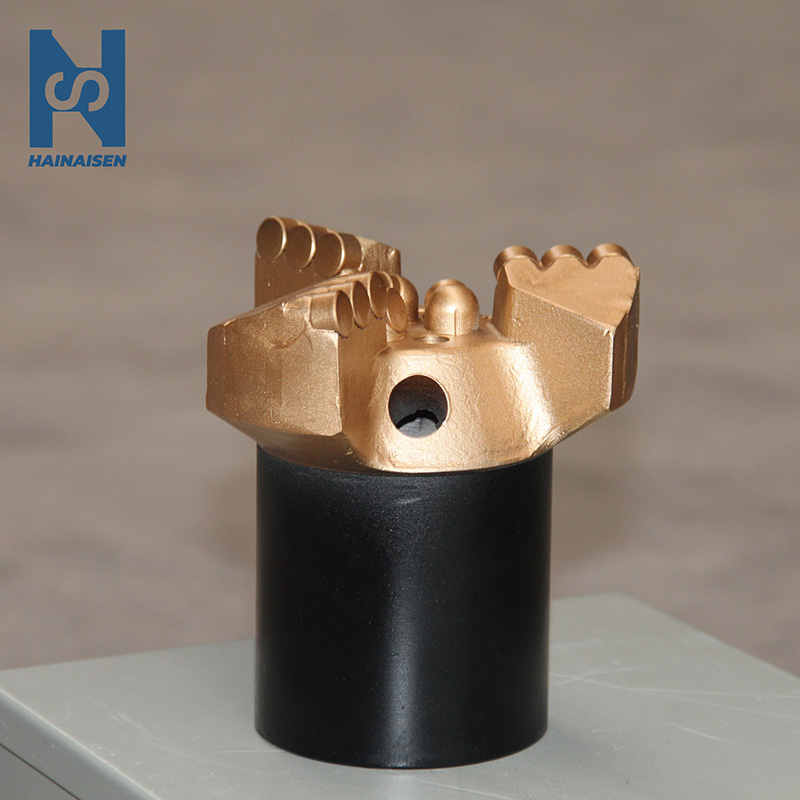 VIEW MORE113mm 3 Blades Steel Body PDC Bit
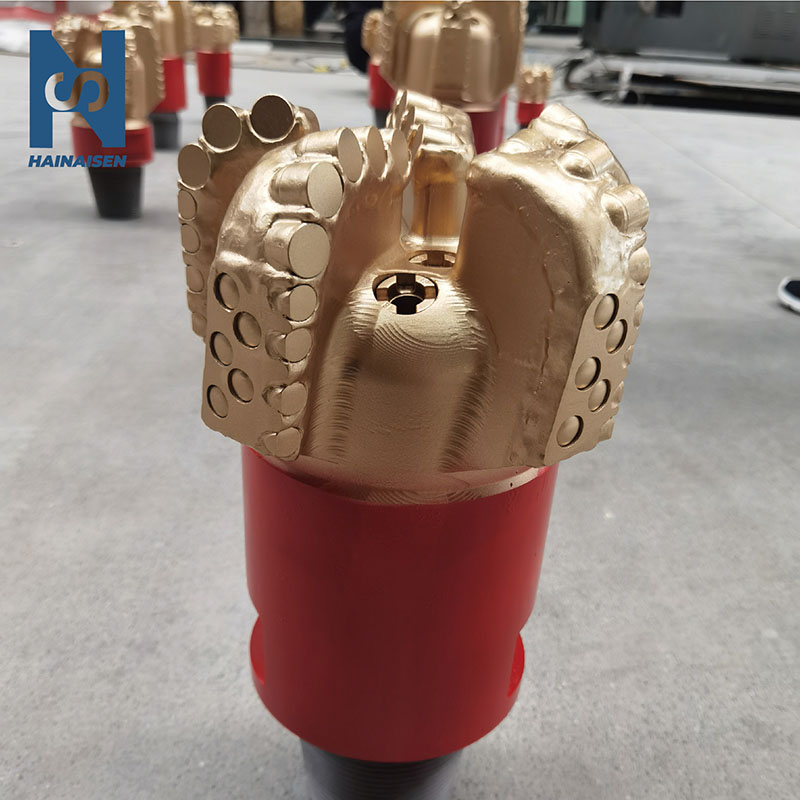 VIEW MOREFive Blade Oil Drill Bit
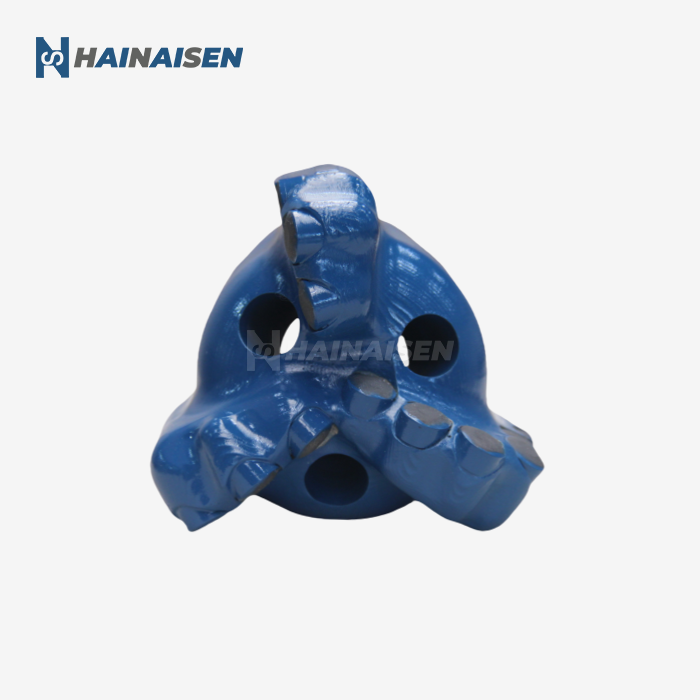 VIEW MORE113mm PDC Arc Angle Drill Bit
 VIEW MOREApi Polycrystalline Diamond Drill Bit
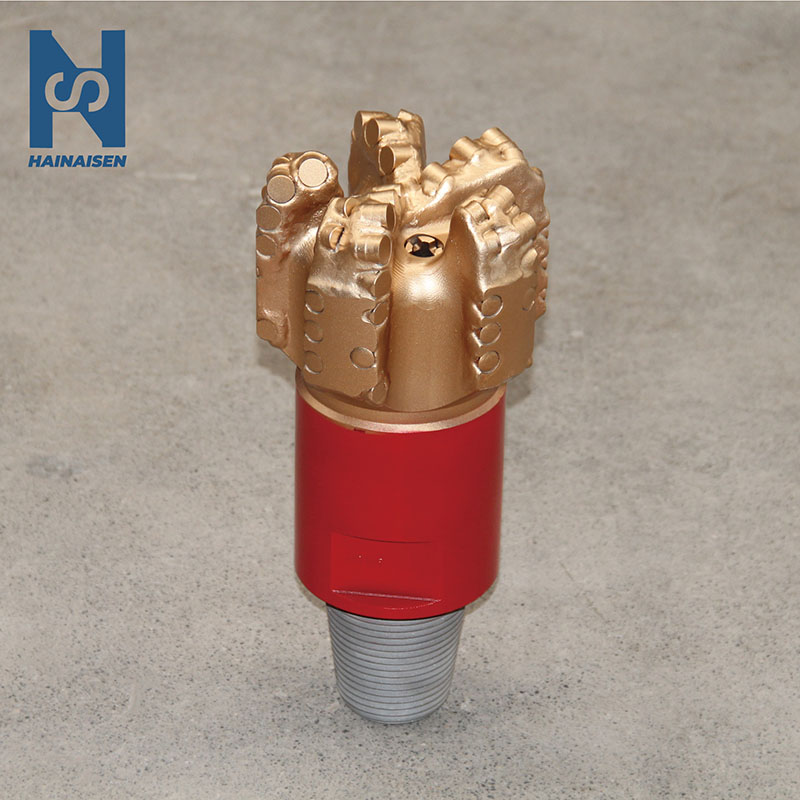 VIEW MORE5 Blade Matrix Body PDC Drill Bits
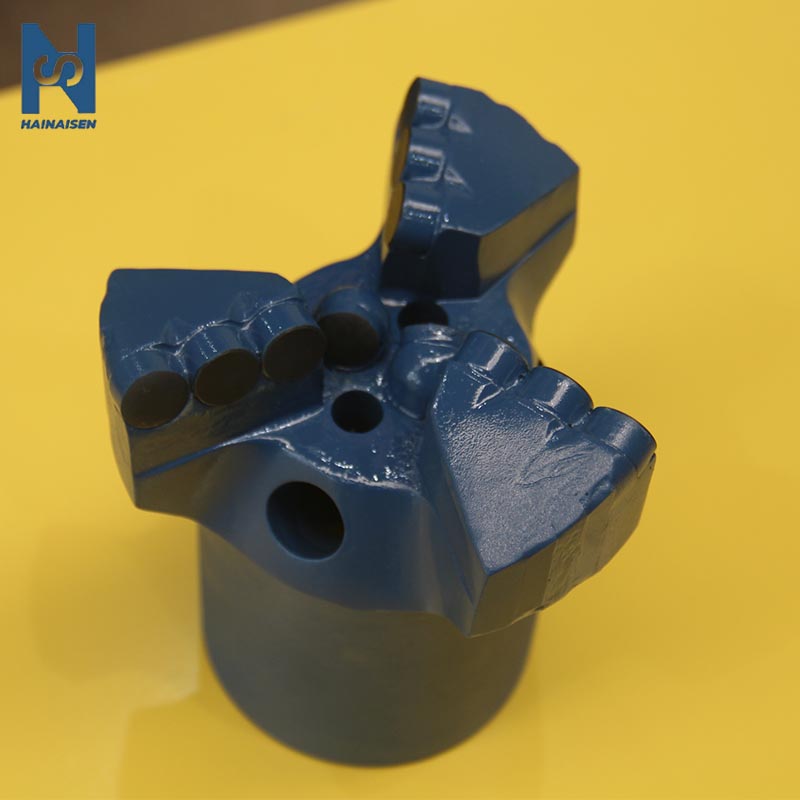 VIEW MOREPolycrystalline Diamond Drill Bits
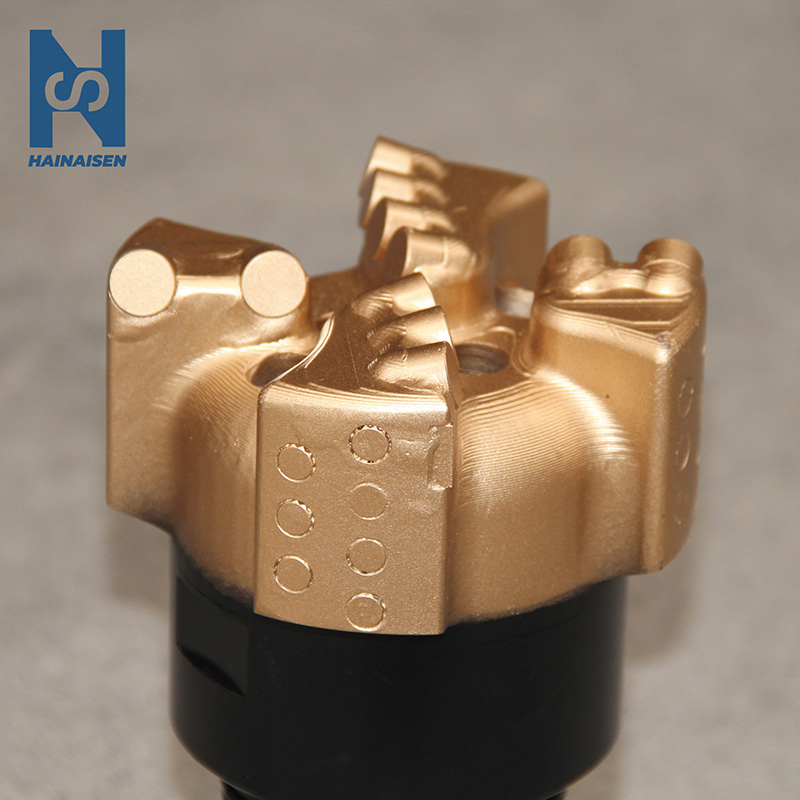 VIEW MOREDirectional Well PDC Drill Bit
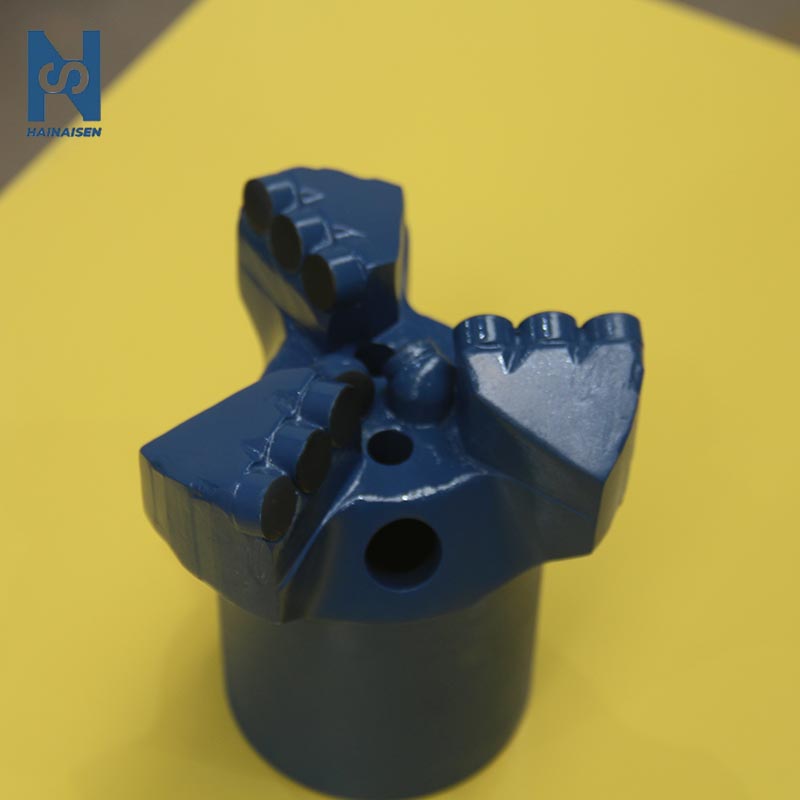 VIEW MOREPolycrystalline Diamond Compact Drill Bits