







Diamond Drill Bits For Oil Rigs vs Standard PDC: Key Differences
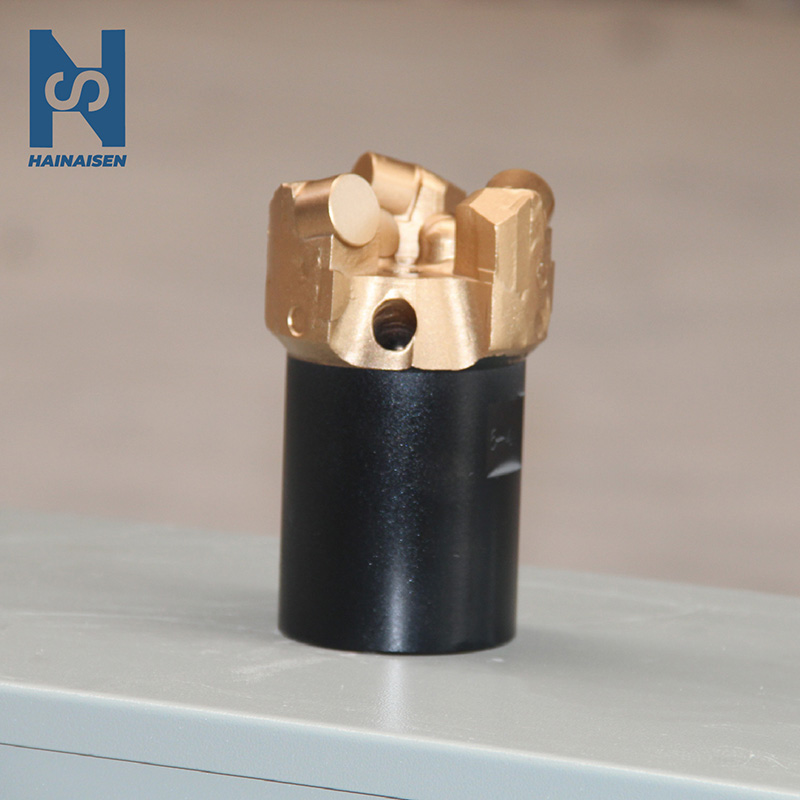
When buying drilling tools for oil and gas work, Diamond Drill Bits For Oil Rigs procurement managers and technical experts need to know the difference between diamond drill bits and regular PDC Bits. An excellent fake diamond is set in a tungsten carbide core to make a diamond drill bit. This makes them very tough and resistant to wear in rough rocks. PDC bits that are used in most situations are made of crushed diamond pieces that are connected to carbide surfaces. This makes them useful and affordable in many puncturing situations. Which of these technologies you choose will directly affect how often your drilling projects can be completed, how long they last, how often they need maintenance, and how much they cost to own overall.
Understanding Diamond Drill Bits and Standard PDC Bits
Composition and Manufacturing Processes
The most important difference between these cutting tools is how they were made. Synthetic diamonds are placed in specific ways on diamond drill bits to make the cutting elements. These diamonds are put into a strong core material during a controlled manufacturing process that makes sure the diamonds are spread out evenly and stick together strongly. Because of this, the cutting surface can handle high temps and rough touch with hard rock forms.
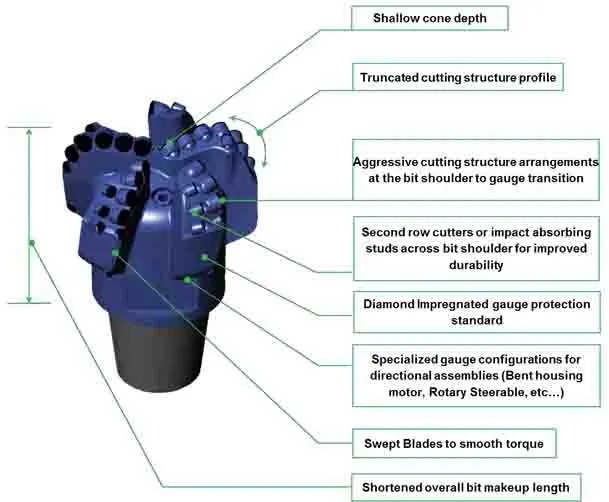
The way standard PDC bits work is different. To make these bits, Manufacturers sinter diamond particles under high pressure and temperature, which forms plates that are then brazed onto tungsten carbide studs. These PDC blades are attached to the bit body in a certain way that is meant to make cutting and drilling more efficient for diamond drill bit oil rig applications. The process of making them is more flexible when it comes to design, and they usually cost less to make than regular diamond bits。
Cutting Mechanics and Durability
The way these bits connect with rock shapes shows how they work in very different ways. Diamond bits work by grinding and scraping, and as the softer matrix wears away, the diamonds inside are constantly shown. Because it sharpens itself, this feature keeps the bit cutting well for a long time, especially in hard, gritty materials like granite or quartzite.
A cutting device makes PDC bits work. The flat PDC knives cut through rock instead of grinding it, which works very well in shale, limestone, and sandstone, which are all soft to medium-hard rocks. In the right forms, this cutting action usually leads to faster entry rates, but it may wear out faster when it hits harder rocks or conditions that are very rough.
Typical Applications in Oil Rig Drilling
The surroundings of the program have a big effect on bit selection. Diamond bits work great in tough conditions, like deep-water underwater drilling, geothermal projects, and cases where you have to drill for a long time in very hard rock. Because they are stable at high temperatures and don't wear down easily, they are perfect for long drilling campaigns where keeping the bit from slipping is important.
Standard PDC bits have become the most common type of bit used in modern drilling. For example, they work reliably in sandstone rocks that are popular in oil and gas research. PDC technology is often used for horizontal drilling, directional drilling, and coal bed methane extraction because it strikes a great balance between entry rate and operating cost.
Performance Comparison: Diamond Drill Bits vs. Standard PDC Bits
Drilling Speed and Efficiency Metrics
The penetration rate is one of the most important measures of how well drilling activities are going. When the tensile strength of the rock is more than 200 MPa, diamond bits often work 15 to 25 percent better than standard PDC options. This benefit comes from their higher strength and ability to keep cutting well even when they come into touch with tough rock types.
But when you look at softer shapes, the picture of success changes. Shallow rocks like shale and mudstone, which have compression strengths below 150 MPa, often allow PDC bits to go deeper more quickly. PDC cuts are better at removing material in these situations because they split it. This means that drilling takes less time and costs less per meter bored.
Operational productivity is more than just the speed of entry. Diamond drill bits for oil rigs usually need to be replaced less often, which cuts down on the number of trips needed to finish a well. This consistency is very helpful for activities that take place offshore, where rig time can cost more than $500,000.
Lifespan and Wear Patterns
The costs of a project are directly affected by how long the drilling equipment lasts. In hard rocks, diamond bits can usually drill 200 to 400 meters before they need to be replaced. In some cases, they can drill longer than 600 meters. The pattern of slow wear lets workers guess when repair is needed and plan bit changes for planned breaks in operations.
There are more differences in how long standard PDC bits last. In good rock layers, these bits can drill 300 to 500 meters without any problems. But hard stringers or scratchy zones that come up out of the blue can make this much less likely, alongside unstable diamond drilling parameters. When selecting PDC technology for processes where physical conditions aren't known for sure, procurement managers should expect bit changes to happen more often.
Maintenance Requirements and Strategies
Taking care of different tools requires different methods. Simple cleaning methods and storing diamond bits in limited areas are good for them. Because they are built to last, they can handle rough handling better than PDC options. However, thermal shock is still a worry that workers must address by controlling the cooling process.
PDC bits need to be maintained with more care. Damage to cutters from impact loading can lower bit performance generally, so each cutter needs to be checked regularly. Bit balling, which is when formation material builds up on the bit face, is worse for PDC bits than for diamond bits. This problem needs to be fixed with the right hydraulic design and mud qualities.
Cost and Procurement Considerations for B2B Buyers
Initial Investment vs. Long-Term Value
The initial cost difference between diamond and PDC bits forces buying teams to make a choice right away. Diamond bits usually cost 40 to 70 percent more than similar PDC options. This starting cost makes it hard for buyers on a tight budget, especially smaller drilling companies who want to keep their capital costs as low as possible.
Total cost of ownership estimates, on the other hand, often show a different picture. When you consider that diamond bits last longer, trip less often, and work better in hard rocks, they often have lower per-meter drilling costs. When projects come across rocks with compression values above 180 MPa, diamond technology always ends up being cheaper.
Sourcing High-Quality Products
Finding trustworthy providers is one of the most difficult parts of buying. There are a lot of producers on the market, and their quality standards and specialized skills range. You can be more confident in the performance and dependability of their products if they come from well-known sources with a history of working with oil and gas.
We at Shaanxi Hainaisen Petroleum Technology Co., Ltd. deal with these issues by following strict quality control rules. Our building is 3,500 square meters and has high-tech production tools like 5-axis machining centers and CNC machine tools that make sure the quality of our products is always uniform and within tight limits. Before it is shipped, every bit goes through a lot of tests to make sure it works within the limits that were set.
Customization and Technical Support
Standard stock items don't usually cover all of the problems that come up with drills in current oil drill bit operations. When working with unusual physical conditions or specific drilling settings, it's important to have customization choices. Our focused research and development team works with clients to make oil drill bits that are best for the features of the rock, the drilling fluid system, and the limitations of the operation.
Technical help is useful at all stages of the buying and operating lifecycles. Quick technical help can fix problems with performance, find the best drilling settings, and increase the return on investment. There are more benefits to buying in bulk, such as savings for larger quantities, priority ordering for production, and easier foreign shipping operations.
Choosing the Right Drill Bit for Your Oil Rig Operations
Geological Evaluation and Formation Assessment
Effective bit selection begins with thorough geological analysis. Understanding formation compressive strength, abrasiveness, and potential interbedded zones allows procurement managers to match bit capabilities with operational requirements. Formations dominated by shale, limestone, or sandstone with compressive strengths below 160 MPa generally favor PDC technology.
Conversely, operations targeting hard limestone, dolomite, chert, or igneous rock formations benefit from diamond bit characteristics. The superior wear resistance and thermal stability of diamond bits justify their higher initial cost when drilling these challenging materials.
Operational Parameters and Equipment Compatibility
Bit selection must align with existing rig capabilities and operational constraints. Our diamond drill bits operate effectively within speed ranges of 80-300 RPM and drilling pressures of 10-100 kN. Flow rate requirements between 20-35 liters per second ensure adequate cooling and cuttings removal. Verifying equipment compatibility prevents performance compromises and premature bit failure.
Drilling programs involving directional or horizontal sections require consideration of additional factors. Steerability, vibration characteristics, and side force resistance influence bit performance in deviated wellbore sections. Diamond bits generally exhibit more predictable behavior in challenging well geometries, though modern PDC designs have narrowed this performance gap.
Balancing Performance and Budget Constraints
Procurement decisions rarely occur without financial constraints. Medium and large oil service companies typically prioritize quality and performance, accepting higher initial costs for equipment that delivers superior operational results. These organizations recognize that minimizing non-productive time and maximizing penetration rates generates greater value than simply purchasing the lowest-cost option.
Smaller water well drilling teams and some coal mining operations face different economic realities. Price sensitivity drives procurement decisions, making standard PDC bits more attractive despite potential performance limitations tied to diamond drilling parameters. Understanding these market segments allows suppliers to offer appropriate product recommendations that balance capability with affordability.
Common Challenges and Maintenance Tips for Diamond Drill Bits on Oil Rigs
Identifying and Addressing Abrasive Wear
Abrasive wear represents the primary degradation mechanism for diamond bits. Regular inspection helps identify excessive wear patterns that might indicate suboptimal drilling parameters or unexpected formation characteristics. Monitoring torque, weight on bit, and penetration rate provides early warning signs of developing problems.
Implementing proper drilling fluid programs significantly extends bit life. Adequate viscosity, appropriate solid content, and effective filtration systems minimize abrasive contact between formation particles and the bit surface. We recommend reviewing drilling fluid properties with specialized mud engineers when encountering unexpectedly high wear rates.
Preventing Thermal Damage
Thermal stability distinguishes diamond bits (oil drill bits) from many alternatives, yet excessive heat still threatens performance. Insufficient flow rates, inadequate hydraulic design, or drilling parameter excesses can generate temperatures that damage diamond-to-matrix bonds. Maintaining specified flow rates and avoiding prolonged drilling at excessive weights prevents most thermal issues.
Controlled cooling procedures during bit trips protect against thermal shock. Rapid temperature changes can induce microcracking in the bit matrix, compromising structural integrity. Allowing bits to cool gradually before exposure to surface conditions extends operational life and maintains performance characteristics.
Best Practices for Storage and Handling
Proper storage practices protect your investment between drilling operations for diamond drill bit oil rig. Climate-controlled environments prevent moisture accumulation that could affect bit components. Protective cases shield bits from mechanical impact during transportation and storage. We provide detailed storage recommendations with each product shipment, ensuring clients can maintain bit condition throughout extended standby periods.
Handling procedures deserve equal attention. Training drilling crews on proper bit-handling techniques reduces accidental damage. Careful inspection before deployment identifies any issues that might have developed during storage or transportation, allowing corrective action before costly operational problems occur.
Conclusion
The decision between diamond drill bits and standard PDC technology fundamentally depends on formation characteristics, operational priorities, and economic considerations. Diamond bits deliver superior performance in hard, abrasive formations, offering extended lifespan and reduced trip frequency that often justifies a higher initial investment. PDC bits provide cost-effective solutions for softer formations where their shearing action achieves excellent penetration rates. Successful procurement requires careful evaluation of geological conditions, operational parameters, and total cost of ownership. Partnering with experienced manufacturers who offer customization capabilities and comprehensive technical support ensures optimal equipment selection that maximizes drilling efficiency and operational profitability.
FAQ
1. What makes diamond drill bits more durable than standard tungsten carbide alternatives?
Diamond's exceptional hardness—rating 10 on the Mohs scale compared to tungsten carbide's 9—provides fundamental advantages in abrasive formations. The self-sharpening characteristic of diamond bits, where matrix wear continuously exposes fresh cutting surfaces, maintains efficiency throughout operational life. Tungsten carbide bits experience dulling that progressively reduces cutting effectiveness, necessitating more frequent replacement in demanding applications.
2. How do offshore drilling conditions affect diamond drill bit lifespan?
Offshore environments introduce variables including saltwater exposure, higher operating pressures, and typically harder formations encountered at greater depths. High-quality diamond bits demonstrate excellent corrosion resistance and thermal stability that prove advantageous in these conditions. Proper maintenance protocols and adequate drilling fluid programs become even more critical offshore, where bit failures create disproportionately expensive consequences due to elevated rig day rates.
3. Can you customize diamond bits for specific geological formations encountered in our drilling program?
Absolutely. Our engineering team at Shaanxi Hainaisen Petroleum Technology specializes in custom bit design tailored to unique operational requirements. By analyzing core samples, offset well data, and drilling parameters, we develop optimized bit configurations that address specific formation characteristics. This personalized approach has helped numerous clients achieve performance improvements of 20-35% compared to standard catalog products.
Partner with HNS for Premium Diamond Drill Bits
Shaanxi Hainaisen Petroleum Technology Co., Ltd. (HNS) stands ready to support your drilling operations with cutting-edge diamond drill bit solutions engineered for superior performance and reliability. As a trusted diamond drill bits for oil rigs manufacturer, we combine advanced manufacturing technology with extensive research and development expertise to deliver equipment that meets the demanding requirements of oil and gas exploration, coal mining, and geological surveying applications. Our customization services ensure your bits match specific formation conditions and operational parameters, maximizing penetration rates and minimizing downtime. Contact our technical sales team at hainaisen@hnsdrillbit.com to discuss your project requirements and discover how our competitive pricing and comprehensive support can enhance your drilling efficiency.
References
1. Smith, J.R., & Anderson, K.L. (2021). Advanced Drilling Technologies for Oil and Gas Exploration. Petroleum Engineering Press.
2. Chen, W., & Thompson, D.M. (2020). Comparative Analysis of PDC and Diamond Drill Bit Performance in Hard Rock Formations. Journal of Drilling Technology, 45(3), 112-129.
3. Roberts, P.J. (2022). Cost-Benefit Analysis of Drilling Equipment in Modern Oilfield Operations. Energy Economics Quarterly, 18(2), 67-84.
4. Martinez, R., & Kumar, S. (2021). Drill Bit Wear Mechanisms and Maintenance Strategies for Extended Operational Life. International Journal of Petroleum Technology, 39(4), 201-218.
5. Williams, G.T. (2020). Material Science Applications in Modern Drilling Tools. Mining and Petroleum Engineering Review, 52(1), 45-63.
6. Zhang, H., & Fletcher, B.K. (2022). Customization and Optimization of Diamond Drilling Equipment for Challenging Geological Conditions. Drilling Engineering Handbook, 7th Edition, 334-361.
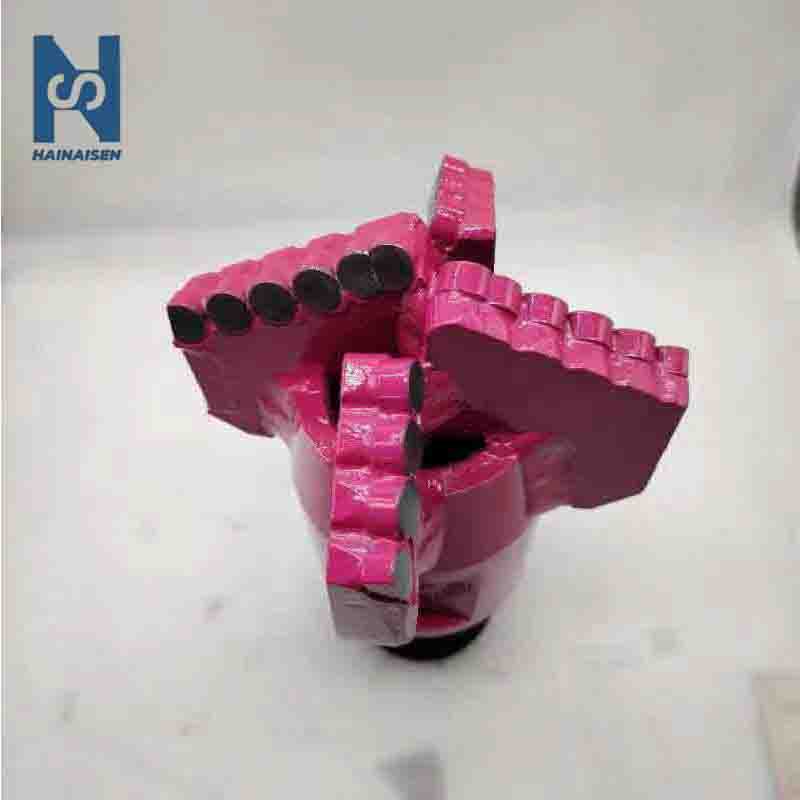 VIEW MOREAlloy Scraper Drill Bit For Water Well
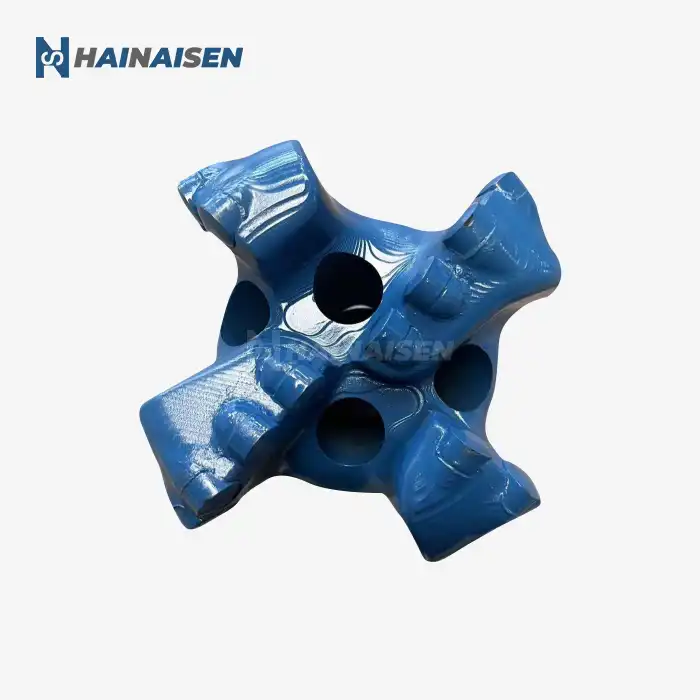 VIEW MORE4 Blade PDC Bit
 VIEW MORESteel Body PDC Bit 4 Blades
 VIEW MORE3 Blades PDC Mining Bits
 VIEW MOREHigh Quality PDC Drill Bits
 VIEW MOREDiamond Drill Bits For Oil Rigs
 VIEW MORESix Blade Wing Petroleum Drill Bit
 VIEW MORECoal Mining Use Diamond Drill Bit
