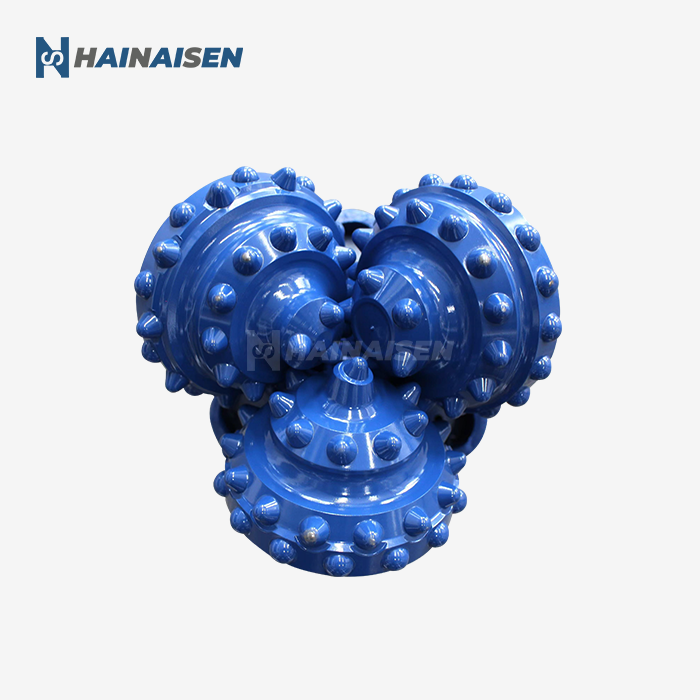
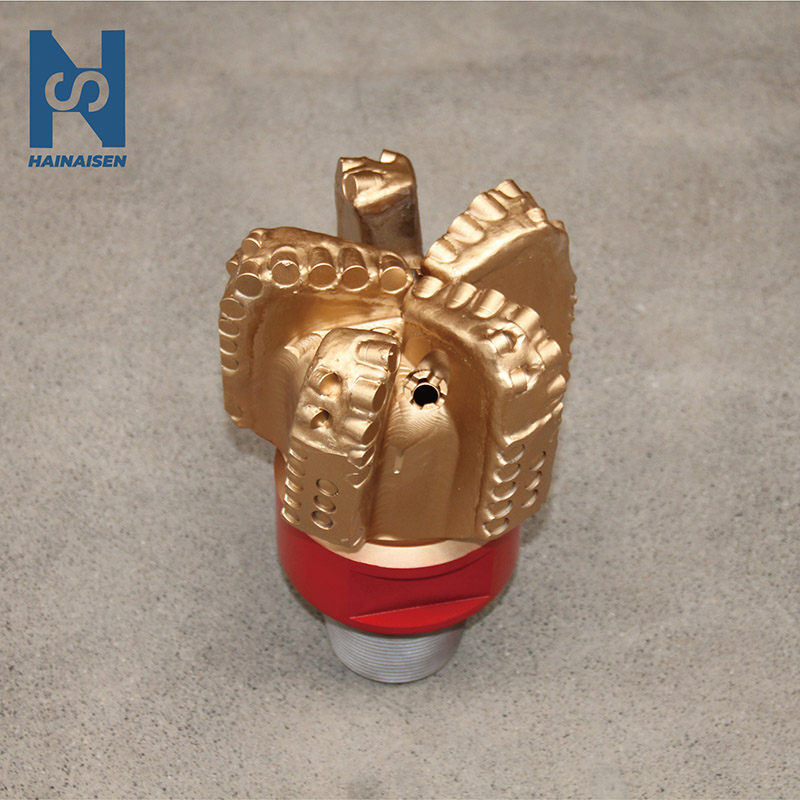
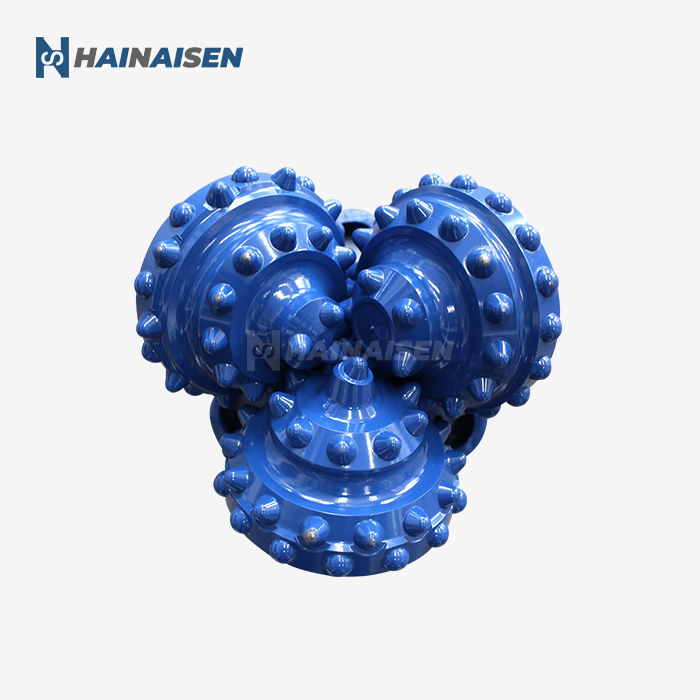
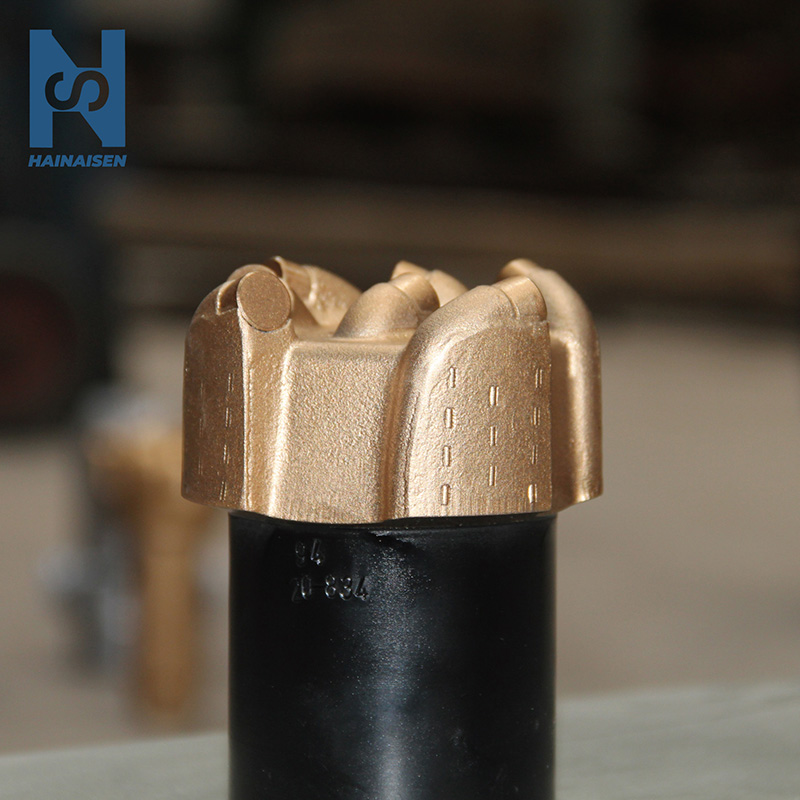
Five Blades Oil Well Drill Head: Hydraulic Design Explained
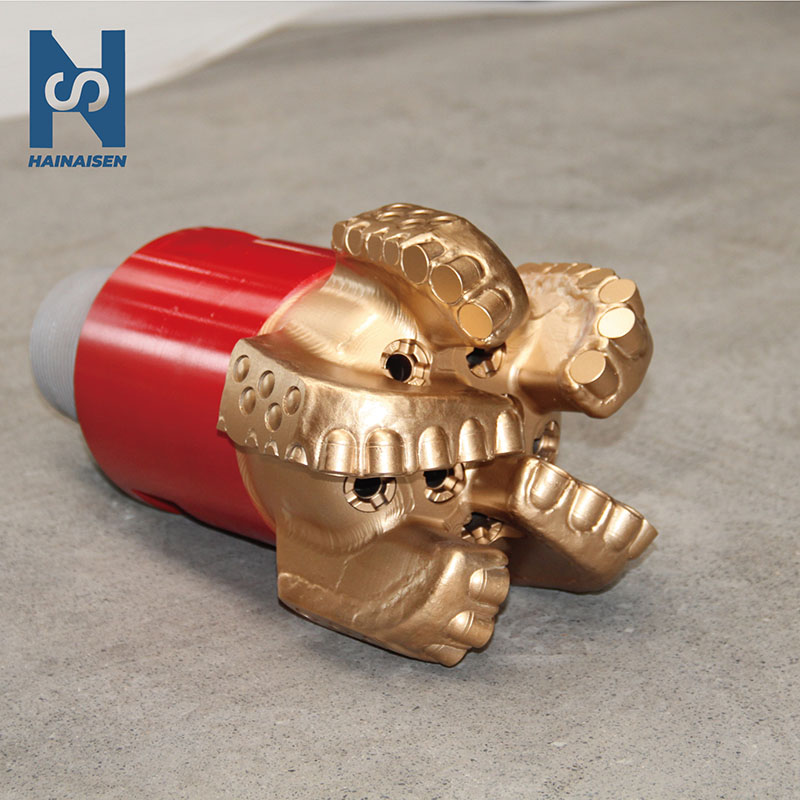
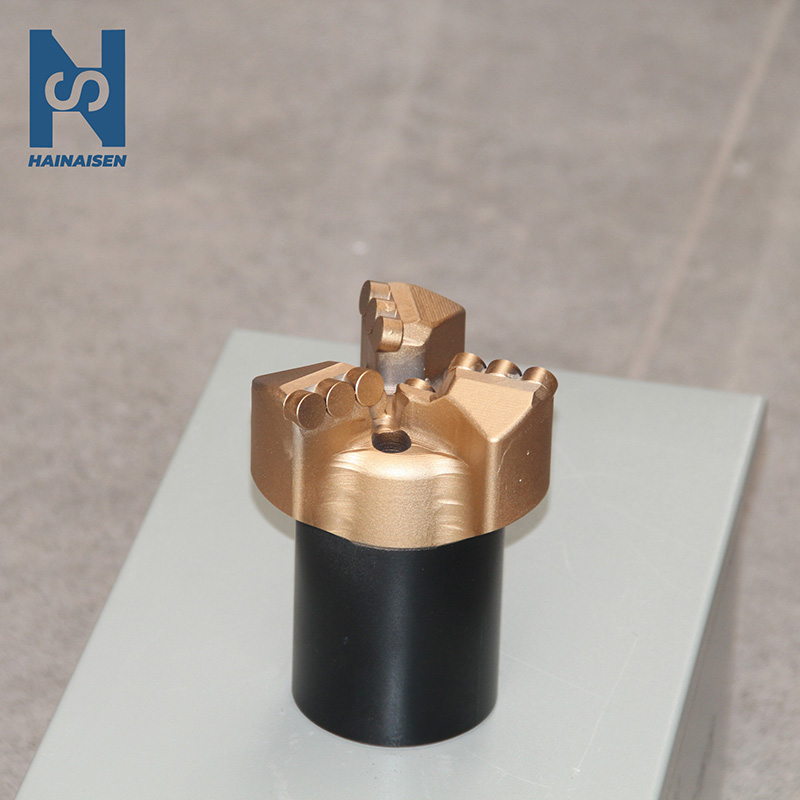
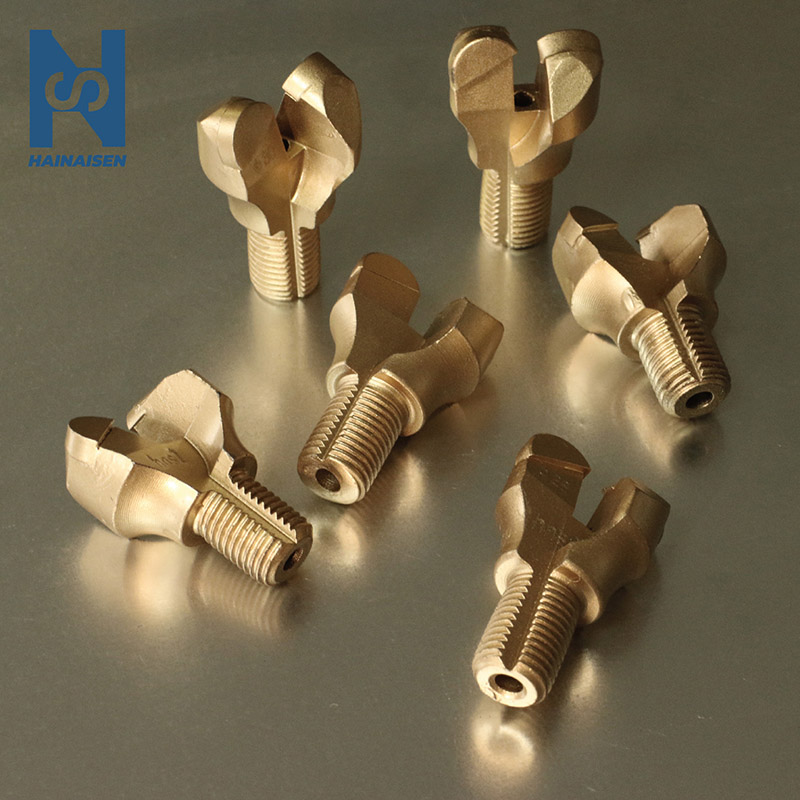
When digging needs to be precise and quick, it's important to know how a five-blade oil well drill head works hydraulically. This high-tech PDC bit setup has five diamond-studded cutting surfaces and a complex hydraulic system that controls the flow of fluid, the spread of pressure, and the removal of waste. The hydraulic design has a direct effect on how the drilling fluid moves around each blade, keeping the cuts cool and moving rock chips to the surface at the same time. By coordinating blade shape and fluid dynamics in this way, operators can get better penetration rates while keeping the machine stable, especially in medium-hard rock types like shale, limestone, and sandstone.
Understanding the Hydraulic Design of a Five-Blade Oil Well Drill Head
Fundamental Structure and Blade Configuration
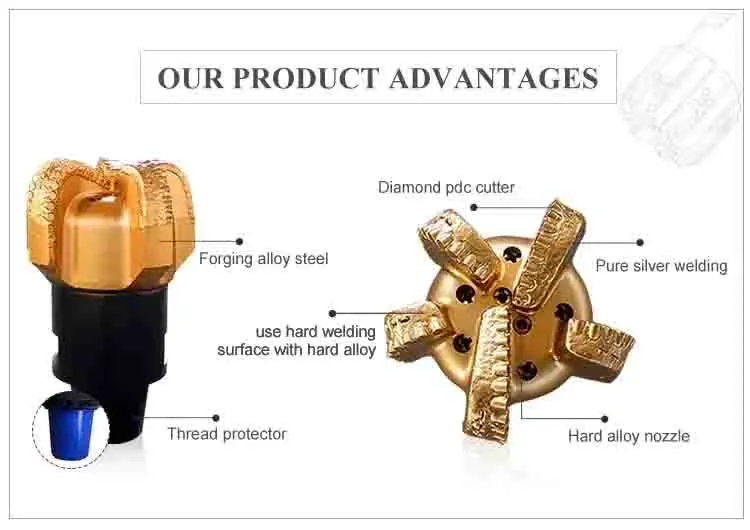
The five-blade PDC bit stands out because its structure is built with a balanced design that spreads cutting forces evenly across the drilling face. Each blade is placed in a way that makes the best contact spots with the rock. This lowers the bit whirl and horizontal motions that are common in hard rock drilling settings. The design of the blades works with the hydraulic lines built into the bit body to make ways for drilling fluid to get to key areas where heat buildup and cutting buildup are the biggest problems.
Core Hydraulic Principles Governing Fluid Flow
Controlling fluid speed, pressure differences, and flow patterns is key to making drill heads more hydraulically efficient. The five-blade design makes specific flow paths that send drilling mud through tubes that are placed between the blades. This creates high-speed jets that hit the formation and move the cuttings away from the cutting surface. This fluid action stops the cuttings from regrinding, which would make the drilling less effective and speed up the wear on the PDC cuts if it happened. When pressure is spread out correctly, each blade gets the right amount of cooling and greasing, so the machine stays at its best temperature even during long drilling runs.
Integration of Blades and Hydraulic Components
The hydraulic system works best when the blade structure and fluid supply methods work together without any problems. The blade shape is used to match the placement, size, and angle of the nozzles. This makes sure that the fluid gets to the cutting contact exactly when and where it's required. This combination makes the best use of torque transfer from the drill string to the rock while keeping the safety of the system during the boring process. Modern designs have gauge safety features and junk slot shapes that work with hydraulic flow to keep the bit in contact with the formation and stop it from balling.
Key Design Features Contributing to Hydraulic Efficiency
In five-blade setups, hydraulic performance is improved by a number of design features. How fluid moves around the cutting structure is affected by the blade's height and shape. The bit's ability to remove cuts is determined by the size of its junk hole. The choice of material is very important, and matrix body shapes work best in rough places where erosion protection is important. Steel body choices are very strong and can be used in situations where impact protection is more important than corrosion worries. Internal parts are kept clean from outside contaminants by sealing devices that keep the hydraulic integrity even when downhole pressures hit 100 KN during operation.
Performance and Benefits of a Five-Blade Oil Well Drill Head Hydraulic Design
Enhanced Torque and Drilling Stability
It is clear that the five-blade hydraulic design is better at managing power than the more common three- or four-blade designs. Spreading the cutting forces across five contact places lowers stress levels that lead to early failure, so the bit will keep working well for as long as it's supposed to. This steadiness means that drilling goes more smoothly and with less shaking, which protects the drill head and makes downhole tools and equipment on the surface last longer. Operators have fewer problems with connections and less time spent not working because of machine changes.
Efficiency Across Varied Geological Formations
Five-blade PDC Bits (five-blade oil well drill heads) can adapt to changing formation features without losing performance thanks to hydraulic optimization. When drilling quickly into soft rock forms like gypsum or sandstone that is only loosely packed together, the hydraulic system removes large amounts of cuttings quickly and effectively. When hitting layers of harder limestone or dolomite, the same hydraulic design cools the diamond cuts more effectively to keep them from getting damaged by heat. The five-blade design is very useful for digging through interbedded layers where rock features change a lot within short distances because it can do so many things.
Optimized Rotational Speed and Penetration Rates
Looking at penetration rates makes the link between hydraulic design and mechanical efficiency clear. Studies show that when used in the same settings, improved five-blade PDC bits can improve the penetration rate by up to 30% compared to standard drill heads. This improvement comes from better removal of cuts, which keeps cutting edges sharp and avoids having to be ground again. The suggested speed range for the hydraulic system is between 80 and 300 RPM. It works well with different drilling parameters, so workers can change the settings on the surface tools to fit the needs of the formation without affecting the bit's performance.
Safety and Reliability Improvements
New developments in hydraulic systems make operations much safer by making bits less likely to behave in odd ways that could cause them to get stuck in pipes or fail in terrible ways. When PDC cutters are kept cool, they don't crack from heat, which can lead to quick bit failure and dangerous conditions downhole. Bit-bouncing is less likely to happen when trash is removed better. Bit balling raises power needs and can cause drill string twist-offs. These improvements to safety mean that workers will be less likely to be in dangerous situations while fishing and doing unexpected repair. This will protect workers and keep operations running as smoothly as possible.
Selecting the Right Five-Blade Oil Well Drill Head for Your Operation
Evaluating Hydraulic System Compatibility
Successful integration of a five-blade PDC bit requires careful assessment of existing rig capabilities and hydraulic parameters. Flow rate capacity represents a critical specification, with optimal performance typically requiring 20-35 liters per second. Procurement teams should verify that their mud pumps can deliver this volume at sufficient pressure to generate effective junk slot velocities. Pressure limitations of the drill string and surface connections must also accommodate operating pressures that may reach 100 KN during challenging drilling conditions. Compatibility assessments should include fluid properties, as drilling mud density and viscosity affect hydraulic efficiency throughout the system.
Analyzing Blade Design Variations
Within five-blade configurations, design variations address specific application requirements. Blade height influences the bit's aggressiveness, with taller blades providing faster penetration in softer formations but potentially sacrificing stability in harder rock. Blade profile options include straight, spiral, or parabolic geometries, each offering distinct advantages in cutting removal and torque management. Cutter size, density, and backrake angles are tailored to formation characteristics, with finer cutter spacing suited for abrasive environments and coarser spacing preferred for impact resistance in fractured formations.
Material Considerations for Durability
Material selection determines longevity and cost-effectiveness in specific drilling environments. Matrix body bits Manufactured from tungsten carbide particles bonded with copper or bronze offer superior erosion resistance in high-sand content formations or when drilling with abrasive muds. These designs protect the bit body in environments where hydraulic flow velocities can erode softer materials. Steel body alternatives provide cost advantages and facilitate rebuilding options, making them economical for operations with established refurbishment programs. The choice between materials balances initial investment against expected service life and operational conditions.
Commercial and Supplier Considerations
Beyond technical specifications, pdc bit procurement success depends on evaluating supplier capabilities and commercial terms. Verification of manufacturing Certifications ensures compliance with industry standards, while supplier track records provide insight into product consistency and reliability. Warranty terms should clearly define coverage for manufacturing defects versus wear-related failures. After-sales service capabilities, including technical support and spare parts availability, become critical when operating in remote locations where equipment downtime carries significant financial penalties. Lead time guarantees affect project planning, particularly for operations requiring custom bit designs tailored to unique geological challenges.
Maintenance Tips for Sustaining Hydraulic Performance
Preventive Care and Routine Monitoring
Maintaining optimal hydraulic performance begins with systematic monitoring of drilling fluid properties. Contamination from formation solids degrades fluid quality, reducing cooling efficiency and accelerating wear on seals and bearing surfaces. Regular testing of mud weight, viscosity, and sand content allows operators to make timely adjustments before fluid quality deteriorates sufficiently to impact bit performance. Inspection protocols should include examining nozzle condition, as erosion or plugging alters flow distribution and compromises hydraulic efficiency across the cutting structure.
Inspection of Critical Components
Post-run examinations provide valuable data for optimizing drilling parameters and extending bit life. Blade wear patterns indicate whether hydraulic flow effectively cooled all cutting surfaces or whether localized hot spots developed due to inadequate fluid circulation. Seal integrity assessments identify potential pathways for fluid loss that would reduce hydraulic pressure and allow contaminants to reach bearing surfaces. Hydraulic line inspections catch early signs of erosion or connection degradation before failures occur downhole, preventing expensive fishing operations and lost drilling time.
Troubleshooting Common Hydraulic Issues
Recognizing symptoms of hydraulic problems enables quick intervention before minor issues escalate into major failures. Pressure drops during circulation often signal nozzle plugging or seal damage requiring immediate attention. Increased torque without corresponding changes in weight on the bit suggests inadequate cuttings removal, possibly indicating insufficient flow rate or nozzle wear that reduces junk slot velocities. Unusual vibration patterns may reflect bit balling caused by poor hydraulic cleaning, requiring adjustments to fluid properties or flow parameters to restore normal operation.
Operating Within Recommended Parameters
Adherence to manufacturer specifications for PDC bits protects equipment investment and maintains warranty coverage. Operating beyond recommended pressure limits risks seal failures and premature bearing wear. Exceeding flow rate capabilities can cause erosion damage to nozzles and bit body components. Conversely, insufficient flow creates inadequate cooling and cuttings removal. Proper storage procedures, including cleaning accumulated formation materials and protecting exposed surfaces from corrosion, preserve bit condition between runs and ensure reliable performance when returned to service.
Conclusion
The hydraulic design of five-blade PDC bits represents a sophisticated engineering achievement that directly impacts drilling efficiency, cost-effectiveness, and operational safety. Understanding how blade configuration, fluid dynamics, and material selection interact empowers procurement professionals to make informed decisions aligned with specific operational requirements. Whether addressing the stringent quality demands of major oil service companies or the cost-sensitivity priorities of water well drilling teams, hydraulic-optimized five-blade designs offer compelling value propositions. As drilling operations continue pushing into more challenging environments, the adaptability and performance advantages inherent in advanced hydraulic designs will become increasingly essential to maintaining competitive operations.
FAQ
1. What makes five-blade PDC bits more efficient than four-blade designs?
The additional blade creates more evenly distributed cutting forces and reduces lateral vibrations that cause premature wear. This configuration also provides better hydraulic flow distribution, ensuring each blade receives adequate cooling and cuttings removal support. The result is improved stability and higher penetration rates, particularly in medium-hardness formations.
2. How do I determine the correct flow rate for optimal hydraulic performance?
Flow rate requirements depend on bit size, nozzle configuration, and formation characteristics. Generally, five-blade PDC bits perform optimally within the 20-35 liters per second range. Consult with your bit supplier to match flow parameters to your specific drilling conditions and rig capabilities, ensuring adequate junk slot velocity without exceeding erosion limits.
3. Can five-blade hydraulic drill heads be rebuilt after wear?
Steel body designs typically support rebuilding, allowing replacement of worn PDC cutters and extending economic life. Matrix body bits generally are not economically rebuildable due to manufacturing processes. The decision between bit types should consider the total cost of ownership, including initial price, expected footage, and rebuilding costs for your specific application.
Partner with HNS for Superior Drilling Performance
SHAANXI HAINAISEN INTELLIGENT EQUIPMENT MANUFACTURING CO., LTD brings over a decade of specialized expertise as a trusted Five Blades Oil Well Drill Head manufacturer. Our 3,500m² facility in Xi'an houses advanced 5-axis machining centers and CNC equipment that ensure precision manufacturing meeting the strictest quality standards. Our dedicated engineering team customizes drill bit designs to match your specific formation challenges, whether you're drilling in shale, limestone, or sandstone. We understand that purchasing managers and technical engineers need reliable suppliers offering competitive pricing without compromising performance. Contact Us at hainaisen@hnsdrillbit.com to discuss how our hydraulic-optimized Five Blades Oil Well Drill Head solutions can reduce your drilling costs while improving penetration rates.
References
1. Bellin, F., Dourfaye, A., King, W., & Thigpen, M. (2010). "The Current State of PDC Bit Technology." World Oil Magazine, 231(9), 41-46.
2. Sinor, L. A., Powers, J. R., & Warren, T. M. (1998). "The Effect of PDC Cutter Density, Back Rake, Size, and Speed on Performance." SPE/IADC Drilling Conference Paper 39306.
3. Clayton, R., Chen, S., & Lefort, G. (2005). "New Bit Design, Cutter Technology Extend PDC Applications to Hard Rock Drilling." Oil & Gas Journal, 103(5), 53-58.
4. Durrand, C. J., Skeem, M. R., & Crockett, R. B. (2011). "Super-Hard, Thick PDC Cutters for Hard Rock Drilling: Development and Test Results." IADC/SPE Drilling Conference Paper 140024.
5. Warren, T. M., & Armagost, W. K. (1988). "Laboratory Drilling Performance of PDC Bits." SPE Drilling Engineering Journal, 3(2), 125-135.
6. Glowka, D. A. (1989). "Use of Single-Cutter Data in the Analysis of PDC Bit Designs: Part 2—Development and Use of PDCWEAR Computer Code." Journal of Petroleum Technology, 41(8), 850-859.
logo 1_1777360475599.jpg)