







How to Select a Three Blades Rock Drill Bit for Mining
To choose the right three-bladed rock drill bit for digging, you need to carefully look at the aspects of the rock structure, the material's makeup, and how well it works. This drill bit has three cutting wings that scrape and cut at the same time to work best in soft to medium-hard rock layers. Experts in buying things should think about how well the bit works with rock hardness, the quality of the tungsten carbide core, the build quality of the heat-treated alloy steel, and the total cost of ownership before they buy it. You can better match digging tools to the elements of a mine if you know these things. You should also think about performance goals, price, and the ability to do maintenance.
Understanding Three Blades Rock Drill Bits: Design and Functionality
Engineering Principles Behind the Three-Wing Configuration
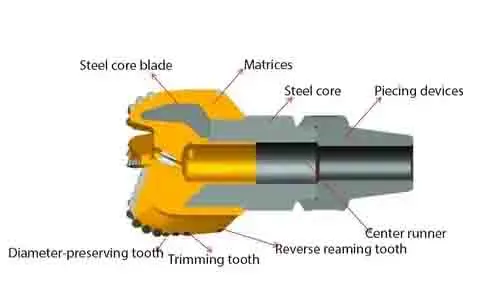
The three-blade design strikes a good mix between how well it cuts and how well it holds together. The three-wing design spreads the cutting forces evenly across the bit face, unlike two-blade bits that can cause uneven loading or four-blade shapes that make the bit drag more. This balanced method reduces vibrations during spinning, which directly leads to more straight holes and less stress on the drill strings. The stepped-blade shape lets the material be removed one wing at a time, so the bit doesn't get stuck in sticky formations.
It is best for getting rid of cuts when the blades are at a 120-degree angle to each other. This makes room for the junk hole. This bigger flow area stops waste from building up when cutting through layers of soil or worn rock. If it did, it would slow down the drilling process and wear out the rock faster than it should. The tungsten carbide tips get sharper as they cut through the rock because of the way the blade is shaped. This means that the bit will keep cutting well for a long time.
Material Science: Tungsten Carbide and Alloy Steel Construction
Our bits are carefully made with high-quality materials that will last a very long time and work well for a long time. The cutting elements are made with great care from high-quality tungsten carbide (usually YG11C or YG8 grades), which makes them very hard for uses that need to be resistant to wear. Specialized soldering processes attach these inserts to the bit body. Ultrasonic flaw detection checks the bond strength and stops downhole insert loss.
Our premium rock cutting mining bit adopts high-strength alloy steel after professional quenching and tempering treatment, achieving a core hardness ranging from 38 to 42 HRC. The primary steel grades applied are 42CrMo and 40CrNiMo. Optimized through rigorous mechanical and thermal processing, the bit body features exceptional structural rigidity and superior wear resistance. It delivers excellent toughness to withstand frequent impact loads during rock cutting and mining drilling operations. The specialized heat treatment process hardens the bit’s outer surface to resist rapid abrasive wear, while maintaining proper internal ductility to avoid fracture and bending failure under complex downhole stresses. Benefiting from our well-optimized material proportioning and mature processing technology, these mining bits perform stably in harsh and strenuous working conditions. They serve as reliable and cost-effective options for procurement teams, ensuring consistent and durable performance throughout repeated drilling cycles.
Hydraulic Performance and Cooling System Integration
Modern three-blade bits have a better cooling system that solves the problem of heat absorption that comes up when digging in hard rocks. Flush ports, which are also known as "water holes," are placed so that they guide drilling fluid to areas of the cutting structure that are likely to wear down quickly. This hydraulic system does two things: it cools the tungsten carbide pieces so they don't break down too quickly, and it moves the rock chips away from the bit face.
The hydraulic system works well (a three-bladed rock drill bit) with the optimized blade design to make it more stable. The shape of the blade makes rough flow patterns that clean the bit face while keeping the fluid speed high enough in the annulus to bring the cuts to the surface. This hydraulic efficiency can increase rates of penetration by 15 to 25 percent compared to badly built options in water well drilling, where penetration speed has a direct effect on the project's cost.
Critical Criteria for Selecting the Right Three-Cone Rock Drill Bit
Matching Formation Characteristics to Bit Specifications
Rock hardness assessment forms the foundation of proper bit selection. Soft formations like clay, silt, and unconsolidated sand require aggressive cutting structures with larger insert protrusions to maximize material removal. Medium-hard formations, including limestone, sandstone, and weathered granite, demand a balanced approach where insert size and spacing prevent excessive wear while maintaining penetration rates. The geological survey data from your drilling site should guide these specifications.
Abrasiveness testing accurately evaluates a formation’s abrasion degree and its wear impact on drill bit cutting elements. Highly abrasive strata rich in quartz and silica require high-quality tungsten carbide materials with optimized cobalt binder composition, which is perfectly compatible with our heat-treated mining bit series. Coal mining projects frequently feature complex interbedded formations with alternating coal seams and hard roof rock layers, calling for versatile drilling tools that support stable transitional drilling and reduce frequent bit replacement. A thorough analysis of the complete stratigraphic column enables precise bit selection, effectively avoiding parameter mismatch issues that cause premature tool failure and low drilling efficiency. With professional formation matching and standardized heat treatment craftsmanship, our mining bits maintain stable and durable performance in diverse complex mining strata.
Evaluating Material Quality and Manufacturing Standards
Quality control measures separate reliable suppliers from opportunistic vendors. Dimensional metrology using calibrated instruments ensures gauge diameter accuracy, which directly affects hole clearance and casing installation success. Thread gauging with API-certified master gauges confirms leak-proof connections to the drill string, preventing fluid loss and maintaining hydraulic efficiency. Material traceability through complete mill test reports verifies the alloy steel composition meets specifications for fatigue resistance under high-frequency vibration.
Here are the core quality benchmarks that procurement teams should demand from suppliers:
- Ultrasonic Flaw Detection Reports: Documentation confirming the brazing integrity between tungsten carbide inserts and the steel body, with acceptance criteria based on zero detectable voids larger than 2 mm.
- Hardness Mapping Certificates: Verification showing consistent heat treatment across blade surfaces, typically demonstrating hardness gradients from cutting edge to bit body within acceptable tolerances.
- Carbide Grade Certification: Supplier documentation specifying tungsten carbide composition, including cobalt content percentage and grain size distribution, which determines impact toughness and wear resistance.
These quality assurances protect medium to large oil service companies during their extended inspection periods, providing the technical documentation that engineers require to approve new suppliers. The verification process also benefits coal mining companies by confirming that price advantages don't compromise the product quality standards necessary for passing sample tests. Insisting on these Certifications during the procurement process mitigates risks associated with counterfeit materials and substandard manufacturing that plague competitive drilling markets.
Cost Analysis: Initial Investment Versus Lifecycle Value
Total cost of ownership calculations reveal the true economic value of drill bit purchases. While water well drilling teams prioritize upfront pricing, this narrow focus often overlooks operational costs associated with premature failure. Being priced 20% lower but delivering only 60% of the service life creates a false economy, increasing per-foot drilling costs and equipment downtime.
Bulk purchasing advantages become significant for operations drilling multiple wells or maintaining regional drilling programs with oil and gas drilling bits. Negotiating volume commitments with Manufacturers can reduce unit costs by 10-18% while securing consistent quality and delivery schedules. Warranty terms and replacement considerations should address failure modes, with reputable suppliers offering pro-rated refunds or replacements for bits that fail to meet specified penetration footage guarantees. These contractual protections provide budget predictability essential for project planning in oil and gas exploration and geothermal drilling projects.
Performance and Maintenance Insights for Prolonged Bit Life
Recognizing Wear Patterns and Addressing Common Failure Modes
For rock cutting mining bit, blade chipping usually stems from over weight-on-bit in hard formations or collision with hidden boulders. Routine checks use depth gauges to measure cutter protrusion against factory standards. Fine cracks spreading from insert edges signal carbide fracture, mostly caused by poor mud cooling or overloaded drilling parameters.
Gauge wear represents another critical concern, particularly in mining and exploration applications where hole diameter tolerances affect subsequent operations. Measuring gauge diameter at multiple points around the bit circumference identifies uneven wear patterns that signal drilling string misalignment or formation dip issues. Addressing these conditions promptly prevents compounded problems that reduce overall drilling efficiency.
Implementing Proactive Maintenance Protocols
Best practices for extending bit service life begin with proper break-in procedures. Operating new bits at reduced weight-on-bit and rotation speed for the initial 30-45 minutes allows gradual seating of cutting elements and stabilizes thermal expansion patterns. This controlled introduction reduces catastrophic failure risk during the critical early operating period.
Sharpening techniques for tungsten carbide bits differ fundamentally from steel bits. Rather than grinding edges, which removes the wear-resistant carbide layer, redressing involves removing damaged inserts and brazing replacement elements. This process requires specialized equipment and metallurgical expertise, making supplier partnerships that include refurbishment services particularly valuable. Many medium and large oil service companies negotiate maintenance agreements where manufacturers provide bit inspection, repair, and recertification services, extending useful life by 40-60% compared to run-to-failure approaches.
Real-World Performance Data from Field Applications
Urban foundation drilling highlights the stability of 3-blade designs. A municipal water project drilling alluvium and bedrock extended service life by 35% with our heat-treated mining bit three-blade models versus old two-blade bits. Better stability cuts well deviation, avoids expensive re-drilling and speeds up construction.
Underground mining operations in sedimentary rock sequences reported cost savings exceeding $12 per meter when switching to premium three-blade oil and gas drilling bits with optimized hydraulic designs. The faster penetration rates reduced rig time by 22%, while extended bit life decreased tool change frequency. These operational improvements translated to enhanced project economics even though the premium bits carried 30% higher initial costs, validating the lifecycle value approach to procurement decisions.
Conclusion
Selecting the optimal three-bladed rock drill bit for mining applications balances technical specifications, quality assurance, economic considerations, and supplier capabilities. Understanding formation characteristics, material science, and hydraulic performance principles enables informed decisions that maximize drilling efficiency and minimize lifecycle costs. Rigorous supplier verification, comprehensive quality control documentation, and strategic procurement approaches protect operational continuity while controlling budget exposure. Successful bit selection ultimately depends on matching product capabilities to specific mining requirements through manufacturer collaboration and customized solutions that address unique operational challenges.
FAQ
1. What formations work best with three-blade drill bits?
Three-blade bits excel in soft- to medium-hard formations, including clay, silt, sand, limestone, sandstone, and weathered rock. The design provides superior penetration rates and cuttings evacuation in these conditions compared to alternative configurations. Avoid using three-blade bits in extremely hard crystalline rock where specialized diamond or PDC Bits perform better.
2. How do I verify drill bit quality before purchasing?
Request ultrasonic flaw detection reports confirming insert brazing integrity, hardness mapping certificates demonstrating heat-treatment consistency, and material traceability documentation with complete mill test reports. Insist on dimensional metrology verification and API thread certification. Reputable suppliers provide comprehensive quality documentation without hesitation.
3. What maintenance extends three-blade bit service life?
Implement proper break-in procedures at reduced operating parameters for initial drilling. Conduct regular inspections measuring insert protrusion and gauge diameter. Monitor for blade chipping and carbide cracking, indicating excessive operating loads. Consider professional refurbishment services replacing damaged inserts rather than discarding entire bits, extending useful life significantly while maintaining performance standards.
Partner with HNS: Your Trusted Three Blades Rock Drill Bit Manufacturer
Shaanxi Hainaisen Petroleum Technology Co., Ltd. combines advanced manufacturing capabilities with deep industry expertise to deliver superior drilling solutions. Our modern 3,500-square-meter facility produces precision-engineered bits utilizing 5-axis machining centers and CNC technology, ensuring consistent quality that meets the stringent requirements of oil service companies, coal mining operations, and geological exploration teams. The dedicated custom bit design department collaborates with your technical team to develop optimized solutions matching your specific formation conditions and operational objectives. Backed by extensive experience across oil and gas extraction, mining, and water well applications, HNS serves as your reliable Three Blades Rock Drill Bit supplier committed to maximizing your drilling efficiency and operational profitability. Contact our technical specialists at hainaisen@hnsdrillbit.com to discuss your requirements and discover how our customized drilling solutions enhance your project outcomes.
References
1. Bourgoyne, A.T., Millheim, K.K., Chenevert, M.E., and Young, F.S. "Applied Drilling Engineering." Society of Petroleum Engineers Textbook Series, Volume 2, Richardson, Texas, 1991.
2. Lummus, J.L. and Field, L.E. "Drilling Fluids Optimization: A Practical Field Approach." PennWell Publishing Company, Tulsa, Oklahoma, 1986.
3. Mitchell, R.F. and Miska, S.Z. "Fundamentals of Drilling Engineering." Society of Petroleum Engineers Textbook Series, Richardson, Texas, 2011.
4. Rabia, H. "Oilwell Drilling Engineering: Principles and Practice." Graham & Trotman Limited, London, United Kingdom, 1985.
5. Short, J.A. "Introduction to Drilling and Production." Gulf Publishing Company, Houston, Texas, 1982.
6. Warren, T.M. "Drilling Model for Soft-Formation Bits." Journal of Petroleum Technology, Society of Petroleum Engineers, Volume 33, Issue 6, Dallas, Texas, 1981.
 VIEW MOREPDC Mining Bit
 VIEW MOREDiamond Drill Bits For Oil Rigs
 VIEW MOREFour Blade Wing Oil Drilling Tool
logo 2_1777361643767.jpg) VIEW MORE94mm Four Wing Arc Angle Drill Bit
VIEW MORE94mm Four Wing Arc Angle Drill Bit VIEW MORECoal Mines Use Haineisen PDC Drill Bits
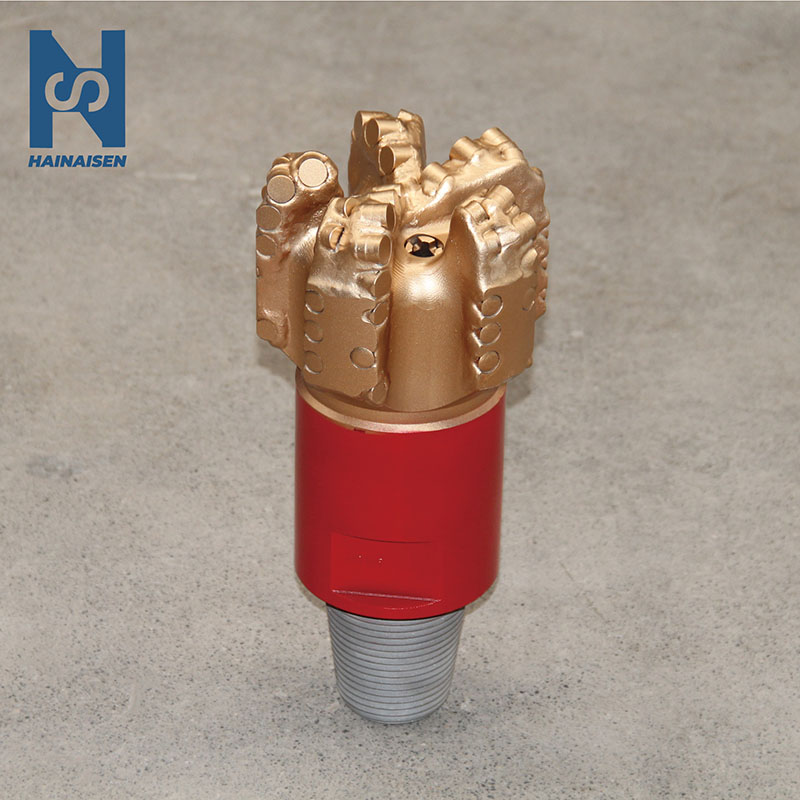 VIEW MORE5 Blade Matrix Body PDC Drill Bits
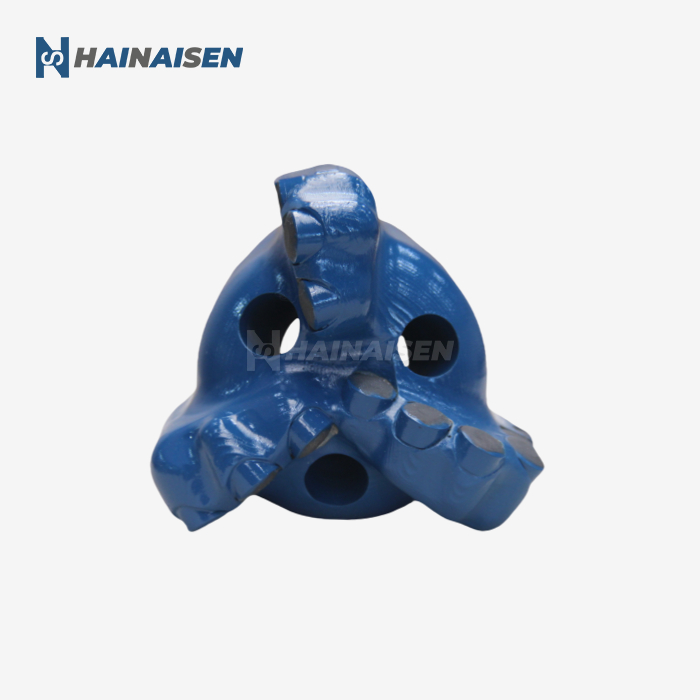 VIEW MORE3 Blade PDC Arc Angle Drill Bit
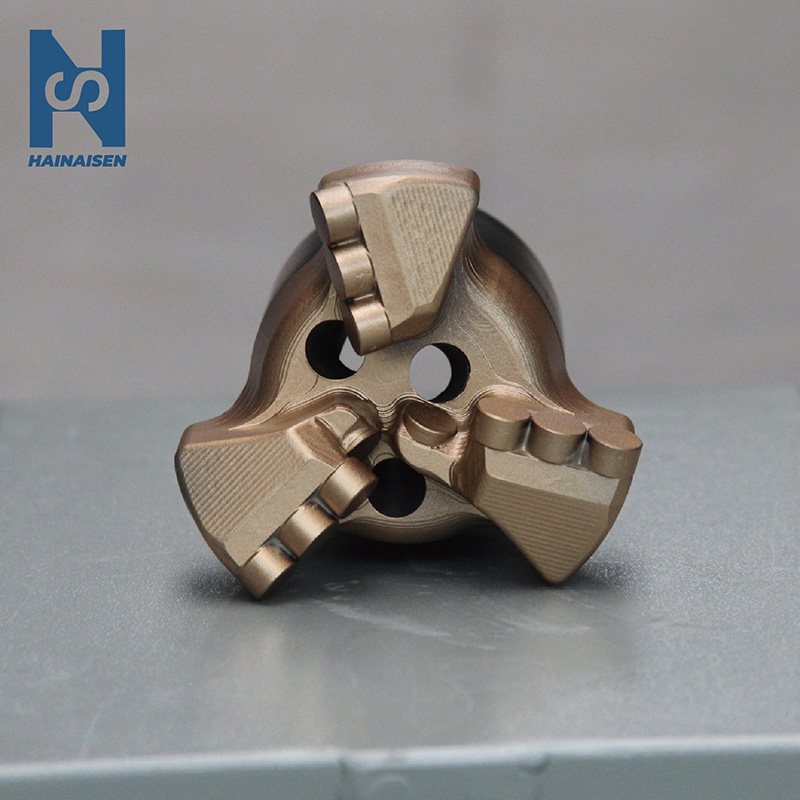 VIEW MORE3 Blades PDC Rock Bit
