







Cost vs ROI: Petroleum Drilling Equipment PDC Analysis
When procurement managers and technical engineers evaluate drilling investments, understanding the financial dynamics of petroleum drilling equipment PDC, becomes essential. PDC Bits—polycrystalline diamond compact drill bits—represent a significant upfront expense that often triggers hesitation during budget reviews. However, the conversation shouldn't center solely on the initial purchase price. The genuine value emerges when we analyze the total cost of ownership against the return on investment. In today's drilling landscape, PDC technology consistently demonstrates its ability to reduce operational expenses through faster penetration rates, extended bit longevity, and minimized downtime. These performance advantages translate directly into measurable financial returns that justify the premium investment, particularly when partnering with Manufacturers who deliver proven reliability across diverse geological conditions.
Understanding Petroleum Drilling Equipment, PDC, and Its Cost Components
What Makes PDC Technology Different?
PDC drill bits utilize synthetic diamond cutters brazed onto either steel or matrix bodies, creating a fixed-cutter tool that shears rock through continuous scraping action rather than the crushing motion of traditional roller cone bits. The synthetic diamond layer provides exceptional hardness—the highest of any known material—which explains both the performance advantages and the elevated initial costs. We've observed that the manufacturing complexity of bonding diamond to carbide substrate under extreme pressure and temperature conditions requires specialized equipment and expertise, factors that influence pricing across the supply chain.
Breaking Down Initial Investment Costs
The purchase price of PDC bits varies significantly based on bit diameter, cutter count, body material, and manufacturer reputation. Steel body PDC bits typically cost 20-35% less than matrix body versions, making them attractive for softer formations where extreme abrasion resistance isn't critical. Bulk procurement can yield substantial savings, particularly when establishing partnerships with manufacturers like HNS who offer volume-based pricing structures. Our experience shows that medium and large oil service companies benefit most from negotiated contracts that secure preferential rates while ensuring quality Certifications meet API specifications. The inspection period these companies require—though lengthy—ultimately protects against substandard products that would inflate long-term costs through premature failures.
Ongoing Operational Expenses
Beyond the sticker price, operational costs accumulate through maintenance requirements, repair services, and replacement frequency. PDC bits demand specific handling protocols to prevent cutter damage during tripping operations. Improper storage or rough handling can chip diamond cutters, compromising performance before the bit even reaches the bottom hole. We've documented cases where inadequate drilling fluid programs accelerated wear, reducing expected bit life by 40-60%. Formation characteristics directly impact operational expenses—highly abrasive environments wear cutters faster, while interbedded formations with hardness variations can cause catastrophic failures if bit selection mismatches geological conditions.
Hidden Cost Factors That Impact Budget
Premature bit failure represents the most financially damaging scenario in drilling operations. When a PDC bit fails unexpectedly, the subsequent tripping time to replace it can halt operations for 8-24 hours depending on well depth, costing $50,000-$200,000 in rig downtime for offshore operations. Additionally, failed bits sometimes leave cutter debris downhole, requiring expensive fishing operations. Supplier selection significantly influences these hidden costs—manufacturers with inconsistent quality control create financial risk that extends far beyond the initial savings from lower purchase prices.
Evaluating ROI: Advantages and Performance of PDC Drilling Equipment
Penetration Rate Advantages
The continuous shearing mechanism of PDC cutters achieves penetration rates 30-150% faster than roller cone bits in suitable formations. This performance gap becomes particularly pronounced in shale, soft limestone, and sandstone—formations that constitute the majority of North American drilling activities. The faster you drill, the fewer rig hours you consume, translating directly into reduced operational costs. We've tracked drilling projects where PDC bits completed intervals in 60% of the time required by tricone alternatives, generating immediate cost savings that offset the higher bit price within a single run.
Extended Run Length and Bit Life
Synthetic diamond's exceptional wear resistance extends operational intervals between petroleum drilling equipment PDC bit changes. Where roller cone bits might drill 500-1,200 feet before requiring replacement, quality PDC bits routinely achieve 2,000-5,000 feet in comparable formations, with some applications reaching 10,000+ feet. Each eliminated trip saves 6-18 hours of non-productive time, depending on well depth. This extended bit life reduces the total number of bits required per well, lowering procurement volumes and associated logistics costs. The durability advantage becomes especially valuable in remote locations where bit transportation presents logistical challenges and delays.
Comparative Performance Across Geological Formations
PDC bits excel in formations with compressive strengths below 25,000 psi—encompassing shale plays, coal seams, and many carbonate reservoirs that dominate North American petroleum geology. In these environments, PDC technology outperforms roller cone alternatives across multiple metrics. However, geological variability demands careful bit selection. Interbedded sections alternating between soft and hard layers can induce harmful vibrations, while highly abrasive formations accelerate diamond cutter wear. Matrix-body PDC bits handle abrasive conditions better than steel-body versions due to superior erosion resistance, though at a higher initial cost. Technical specifications matter tremendously—cutter density, blade count, hydraulic design, and gauge protection all influence performance outcomes and financial returns.
Technical Specifications That Drive Returns
Cutter design directly impacts drilling efficiency and cost-effectiveness. Larger diameter cutters (19mm versus 13mm) provide greater impact resistance in harder formations but sacrifice cutter density. Cutter backrake angle affects aggressiveness—positive backrakes increase penetration rates but reduce durability, while negative backrakes enhance longevity at the expense of drilling speed. Bit size selection influences both performance and economics—larger diameter bits cost significantly more but drill larger boreholes required for certain well designs. Understanding these technical nuances allows procurement teams to specify bits that optimize ROI for specific applications rather than defaulting to generic solutions that compromise performance.


Optimizing Procurement Decisions for Maximum ROI
Critical Selection Criteria for Purchasing Teams
Successful procurement balances multiple factors beyond price alone. Durability metrics—measured through comparative wear testing and field performance history—indicate expected operational life and replacement frequency. Supplier reputation encompasses quality consistency, technical support capabilities, and responsiveness to field issues. Manufacturers with dedicated custom bit design departments, like HNS, can engineer solutions for problematic formations where standard catalog products underperform. This customization capability becomes particularly valuable for oil service companies drilling across varied geological basins where formation characteristics shift dramatically between projects.
Evaluating Manufacturers and Suppliers
Reputable PDC bit manufacturers maintain rigorous quality control protocols, API certifications, and transparent warranty terms. We recommend evaluating suppliers based on manufacturing capabilities—five-axis machining centers and CNC equipment indicate precision manufacturing that translates into consistent bit performance. Production capacity matters for volume buyers who require reliable delivery schedules. Customer satisfaction tracking through industry references provides insight into post-sale support quality. Manufacturers with in-house research and development teams stay current with technological advances, offering access to improved cutter materials and hydraulic designs that enhance performance.
Wholesale Versus Custom Solutions
Standard catalog bits serve common drilling applications effectively at competitive prices, particularly benefiting water well drilling teams and small mining operations where cost sensitivity outweighs customization needs. These buyers typically require straightforward solutions for predictable formations, making standardized products from produsen dan pemasok oil drill bits cost-effective. Conversely, complex drilling programs encountering challenging geology benefit substantially from custom-engineered bits designed specifically for encountered conditions. The engineering investment pays dividends through improved performance that more than offsets the premium pricing. Coal mining companies often find that sample testing validates whether standard products meet their requirements before committing to volume purchases, allowing rapid relationship establishment once performance proves satisfactory.
Negotiation Strategies for Favorable Terms
Volume commitments unlock preferential pricing structures that can reduce per-bit costs by 15-30% compared to spot purchases. Establishing long-term supply agreements provides budget predictability while securing priority production scheduling during high-demand periods. We've found that transparent communication about application requirements helps manufacturers recommend appropriate solutions rather than overselling premium products for applications where standard bits suffice. Payment term negotiations can improve cash flow management—extended terms help balance large procurement expenses against project revenue timing.
Maintenance and Longevity: Reducing Total Cost of Ownership
Preventive Maintenance Protocols
Regular inspection routines identify developing issues before catastrophic failures occur. Visual examination after each run detects cutter damage, gauge wear, and body erosion that indicate appropriate retirement timing. Proper storage prevents impact damage—bits should rest on wooden supports rather than concrete surfaces, with protective covers preventing accidental impacts to cutters. Cleaning protocols remove formation cuttings and drilling fluid residues that could mask damage during inspections. These simple practices extend effective bit life while preventing premature failures that inflate operational costs.
Recognizing Wear Patterns and Damage
Understanding wear characteristics helps optimize bit utilization. Uniform cutter wear across all blades indicates proper weight-on-bit application and balanced bit design. Localized wear patterns suggest problematic drilling parameters or formation characteristics requiring adjustment. Chipped or broken cutters signal impact damage from excessive weight application, formation hardness exceeding bit specifications, or drill string vibrations. Early retirement of damaged bits prevents complete failure and potential fishing operations that consume rig time. Tracking wear patterns across multiple runs builds institutional knowledge that improves future bit selection and parameter optimization.
Technological Advances Enhancing Durability
Recent innovations in PDC manufacturing improve both performance and longevity for producers and suppliers of oil drill bits. Thermally stable diamond cutters maintain integrity at higher temperatures, expanding application ranges into deeper wells where elevated bottom-hole temperatures previously caused premature cutter failure. Advanced cutter geometries reduce cutting forces, minimizing vibration-induced damage while accelerating penetration rates. Gauge protection technologies extend bit diameter retention, reducing the reaming time required to maintain hole size. Hydraulic modeling software optimizes nozzle placement and flow distribution, improving cuttings evacuation that prevents cutter overheating and premature wear.
Conclusion
The financial case for petroleum drilling equipment PDC strengthens when procurement decisions account for total cost of ownership rather than fixating on initial purchase price. PDC technology delivers measurable returns through accelerated penetration rates, extended bit longevity, and reduced non-productive time—advantages that translate directly into lower cost per foot drilled. Successful implementation requires matching bit specifications to geological conditions, partnering with reputable manufacturers who maintain quality standards, and implementing maintenance protocols that maximize equipment life. The performance data from field applications consistently validates PDC technology's economic advantages across petroleum drilling, coal mining, and water well applications when buyers make informed selections aligned with operational requirements.
FAQ
1. What formations work best with PDC drill bits?
PDC bits perform exceptionally well in soft to medium-hard formations, including shale, limestone, sandstone, and coal seams—geological conditions with compressive strength below 25,000 psi. These formations allow the diamond cutters to shear rock efficiently without excessive impact that damages the cutters. Matrix-body PDC bits handle moderately abrasive formations better than steel-body versions. Highly fractured or interbedded formations with significant hardness variations present challenges that require specialized bit designs with enhanced cutter protection.
2. How do I calculate ROI on PDC bit purchases?
Calculate cost per foot by dividing total bit expense by footage drilled before retirement. Compare this against alternative technologies while factoring rig time savings from faster penetration rates and reduced trips. Include non-productive time costs associated with bit changes—typically 6-18 hours per trip depending on well depth. Multiply saved hours by hourly rig rates ($800-$25,000 depending on rig type) to quantify time-based savings. A comprehensive ROI assessment includes procurement costs, operational performance, and avoided expenses from reduced failures.
3. What distinguishes steel-body from matrix-body PDC bits?
Steel body PDC bits utilize machined steel as the bit body material, offering lower manufacturing costs and easier customization but reduced abrasion resistance. Matrix body bits use tungsten carbide composite materials that provide superior erosion resistance in abrasive formations but cost 25-40% more. Steel body bits suit softer formations like shale and soft limestone, where penetration rates matter more than extreme durability. Matrix body bits justify their premium in abrasive sandstones and hard limestones, where extended bit life offsets higher initial investment.
Ready to Optimize Your Drilling Economics with HNS?
HNS brings over a decade of specialized expertise as a Petroleum Drilling Equipment PDC manufacturer serving oil service companies, mining operations, and drilling contractors throughout North America. Our Xi'an facility's advanced five-axis machining centers and dedicated research team deliver custom-engineered PDC bits that solve your toughest formation challenges. Whether you need steel body bits for fast drilling in shale or matrix body solutions for abrasive formations, we combine superior wear resistance with competitive pricing structures that improve your bottom line. Technical engineers appreciate our transparent specifications—operating speeds of 80-300 RPM, drilling pressures from 10-100 KN, and proven performance in medium-hardness formations. Contact our team at hainaisen@hnsdrillbit.com to discuss how our customizable designs and volume pricing can reduce your cost per foot while accelerating project timelines.
References
1. Bellin, F., & Doiron, H.H. (1987). "PDC Bit Performance for Rotary, Mud Motor, and Turbine Drilling Applications." SPE/IADC Drilling Conference, Society of Petroleum Engineers.
2. Curry, D.A., Fear, M.J., & Skeem, M.R. (2005). "Experimental and Theoretical Investigation of PDC Bit Performance Under Simulated Borehole Conditions." SPE Annual Technical Conference and Exhibition.
3. Glowka, D.A. (1989). "Use of Single-Cutter Data in the Analysis of PDC Bit Designs: Part 2—Development and Use of the PDCWEAR Computer Code." Journal of Petroleum Technology, 41(8), 850-859.
4. Pessier, R.C., & Fear, M.J. (1992). "Quantifying Common Drilling Problems with Mechanical Specific Energy and a Bit-Specific Coefficient of Sliding Friction." SPE Annual Technical Conference and Exhibition.
5. Warren, T.M., & Armagost, W.K. (1988). "Laboratory Drilling Performance of PDC Bits." SPE Drilling Engineering, 3(2), 125-135.
6. Zhang, Z., Shi, H., & Zhou, Y. (2017). "PDC Bit Technology Development and Field Application in Shale Gas Horizontal Wells." Petroleum Drilling Techniques, 45(3), 42-48.
logo 1_1777361260784.jpg) VIEW MOREFour Wing Arc Angle PDC Drill Bit
VIEW MOREFour Wing Arc Angle PDC Drill Bit VIEW MOREForging Deep Rock Well Drilling Bits PDC Mining Bit
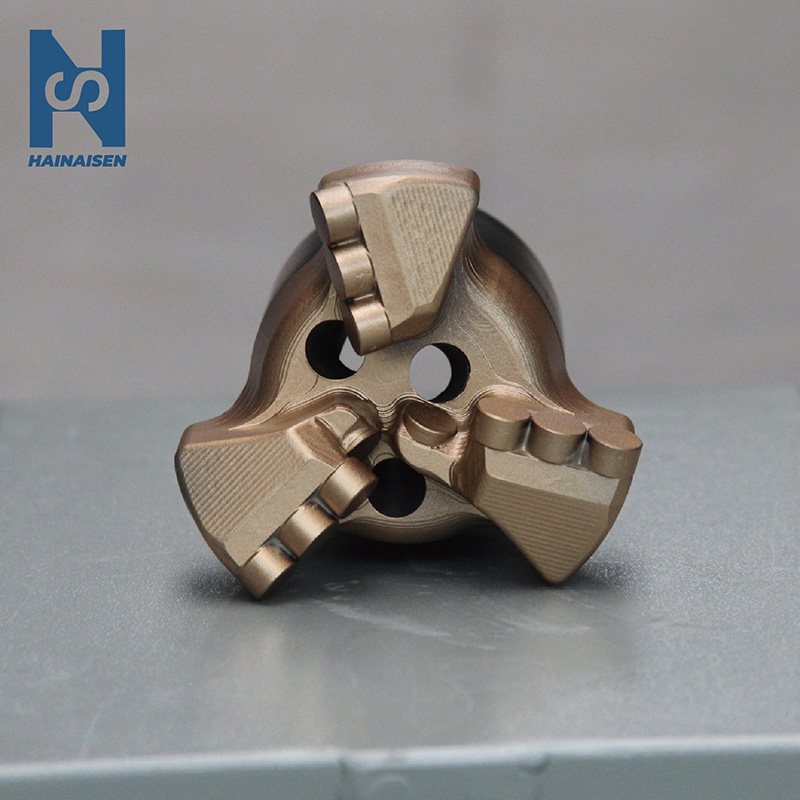 VIEW MORE3 Blades PDC Rock Bit
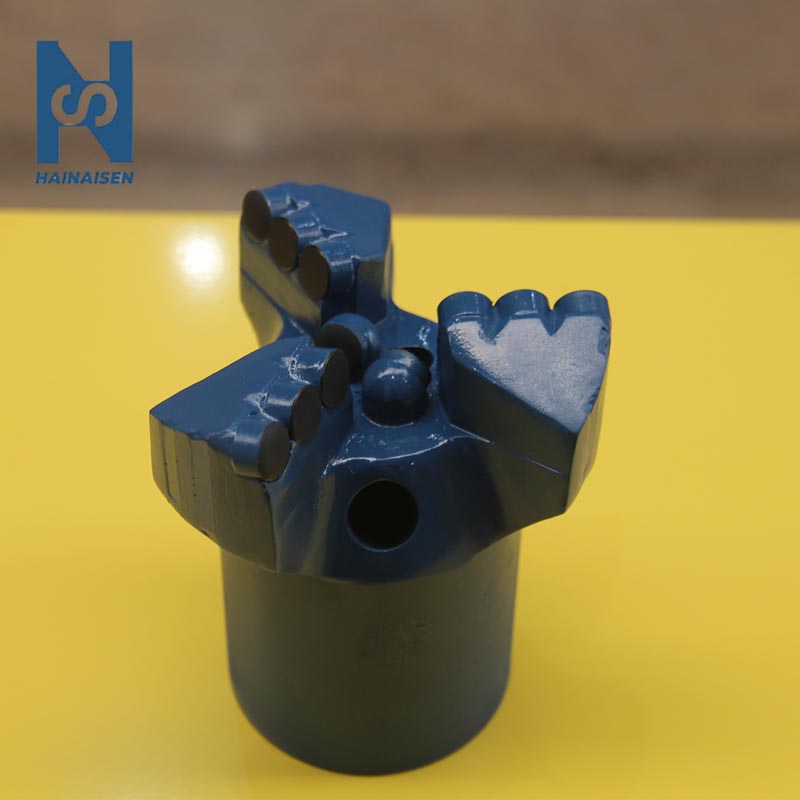 VIEW MORE3 Blades Steel Body PDC Bit
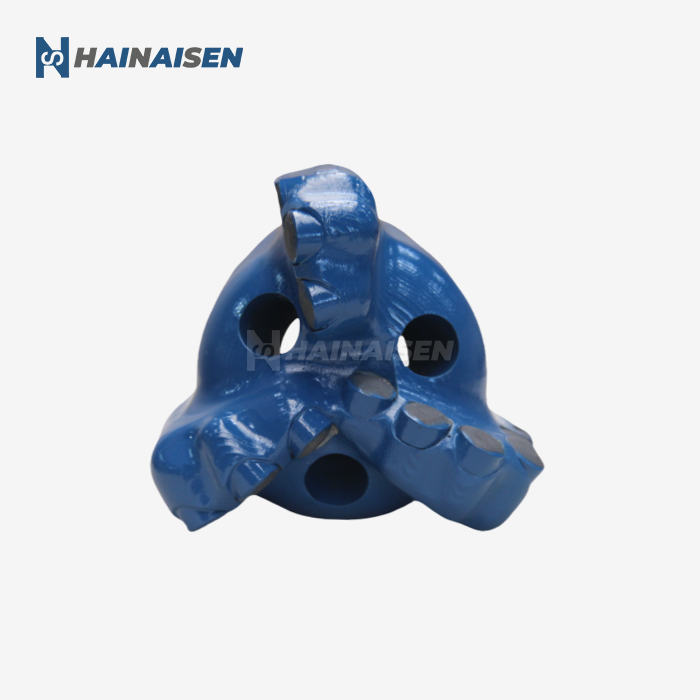 VIEW MORE113mm Three Wings PDC Arc Angle Drill Bit
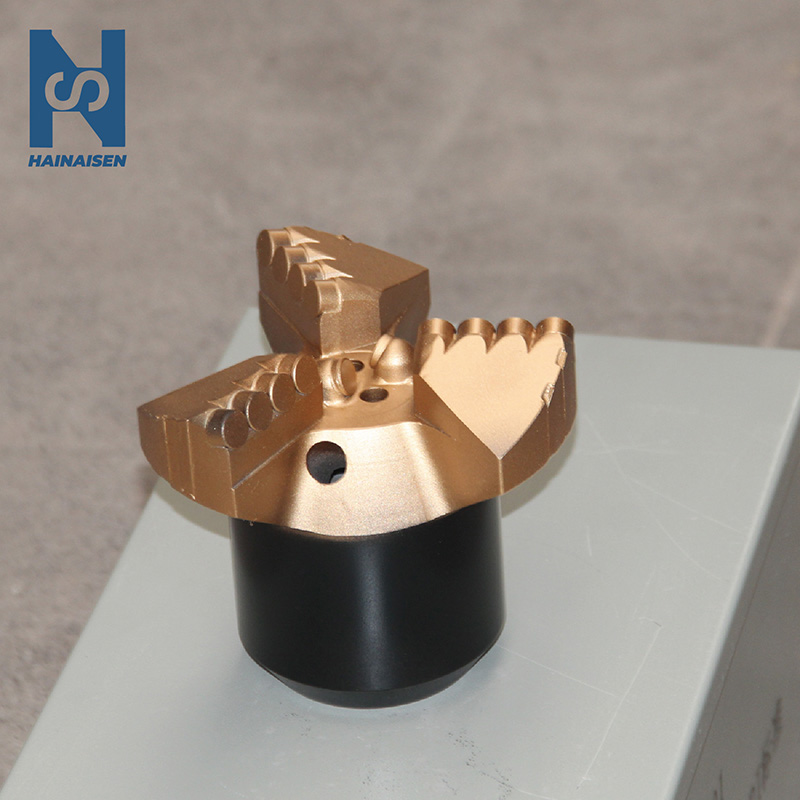 VIEW MORE153mm PDC Concave Bit
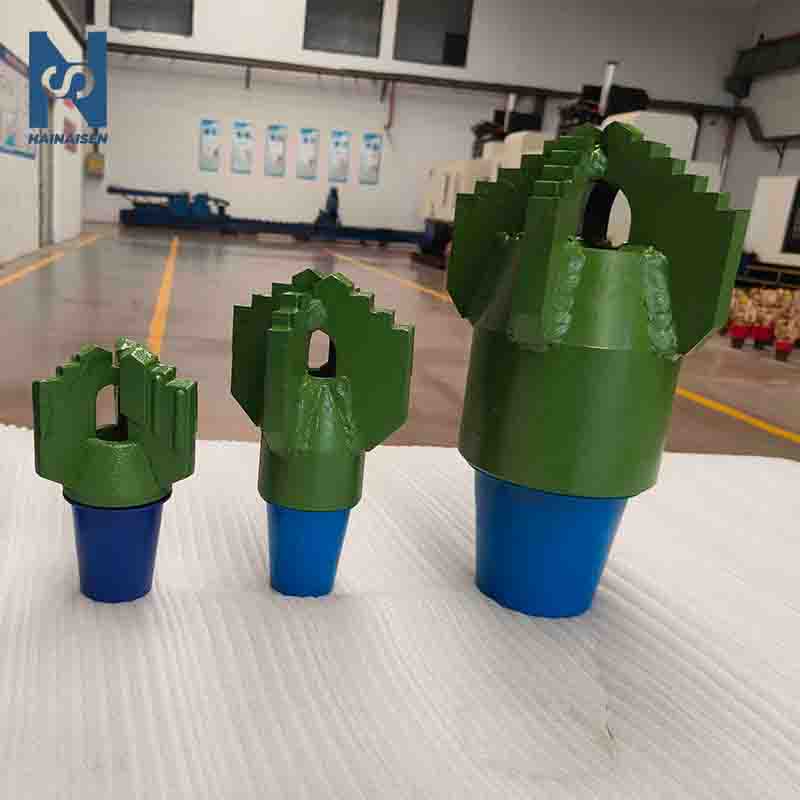 VIEW MORESteel Scraper Drill Bit
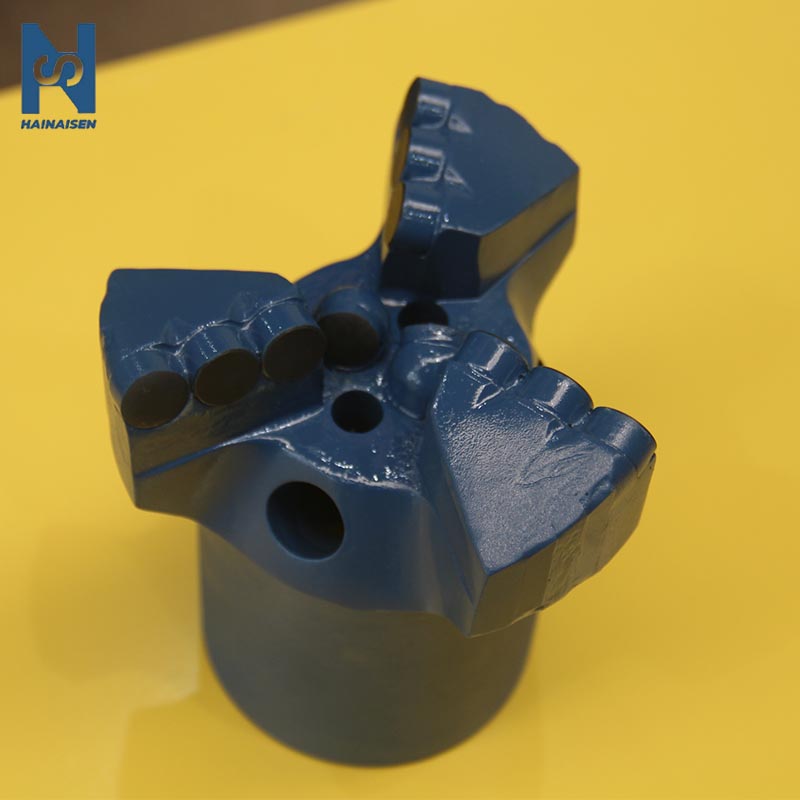 VIEW MOREPolycrystalline Diamond Drill Bits
