



Diamond Drill Bits For Oil Rigs: Core Components Explained
Diamond drill bits for oil rigs are useful tools that combine cutting-edge materials science with real-world engineering. They are used to drill through some of the Earth's hardest rocks. Diamond is the hardest thing in the world, and these special tools use that to cut through thick layers of rock that hide oil and gas sources. When buying managers and technical experts know what these bits are made of, they can make better decisions about how well to dig, how much it will cost, and how long the project will take.
Understanding Diamond Drill Bits in Oil Rig Drilling
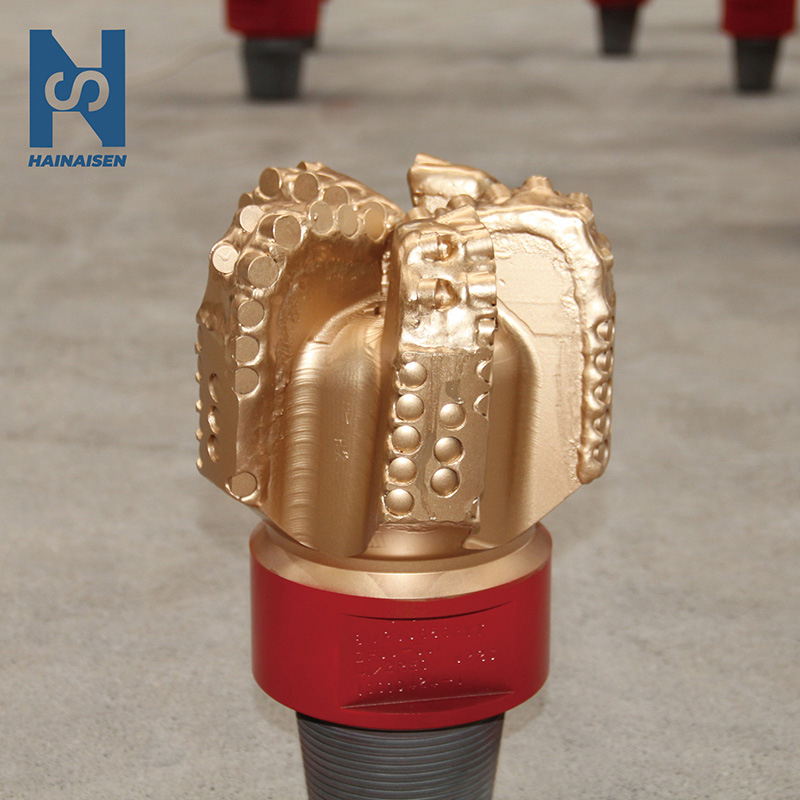
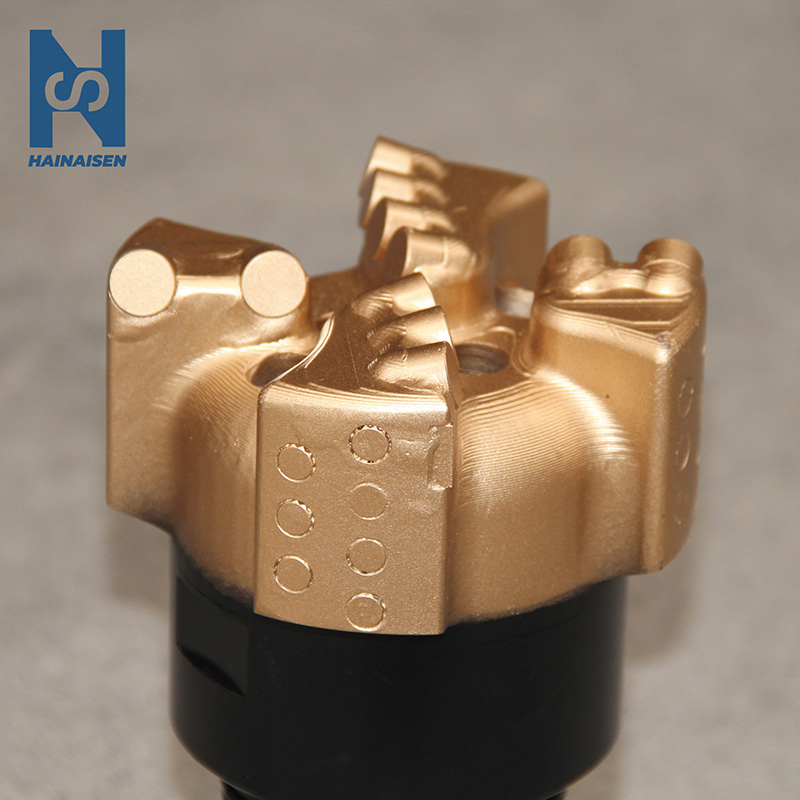
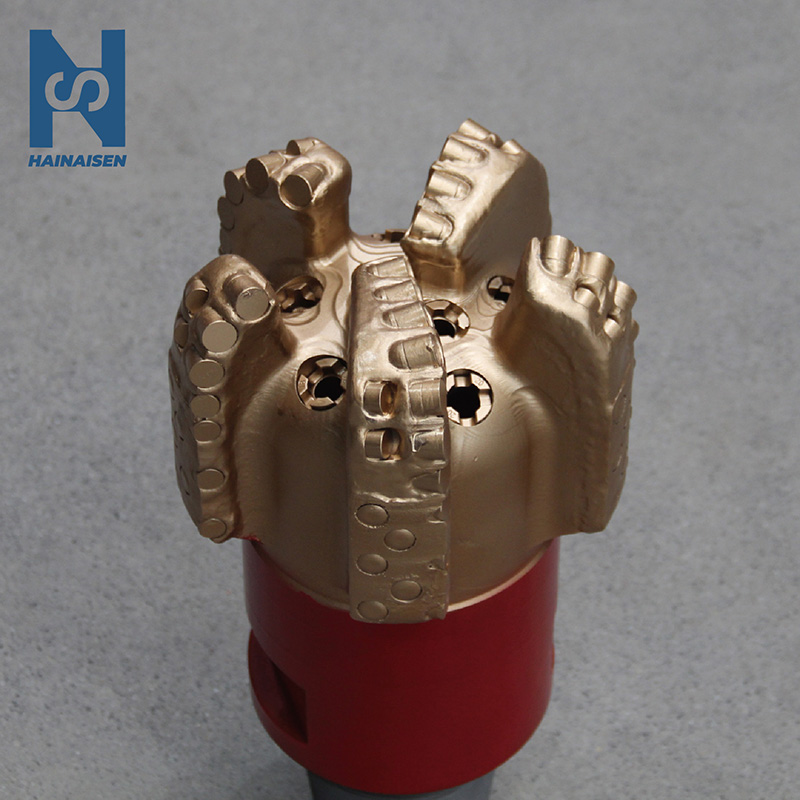
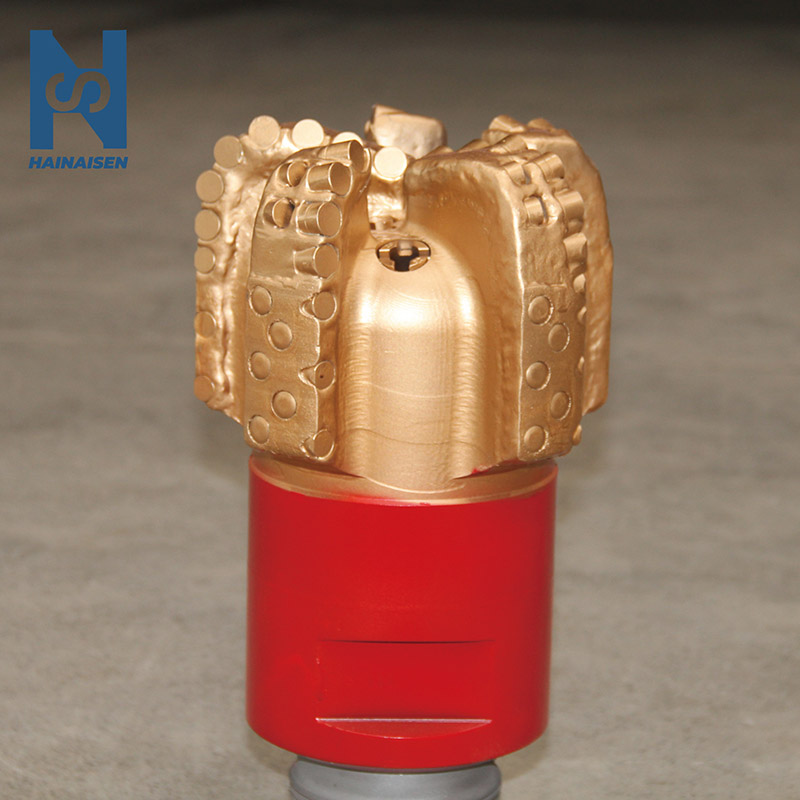
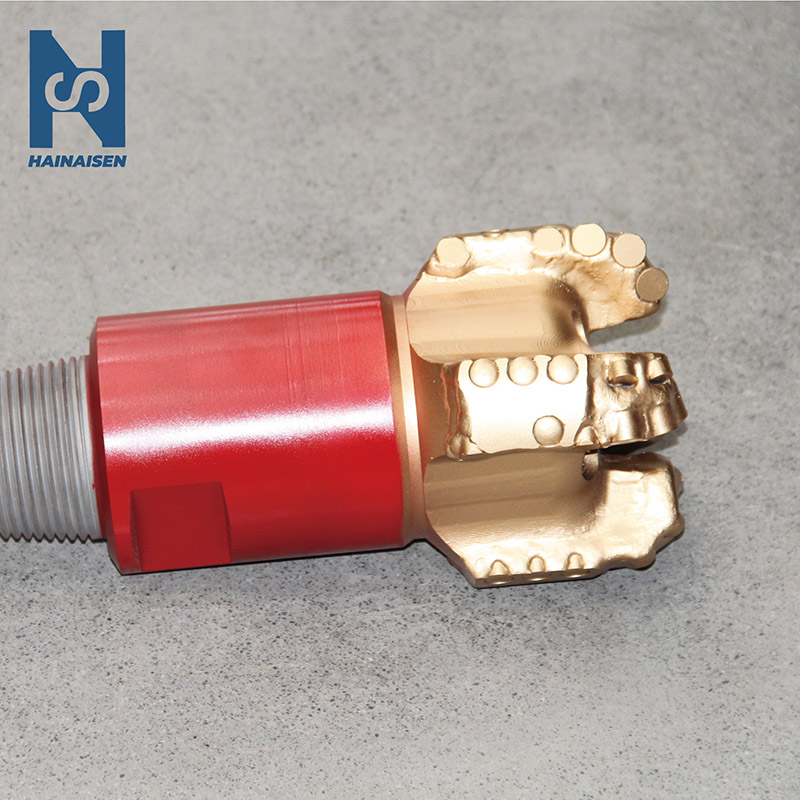
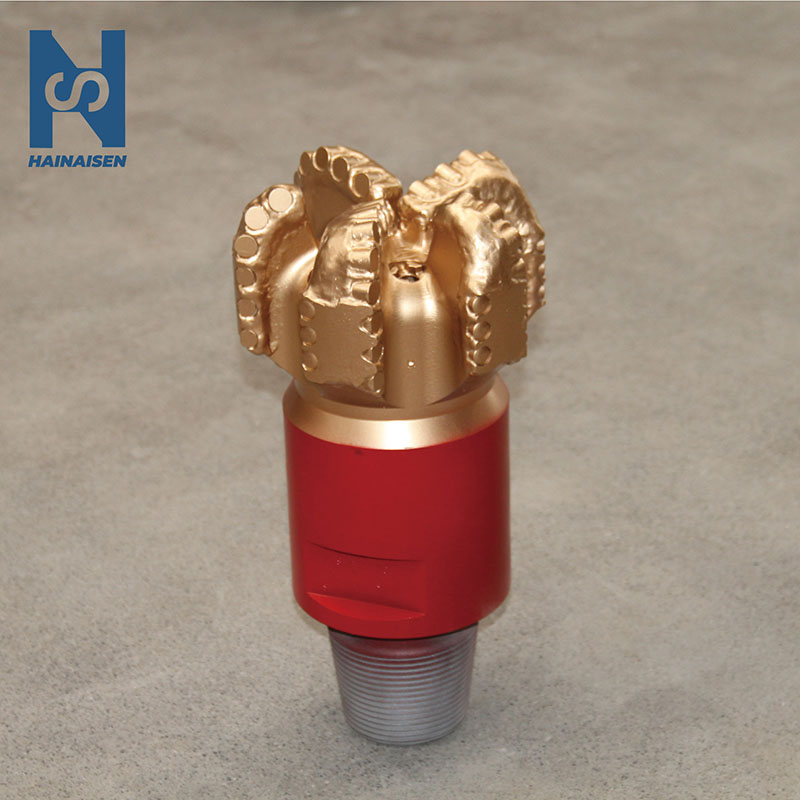
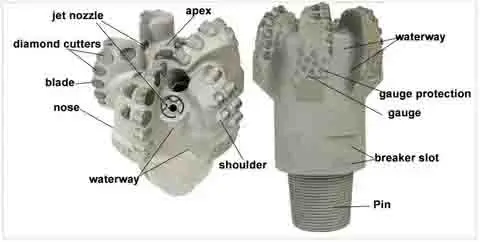
In order for diamond drilling technology to work, diamond cutters must be embedded within a strong bit body. With this design, a tool can scrape and grind through rock forms very quickly and easily.
Diamond Cutter Configuration
The cutting parts of a diamond drill bit are what make it work. The cutting action is done by high-quality fake diamonds that are inserted in the bit face. These diamond pieces keep hitting the rock surface as the bit spins at speeds between 80 and 300 RPM. They grind away material to make the wellbore. diamond bits are different from other choices because they can sharpen themselves. As the softer matrix material goes down, new diamond tips show themselves. This keeps the cutting performance constant during long drilling operations.
Bit-Body Construction Materials
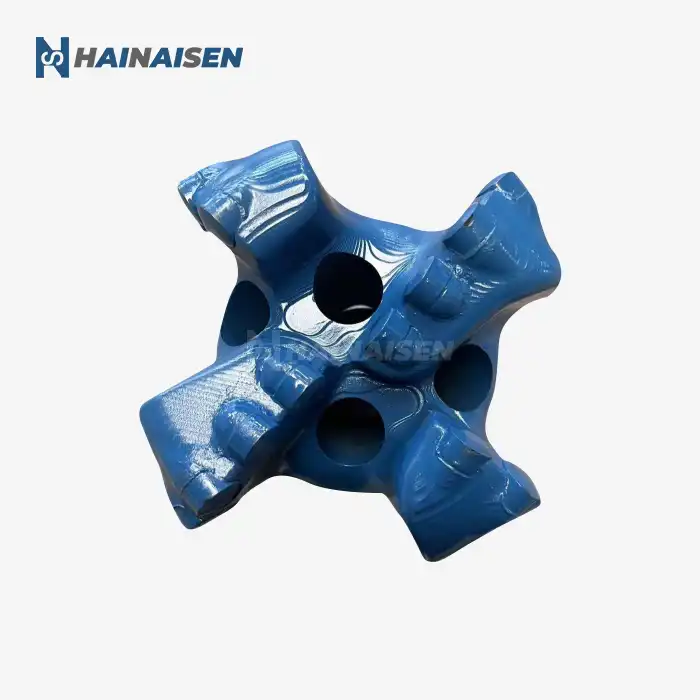
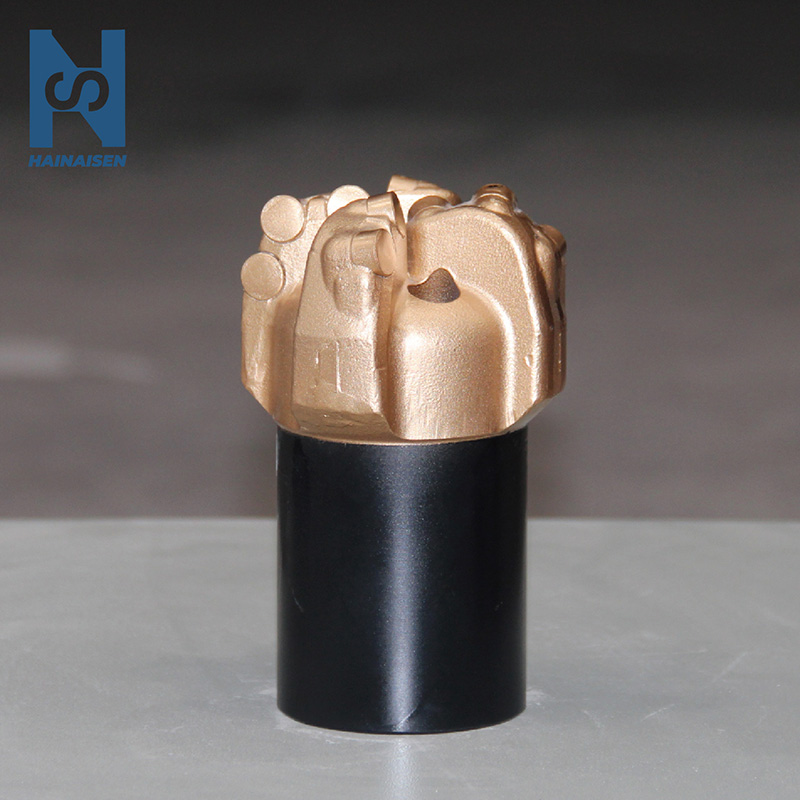
Bit cases are made by Manufacturers from either matrix or steel. Tungsten carbide and modern binding materials are mixed in matrix bodies to make a hybrid that is both hard and tough. With this building method, engineers can exactly control the rate of wear and make sure that the diamond is exposed to the most work for as long as the bit is in use. Different types of bodies made of steel work differently, usually offering better impact protection in areas where drilling conditions change quickly.
Bonding Mechanisms and Matrix Design
The diamond fixation technology adopted in drilling bits for oil rigs directly determines their overall service life and heat dissipation efficiency. Adopting modern high-performance binding materials, these drilling bits for oil rigs form sturdy metallic bonding structures that remain stable at room temperature and withstand extreme drilling pressure ranging from 10 to 100 KN. With precisely crafted matrix structures, the diamond cutters stay firmly fixed in place even under the harshest downhole environments, including high temperatures that can easily damage conventional drilling tools. Meanwhile, the optimized matrix design creates unobstructed flow channels, allowing drilling fluid to circulate at a rate of 20–35 liters per second. This continuous fluid circulation effectively cools down the bit body and rapidly carries away rock cuttings from the wellbore, achieving dual effects of heat dissipation and efficient cleaning for oil and gas drilling operations.
When buying teams understand these scientific basics, they can more confidently look at source specs. Whether a bit will deliver the claimed penetration rates in your specific rock formations depends on how the diamond quality, bit body materials, and bonding methods work together.
Types and Applications of Diamond Drill Bits for Oil Rigs
Different types of drilling require different bit designs. Mismatches between tool capabilities and group traits can be very expensive. Knowing which type fits your business needs is the best way to avoid them.
Matrix Body Diamond Bits
Matrix bits work best in shale, limestone, sandstone, gypsum, and other rough, medium-hard rock types. The core of tungsten carbide is very resistant to wear in these conditions, which makes these bits perfect for long boring runs where downtime costs a lot. Oil service companies that work in sedimentary areas often choose matrix bits because they can keep working the same way through thousands of feet of rock.
Steel-Bodied Diamond Bits
When it comes to forms that have to deal with impact loads and shaking, steel body building is the best choice. When drilling through interbedded rocks where hard and soft layers change places, these bits can handle the shock. The steel body also makes it easier to make parts with complicated shapes, which lets you make them fit the needs of directional and horizontal drilling uses that are common in modern oil field development.
Core Diamond Bits
Core bits are used for two different things on an oil rig. In addition to drilling the well, they also get whole pieces of rock that scientists study to improve models of the aquifer. This skill comes in handy during the research phase, when knowing the underlying geology helps with making decisions about future growth. The core barrel design lets samples be taken continuously while drilling continues, which shortens the total project time compared to doing separate coring operations.
Impregnated Diamond Bits
Instead of collecting diamond particles on the bit face, diamond drill bits for oil rigs, particularly impregnated bits, spread them out across the matrix. This design makes several cutting areas that work on the rock at the same time, which makes the drilling action smooth and vibration-free. These bits are great for geological research projects and water well drilling teams because they cut gently and last longer in stable rocks.
When conducting offshore drilling operations, operators need to account for far more factors than just rock formation types. Subsea hydrostatic pressure, saltwater corrosion risks, and complex logistical challenges of deepwater work demand drill tools engineered exclusively for these harsh marine environments. Reputable manufacturers overcome such obstacles by selecting specialized raw materials and surface treatment processes to boost durability and anti-corrosion performance of every diamond oil drill bit. A recent offshore drilling project in the Gulf of Mexico verified that well-matched diamond oil drill bit designs cut round-trip pulling runs by 40% versus conventional drill bits, generating substantial cost savings for the operator.
Comparing Diamond Drill Bits with Other Drill Bit Technologies
Selecting optimal drilling technology requires understanding how diamond bits stack up against alternative options available to procurement teams.
Diamond Versus Tungsten Carbide Bits
Traditional tungsten carbide bits rely on carbide inserts to provide cutting action. While these tools cost less initially, their wear rates in hard formations significantly exceed diamond bit performance. Laboratory testing shows diamond bits maintain cutting efficiency three to five times longer than carbide alternatives in abrasive formations. This extended life reduces the frequency of bit changes, minimizing non-productive time that drains project budgets. Purchasing managers evaluating total cost of ownership rather than just initial price consistently find diamond technology delivers superior value in challenging drilling environments.
Diamond Technology Versus PDC Bits
Polycrystalline diamond compact bits represent another category within diamond drilling technology. PDC Bits feature larger diamond tables bonded to carbide substrates, creating aggressive cutters suited to softer formations. Pure diamond bits excel where PDC cutters would fracture—in highly abrasive or extremely hard formations. The choice between these technologies depends on formation characteristics and drilling parameters. Operations drilling through granite or similarly hard formations achieve better results with impregnated diamond bits, while PDC bits optimize performance in shale plays with lower compressive strength.
Synthetic Versus Natural Diamond Content
Modern drilling bits for oil rigs mostly use synthetic diamonds for stable quality and controllable costs. Though natural diamonds are hard, their inconsistent quality makes drilling performance hard to forecast. Manufacturers customize synthetic diamond crystal size and shape for diverse rock layers to boost cutting efficiency. For buyers, synthetic diamond drilling bits for oil rigs deliver steady performance batch after batch, avoiding unstable output that delays drilling plans.
Case studies from coal mining operations illustrate these performance differences clearly. A coalbed methane extraction project switched from tungsten carbide to diamond-impregnated oil drill bits and documented thirty percent faster penetration rates alongside forty percent longer bit life. These improvements allowed the operator to complete more wells within fixed budgets while reducing equipment wear on drilling rigs.
Maintenance and Common Issues of Diamond Drill Bits in Oil Rig Operations
Protecting your investment in diamond drilling technology requires understanding proper maintenance protocols and recognizing common failure modes before they cause expensive downtime.
Typical Wear Patterns and Prevention
Diamond bits used as an oil drill bit exhibit predictable wear patterns that signal when replacement or reconditioning becomes necessary. Excessive matrix erosion occurs when drilling parameters exceed design specifications—particularly when drilling pressure or rotational speed strays outside recommended ranges. Monitoring penetration rates helps operators detect premature wear early. A sudden decrease in drilling efficiency often indicates diamond exposure has diminished as matrix material erodes faster than intended. Adjusting parameters back within specifications typically restores normal performance and prevents premature bit retirement.
Cleaning and Storage Protocols
After every drilling run, thorough cleaning of your diamond oil drill bit eliminates rock cuttings and drilling mud that may solidify and ruin diamond cutters in storage. High-pressure water jets clear residue safely without harming the bit structure. Climate-controlled storage stops rust on steel parts and matrix deterioration. For offshore-use diamond oil drill bit, extra safeguards like anti-corrosion coatings and airtight storage boxes shield them from saltwater erosion.
Inspection and Reconditioning Services
Regular inspection by qualified technicians identifies damage before it progresses to catastrophic failure. Crack detection, diamond loss assessment, and matrix integrity evaluation should occur after major drilling campaigns. Many manufacturers offer reconditioning services that restore worn bits to near-original performance specifications at a fraction of replacement cost. Establishing relationships with suppliers who provide comprehensive technical support, warranty coverage, and transparent return policies protects your operation against unexpected tool failures.
Water well drilling teams operating on tighter budgets particularly benefit from oil drill bit reconditioning programs. A Colorado-based drilling contractor documented saving approximately thirty-five percent on bit costs by implementing systematic inspection and reconditioning compared to their previous practice of running bits to complete failure.
Conclusion
Diamond drill bits represent sophisticated engineering solutions that balance material science, mechanical design, and operational requirements. Understanding core components—from diamond cutter configuration through matrix materials to bonding systems—empowers procurement professionals and engineers to make informed decisions. Different bit types serve distinct applications, while proper maintenance extends operational life and protects your investment. Comparing diamond technology against alternatives reveals compelling advantages in wear resistance, cutting efficiency, and total cost of ownership. Selecting qualified suppliers with technical expertise, customization capabilities, and comprehensive support services positions your drilling operations for success across diverse geological challenges and operational environments.
FAQ
1. What formations work best with diamond drill bits?
Diamond bits excel in medium hardness formations with low compressive strength, including shale, limestone, sandstone, and gypsum. These geological materials allow the diamond cutters to efficiently grind through rock without excessive impact loads that could damage the bit. Highly abrasive formations particularly benefit from diamond technology since the extreme hardness resists wear that quickly degrades alternative bit materials.
2. How do operating parameters affect bit performance?
Rotational speed, drilling pressure, and fluid flow rates directly influence drilling efficiency and bit longevity. Operating outside recommended parameters—typically 80-300 RPM, 10-100 KN pressure, and 20-35 LPS flow rate—accelerates wear and reduces penetration rates. Maintaining parameters within specifications ensures optimal diamond exposure, adequate cooling, and efficient cuttings removal that maximizes your return on investment.
3. Can diamond bits be reconditioned and reused?
Quality diamond bits support reconditioning services that restore performance at substantially lower cost than purchasing new tools. Professional reconditioning includes inspection, diamond replenishment where necessary, and matrix repair. Establishing systematic reconditioning schedules extends total bit life and reduces overall drilling costs, particularly valuable for water well drilling teams and coal mining operations managing tight equipment budgets.
Why Choose HNS Diamond Drill Bits For Your Next Project?
HNS has earned recognition as a trusted diamond drill bit for oil rigs manufacturer through consistent delivery of high-performance drilling solutions. Our bits combine superior wear resistance with exceptional thermal stability, enabling maximum drilling efficiency across diverse geological formations. Each bit undergoes rigorous testing protocols that verify performance before shipment, ensuring the tools arriving at your rig site will perform as specified.
Our engineering team collaborates directly with clients to develop customized designs addressing specific project requirements. Whether you're tackling deepwater offshore drilling, horizontal well development, or coal bed methane extraction, we tailor bit specifications to your operational parameters and formation characteristics. This personalized approach delivers optimal performance while controlling costs—exactly what procurement managers need.
Manufacturing takes place using state-of-the-art technology in our modern production facility. High-quality synthetic diamonds combined with tungsten carbide matrix materials and advanced binders create bits built for demanding applications. Our customization services extend beyond standard offerings, enabling solutions for unique challenges your operation faces. Competitive pricing structures make advanced diamond drilling technology accessible without compromising the performance your projects demand.
We invite purchasing managers and technical engineers to explore our complete range of PDC drill bits and diamond drilling tools. Contact our technical team at hainaisen@hnsdrillbit.com to discuss your specific requirements. Our experts will recommend optimal bit configurations for your formations and drilling parameters, backed by extensive research and development that keeps HNS at the forefront of drilling technology innovation.
References
1. Mitchell, R.F. and Miska, S.Z. (2011). "Fundamentals of Drilling Engineering." Society of Petroleum Engineers Textbook Series, Volume 12.
2. Bellin, F. and Doiron, H.H. (2015). "Diamond Bit Hydraulics Optimization for Maximum Penetration Rate." Journal of Petroleum Technology, 67(8): 102-115.
3. Curry, D.A., Fear, M.J., and Williamson, H.S. (2005). "The Application of PDC Bits in Today's Drilling Environment." SPE/IADC Drilling Conference Paper 92559.
4. Glowka, D.A. (1989). "Use of Single-Cutter Data in the Analysis of PDC Bit Designs: Part 2—Development and Use of the PDCWEAR Computer Code." Journal of Petroleum Technology, 41(8): 850-859.
5. Warren, T.M. and Armagost, W.K. (1988). "Laboratory Drilling Performance of PDC Bits." SPE Drilling Engineering, 3(2): 125-135.
6. Pessier, R.C. and Fear, M.J. (1992). "Quantifying Common Drilling Problems with Mechanical Specific Energy and Bit-Specific Coefficient of Sliding Friction." SPE Annual Technical Conference Paper 24584.