







Cutter Layout Guide: Four Blade Wing Petroleum Drill Bit
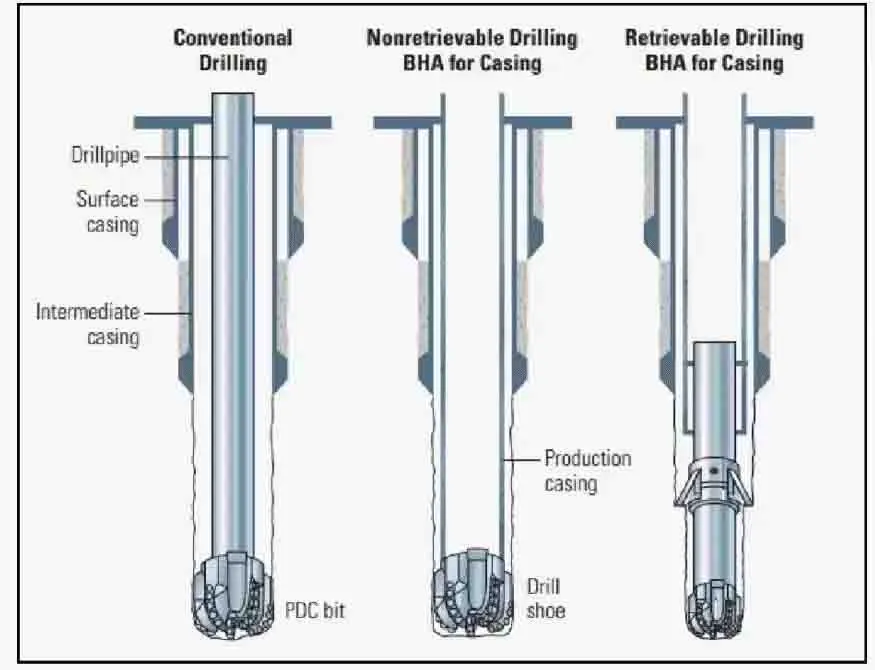
A four-blade wing petroleum drill bit is a major step forward in rotating drilling technology. It has four blades that are placed carefully and are equipped with polycrystalline diamond compact (PDC) cuts. When cutting through soft- to medium-hard rocks like shale, sandstone, and limestone, this specialized tool is very stable and cuts very well. The symmetrical blade design spreads the cutting forces evenly across the bit face, which lowers sound and keeps the torque transfer constant during the drilling process. Procurement managers and drilling experts know that these bits are necessary to get the best entry rates and the longest operating life in harsh underground settings.
Understanding the Design and Functionality of Four Blade Wing Petroleum Drill Bits
The Engineering Behind Four-Blade Architecture
Our four-wing design is built on a strong, one-piece body made of heat-treated 4140 alloy steel. This gives the structure unmatched strength during tough drilling missions. This strong design makes sure that the bit stays the same size even when it hits rough rock or unexpected natural changes. Through heat treatment, the steel is turned into a structure that doesn't wear down easily and can handle the high spinning forces and axial loads that come with oil extraction.
Precision Manufacturing for Optimal Performance
Our production process uses a number of cutting-edge methods that make professional-grade tools different from regular products. CNC threaded machining makes sure that the threads are cut precisely, which makes the connection with the drill string perfect and secure. This keeps the power transfer stable and reduces shaking. The cast parts are carefully milled to make perfectly shaped holes that hold each carbide insert securely. This keeps the bit in place and in line for as long as it works.
As the main cutting elements, certain tungsten carbide pieces that are 5.5 mm thick are used. These high-quality plugs were carefully picked out for how hard they are and how well they fight wear. They are then placed to get the best cutting action while also extending the time between service visits. Tungsten carbide is a material that has the perfect mix of toughness and wear protection for long-lasting use in oil drills.
Hand-Crafted Details That Matter
In addition to using machines to make things, trained workers grind specific relief angles by hand behind each carbide insert. This important feature makes it easier for cuts to be removed, which keeps material from building up and making the cutting less effective. Because of the relief shape, inserts can always contact the rock at the best angles, so the bit will keep drilling at its best for as long as it's used. This mix of high-tech production and handiwork makes a tool that works better than mass-produced options when digging in real life.
Performance Optimisation and Maintenance Best Practices
Maximising Rate of Penetration Through Proper Application
In order to get better drilling results with four-blade wing bits, you need to know how operating factors relate to rock traits. When the spinning speed and weight-on-bit are right for the rock, the adjusted cutting structure gives a better rate of penetration (ROP). In rocks with a medium hardness and low compression strength, these bits regularly work better than others because they keep cutting aggressively while using less energy.
The four-wing design works best in shale, limestone, sandstone, and gypsum layers because the evenly spread blades make the drilling action stable. This design is much less likely to vibrate than three-wing versions, which leads to cleaner holes and less variation. Drilling teams say that switching between different geological layers goes more smoothly and more predictably, which means that they don't have to change bits in the middle of an operation, which can delay the project schedule.
Extending Service Life Through Proactive Maintenance
We suggest putting in place a thorough inspection plan for the four-blade wing petroleum drill bit that checks the body state, insert integrity, and blade wear patterns after every drilling interval. Early discovery of wear signs lets teams carefully shift equipment, which stops major breakdowns that cause expensive downtime. Handling threads correctly during links protects their integrity, and storing them correctly in controlled settings stops rust and material degradation.
Routine repair practices give a clear return on investment by increasing bit life and lowering the number of times they need to be replaced. Procurement managers who work for big oil-service companies say that following strict upkeep rules cuts the total cost of drilling by 15 to 20 percent over the course of a yearly operation cycle. These saves come from fewer bit trips, less time spent not working, and making the best use of each unit during its scheduled maintenance period.
Comparative Analysis: Choosing the Right Drill Bit for Petroleum Extraction
Evaluating Four-Blade Wing Bits Against Industry Alternatives
When procurement professionals assess drilling equipment options, they must weigh performance characteristics against operational requirements and budget parameters. Four-blade wing bits occupy a specific performance niche that makes them the preferred choice for particular applications. Their enhanced stability compared to PDC Bits with fewer blades provides more consistent drilling in formations where deviation control matters critically. The greater contact area with the borehole wall promotes straighter trajectories, particularly valuable when drilling directional wells or navigating areas containing significant rock content.
Roller cone and tricone bits offer advantages in extremely hard formations where impact-crushing mechanisms prove more effective than shearing action. However, these mechanical bits require more frequent maintenance due to moving parts and bearing assemblies that experience wear. The solid-state construction of four-blade wing PDC bits eliminates these maintenance demands, creating a cost-effective solution for drilling projects where formation hardness falls within the tool's optimal operating range.
Decision-Making Criteria for Procurement Teams
Technical engineers evaluating equipment specifications should consider drilling depth requirements, anticipated geological conditions, and project duration when selecting bits. Four-blade wing designs deliver exceptional value in medium-depth wells ranging from five hundred to three thousand meters, where their durability and consistent performance justify the initial investment. Coal mining companies benefit from the price-to-performance ratio these bits provide, as they pass sample testing requirements while offering competitive pricing compared to specialized alternatives.
Water well drilling teams working on tighter budgets find the cost-effective nature of four-blade wing bits particularly attractive. The extended bit life and reduced operational complexity translate to lower total project costs, making deals straightforward when pricing aligns with budget constraints. Medium and large oil service companies appreciate the customization capabilities that allow blade geometry, insert configuration, and body dimensions to be tailored to specific drilling programs, establishing long-term partnerships with suppliers who understand their evolving needs.
Procurement Guide: How to Source High-Quality Four-Blade Wing Petroleum Drill Bits?
Identifying Reliable Supplier Partnerships
Sourcing petroleum drilling equipment demands careful evaluation of supplier credentials, manufacturing capabilities, and after-sales support infrastructure. Direct partnerships with established Manufacturers provide procurement managers access to technical expertise, customization services, and quality assurance that wholesale intermediaries cannot match. Companies like HNS, operating modern facilities with advanced processing equipment, including 5-axis machining centers and CNC machine tools, demonstrate the manufacturing sophistication necessary to produce precision drilling tools that meet international standards.
Authorized dealers and reputable suppliers guarantee product authenticity through transparent sourcing documentation and traceability systems. Procurement professionals should verify that potential suppliers maintain quality Certifications relevant to petroleum industry applications and can provide material composition reports, heat treatment documentation, and dimensional inspection records. These verification steps protect buyers from counterfeit products that compromise operational safety and performance.
Understanding Pricing Dynamics and Order Strategies
Material quality, order volume, and customization requirements significantly influence pricing structures for four-blade wing bits (oil & gas bits). Bulk order benefits become substantial when procurement teams coordinate quarterly or annual equipment needs, with volume discounts ranging from ten to thirty percent depending on order magnitude. Global delivery logistics require advance planning to ensure inventory availability aligns with project schedules, particularly when drilling operations occur in remote locations with extended lead times.
Warranty coverage and after-sales services differentiate professional suppliers from transactional vendors. Comprehensive warranty programs that address manufacturing defects and premature wear provide financial protection while demonstrating supplier confidence in product quality. Technical support capabilities, including application assistance and troubleshooting guidance, add significant value throughout the equipment lifecycle, justifying premium pricing when evaluated against total cost of ownership.
Innovations and Trends in Four-Blade Wing Petroleum Drill Bit Technologies
Material Science Advancements Driving Performance Gains
Emerging coating technologies enhance wear resistance beyond the capabilities of standard tungsten carbide compositions. Advanced surface treatments create ultra-hard layers that extend insert life by thirty to fifty percent in abrasive formations, reducing replacement frequency and lowering operational costs. Enhanced tungsten carbide composites incorporating refined grain structures improve toughness without sacrificing hardness, creating inserts that resist chipping and fracturing under high-impact loading conditions.
Research and development investments by forward-thinking manufacturers focus on optimizing rock fragmentation efficiency through innovative blade geometries. Computational modeling and field testing reveal how subtle modifications to cutting angles, blade height, and insert placement patterns influence drilling mechanics. These refinements reduce drilling time and energy consumption, delivering measurable efficiency improvements that compound across large drilling programs.
Industry Trends Shaping Future Development
The adoption of automated drilling rigs and real-time monitoring systems creates demand for bits with consistent, predictable performance characteristics. Four-blade wing designs adapt well to automated operations due to their stability and reduced vibration profiles, which simplify control algorithms and improve drilling precision. Sustainability initiatives encouraging reduced environmental impact drive the development of bits that maximize footage per unit while minimizing waste generation through extended service intervals.
Deeper wells and harsher drilling environments challenge equipment manufacturers to develop solutions that maintain performance under extreme conditions. HNS invests continuously in R&D capabilities, including dedicated custom bit design departments that collaborate with clients to address unique drilling challenges. This innovation leadership positions us to deliver cutting-edge solutions that anticipate future requirements, from high-temperature geothermal applications to ultra-deep petroleum exploration projects exceeding five thousand meters.
Why Choose HNS Four Blade Wing Petroleum Drill Bits?
Our engineering team has refined four-blade wing bit design (oil & gas bits) through extensive field testing and customer feedback across diverse drilling environments. The results speak clearly through the performance advantages our products deliver in real-world operations.
- High-Performance Design: Our optimized cutter layout integrates advanced blade geometry with precision insert placement, creating efficient drilling tools that maximize penetration rates while minimizing energy consumption. The symmetrical four-wing configuration ensures balanced cutting forces that extend to the entire system, from drill string to surface equipment.
- Durable Construction: Heat-treated 4140 alloy steel bodies combined with premium tungsten carbide inserts create extended bit life that reduces replacement frequency and lowers total project costs. Our manufacturing quality control processes ensure every unit meets strict dimensional tolerances and material specifications before leaving our 3,500-square-meter production facility.
- Formation Versatility: The optimized cutting structure performs exceptionally across various geological conditions, from soft shale to medium-hardness limestone. This adaptability allows drilling teams to maintain operational continuity when transitioning between formation types, reducing bit inventory requirements and simplifying logistics planning.
These advantages collectively address the core concerns procurement managers and technical engineers face when selecting drilling equipment. Oil and gas exploration teams achieve faster drilling speeds and longer bit life, geothermal projects benefit from temperature-resistant construction, and coal bed methane extraction operations appreciate the cost-effectiveness our solutions provide. Water well drilling teams find the price-performance ratio particularly compelling, while mining operations value the durability these bits demonstrate in abrasive conditions.
Conclusion
Selecting appropriate drilling equipment requires balancing performance requirements against budget constraints while ensuring supplier reliability and product quality. Four-blade wing petroleum drill bits occupy an essential position in drilling operations targeting soft to medium-hard formations, delivering stability, efficiency, and cost-effectiveness that alternatives struggle to match. Understanding cutter layout principles, maintenance requirements, and comparative advantages enables procurement professionals to make informed decisions that optimize drilling operations. As material science advances and manufacturing techniques evolve, these tools continue improving, offering ever-greater value to the petroleum, mining, and water well drilling industries worldwide.
FAQ
1. What formations work best with four-blade wing petroleum drill bits?
These bits excel in medium-hardness formations with low compressive strength, particularly shale, limestone, sandstone, and gypsum strata. The four-wing design provides excellent stability and penetration rates in these geological conditions, though performance diminishes in extremely hard or highly abrasive formations where specialised alternatives may prove more effective.
2. How do four-blade wing bits compare to tri-cone bits regarding maintenance?
Four-blade wing PDC bits require substantially less maintenance than tri-cone Roller Bits because they contain no moving parts or bearing assemblies. The solid-state construction eliminates lubrication requirements and reduces failure points, resulting in longer service intervals and lower maintenance costs throughout the operational lifecycle.
3. What factors should influence bulk order quantities?
Procurement teams should consider annual drilling footage projections, anticipated formation types, and bit lifespan estimates when determining order volumes. Bulk purchasing typically provides cost advantages through volume discounts, though inventory carrying costs and storage requirements must be balanced against per-unit savings to optimize total procurement expenses.
Partner With HNS as Your Four-Blade Wing Petroleum Drill Bit Supplier
Shaanxi Hainaisen Petroleum Technology Co., Ltd. stands ready to support your drilling operations with premium four-blade wing petroleum drill bits engineered for exceptional efficiency and durability. Our Xi'an facility combines advanced manufacturing capabilities with dedicated R&D expertise to deliver customized solutions matching your specific formulation challenges and operational requirements. Whether you manage large-scale oil service operations requiring extensive quality documentation or coordinate water well projects prioritizing cost-effectiveness, our team provides personalized technical consultation and competitive pricing structures for orders of any magnitude.
We invite procurement managers and technical engineers to explore how our products enhance drilling performance while reducing operational costs. Contact our specialists at hainaisen@hnsdrillbit.com for detailed specifications, application guidance, and volume pricing tailored to your project needs.
References
1. Mitchell, R.F. & Miska, S.Z. (2011). Fundamentals of Drilling Engineering. Society of Petroleum Engineers, Richardson, Texas.
2. Bourgoyne, A.T., Millheim, K.K., Chenevert, M.E., & Young, F.S. (1991). Applied Drilling Engineering. Society of Petroleum Engineers, Richardson, Texas.
3. Bellin, F., Dourfaye, A., King, W., & Thigpen, M. (2010). "The Current State of PDC Bit Technology." World Oil Magazine, Vol. 231, No. 6, pp. 41-46.
4. Warren, T.M. (1987). "Drilling Model for Soft-Formation Bits." Journal of Petroleum Technology, Vol. 39, No. 8, pp. 963-970.
5. Pessier, R.C. & Fear, M.J. (1992). "Quantifying Common Drilling Problems with Mechanical Specific Energy and a Bit-Specific Coefficient of Sliding Friction." SPE Annual Technical Conference and Exhibition, Washington, D.C.
6. Curry, D.A., Fear, M.J., & Barbee, J.C. (2005). "PDC Bit Performance in Difficult Drilling Environments." IADC/SPE Drilling Conference, Amsterdam, Netherlands.
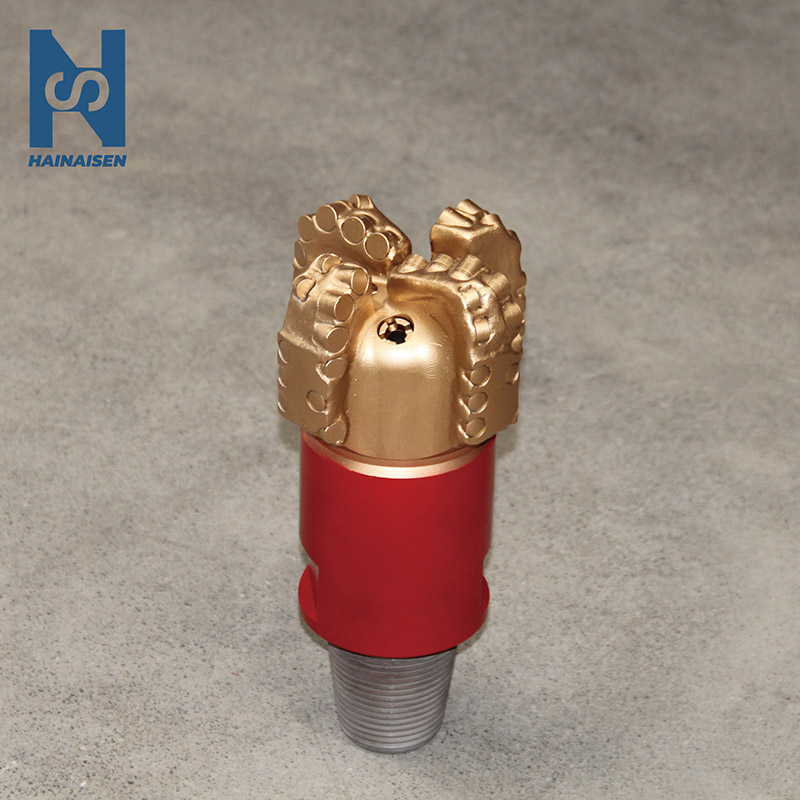 VIEW MOREHigh Quality PDC Drill Bits
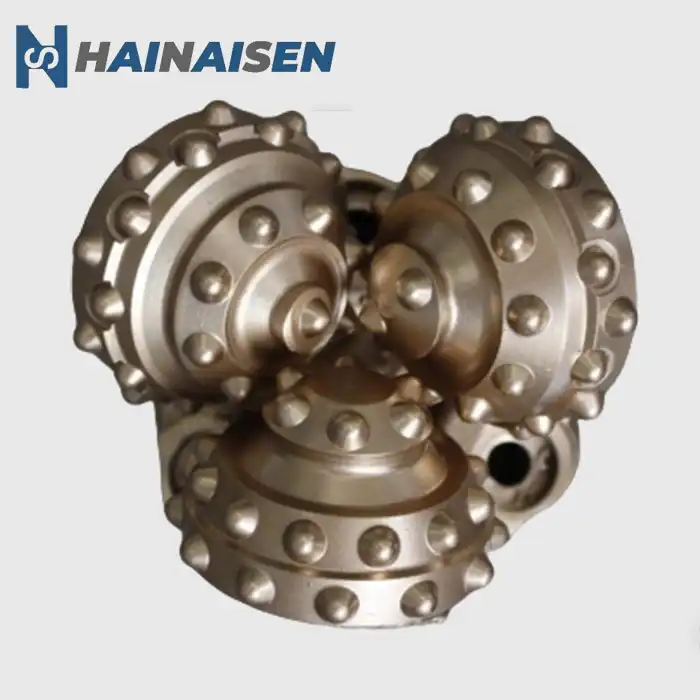 VIEW MORE4 1/2" IADC 537 Tricone Rock Bit
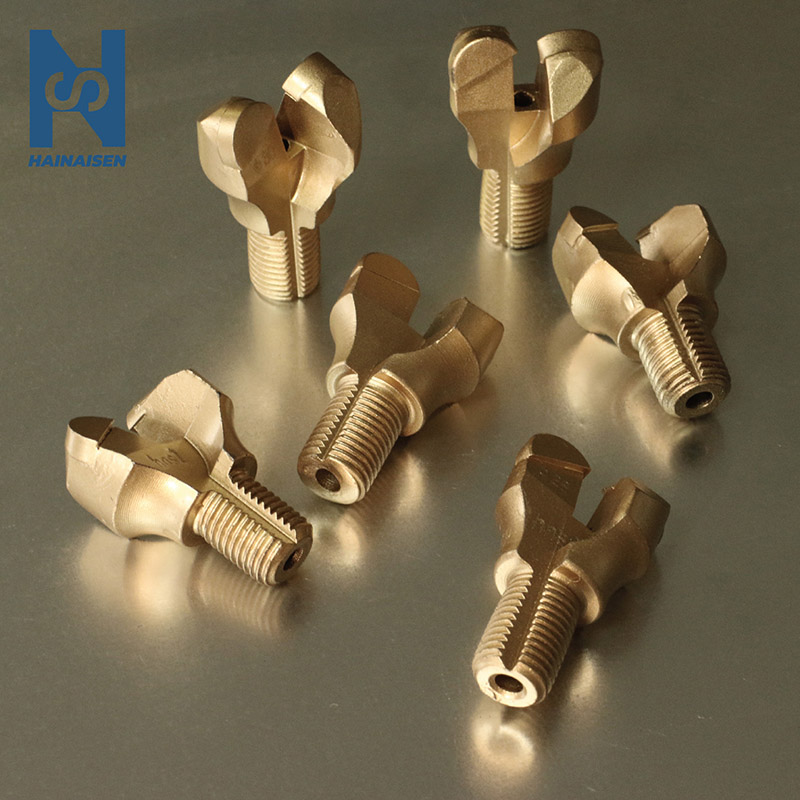 VIEW MORECoal Mining Tools PDC Anchor Drill Bit 28mm
logo 2_1777360600432.jpg) VIEW MORECoal Mine Drilling Drill Bit Directional Three Blade PDC Drill Bit
VIEW MORECoal Mine Drilling Drill Bit Directional Three Blade PDC Drill Bit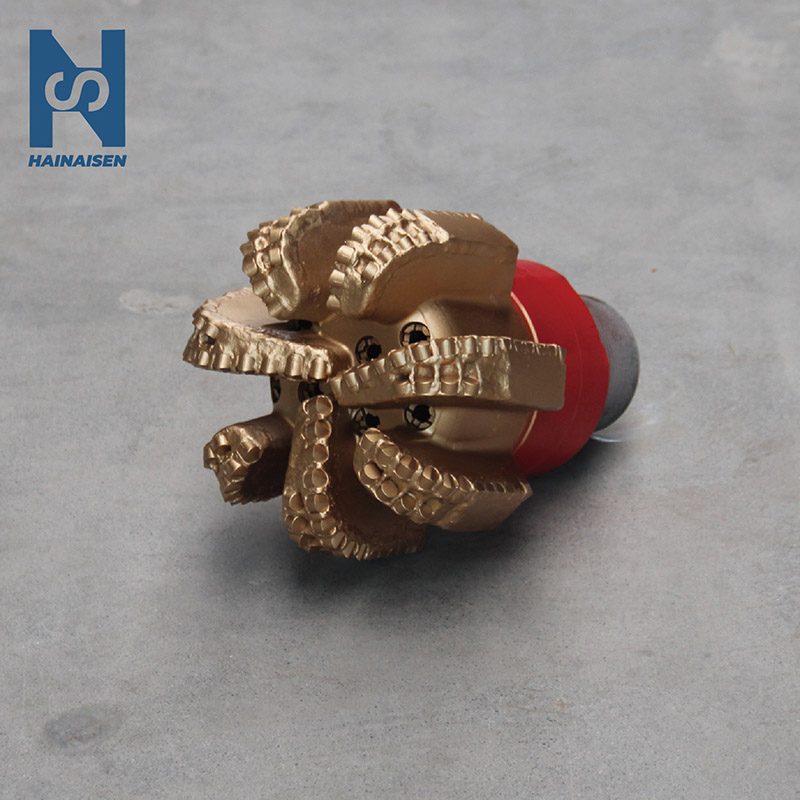 VIEW MORESeven Blade Wing Oil Drilling Drill Bit
 VIEW MOREForging Deep Rock Well Drilling Bits PDC Mining Bit
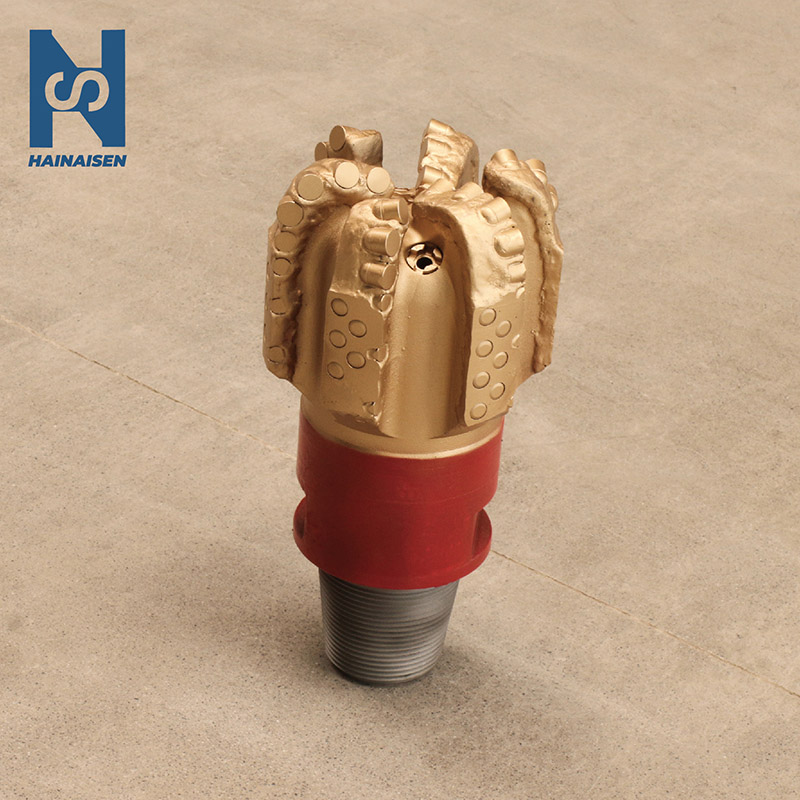 VIEW MORETool 6 Wings Drill Bit PDC
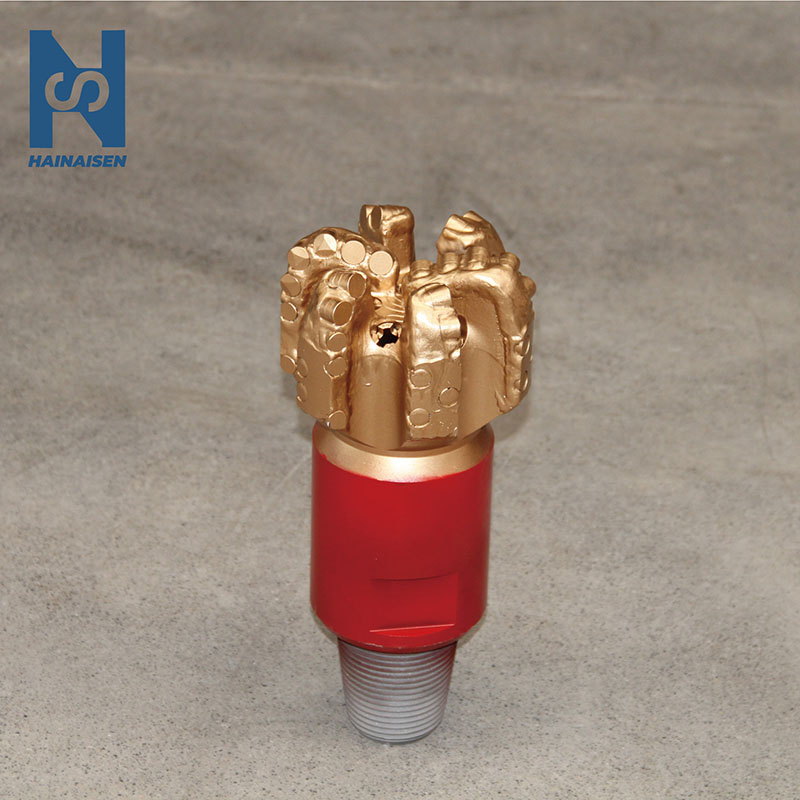 VIEW MORESix Blade Wing Petroleum Drill Bit
