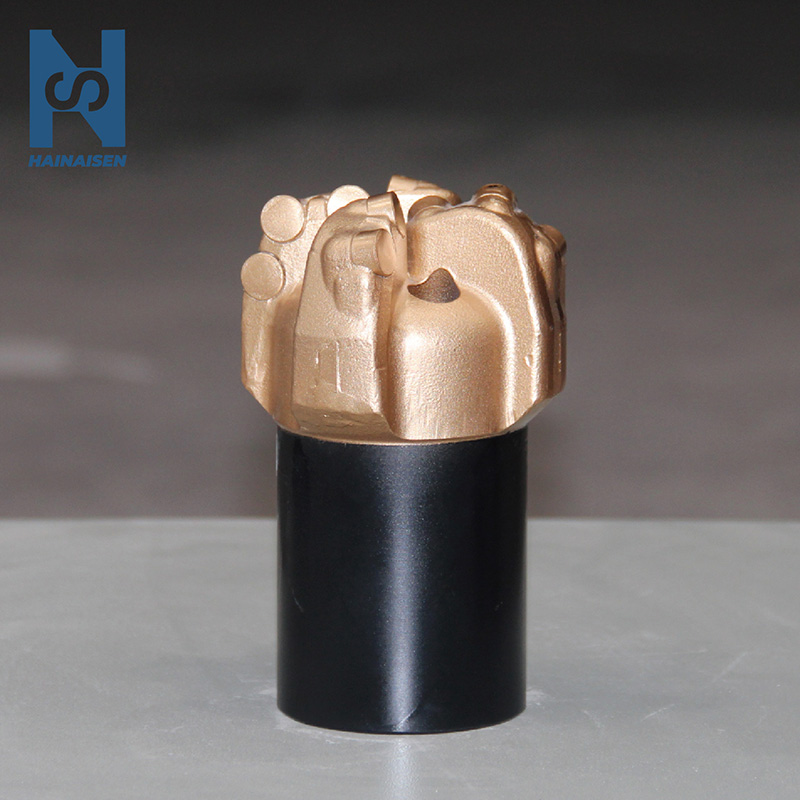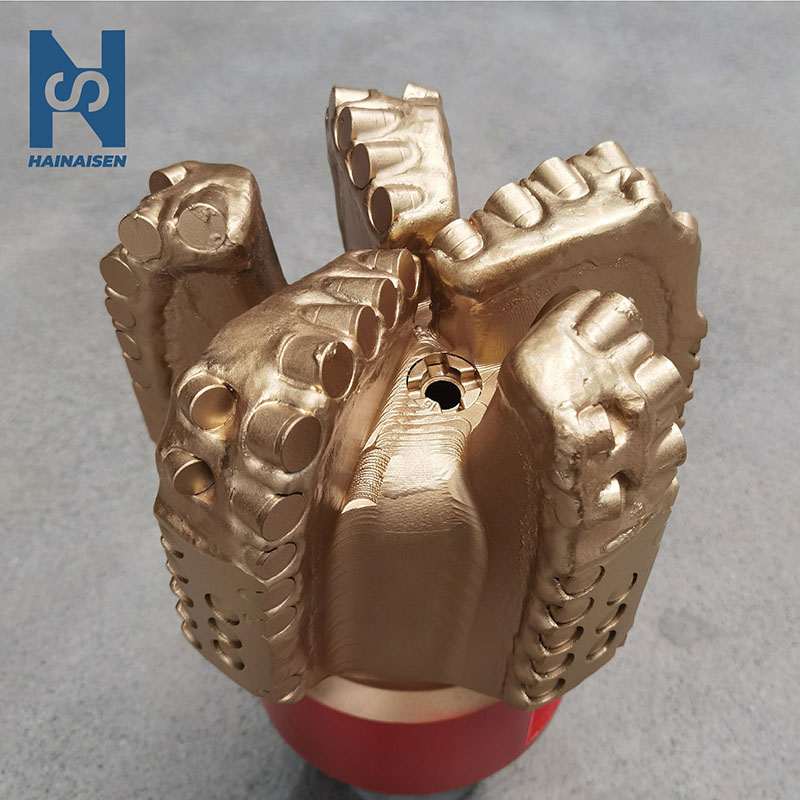




Best Applications for High Quality PDC Drill Bits
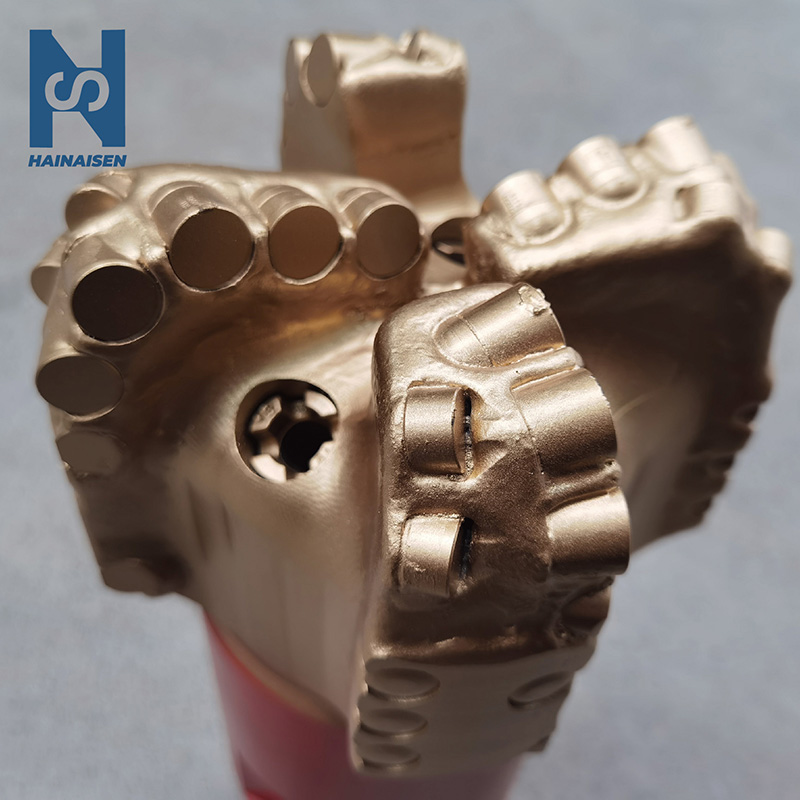
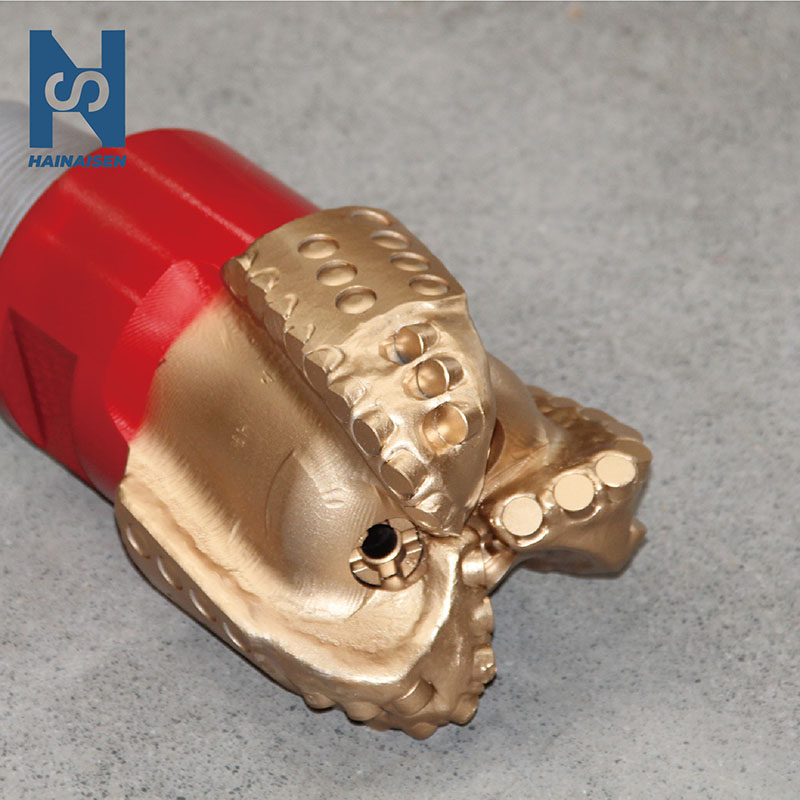
High-quality PDC drill bits work great for a wide range of drilling tasks, such as oil and gas exploration, mining, building water wells, and geothermal projects. They last a long time because they are very hard to wear down. These polycrystalline diamond compact tools work great in medium to hard rock formations. They are chosen by professional drillers all over the world because their advanced cutting designs make drilling more effective in a wide range of rock types.
Introduction
These days, drilling jobs need to be precise, quick, and reliable. High-quality PDC drill bits have changed how we do difficult underground work projects in many fields. These high-tech drilling tools use cutting-edge polycrystalline diamond compact technology and new design ideas to give you performance that has never been seen before in tough conditions.
With PDC drill bits, drilling technology has hit a whole new level of progress. Unlike regular tungsten carbide drill bits, these high-tech gadgets have diamond cuts placed in specific ways to get rid of rocks as quickly as possible while still being very durable. This new tech has changed how drilling is done all over the world, from oil fields in the Middle East to mines in Australia.
When purchasing managers and technical experts know how to use these precision drilling bits in the best way, they can make smart decisions. Whether your business runs large-scale oil service operations or oversees water well drilling projects, picking the right drilling option has a direct effect on how well the operations run and how much money the projects make. Because current PDC technology is so flexible, these tools work very well in a wide range of rock layers and cutting situations.
Why Does PDC Technology Dominate Modern Drilling Operations?
Polycrystalline diamond compact technology is better because it uses special materials and was designed by engineers in a way that makes high-quality PDC drill bits work better. Synthetic diamond and tungsten carbide are mixed together in PDC cutters to make a cutting surface that is both very hard and long-lasting. This combination delivers unmatched abrasion resistance while maintaining thermal stability under extreme drilling conditions.
Most of the time, traditional rock boring tools aren't very consistent or long-lasting. Advanced alloys and precise production make high-performance drill bits with PDC technology that can handle these problems. The diamond cutting surface stays sharp for a lot longer than other options, which means that bits don't need to be changed as often and there is less downtime.
PDC drill bits are also better at going through many types of rock. When used on any type of rock, from soft sedimentary layers to harder solid structures, these drill bits will still do a good job. Because they are so bendy, they are great for making narrow holes in rocks of different types.
Selection Criteria for Optimal PDC Drill Bit Performance
Formation Compatibility Assessment
You need to learn a lot about what's below the ground before you can pick out the right digging tools. The best places for PDC drill bits to work are in medium-hard rock layers with compression forces between 5,000 and 25,000 PSI. Formations that are often found in oil and gas research include shale, limestone, sandstone, and other sedimentary rocks.
Technical experts need to look at the rock and decide what its properties are, like how hard, rough, and clay-filled it is. These things have a direct effect on the bit design requirements and the operation parameters. When the specs of the bit match the properties of the rock perfectly, drilling works a lot better.
Operational Requirements Analysis
Different drilling applications demand specific performance characteristics. In order to cut down on drilling time and costs, oilfield drill bits need to have very high penetration rates. Durability and consistent performance over long periods of use are important for Mining Drill Bits. In water well uses, cost-effectiveness is often emphasized while still meeting performance standards.
The bit requirements must be met by the operating factors, such as the spinning speed, the weight on the bit, and the flow rates. Normal PDC Bits work well at speeds between 80 and 300 RPM and drilling pressures between 10 and 100 KN. Flow rates between 20 and 35 LPS ensure proper cuttings removal and cooling.
Quality Standards and Certification
For professional drilling, bits must meet very high quality standards. Manufacturing processes must incorporate rigorous quality control measures ensuring consistent performance across production batches. Data on performance that has been tested in the field can tell you a lot about long-term dependability and cost-effectiveness.
The quality and performance of Manufactured goods are confirmed by certification from well-known industry groups. When it comes to mid- and big-oil service companies with strict standards for vendors, these certificates become even more important.
Premier Applications for Advanced PDC Drill Bits
Oil and Gas Exploration Excellence
The petroleum industry represents the largest market for durable, high-quality PDC drill bit technology. For these uses, performance must be excellent in a wide range of physical situations, all while strict safety standards are followed. Heavy-duty, high-quality PDC drill bits made for oil and gas operations have special features that make them work better in rocks that contain hydrocarbons.
PDC technology is especially helpful for horizontal drilling tasks. For extended reach drills to work, the bits must keep cutting effectively over thousands of feet of horizontal movement. PDC cuts have better wear protection, so they will keep working well even in these tough situations.
Offshore drilling environments have extra problems, like not being able to replace bits very often and working in harsh conditions. High-performance drill bits with improved PDC technology provide the dependability that is needed for marine activities to go well.
Mining Industry Applications
PDC drill bits are used in coal mines for boring exploring holes, growth directions, and roof fixing. These cutting-edge drill technology options work great in coal seams and rock types that are close to them. The coal mine industry really likes how well these bits match efficiency and cost-effectiveness.
The durability of PDC bits is good for hard rock mining tasks like extracting copper, gold, and iron ore. For these jobs, the rock layers are very rough, so the drill bits need to last a very long time. The advanced cutter technology withstands punishing conditions while maintaining productive drilling rates.
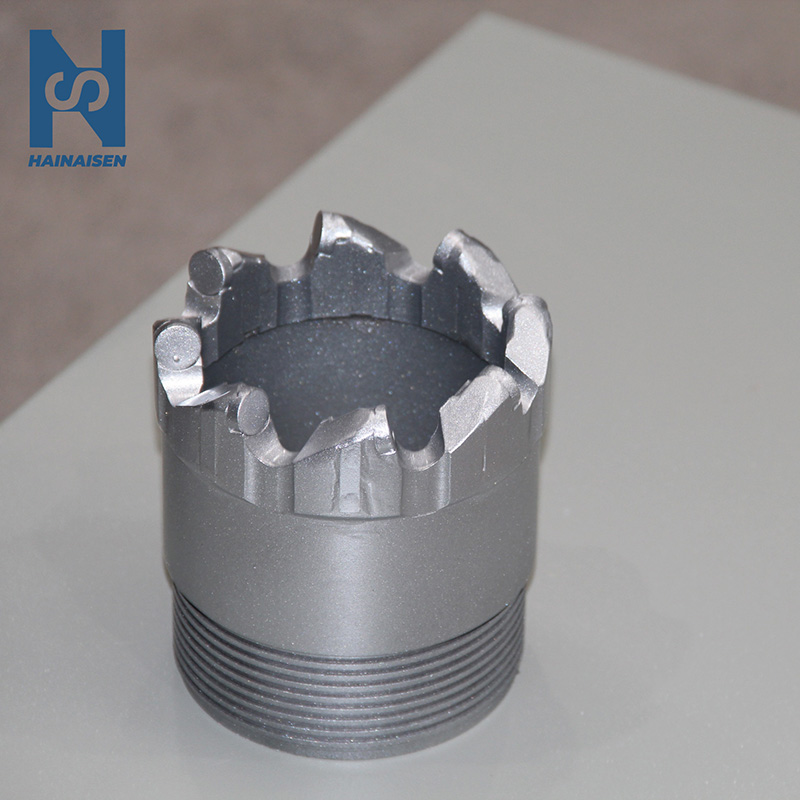
For geological sampling, exploration drilling programs in the mining industry depend on core drilling bits. For these specialized uses, precise drilling is needed to get high-quality core samples that are needed for evaluating resources and planning mines.
Water Well and Geothermal Development
Drilling for water wells is a big market in which PDC technology is used. These applications typically prioritize cost-effectiveness while maintaining adequate performance standards. Well, digging tools made for water uses offer the best value for money without sacrificing dependability.
Geothermal drilling projects encounter elevated temperatures and challenging formations. Because PDC bits can drill faster, they cut down on the time needed to drill, which means workers aren't exposed to as much high heat. Diamond cutters are very good at cutting even when the temperature is high because they are thermally stable.
The versatility of PDC drill bits makes them useful for water development projects in rural areas. Geological conditions in these areas are often changing, so drilling options need to be flexible. The reliable performance of PDC technology guarantees good finishing in a wide range of formation types.
Regional Market Analysis and Considerations
North American Market Dynamics
The United States drilling market emphasizes technological innovation and operational efficiency. Purchasing managers prioritize bits delivering superior performance metrics, including penetration rate, footage drilled, and cost per foot. The mature market demands proven performance data and comprehensive technical support.
Regulatory compliance requirements including environmental considerations influence bit selection criteria. Drilling operations must minimize environmental impact while maintaining operational efficiency. PDC drill bits contribute to these objectives through reduced drilling time and improved efficiency.
European and UK Market Characteristics
European markets, including the UK, emphasize quality standards and environmental responsibility. Purchasing decisions often involve extended evaluation periods with detailed technical assessments. Long-term partnerships develop based on consistent quality and reliable technical support.
North Sea drilling operations demand exceptional reliability due to harsh operating conditions and limited logistics windows. These applications require bits capable of extended operational periods without replacement or maintenance.
Middle Eastern Applications
Middle Eastern drilling operations encounter diverse geological conditions ranging from soft sedimentary rocks to hard carbonate formations. The region's extensive oil and gas development requires bits optimized for these specific conditions. High ambient temperatures demand enhanced thermal stability and cooling capabilities.
Large-scale development projects in the region emphasize operational efficiency and cost-effectiveness. Drilling contractors require bits delivering consistent performance across multiple wells while maintaining competitive economics.
Asia-Pacific Market Opportunities
Australia's mining industry represents significant opportunities for PDC drill bit applications. The continent's diverse mineral resources require versatile drilling solutions capable of handling various rock types. Remote operating locations emphasize reliability and extended operational life.
Central Asian markets focus on developing hydrocarbon resources under challenging geological conditions. These applications require robust drilling tools, such as high-quality PDC drill bits, capable of handling complex formation characteristics while maintaining operational efficiency.

Purchasing Recommendations and Implementation Strategies
Vendor Qualification Process
Establishing successful supplier relationships requires comprehensive vendor evaluation. Technical capabilities, manufacturing quality, and support services must align with operational requirements. Site visits and facility inspections provide valuable insights into manufacturing capabilities and quality control processes.
Financial stability and global support capabilities ensure long-term partnership viability. Suppliers must demonstrate the capacity to support operations across multiple geographical regions while maintaining consistent quality standards.
Performance Optimization Guidelines
Maximizing PDC drill bit performance requires proper operational practices and maintenance procedures. Training programs ensure drilling crews understand optimal operating parameters and bit care procedures. Regular performance monitoring identifies optimization opportunities and potential issues before they impact operations.
Data collection and analysis programs provide valuable insights into bit performance trends. This information supports future purchasing decisions and operational improvements. Collaborative relationships with suppliers enable continuous improvement through shared performance data and technical expertise.
Cost-Benefit Analysis Framework
Evaluating drilling tool investments requires comprehensive cost analysis beyond initial purchase price. Total cost of ownership includes drilling time, bit changes, and operational efficiency impacts. Superior drill bit wear resistance often justifies premium pricing through reduced total drilling costs.
Performance metrics, including rate of penetration, footage drilled, and operational reliability, provide a quantitative basis for purchasing decisions. These measurements enable objective comparison between different bit technologies and suppliers.
Industry Trends and Future Developments
The drilling industry continues evolving toward enhanced efficiency and environmental responsibility. Technological innovations in PDC cutter design and bit hydraulics promise further performance improvements. Digital monitoring systems increasingly integrate with drilling operations, providing real-time performance data and optimization recommendations. Sustainable drilling practices drive demand for more efficient tools, reducing environmental impact through faster drilling and reduced energy consumption.
Advanced manufacturing techniques, including 3D printing and automated assembly, are revolutionizing high-quality PDC drill bit production. These technologies enable more precise manufacturing tolerances and customized designs optimized for specific applications. The integration of artificial intelligence in drilling operations promises to unlock additional performance improvements through predictive maintenance and automated parameter optimization.
Conclusion
High-quality PDC drill bits represent the pinnacle of modern drilling technology, delivering exceptional performance across diverse applications. From challenging oil and gas exploration to precision mining operations, these advanced tools consistently outperform traditional alternatives. The combination of superior wear resistance, enhanced drilling speed, and operational reliability makes PDC technology the preferred choice for professional drilling operations worldwide.
Success with PDC drill bits requires careful selection based on formation characteristics, operational requirements, and quality standards. Understanding regional market preferences and establishing strong supplier relationships ensures optimal results. As the drilling industry continues evolving toward greater efficiency and sustainability, PDC technology will remain at the forefront of these advancements, providing the tools necessary for successful drilling operations across global markets.
FAQ
1. What formations work best with PDC drill bits?
PDC drill bits perform optimally in medium-hardness formations, including shale, limestone, sandstone, and similar sedimentary rocks. These bits excel in formations with compressive strengths between 5,000 and 25,000 PSI. Soft to medium formations allow PDC cutters to maintain sharpness while delivering excellent penetration rates. However, extremely hard or highly abrasive formations may require specialized bit designs or alternative technologies.
2. How do PDC bits compare to traditional tungsten carbide options?
PDC drill bits significantly outperform traditional tungsten carbide alternatives in most applications. The diamond cutting surface provides superior wear resistance, extending bit life by 300-500% compared to conventional options. PDC bits also deliver faster penetration rates and maintain cutting efficiency longer. While initial costs are higher, the total cost per foot drilled typically favors PDC technology through reduced bit changes and improved drilling efficiency.
3. What operational parameters optimize PDC bit performance?
Optimal performance requires matching operational parameters to bit specifications and formation characteristics. Typical operating speeds range from 80 to 300 RPM depending on formation type and bit design. Drilling pressure should stay within the 10-100 KN range to prevent cutter damage while maintaining adequate penetration rates. Flow rates between 20 and 35 LPS ensure proper cooling and cuttings removal, essential for PDC cutter longevity.
4. How important is bit quality for different company sizes?
Large oil service companies typically require extensive quality documentation and proven performance data due to strict vendor qualification processes. Medium-sized operations balance quality requirements with cost considerations. Smaller water well drilling companies often prioritize competitive pricing while maintaining adequate performance standards. Understanding these different requirements helps suppliers tailor their offerings appropriately for each market segment.
Transform Your Drilling Operations with HNS High Quality PDC Drill Bits
Shaanxi Hainaisen Petroleum Technology stands ready to revolutionize your drilling performance with our advanced PDC drill bits. As a trusted High Quality PDC Drill Bits manufacturer, we combine decades of expertise with cutting-edge technology to deliver solutions exceeding industry standards. Our dedicated engineering team works closely with clients to optimize bit designs for specific applications, ensuring maximum performance and value. Contact Us at hainaisen@hnsdrillbit.com to discuss your drilling requirements and discover how HNS can enhance your operational efficiency.
References
1. Smith, J.R., "Advances in Polycrystalline Diamond Compact Technology for Oil and Gas Drilling Applications," Journal of Petroleum Technology, Vol. 68, No. 3, 2022.
2. Chen, M.L., "Comparative Performance Analysis of PDC Drill Bits in Various Geological Formations," International Journal of Rock Mechanics and Mining Sciences, Vol. 145, 2021.
3. Williams, K.A., "Economic Optimization of Drilling Operations Through Advanced Bit Technology," SPE Drilling and Completion Engineering, Vol. 37, No. 2, 2023.
4. Johnson, P.D., "Thermal Stability and Wear Characteristics of Modern PDC Cutters," Diamond and Related Materials, Vol. 118, 2021.
5. Anderson, R.T., "Global Market Analysis: Drill Bit Technology Trends and Regional Preferences," World Drilling Magazine, Vol. 29, No. 4, 2022.
6. Thompson, S.E., "Manufacturing Quality Standards for High-Performance Drilling Tools," International Association of Drilling Contractors Technical Report, 2023.
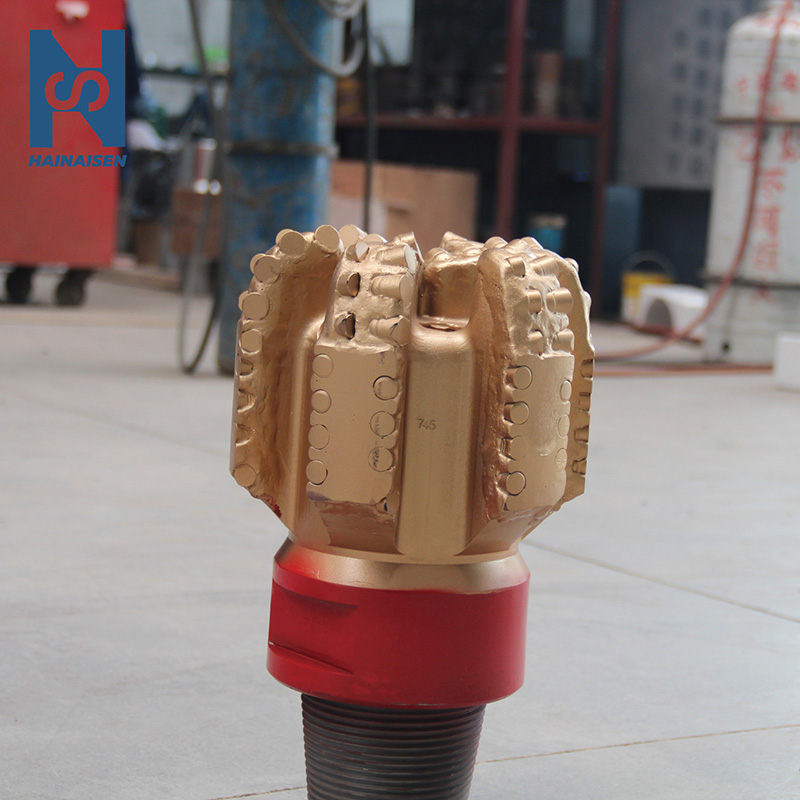
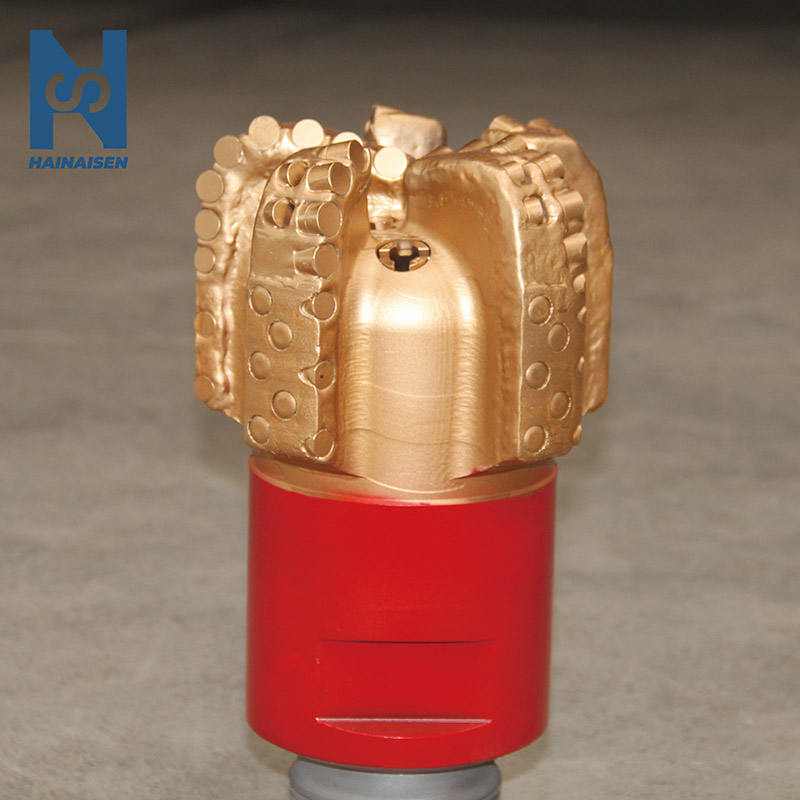
logo 1_1777361785830.jpg)