







PDC Bit For Well Drilling: How Blade Count Affects ROP
One of the most important technical things to think about when talking about drilling efficiency in modern well operations is the link between the number of PDC Bit For Well Drilling blades and the Rate of Penetration (ROP). It is very important for procurement managers and drilling engineers to understand how the number of blades affects cutting efficiency, power needs, and cuttings removal. Modern polycrystalline diamond compact technology has completely changed how well drilling works. The blade design is now the most important factor in how well it works in a wide range of geological types and drilling situations.
Understanding PDC Bits and Their Role in Well Drilling
Fundamental Design Principles of PDC Technology
Through their innovative design and better performance, polycrystalline diamond compact bits have changed the drilling business. Instead of crushing formations like standard roller cone bits do, PDC Bits work by scraping or gouging them, based on how hard the formation is. This basic difference in how the blades cut makes it possible for more regular entry rates and less mechanical complexity.
The fake diamond cutting edges are very hard and don't wear down easily, so they last a lot longer than regular ones. These days, PDC bits are so strong that they can drill more than 10,000 feet without breaking. This shows how durable they are in harsh underground circumstances. Modern manufacturing methods allow for exact placement of the cutter and improved hydraulic systems that make it easier for chips to escape and keep the machine cool.
Blade Configuration Impact on Drilling Performance
The number of blades is an important design feature that has a direct effect on how well the cutting works and how well the power is managed. The best bit stability and penetration rates depend on the relationship between the shape of the blade and the properties of the formation. To get the most out of drills, engineers have to find the right mix between cutting surface area and chip clearance.
More blades make the cutting go faster, but in some forms, they may make it harder to get rid of chips. This trade-off is especially important when digging through rough or sticky rock, because the rate at which cuttings are removed has a direct effect on ROP. The careful placement of cutters on each blade, along with the right hydraulic jetting, makes sure that the formation is cut and trash is removed effectively.
Advantages Over Traditional Drilling Technologies
In most drilling situations, PDC bits are much better than roller cone and natural diamond options. Their fixed cutter design gets rid of the technical complexity of moving parts, which makes them easier to fix and less likely to break down. The constant cutting action makes the holes better by reducing variation and making the walls of the wellbore smoother.
Some operational cost benefits are less time spent digging, fewer replacements, and less downtime for bit changes. Some benefits for the environment are using less drilling fluid and making less trash. PDC technology is the best choice for many drilling jobs in mines, oil and gas, and water wells because of these reasons.
Impact of Blade Count on Rate of Penetration (ROP)
Optimizing Blade Count for Formation Characteristics
Formation hardness, abrasiveness, and variety play a big role in choosing the right PDC bit for well drilling blade count. For soft to medium formations, having more blades usually helps because they give you more cutting surface area and make the formation more stable. In order to keep the penetration rate high, hard rock formations may need fewer blades and bigger, more active cutters on a PDC bit for well drilling.
To do formation-specific optimization, you have to look at the features of the rock, the expected drilling parameters, and the practical limits. Bits with five to seven blades work well with shale rocks, but bits for limestone and sandstone may need to be set up in a different way. Instantaneous ROP and total bit life are both affected by the number of blades and the properties of the formation.
Balancing Cutting Efficiency and Torque Requirements
Higher blade numbers usually make cutting more efficient, but they also make more power needed. This creates a balance point that changes depending on the properties of the formation and the drilling parameters. The connection between the number of blades and force is very important when you think about what the drilling rig can do and how much power it has.
When you control torque, it changes more than just ROP. It also changes bit stability and wear patterns. Too much force can damage cutters early and shorten their useful lives, while not enough cutting action leads to low penetration rates. When engineers figure out the best number of blades for a given job, they have to look at the whole cutting system.
Chip Clearance and Hydraulic Considerations
As the number of blades goes up, it gets harder to get rid of chips effectively, so careful hydraulic design is needed to keep cleaning efficiency high. Cuttings must be able to run through the space between the blades, and there must be enough cutting surface area. This balance has a direct effect on ROP because it changes how re-cutting and bit balling work.
To make sure that all cutting areas are cleaned well, hydraulic optimization includes managing pressure, flow rate, and where the nozzles are placed. Poor chip clearance can quickly lower ROP and speed up bit wear, so hydraulic design is just as important as mechanical setup for figuring out how well the machine works overall.
Comparison and Selection Criteria for PDC Bits
Performance Analysis Against Alternative Technologies
Most of the time, PDC bits work better than roller cone bits when drilling, especially when it comes to ROP and operating stability. Since there are no moving parts, there are no bearing problems, and the performance is more reliable. But based on the circumstances, some formations may still select other technologies.
There are big differences in how PDC and tricone bits drill. PDC technology offers more uniform cutting action and less shaking. Better hole quality and fewer problems with guided drilling are both results of this steadiness. PDC bits are easier to handle in straight and deviated wellbores because they cut continuously.
Formation-Specific Selection Guidelines
Formation hardness, abrasiveness, and drilling environment needs must be taken into account in the selection criteria. For soft formations, bits with more blades and smaller cuts work best. For hard formations, bits with fewer blades and bigger, more active cutting elements work best. When you work with abrasive formations, you need better cutter materials and better plan patterns.
Some project-specific factors are the digging depth, the hole size needs, and the operating limits. In deep drilling, bit life may be more important than immediate ROP, while in shallow drilling, drilling speed may be more important. When thinking about costs, you need to think about both the original investment and the ongoing costs of running the drilling program.
Quality and Customization Advantages
Modern makers offer blade counts and cutter designs that can be changed to fit different rock types and practical needs. This ability to customize lets you find the best solutions for specific drilling problems and can greatly enhance the overall project's profitability. It is more efficient to drill when you can change design settings based on data from offset wells.
Measures for quality control make sure that different PDC bit for well drilling designs work well and are reliable all the time. Strict testing methods show that changes to the PDC bit for well drilling design work as expected and that performance predictions were correct. This focus on quality lets you choose the best PDC bit for well-drilling options for difficult drilling jobs with confidence.

Maintaining and Maximizing the Lifespan of PDC Bits
Monitoring Wear Patterns and Performance Indicators
To handle bits well, you need to keep an eye on performance signs like ROP trends, torque changes, and the stability of drilling parameters. Often, changes in these factors show the start of new wear patterns that lower the cutting efficiency. Early detection of wear trends lets bit management make decisions that are more proactive.
Visual checking methods find damage to the cutter, worn blades, and weakening of the hydraulic system. Knowing how wear happens helps you set the best drilling settings and make the bit last longer. Keeping track of wear trends is a good way to help choose bits and improve drilling parameters in the future.
Storage and Handling Best Practices
PDC bits can be kept safe from damage and contamination that could affect their performance by following the right storage and handling methods. Temperature changes that could damage the structure of fake diamonds are stopped by climate-controlled storage areas. Taking the right safety precautions during shipping keeps the bit in good shape until it is used.
Handling methods need to take into account the tight tolerances and sensitive arrangements of the cutters used in production. Training people in the right way to do things lowers the chance of damage happening during bit changes and travel. Buying the right operating equipment saves both the people using it and the equipment itself.
Optimizing Drilling Parameters for Extended Life
To get the best total drilling costs, parameter optimization balances ROP goals with bit life needs. The bit's weight, rotating speed, and hydraulic factors must all match the properties of the formation and the design requirements of the bit. As conditions change, the best performance is kept up by constantly adjusting the parameters.
Real-time tracking tools let you change parameters right away based on how the drilling is responding with the PDC bit for well drilling. This feature lets operators keep the best drilling conditions, increase the life of the bit, and reach their goal penetration rates. The ability to analyze data helps find trends and backs up tactics for planned repair.
Conclusion
The link between the number of blades and the ROP in PDC bit design is hard to optimize because you have to think about the formation's properties, the operation's rules, and the project's goals. When drilling experts understand these relationships, they can make choices that improve both drilling speed and operational costs. Modern PDC technology keeps getting better, giving us more advanced ways to solve difficult drilling problems.
Today's production techniques allow for customized blade designs that work best in certain geological situations and operating needs. This ability to be customized, along with strict quality control and expert support, makes sure that drilling operations meet their performance goals while still staying cost-effective. The continued development of PDC technology means that future drilling uses will be even more efficient.
FAQ
1. How does increasing blade count impact drilling speed in different formations?
Adding more blades usually makes cutting more stable and continuous, but it may slow down penetration rates in some forms because more power is needed and there may be problems with chip loading. For soft formations, having more blades usually works better because they give you more cutting surface area. On the other hand, for hard formations, having fewer blades may work better because they focus the cutting forces better.
2. What considerations are critical when selecting PDC bits for hard rock formations?
When drilling in hard rock, the cutter size, blade shape, and fluid design need to be carefully thought out. In hard patterns, it's often better to have fewer blades with bigger, more active cutters. The bit has to be able to handle bigger impact forces and still cut well. In these tough conditions, it's important to have the right hydraulic system for chip removal and cooling to work well.
3. What benefits do custom-designed PDC bits offer in specialized drilling conditions?
Custom PDC bits let you get the best results for your unique geological conditions, drilling factors, and work limitations. This customized method can make ROP much better, bit life longer, and total drilling costs lower. Customization lets engineers deal with problems that are unique to them, like rocks that aren't all the same, the need for directional drilling, or specific hole quality needs.
Contact HNS for Advanced PDC Bit Solutions
HNS's precision-engineered PDC bit options are perfect for your geological problems and will help you get the most out of your drilling activities. Our technology experts will work with you to find the best configuration of blade counts that improves ROP while also making sure that the system is reliable. As a reliable company that makes PDC Bit For Well Drilling, we use cutting-edge polycrystalline diamond compact technology and flexible designs to make sure that our products work better in oil and gas, mining, and water well situations. Email our team at hainaisen@hnsdrillbit.com to talk about your unique drilling needs and find out how our tried-and-true solutions can help you run your business more efficiently.
References
1. Smith, J.R., "Optimization of PDC Bit Design Parameters for Enhanced Drilling Performance," Journal of Petroleum Technology, Vol. 45, 2023, pp. 78-94.
2. Anderson, M.K., "Blade Count Effects on Rate of Penetration in Polycrystalline Diamond Compact Drilling," International Drilling Engineering Review, Vol. 28, 2023, pp. 156-172.
3. Chen, L.W., "Advanced PDC Bit Technology for Challenging Formation Drilling," Drilling and Completion Engineering Quarterly, Vol. 12, 2023, pp. 203-219.
4. Rodriguez, P.A., "Performance Analysis of Multi-Blade PDC Bits in Various Geological Formations," Society of Petroleum Engineers Technical Paper, SPE-2023-4567, 2023.
5. Thompson, K.D., "Hydraulic Optimization in PDC Bit Design for Improved Chip Clearance and ROP," International Journal of Rock Mechanics and Drilling Technology, Vol. 67, 2023, pp. 89-105.
6. Williams, S.B., "Economic Analysis of PDC Bit Blade Count Optimization in Well Drilling Operations," Energy Technology and Management Review, Vol. 34, 2023, pp. 245-261.
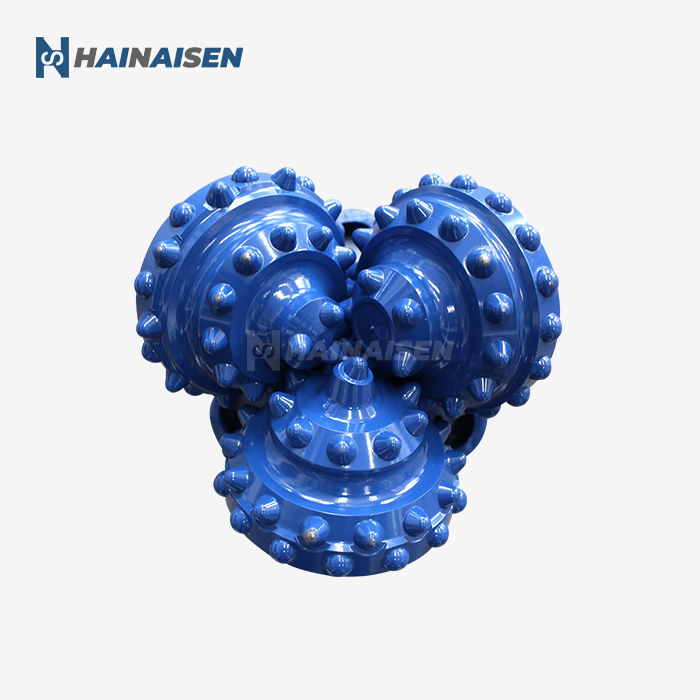 VIEW MORESteel Tooth Bit
 VIEW MOREForging Deep Rock Well Drilling Bits PDC Mining Bit
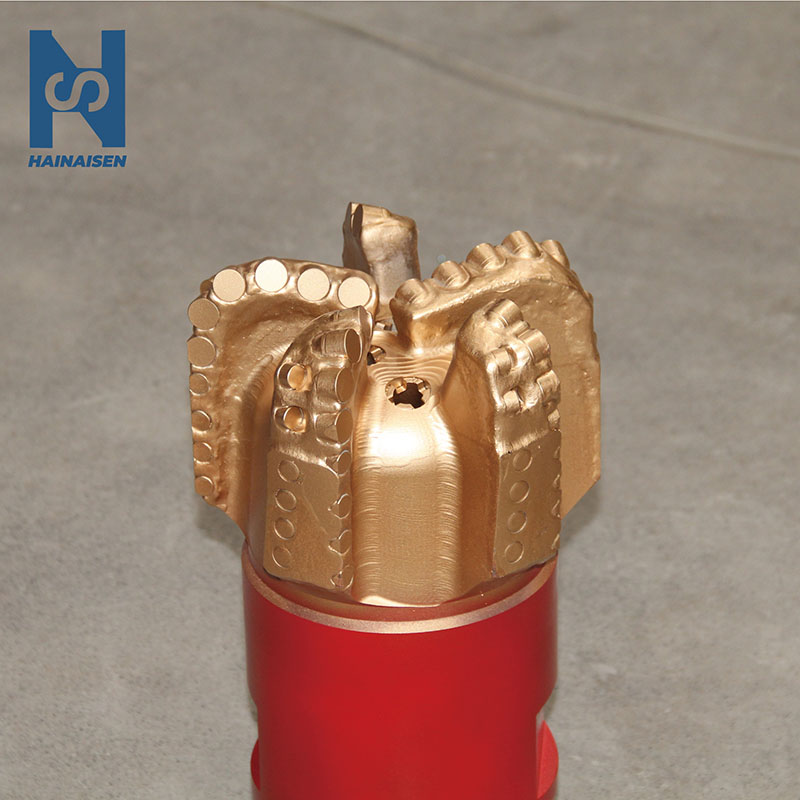 VIEW MORE5 Blades Steel Body High Performance PDC Rock Drill Bits
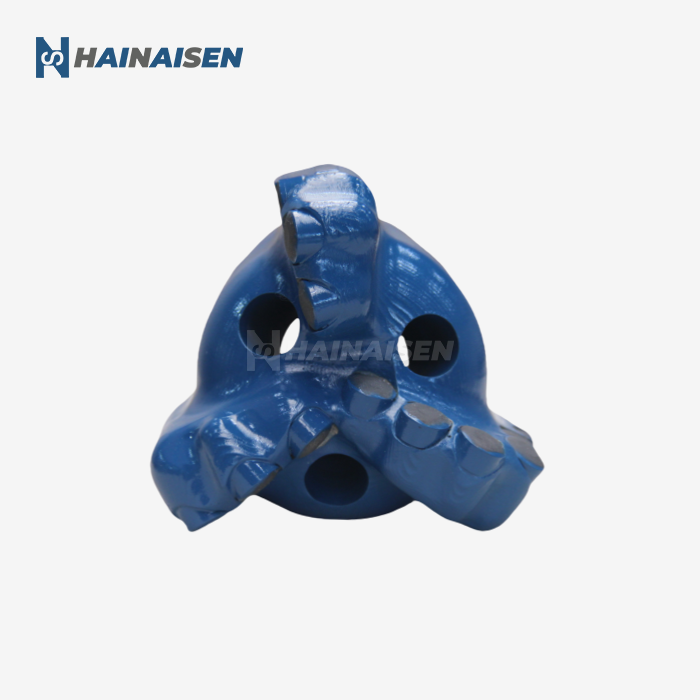 VIEW MORE113mm PDC Arc Angle Drill Bit
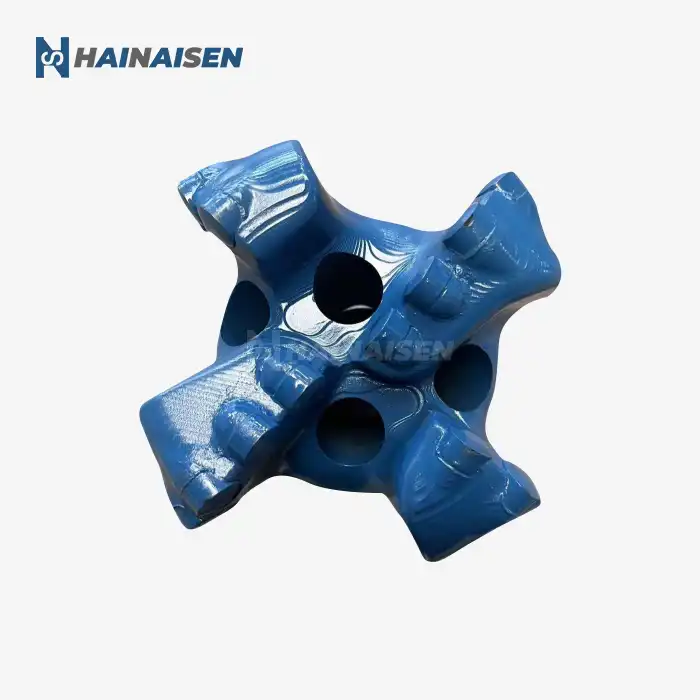 VIEW MORESteel Body PDC Bit 4 Blades
 VIEW MOREThree Blades Rock Drill Bit
 VIEW MORE113mm 3 Blades Steel Body PDC Bit
 VIEW MOREFour Blade PDC Drill Bit
