







Four Blade Wing Oil Drilling Tool: Borehole Quality Guide
Achieving optimal borehole quality remains a critical priority for drilling operations across the oil and gas, coal mining, and water well sectors. The Four-Blade Wing Oil Drilling Tool delivers precision and consistency in challenging geological formations through its unique blade configuration and advanced PDC cutter technology. This guide explores how proper tool selection, operational techniques, and supplier partnerships directly impact borehole integrity, drilling efficiency, and long-term project success for procurement managers and technical engineers seeking reliable drilling solutions.
Understanding Four Blade Wing Oil Drilling Tools
Core Design Principles and Mechanics
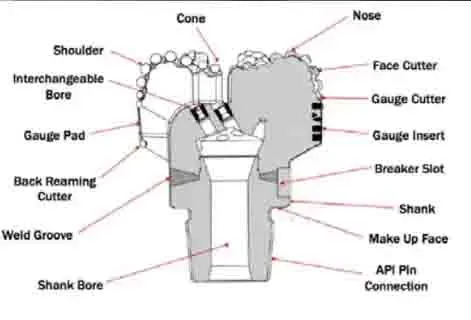
The four-blade configuration establishes a balanced force distribution pattern during penetration operations. Unlike traditional three-blade setups, this design minimizes lateral movement and vibration, producing rounder boreholes with consistent gauge dimensions. Each blade contacts the formation at precisely calculated intervals, creating smoother cutting action and reducing stress concentrations that typically cause premature tool failure.
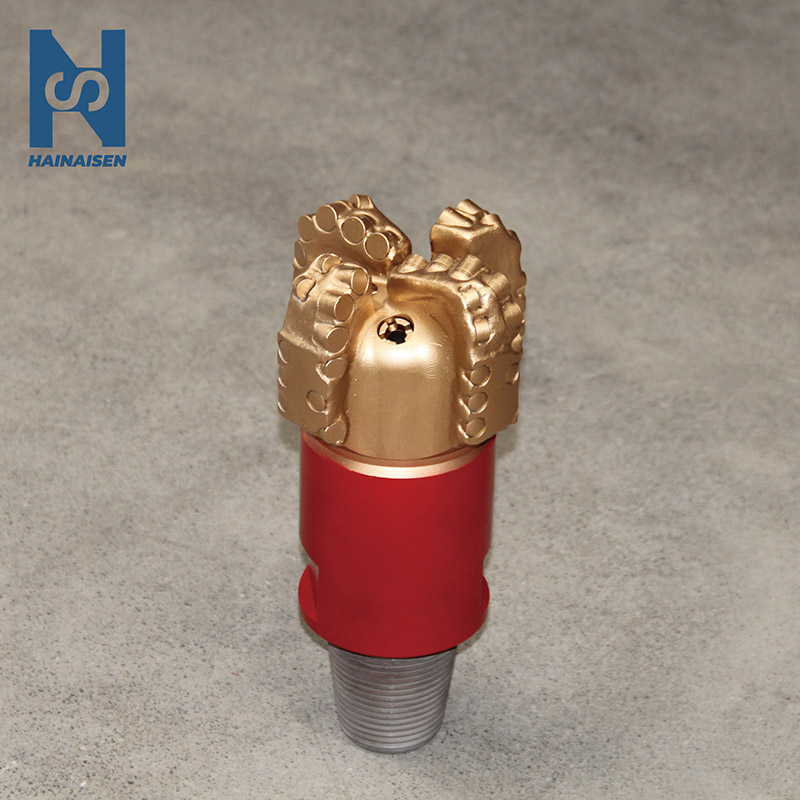
Our model features an IADC code S233 classification with a 6-inch (152.4mm) bit size, integrating 45 PDC cutters available in 13mm and 16mm sizes. The 210 mm height and 53 mm gauge length provide stability across medium-hard formations, while the 3-1/2 REG. The PIN API connection ensures compatibility with standard drilling equipment. At 24 kilograms net weight, the tool maintains maneuverability without sacrificing structural integrity.
Material Composition and Durability Factors
Modern PDC cutter technology combines synthetic diamond layers with tungsten carbide substrates, delivering exceptional abrasion resistance. The blade body typically uses high-grade steel alloys that withstand torsional stress and impact loading. Material selection directly influences operational lifespan—premium-grade tools demonstrate 30-40% longer service intervals compared to standard alternatives in abrasive shale formations.
Four nozzles strategically positioned across the tool face optimize hydraulic efficiency. This arrangement directs drilling fluid precisely onto the cutting structure, preventing bit balling and ensuring continuous cuttings evacuation. The hydraulic design proves particularly effective in sticky clay formations where conventional bits often struggle.
Blade Geometry and Torque Capabilities
The wing configuration distributes cutting forces across four contact points rather than three, enabling more aggressive weight-on-bit parameters without compromising stability. This geometry handles higher torque loads, making the tool suitable for directional drilling operations where side forces challenge bit performance. The balanced design reduces dogleg severity risks and maintains straighter trajectories through heterogeneous rock layers.
Gauge protection receives enhanced attention in the four-blade arrangement. Wear distributes across multiple points, preserving nominal diameter specifications throughout extended drilling intervals. This characteristic proves valuable for operations requiring precise borehole dimensions for casing installation or completion activities.
Enhancing Borehole Quality and Drilling Efficiency
Comparative Advantages Over Traditional Designs
When measuring performance against tri-cone Roller Bits and standard PDC designs, four-blade wing tools demonstrate measurable improvements in several operational categories. Penetration rates increase by 15-25% in interbedded formations where rock hardness varies significantly. The enhanced stability reduces vibration-induced damage to downhole equipment, extending the service life of measurement-while-drilling systems and mud motors.
Three-blade bits often create triangular borehole cross-sections under certain conditions, particularly when drilling through formations with pronounced hardness contrasts. The four-blade configuration (Four Blade Wing Oil Drilling Tool) maintains circular geometry more consistently, reducing friction during casing runs and improving cement bond quality. These factors contribute directly to wellbore integrity and long-term production efficiency.
Operational Best Practices
Proper handling begins before the tool reaches the well site. Storage conditions affect cutter integrity—exposure to extreme temperatures or impacts during transportation can create microfractures in diamond layers. We recommend dedicated shipping containers with cushioned interiors and climate control for high-value tools.
During makeup procedures, torque specifications must align with API connection standards. Over-tightening damages pin threads and creates stress risers that propagate into connection failures. Under-tightening allows movement during rotation, generating heat and galling. Calibrated torque wrenches and proper thread compound application prevent these issues.
Maintenance protocols should include post-run inspections documenting cutter condition, junk slot integrity, and gauge wear patterns. Photographic records track degradation trends, informing replacement decisions before catastrophic failures occur. Many operators discover that implementing structured inspection routines extends tool inventory lifespan by 20-30% through early detection of repairable damage.
Addressing Common Drilling Challenges
Sticky shale formations present evacuation difficulties where cuttings adhere to the bit face, reducing cutting efficiency and increasing torque. The optimized junk slot area in four-blade designs maintains adequate clearance for debris transport even as cuttings accumulate. Paired with appropriate hydraulic parameters—typically 3-5 hydraulic horsepower per square inch of bit area—the tool maintains clean cutting structures throughout the drilling interval.
Directional drilling through medium-hard formations requires tools that respond predictably to steering inputs while maintaining borehole quality. The balanced force distribution enables smoother directional response, reducing the correction cycles needed to maintain planned trajectories. This responsiveness translates into fewer sliding intervals, faster overall progress, and reduced wear on steering equipment.
Selecting the Right Four-Blade Wing Oil Drilling Tool for Your Needs
Evaluation Criteria for Different Applications
Oil and gas exploration demands tools capable of handling diverse formation types within single wellbores. The S233 specification suits intervals containing sandstone, limestone, and shale sequences commonly encountered in conventional reservoirs. For coalbed methane extraction, the same tool configuration performs reliably in the relatively soft but abrasive coal seams, provided hydraulic programs prevent cutting compaction.
Water well drilling teams often prioritize cost-per-foot metrics over absolute performance. The four-blade design delivers competitive economics through extended bit life and faster penetration rates. Although initial purchase prices exceed basic tri-cone bits, total project costs typically decrease by 12-18% when accounting for reduced tripping time and fewer bit replacements.
Geothermal projects involve elevated temperatures that stress both cutting elements and matrix materials. Temperature-resistant PDC grades and specialized braze alloys extend operational capabilities into challenging thermal environments. Procurement specifications should explicitly address temperature ratings when selecting tools for geothermal applications.
Matching Specifications to Geological Conditions
Formation hardness governs cutter size and density selections. The 13mm cutters provide aggressive cutting action in softer formations, while 16mm sizes offer greater impact resistance in harder, more fractured rock. Mixed-size configurations balance penetration rate against durability, adapting to interbedded sequences without requiring bit changes.
Drilling depth influences weight considerations and connection types. The 24-kilogram weight suits medium-depth applications where string weight provides adequate bit loading. Deeper wells may require heavier designs or stabilization strategies to maintain optimal weight-on-bit parameters. The API 3-1/2 REG.PIN connection handles torque loads typical of 6-inch holes, providing reliable power transmission without excessive thread stress.
Supplier Selection and OEM Customisation
Reputable Manufacturers maintain quality control systems that track individual tools, drill bits for oil rigs, from production through field deployment. Traceability enables root cause analysis when performance falls short of expectations, driving continuous improvement. We established our Xi'an facility in 2013 with 3,500 square meters dedicated to advanced manufacturing, including 5-axis machining centers and CNC equipment that ensure dimensional precision critical to tool performance.
Custom bit design services address specialized operational requirements beyond standard catalog offerings. Modifications might include adjusted blade profiles for specific formation types, enhanced gauge protection for abrasive conditions, or specialized nozzle configurations for difficult hydraulics environments. Technical collaboration between drilling engineers and bit designers optimizes tool specifications, delivering measurable improvements in field performance.
Procurement and Transaction Insights for B2B Clients
Purchasing Channels and Order Processes
Direct manufacturer relationships provide several advantages over distributor networks. Technical support access improves dramatically when engineering teams communicate directly with design personnel who understand tool construction and performance characteristics. Bulk order negotiations achieve better pricing structures, particularly for operators running multiple rigs with standardized bit programs.
Sample testing programs allow operators to validate performance claims before committing to large inventory purchases. We recommend structured testing protocols that compare candidate tools against existing standards across multiple wells, collecting data on penetration rate, footage drilled, and final condition assessments. Statistical analysis of test results identifies performance differences that justify specification changes.
Shipping logistics require attention to prevent damage during transit. International shipments benefit from specialized freight forwarders experienced with drilling equipment handling requirements. Marine transport demands robust packaging and securing methods that withstand vessel movement. Air freight suits urgent replacement needs despite higher costs, particularly for remote operations where downtime expenses exceed premium shipping charges.
Pricing Dynamics and Negotiation Strategies
Volume commitments unlock tiered pricing structures that reduce per-unit costs substantially. Annual supply agreements provide budget predictability while securing preferential pricing. Payment terms vary by supplier—established customers often qualify for extended terms that align with project cash flows, while new relationships typically require deposits or letters of credit.
Quality assurance measures protect procurement investments. Third-party inspection services verify dimensional specifications, material Certifications, and manufacturing quality before shipment. Although inspections add costs and schedule time, they prevent costly failures from substandard tools. We maintain transparent quality documentation, providing material certificates and dimensional inspection reports with each order.
Building Strategic Supplier Partnerships
Long-term supplier relationships deliver benefits beyond transactional pricing advantages. Preferred customers receive priority allocation during supply constraints, technical support access for troubleshooting field issues, and early notification of product innovations. Collaborative relationships enable joint development of specialized tools for unique operational challenges.
After-sales support for drill bits for oil rigs distinguishes professional suppliers from commodity vendors. Technical service teams assist with operational parameter optimization, failure analysis, and application recommendations. Warranty coverage should address manufacturing defects while clearly defining operational damage exclusions. Comprehensive support programs reduce operational risks and improve project outcomes.
Conclusion
Selecting appropriate drilling tools demands careful evaluation of formation characteristics, operational requirements, and supplier capabilities. The four-blade wing configuration delivers measurable advantages in borehole quality, drilling efficiency, and operational economics across diverse applications. Success requires matching tool specifications to geological conditions, implementing proper operational practices, and partnering with manufacturers committed to technical excellence and customer support. Procurement professionals who invest time understanding these factors position their operations for consistent performance improvements and competitive advantages in demanding drilling environments.
FAQ
1. What operational lifespan can I expect from four-blade wing tools?
Tool lifespan varies considerably based on formation abrasiveness, operational parameters, and maintenance practices. In medium-hard formations with appropriate weight-on-bit and rotary speed settings, quality four-blade tools typically drill 500-800 meters before requiring replacement. Abrasive shale formations may reduce this range to 300-500 meters, while softer formations sometimes exceed 1,000 meters. Regular inspection and documentation of run conditions help establish baseline expectations for specific operational environments.
2. How do four-blade designs compare to standard PDC bits in drilling efficiency?
Four-blade configurations generally demonstrate 15-25% faster penetration rates in heterogeneous formations compared to conventional PDC designs. The enhanced stability reduces vibration-related inefficiencies and allows more aggressive drilling parameters. However, performance advantages depend on proper bit selection matching formation characteristics—no single design optimizes all conditions.
3. What maintenance practices maximize tool performance and safety?
Critical maintenance begins with proper storage, protecting cutters from impact damage. Pre-run inspections verify thread condition and cutter integrity. Post-run cleaning removes formation debris before damage assessment. Documenting wear patterns guides future selections and identifies operational issues requiring parameter adjustments. Proper handling during makeup and breakout prevents connection damage that causes premature failures.
Partner with HNS for Superior Drilling Solutions
Shaanxi Hainaisen Petroleum Technology Co., Ltd. combines advanced manufacturing capabilities with dedicated technical support to deliver drilling tools that meet the demanding standards of modern operations. Our Four Blade Wing Oil Drilling Tool represents over a decade of engineering refinement, field testing, and continuous improvement. Procurement managers and technical engineers gain access to competitive pricing structures, customized bit design services, and comprehensive after-sales support that extends throughout tool lifecycles. Contact our team at hainaisen@hnsdrillbit.com to discuss sample testing opportunities, bulk order discounts, and technical specifications tailored to your operational requirements. As an experienced Four Blade Wing Oil Drilling Tool manufacturer, we stand ready to optimize your drilling efficiency and project success.
References
1. Smith, J.R. (2021). "Advanced PDC Bit Design for Improved Borehole Quality in Heterogeneous Formations." Journal of Petroleum Technology, Vol. 73, Issue 8, pp. 45-52.
2. Anderson, M.K. & Chen, L. (2020). "Comparative Analysis of Multi-Blade Drilling Tool Performance in Shale Formations." SPE Drilling & Completion Journal, Vol. 35, No. 3, pp. 287-301.
3. Williams, D.T. (2022). "Hydraulic Optimization Strategies for PDC Bit Performance Enhancement." International Journal of Oil, Gas and Coal Technology, Vol. 29, Issue 2, pp. 156-174.
4. Roberts, E.S. (2019). "Material Selection and Durability Assessment for Drilling Tools in Abrasive Environments." Petroleum Engineering Handbook, 7th Edition, Society of Petroleum Engineers, pp. 612-638.
5. Thompson, R.H. & Martinez, G.P. (2023). "Economic Analysis of Drilling Tool Selection in Multi-Formation Wells." Journal of Energy Resources Technology, Vol. 145, No. 1, pp. 1-15.
6. Peterson, K.L. (2020). "Blade Geometry Effects on Borehole Stability and Gauge Control in Directional Drilling Operations." Drilling Engineering Quarterly, Vol. 48, Issue 4, pp. 78-94.
logo 1_1777361260784.jpg) VIEW MOREFour Wing Arc Angle PDC Drill Bit
VIEW MOREFour Wing Arc Angle PDC Drill Bit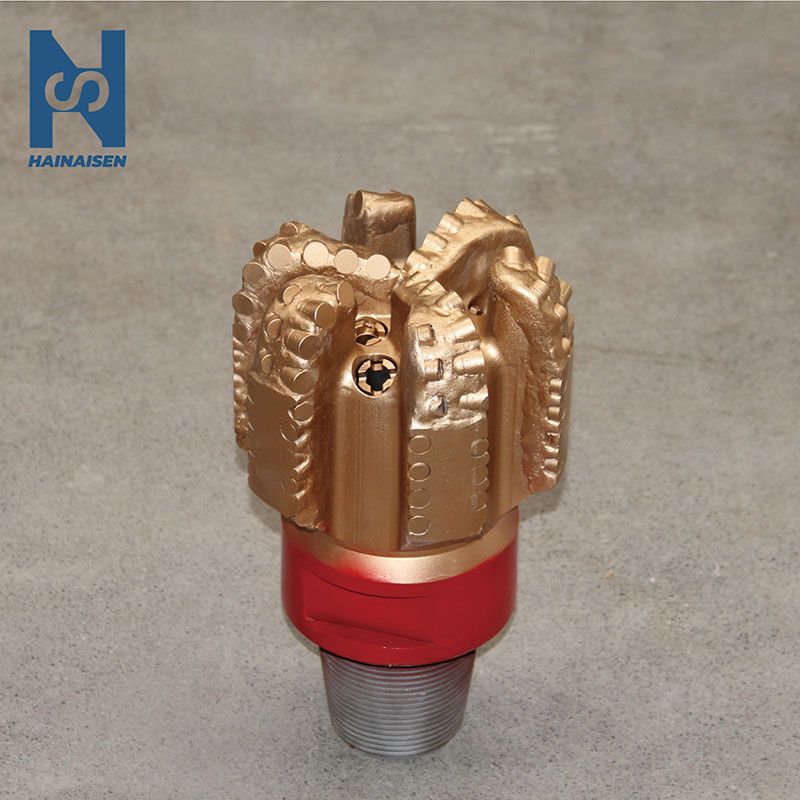 VIEW MORE6-Blade PDC Drill Bit
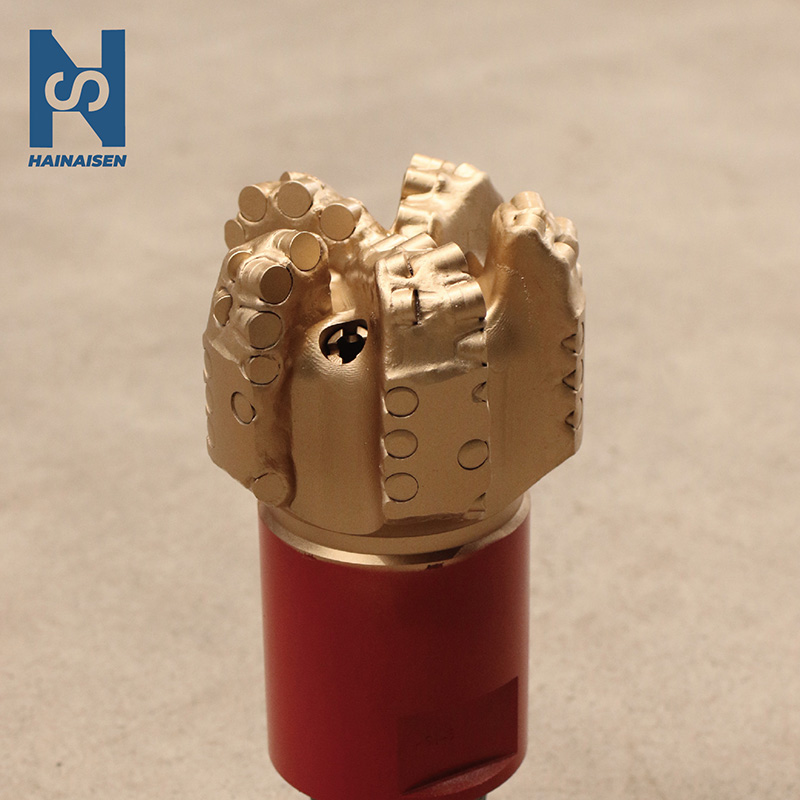 VIEW MOREPDC Petroleum Drill Bit
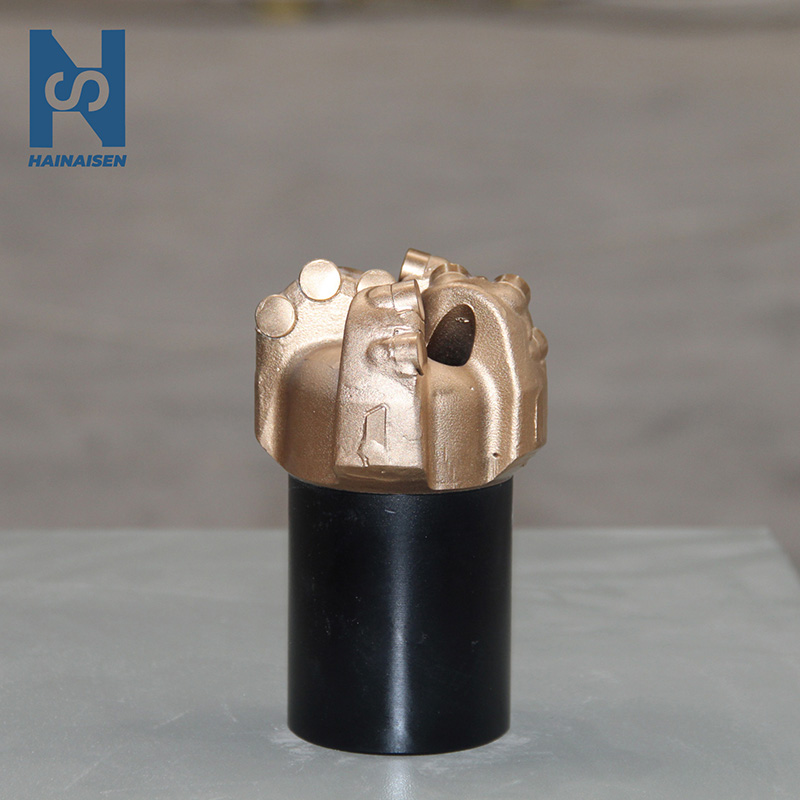 VIEW MORE113mm Four Wing Arc Angle Drill Bit
 VIEW MOREHigh Quality PDC Drill Bits
 VIEW MOREBest Diamond Drill Bits
 VIEW MOREThree Blade Concave Drill Bit Api For Manganese Coal Mines
 VIEW MORE113mm PDC Arc Angle Drill Bit
