







Petroleum PDC Oil Drill Bit Failure Modes & Prevention
Petroleum PDC oil drill bit failures represent a significant operational challenge in drilling operations across oil and gas, mining, and geological exploration sectors. Understanding these failure modes—including cutter wear, thermal damage, bit body fatigue, and cutter detachment—enables procurement managers and technical engineers to make informed decisions that reduce downtime and control costs. Effective prevention strategies combine advanced bit design, proper operational parameters, and rigorous maintenance protocols to extend bit life and maintain optimal drilling performance across various formations.
Understanding Petroleum PDC Oil Drill Bit Failure Modes
Polycrystalline diamond compact bits have revolutionized drilling efficiency, yet they remain vulnerable to specific failure patterns that impact performance. Recognizing these failure modes helps teams diagnose problems early and implement corrective measures before costly downtime occurs.
Cutter Wear and Erosion
Cutter wear manifests as the gradual degradation of the diamond layer bonded to the tungsten carbide substrate. During drilling operations, abrasive formations continuously contact the PDC cutters, causing microscopic material loss. This wear accelerates in highly abrasive strata such as sandstone with quartz content or limestone with silica inclusions. Over time, worn cutters lose their sharp cutting edge, reducing penetration rates and increasing the mechanical load on remaining cutters. The uneven load distribution further accelerates wear on adjacent cutters, creating a cascading failure pattern. Engineers monitoring rate of penetration (ROP) decline often discover that cutter erosion has progressed significantly before visual inspection confirms the damage.
Thermal Damage and Degradation
Thermal stress poses a severe threat to PDC integrity during high-speed drilling operations. When drilling parameters exceed recommended thresholds—particularly rotational speeds above 300 RPM or inadequate fluid circulation—friction generates excessive heat at the cutter-rock interface. Polycrystalline diamond experiences thermal degradation when temperatures exceed 750°C, causing the diamond particles to graphitize and lose hardness. This thermal breakdown weakens the bond between the diamond layer and carbide substrate, often resulting in sudden cutter detachment. Insufficient flow rates below 20 liters per second compromise cooling capacity, allowing heat accumulation that damages not only cutters but also the bonding matrix within the bit body.
Bit Body Fatigue and Structural Failure
The bit body experiences cyclic loading throughout drilling operations, subjecting the steel or matrix material to repeated stress cycles. High-grade steel bodies Manufactured to withstand these forces can still develop fatigue cracks after extended use, particularly when drilling pressure fluctuates beyond the recommended 10-100 KN range. Matrix bodies offer superior wear resistance but prove more brittle under impact loading conditions. Structural failures typically initiate at stress concentration points—blade roots, nozzle ports, or cutter pockets—where material transitions create mechanical discontinuities. These micro-cracks propagate over time, eventually causing catastrophic body fracture that requires immediate bit replacement.
Cutter Detachment and Loss
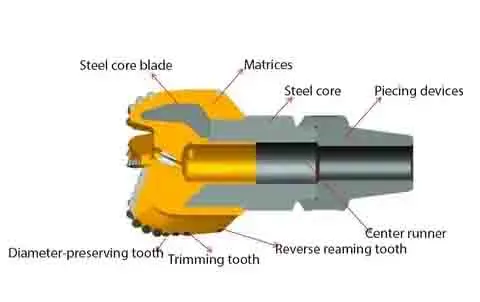
Cutter loss in petroleum PDC oil drill bits represents one of the most problematic failure modes because detached cutters can damage the borehole and remaining bit structure. Detachment occurs when the brazing bond between cutter and bit body fails due to thermal stress, mechanical shock, or manufacturing defects. Impact loading from vibration or sudden formation changes applies shear forces that exceed bond strength, particularly in bits operating beyond design specifications. Once a single cutter detaches, the load redistribution intensifies stress on neighboring cutters, increasing the probability of additional failures. Lost cutters circulating in the drilling fluid can also damage downhole equipment and compromise well integrity.
Key Prevention Principles and Best Practices for Petroleum PDC Drill Bits
Prevention strategies addressing common failure modes significantly extend bit life while maintaining drilling efficiency. These approaches combine intelligent design selection with disciplined operational practices.
Advanced Design Features for Enhanced Durability
Modern PDC Bits incorporate engineering innovations that substantially improve failure resistance. Optimized cutter placement across blade surfaces ensures balanced load distribution, preventing individual cutters from bearing excessive stress. At HNS, we engineer bits with strategically positioned cutters that maintain stability across various formation types—from soft shale and gypsum to medium-hard limestone and sandstone. Advanced blade geometry promotes efficient cutting evacuation, preventing debris accumulation that causes abnormal wear patterns. Hydraulic design incorporating properly sized and positioned nozzles delivers adequate cooling fluid to critical wear zones, maintaining temperatures within safe operating thresholds.
Our manufacturing process employs premium polycrystalline diamond compact cutters bonded to tungsten carbide substrates through precisely controlled high-temperature brazing. This creates a metallurgical bond capable of withstanding the mechanical and thermal stresses encountered in petroleum drilling environments. The high-grade steel bodies produced in our 3,500m² facility using 5-axis machining centers and CNC machine tools provide exceptional structural integrity. These design elements work synergistically to resist the primary failure modes that compromise inferior bits.
Operational Protocols for Extended Bit Life
Proper bit selection matching geological conditions represents the foundation of failure prevention. Technical engineers must analyze formation characteristics—compressive strength, abrasiveness, and hardness variations—to specify appropriate bit designs. Operating parameters require careful control within manufacturer specifications: maintaining rotational speeds between 80 and 300 RPM, applying drilling pressure within 10-100 KN limits, and ensuring flow rates of 20-35 liters per second. Real-time monitoring of drilling parameters allows operators to detect performance anomalies indicating developing problems.
Weight on bit and torque measurements provide early warning signals when cutter wear begins affecting efficiency. Adjusting parameters in response to these indicators prevents accelerated damage. Controlled tripping procedures minimize mechanical shock during bit extraction and insertion, protecting cutters from impact damage. Operators should avoid excessive reaming or rapid parameter changes that subject bits to unanticipated stress conditions.
Maintenance Best Practices and Inspection Protocols
Rigorous inspection after each drilling run identifies emerging problems before they progress to catastrophic failure. Visual examination should document cutter condition, noting wear patterns, chipping, or discoloration indicating thermal exposure. Measuring remaining cutter height across all positions reveals uneven wear patterns suggesting operational or design issues. Cleaning protocols removing formation debris and drilling fluid residue prevent corrosive damage during storage between runs.
Proper storage conditions protecting bits from mechanical impact, temperature extremes, and corrosive environments preserve material properties. Personnel training ensuring drilling crews understand PDC bit characteristics, proper handling techniques, and operational limitations significantly reduces operator-induced failures. At HNS PDC drill bit manufacturers, we provide comprehensive technical support, helping clients develop customized maintenance protocols aligned with their specific operational requirements and geological challenges.
Comparing Petroleum PDC Oil Drill Bits with Other Drill Bit Types in Failure Resistance
Comparative analysis reveals distinct performance advantages and limitations across different bit technologies, helping procurement specialists make cost-effective selections.
PDC Versus Roller Cone Bit Performance
Roller cone bits employ rotating cones with hardened teeth or tungsten carbide inserts that crush rock through compressive forces. These bits demonstrate versatility across extremely hard formations where PDC cutters might suffer thermal damage or catastrophic failure. However, roller cone bits contain numerous moving components—bearings, seals, and rotating elements—that experience mechanical wear and require lubrication systems prone to failure.
Petroleum PDC oil drill bits eliminate these moving parts, creating a simpler, more robust design with fewer failure points. The shearing action of PDC cutters proves more efficient in soft to medium-hard formations, delivering higher penetration rates with reduced energy consumption. PDC bits typically achieve 30-50% faster drilling in appropriate formations compared to roller cone alternatives. The extended life of quality PDC bits in suitable applications substantially reduces trip frequency, cutting operational costs despite potentially higher initial purchase prices.
Durability and Replacement Considerations
Manufacturing quality significantly influences bit durability and total cost of ownership. Premium PDC bits manufactured with superior materials and precise quality control deliver dramatically longer service life than economy alternatives. HNS maintains rigorous inspection protocols throughout production, testing each bit to verify it meets stringent performance standards before delivery. This quality assurance translates to predictable bit life and reduced risk of premature failure.
Replacement frequency calculations should account for both bit purchase costs and operational expenses associated with trips. Frequent replacement of inexpensive, low-quality bits often generates higher total costs than investing in premium bits with extended operational life. Procurement managers serving medium and large oil service companies particularly benefit from this analysis, as their operations demand reliability and minimal downtime over simple price advantages.
Troubleshooting and Repair Strategies for Petroleum PDC Oil Drill Bits
Effective troubleshooting requires systematic evaluation combining performance monitoring with physical inspection to diagnose developing problems.
Early Failure Indicators and Diagnostic Techniques
Performance degradation typically manifests before visual evidence becomes apparent. Declining ROP despite maintaining consistent operating parameters suggests cutter wear reducing cutting efficiency. Increasing torque requirements indicate dull cutters demanding greater rotational force to achieve rock removal. Abnormal vibration patterns signal unbalanced loading from damaged or missing cutters, creating eccentric rotation.
Modern drilling instrumentation provides real-time data enabling early problem detection. Weight on bit and rotational speed correlations reveal whether performance changes reflect cutter condition or formation variations. Mud logging data showing increased fine particles may indicate abnormal bit wear. Physical inspection after tripping reveals visual evidence confirming performance-based diagnoses. Documenting wear patterns, thermal discoloration, cutter damage, and body condition creates valuable records for refining operational practices.
Field Repair Versus Replacement Decisions
Economic analysis determines whether damaged bits warrant repair attempts or complete replacement. Minor cutter chipping without significant height loss may allow continued operation with adjusted parameters. Severe cutter wear, multiple detachments, or thermal damage typically necessitates replacement, as compromised cutters cannot effectively penetrate formations. Bit-body damage, including cracks, erosion, or structural deformation, always requires removal from service due to catastrophic failure risk.
Repair capabilities for PDC bits, from PDC drill bit manufacturers, remain limited compared to roller cone alternatives. Specialized facilities can replace damaged cutters and restore bit bodies, but repair costs often approach new bit prices while delivering uncertain performance. Most operators find replacement more economical and reliable than attempting field repairs. This reality emphasizes prevention's importance—proper operation and maintenance practices preventing damage prove far more cost-effective than addressing failures after they occur.
Conclusion
Petroleum PDC oil drill bit failures stem from identifiable causes, including wear, thermal damage, structural fatigue, and cutter detachment. Prevention strategies combining advanced bit design, controlled operating parameters, and disciplined maintenance significantly extend bit life while maintaining drilling efficiency. Comparative analysis demonstrates PDC advantages in appropriate formations, particularly when procurement emphasizes quality over initial price. Effective troubleshooting identifies problems early, enabling corrective action before catastrophic failures occur. Strategic procurement decisions considering technical specifications, manufacturer capabilities, and total cost of ownership optimize drilling operations while controlling expenses. Understanding these failure modes and prevention principles empowers procurement managers and technical engineers to make informed decisions that reduce downtime, improve safety, and enhance operational profitability across diverse drilling applications.
FAQ
1. What is the typical lifespan of a PDC drill bit under optimal conditions?
Under ideal operating conditions with proper parameter control and suitable formations, quality PDC bits can drill 500-2,000 meters depending on formation abrasiveness and bit design. Soft to medium formations like shale and limestone allow extended life, while highly abrasive sandstone with quartz content reduces operational duration. Maintaining recommended speeds of 80-300 RPM, drilling pressure within 10-100 KN, and adequate cooling flow of 20-35 liters per second maximizes bit longevity.
2. What operational mistakes most frequently cause premature PDC bit failures?
Excessive rotational speeds generating thermal damage, insufficient flow rates compromising cooling capacity, and improper weight on bit causing mechanical overload represent the most common operator errors. Drilling outside recommended parameter ranges accelerates wear and increases failure risk. Inadequate bit selection for formation characteristics and poor handling during tripping operations also contribute significantly to premature failures that could be prevented through proper training and operational discipline.
Contact HNS for Superior Petroleum PDC Oil Drill Bit Solutions
HNS specializes in manufacturing premium polycrystalline diamond compact bits engineered to resist common failure modes through advanced design and superior materials. Our customization services deliver tailored solutions addressing your specific geological challenges and operational requirements. Technical consultation with our experienced engineering team ensures optimal bit selection and operational parameters for your projects. As a trusted petroleum PDC oil drill bit supplier serving oil service companies, mining operations, and water well drilling teams since 2013, we combine competitive pricing with exceptional quality backed by rigorous inspection protocols. Reach out to our team at hainaisen@hnsdrillbit.com to discuss how our drilling solutions can reduce your operational costs while improving efficiency across your drilling operations.
References
1. Clayton, R. & Hareland, G. (2018). PDC Bit Performance and Failure Analysis in Petroleum Drilling Operations. Journal of Petroleum Technology, Vol. 45, Issue 3, pp. 287-304.
2. Mitchell, B.R. & Miska, S.Z. (2019). Advanced Drilling Engineering: Principles and Designs. Society of Petroleum Engineers Textbook Series, Richardson, TX.
3. Warren, T.M. (2020). Polycrystalline Diamond Cutter Technology: Metallurgy, Design and Failure Mechanisms. International Journal of Rock Mechanics and Mining Sciences, Vol. 78, pp. 156-173.
4. Pessier, R.C. & Fear, M.J. (2017). Quantifying Common Drilling Problems with Mechanical Specific Energy and Bit-Specific Coefficient of Sliding Friction. SPE Annual Technical Conference Proceedings, New Orleans, LA.
5. Detournay, E. & Defourny, P. (2021). A Phenomenological Model for the Drilling Action of PDC Bits. International Journal of Rock Mechanics, Vol. 29, Issue 1, pp. 13-23.
6. Abbas, R.K., Kuru, E., & Guyaguler, B. (2019). Real-Time Drilling Monitoring and Optimization Using Downhole Sensors and Data Analytics. Petroleum Science and Engineering Journal, Vol. 183, pp. 442-459.
 VIEW MOREAlloy Scraper Drill Bit For Water Well
 VIEW MORESteel Scraper Drill Bit
 VIEW MORESteel Body PDC Drill Bit
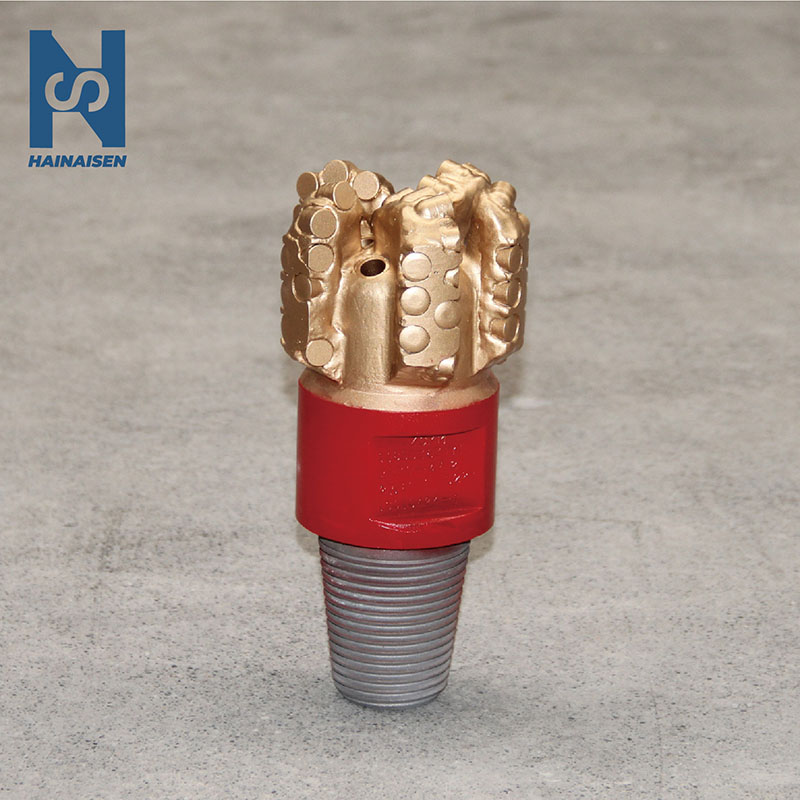 VIEW MOREHigh Performance 5 Cutter PDC Bit
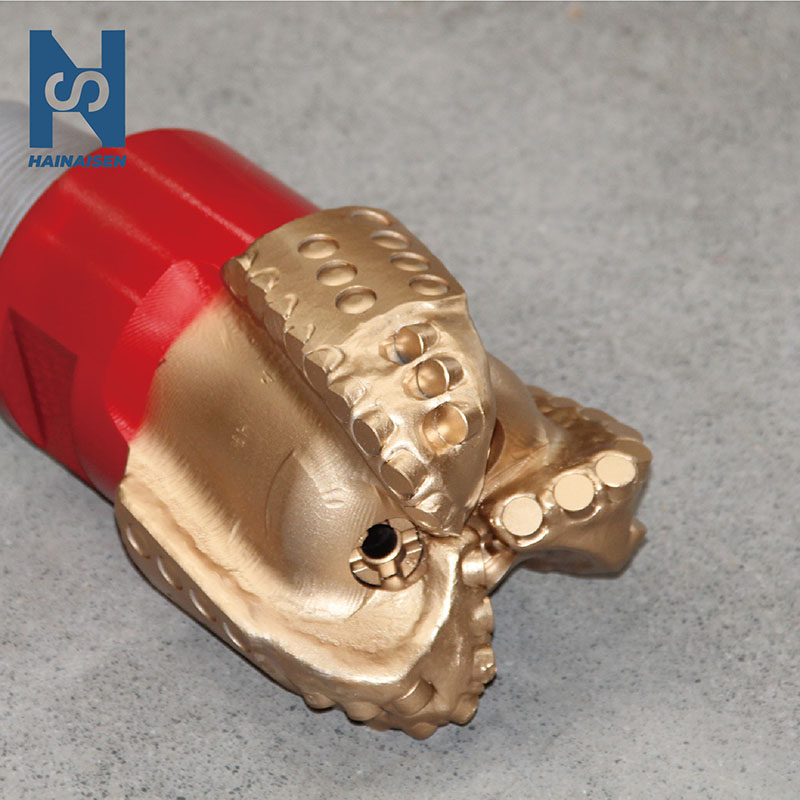 VIEW MOREThree Blade Oil Drill Bit
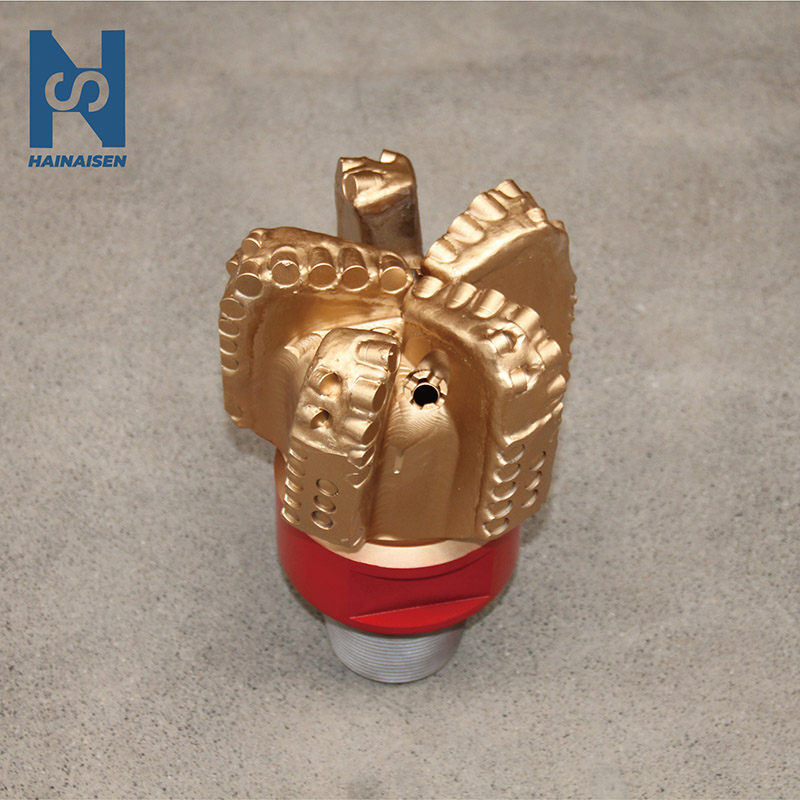 VIEW MOREPDC Rock Drill Bit
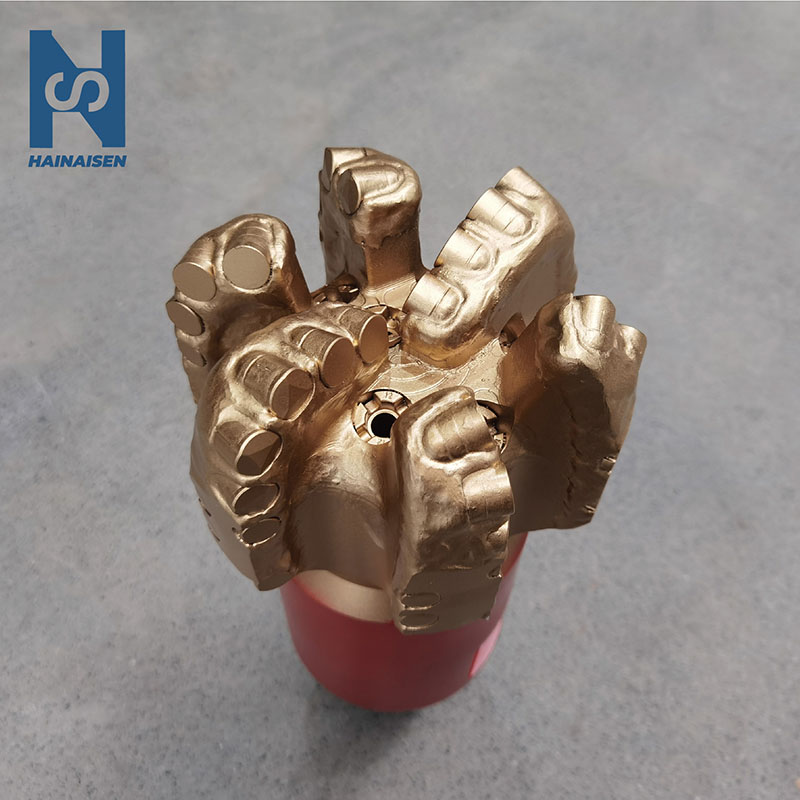 VIEW MORE6 Wings PDC Drill Bit
logo 2_1777360600432.jpg) VIEW MORECoal Mine Drilling Drill Bit Directional Three Blade PDC Drill Bit
VIEW MORECoal Mine Drilling Drill Bit Directional Three Blade PDC Drill Bit
