




How to Choose Diamond Drill Bits For Oil Rigs by Formation
Selecting the right drilling equipment can make or break your operation's profitability. Diamond drill bits for oil rigs stand out as the preferred choice when you're facing challenging geological conditions that demand both precision and endurance. The selection process hinges on matching bit characteristics—particularly the diamond quality, matrix composition, and cutter configuration—with the specific rock formations you'll encounter. Whether you're drilling through soft shale or abrasive sandstone, understanding formation properties helps you avoid costly downtime and maximise your return on investment.
Understanding Diamond Drill Bits and Their Role in Oil Rig Drilling
Diamond-embedded drilling tools have transformed the oil and gas industry by delivering penetration rates that conventional equipment simply cannot match. These specialised bits incorporate either natural or synthetic diamonds into their cutting structures, creating a tool capable of grinding through geological barriers that would quickly destroy traditional steel-toothed alternatives.
Core Components of Diamond Drilling Technology
The effectiveness of these bits comes from their sophisticated construction. Polycrystalline diamond compact (PDC) cutters sit at the heart of most modern designs, featuring diamond layers bonded to tungsten carbide substrates under extreme pressure and temperature. This combination provides the hardness needed to fracture rock while maintaining enough toughness to resist impact damage.
The matrix body surrounds these cutters, typically composed of tungsten carbide powder mixed with metal binders. As drilling progresses, the matrix wears at a controlled rate, continuously exposing fresh diamond surfaces. This self-sharpening characteristic extends operational life significantly compared to bits requiring manual maintenance or replacement.
Advantages in Demanding Drilling Environments
Offshore platforms and deep-well projects place extraordinary demands on drilling equipment. Temperature variations, high pressures, and unpredictable formation changes create conditions where equipment failure costs tens of thousands per hour. diamond bits excel in these scenarios through superior thermal stability and wear resistance.
Their cutting action generates less vibration than roller-cone alternatives, which translates to straighter boreholes and reduced strain on the drill string. The reduced mechanical stress extends the service life of not just the bit itself but the entire drilling assembly. Operators report penetration rate increases of 30-50% in hard formations when switching from conventional bits to properly selected diamond tools.
Key Factors to Consider When Choosing Diamond Drill Bits by Formation
Your formation analysis determines everything about bit selection. A mismatch between bit design and rock characteristics leads to premature failure, slow penetration, or catastrophic damage that halts operations entirely.
Rock Hardness and Abrasiveness Assessment
Soft formations like unconsolidated shale or gypsum require fewer, larger cutters with aggressive rake angles to remove material quickly without bit balling. These designs optimise flow channels that clear cuttings efficiently. Medium-hardness formations, including limestone and sandstone, demand balanced designs with moderate cutter density. The bit must be aggressive enough to maintain penetration rates while providing sufficient wear resistance.
Hard, abrasive formations such as quartzite or dolomite need maximum cutter density with smaller individual elements. The cutting action shifts from scraping to grinding, requiring bits built for extended exposure to harsh conditions. Thermal management becomes critical as friction increases.
Drilling Speed and Depth Requirements
Shallow wells targeting easily accessible reserves permit more economical bit choices, as replacement remains relatively simple. Deep wells and extended-reach horizontal sections demand premium bits engineered for maximum longevity. The cost of tripping a pipe to replace a worn bit in a 15,000-foot well often exceeds the price difference between standard and premium equipment.
Penetration rate targets must align with formation characteristics for diamond drill bits for oil rigs. Pushing soft-formation bits beyond design speeds causes excessive wear and heat buildup. Operating hard-formation bits too slowly prevents proper cutting action and accelerates damage through repetitive impact rather than clean shearing.
Common Wear Patterns and Maintenance Insights
Abrasive wear appears as gradual diamond exposure and matrix erosion, typically uniform across the bit face when drilling parameters remain stable. Impact damage manifests as chipped or fractured cutters, often concentrated on leading edges or in zones experiencing weight concentration. Thermal degradation shows as discolouration, cutter loosening, or matrix softening from inadequate cooling.
Regular inspection protocols catch developing problems before catastrophic failure. Monitoring drilling parameters reveals subtle changes indicating bit condition. Reduced penetration rates, increased torque, or unusual vibration patterns signal the need for bit evaluation. Documentation of wear patterns across different formations builds institutional knowledge that refines future bit selections.
Comparison of Diamond Drill Bits With Other Drill Bit Types for Oil Rigs
Understanding where diamond bits deliver genuine advantages versus situations where alternatives prove more economical guides purchasing decisions that optimise your drilling budget.
Performance Benchmarking Against Alternative Technologies
Carbide-insert bits cost considerably less upfront but wear rapidly in abrasive formations. They suit applications where frequent bit changes pose minimal operational disruption. PDC Bits, technically a diamond technology subset, dominate modern drilling operations. They offer excellent performance across medium-hardness formations while maintaining reasonable costs.
Impregnated diamond bits, featuring diamond particles distributed throughout a metal matrix, excel in extremely hard, abrasive rock. They wear slowly and predictably but advance at lower rates than PDC alternatives. This trade-off favours situations where bit longevity outweighs penetration speed.
Return on Investment Analysis
A premium diamond bit might cost three times more than a basic alternative, but delivering twice the footage transforms the economics dramatically. Calculating cost per foot drilled provides clear comparison metrics. A $15,000 bit drilling 3,000 feet costs $5 per foot, while a $6,000 bit lasting only 800 feet reaches $7.50 per foot.
Beyond direct bit costs, consider tripping time savings. Each avoided trip saves 8-24 hours, depending on well depth, translating to $40,000-$120,000 in rig time alone. When bit selection eliminates even one trip per well, the premium pays for itself many times over.
Application-Specific Case Studies
An offshore operator drilling through interbedded shale and limestone reduced well completion time by 18% after switching to custom PDC bits designed for transitional formations. The bits maintained cutting efficiency through formation changes that previously required bit switches, eliminating two trips per well.
A coal bed methane project targeting deep reserves encountered harder-than-expected caprock. Standard oil drill bits failed within 200 feet. Switching to thermally stable diamond bits extended run lengths to 1,200 feet, reducing project duration by three weeks and saving over $400,000 in operational costs.
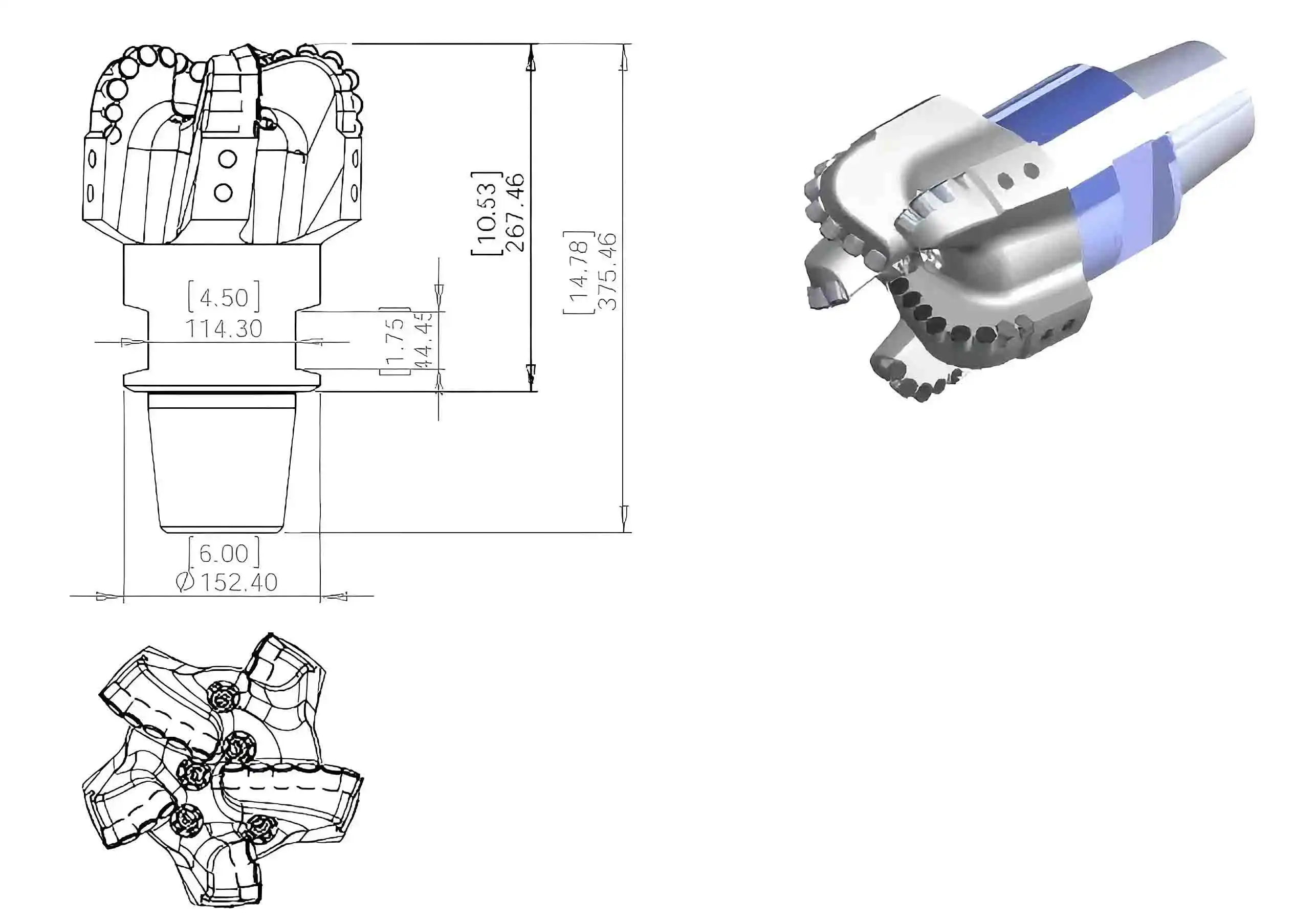
Procurement Considerations for Diamond Drill Bits in B2B Oil Rig Markets
Building relationships with reliable suppliers who understand your operational challenges creates competitive advantages that extend well beyond equipment pricing.
Supplier Evaluation and Certification Requirements
Established Manufacturers with documented quality systems provide consistency critical for planning drilling programmes. Certifications, including ISO 9001, demonstrate commitment to process control. Suppliers maintaining in-house testing facilities can validate bit performance claims and troubleshoot problems more effectively than distributors lacking technical depth.
Request references from operations similar to yours. Verify the supplier's experience with your specific formation types and drilling conditions. Companies serving major oil service providers typically maintain higher standards due to stringent qualification requirements.
Pricing Structures and Supply Chain Optimisation
Volume commitments often unlock significant discounts, but tying up capital in excess inventory creates other problems. Consignment arrangements, where suppliers maintain stock at your facilities, balance availability with cash flow concerns. Blanket purchase orders with scheduled deliveries align inventory levels with drilling programmes.
Lead times for custom bits range from 4 to 8 weeks, depending on the manufacturer's capacity. Planning the bit procurement in parallel with drilling schedule development prevents delays. Emergency rush orders carry premium charges that eliminate any negotiated savings.
After-Sales Support and Technical Consultation
Suppliers providing on-site technical support during initial bit runs help optimise drilling parameters and troubleshoot unexpected problems. This service proves invaluable when introducing new bit designs or tackling unfamiliar formations. Detailed post-run analysis of worn bits reveals improvement opportunities and validates bit selection decisions.
Manufacturers investing in research and development continuously improve designs based on field performance. Partnering with innovative suppliers provides early access to advanced technologies that enhance your competitive position.
Best Practices & Maintenance Tips for Maximising Diamond Drill Bit Efficiency
Proper operational practices extend the bit life significantly while maximising the return on your equipment investment.
Operational Best Practices for Extended Bit Life
Crew training focusing on proper bit break-in procedures prevents premature failure. New bits require gradual loading, starting at 60-70% of the target weight on the bit and increasing incrementally as diamond cutters wear into full engagement. Rushing this process concentrates loads on fewer cutters, causing damage that compromises long-term performance.
Maintaining optimal flow rates and fluid properties keeps bits cool and clears cuttings efficiently. Inadequate flow allows cuttings to recirculate under the bit, creating grinding conditions that accelerate wear. Excessive flow erodes the bit face and washes out junk slots. Monitoring standpipe pressure and making real-time adjustments optimise conditions continuously.
Real-Time Monitoring and Damage Detection
Modern telemetry systems transmit downhole data revealing bit condition. Sudden torque spikes indicate cutter damage or bit balling. A gradual penetration rate decline with stable weight suggests normal wear progression, while rapid drops signal problems requiring investigation. Vibration analysis identifies destructive dynamics before they cause catastrophic failure.
Establishing baseline performance metrics for each formation type creates reference standards for oil drill bit performance. Deviations from expected patterns trigger closer examination. This proactive approach catches developing issues while options remain available beyond simply pulling the bit.
Formation-Specific Troubleshooting Protocols
Sticky shale formations cause bit balling that stops penetration entirely. Reducing weight a bit while increasing rotary speed often clears accumulated material. Adjusting fluid properties with additional lubricity or modified salinity prevents recurrence. Persistent problems may require switching to bit designs featuring larger junk slots or more aggressive hydraulics.
Hard, fractured rock creates erratic drilling with sudden weight drops and torque fluctuations. Reducing weight and increasing speed smooths operation while maintaining reasonable penetration. Bits experiencing repeated impact damage in these conditions benefit from switching to more robust cutter configurations with enhanced impact resistance.
Why Choose HNS Diamond Drill Bits for Your Next Project?
Shaanxi Hainaisen Petroleum Technology Co., Ltd. (HNS) has built a reputation since 2013 for delivering drilling solutions that perform under the most demanding conditions. Our 3,500-square-metre facility houses advanced 5-axis machining centres and CNC equipment that ensure precision manufacturing for every bit, leaving our production lines.
Our diamond bits demonstrate superior wear resistance and thermal stability through careful material selection and proprietary matrix formulations. We engineer each design for maximum drilling efficiency, optimising cutter placement, hydraulic flow patterns, and mechanical strength. Operating parameters span speeds of 80-300 RPM with drilling pressures from 10 to 100 kN, providing versatility across medium-hardness formations, including shale, limestone, sandstone, and gypsum.
Customisation services address unique geological challenges that standard catalogue products cannot handle effectively. Our experienced engineering team collaborates with clients to develop specialised designs matching specific operational parameters and formation characteristics. This personalised approach ensures optimal performance while maintaining cost-effectiveness.
Applications span the full spectrum of drilling operations from oil and gas exploration to geothermal projects, deep-water offshore drilling, and coal-bed methane extraction. Our bits handle horizontal and directional drilling demands while maintaining the precision required for challenging geological formations.
Quality assurance protocols test every bit rigorously before shipment. We leverage extensive research and development to incorporate cutting-edge technologies while maintaining competitive pricing that respects your project budgets. High-quality synthetic diamonds paired with tungsten carbide matrix materials and advanced binders create tools engineered for the demanding conditions you face daily.
Conclusion
Choosing diamond drill bits aligned with your specific formation characteristics transforms operational efficiency and profitability. Rock hardness, abrasiveness, and drilling depth requirements guide selection decisions that balance upfront investment against long-term performance. Understanding the distinctions between PDC, impregnated, and specialised diamond technologies helps match tools to applications where they deliver maximum value. Supplier partnerships emphasising technical support, reliable delivery, and continuous innovation create competitive advantages extending beyond simple equipment transactions. Implementing proper operational procedures and maintenance protocols protects your investment while maximising bit life and penetration rates.
FAQ
1. How do I determine which diamond bit suits my specific formation?
Formation assessment focuses on rock hardness, abrasiveness, and drilling objectives. Soft formations under 5,000 PSI compressive strength perform well with aggressive PDC bits featuring larger cutters. Medium formations from 5,000-15,000 PSI suit balanced PDC designs with moderate cutter density. Hard formations exceeding 15,000 PSI often require impregnated diamond bits or thermally stable PDC variants. Consulting with experienced suppliers who understand your geological conditions provides guidance matching bit characteristics to formation challenges.
2. What advantages do diamond bits provide compared to carbide alternatives?
Diamond bits deliver 3-10 times longer operational life in abrasive formations compared to carbide inserts. They maintain sharper cutting edges through self-sharpening matrix wear, sustaining higher penetration rates throughout their service life. Reduced vibration improves borehole quality and extends drill string longevity. The cost premium typically pays for itself through eliminated trips and faster drilling progress, particularly in deep wells where trip time carries significant expense.
3. What realistic lead times should I expect for bulk diamond bit orders?
Standard catalogue bits ship within 1-2 weeks from established manufacturers, maintaining a ready inventory. Custom-designed bits require 4-6 weeks for engineering, manufacturing, and quality testing. Large volume orders may extend timelines to 6-8 weeks, depending on production capacity. Planning procurement parallel with drilling schedule development prevents delays while allowing time for proper technical consultation.
Partner With HNS for Superior Diamond Drill Bit Solutions
Optimising your drilling operations requires more than just purchasing equipment—it demands partnership with a diamond drill bits for oil rigs supplier committed to your success. HNS combines advanced manufacturing capabilities with responsive technical support that addresses your specific operational challenges. Our custom bit design services leverage decades of collective experience to develop solutions that traditional catalogue products cannot match.
Contact our team at hainaisen@hnsdrillbit.com to discuss your upcoming projects and discover how our engineered drilling solutions can reduce your cost per foot while accelerating well completion schedules.
References
1. Baker, R. (2019). Advanced Drilling Engineering: Principles and Practices. Houston: Petroleum Engineering Press.
2. Mitchell, B., & Miska, S. (2021). Fundamentals of Drilling Engineering. Richardson: Society of Petroleum Engineers.
3. Warren, T. (2018). "PDC Bit Technology Evolution and Performance Optimization," Journal of Petroleum Technology, 70(4), 45-58.
4. Drilling Engineering Association (2020). Best Practices for Diamond Drill Bit Selection and Operation. Aberdeen: DEA Publications.
5. Chen, D., & Feng, Y. (2022). "Formation-Specific Drill Bit Selection Methodology for Optimized Well Construction," SPE Drilling & Completion, 37(2), 112-128.
6. International Association of Drilling Contractors (2021). Diamond Drill Bit Procurement Guidelines for Oil and Gas Operations. Houston: IADC Technical Publications.
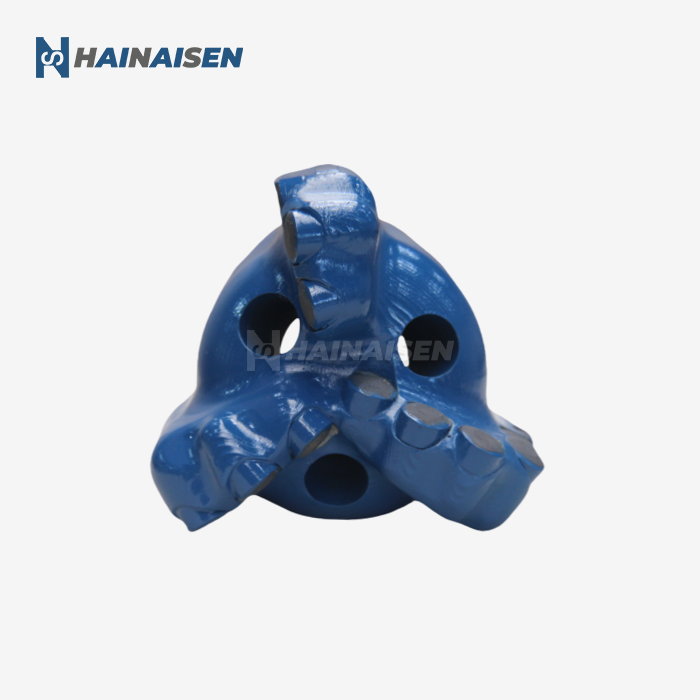 VIEW MORE113mm Three Wing Arc Angle Drill Bit
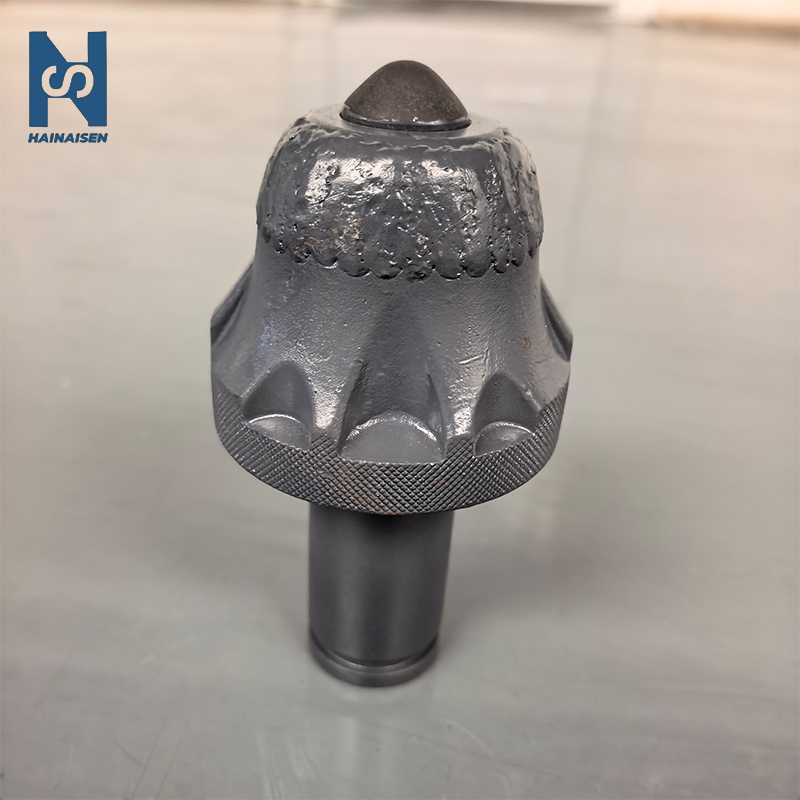 VIEW MOREDiamond Coal Mine Picks
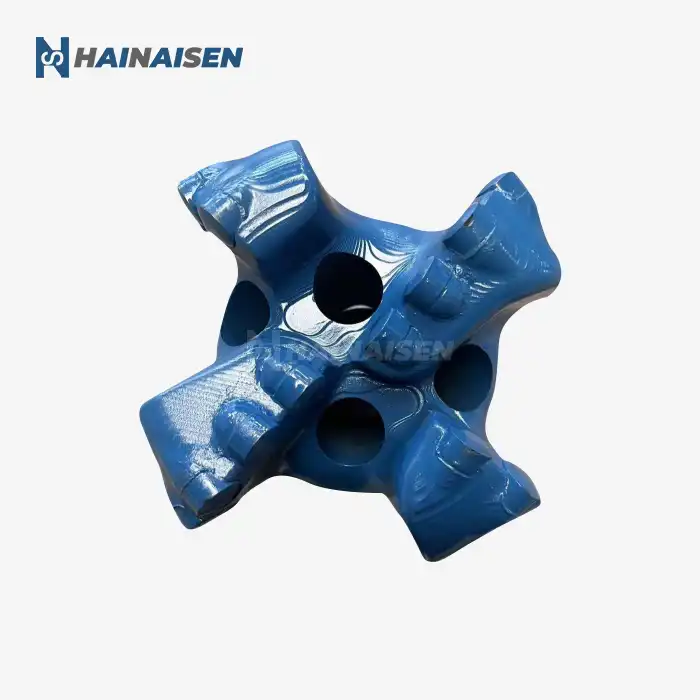 VIEW MORESteel Body PDC Bit 4 Blades
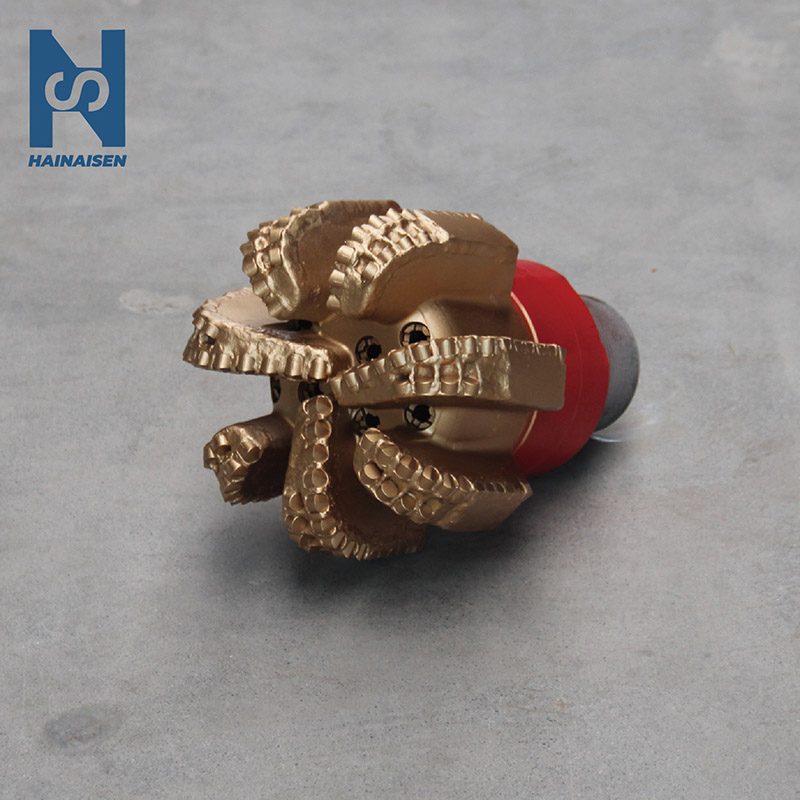 VIEW MORESeven Blade Wing Oil Drilling Drill Bit
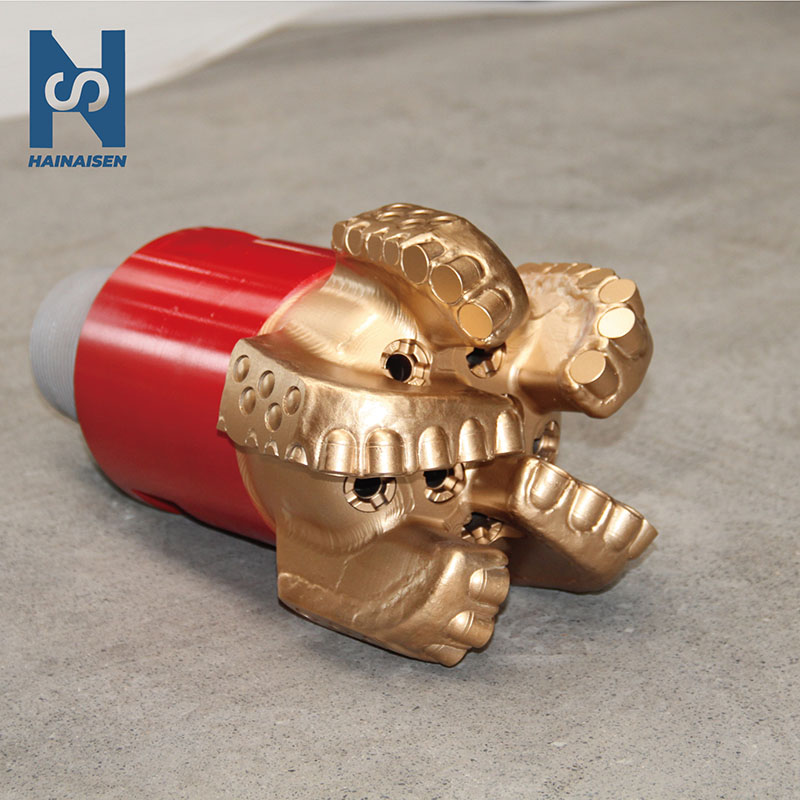 VIEW MOREDiamond Oil Drill Bit
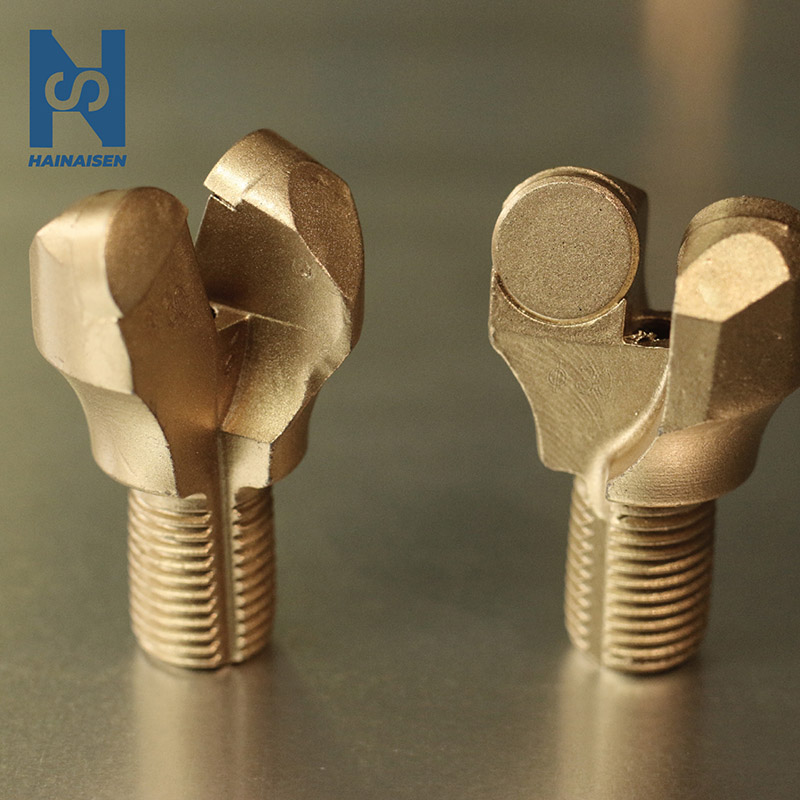 VIEW MORE30mm Half Blade Anchor Bit For Mine Coal Fields
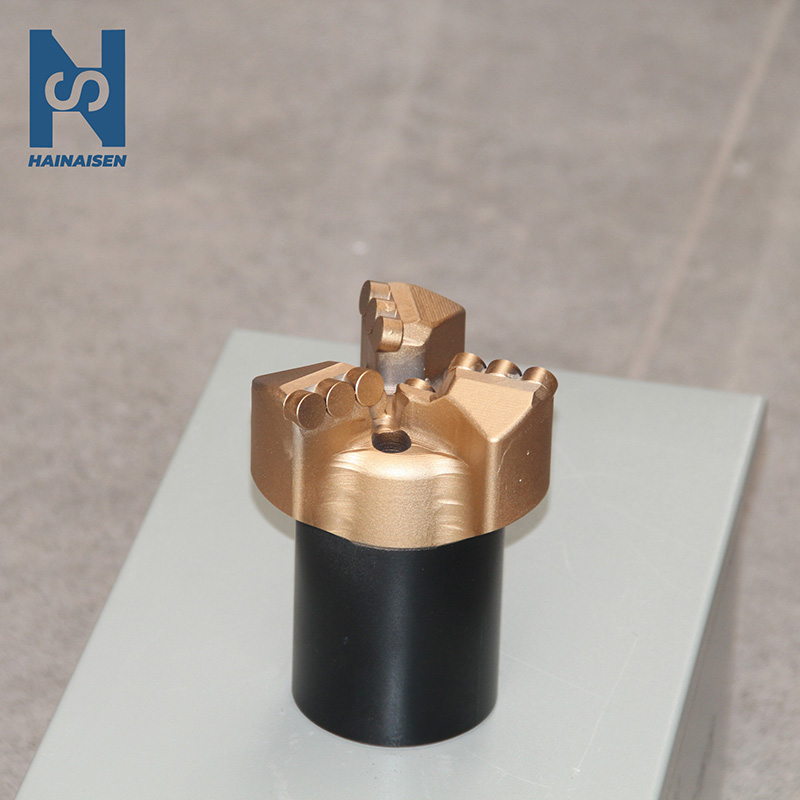 VIEW MOREThree Blades Steel Body PDC Bit
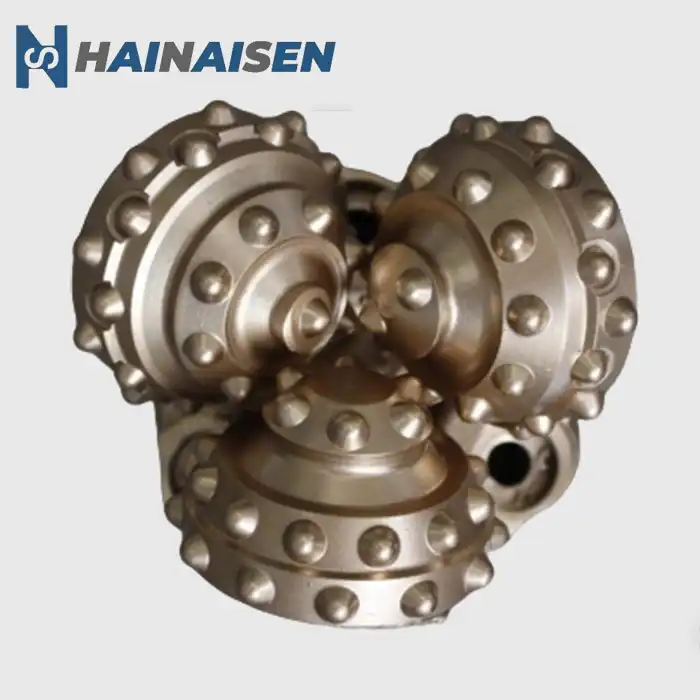 VIEW MORE4 1/2" IADC 537 Tricone Rock Bit