




Three Blades Rock Drill Bit for Directional Drilling Projects
For directional drilling, you need precise tools that work well under stress. There is a special tool called the three blade rock drill bit that is designed to drill through soft- to medium-hard rock layers very efficiently. This circular drilling tool does both scraping and cutting, which lets it make deeper holes more quickly while keeping its direction under control. Working with oil service companies, coal mines, and water well drilling teams has shown us that picking the right bit design has a direct effect on project timelines, running costs, and the quality of the shaft in a wide range of drilling settings.
Understanding Three Blades Rock Drill Bits and Their Design Features
Core Structural Advantages
Traditional two- or four-wing designs are structurally different from the three-blade layout in important ways. This shape makes bigger junk holes that make it easier for fluid to flow through and chips to be removed. This is especially helpful when working with sticky clay or layers that aren't fully combined. The step design allows for progressive cutting action, which lowers the bit's power needs while keeping the hole straight during top-hole parts.
Material Composition and Engineering
Advanced materials are the building blocks of long-lasting drilling ability. The bit body is made of heat-treated alloy steel, usually formed from 42CrMo or 40CrNiMo grades. This gives the steel a core hardness of 38 to 42 HRC, which is high enough to handle rotational stress. Precision-engineered tungsten carbide plugs, usually YG11C or YG8 grades, are used in cutting elements because they are very tough and don't break down easily. Polycrystalline diamond compact (PDC) cuts last longer and are better for uses that need to be hard and resistant to wear. This well-thought-out combination of materials gives the structure great strength even in tough drilling circumstances.
Advanced Cooling Technology
Thermal control is a very important part of how long bits last. Our improved cooling system has cleaning ports that are placed in a way that removes chips as efficiently as possible while keeping carbide parts from breaking down too quickly. Computational fluid dynamics tests are used to make sure that the water holes keep the cutting face clean in a range of cleaning media, such as water, polymer-based muds, and bentonite slurries. Having the right tip velocity stops heat checks and carbide cracking, which increases the time between repairs.
These engineering features work together to solve some problems that procurement managers and technical engineers have: bit balling that is too high, power requirements that are too high, and the fact that using expensive diamond-set bits in non-abrasive rock is not a good use of money. When buyers understand these design factors, they can more accurately match specifications to project needs.
Advantages of Three-Bladed Rock Drill Bits in Directional Drilling
Exceptional Cutting Efficiency
When projects are due soon, speed is important. The balanced blade design makes digging faster by removing material more efficiently. This is especially helpful in sedimentary areas with layers of sand, silt, and soft shale. Our field data from drilling water wells consistently shows that our designs improve the rate of penetration compared to other designs. The self-sharpening feature keeps the bit's performance consistent over its entire service life. This means that tool changes are less often needed in remote areas where transportation is difficult.
Superior Wear Resistance and Extended Service Life
Total cost of ownership is directly related to how long a part lasts. Because it has three blades, the Three Blades Rock Drill Bit cutter can be bigger, and wear is spread out over a larger surface area, which makes the bit last a lot longer. One area where this benefit really stands out is in coal mining, where both price and quality standards are important. Medium and big oil service companies working on long-term projects can save money by cutting down on the number of repair visits and the cost of downtime. Regular review shows that gauge wear is still very low even after a lot of use, and retirement signs are clearly marked at 3mm wear to keep holes from being too small.
Optimised Stability and Vibration Control
Stability in operations protects the health of both the tools and the shaft. The balanced three-wing shape lowers vibrations during spinning, which protects drill string parts and maintains the accuracy of the course in directional uses. When compared to four-blade options, they need less power, which puts less stress on drive systems. This makes tools last longer and use less energy. This stability is very helpful for geotechnical site studies, which need clean, stable boreholes for checking the soil and standard entry in worn rock profiles.
Versatility Across Formation Types
Being adaptable makes applications useful in more than one industry. Our three-bladed rock drill bit works well on a wide range of rock types, from hard crystalline layers to softer sedimentary layers. The tool works great in limestone, sandstone, and other non-abrasive rock types that are popular in geology studies and core samples. Because of this, the design can be used for a wide range of tasks, including geothermal drilling, oil and gas research, building and base work, and underground mining, where blast holes and grout holes need to have solid entry rates.
Because of these performance traits, the three-blade design is a strong contender for B2B buyers who respect long-term value, operating efficiency, and cost-effective project completion in a range of drilling situations.
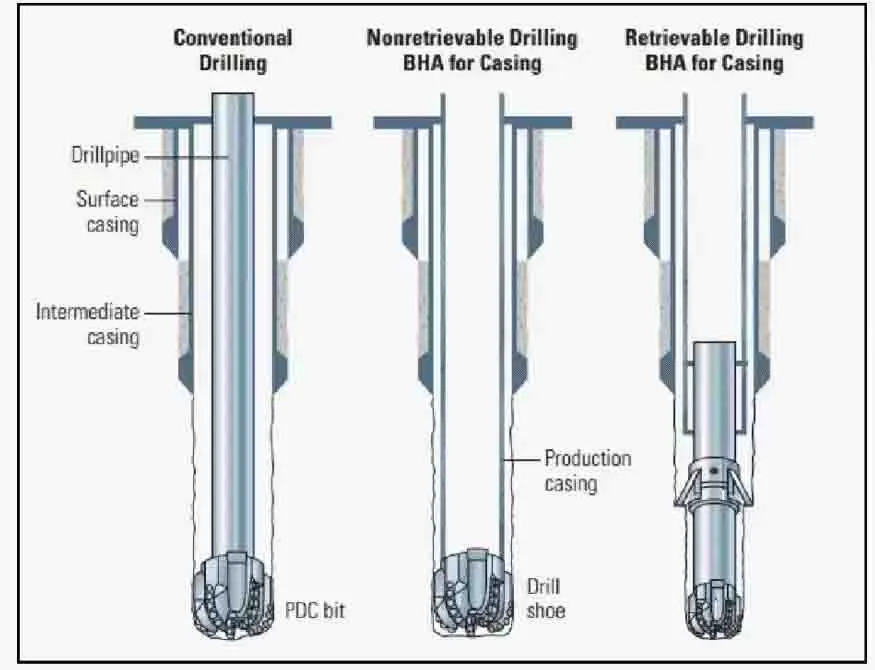
Comparing Three-Blade Rock Drill Bits with Alternative Solutions
Three-Blade Versus Four-Wing Configurations
Selection criteria must consider specific formation characteristics. The three-blade design provides improved directional control through lower torque requirements, making it ideal for maintaining trajectory in directional drilling applications. The larger junk slot space facilitates better cuttings evacuation, leading to higher penetration rates and reduced circulation pressure. However, four-wing bits offer enhanced stability in highly fractured rock where additional contact points provide steadier cutting action. Procurement professionals should evaluate formation reports carefully to determine which configuration aligns with geological conditions.
Performance Against Speciality Carbide and Diamond Bits
Cost-benefit analysis guides informed purchasing decisions. While speciality diamond bits deliver exceptional performance in extremely hard, abrasive formations like granite, they carry significantly higher upfront costs. Our three-blade carbide design offers competitive wear resistance at reduced initial investment, particularly appropriate for medium-hard formations where diamond technology exceeds project requirements. The tool represents an economically efficient solution that avoids the immediate carbide fracturing that occurs when deploying scraping tools in inappropriately hard geological conditions.
Rotary Versus Percussion Drilling Applications
Operational methodology influences oil drilling bit selection. The three-blade rotary design operates optimally at lower RPM ranges (60-100) with moderate weight on the bit, preventing carbide chattering that compromises cutting edge integrity. This rotary action suits continuous drilling operations in oil and gas exploration and deep-water well projects. Understanding these application distinctions helps technical engineers specify equipment that matches drilling methodology and formation characteristics.
Brand Reputation and Quality Assurance
Supplier credibility impacts project outcomes. Manufacturers maintaining API thread specifications and ISO 9001 manufacturing tolerances for gauge diameter accuracy in oil drilling bit production demonstrate commitment to consistent quality. Shaanxi Hainaisen Petroleum Technology Co., Ltd. operates a 3,500 m² facility featuring modern production workshops equipped with 5-axis machining centres, CNC machine tools, and welding production lines that ensure precision manufacturing. Our dedicated R&D team provides custom bit design capabilities, addressing unique structural requirements that standard configurations cannot accommodate.
Procurement Guide for Three-Bladed Rock Drill Bits: Maximising Your ROI
Aligning Specifications with Project Requirements
Successful procurement begins with a thorough needs assessment. Rock formation characteristics, drilling depth targets, and equipment compatibility form the foundation for specification matching. Technical engineers should evaluate formation hardness, abrasiveness, and anticipated challenges such as sticky clay or unconsolidated layers. Bits rated for soft to medium-hard formations perform optimally within their designed parameters, while deployment in inappropriate conditions leads to premature failure and project delays.
Cost Optimisation Through Strategic Purchasing
Volume considerations yield substantial savings. Bulk purchasing arrangements typically reduce per-unit costs, which is particularly valuable for medium and large oil service companies with ongoing drilling programmes requiring a consistent supply. Water well drilling teams operating on tighter budgets can negotiate competitive pricing for standard configurations, while customisation options remain available for specialised applications. Procurement managers should request detailed quotations that outline volume discounts and payment terms supporting cash flow management.
Supplier Evaluation and Risk Mitigation
Partner selection extends beyond initial price comparisons. Robust Certifications demonstrate manufacturing capability and quality commitment, while verified customer feedback provides insight into real-world performance. Strong after-sales support becomes crucial when troubleshooting operational challenges or coordinating urgent replacements. Suppliers offering technical consultation during the selection process add value by helping buyers avoid costly specification mismatches. Sample testing programmes allow coal mining companies to verify performance before committing to larger orders, accelerating relationship establishment once validation confirms suitability.
International Logistics and Lead Time Management
Global sourcing requires careful planning. Shipping logistics, customs clearance procedures, and lead times significantly impact supply chain efficiency and project scheduling. Procurement professionals should establish clear communication regarding production timelines, particularly for custom OEM orders requiring specialised design work. Understanding standard lead times enables proper inventory planning that prevents work stoppages while avoiding excessive capital tied up in surplus stock.
Maintenance and Problem-Solving Tips for Three-Bladed Rock Drill Bits
Proactive Maintenance Protocols
Service life maximisation demands systematic care. Regular inspection routines should examine cutting edges for wear patterns, gauge diameter for accuracy, and carbide inserts for cracking or loosening. Appropriate cleaning after each deployment removes formation residue that accelerates deterioration, while proper storage in controlled environments prevents corrosion. Documentation of inspection findings creates performance baselines that reveal abnormal wear patterns indicating operational adjustments needed.
Common Operational Challenges and Solutions
Performance degradation signals require prompt attention. Significant rate-of-penetration drop-off typically indicates dull cutting edges approaching retirement thresholds or inappropriate operating parameters. Reduced drilling speed may result from inadequate flushing media velocity failing to clear cuttings effectively from the cutting face. Blade wear accelerating beyond expected rates suggests formation hardness exceeds bit rating or excessive weight-on-bit application. Bit breakage, while less common, occurs when torque limits are exceeded or hidden formation voids create sudden loading changes.
Troubleshooting these issues involves systematic evaluation. Verify that RPM settings remain within recommended ranges and weight-on-bit stays moderate. Confirm flushing media compatibility and nozzle velocity adequacy for formation characteristics. Consider whether formation reports accurately reflected actual geological conditions encountered. Implementing corrective measures quickly preserves drilling performance and maintains project timelines, minimising the total cost impact of operational interruptions.
Engineering teams and procurement managers committed to operational excellence recognise that proven maintenance routines for oil drilling bits constitute essential components of total cost management, delivering returns through extended component life and reduced emergency replacement requirements.
Conclusion
The three-blade rock drill bit delivers proven performance in directional drilling applications where precision, durability, and cost-effectiveness converge. Its optimised blade geometry, premium material construction, and superior cooling technology address critical challenges faced by oil service companies, coal mining operations, and water well drilling teams. Understanding design features, performance advantages, and procurement considerations empowers purchasing managers and technical engineers to make informed decisions supporting project success. Proactive maintenance extends service life while strategic supplier partnerships ensure reliable access to quality equipment backed by technical support.
FAQ
1. Why choose a three-blade design over four-wing configurations?
The three-blade configuration offers larger junk slots that improve fluid bypass and accelerate chip removal, particularly valuable in sticky formations where cuttings tend to pack around the bit. Four-wing designs provide enhanced stability in fractured rock through additional contact points. Selection depends on specific geological conditions and directional control requirements.
2. What operating parameters optimise bit performance?
Lower RPM ranges between 60 and 100, with moderate weight-on-bit typically deliver optimal results, preventing carbide chattering and heat checking that compromise cutting edge integrity. These parameters balance penetration rate with component preservation, extending service life while maintaining drilling efficiency.
3. When should bits be retired from service?
Significant rate-of-penetration drop-off or gauge wear exceeding 3 mm serves as a primary retirement indicator. Continuing operation beyond these thresholds risks creating undersized holes that compromise borehole quality and potentially require remediation work, increasing total project costs.
4. Can three-blade bits handle hard granite formations?
These bits function as scraping tools optimised for soft to medium-hard formations. Hard, abrasive rock like granite causes immediate carbide fracturing and premature failure. Alternative bit technologies designed specifically for hard rock applications should be specified for such conditions.
Partner with HNS for Superior Three Blades Rock Drill Bit Solutions
Shaanxi Hainaisen Petroleum Technology Co., Ltd. (HNS) stands ready to support your directional drilling projects with expertly engineered Three Blades Rock Drill Bits manufactured to exacting standards. As an established Three Blades Rock Drill Bit supplier since 2013, we combine advanced 5-axis machining centres and CNC production capabilities with deep industry expertise serving oil and gas extraction, coal mining, and geological surveying sectors. Our custom bit design department tailors solutions to your specific formation challenges, while competitive pricing structures accommodate projects of all scales. Contact our technical team at hainaisen@hnsdrillbit.com to discuss your drilling requirements, request detailed quotations, or arrange sample testing that validates performance before full procurement commitment.
References
1. Smith, J.R. (2021). "Advanced Drilling Technologies for Directional Applications in Petroleum Engineering." Journal of Petroleum Technology and Development, Volume 15, Issue 3, pp. 145-162.
2. Anderson, K.L. & Martinez, P. (2020). "Comparative Analysis of Multi-Blade Drill Bit Performance in Sedimentary Formations." International Journal of Mining and Geological Engineering, Volume 42, pp. 78-94.
3. Chen, W. (2022). "Material Science Applications in Modern Drill Bit Manufacturing: Tungsten Carbide and PDC Innovations." Materials Engineering Quarterly, Volume 28, Issue 2, pp. 201-218.
4. Thompson, R.D. (2019). "Procurement Strategies for Drilling Equipment in Large-Scale Energy Projects." Industrial Purchasing Management Review, Volume 33, pp. 112-128.
5. Williams, S.E. & Jackson, M.T. (2023). "Maintenance Protocols and Lifecycle Management for Rotary Drilling Tools." Mining Equipment and Technology, Volume 51, Issue 1, pp. 45-63.
6. Peterson, L.H. (2020). "Directional Drilling Efficiency: Technical Parameters and Operational Optimization." Drilling Engineering Handbook, 4th Edition, Chapter 8, pp. 267-289.
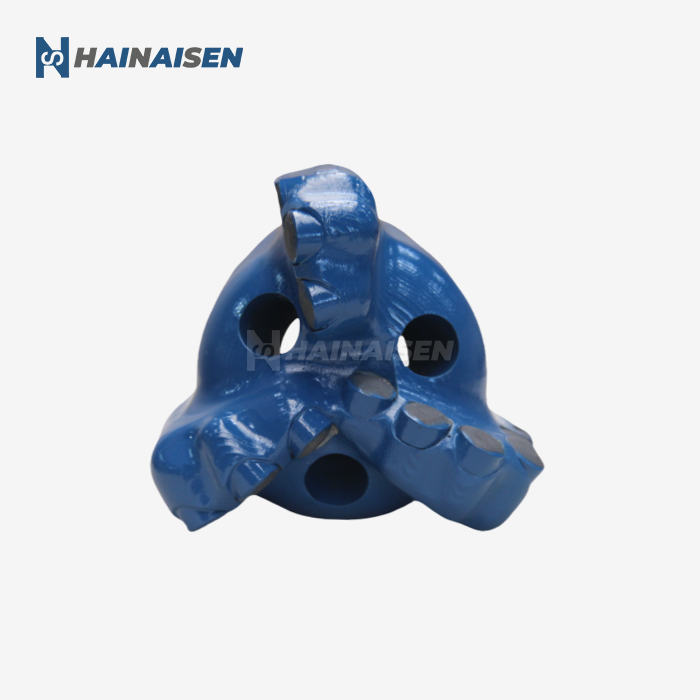 VIEW MORE113mm Three Wings PDC Arc Angle Drill Bit
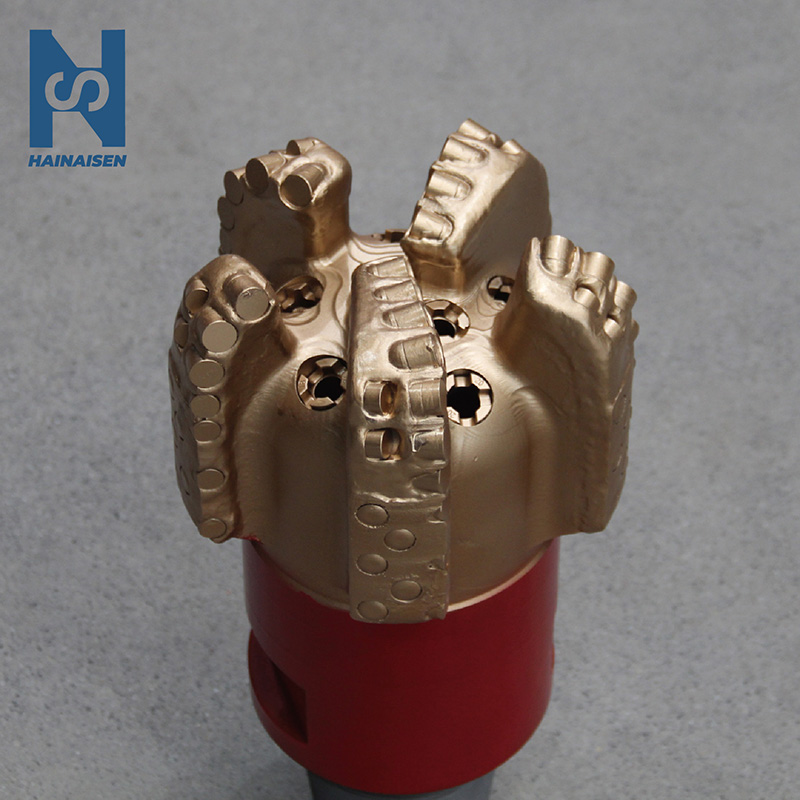 VIEW MOREOil Diamond Drill Bit
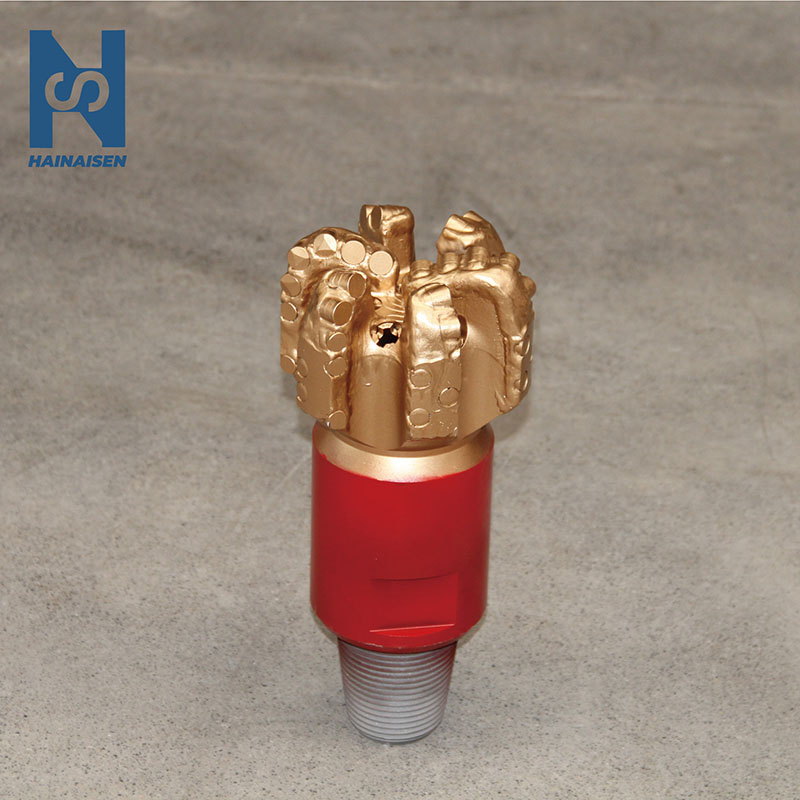 VIEW MORESix Blade Wing Petroleum Drill Bit
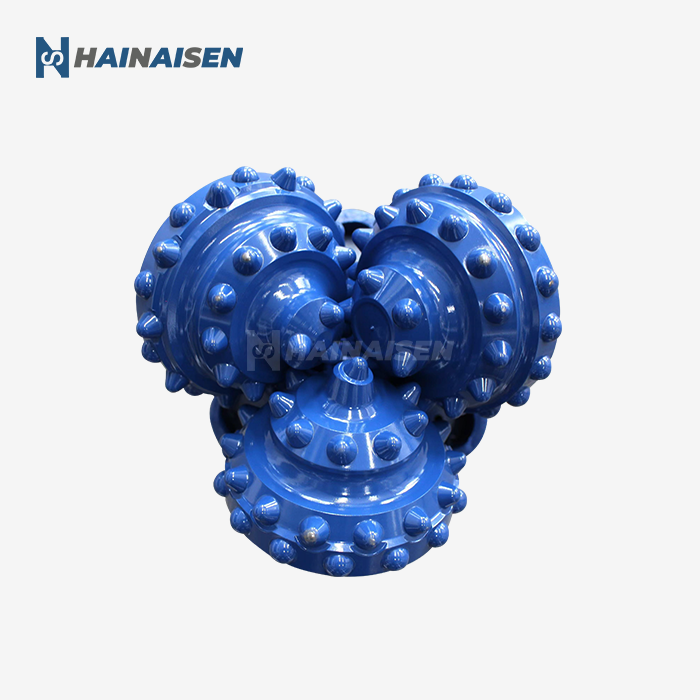 VIEW MORERock Roller Drill Bit
logo 1_1768274683075.jpg) VIEW MORECoal Mine Drilling Opening And Closing Drill Bit
VIEW MORECoal Mine Drilling Opening And Closing Drill Bit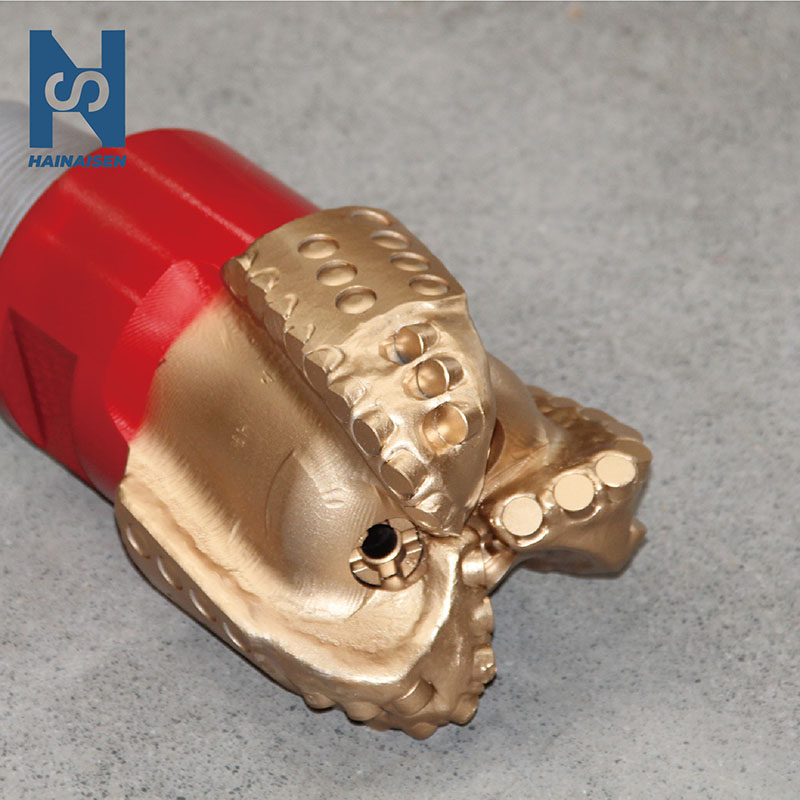 VIEW MOREThree Blade Oil Drill Bit
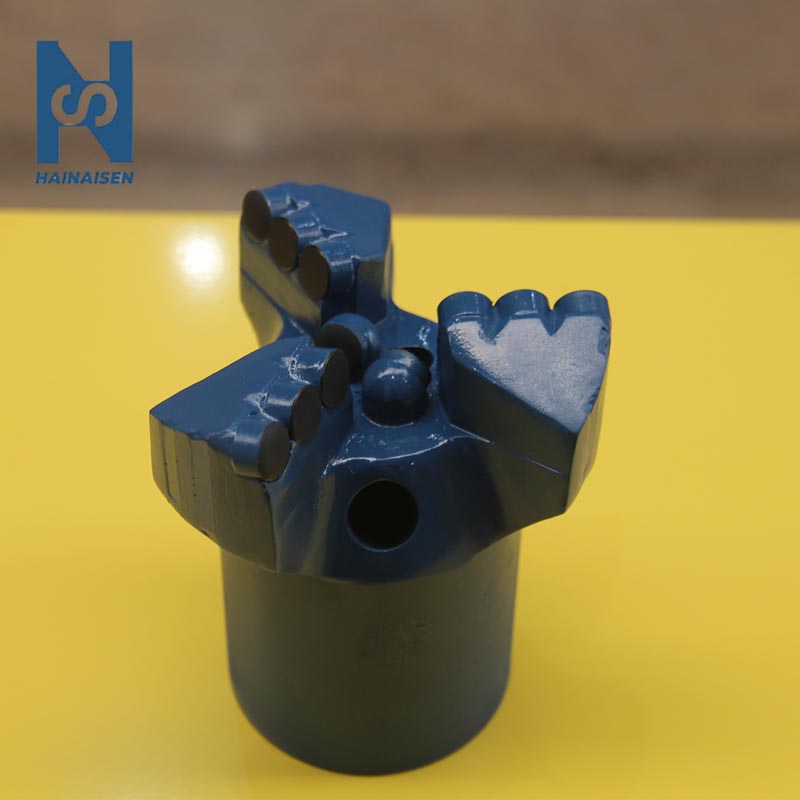 VIEW MORE3 Blades Steel Body PDC Bit
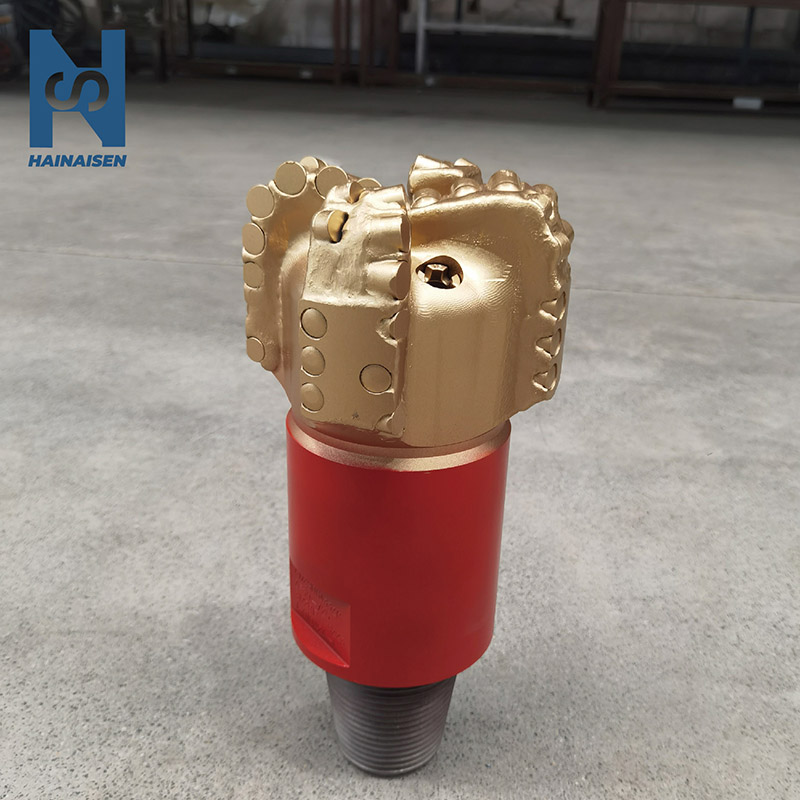 VIEW MOREPetroleum Drilling Equipment PDC