







How Does a Four Blade Wing Petroleum Drill Bit Cut Rock?
There are three main ways that a four-blade wing petroleum drill bit cuts rock: cutting, slicing, and breaking it. It has four blades that are placed carefully and have polycrystalline diamond compact (PDC) cutters or tungsten carbide inserts that keep cutting into the rock as the bit turns. The even spread of the blades makes steady, uniform cutting forces that easily cut through soft to medium-hard rocks. This is done while reducing sound and extending the tool's useful life in tough drilling conditions.
Introduction
Drilling jobs today need tools that work quickly, last a long time, and don't cost a lot of money. High-tech drill bits are used in the oil business to get through shale, limestone, and sandstone sources, among other types of rock. One of the most stable choices on the market right now is the four-blade wing drill bit. It is a useful tool for drilling oil and gas wells, water wells, geothermal projects, and coal bed methane events.
We know it's hard for expert workers and people in charge of buying things to pick the right drilling tools. What if you make the wrong choice? It could cost a lot, cause bits to fail too soon, and cause the project to be delayed. This guide talks about how four-blade wing PDC Bits cut, how well they work, and how to use them in real life. It tells you everything you need to know to make a smart buy. You should know how these bits work if you're in charge of digging for a big oil service company or looking at tools for a coal mine. This will help you keep costs low and things running smoothly.
It's been more than ten years since Shaanxi Hainaisen Petroleum Technology Co., Ltd. started making and designing better drill bits. Our Xi'an facility has cutting-edge 5-axis machining tools and skilled engineering teams that work together to make custom solutions that meet the specific needs of medium and large-scale drilling operations around the world.
Understanding the Working Mechanism of Four-Blade Wing Petroleum Drill Bits
Fundamental Geometry and Blade Arrangement
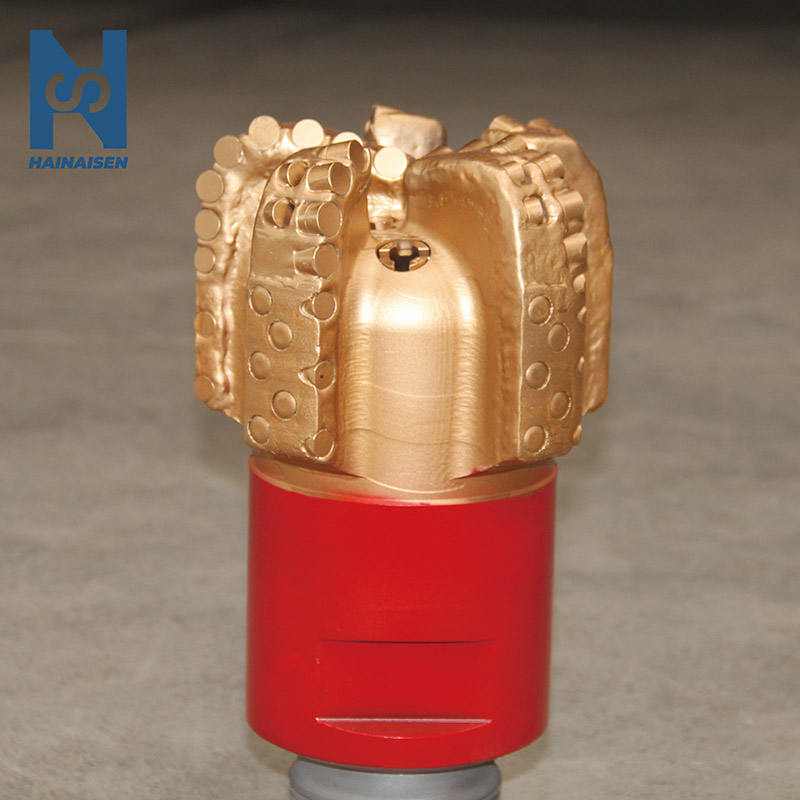
The shape of the four-bladed wing is a big step forward in drilling technology. Each blade projects out from the main body at an exact angle, making the best contact places with the rock formation. This symmetrical setup spreads the cutting forces evenly across the bit face, making it less likely that the bit will spin and making the drilling action smoother than with three-blade options.
As the bit turns with controlled weight and force, the blades keep cutting into new rock surfaces. The wing shape makes the vehicle more stable by increasing the contact area without lowering the hydraulic efficiency. Large junk holes between the blades make it easier for cuts to escape, which keeps material from building up and slowing down entry rates or damaging the cutting elements.
Cutting Structures and Bit-Rock Interaction
The cutting process depends on the difference in hardness between the structure and the cutting elements. Each blade has a PDC cutter on it that scrapes and shears rock away from the wall of the shaft. Roller cone bits break rock by impact, but wing bits with PDC keep in contact with the rock all the time, making smaller chips that are easier for the hydraulic system to move away.
Tungsten carbide plugs, which are usually 5.5 mm thick in good designs, offer an additional way to cut that works especially well in rough materials. These plugs keep their sharp cutting edges even after a lot of use. The hand-ground relief curves behind each insert make it easy for chips to escape, which keeps material from building up and slowing down the cutting process.
Materials and Manufacturing Excellence
The bodies of good four-blade wing bits are made of 4140 alloy steel that has been heat-treated to make them as strong and long-lasting as possible. Because it is made of a single piece, there are no weak parts that could break under the stress of use. After being made, the parts are carefully milled to make pockets that hold cutting elements firmly and in place.
Advanced CNC threaded cutting makes sure that the link with the drill string is correct for the four-blade wing petroleum drill bit, which reduces shaking and increases the efficiency of power transfer. We use both automatic accuracy and trained workmanship at our Xi'an plant. For example, we hand-grind relief angles and check each bit before it ships. This care in the production process directly leads to longer service life and reliable performance in the field.
Key Performance Features and Drilling Capabilities
Superior Penetration and Formation Adaptability
Four blade wing bits excel in soft to medium-hard formations with compressive strengths typically below 120 MPa. They demonstrate particularly strong performance in shale, limestone, sandstone, and gypsum strata—formations commonly encountered in petroleum exploration and water well drilling. The balanced blade configuration allows aggressive penetration rates without sacrificing directional control.
Drilling operations report measurable improvements when upgrading from conventional bits. The enhanced stability reduces deviation, which means straighter boreholes and fewer corrective measures. This becomes especially valuable when drilling through formations containing rock content variations or unexpected concrete plugs during well workover operations.
Efficiency Gains and Cost Savings
The rate of penetration (ROP) improvement directly impacts project economics. Faster drilling means reduced rig time, lower labour costs, and earlier project completion. Our clients in coal mining operations appreciate how the four-blade design maintains consistent performance across varying geological conditions, reducing the need for frequent bit changes.
Reduced vibration during operation extends the lifespan of not just the bit itself but the entire drill string assembly. Smoother operation minimises mechanical stress on downhole tools and surface equipment, translating to lower maintenance requirements and fewer unexpected failures. These operational advantages make four blade wing bits particularly attractive for budget-conscious drilling teams managing multiple projects simultaneously.
Maintenance and Lifespan Expectations
Understanding typical wear patterns helps teams optimize bit usage. PDC cutters generally exhibit gradual wear rather than catastrophic failure, allowing operators to plan bit replacement during scheduled maintenance rather than emergency situations. Monitoring weight on bit, rotation speed, and hydraulic parameters enables early detection of performance degradation.
Proper deployment can yield hundreds of drilling meters before replacement becomes necessary, though actual lifespan varies with formation characteristics and operational practices. We recommend maintaining detailed records of bit performance across different formations to build institutional knowledge that informs future procurement decisions and operational planning.
Comparative Analysis – Choosing the Right Drill Bit for Your Operation
Four Blade vs. Three Blade Configurations
Procurement decisions often centre on blade count. Three blade bits offer higher ROP in uniform soft formations due to more aggressive blade angles. However, the four-blade configuration provides superior stability and straighter holes, which is particularly valuable when drilling through mixed formations or areas with significant rock content.
The additional blade increases the oil & gas bits' contact area with the borehole wall, which enhances directional stability. This becomes crucial in operations where maintaining precise wellbore trajectory impacts production efficiency. Technical engineers evaluating equipment for oil and gas extraction typically prioritize stability, making four-blade designs preferable despite slightly higher upfront costs.
Quality Standards and Manufacturer Considerations
Reputable Manufacturers maintain rigorous quality control throughout production. Look for suppliers with ISO Certifications, documented testing procedures, and transparent manufacturing processes. Our Xi'an facility welcomes client inspections and maintains comprehensive quality documentation for each production batch.
After-sales support distinguishes professional suppliers from commodity vendors. Technical consultation, customized design services, and responsive warranty handling provide value beyond the initial purchase. We maintain a dedicated research and development team capable of modifying bit designs to match specific formation challenges our clients encounter.
Total Cost of Ownership Analysis
Purchase price represents only one component of true equipment cost. Evaluating total cost of ownership requires considering expected lifespan, maintenance requirements, operational efficiency gains, and downtime prevention. A moderately more expensive bit that lasts 50% longer while drilling 30% faster delivers significantly better value than a cheaper alternative requiring frequent replacement.
Logistics considerations also impact total cost, particularly for remote drilling locations. Reliable suppliers maintain inventory across multiple regions, ensuring rapid delivery when operations require replacement bits. We've established distribution relationships to support clients throughout North America, reducing lead times and shipping costs for both routine orders and emergency replacements.
Optimising Your Drilling Operations with Four-Blade Wing Petroleum Drill Bits
Operational Parameters and Best Practices
Maximising bit performance requires aligning operational parameters with formation characteristics and bit design. Rotation speed typically ranges from 60 to 120 RPM for PDC bits in most petroleum applications, though specific recommendations vary with bit diameter and formation hardness. Weight on bit should be adjusted gradually, monitoring torque response to avoid overloading cutting elements.
Hydraulic flow rate directly impacts cuttings evacuation efficiency. Insufficient flow allows material buildup on the bit face, a condition called 'bit balling' that dramatically reduces penetration rates. The large junk slots in four-blade wing designs tolerate moderate hydraulic inefficiencies better than tighter configurations, providing operational flexibility when drilling conditions aren't ideal.
Common Issues and Troubleshooting Strategies
Bit balling occurs most frequently in clay-rich formations or when inadequate hydraulic pressure fails to clear cuttings. Adding surfactants to drilling fluid or adjusting flow rates usually resolves this issue. Blade damage typically results from excessive weight on the bit, encountering unexpectedly hard formations, or manufacturing defects in lower-quality bits.
Monitoring drilling parameters allows early problem detection. Sudden torque increases, reduced penetration rates, or increased vibration signal development are issues that warrant investigation. Addressing problems promptly prevents minor inefficiencies from escalating into costly equipment failures or stuck pipe situations that halt operations entirely.
Technical Partnership Value
Selecting a supplier of oil & gas bits who functions as a technical partner rather than just a vendor enhances operational success. Our team provides formation-specific recommendations, operational parameter guidance, and troubleshooting support throughout the bit's service life. This consultative approach helps procurement managers and technical engineers optimize equipment selection while building institutional knowledge that improves future drilling projects.
Conclusion
The four-blade wing petroleum drill bit delivers proven performance across diverse drilling applications, from oil and gas exploration to water well operations. Its balanced design, durable construction, and efficient cutting mechanism address the core challenges facing drilling operations today—reducing costs while maintaining consistent performance in varying geological conditions. Understanding the cutting mechanism, performance characteristics, and operational considerations enables informed procurement decisions that optimize drilling efficiency and project economics. Whether your priority is extending bit life, improving penetration rates, or reducing operational costs, the four-blade wing configuration offers a reliable, cost-effective solution backed by decades of field-proven performance.
FAQ
1. How does the four-blade design enhance drilling efficiency compared to other configurations?
The four-blade arrangement creates balanced cutting forces that reduce vibration and promote straighter boreholes. This stability allows higher weight on bit without risking directional deviation, which translates to improved penetration rates and reduced drilling time. The symmetrical blade distribution also extends bit life by preventing uneven wear patterns common in less balanced designs.
2. What materials ensure maximum durability in demanding drilling conditions?
High-quality bits utilize 4140 alloy steel for bit bodies, heat-treated for optimal strength and wear resistance. Cutting elements feature either polycrystalline diamond compact (PDC) layers or tungsten carbide inserts, both selected for extreme hardness. The 5.5mm thickness standard for carbide inserts provides an effective balance between cutting performance and structural integrity that withstands abrasive formations.
3. Where can procurement managers source reliable four-blade wing petroleum drill bits?
Reputable manufacturers with proven track records, transparent quality control processes, and responsive after-sales support represent the most reliable sourcing options. Evaluating suppliers based on manufacturing capabilities, certifications, customization services, and distribution networks ensures you partner with organizations capable of supporting long-term operational needs rather than simply fulfilling individual orders.
Get Expert Guidance from HNS—Your Trusted Four Blade Wing Petroleum Drill Bit Manufacturer
Making the right procurement decision requires accurate technical information and reliable supplier support for Four Blade Wing Petroleum Drill Bit. HNS (Shaanxi Hainaisen Petroleum Technology Co., Ltd.) combines advanced manufacturing capabilities with customized engineering solutions to meet your specific drilling challenges. Our 3,500 m² facility in Xi'an houses cutting-edge production equipment and an experienced technical team ready to design bits tailored to your formation requirements. Contact our sales consultants at hainaisen@hnsdrillbit.com to request detailed product catalogs, discuss bulk or OEM opportunities, or schedule a technical consultation.
References
1. Bellin, F. & Willis, R. (2019). Advanced PDC Bit Design for Petroleum Applications. Society of Petroleum Engineers Technical Journal, 34(2), 156-174.
2. Chen, M., Jin, Y., & Zhang, G. (2020). Rock Cutting Mechanisms in Rotary Drilling: Theory and Practice. Petroleum Industry Press.
3. Hareland, G. & Rampersad, P. (2018). Drill Bit Selection Optimization for Cost-Effective Operations. Journal of Petroleum Technology, 70(8), 42-51.
4. Mitchell, R.F. & Miska, S.Z. (2021). Fundamentals of Drilling Engineering. Richardson, TX: Society of Petroleum Engineers.
5. Pessier, R.C. & Fear, M.J. (2017). Quantifying Common Drilling Problems with Mechanical Specific Energy. SPE Drilling & Completion, 32(1), 24-35.
6. Zhang, H., Detournay, E., & Huang, H. (2022). PDC Bit Wear and Performance Analysis in Heterogeneous Formations. International Journal of Rock Mechanics and Mining Sciences, 151, Article 105037.
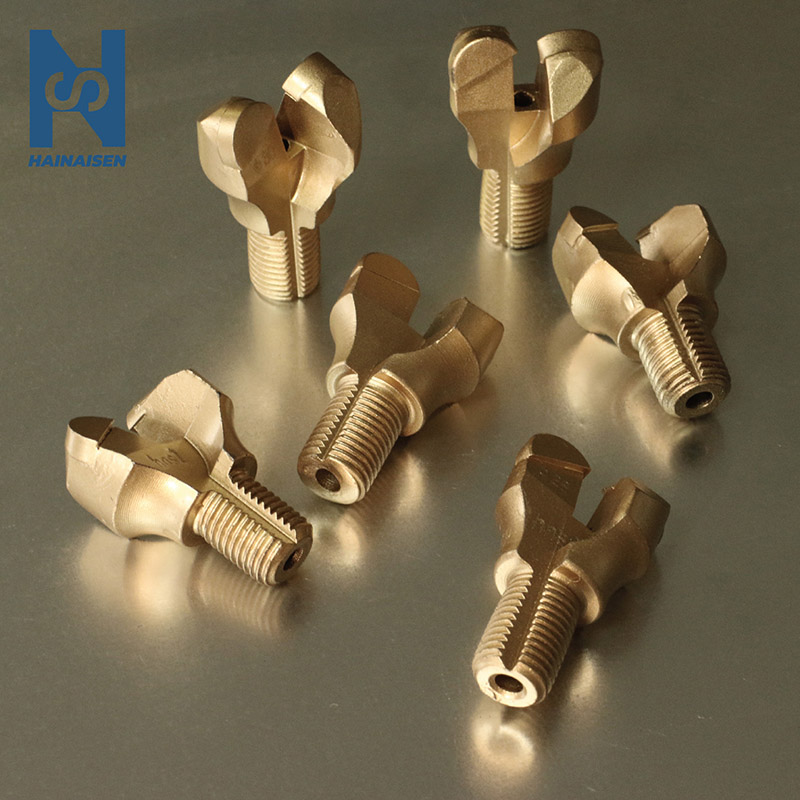 VIEW MORECoal Mining Tools PDC Anchor Drill Bit 28mm
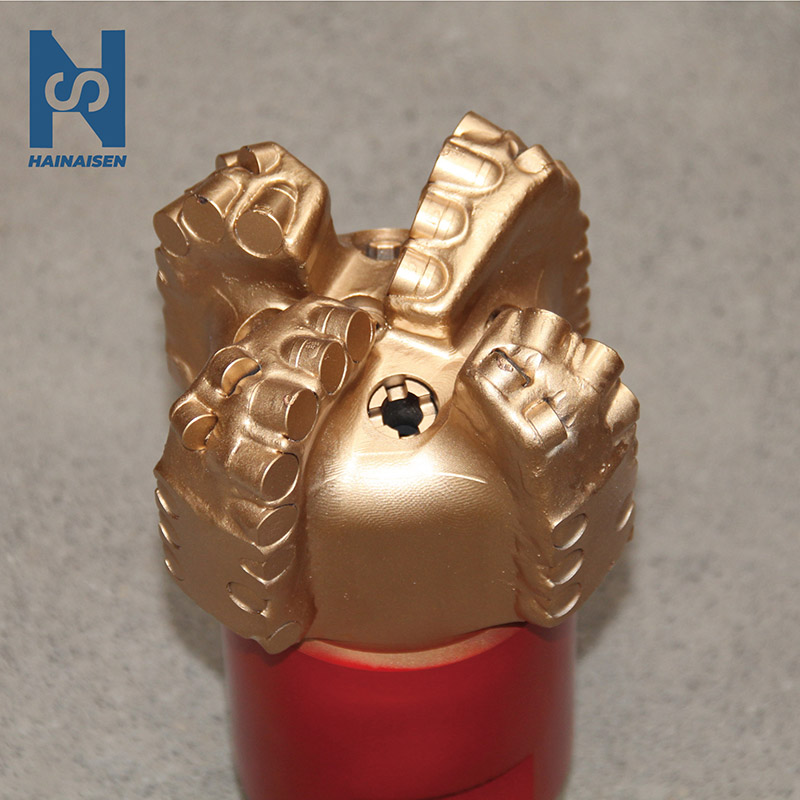 VIEW MOREFour Blade Wing High Performance Petroleum Drill Bit
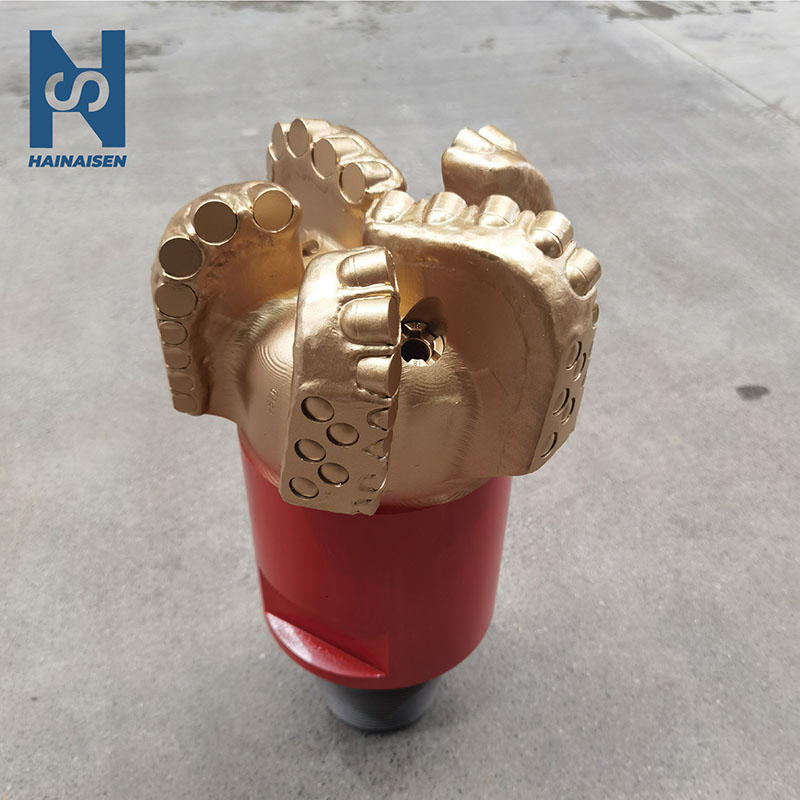 VIEW MOREFive Blade PDC Drill Bit
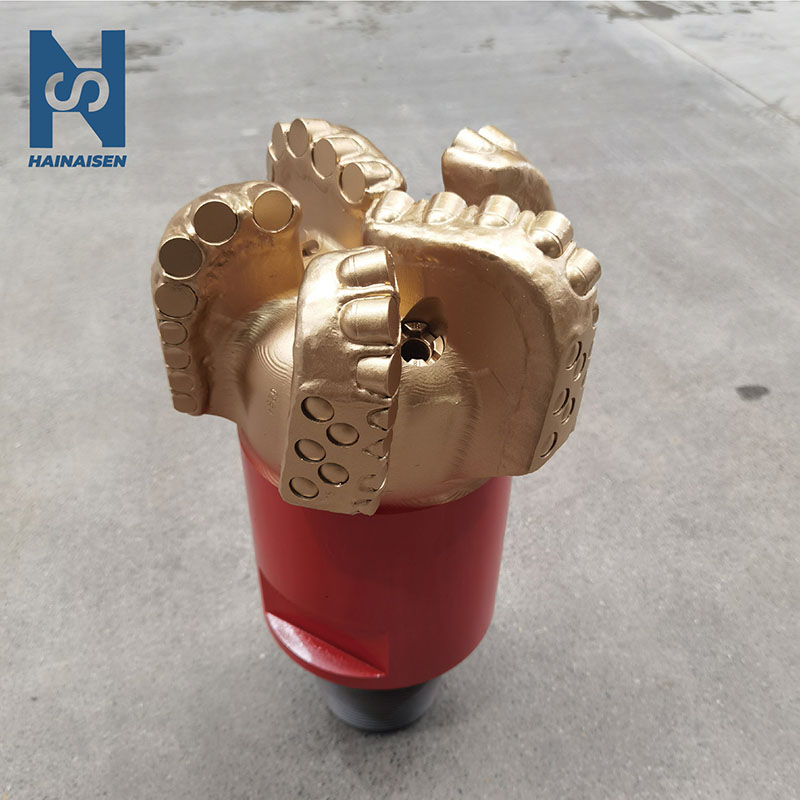 VIEW MOREDrill Bits For Oil Drilling
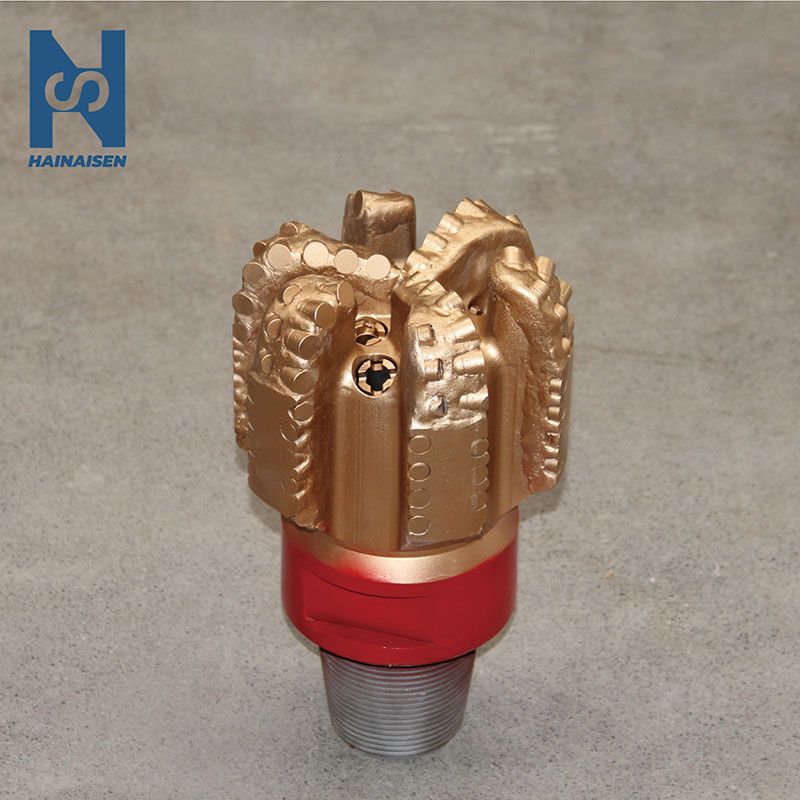 VIEW MORE6-Blade PDC Drill Bit
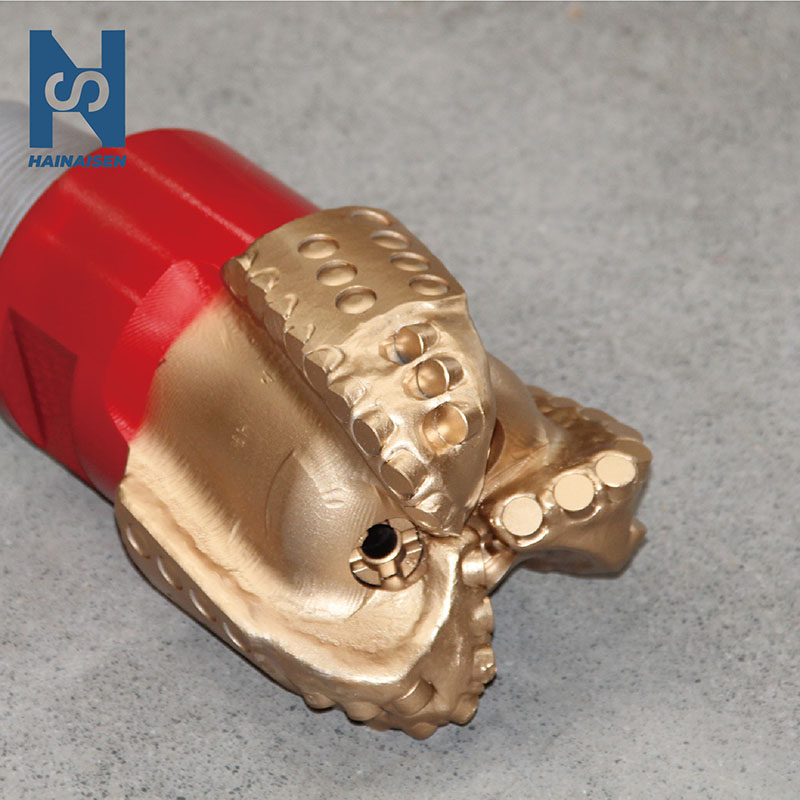 VIEW MOREThree Blade Oil Drill Bit
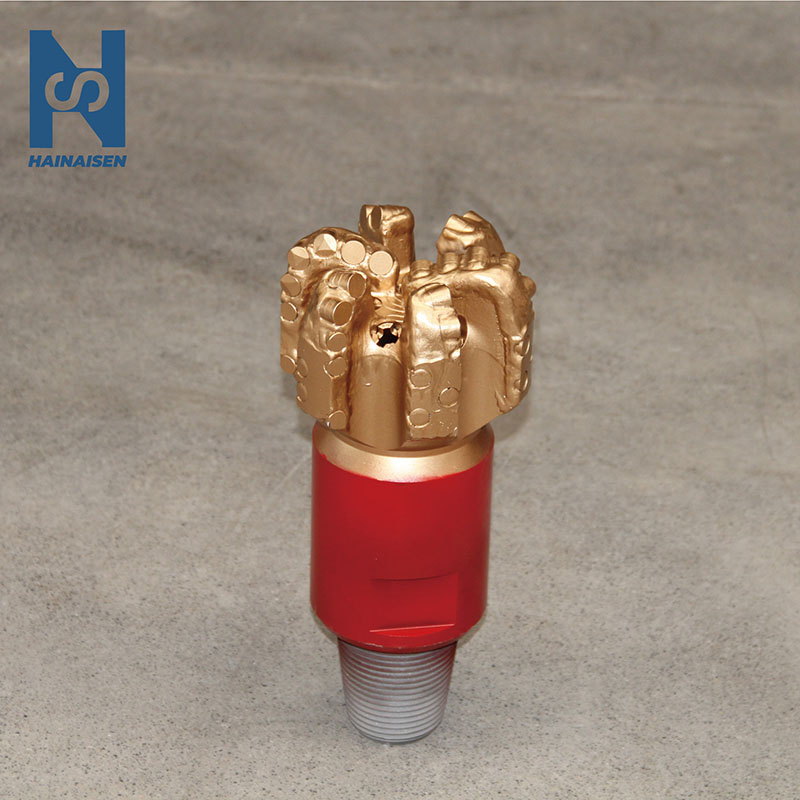 VIEW MORESix Blade Wing Petroleum Drill Bit
 VIEW MOREFive Blades PDC Drill Bits
