







Petroleum PDC Oil Drill Bit vs Tricone: Formation Guide
Choosing between a petroleum PDC oil drill bit and a tricone bit depends largely on your formation characteristics and project goals. PDC Bits excel in soft to medium-hard formations like shale, limestone, and sandstone, delivering superior penetration rates through their continuous shearing action. Tricone bits, featuring rotating cones with tungsten carbide inserts, perform better in highly abrasive or interbedded formations where impact crushing is needed. Understanding formation compressive strength, abrasiveness, and layering helps purchasing managers and technical engineers select the most cost-effective solution that balances drilling speed, durability, and operational efficiency for oil exploration, coal mining, and water well projects.
Understanding Petroleum PDC Oil Drill Bits and Tricone Bits
The Structure and Working Principle of PDC Bits
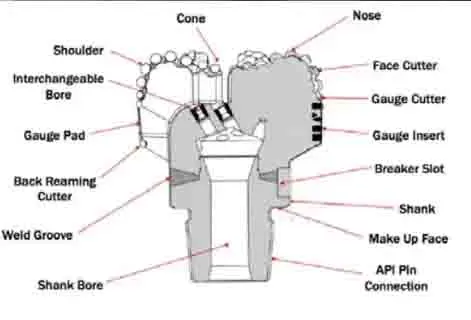
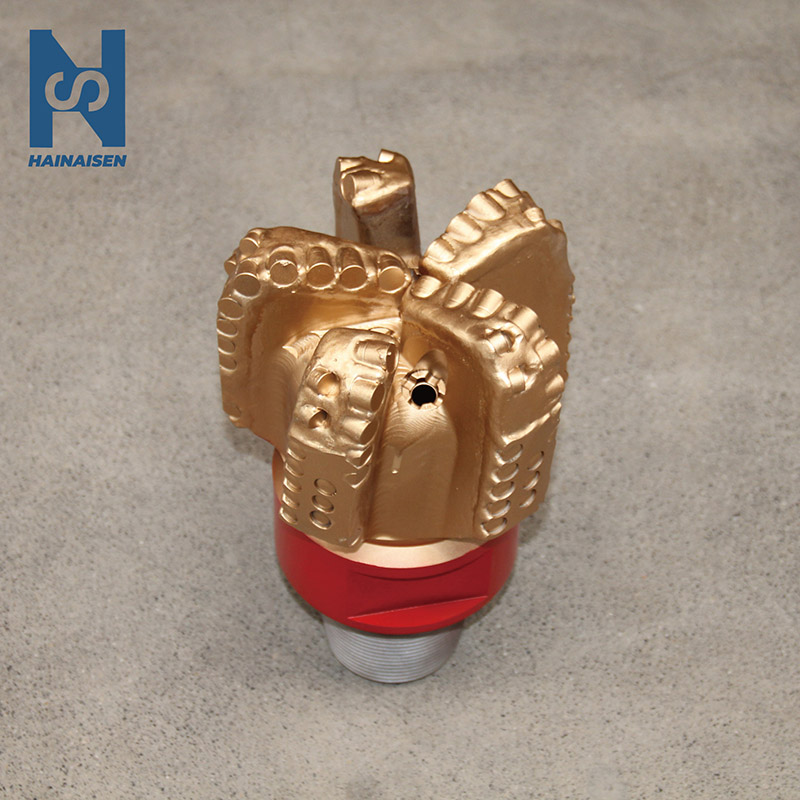
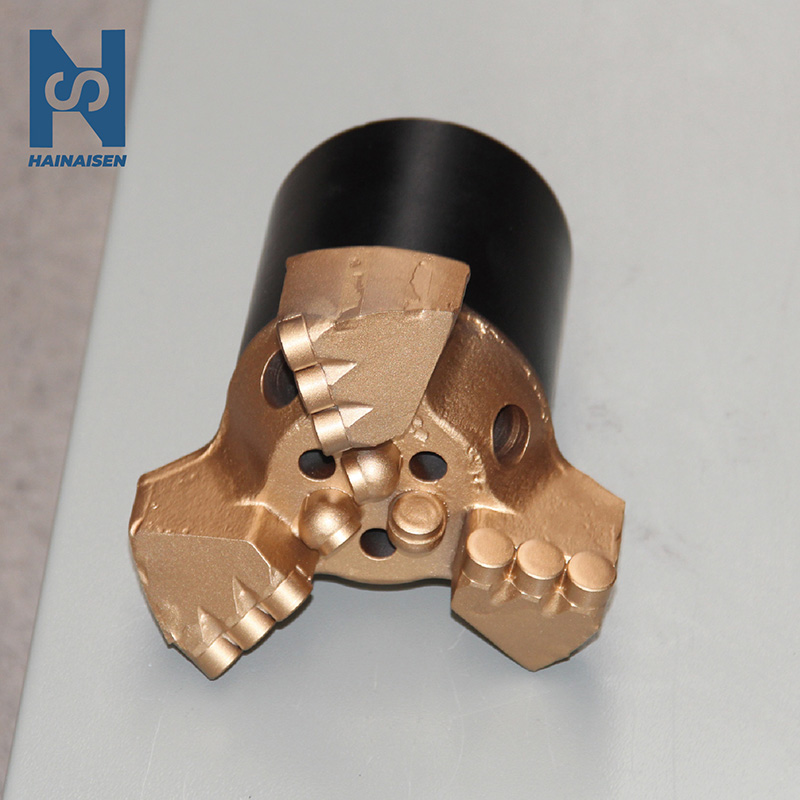
Petroleum PDC drill bits represent a significant advancement in drilling technology. These tools feature polycrystalline diamond compact cutters bonded to a tungsten carbide substrate, creating an exceptionally hard cutting surface. Unlike traditional bits that crush rock, PDC bits shear formations through continuous contact. The cutters are strategically mounted on blades extending from a high-grade steel body, and their placement directly influences stability and cutting removal efficiency. This design allows for smooth, consistent drilling action that minimises vibration and maximises energy transfer to the rock face.
How do tricone bits operate?
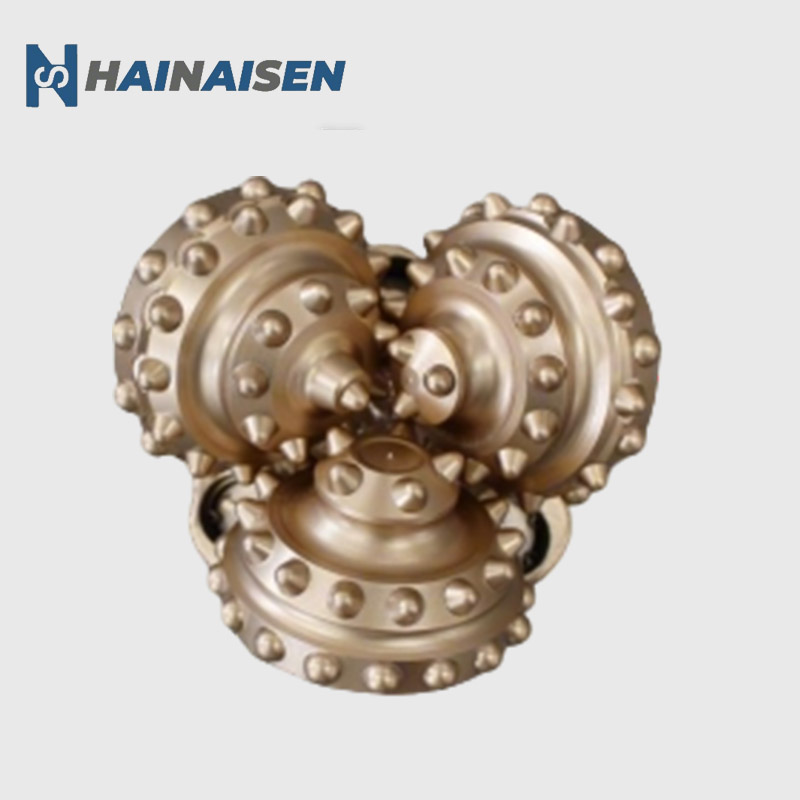
Tricone bits utilise a fundamentally different approach. Three rotating cones, each studded with tungsten carbide inserts or milled steel teeth, roll across the formation while crushing and chipping away rock. The cones rotate independently on sealed bearing assemblies, distributing wear evenly across multiple surfaces. This crushing action proves particularly effective in variable or highly fractured formations where impact energy breaks through inconsistent layers. The self-cleaning design prevents bit balling in sticky formations, maintaining drilling efficiency even in challenging conditions.
Core Technology Differences
The technological distinction between these two bit types determines their optimal applications. PDC bits rely on material hardness and blade geometry to achieve their performance. Their fixed cutter design means no moving parts beyond the drill string rotation, reducing mechanical failure points. Tricone bits depend on precise bearing engineering and balanced cone rotation. This mechanical complexity requires more maintenance attention but provides versatility across diverse geological conditions. Understanding these fundamental differences helps procurement teams anticipate maintenance needs and operational costs throughout a project's lifecycle.
Comparative Analysis of Petroleum PDC vs Tricone Drill Bits
Drilling Efficiency and Rate of Penetration
PDC bits typically deliver faster penetration rates in uniform formations with compressive strengths below 25,000 psi. Our testing data shows that in shale and limestone applications, PDC bits can achieve 30-50% faster drilling speeds compared to tricone alternatives. This efficiency stems from the continuous cutting action that generates smaller cuttings and requires less energy per foot drilled. Tricone bits maintain steady performance across varying hardness levels, making them reliable when formation characteristics change unexpectedly downhole.
The rate of penetration advantage translates directly to project timelines and costs. Medium and large oil service companies conducting long-reach horizontal drilling benefit substantially from PDC speed advantages, reducing rig time and associated expenses. Coal mining operations working through consistent seams see similar benefits, though their price sensitivity often requires careful cost-benefit analysis before committing to the higher upfront PDC investment.
Durability and Lifecycle Considerations
Durability metrics reveal important differences that impact total ownership costs. PDC bits maintain cutting efficiency longer in their optimal formations because diamond cutters resist abrasive wear exceptionally well. A quality PDC bit can drill 1,500 to 3,000 feet in appropriate formations before requiring replacement. Tricone bits typically show shorter run distances of 800 to 1,500 feet but demonstrate more predictable wear patterns and less catastrophic failure risk in abrasive conditions.
Bearing wear represents the primary limitation for tricone bits (Petroleum PDC Oil Drill Bits). Sealed bearing assemblies eventually degrade under high temperatures and drilling pressures, leading to cone lock-up or loss. PDC bits face different failure modes, including cutter damage from impact loading or thermal degradation in extremely hard formations. Water well drilling teams working on budget-conscious projects often prefer tricone bits because their lower initial cost and predictable wear make financial planning straightforward.
Cost-Benefit Analysis for Different Operations
The financial equation differs significantly across customer segments. Large oil service companies with strict quality requirements recognize that PDC bits, despite higher purchase prices, deliver lower cost-per-foot metrics in suitable formations. Reduced tripping time alone can justify the investment when rig rates exceed $30,000 daily. Our customizable PDC designs optimize this advantage by tailoring cutter density and blade profiles to specific formation characteristics.
Coal mining companies seeking price advantages find value in both technologies depending on seam characteristics. Consistent coal seams with minimal intrusions favor PDC bits for their speed, while variable geology with sandstone channels may require tricone reliability. Small water well drilling teams prioritize transaction simplicity and upfront affordability, making tricone bits attractive when drilling through unpredictable overburden before reaching productive aquifers.
How to Choose the Right Drill Bit for Your Project?
Evaluating Formation Characteristics
Formation assessment forms the foundation of proper bit selection. Compressive strength testing reveals whether rock hardness suits PDC shearing action or requires tricone impact crushing. Abrasiveness measurements, determined through laboratory analysis or offset well data, predict wear rates and bit longevity. Formations with quartz content above 30% typically accelerate PDC cutter wear, potentially favoring tricone selection despite slower penetration rates.
Layering and heterogeneity also influence the decision. Interbedded formations mixing soft shale with hard limestone stringers challenge PDC bits with sudden impact loading that can chip cutters. Tricone bits handle these transitions more gracefully through their crushing action. Geological exploration projects drilling through unknown stratigraphy often begin with tricone bits to gather formation data before optimizing bit selection for production drilling.
Balancing Performance Priorities
Technical engineers must weigh competing priorities when specifying drilling tools. Speed-critical projects such as offshore operations with high daily costs prioritize maximum penetration rates, pointing towards PDC bits in compatible formations. Projects with extended timelines but strict budget constraints may accept slower drilling to minimize bit costs, favoring tricone options.
Durability requirements also vary by application. Remote locations where bit transportation is difficult benefit from longer-lasting PDC bits that reduce logistical complications. Operations near manufacturing centers with reliable supply chains can optimize costs by running tricone bits at higher performance thresholds, accepting shorter run distances for faster overall drilling.
Supplier Reliability and Support Services
Selecting the right manufacturing partner (PDC drill bit Manufacturers) proves as crucial as choosing the appropriate bit technology. Shaanxi Hainaisen Petroleum Technology offers comprehensive support that extends beyond product delivery. Our 3,500-square-meter facility houses advanced 5-axis machining centers and CNC equipment that ensure precision manufacturing. This technological capability enables our dedicated research and development team to create custom bit designs meeting specific geological challenges.
Brand reputation within the industry provides confidence during procurement decisions. Our quality control protocols include thorough inspections and performance testing before shipment, ensuring each bit meets stringent standards. Purchasing managers working with large oil service companies appreciate our ability to provide technical documentation and performance Certifications that satisfy their qualification requirements. We also offer OEM customization services that allow drilling contractors to specify exact cutter configurations, blade geometries, and steel grades tailored to their operational needs.
Why Choose Our Petroleum PDC Oil Drill Bits?
Our manufacturing expertise positions us as a trusted supplier for demanding drilling applications. The advantages we offer address the specific concerns of purchasing managers and technical engineers across various industry segments.
Premium engineering ensures our petroleum PDC drill bits deliver measurable performance improvements. Our optimized cutter placement increases penetration rates while maintaining directional stability, reducing drilling time and associated costs. The high-grade steel bodies withstand extreme downhole conditions, and our premium polycrystalline diamond compact cutters maintain sharpness throughout extended drilling operations. This combination provides exceptional thermal stability and wear resistance that medium and large oil service companies require for their critical projects.
Versatility across formation types expands application possibilities. Our bits perform effectively in shale, limestone, sandstone, and gypsum formations with medium hardness and low compressive strength. This adaptability benefits geological exploration teams working across diverse drilling environments. Operating parameters accommodate speeds from 80 to 300 RPM, drilling pressures between 10 and 100 KN, and flow rates from 20 to 35 liters per second, giving operators flexibility to optimize performance for specific conditions.
Cost efficiency emerges from reduced tripping frequency and improved operational efficiency. Our bits maintain cutting performance longer, decreasing the number of round trips required to complete wells. This advantage particularly benefits coal mining operations where sample testing confirms quality before establishing long-term supply relationships. The combination of durability and performance delivers compelling cost-per-foot economics that justify the initial investment.
Customization services distinguish our offerings in a competitive market. We understand that every drilling project presents unique challenges. Our engineering team collaborates directly with clients to develop tailored solutions addressing specific geological obstacles and operational requirements. Personalized consultations determine ideal bit configurations, cutter sizes, and blade designs that optimize performance for your exact needs. This responsive approach builds the long-term partnerships that large oil service companies value.
Our applications span the full spectrum of drilling operations. Offshore and onshore oil exploration projects rely on our bits for consistent performance. Natural gas drilling operations benefit from our advanced hydraulic design that ensures efficient cuttings removal. Geothermal well construction projects utilize our thermal stability advantages. Hard rock mining operations appreciate our impact resistance. Water well drilling teams working through challenging formations depend on our durability. Geological core sampling and exploration projects value our precision cutting action.
Maintenance and Operational Best Practices
Extending Bit Service Life
Proper handling protects your investment before drilling even begins. PDC bits require careful storage away from impact hazards that could chip cutters. Protective casing prevents damage during transportation to remote drilling sites. Tricone bits need bearing protection from contamination and moisture that degrades sealing compounds. Simple storage protocols prevent avoidable damage that shortens bit life.
Operational parameters significantly influence longevity (PDC drill bit manufacturers). Running PDC bits within manufacturer-specified weight-on-bit ranges prevents cutter overloading and premature failure. Maintaining adequate flow rates keeps cutters cool and removes cuttings efficiently, preventing regrinding that accelerates wear. Tricone bits benefit from consistent rotation speeds that distribute bearing loads evenly across all three cones. Monitoring drilling parameters helps operators identify problems before catastrophic failure occurs.
Inspection and Troubleshooting
Routine inspection identifies wear patterns that guide operational adjustments. PDC bit examinations should focus on cutter condition, looking for chipping, spalling, or thermal damage. Blade wear patterns reveal whether weight distribution needs adjustment or formation characteristics have changed. Tricone bits require bearing assessment, checking for play or rough rotation that indicates seal failure. Cone tooth wear shows whether the bit matches formation hardness appropriately.
Common issues have identifiable solutions. Premature PDC cutter wear in supposedly compatible formations may indicate higher-than-expected abrasiveness, suggesting tricone alternatives for subsequent runs. Tricone cone lock-up typically results from bearing failure due to inadequate cooling or contamination, correctable through improved hydraulic design or filtration. Bit instability and vibration often stem from improper weight distribution or worn stabilizers rather than bit defects, requiring drilling assembly evaluation.
Conclusion
Selecting between PDC and tricone drill bits requires understanding formation characteristics, operational priorities, and project economics. PDC bits deliver superior speed and efficiency in uniform soft to medium-hard formations, making them ideal for oil exploration and consistent geological conditions. Tricone bits provide reliable performance across variable formations, particularly benefiting projects encountering unpredictable geology or highly abrasive conditions. Partnering with experienced manufacturers ensures access to quality products, technical support, and customization services that optimize drilling performance while managing costs effectively across diverse applications.
FAQ
1. Which formations work best with PDC bits?
PDC bits perform optimally in soft to medium-hard formations with compressive strength below 25,000 psi. Shale, limestone, sandstone, and gypsum respond particularly well to PDC shearing action. Uniform formations without hard stringers or high quartz content allow PDC bits to maintain cutting efficiency throughout extended runs, delivering their characteristic speed and cost advantages.
2. When should I choose tricone bits over PDC?
Tricone bits suit highly abrasive formations, interbedded geology mixing soft and hard layers, and situations where formation characteristics remain uncertain. Their crushing action handles impact loading better than PDC cutters, preventing catastrophic failure in unpredictable conditions. Budget-constrained projects with lower daily costs may also prefer tricone bits despite slower penetration rates.
3. What indicators suggest bit replacement timing?
Declining penetration rates signal diminishing bit effectiveness. Increased torque or drilling vibration indicates wear or damage affecting bit balance. PDC bits showing reduced efficiency likely have worn or damaged cutters. Tricone bits developing rough rotation or unusual noise suggest bearing problems requiring immediate replacement to prevent downhole failures that complicate retrieval operations.
Partner with HNS for Your Drilling Success
Shaanxi Hainaisen Petroleum Technology stands ready to support your drilling operations with precision-engineered solutions. As an established Petroleum PDC Oil Drill Bit manufacturer since 2013, we bring proven expertise across oil and gas extraction, coal mining, geological surveying, and water well drilling applications. Our customization capabilities and rigorous quality control deliver the performance reliability that technical engineers demand and the cost efficiency purchasing managers require. Contact our team at hainaisen@hnsdrillbit.com to discuss your specific formation challenges and operational requirements.
References
1. Bellin, F. and Doiron, H.H. (1985). "Polycrystalline Diamond Compact Bit Development for Hard Rock Drilling." Journal of Petroleum Technology, Society of Petroleum Engineers.
2. Warren, T.M. (1987). "Factors Affecting Torque for a Roller Cone Bit." Journal of Petroleum Technology, Society of Petroleum Engineers.
3. Clayton, R.I. and Chen, S. (2005). "PDC Bit Performance in Various Rock Formations." SPE/IADC Drilling Conference Proceedings, Amsterdam.
4. Glowka, D.A. (1989). "Use of Single-Cutter Data in the Analysis of PDC Bit Designs." Journal of Petroleum Technology, Society of Petroleum Engineers.
5. Maurer, W.C. (1980). "Advanced Drilling Techniques." Petroleum Publishing Company, Tulsa, Oklahoma.
6. Fear, M.J. and Abbassian, F. (1994). "The Role of Bit Profile in Directional Drilling." SPE Annual Technical Conference and Exhibition Proceedings, New Orleans.
 VIEW MORE4 1/2" IADC 637 TCI Tricone Bit
 VIEW MOREDrilling Bit For Oil And Gas Rig
 VIEW MOREApi Polycrystalline Diamond Drill Bit
 VIEW MOREThree Blade Concave Drill Bit Api For Manganese Coal Mines
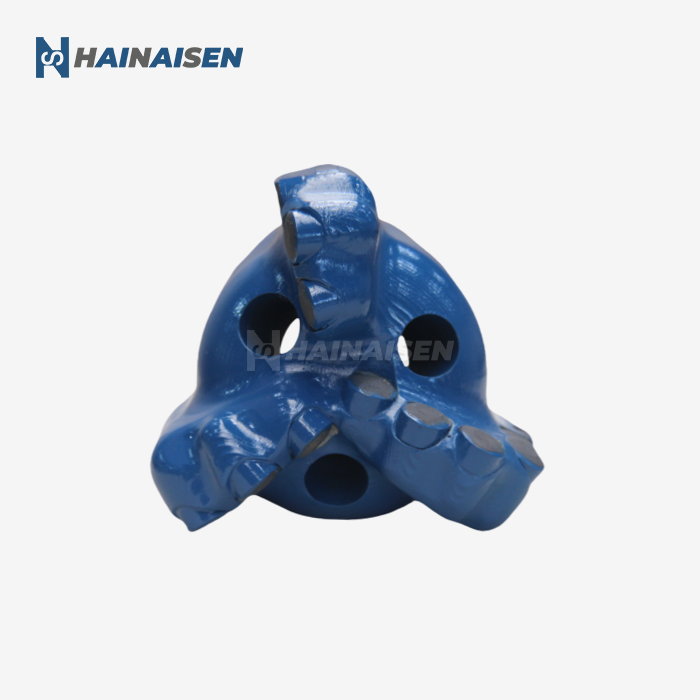 VIEW MORE113mm Three Wing Arc Angle Drill Bit
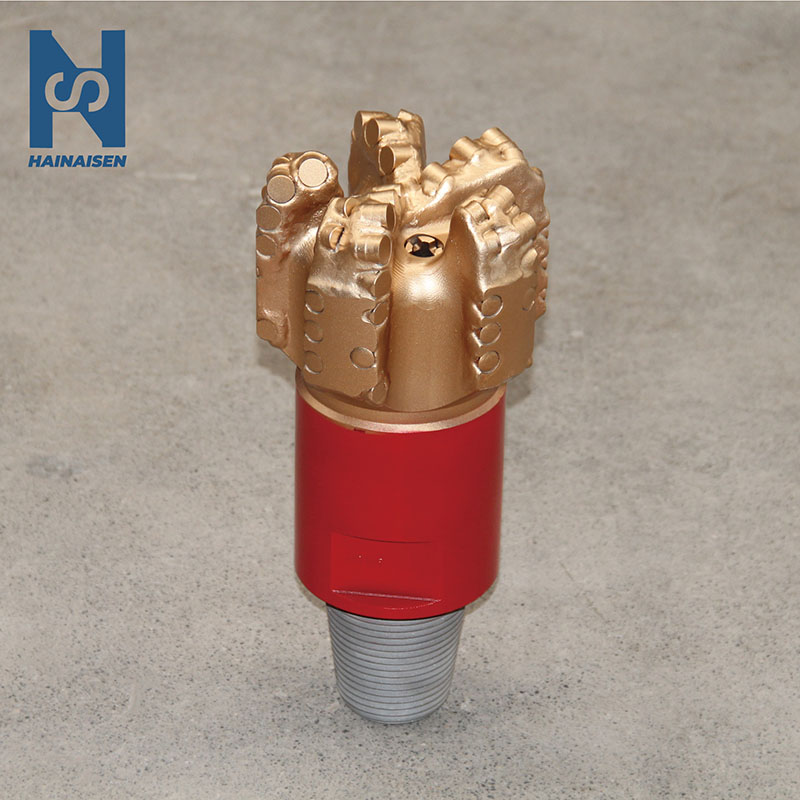 VIEW MORE5 Blade Matrix Body PDC Drill Bits
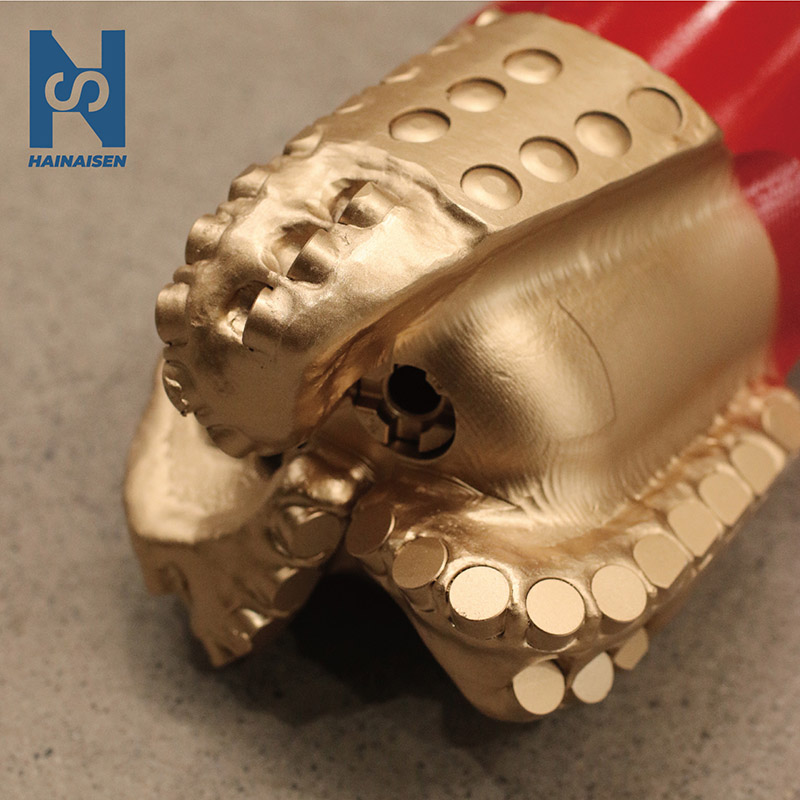 VIEW MOREThree Blades Rock Drill Bit
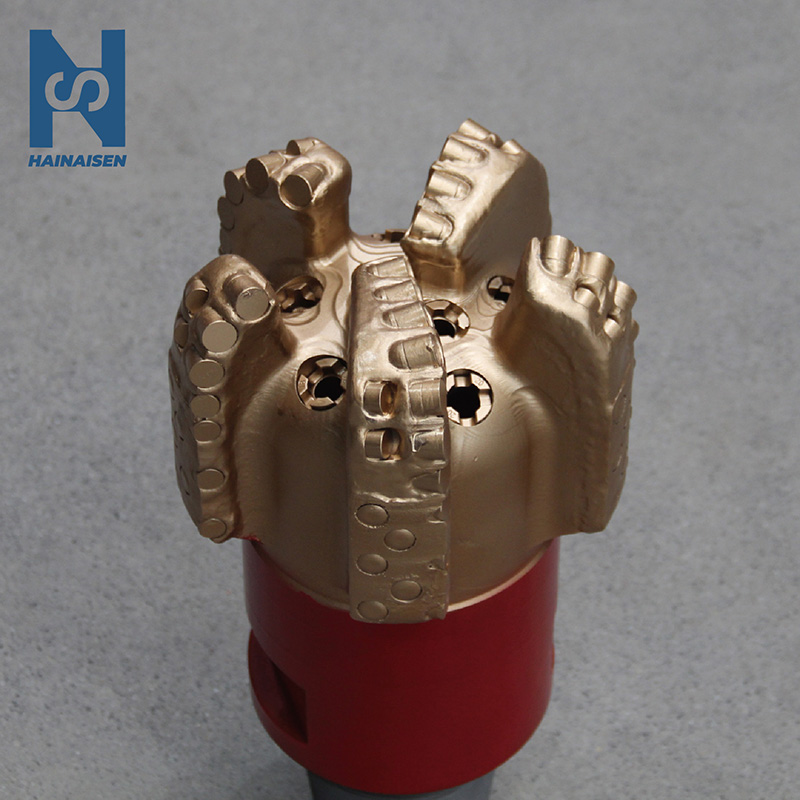 VIEW MOREOil Diamond Drill Bit
