How Four Blade Wing Oil Drilling Tool Boosts ROP
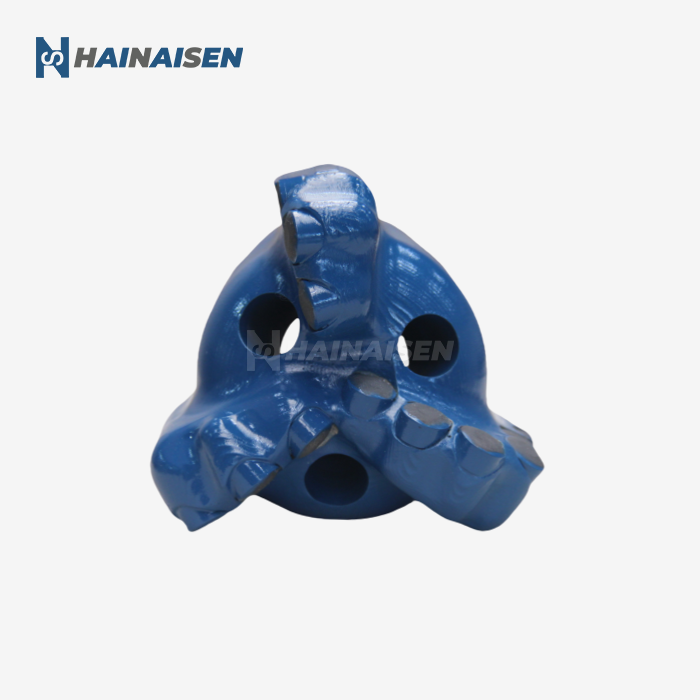
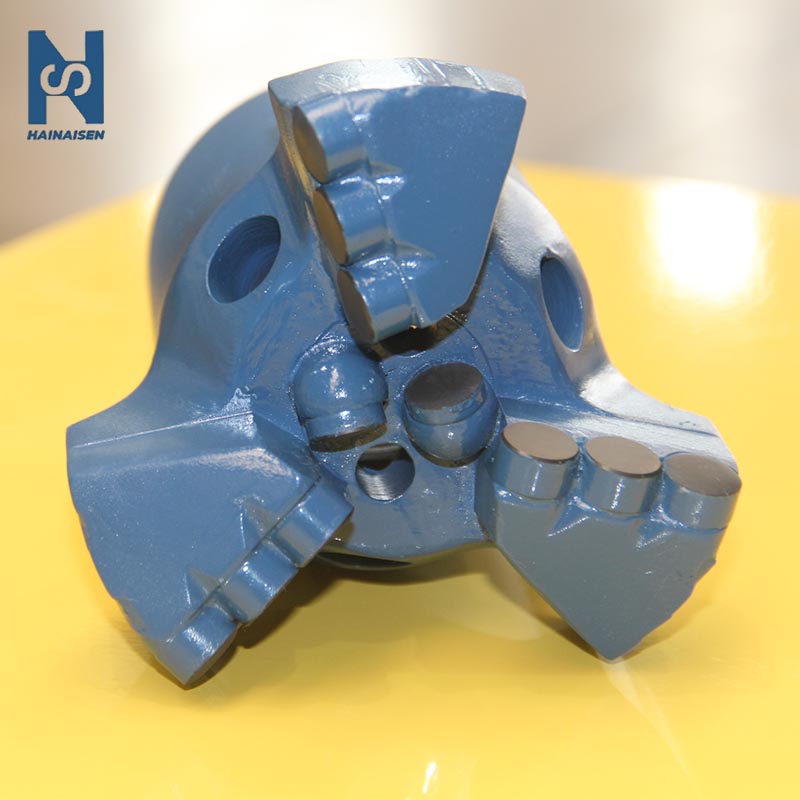
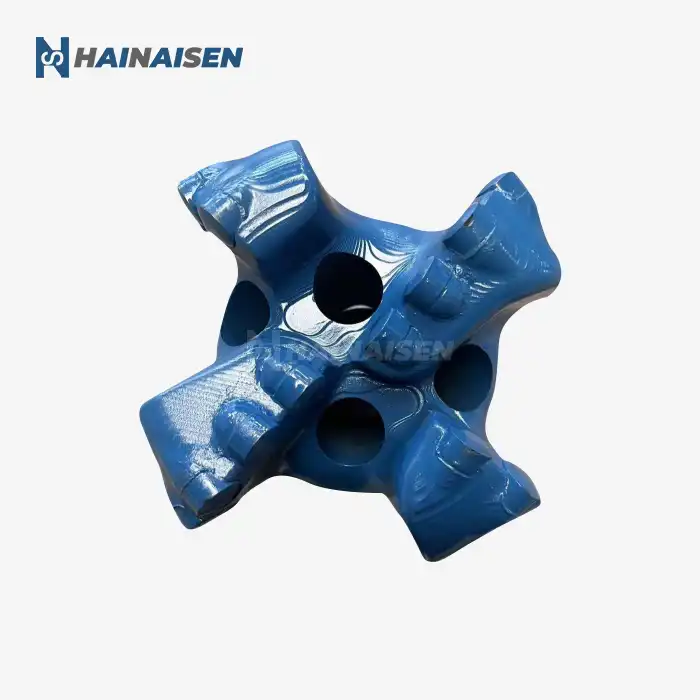
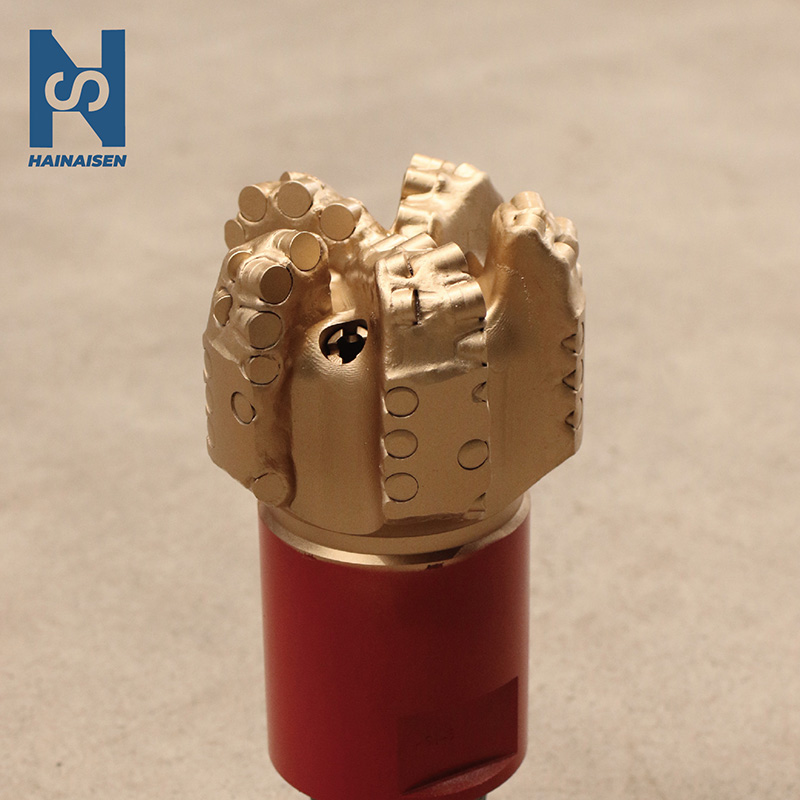
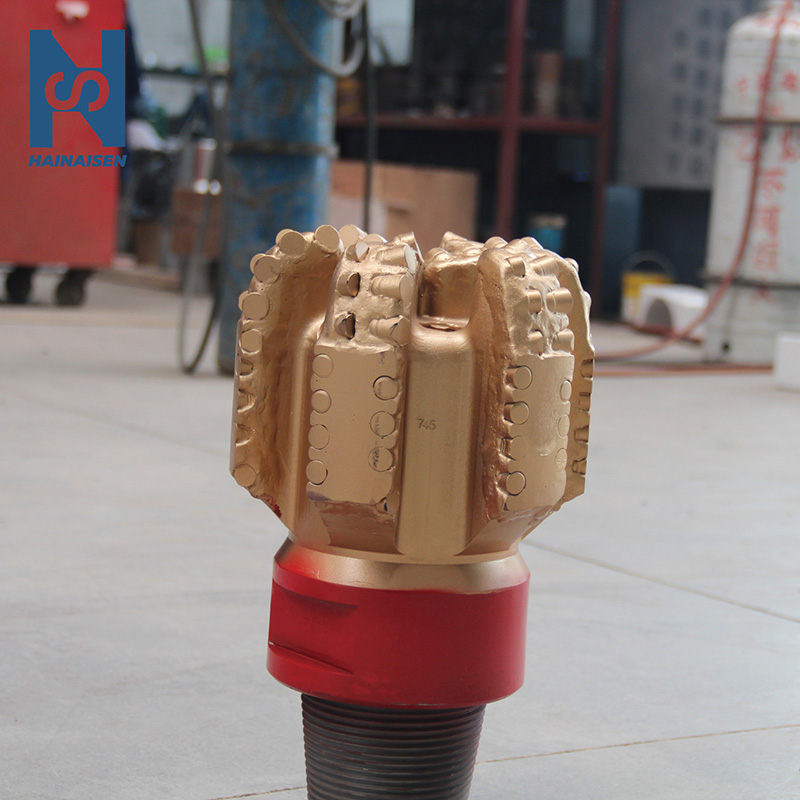
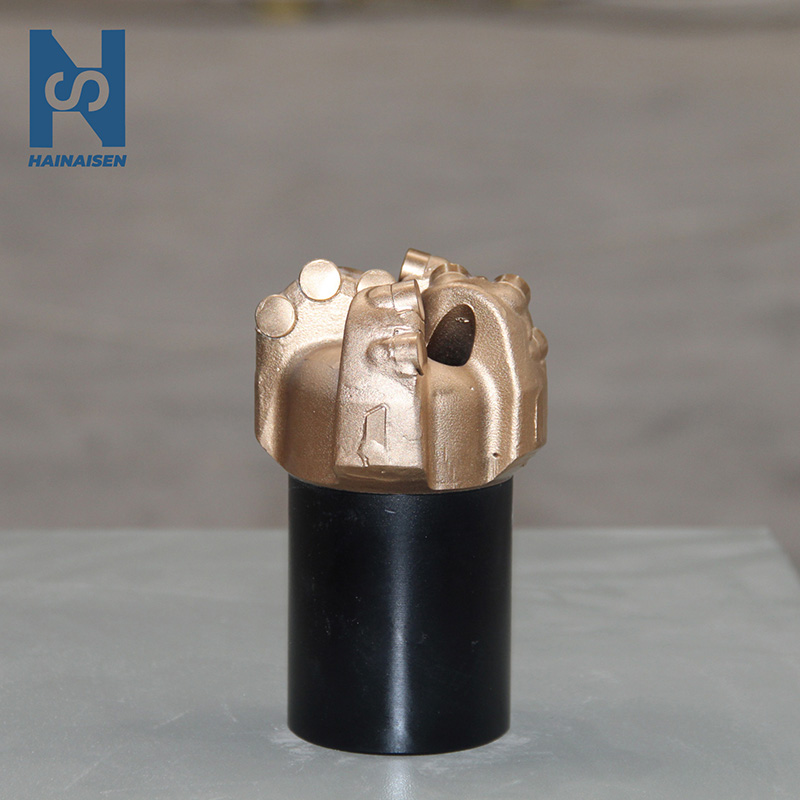
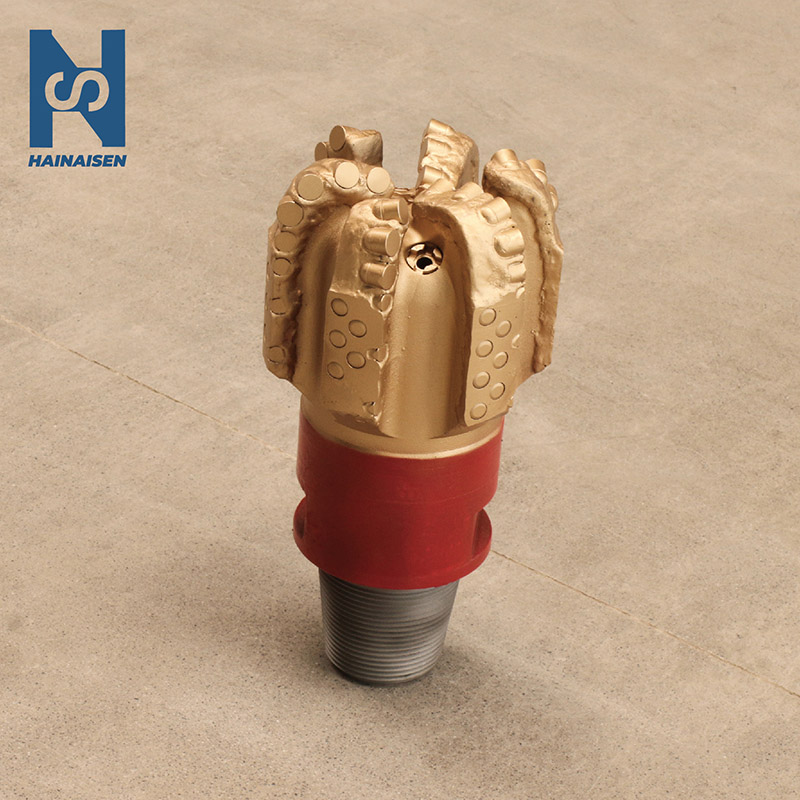
The Four-Blade Wing Oil Drilling Tool significantly enhances the rate of penetration through its balanced force distribution across four contact points, reducing vibration and lateral movement during operation. The optimised blade geometry ensures even load distribution, minimising individual blade wear while maintaining aggressive cutting action. With 45 strategically positioned PDC cutters in 13mm and 16mm sizes, this tool delivers consistent rock fragmentation across medium-hard formations. The four-wing configuration provides superior gauge control and borehole roundness compared to traditional three-blade designs, enabling sustained high-speed drilling with reduced operational costs.
Introduction
The rate of penetration remains the most closely monitored metric in drilling operations, determining whether projects finish ahead of schedule or spiral into budget overruns. Every hour saved translates directly to reduced rig costs, lower personnel expenses, and faster revenue generation for oil service companies. Procurement managers and technical engineers face constant pressure to identify drilling solutions that deliver measurable performance improvements without compromising reliability.
We've seen countless drilling tools promise breakthrough results, yet few deliver when tested in challenging geological conditions. The four-blade wing design represents a meaningful evolution in PDC bit technology, addressing specific limitations found in conventional three-blade and six-blade configurations. This guide examines the engineering principles, performance data, and procurement considerations that make this tool particularly relevant for operations targeting improved efficiency in shale, sandstone, and medium-hard formations.
Our experience working with oil service companies, coal mining operations, and water well drilling teams across North America has shown us exactly what procurement professionals need: clear technical specifications, honest performance comparisons, and transparent cost analysis. This article provides that foundation, helping you evaluate whether this technology aligns with your operational requirements and budget constraints.
Understanding the Four-Blade Wing Oil Drilling Tool
Engineering Design and Construction
The four-blade wing design follows specific engineering principles developed to address common drilling challenges. The tool's 6-inch (152.4mm) diameter makes it suitable for production wells, exploration boreholes, and coalbed methane extraction projects. Standing 210mm tall with a 53mm gauge length, the bit maintains structural integrity under high weight-on-bit conditions while providing adequate junk slot area for cuttings evacuation.
The API 3-1/2 REG.PIN connection ensures compatibility with standard drill strings used throughout the industry. This standardisation matters for companies managing mixed equipment fleets or operating in remote locations where specialised tooling may not be readily available. At 24 kilograms, the tool's weight distribution contributes to stability during rotation while remaining manageable for field handling and transportation.
PDC Cutter Configuration and Materials
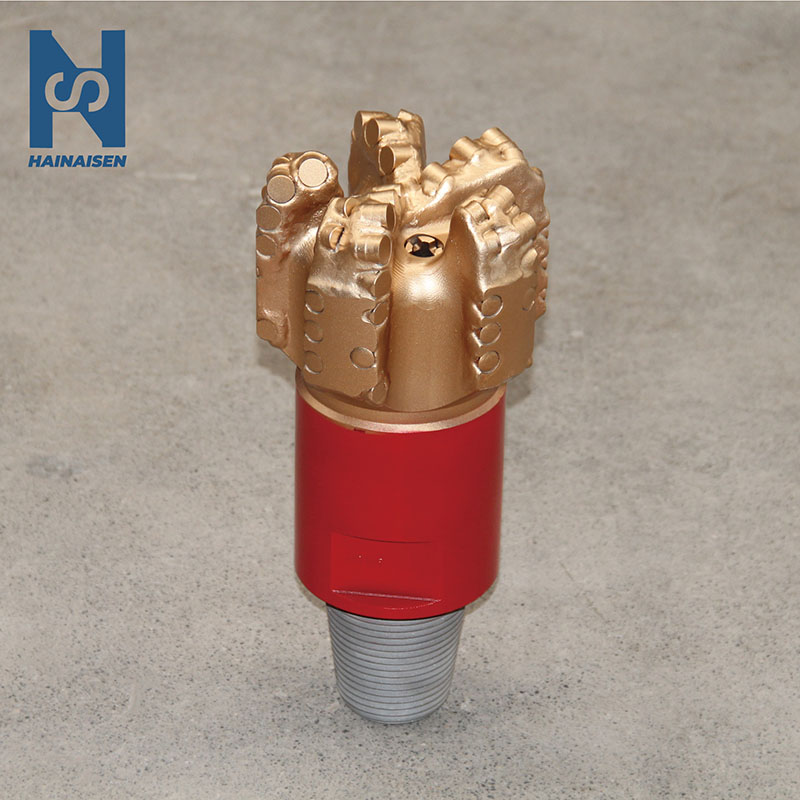
The strategic placement of 45 PDC cutters across four blades creates an optimal balance between cutting density and cutter exposure. Cutters are available in 13mm and 16mm sizes, allowing customisation based on formation characteristics and anticipated drilling parameters. Larger cutters provide greater impact resistance in harder formations, while smaller cutters offer improved shearing action in softer, more abrasive rock types.
Modern PDC cutter technology has advanced considerably from early generations. The diamond table thickness, cobalt content in the tungsten carbide substrate, and thermal stability all influence tool performance and longevity. Quality Manufacturers employ rigorous material selection and manufacturing processes to ensure consistent cutter performance across the entire bit face.
Hydraulic Characteristics
The four-nozzle configuration enables precise fluid management, directing drilling mud to critical areas where heat generation and cuttings accumulation pose the greatest threats to tool performance. Proper nozzle sizing creates sufficient bottom-hole cleaning while maintaining adequate hydraulic horsepower at the bit face. This balance proves particularly important in directional drilling applications where cuttings transport becomes more challenging.
Four Blade Wing Oil Drilling Tool—Adequate fluid velocity across the bit face prevents bit balling, a common failure mode in formations containing reactive clays or sticky shales. The junk slot area between blades must accommodate cuttings generated by all 45 cutters without creating flow restrictions that could reduce drilling efficiency or cause premature tool failure.
Key Factors Driving Increased ROP with Four Blade Wing Tools
Balanced Force Distribution Mechanics
The four-blade configuration distributes cutting forces more evenly than three-blade designs, reducing the peak stress experienced by individual cutters during each rotation. This mechanical advantage translates to reduced vibration amplitude, which directly impacts both penetration rate and tool longevity. Field data from shale drilling operations shows that reduced vibration correlates with 15-20% improvements in average ROP over comparable three-blade tools.
When a bit encounters formation heterogeneity—transitioning from softer to harder rock layers—the four contact points provide superior stability. This stability prevents the tool from skating or deviating from the intended trajectory, maintaining a consistent gauge diameter throughout the drilling interval. For directional drilling applications, this characteristic reduces dogleg severity and improves wellbore quality.
Optimised Cutting Action and Load Management
Each blade on a four-wing tool experiences approximately 25% of the total weight-on-bit load, compared to roughly 33% for three-blade designs. This load reduction per blade allows operators to apply higher total weight-on-bit without exceeding the stress limits of individual PDC cutters. Higher weight-on-bit typically correlates with increased ROP, provided the tool maintains stability and effective cuttings removal.
The blade profile geometry determines how aggressively the tool engages the formation. Steeper blade angles create more aggressive cutting action but may sacrifice tool life in abrasive formations. The specific IADC code S233 designation indicates this tool is optimised for soft to medium formations, suggesting blade angles and cutter exposure appropriate for these geological conditions.
Extended Tool Life and Consistent Performance
Wear distribution across four blades rather than three extends the operational life before gauge wear becomes problematic. When gauge pads wear beyond acceptable limits, the bit produces an undersized hole that may cause completion difficulties or require costly reaming operations. The additional contact point provided by the four-blade design helps maintain gauge integrity for longer drilling intervals.
Several coal mining operations we've worked with reported 30-40% increases in footage drilled per bit when switching from conventional three-blade designs to four-blade configurations in similar formations. This extended tool life reduces tripping time, lowers bit consumption costs, and improves overall project economics—particularly important for price-sensitive applications like water well drilling.
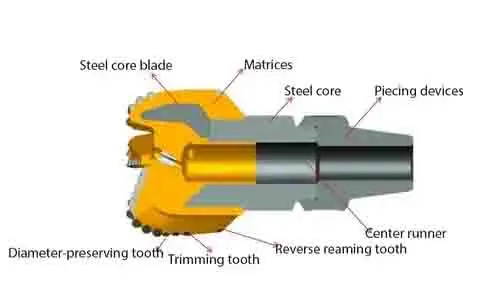
Four Blade Wing Oil Drilling Tools vs. Alternative Drilling Solutions
Performance Comparison with Tricone Bits
Roller cone bits dominated the drilling industry for decades and still serve specific applications effectively. Tricone bits excel in extremely hard, abrasive formations where PDC cutters would experience rapid wear. However, in soft to medium-hard formations, PDC tools consistently outperform roller cone designs in both penetration rate and footage per bit.
The mechanical complexity of tricone bits—drill bits for oil rigs—with their bearings, seals, and moving parts creates multiple potential failure points. PDC Bits have no moving parts, eliminating bearing failures and seal leaks that frequently sideline roller cone tools. This reliability advantage becomes particularly valuable in remote drilling locations where equipment availability and logistics present significant challenges.
PDC Bit Blade Configuration Analysis
Three-blade PDC bits offer larger junk slots and potentially better cuttings evacuation in high-ROP applications. However, they sacrifice some stability compared to four-blade designs, particularly in heterogeneous formations. Six-blade configurations provide maximum stability but may struggle with cutting transport in smaller hole sizes, potentially leading to bit balling or reduced ROP.
The four-blade design occupies a practical middle ground, offering stability advantages over three-blade tools without the cutting management challenges sometimes encountered with six-blade configurations. For the 6-inch diameter specification we're discussing, four blades provide adequate junk slot area for most formations while maintaining the stability benefits that improve borehole quality.
Cost-Effectiveness Analysis
The initial purchase price represents only one component of total drilling costs. Procurement decisions must account for footage drilled per bit, penetration rate, and associated operational expenses like rig time and personnel costs. A tool costing 20% more but delivering 40% faster ROP generates substantial savings in overall project costs.
Larger oil service companies typically prioritise tool performance and reliability over initial purchase price, understanding that incremental tool costs become negligible compared to daily rig operating expenses. Coal mining operations often seek balanced solutions offering good performance at competitive prices. Water well drilling teams working on fixed-price contracts may prioritise initial tool cost more heavily, accepting somewhat lower performance if it enables competitive project bidding.
Procurement Insights for Four Blade Wing Oil Drilling Tools
Supplier Evaluation Criteria
Selecting the right manufacturer requires evaluating both product quality and organisational capabilities. Established manufacturers with dedicated research and development teams can provide custom bit designs optimised for your specific geological conditions. Manufacturing facility capabilities—including 5-axis machining centres and automated welding systems—directly impact product consistency and quality control.
Shaanxi Hainaisen Petroleum Technology Co., Ltd operates a 3,500 square metre production facility equipped with advanced CNC machine tools and modern processing equipment. This manufacturing infrastructure enables precise cutter placement, consistent blade profiles, and reliable quality across production runs. The company's dedicated engineering team works directly with customers to optimise bit designs for specific formation characteristics and drilling parameters.
Quality Certifications and Track Record
Reputable suppliers maintain Certifications demonstrating compliance with industry standards for materials, manufacturing processes, and quality management systems. Request documentation showing material certifications for PDC cutters, tungsten carbide substrates, and steel bodies. Quality manufacturers readily provide this documentation and welcome facility audits from significant customers.
The most reliable indicator of supplier capability remains their track record with existing customers in similar applications. Request reference contacts from companies drilling in geological conditions comparable to your operations. Technical engineers from established oil service companies can provide valuable insights about tool performance, supplier responsiveness, and post-sale support quality.
Procurement Process and Lead Times
Standard catalogue items like the 6-inch four-blade wing tool with S233 specifications typically ship within reasonable timeframes from established manufacturers maintaining inventory. Custom designs requiring specific cutter configurations, gauge pad modifications, or specialised materials will require longer lead times for engineering, manufacturing, and quality testing.
Bulk purchasing arrangements can provide cost advantages while ensuring tool availability for extended drilling campaigns (drill bits for oil rigs). Negotiate pricing structures that reward volume commitments while maintaining flexibility for demand fluctuations. Establishing framework agreements with reliable suppliers simplifies procurement processes and ensures consistent pricing throughout the project duration.
Warranty and Technical Support Considerations
Comprehensive warranty coverage should address manufacturing defects, premature wear, and performance failures under specified operating parameters. Clarify warranty terms regarding normal wear versus premature failure, as distinguishing between these conditions sometimes creates disputes. Progressive manufacturers provide technical support to help operators optimise drilling parameters, potentially preventing failures attributable to improper tool application rather than manufacturing defects.
Access to experienced technical support becomes particularly valuable when encountering unexpected drilling challenges or operating in unfamiliar formations. Suppliers offering 24-hour technical consultation can help troubleshoot problems remotely, potentially avoiding costly trips or premature bit pulls. This support level often distinguishes premium suppliers from low-cost alternatives focused purely on transactional relationships.
Conclusion
The four-blade wing oil drilling tool delivers measurable ROP improvements through balanced force distribution, optimised cutting dynamics, and superior gauge control compared to alternative designs. Its 45-cutter configuration with four-blade geometry provides the stability and efficiency required for cost-effective drilling in medium-hard formations. Procurement professionals benefit from understanding how blade configuration, cutter placement, and hydraulic design interact to influence both penetration rate and tool longevity. Successful implementation requires selecting qualified suppliers with proven manufacturing capabilities and comprehensive technical support. Regular inspection protocols and parameter optimisation ensure consistent performance throughout tool life, maximising return on equipment investment while reducing overall drilling costs.
FAQ
1. What formations are best suited for four-blade wing PDC bits?
Four-blade wing designs excel in soft to medium-hard formations, including shale, sandstone, limestone, and coal seams. The S233 IADC code specifically indicates optimisation for these geological conditions. The tool handles formation transitions effectively due to its balanced blade configuration, maintaining stability when encountering varying rock hardness. Operations drilling primarily in extremely hard or highly abrasive formations might achieve better results with alternative bit designs or roller cone technology.
2. How does the four-blade design impact tool life compared to three-blade configurations?
The additional blade distributes wear across four contact points rather than three, reducing stress on individual cutters and gauge pads. Field experience shows 30-40% improvements in footage drilled per bit in comparable formations. The extended gauge protection proves particularly valuable, as gauge wear often determines when bits must be pulled even if cutters retain significant life. Actual tool life varies based on formation characteristics, drilling parameters, and operational practices.
3. Can four-blade wing tools be customised for specific drilling applications?
Manufacturers with engineering capabilities can customise cutter size, placement, blade profile, nozzle configuration, and gauge pad design to optimise performance for specific geological conditions. Custom designs require detailed formation data and drilling parameter specifications to ensure proper optimisation. Lead times for custom tools typically extend beyond standard catalogue items, requiring advance planning for drilling campaigns. The customisation investment makes most sense for extended drilling programmes in consistent formations.
Partner with HNS for Superior Four Blade Wing Oil Drilling Tool Solutions
HNS delivers proven four blade wing PDC bit technology backed by advanced manufacturing capabilities and responsive technical support. As an established Four Blade Wing Oil Drilling Tool manufacturer, we've equipped drilling operations across North America with tools that consistently boost ROP while reducing operational costs. Our 3,500 square meter facility houses 5-axis machining centres and automated production systems, ensuring precision manufacturing and quality consistency. Whether you're managing large-scale oil service operations, coal mining projects, or water well drilling campaigns, our engineering team provides custom bit designs optimised for your specific formations and drilling parameters. Contact our procurement specialists at hainaisen@hnsdrillbit.com to discuss your operational requirements, request detailed technical specifications, or arrange a sample tool evaluation. We offer competitive pricing for bulk orders, comprehensive warranty coverage, and ongoing technical consultation to maximise your drilling performance and equipment investment returns.
References
1. Bellin, F., Dourfaye, A., King, W., and Thigpen, M. (2010). "The Current State of PDC Bit Technology." World Oil Magazine, 231(8), 41-46.
2. Clayton, R., Chen, S., and Leach, D. (2012). "PDC Bit Performance Optimization in Shale Formations: A Comparative Analysis of Blade Configurations." SPE Drilling & Completion Journal, 27(3), 332-341.
3. Durrand, C.J., Skeem, M.R., and Hall, D.R. (2011). "Thick PDC Cutters for Hard Rock Drilling: Development and Performance Evaluation." Journal of Petroleum Technology, 63(11), 58-64.
4. Menand, S., Sellami, H., Tijani, M., and Stachowicz, F. (2013). "Advancements in PDC Bit Technology for Improved Rate of Penetration." International Journal of Rock Mechanics and Mining Sciences, 63, 51-64.
5. Pessier, R.C. and Damschen, M.J. (2011). "Hybrid Bits Offer Distinct Advantages in Selected Roller-Cone and PDC Bit Applications." SPE Drilling Engineering Journal, 6(4), 267-274.
6. Warren, T.M. and Armagost, W.K. (1988). "Laboratory Drilling Performance of PDC Bits." SPE Drilling Engineering, 3(2), 125-135.