







Three Blade Oil Drill Bit: Wear Rate & Service Life Guide
Understanding how wear affects drill bit performance is critical for drilling operations. Three-blade oil drill bits represent a proven solution for operations requiring balanced penetration rates and extended service life. These bits feature three precisely positioned blades that distribute cutting forces evenly during operation, minimizing stress concentration and reducing wear. Their design optimizes hydraulic flow, ensuring effective cuttings removal that protects cutters from premature degradation. When selecting drill bits, understanding wear rate and service life helps procurement managers and technical engineers make informed decisions that reduce drilling costs and improve project efficiency across diverse geological formations.
Understanding Three Blade Oil Drill Bits: Design and Functionality
Structural Design Principles
The three-blade configuration establishes optimal geometry for drilling medium-hardness formations. This architecture positions blades at 120-degree intervals, creating symmetrical weight distribution that enhances stability during rotation. Unlike multi-blade designs that may experience uneven loading, three blade bits maintain consistent contact with formation surfaces, reducing vibration and improving directional control.
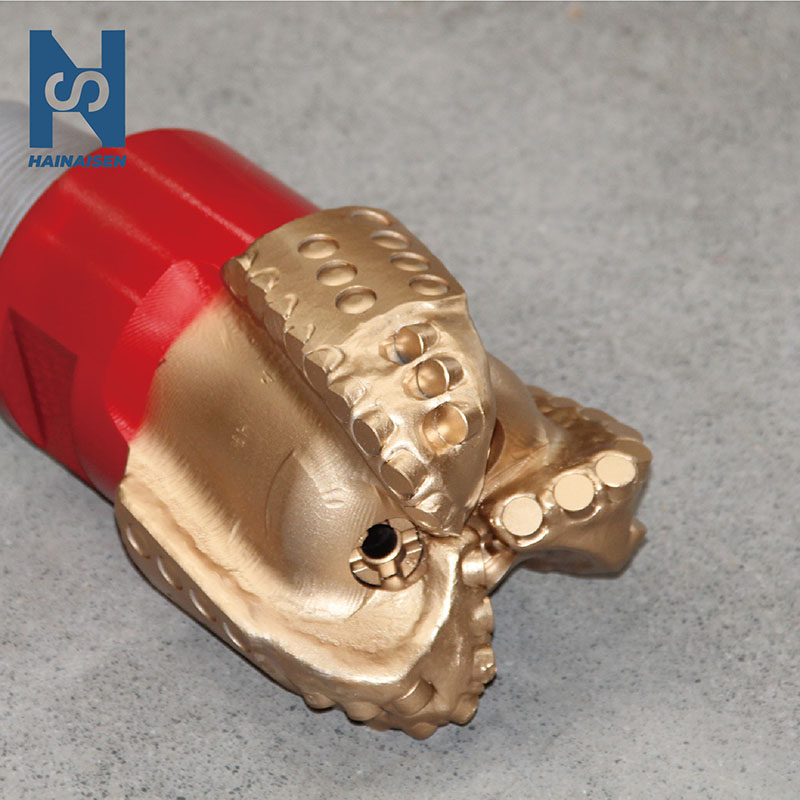
Our S433 model exemplifies this engineering philosophy. With a 6" (152.4mm) diameter and 61 PDC cutters strategically positioned across three blades, this bit delivers efficient rock fragmentation in sandstone, limestone, and shale formations. The 13mm PDC cutter size provides substantial cutting surface area while maintaining structural integrity under operational loads.
Material Selection and Manufacturing Quality
Advanced material engineering defines drill bit durability. Steel matrix body construction forms the foundation for three blade bits, providing mechanical strength required for harsh drilling environments. The bit body connects to drill strings through API 3-1/2 REG. PIN connections, ensuring reliable power transmission during operations.
PDC cutters integrate polycrystalline diamond layers bonded to tungsten carbide substrates, offering exceptional hardness and abrasion resistance. These cutters maintain sharp edges longer than conventional materials, reducing penetration rate decline throughout the bit's operational life. The 220mm height and 65mm gauge length of our S433 model represent optimized dimensions for vertical and directional drilling applications.
Cutting Mechanism and Hydraulic Efficiency
Three blade bits employ shearing action rather than crushing to fragment rock, requiring less energy per unit volume removed. This mechanism reduces thermal stress on cutters, extending their functional lifespan. The three-nozzle configuration in our S433 model channels drilling fluid across blade surfaces, cooling cutters, and transporting cuttings away from the bit face.
Proper hydraulic design prevents bit balling—the accumulation of formation material that impedes cutting efficiency. Fluid flow patterns created by the three-blade layout generate sufficient velocity to clean cutter surfaces continuously, maintaining penetration rates throughout each run. This hydraulic efficiency directly correlates with reduced wear rates and extended service intervals.
Wear Rate and Factors Affecting Service Life
Formation Characteristics and Abrasiveness
Rock properties determine wear patterns on drill bits. Formations containing quartz or other hard minerals accelerate cutter wear through abrasive contact. Compressive strength influences the energy required for rock fragmentation, with harder formations demanding higher weight on bit (WOB) settings that increase mechanical stress.
Interbedded formations pose particular challenges, as bits transition between materials with different hardness levels. Three blade designs handle these transitions more gracefully than alternative configurations, maintaining stability across formation boundaries. However, rapid transitions can still cause impact damage if drilling parameters aren't adjusted appropriately.
Operational Parameters Affecting Wear
The rotational speed of a three-blade oil drill bit directly influences cutter contact frequency with formation surfaces. Operating ranges between 120 and 220 RPM suit most three-blade applications, with higher speeds appropriate for softer formations and lower speeds protecting bits in harder rock. Excessive RPM generates heat that degrades cutter bonding and accelerates wear.
The weight on the bit determines cutting depth per revolution. Insufficient WOB causes cutters to slide across rock surfaces rather than engage effectively, producing polished wear patterns that reduce cutting efficiency. Excessive WOB can fracture cutters or overload blade structures. Optimal WOB balances penetration rate against mechanical stress to maximize service life.
Measuring and Predicting Bit Longevity
Tracking penetration rate decline provides an early indication of wear progression. As cutters dull, the energy required to achieve target penetration increases, reflected in reduced drilling progress per hour. Monitoring torque fluctuations reveals blade condition, with irregular patterns suggesting localized damage or uneven wear.
Visual inspection using IADC dullness grading standards quantifies wear levels across different bit components. Recording inner row, outer row, and gauge cutter condition enables data-driven decisions about bit retirement or repair. Establishing baseline performance metrics for specific formations allows operations teams to predict service life and schedule bit changes proactively.
Performance Comparison and Selection Criteria
Comparing Blade Configurations
Three-blade bits occupy a practical middle ground between aggressive two-blade designs and stable four- or five-blade alternatives. Two-blade bits offer higher penetration rates in soft formations but sacrifice stability and durability. Multi-blade configurations provide extended life in abrasive conditions, but penetrate more slowly and generate higher torque.
The three-blade architecture delivers versatile performance across formation types. In medium-hardness sandstone and limestone—common in oil and gas reservoirs—these bits match or exceed alternatives in both penetration rate and service life. This versatility makes them attractive for operations drilling through varied stratigraphic sections.
PDC vs. Roller Cone Technology
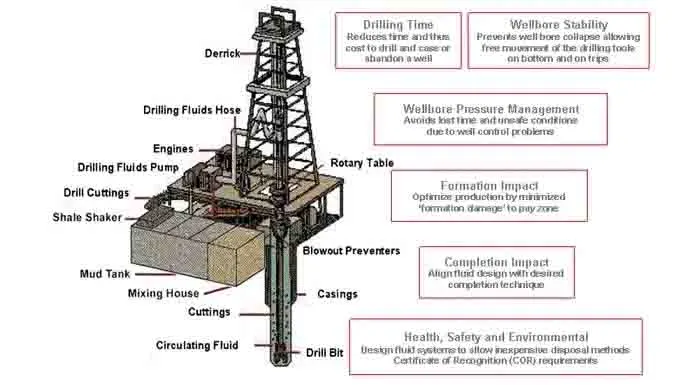
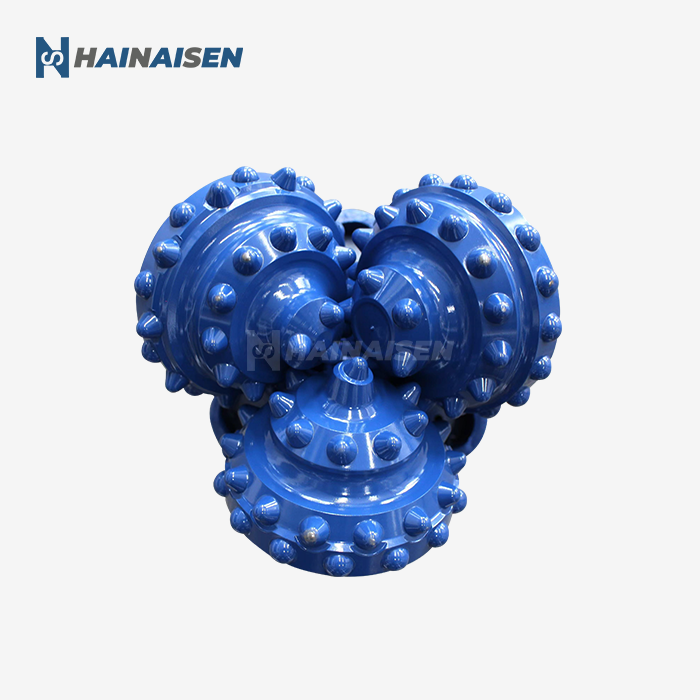
PDC Bits, including three blade designs, differ fundamentally from roller cone bits in cutting action and wear characteristics. PDC bits employ fixed cutters that shear rock, while roller cone bits use rotating cones with teeth that crush formations. PDC bits typically achieve faster penetration in soft to medium formations and experience more predictable wear patterns.
Roller cone bits remain competitive in hard, abrasive formations where their crushing action reduces cutter impact damage. However, their mechanical complexity and bearing wear make them less suitable for extended runs. Three blade PDC bits offer superior performance in directional drilling applications where smooth torque profiles and reduced vibration improve steering accuracy.
Formation-Specific Selection Guidelines
Selecting appropriate bit specifications requires matching design features to formation characteristics. Sedimentary sequences containing shale, sandstone, and limestone respond well to three-blade bits (PDC bits) with aggressive cutter profiles. The S433 model suits wells targeting depths between 1,500 and 4,000 meters in these formations, providing reliable performance throughout long drilling intervals.
Harder formations may benefit from bits featuring enhanced diamond concentrations or specialized cutter geometries. Conversely, softer formations allow larger cutter exposure angles that increase penetration rates. Working with experienced Manufacturers who understand formation-specific requirements helps procurement teams specify bits that optimize both initial performance and service life.
Procurement Considerations for B2B Clients
Evaluating Supplier Capabilities
Selecting reliable bit suppliers protects drilling operations from quality inconsistencies and supply disruptions. Manufacturers operating modern facilities with advanced machining equipment—such as 5-axis machining centers and CNC machine tools—demonstrate commitment to precision manufacturing. Production capacity indicated by facility size correlates with the ability to fulfill bulk orders within project timelines.
Technical support capabilities distinguish exceptional suppliers from commodity providers. Access to engineering teams who can recommend optimal bit specifications for specific applications adds value beyond product transactions. Suppliers offering customization services enable operators to address unique drilling challenges with tailored solutions rather than compromising with off-the-shelf alternatives.
Total Cost of Ownership Analysis
Purchase price represents only one component of drill bit economics. Service life determines cost per meter drilled—the metric that truly impacts project budgets. A moderately priced bit that drills twice the footage of a cheaper alternative delivers better value despite a higher upfront cost.
Warranty coverage and after-sales support protect against premature failures and manufacturing defects. Responsive service when issues arise minimizes operational downtime and associated rig costs. Evaluating suppliers based on comprehensive support packages rather than quoted prices alone leads to better long-term outcomes.
Customization and OEM Services
Standard bit designs serve many applications effectively, but unique drilling conditions sometimes require specialized solutions. Manufacturers with dedicated design teams can modify blade profiles, cutter layouts, and hydraulic features to optimize performance for specific formations or operational constraints.
Custom bit development involves collaboration between drilling engineers and manufacturing specialists. Detailed formation analysis, offset well data, and operational parameters inform design decisions. At HNS, our 3,500 m² facility houses both production and R&D functions, enabling rapid prototyping and testing of custom designs. This integration accelerates development cycles and ensures manufactured bits match approved specifications precisely.
Optimizing Drill Bit Performance for Extended Service Life
Implementing Best Drilling Practices
Achieving maximum bit longevity requires disciplined operational practices. Gradual weight increases during bit break-in allow cutters to seat properly and PDC layers to stabilize under load. Abrupt WOB changes can chip cutters or damage blade structures, especially during the initial meters drilled.
Maintaining a consistent rotary speed of the PDC bit prevents thermal cycling that weakens cutter bonds. Smooth tripping procedures protect gauge cutters from impact damage when running in a hole or pulling out. These seemingly minor operational details have a significant impact on the bit condition throughout each run.
Recognizing and Preventing Common Failure Modes
Cutter chipping typically results from excessive impact loading or abrupt drilling parameter changes. Rounded cutter edges indicate normal abrasive wear, while flat spots suggest sliding contact from insufficient WOB. Gauge wear occurs when bits fail to maintain full hole diameter, often caused by inadequate stabilization or reactive formations.
Thermal damage appears as discolored or cracked PDC cutters, indicating inadequate hydraulic cooling or excessive rotary speed. Regular monitoring of drilling parameters and formation characteristics allows operators to adjust practices before minor wear progresses to catastrophic failure. Establishing parameter limits based on bit design specifications protects against operational practices that compromise longevity.
Emerging Technology Trends
Material science advances continue to improve PDC bit performance. Enhanced diamond synthesis techniques produce cutters with superior thermal stability and impact resistance. Advanced coatings reduce friction between cutters and formation, lowering heat generation and extending service life.
Design innovations, including optimized blade spirals and refined cutter placement patterns, improve bit stability and cleaning efficiency. Computational modeling enables manufacturers to simulate drilling performance before physical prototypes exist, accelerating the development of higher-performing designs. Staying informed about these technological developments helps procurement teams specify cutting-edge solutions that deliver competitive advantages in drilling efficiency.
Conclusion
Three-blade oil drill bits deliver dependable performance across diverse drilling applications, balancing penetration rate with extended service life. Understanding wear mechanisms, formation characteristics, and operational parameters enables procurement managers and engineers to select appropriate specifications and implement practices that maximize bit longevity. Performance differences between blade configurations, material quality, and supplier capabilities significantly impact total drilling costs. The S433 model exemplifies modern three-blade design, incorporating 61 strategically positioned PDC cutters and optimized hydraulics within a robust steel matrix body. Partnering with manufacturers who provide technical expertise, customization capabilities, and comprehensive support services enhances procurement outcomes and operational success.
FAQ
1. How frequently should three-blade drill bits be inspected during operations?
Inspection frequency depends on formation abrasiveness and drilling parameters. In moderately abrasive formations, examining bits every 50-100 meters drilled identifies wear patterns before they compromise performance. Highly abrasive conditions warrant more frequent checks at 30-50 meter intervals. Surface inspections after each bit run using the IADC grading standards document wear progression and inform future bit selections.
2. What differentiates wear resistance between three-blade and conventional PDC bits?
Three-blade PDC bits distribute cutting forces across fewer, larger blades compared to multi-blade designs. This geometry reduces stress concentration at individual cutters, potentially extending service life in stable formations. However, multi-blade bits may outlast three blade designs in highly abrasive conditions where redundant cutting structures provide longevity advantages. Formation characteristics ultimately determine which configuration delivers superior wear resistance.
3. Can manufacturers customize three blade bits for specific drilling conditions?
Reputable manufacturers offer customization services that modify blade profiles, cutter sizes, nozzle configurations, and body materials to suit specific applications. Custom development requires detailed formation data and operational parameters to inform design decisions. Lead times for custom bits typically extend 4-8 weeks beyond standard product delivery, depending on modification complexity. Working with manufacturers maintaining in-house R&D capabilities ensures designs meet performance objectives.
Partner with HNS as Your Trusted Three Blade Oil Drill Bit Supplier
HNS specializes in engineering high-performance drilling solutions tailored to demanding operational requirements. Since establishing operations in Xi'an in 2013, we've delivered reliable three blade oil drill bits to oil service companies, coal mining operations, and geological exploration teams worldwide. Our S433 model demonstrates our commitment to precision manufacturing, featuring 61 carefully positioned 13mm PDC cutters within a robust 22kg bit body designed for extended service life in medium-hardness formations. Our modern 3,500m² facility houses advanced 5-axis machining centers and dedicated R&D teams who collaborate with clients to develop custom solutions addressing unique drilling challenges. Whether you require standard specifications or bespoke designs, our technical specialists provide comprehensive support from initial consultation through after-sales service. Contact our team at hainaisen@hnsdrillbit.com to discuss your drilling requirements, request detailed specifications for the S433 model, or explore custom bit development options that optimize performance and reduce your cost per meter drilled.
References
1. Bellin, F., Dourfaye, A., King, W., & Thigpen, M. (2010). "The Current State of PDC Bit Technology." World Oil, 231(9), 41-46.
2. Durrand, C. J., Skeem, M. R., & Crockett, R. B. (2011). "Super-hard, Thick PDC Cutters for Hard Rock Drilling: Development and Test Results." SPE/IADC Drilling Conference and Exhibition.
3. Glowka, D. A. (1989). "Use of Single-Cutter Data in the Analysis of PDC Bit Designs: Part 2—Development and Use of the PDCWEAR Computer Code." Journal of Petroleum Technology, 41(8), 850-859.
4. Pessier, R. C., & Fear, M. J. (1992). "Quantifying Common Drilling Problems with Mechanical Specific Energy and Bit-Specific Coefficient of Sliding Friction." SPE Annual Technical Conference and Exhibition.
5. Warren, T. M., & Armagost, W. K. (1988). "Laboratory Drilling Performance of PDC Bits." SPE Drilling Engineering, 3(2), 125-135.
6. Zhou, Y., & Lin, J. S. (2013). "Modeling the Ductile-Brittle Failure Mode Transition in Rock Cutting." Engineering Fracture Mechanics, 109, 161-173.
 VIEW MORERock Roller Drill Bit
 VIEW MOREFour Blade Wing High Performance Petroleum Drill Bit
 VIEW MOREThree Blade Oil Drill Bit
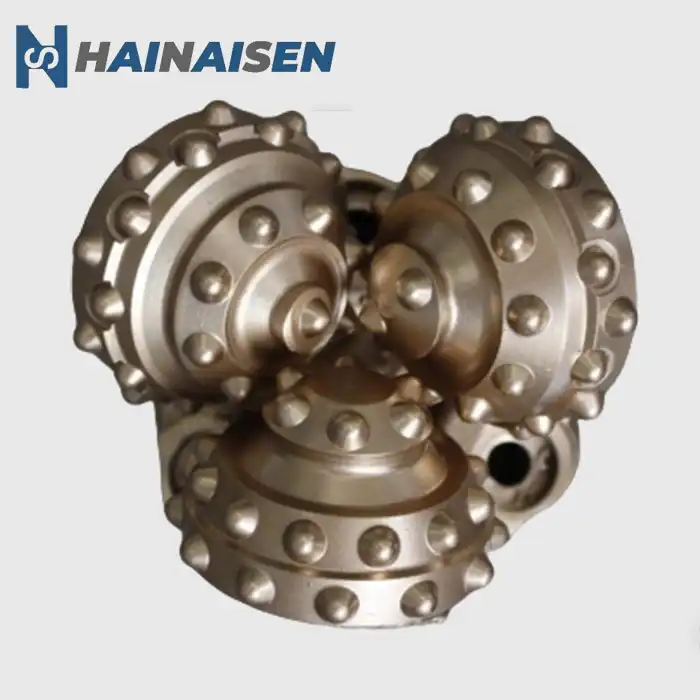 VIEW MORE4 1/2" IADC 537 Tricone Rock Bit
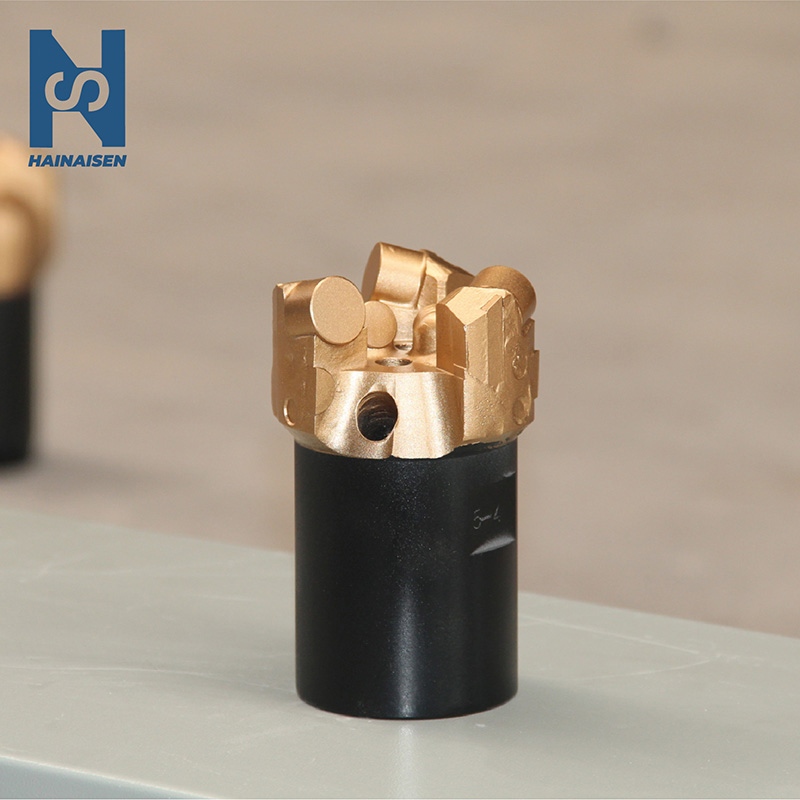 VIEW MORECoal Mining PDC Drill Bits
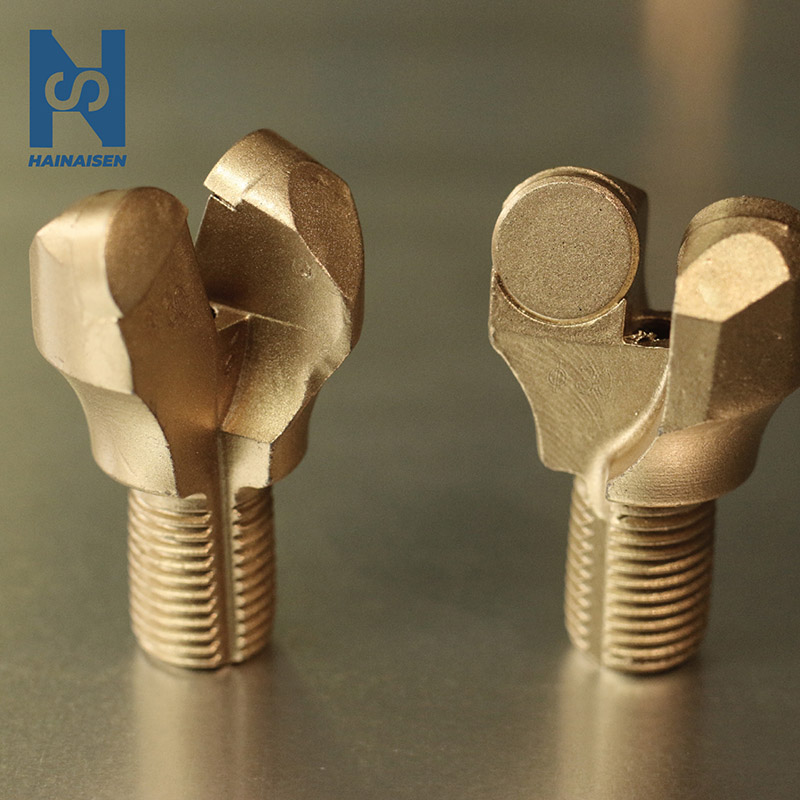 VIEW MORE30mm Half Blade Anchor Bit For Mine Coal Fields
logo 2_1777361643767.jpg) VIEW MORE94mm Four Wing Arc Angle Drill Bit
VIEW MORE94mm Four Wing Arc Angle Drill Bit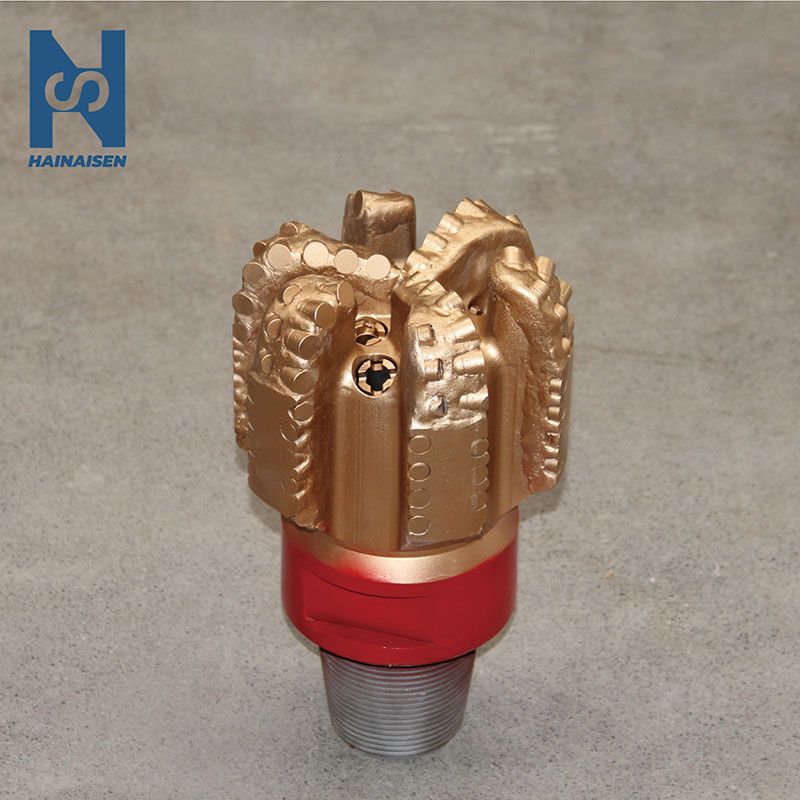 VIEW MORE6-Blade PDC Drill Bit
