







Five Blades Oil Well Drill Head: Cutter Placement Best Practices
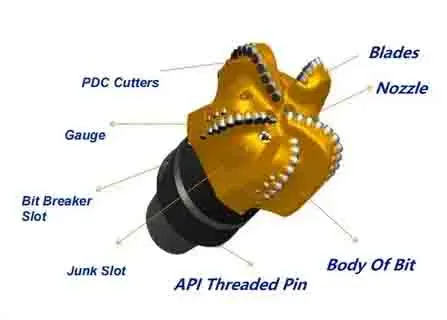
Proper cutter placement on a five-blade oil well drill head determines whether your drilling operation achieves optimal penetration rates or faces premature equipment failure. The strategic positioning of PDC cutters directly impacts cutting efficiency, vibration control, and overall drilling performance across various geological formations. Understanding how to optimize cutter arrangement on five-blade configurations helps purchasing managers and technical engineers reduce operational costs while extending tool life in demanding oil and gas, coal mining, and water well drilling applications.
Understanding the Five Blades Oil Well Drill Head
Fundamental Structure and Design Philosophy
The five-blade drill head architecture represents a balanced approach between aggressive cutting action and operational stability. Unlike three-blade designs that offer higher flow rates but less stability, or six-blade configurations that provide smoother operation but slower penetration, the five-blade structure delivers an optimal compromise. This configuration distributes cutting forces evenly across the drill face, minimizing bit whirl and lateral vibrations that commonly plague drilling operations in medium-hardness formations.
At Shaanxi Hainaisen Petroleum Technology, we engineer our five-blade drill heads with precision-machined blade profiles that work synergistically with our cutter placement strategy. Each blade features a carefully calculated spiral angle that enhances cutting evacuation while maintaining structural integrity under drilling pressures ranging from 10 to 100 kN.
Material Selection and Its Impact on Cutter Placement
Blade body materials significantly influence where cutters can be positioned and how they perform under stress. Steel body drill heads offer exceptional strength-to-weight ratios and allow for flexible cutter placement due to their machinability and weldability. We utilize high-grade alloy steel in our manufacturing process, which accommodates aggressive cutter angles near the nose and shoulder areas without compromising structural stability.
Matrix body configurations, composed of tungsten carbide particles bonded in a metallic matrix, provide superior erosion resistance in abrasive environments. However, the brittle nature of matrix bodies requires more conservative cutter placement strategies, with increased spacing between cutters to prevent fracture initiation points. When drilling through sandstone or formations with high silica content, matrix bodies with strategically placed PDC cutters deliver extended service life compared to steel alternatives.
Blade Geometry Fundamentals
Cutting angles and blade profiles directly affect how efficiently rock is fractured and removed from the borehole. Our engineers design blade geometries with specific rake angles—the angle between the cutter face and the formation—that balance aggressiveness with durability. Positive rake angles, typically between 15 and 25 degrees, reduce cutting forces and improve penetration rates in softer formations like shale and limestone. Negative rake angles, ranging from -5 to -15 degrees, sacrifice some cutting efficiency for dramatically improved impact resistance in harder, interbedded formations.
The spiral configuration of the five blades of the Five Blades Oil Well Drill Head creates a continuous cutting path that prevents tracking issues common in straight-blade designs. This spiral geometry works in conjunction with proper cutter placement to ensure each PDC element engages fresh formation rather than re-cutting previously fractured rock, which significantly improves drilling efficiency.
Cutter Placement Best Practices for Optimal Performance
Core Principles of Load Distribution
Balanced load distribution across all cutters represents the foundation of an effective cutter placement strategy. When cutters are positioned to share cutting forces equally, no single element bears excessive load that would accelerate wear or cause premature failure. We achieve this balance through computer-aided design analysis that simulates drilling forces under various operational parameters.
The nose area—the central region of the drill face—requires careful attention because it experiences the highest compressive forces. Placing cutters too densely in this zone creates interference between adjacent elements, reducing individual cutter efficiency. Conversely, insufficient nose coverage forces peripheral cutters to compensate, leading to accelerated shoulder wear. Our optimal nose cutter density maintains approximately 8-12 mm spacing between adjacent cutters, depending on formation characteristics and expected penetration rates.
Shoulder and gauge cutters must be positioned to provide adequate support while maintaining the borehole diameter. These peripheral cutters typically experience more abrasive wear than nose cutters due to their scraping action against the borehole wall. Strategic placement with slightly increased back rake angles in the shoulder region reduces friction and heat generation, extending cutter life in abrasive formations.
Alignment Precision and Its Operational Impact
Precise cutter alignment ensures each element engages the formation at the designed depth of cut, preventing some cutters from bearing disproportionate loads. Even minor misalignments of 0.5mm or less can create imbalanced forces that generate vibrations, reduce penetration rates, and cause premature wear. Our manufacturing facility utilizes 5-axis machining centers and precision welding production lines to maintain alignment tolerances within 0.1mm across all cutter positions.
Radial positioning—the distance of each cutter from the drill head center—must follow a calculated progression that accounts for rotational speed and anticipated weight on bit. Cutters positioned at larger radii travel greater distances per revolution and therefore cut more formation material. Proper radial distribution ensures all cutters maintain similar wear rates, maximizing the useful life of the entire drill head rather than forcing replacement due to isolated cutter failure.
Addressing Common Placement Challenges
Uneven wear patterns frequently indicate suboptimal cutter placement or operational parameters mismatched to the drill head design. When nose cutters exhibit significantly more wear than shoulder cutters, the placement strategy likely concentrates too much cutting action centrally. We address this through computational modeling that redistributes cutting responsibilities more evenly across the entire drill face.
Premature blade failures often stem from stress concentrations created by improper cutter spacing or alignment. Placing cutters too close to blade edges creates stress risers where cracks can initiate and propagate. Our design protocols maintain minimum distances of 5mm between cutter pockets and blade edges, while reinforcing high-stress areas with additional material or geometric features that distribute loads more effectively.
Excessive vibrations during drilling operations of PDC Bits signal force imbalances that proper cutter placement should eliminate. Analyzing vibration frequency and amplitude helps identify specific cutters contributing to instability. Adjusting the angular position or exposure height of problematic cutters restores smooth operation and protects both the drill head and the entire drill string from fatigue damage.
Comparing Cutter Placement Across Blade Configurations
Five-Blade Advantages in Various Applications
The five-blade configuration offers distinct cutter placement advantages compared to alternative designs. Three-blade drill heads provide excellent hydraulic flow capacity, allowing higher fluid circulation rates that improve cuttings removal. However, the wider spacing between blades limits the number of cutters that can be effectively positioned, reducing cutting efficiency in harder formations. Four-blade designs improve on this by adding more cutting structure, but still face challenges with vibration control at higher rotational speeds.
Six-blade drill heads maximize the number of cutters that can be strategically placed, delivering extremely smooth operation and minimal vibration. This configuration excels in deep drilling applications where vibration control becomes critical for directional accuracy and equipment protection. However, the reduced space between blades restricts hydraulic flow and can lead to cuttings accumulation problems, particularly in sticky formations like certain clays or gypsum.
Our five-blade design at HNS strikes an optimal balance for the majority of oil and gas, coal mining, and water well drilling applications. The blade spacing accommodates 20-35 liters per second flow rates—our standard operational range—while providing sufficient cutting structure to maintain penetration rates across medium-hardness formations, including shale, limestone, sandstone, and gypsum.
Depth-Specific Placement Strategies
Shallow drilling operations, typically under 1,000 meters, allow for more aggressive cutter placement strategies because lower bottomhole pressures reduce the risk of catastrophic cutter failure. We design shallow-application drill heads with higher cutter densities and more aggressive exposure angles that maximize penetration rates. The relatively short service intervals in shallow drilling permit optimizing for speed rather than extended durability.
Deep drilling applications demand conservative cutter placement approaches that prioritize longevity and reliability over maximum penetration rates. High bottomhole temperatures and pressures create challenging operating conditions where cutter failure can lead to costly fishing operations or lost drill heads. We position cutters with greater spacing and reduced exposure in deep-application designs, accepting slightly lower instantaneous penetration rates to ensure the drill head completes its planned interval without failure.
Cost-Benefit Analysis of Placement Optimization
Smart cutter placement decisions generate measurable economic benefits throughout a drill head's service life. Properly placed cutters maintain sharper cutting edges longer, sustaining higher penetration rates throughout the drilling interval rather than experiencing progressive performance degradation. We've documented cases where optimized placement strategies increased total footage per bit by 40-60% compared to conventional designs, translating directly to reduced equipment costs and decreased non-productive time.
Maintenance expenses decrease substantially when cutter placement minimizes uneven wear and stress concentrations. Drill heads (PDC bits) designed with balanced cutter loads require less frequent redressing or refurbishment, lowering the total cost of ownership. For large oil service companies conducting systematic drilling campaigns, these cumulative savings across multiple wells justify investing in premium drill heads with engineered cutter placement rather than selecting equipment solely on initial purchase price.
Conclusion
Optimizing cutter placement on five-blade drill heads transforms drilling efficiency, equipment longevity, and operational economics. The strategic positioning of PDC cutters ensures balanced load distribution, minimizes vibration, and maximizes penetration rates across diverse geological formations. Understanding the interplay between blade configuration, material selection, and cutter arrangement empowers procurement managers and technical engineers to make informed decisions that reduce drilling costs while improving performance. Regular maintenance informed by systematic inspection protocols sustains optimal cutter function throughout service life, protecting your investment and maximizing productivity in demanding drilling applications.
FAQ
1. How does cutter positioning influence drilling efficiency?
Cutter positioning determines how effectively each PDC element engages and fractures formation rock. Properly spaced cutters avoid interference between adjacent elements, allowing each to achieve its optimal depth of cut. This maximizes rock removal per revolution while minimizing energy consumption. Poorly positioned cutters create force imbalances that reduce penetration rates and increase vibration, which slows drilling progress and accelerates equipment wear.
2. Can cutters be adjusted during routine maintenance?
Individual cutters cannot be repositioned once installed without complete refurbishment involving specialized brazing equipment. During maintenance, technicians can replace worn or damaged cutters in their original positions, but changing cutter layout requires returning the drill head to a qualified service center. This is why selecting drill heads with optimized initial cutter placement proves critical to long-term performance and cost-effectiveness.
3. Does improper cutter placement affect warranty coverage?
Manufacturing defects in cutter placement fall under standard warranty provisions. However, operating drill heads outside specified parameters—such as exceeding recommended speed ranges or drilling pressures or using them in formations beyond the design specifications—may void warranty coverage even when cutter placement initially met design standards. Proper operational practices protect both equipment performance and warranty rights.
Partner with HNS for Advanced PDC Drill Head Solutions
Shaanxi Hainaisen Petroleum Technology stands ready to enhance your drilling operations with precisely engineered five-blade drill heads featuring scientifically optimized cutter placement. Our team combines advanced manufacturing capabilities—including 5-axis machining centers and CNC production lines—with over a decade of application experience across oil and gas, coal mining, and water well drilling sectors. We deliver drilling tools that balance penetration speed, equipment durability, and cost-effectiveness to match your operational priorities.
Our comprehensive support extends beyond product delivery to include technical consultation, performance analysis, and custom design services tailored to your specific geological challenges. Whether you're a large oil service company requiring certified equipment with rigorous quality documentation or a coal mining operation seeking performance advantages at competitive pricing, we provide solutions aligned with your business model.
Contact our engineering team at hainaisen@hnsdrillbit.com to discuss your drilling requirements and explore how our Five Blades Oil Well Drill Head can optimize your next project.
References
1. Bellin, F. & Willis, R. (2019). "PDC Bit Design Optimization: Cutter Layout Strategies for Enhanced Performance." Journal of Petroleum Technology, 71(4), 45-58.
2. Chen, S. & Zhang, H. (2020). "Analysis of Blade Configuration Effects on Drill Bit Stability in Heterogeneous Formations." International Journal of Rock Mechanics and Mining Sciences, 128, 104-116.
3. Durrand, C.J., Skeem, M.R. & Hall, D.R. (2018). "Application of PDC Technology to Improve Drilling Performance." SPE Drilling & Completion, 33(2), 89-102.
4. Hareland, G. & Rampersad, P.R. (2017). "Drill Bit Selection and Optimization Strategies Based on Formation Characteristics." Journal of Canadian Petroleum Technology, 56(3), 178-192.
5. Mitchell, R.F. & Miska, S.Z. (2021). "Fundamentals of Drilling Engineering: Bit-Rock Interaction and Cutter Mechanics." SPE Textbook Series, Volume 12, Society of Petroleum Engineers.
6. Warren, T.M. & Armagost, W.K. (2018). "Laboratory Drilling Performance of PDC Bits: Effects of Cutter Density and Placement." SPE/IADC Drilling Conference Proceedings, Paper 189625, 223-238.
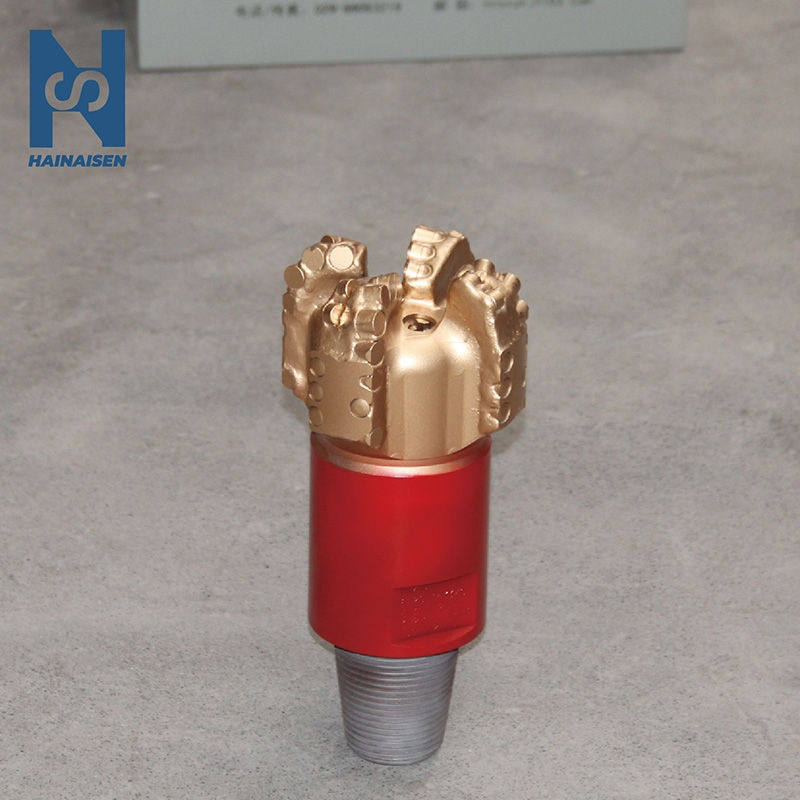 VIEW MORE4 Wings Blades PDC Bit
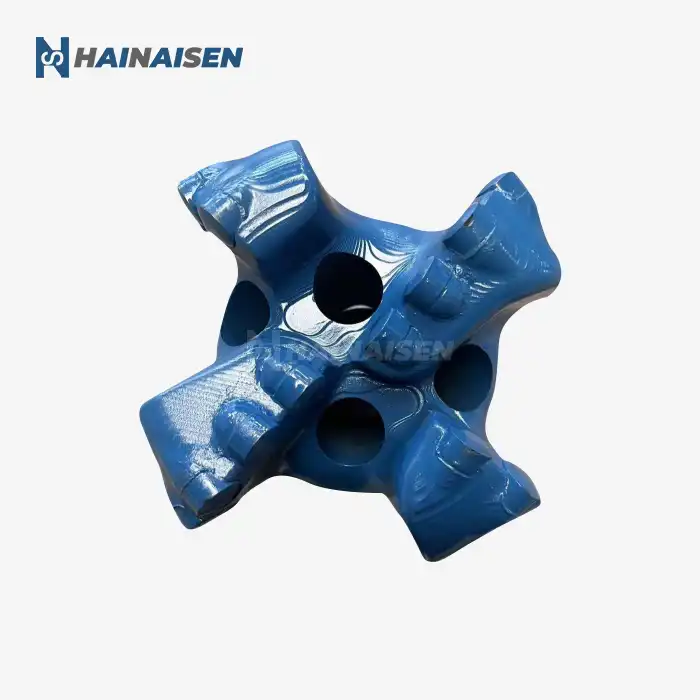 VIEW MORESteel Body PDC Bit 4 Blades
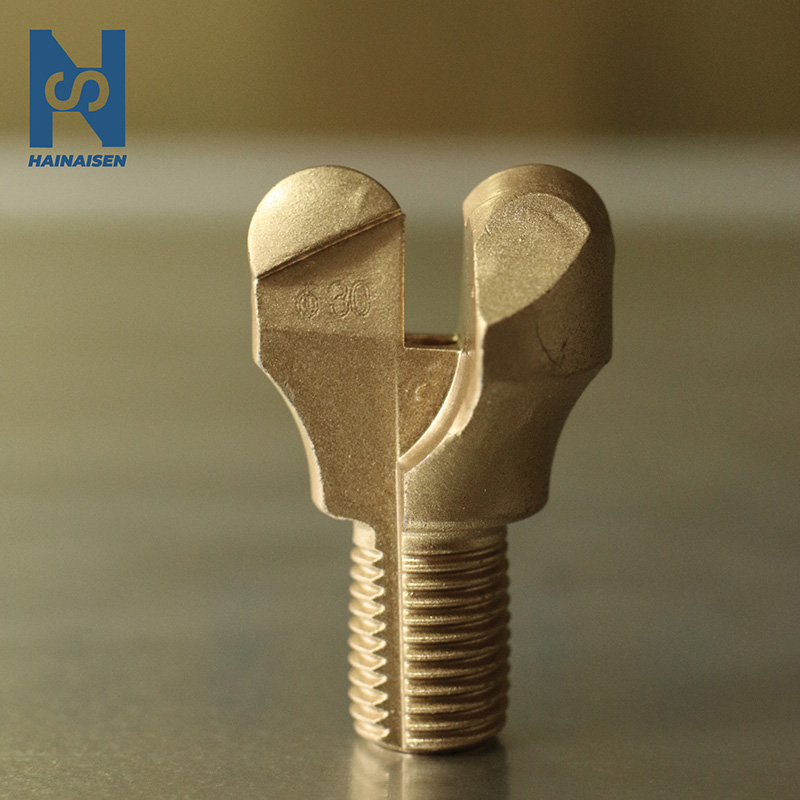 VIEW MORE34 And A Half Whole Coal Mine Mining Anchor Drill Bits
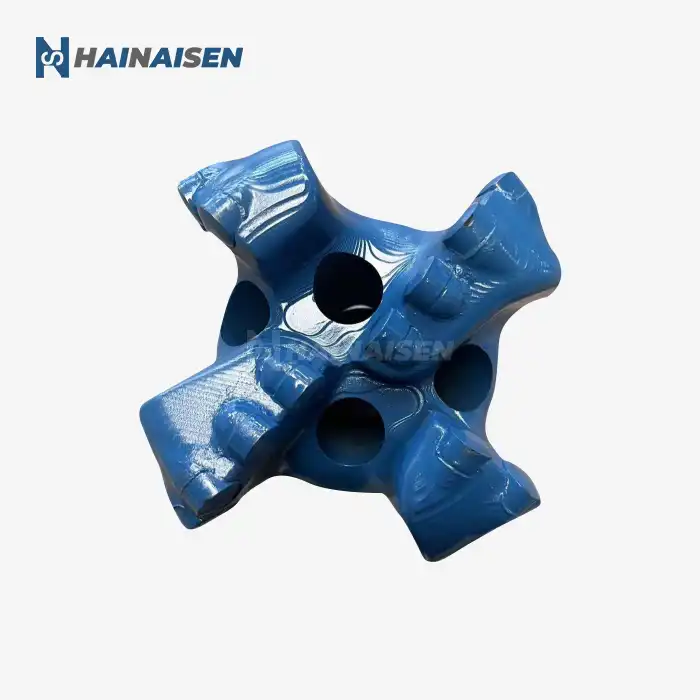 VIEW MORE4 Blade PDC Bit
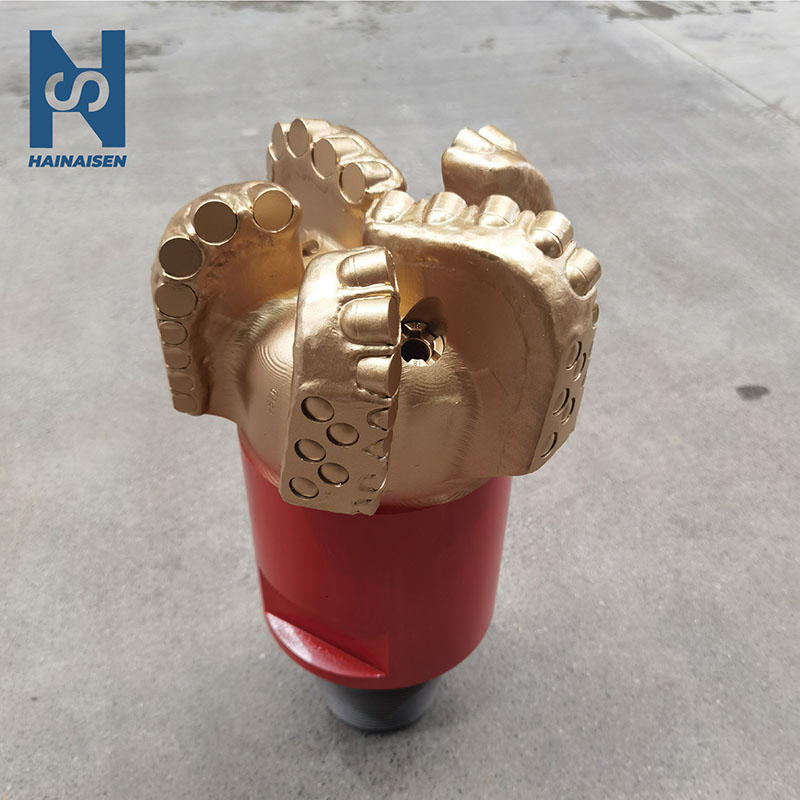 VIEW MOREFive Blade PDC Drill Bit
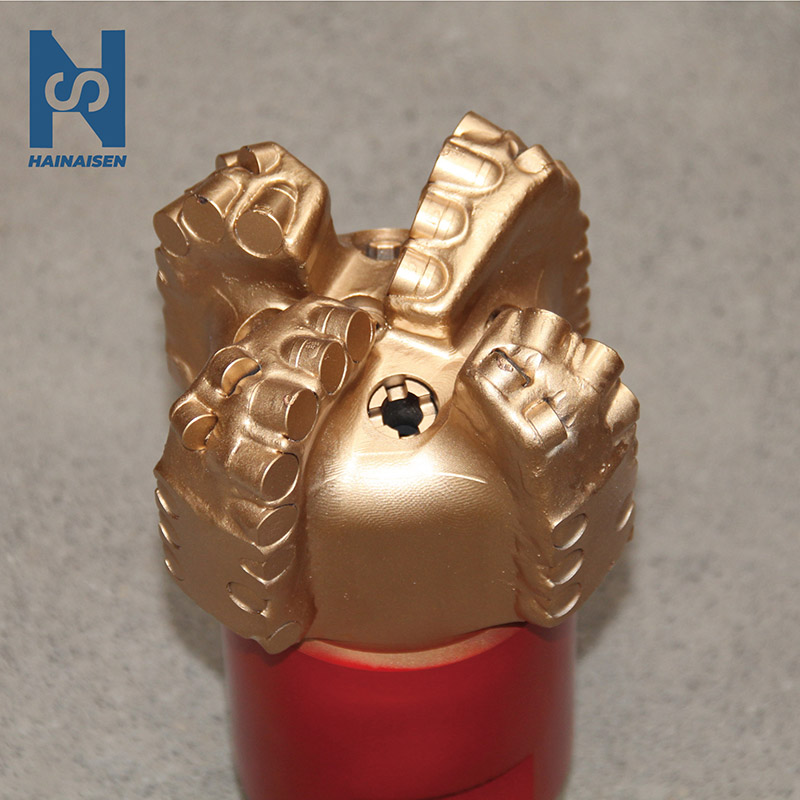 VIEW MOREFour Blade Wing High Performance Petroleum Drill Bit
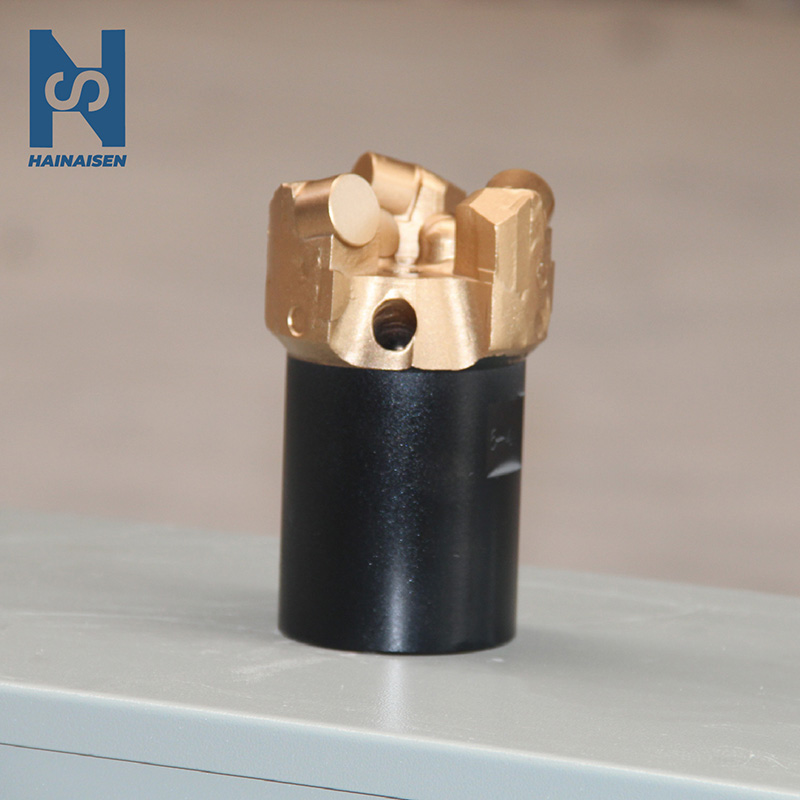 VIEW MORECoal Mining Use Diamond Drill Bit
logo 2_1777361643767.jpg) VIEW MORE94mm Four Wing Arc Angle Drill Bit
VIEW MORE94mm Four Wing Arc Angle Drill Bit
