




Three Blade Oil Drill Bit for Unconventional Reservoir Drilling
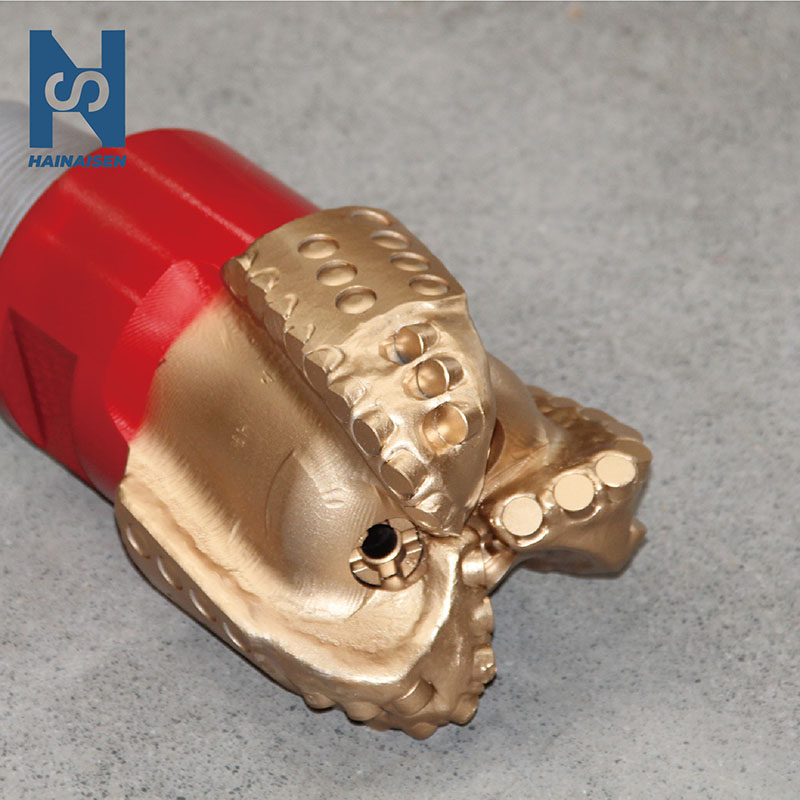
The Three-Blade Oil Drill Bit is a reliable tool designed for hard rock types that can be used when drilling needs to be precise and efficient in unusual sources. A balanced three-blade design and advanced PDC cutting technology work together in this specialized drilling tool to provide uniform entry rates while staying stable in rock with different thicknesses. More and more, operators working in shale rocks, tight sandstones, and other unusual sources depend on this design to get the best performance, lower costs, and extend bit life in places where regular tools don't work well.
Understanding Three Blade Oil Drill Bits in Unconventional Reservoir Drilling
Three-blade drill bits are designed to solve certain problems that come up when digging unusual reservoirs. Unconventional sources are different from conventional rocks because they often have layers of different hardness, coarse minerals, and unpredictable stress patterns. This means that the drilling tool needs to be able to respond without losing its performance.
Operating Principles and Blade Geometry
The three-blade design places blades every 120 degrees around the bit body, making a uniform cutting pattern that reduces sound and side forces. This setup is balanced, so each blade can strike the formation on its own while keeping the contact pressure the same. The shape improves cutting physics by spreading the load evenly across the bit face. This makes it less likely that uneven designs will develop premature wear patterns.
The three-blade structure makes it easy for the bit to move smoothly between soft and hard rock forms as it spins through different layers of rock. This trait is especially useful for directed drilling, where keeping the track needs steady cutting action and little departure from the wellbore paths that were planned.
Technical Specifications and Materials
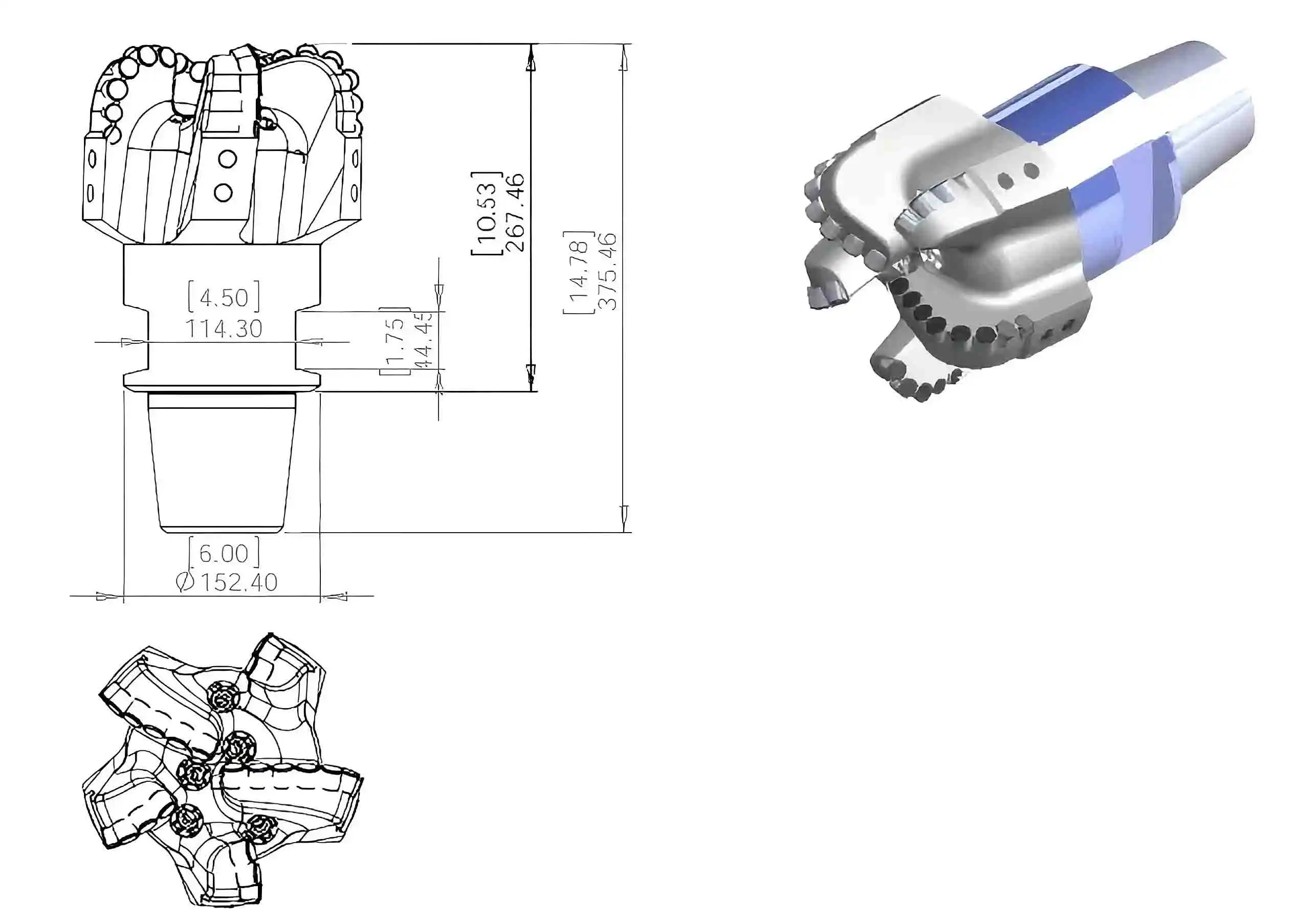
Take a look at our model with the IADC code S433, which has a 6-inch (152.4mm) width and is good for medium-sized drilling jobs. This set-up has 61 13mm PDC cutters carefully placed across three blades to make the best contact with the formation while keeping enough space between the cutters for effective debris removal. The bit is 220 mm tall and has a gauge length of 65 mm, which keeps the wall of the hole stable during long drilling runs.
Material choice is a very important part of bit function. The bit body is usually made of high-grade steel or tungsten carbide matrix construction, which keeps the structure strong even when temperatures and pressures are very high downhole. PDC cuts have very high hardness values, between 4,000 and 8,000 on the Vickers scale. This is because they have polycrystalline diamond layers attached to tungsten carbide surfaces. This mix lets cuts keep their edges sharp even in rough areas where regular steel-tooth options would quickly wear down.
The API 3-1/2 REG.PIN connection standard makes sure that most drill string setups used in oil and gas activities can work together. At 22 kilograms net weight, the bit is still easy to handle in the field and has enough mass to keep the drilling dynamics stable. Three ports help the hydraulic fluid move around, which flushes the cuts off the bit face and keeps the cutters cool while they're working.
Types and Variations
Three-blade bits (three-blade oil drill bits) are mostly PDC, but there are different kinds to meet the needs of different formations. Fixed cutter designs, like our model, work consistently in soft to medium-hard materials. Hybrid designs with roller parts, on the other hand, are better for tasks that need extra toughness in very rough conditions. Steel-tooth versions are less common in unusual reservoir work, but they can help water well drilling teams that are trying to stay within their budgets while also extending the life of their tools.
Performance and Efficiency in Unconventional Reservoir Applications
When digging unconventional reservoirs, you need tools that can cut quickly and last a long time. Three-blade designs meet this need by distributing weight more evenly and placing cutters in a way that improves entry rates without shortening the life of the bit.
Operational Advantages in Complex Formations
In some boring situations, the lower number of blades compared to four- or five-blade options is very helpful. When there are fewer blades, there are bigger junk holes between each cutting structure. This makes the flow of fluids better and makes it easier to get rid of cuttings. This design keeps cuts from building up, which can lead to bit balling, a situation in which formation material sticks to the bit face and makes cutting less effective.
When drilling in medium-hard rocks like fairly packed sandstones and limestones, drilling workers say that moving from traditional four-blade designs to three-blade designs increases the penetration rate by 15 to 25 percent. The balanced blade design lowers rotational vibration, which lets the rotating speed go up without causing harmful stick-slip vibrations that hurt the drill bit and string. Rotational speeds of this bit design are usually set between 120 and 220 RPM but can be changed depending on the hardness of the formation and the rate of entry that is needed.
When drilling for a long time, three-blade designs work best because they use less energy. Because there is less contact area between the bit and the rock, less force is needed. This means that motorized rigs use less fuel and electric systems use less electricity. Over the course of a multi-well drilling program, these gains in efficiency add up to big cost saves for oil service companies that are trying to stick to tight operating budgets.
Durability and Maintenance Considerations
The biggest problem with any rotating drill bit is that the blades wear out. When there are three blades, the cutting forces are spread out over fewer touch points, which at first glance seems to mean that the blades will wear out faster. This worry can be lessened, though, by using the right cutter setting and high-quality PDC materials. As part of routine checking procedures, the state of the cutter, the amount of wear, and the patterns of blade degradation should be checked after each cutting run.
Some common problems are localized cutting damage from hard features in rocks, gauge ring wear from long-term contact with the shaft, and nozzle plugging from not enough fluid filtration. In order to fix these problems, regular maintenance schedules must be followed. These include replacing the cutter when the diamond layers show the base materials, fixing or replacing the gauge to keep the opening width within acceptable limits, and cleaning the nozzle to keep the hydraulic performance high.
To extend the life of a bit drill bit oilfield, operating factors must be matched to the features of the creation. Too much weight on the bit speeds up cutter wear, while not enough weight slows down entry. To reach this balance, drilling engineers who look at rock data and rig workers who change drilling settings in real time based on sensor feedback and what they see happening in the drill must talk to each other.
Procurement Considerations for B2B Clients
Selecting appropriate drilling bits requires technical assessment matched with commercial awareness. Purchasing managers and technical engineers must evaluate multiple factors that influence both immediate performance and long-term operational costs.
Selection Criteria and Technical Evaluation
Reservoir characteristics drive bit selection decisions. Formation hardness, abrasiveness, and lithology variations determine optimal blade count, cutter size, and material specifications. Three-blade designs excel in medium-hardness formations with compressive strengths between 10,000 and 25,000 PSI, where they balance penetration speed with acceptable wear rates.
Drilling depth compatibility influences bit body design and cutter durability requirements. Shallow wells under 5,000 feet may tolerate more aggressive cutter arrangements prioritizing penetration rates, while deep wells exceeding 15,000 feet demand conservative designs that ensure bit survival through extended exposure to extreme temperatures and pressures. The gauge length specification of 65mm in our model provides adequate borehole stability for most medium-depth applications without excessive drag that hampers drilling progress.
Energy efficiency parameters gain importance as operational costs rise. Bits requiring lower torque reduce fuel consumption and extend drill string component life by minimizing torsional stress. Procurement teams should request torque-on-bottom data from suppliers to compare energy requirements across different bit models under similar formation conditions.
Cost Analysis and Bulk Purchasing
Pricing for three-blade PDC Bits varies considerably based on specifications, with standard designs ranging from moderate to premium tiers depending on cutter quality and bit body construction. Medium and large oil service companies benefit from establishing long-term supplier relationships that unlock volume discounts, priority delivery scheduling, and customization options without excessive lead time penalties.
Coal mining companies often prioritize cost-performance ratios, seeking bits that deliver acceptable penetration rates at competitive prices. Sample testing programs allow these organizations to validate bit performance in their specific geological conditions before committing to larger orders. Water well drilling teams typically operate under tighter budget constraints, making price the dominant selection criterion provided bits meet minimum performance thresholds.
Customization options include adjusted cutter counts, modified blade profiles, specialized nozzle configurations, and alternative connection types. Custom bit designs typically require four to six weeks for engineering review, prototype fabrication, and testing before full production commences. This lead time should factor into project planning timelines, particularly for drilling programs targeting specific calendar windows.
Supplier Evaluation Standards
Qualified suppliers maintain Certifications demonstrating manufacturing quality standards and adherence to industry specifications. ISO 9001 certification indicates established quality management systems, while API certifications confirm compliance with petroleum industry standards for drilling equipment. Requesting certification documentation helps procurement teams verify supplier credibility before finalizing purchase agreements.
Warranty terms vary significantly across suppliers. Standard coverage typically includes manufacturing defects identified within 30 days of delivery, while extended warranties may cover premature wear under normal operating conditions. Clear warranty language defining covered scenarios, claim procedures, and remediation options protects buyers from unexpected replacement costs.
Delivery logistics of drill bit oilfields affect project timelines and inventory management strategies. Suppliers with regional warehouses reduce shipping delays and freight costs compared to direct international shipment. After-sales support capabilities including technical consultation, field service availability, and replacement parts inventory distinguish premium suppliers from budget alternatives. Establishing communication channels with supplier engineering teams facilitates troubleshooting support when unexpected drilling challenges arise.
Conclusion
Three-blade oil drill bits represent a proven technology for unconventional reservoir drilling, offering balanced performance characteristics suited to medium-hardness formations encountered throughout oil and gas exploration activities. The three-blade geometry provides operational advantages, including improved stability, efficient cutting evacuation, and reduced energy consumption compared to alternative designs. Procurement decisions should weigh technical specifications against formation characteristics, operational requirements, and budget parameters to identify optimal solutions. Organizations benefit from establishing relationships with qualified suppliers who provide consistent product quality, responsive technical support, and reliable delivery logistics that support complex drilling operations.
FAQ
1. What formations work best with three-blade drill bits?
Three-blade bits excel in medium-hardness formations, including moderately compacted sandstones, limestones, and shale sequences. They perform particularly well in unconventional reservoirs with interbedded layers where stable cutting action prevents excessive bit wear while maintaining adequate penetration rates.
2. How do three-blade bits compare to five-blade designs?
Three-blade configurations offer larger junk slots for improved cutting evacuation and reduced torque requirements. Five-blade designs provide more aggressive cutting in harder formations but may experience cuttings packing in certain geological conditions. Selection depends on specific formation characteristics and operational priorities.
3. Can these bits be customized for specific applications?
Customization options include adjusted cutter counts, modified blade profiles, specialized nozzle configurations, and alternative connection types. Custom designs typically require four to six weeks for engineering development and testing before production. Minimum order quantities may apply depending on modification complexity.
Partner with HNS for Superior Three Blade Oil Drill Bit Solutions
Shaanxi Hainaisen Petroleum Technology Co., Ltd. combines advanced manufacturing capabilities with responsive technical support to deliver drilling solutions that meet demanding operational requirements. Our 3,500 square meter production facility houses state-of-the-art 5-axis machining centers and CNC equipment that ensure precise manufacturing tolerances across all product specifications. The dedicated research and development team provides custom bit design services, adapting standard configurations to match your specific geological conditions and drilling objectives. When selecting a Three Blade Oil Drill Bit supplier, consider our proven track record serving oil service companies, coal mining operations, and geological exploration teams throughout competitive markets. Contact our engineering team at hainaisen@hnsdrillbit.com to discuss your project requirements, request technical specifications, or arrange sample testing programs that validate performance before full-scale procurement commitments.
References
1. Smith, J.R. and Williams, K.T. (2021). "Advanced PDC Bit Design for Unconventional Reservoir Applications," Journal of Petroleum Technology, Vol. 73, No. 4, pp. 45-62.
2. Anderson, M.L. (2020). "Comparative Performance Analysis of Three-Blade vs. Multi-Blade Drill Bits in Shale Formations," SPE Drilling & Completion, Vol. 35, No. 2, pp. 178-195.
3. Chen, H. and Rodriguez, P. (2022). "Optimization of Drilling Parameters for PDC Bits in Heterogeneous Rock Formations," International Journal of Rock Mechanics and Mining Sciences, Vol. 149, Article 104976.
4. Thompson, D.W. (2019). "Material Selection and Cutter Technology in Modern Drilling Applications," Petroleum Engineering Handbook, 7th Edition, Society of Petroleum Engineers, pp. 892-931.
5. Martinez, S.A. and Kumar, R.V. (2023). "Field Performance Evaluation of Three-Blade Drill Bits in Directional Drilling Operations," Oil & Gas Science and Technology, Vol. 78, No. 1, pp. 34-51.
6. Brooks, T.M. and Zhang, L. (2021). "Economic Analysis of Drill Bit Selection Strategies for Unconventional Resource Development," Journal of Energy Resources Technology, Vol. 143, No. 6, Article 063005.
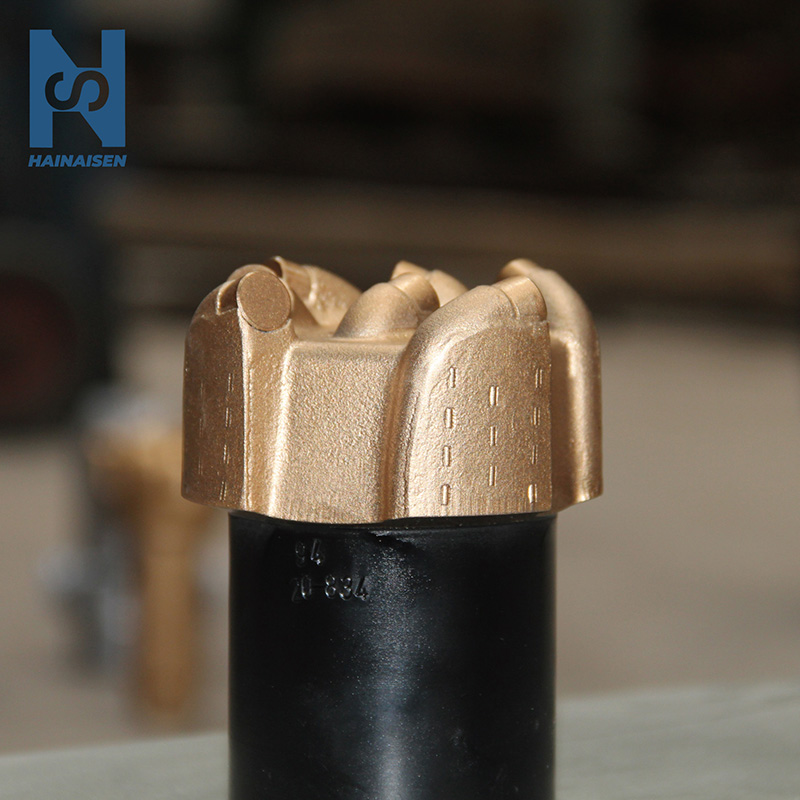 VIEW MOREPDC Flat Top Sintered Drill Bit
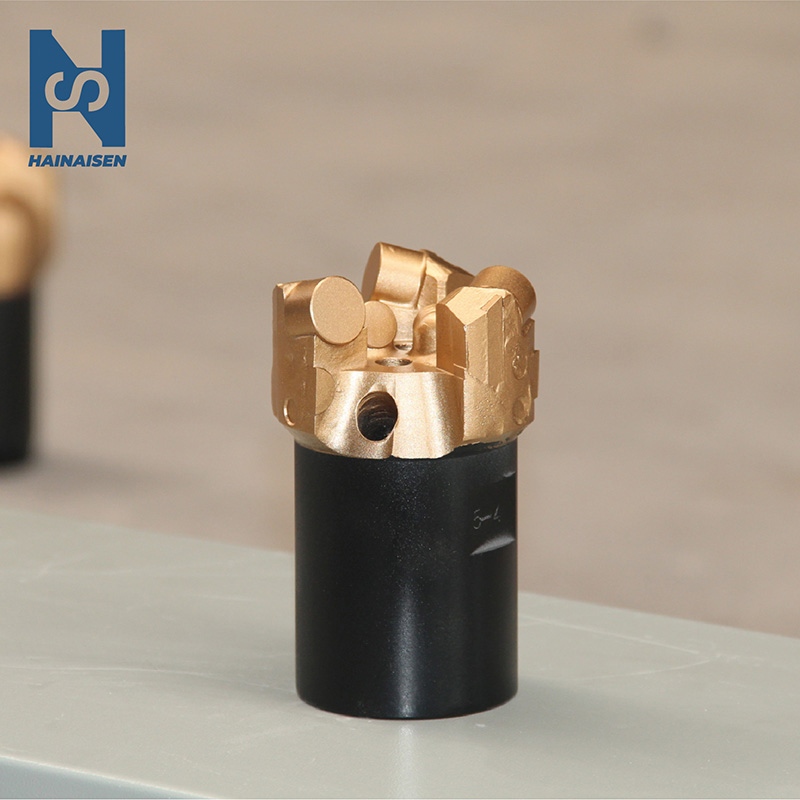 VIEW MORECoal Mining PDC Drill Bits
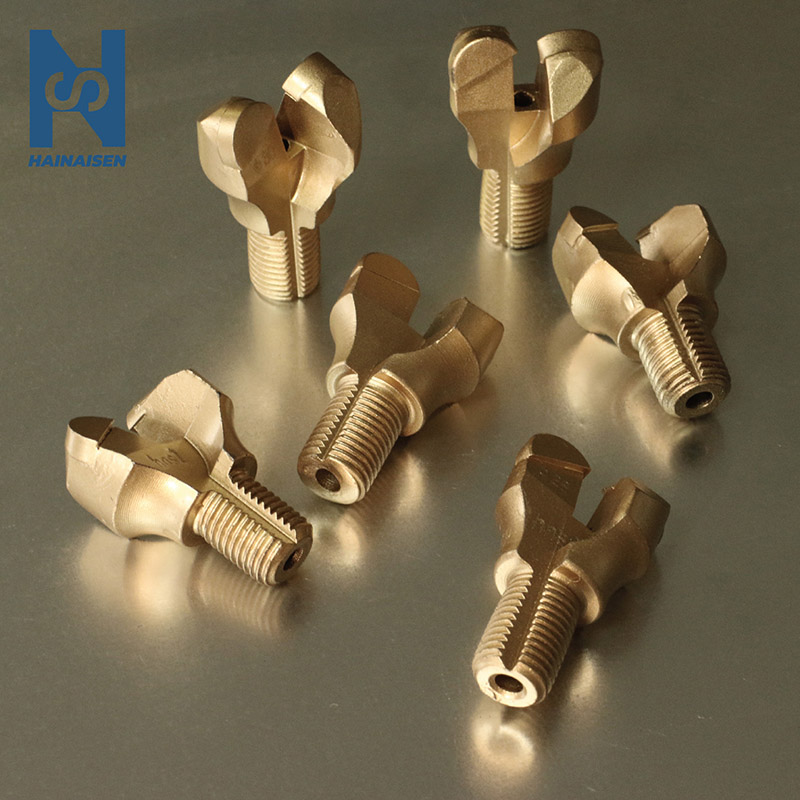 VIEW MORECoal Mining Tools PDC Anchor Drill Bit 28mm
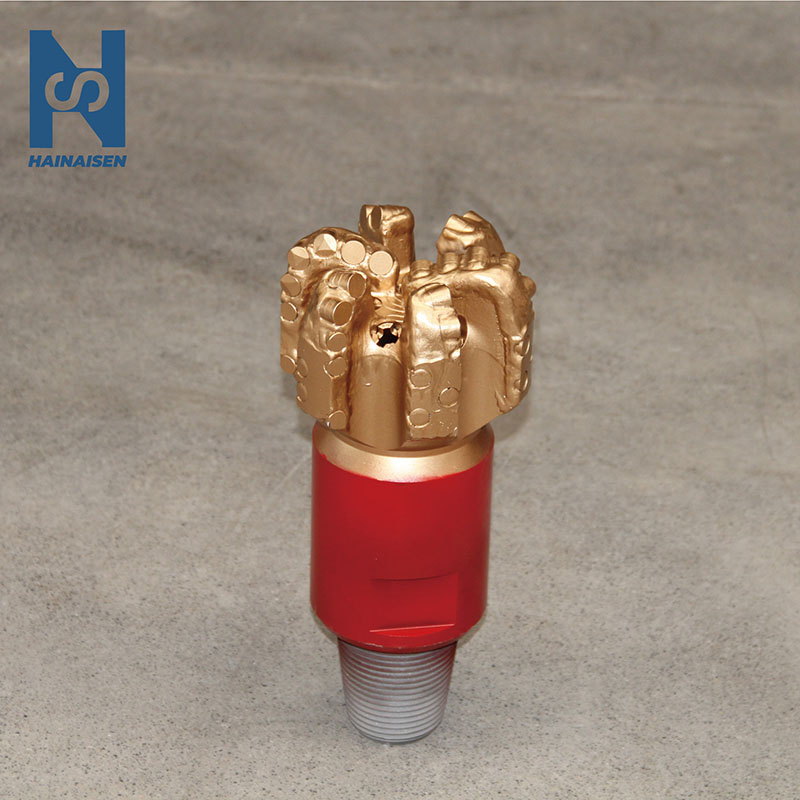 VIEW MORESix Blade Wing Petroleum Drill Bit
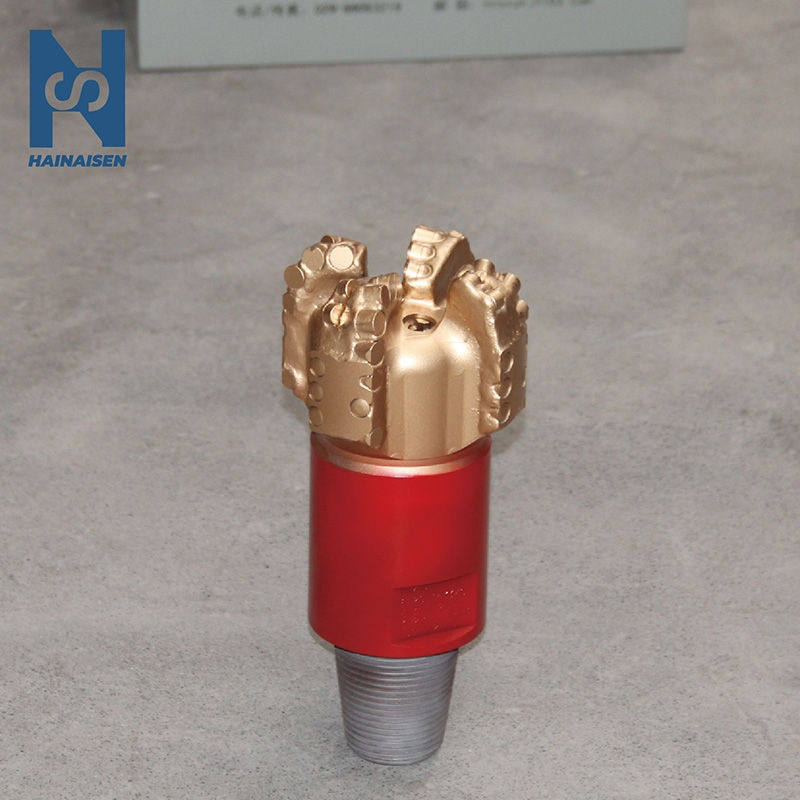 VIEW MORE4 Wings Blades PDC Bit
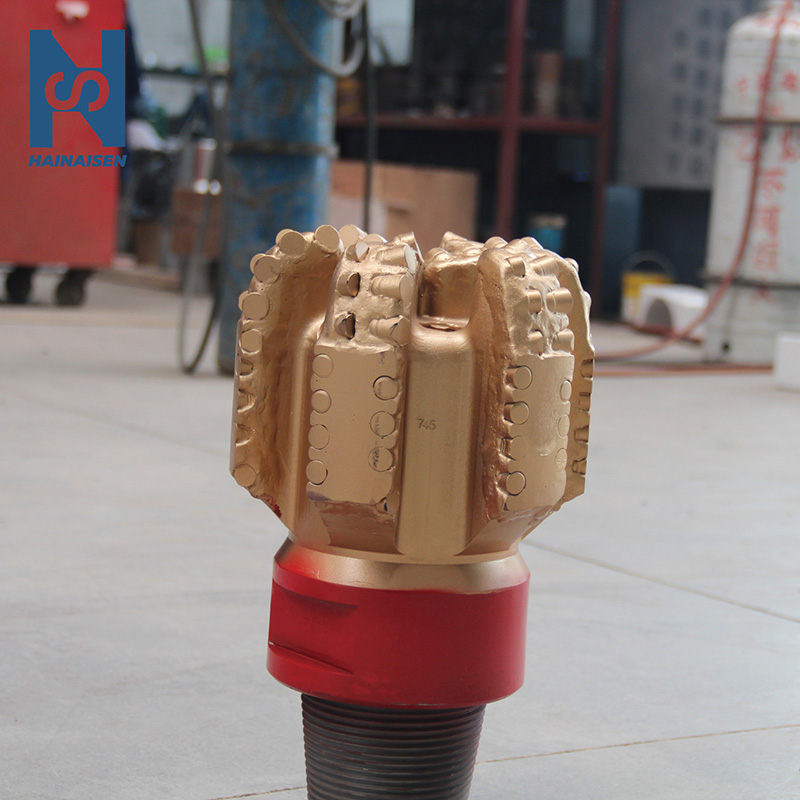 VIEW MOREDiamond Drill Bit Oil Rig
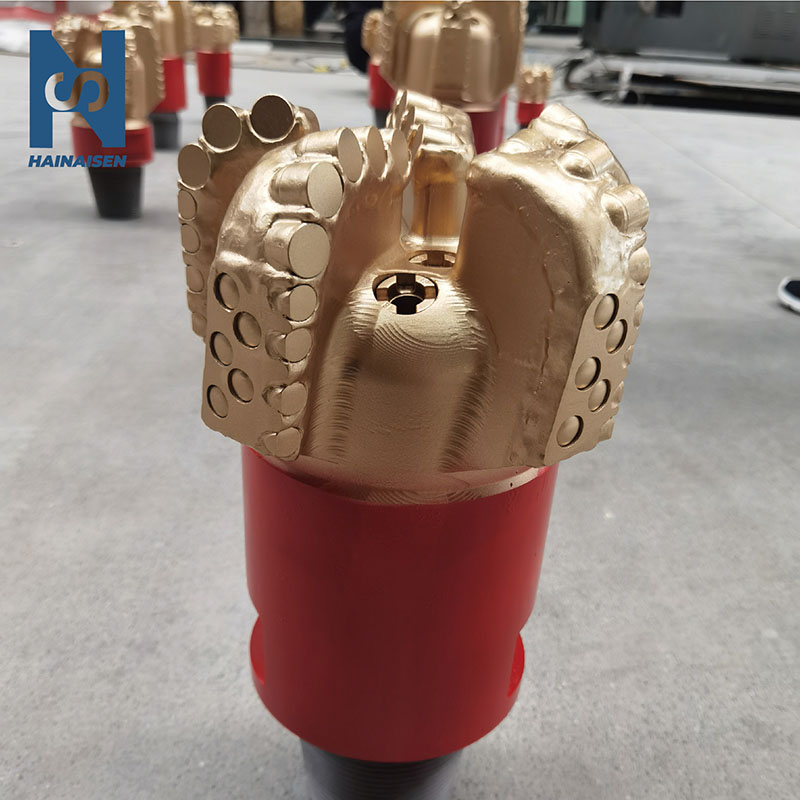 VIEW MOREFive Blade Oil Drill Bit
 VIEW MOREThree Blade Oil Drill Bit