




Five Blades Oil Well Drill Head: ROP & Wear Resistance Guide
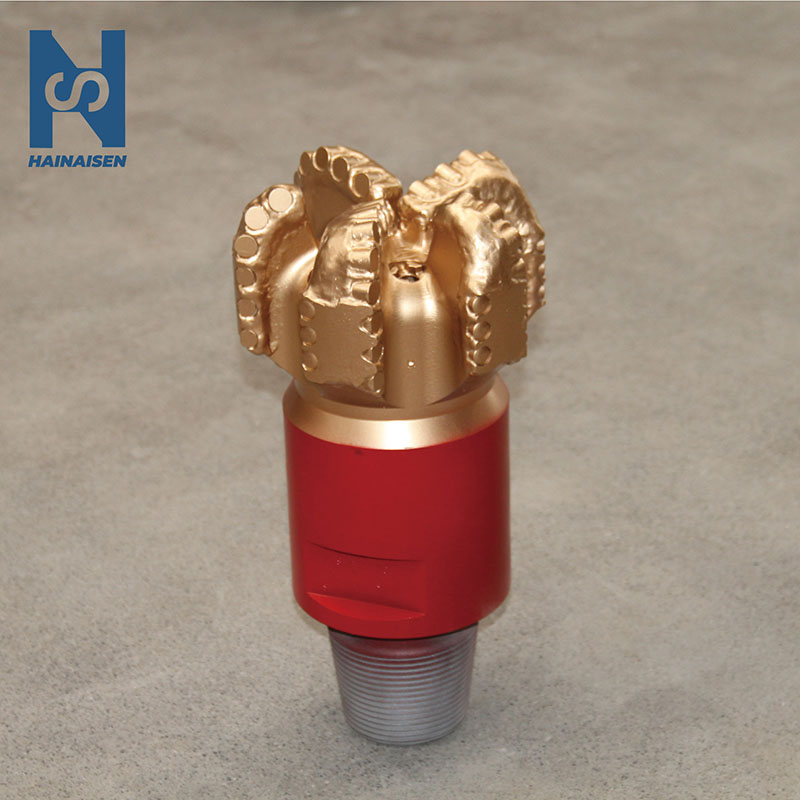
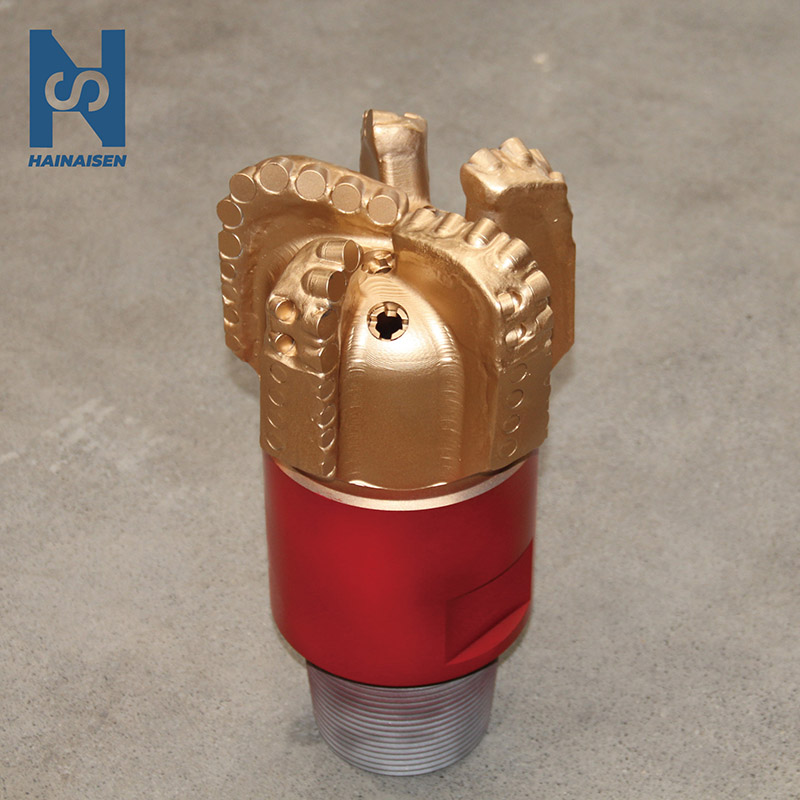
Oil and gas workers are always trying to find ways to improve digging speed while also making tools last longer. The Five Blades Oil Well Drill Head improves performance by strategically arranging its blades in a way that makes them more resistant to wear and increases the rate of penetration. This PDC bit design strikes a good mix between being mechanically stable and cutting quickly. It can be used on medium-hard rock types like shale, limestone, sandstone, and gypsum. This drill head keeps entry speeds constant even when conditions downhole change because it spreads cutting forces evenly across five blades. This reduces shaking and bit whirl.
Understanding the Five Blades Oil Well Drill Head
Core Design Principles and Mechanical Advantages
The choice to use five blades instead of three or six blades was a smart one made by engineers to get around some problems with the other designs. The five-blade architecture spreads cutting forces more evenly across the bit face than the three-blade architecture, which can become unstable in uneven forms. This spread reduces horizontal tremors, which usually make drills less accurate and speed up the wear of parts. The five-blade plan, on the other hand, keeps its strong cutting traits without giving up directional control, unlike six-blade designs that sometimes give up entry speed for stability.
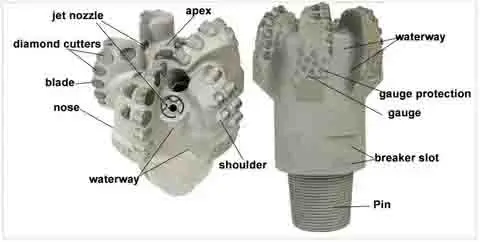
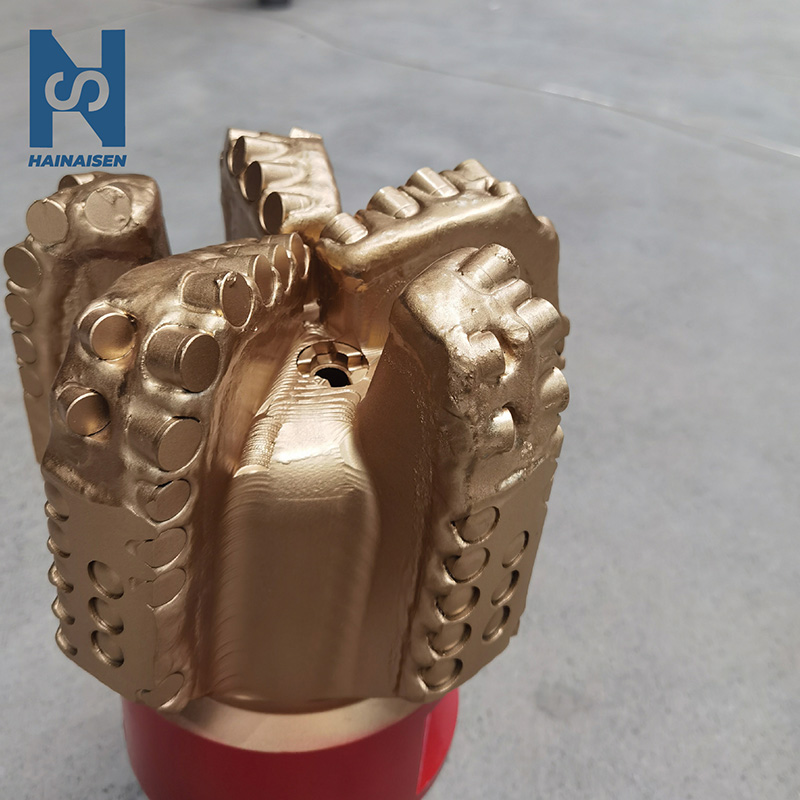
Each blade has polycrystalline diamond compact cuts that are placed at specific angles to remove rocks as efficiently as possible. The space between the blades allows for better hydraulic flow patterns, which quickly clear the cutting zone of waste. This construction stops bit balling, which happens when cuts build up on the bit face and make progress very slow. The shape of the blade also makes various cutting tracks that break up rock more effectively than other designs, especially in layers with a shear strength of 20 to 80 MPa in medium hardness.
Technical Specifications for Operational Planning
Understanding the practical factors helps drilling teams plan projects well and keep tools in safe ranges. The five-blade drill head works best at speeds between 80 and 300 RPM, and it can be used with both rotary tables and top-drive systems. Because of this, workers can change the drilling settings based on the properties of the rock without having to change the tools.
The recommended drilling pressure is between 10 and 100 KN, which gives you enough room to adapt to different rock qualities. Lower pressures work best for softer layers of rock, like some shales and gypsum, while higher weight-on-bit works best for harder rocks, like sandstones and limestones. Keeping the flow rates between 20 and 35 liters per second will make sure that cooling and cutting removal work well, which has a direct effect on both the rate of entry and the life of the bit. These hydraulic settings keep the machine working the same way over long, boring runs without premature wear.
Blade Materials and Customization Options
The choice of material has a big effect on how well and how long a drill head lasts. Steel body bits are very strong and don't break easily when hit, so they can be used in forms that have some hard stringers or rough features. The steel design can handle uses with a lot of force and keeps its shape well when heated up. When bit integrity is at risk from erosion in very rough settings, matrix body options become more desirable. The tungsten carbide matrix blend is better at stopping wear than steel in sandy areas or places where silica content makes material loss faster.
You can change more than just the body material; you can also change the cutter size, blade shape, and hydraulic setups. To come up with the best specs, custom bit design teams look at formation logs, offset well data, and project goals. Changes to the blade's height affect how active it is, and changes to the cutter's density balance the rate of entry with the tool's life. By placing and fitting the nozzles so that they work best with the mud, you can get the best cleaning results, keep the process running smoothly, and prevent the difference from sticking.
Performance Benefits: Enhancing ROP and Wear Resistance
Mechanics Behind Improved Penetration Rates
Rate of penetration improvements stem from sophisticated interactions between blade geometry, cutter placement, and hydraulic design. The five-blade configuration creates overlapping cutting paths that eliminate uncut ridges between blades—a common inefficiency in three-blade designs. This complete bit face coverage ensures every rotation advances the hole, translating rotational energy directly into vertical progress.
Field data from multiple drilling operations (Five Blades Oil Well Drill Head) demonstrates penetration rate improvements averaging 25-30% compared to conventional four-blade bits in similar formations. These gains prove particularly significant in interbedded formations where rock properties vary within short vertical intervals. The blade arrangement maintains stable cutting action across property transitions, avoiding the speed fluctuations that plague less balanced designs. Consistent penetration rates reduce non-productive time and improve project scheduling accuracy.
Advanced Materials for Extended Service Life
Wear resistance determines the economic viability of any drilling tool, as premature failure increases operational costs through frequent trips and equipment replacement. The diamond cutters employed in quality five-blade drill heads undergo specialized manufacturing processes that enhance their durability. Sintering conditions, diamond grain size, and cobalt binder content are precisely controlled to optimize hardness while maintaining adequate toughness to resist impact damage.
Heat treatment processes applied to steel body components increase surface hardness without compromising core ductility. This combination allows the bit structure to absorb drilling shocks while resisting abrasive wear from formation contact and cuttings flow. Thermal stability becomes particularly important in deep wells where bottom-hole temperatures exceed 150°C. Materials engineered for these conditions maintain mechanical properties and dimensional tolerances throughout extended runs, delivering predictable performance across the bit's service life.
Operators report service life improvements of 40-60% compared to economy-grade alternatives when using premium five-blade bits in medium-hardness formations. This extended durability translates directly to reduced footage costs and fewer drilling interruptions. The economic advantage becomes especially pronounced in remote locations where logistics costs amplify the expense of bit changes.
Real-World Performance Validation
Performance data from water well drilling operations in the southwestern United States illustrates practical advantages. A drilling contractor targeting limestone aquifers at 300-meter depths switched from four-blade to five-blade PDC Bits. Average penetration rates increased from 18 meters per hour to 24 meters per hour—a 33% improvement. Simultaneously, bit life extended from 450 meters to 720 meters per bit, reducing per-meter costs by 38%.
Similar results appear in coal bed methane extraction projects where directional control matters critically. The enhanced stability of five-blade designs reduces deviation from planned trajectories, minimizing corrective steering and associated time costs. Drilling teams report smoother operation with less stick-slip oscillation, which reduces fatigue on downhole motors and measurement-while-drilling equipment.
Choosing the Right Drill Head for Your Oil Well Project
Formation Analysis and Bit Selection
Selecting appropriate drilling tools requires careful evaluation of geological characteristics and operational objectives. Formation hardness, abrasiveness, and structural complexity drive primary bit selection criteria. Medium-hardness formations with compressive strengths between 30 and 70 MPa represent the optimal application range for five-blade PDC bits. These include most sedimentary sequences encountered in conventional oil and gas drilling, coal bed methane development, and water well construction.
Highly fractured formations or those with significant hardness variations may require modified blade profiles or specialized cutter layouts. Softer formations below 30 MPa compressive strength sometimes benefit from more aggressive six-blade configurations that sacrifice some durability for maximum penetration speed. Conversely, formations exceeding 80 MPa strength often demand roller cone bits or hybrid designs that combine impact and shearing actions.
Budget considerations influence bit selection beyond pure technical merit. Premium five-blade bits command higher initial costs than economy alternatives but deliver superior per-meter economics through extended life and faster drilling. Large oil service companies with rigorous quality standards typically specify premium bits to minimize non-productive time, their most expensive cost component. Smaller water well drilling operations often prioritize upfront costs, accepting shorter bit life as an acceptable trade-off when labor rates remain modest.
Maintenance Requirements and Operational Best Practices
Proper maintenance of PDC bits extends bit life and ensures consistent performance throughout drilling operations. Pre-run inspections should verify cutter integrity, checking for shipping damage or manufacturing defects. Damaged cutters reduce effectiveness immediately and often fail catastrophically under load, requiring costly fishing operations. Nozzle condition matters equally, as plugged or damaged nozzles compromise hydraulic cleaning and accelerate wear.
Operational practices significantly impact bit longevity. Controlled break-in procedures during the initial 10-15 meters allow cutters to seat properly and establish stable wear patterns. Gradual weight-on-bit increases prevent shock loading that can fracture diamond cutters. Maintaining optimal rotary speeds prevents excessive heat generation while ensuring adequate cutting action. Drilling fluid properties require monitoring to maintain proper viscosity and solids content—high solids accelerate erosion, while inadequate viscosity reduces cutting removal efficiency.
Post-run bit analysis provides valuable insights for optimizing future operations. Examining wear patterns reveals whether operational parameters remained appropriate for formation conditions. Excessive heel wear indicates inadequate weight-on-bit, while aggressive cutter damage suggests excessive drilling pressure or impact from hard stringers. This feedback loop helps drilling teams refine their approach and maximize equipment performance.
Procurement Guide for Five Blades Oil Well Drill Heads
Supplier Selection and Quality Assurance
Identifying reliable suppliers represents a critical procurement decision that impacts operational success and cost control. Manufacturers with established track records, comprehensive testing capabilities, and documented quality systems offer lower risk than unknown suppliers despite potentially higher prices. Verification of manufacturing capabilities should include facility inspections when feasible, reviewing equipment inventories, and examining quality control procedures.
Certification standards provide useful benchmarks for evaluating suppliers. ISO 9001 certification indicates established quality management systems, while API specifications relevant to drilling equipment demonstrate industry-specific expertise. Request material Certifications for critical components, particularly diamond cutters and body materials. Traceability documentation ensures consistency and facilitates failure analysis if problems arise.
Direct procurement from manufacturers like Shaanxi Hainaisen Petroleum Technology offers advantages, including technical support access, customization capabilities, and competitive pricing on volume orders. Established in 2013, manufacturers with dedicated R&D teams and modern production facilities equipped with 5-axis machining centers deliver precision components that meet exacting tolerances. Their 3,500-square-meter production capacity supports both standard and custom bit designs, accommodating project-specific requirements that off-the-shelf solutions cannot address.
Pricing Structures and Total Cost Analysis
The purchase price represents only one component of the total cost of ownership. Comprehensive analysis must account for expected service life, penetration rates, and associated operational costs. A premium bit costing twice as much as an economy alternative but lasting three times longer delivers superior value. Similarly, penetration rate improvements reduce rig time—typically the largest component of drilling costs.
Volume purchasing arrangements often yield significant discounts, particularly for established relationships. Coal mining companies and large drilling contractors leverage their purchasing power to negotiate favorable terms while maintaining quality standards. Smaller water well drilling teams may access competitive pricing through dealer networks or group purchasing arrangements that aggregate demand.
Warranty coverage and after-sales support add substantial value, particularly for complex custom PDC bits. Comprehensive warranties protect against manufacturing defects while technical support helps optimize drilling parameters and troubleshoot performance issues. Suppliers offering training programs enable drilling crews to maximize equipment effectiveness and identify problems before they escalate into failures.
Conclusion
The Five-Blade Oil Well Drill Head delivers measurable performance advantages through a balanced design that enhances penetration rates while extending operational life. Its strategic blade configuration reduces vibration, improves stability, and optimizes cutting efficiency across medium-hardness formations. Selecting appropriate bits requires analyzing formation characteristics, operational priorities, and total cost of ownership rather than focusing solely on purchase price. Quality suppliers offering customization, technical support, and documented manufacturing capabilities provide superior value despite potentially higher initial costs. Emerging technologies, including advanced materials, smart sensors, and data analytics, will continue advancing drilling efficiency, making supplier partnerships increasingly important for maintaining competitive advantage.
FAQ
1. What formations work best with five-blade PDC bits?
Five-blade drill heads excel in medium-hardness formations with compressive strengths between 20 and 80 MPa. These include shale, limestone, sandstone, and gypsum, commonly encountered in oil and gas drilling, water well construction, and coal bed methane extraction. The design handles moderate abrasiveness effectively while maintaining high penetration rates. Extremely soft formations sometimes benefit from more aggressive six-blade configurations, while very hard formations may require roller cone or hybrid designs.
2. How does blade count affect drilling performance?
Blade count influences stability, penetration rate, and durability through cutting force distribution. Three-blade bits penetrate aggressively but can experience instability. Six-blade designs maximize stability but sometimes sacrifice speed. Five-blade configurations balance these factors, providing excellent stability while maintaining aggressive cutting action. The optimal choice depends on formation properties, directional requirements, and operational priorities.
3. What maintenance extends five-blade bit life?
Proper break-in procedures, controlled drilling parameters, and appropriate hydraulic conditions maximize bit longevity. Gradual weight-on-bit increases during initial drilling allow cutters to seat properly. Maintaining recommended rotary speeds prevents overheating. Proper mud properties ensure adequate cooling and cutting removal. Regular inspections identify developing problems before catastrophic failure occurs.
Partner with HNS for Superior Five Blades Oil Well Drill Head Solutions
Drilling efficiency directly impacts your project economics and operational success. HNS specializes in manufacturing precision-engineered Five Blades Oil Well Drill Head PDC drill bits that deliver measurable performance improvements across diverse geological conditions. Our five-blade drill heads combine advanced materials, optimized hydraulics, and rigorous quality control to provide exceptional penetration rates and extended service life. With comprehensive customization capabilities supported by dedicated engineering teams and modern CNC manufacturing equipment, we tailor solutions to your specific formation challenges and operational requirements. Contact our technical specialists at hainaisen@hnsdrillbit.com to discuss your drilling objectives and discover how our five-blade oil well drill head manufacturer's expertise can reduce your per-meter costs while improving project timelines.
References
1. Bellin, F., and Doiron, H. H. (1988). "Polycrystalline Diamond Compact Bit Design and Application Optimization." Journal of Petroleum Technology, 40(6), 745-752.
2. Chen, S., and Tang, J. (2019). "Performance Analysis of Multi-Blade PDC Bits in Heterogeneous Formations." SPE Drilling & Completion, 34(2), 128-141.
3. Karasawa, H., Ohno, T., and Kosugi, M. (2002). "Methods to Estimate the Rock Strength and Tooth Wear While Drilling with Roller-Bits." Journal of Energy Resources Technology, 124(3), 133-144.
4. Pessier, R. C., and Fear, M. J. (1992). "Quantifying Common Drilling Problems with Mechanical Specific Energy and Bit-Specific Coefficient of Sliding Friction." SPE Annual Technical Conference and Exhibition, SPE-24584-MS.
5. Warren, T. M., and Smith, M. B. (1985). "Bottomhole Stress Factors Affecting Drilling Rate at Depth." Journal of Petroleum Technology, 37(8), 1523-1533.
6. Zhang, L., Wang, X., and Zhao, Y. (2021). "Optimization of PDC Bit Blade Configuration for Complex Formations Using Numerical Simulation." Engineering Failure Analysis, 119, 104976.
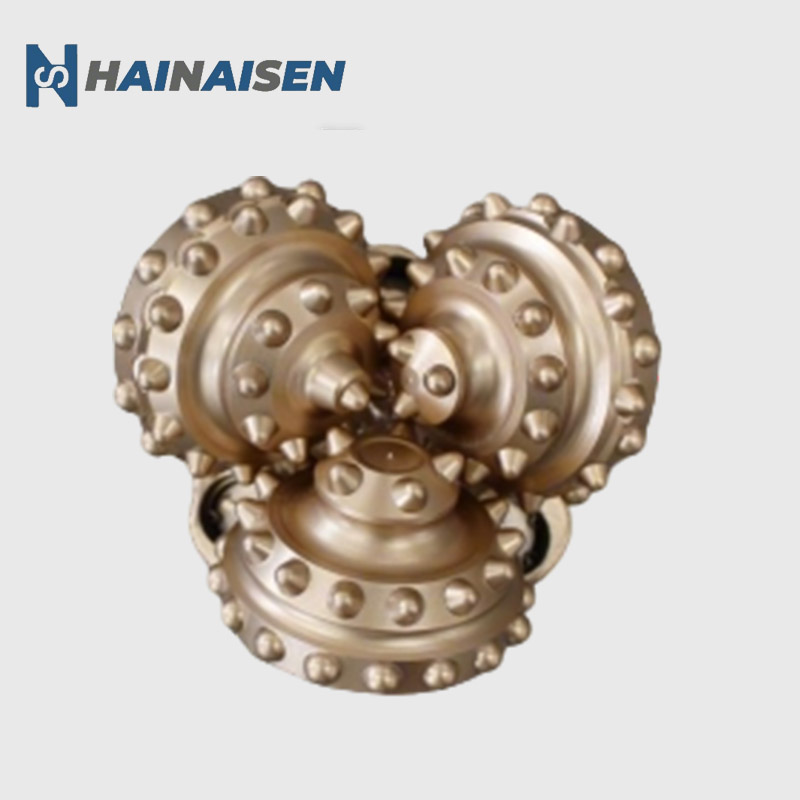 VIEW MORE4 1/2" IADC 637 TCI Tricone Bit
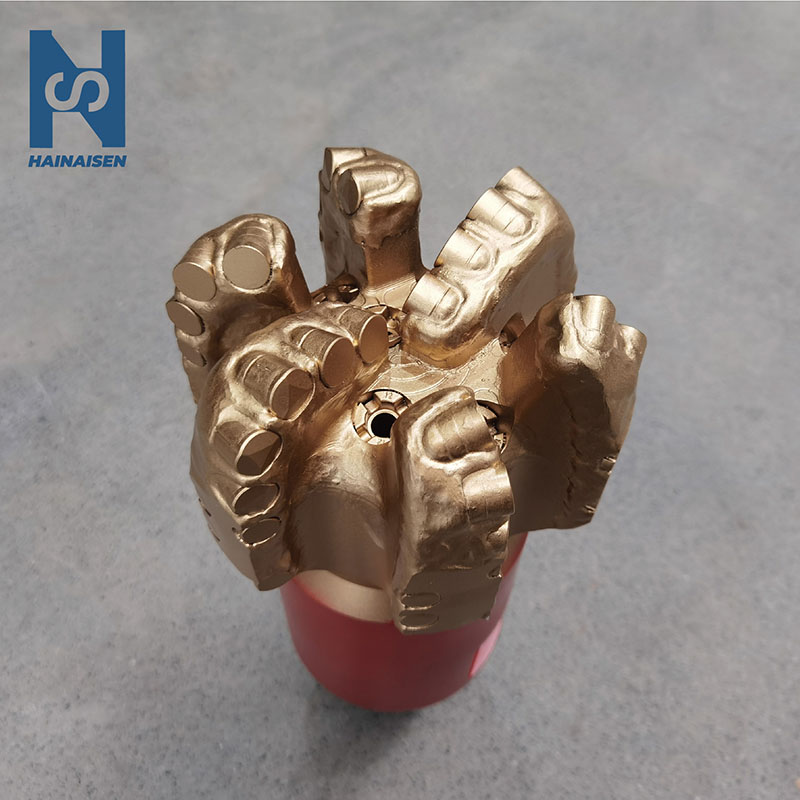 VIEW MORE6 Wings PDC Drill Bit
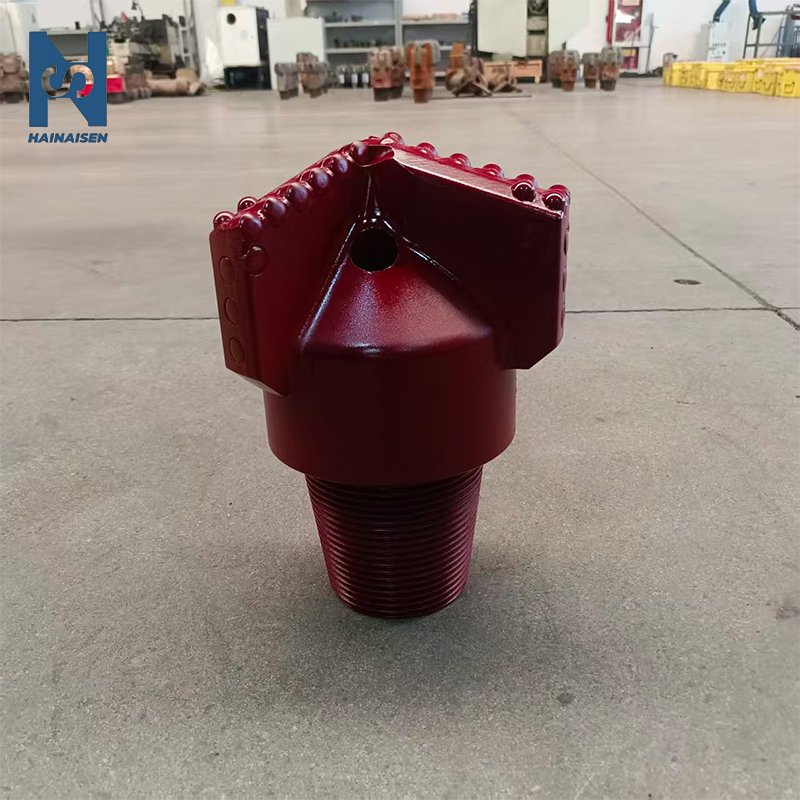 VIEW MOREHard Alloy Scraper Drill Bit
 VIEW MOREForging Deep Rock Well Drilling Bits
 VIEW MOREFive Wing PDC Bit For Hard Rock Drilling
 VIEW MOREFive Blades Oil Well Drill Head
 VIEW MOREThree Blade Wing Arc Angle Drill Bit
 VIEW MOREFive Blade Wing Oil Drilling